Think on These Things…

Finally, brothers and sisters, whatever is true, whatever is noble, whatever is right, whatever is pure, whatever is lovely, whatever is admirable—if anything is excellent or praiseworthy—think about such things. Whatever you have learned or received or heard from me, or seen in me—put it into practice. And the God of peace will be with you.

Philippians 4:8-9 (NIV via biblegateway.com)

Sometimes I have to ask if I have a “Hollywood Musical” kind of faith: the kind that breaks into song and dance in the face of trouble, and expects all of life’s problems to be solved by sheer optimism and a catchy tune. But life is full of real problems– ones that cannot be “solved” by putting on a determined smile and skipping down a Yellow Brick Road or twirling through the Alps. In fact, most of life’s problems are bigger and darker than my ability to sing or dance or even think away. I can’t sing away cancer. I can’t end injustice just by whistling a happy tune. I can’t dance my way through mass shootings, economic downturns, famines, or war.
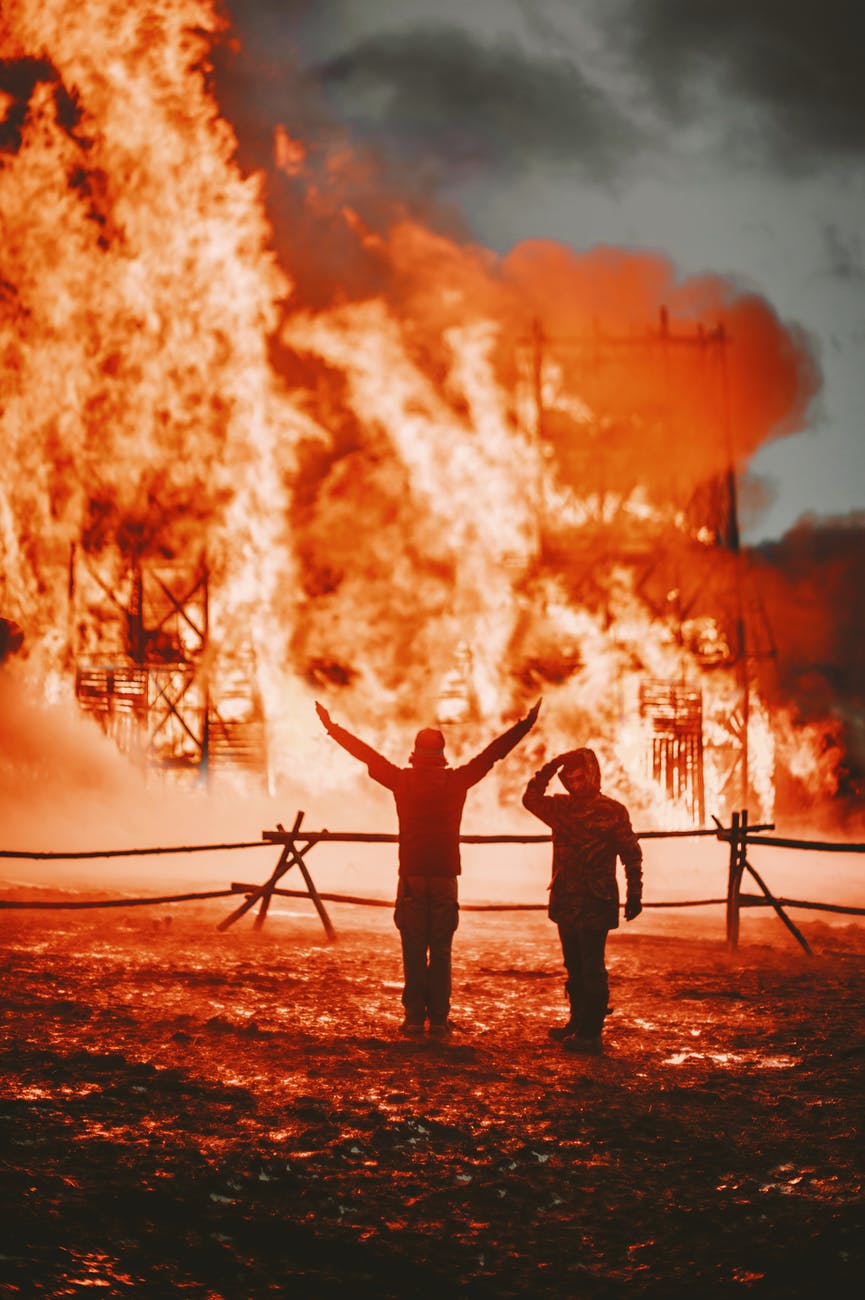
Photo by Anna Kester on Pexels.com

But I CAN choose my attitude– every day, no matter what my circumstances. I cannot ignore realities around me, but I can control HOW I view them: I can choose how much of my attention and energy I spend on negative things, and the perspective from which I view the world around me. Positive thinking won’t make problems disappear, but it will determine my response to circumstances– even unexpected ones.

Photo by Ron Lach on Pexels.com

The Apostle Paul wrote of this to the church in Philippi. Paul himself was facing very difficult circumstances– imprisoned, awaiting a sentence of death, in poor health–circumstances that would cause most people to be depressed. But Paul was sending encouragement and hope and words of joy and peace to his friends.

Notice the difference, though, between the “power of positive thinking” espoused by Hollywood, and the Power of Faith that Paul practiced. Hollywood tells us to think of our “favorite” things–kittens and mittens and snowflakes and schnitzel. Such thoughts can bring us a temporary measure of comfort and reassurance, but they cannot give us the power to endure a constant onslaught of negative viewpoints and bad news. Paul, in contrast, asks us to think of higher and bigger things– GOD’S favorite things! And he gives us the imperative–this isn’t just a “helpful hint,” meant to make us feel better for a moment. This is a consistent practice; whether the sun shines and the birds sing, or the “dog barks” and the “bee stings.” And, though they are divided into two separate verses, there is a second part of the imperative–we are to put into practice what we have learned. We need to be positively active, as well. We need to BE true and noble and pure; we need to share and promote all that is lovely, admirable, and praise-worthy.
Photo by Pixabay on Pexels.com

Just thinking about “nice” things won’t change the world. Just thinking positive thoughts about ourselves or reciting positive thoughts to ourselves won’t necessarily lead to positive results. But training ourselves to think “above and beyond” our circumstances; to think about the positive ways we can respond to them; and preparing to actively pursue positive actions, no matter what– these steps put us in a position to be used by God to create positive change.

Photo by Mary Taylor on Pexels.com

Praying the attributes of God will automatically help us to think of all that is true and noble and pure– because God IS all that is true, and majestic, and holy. Remembering all that God has done– throughout history and in our own lives–will remind us how even small acts of faith can make a difference in a cold, dark world.

Photo by Jonathan Petersson on Pexels.com

And let’s not forget the end of verse 9– “And the God of peace will be with you.” Never forget the positive promise of God’s abiding presence in all of our circumstances. Not only will he give us joy and peace, he will give us the power to endure and prevail!

Spiritual Distancing

“And lead us not into temptation, but deliver us from evil.” Matthew 6:13

For over a year now, we’ve been hearing the term “social distancing” in relation to COVID-19. Social distancing generally refers to keeping a “safe” distance from others in public, to reduce the spread of the virus (normally about 6 feet). It may also refer to using a mask whenever you are in a public building, or whenever you interact with someone who is 6 feet away or closer– especially at stores, doctor’s offices, church, school, etc.

Photo by Anna Tarazevich on Pexels.com

Most people accept that social distancing is a temporary measure and meant to help keep you from getting (or giving) the disease. It is not a normal social practice, but one we choose to adopt for the good of everyone around us. However, there are many questions as to the effectiveness of social distancing after more than a year– what about those who have already had COVID, and should have antibodies? Should they be required to wear masks and keep their distance? What about those who refuse to practice social distancing? What about those who practice social distancing to the best of their ability who STILL get COVID?

Photo by Gustavo Fring on Pexels.com

These are all valid questions. But I want to look at the contrast between social distancing and “spiritual” distancing. We don’t want to “catch” COVID, but how vigilant are we in avoiding the contamination of sin? How often do we distance ourselves from those who claim to be “healthy” Christians while continuing with sinful practices? How often do we remain in situations rife with temptation, or compromise on “little things” in our own lives?

Photo by cottonbro on Pexels.com

I’m not talking about walking around in a spiritual “bubble,” refusing to interact with anyone who has a sinful past, or with lost souls who need to hear the Good News of Salvation. Nor should we deny and cover up our own faults and failures. But if our lives are supposed to reflect the ministry and teaching of Jesus Christ; if we REALLY want to live the kind of lives that honor Him and lead others to want to honor Him, shouldn’t we be every bit as careful about sin as we are about COVID?

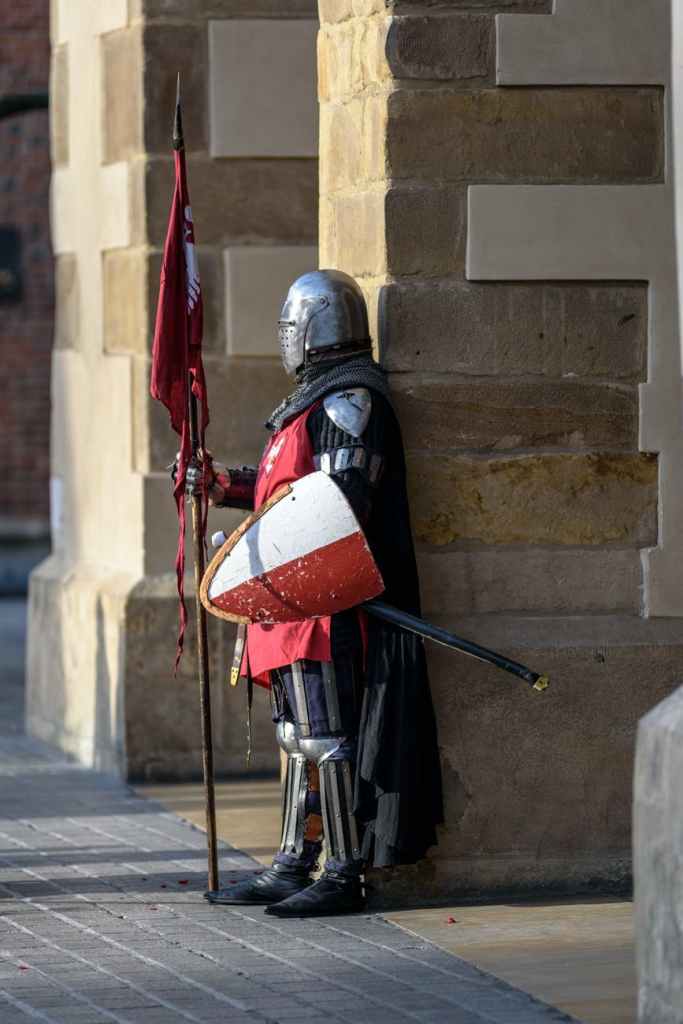
We are instructed multiple times throughout Scripture to “resist” the devil, to “flee” from temptation, to invite the Holy Spirit to “guard” our hearts and minds, and to “do battle” with spiritual foes. We are quick to put on masks before we enter the grocery– are we putting on the Armor of God at the same time?

Social distancing is public, and very visible. We can see who is practicing and who is not. We can judge others just by seeing if they are wearing a mask or keeping their distance. Spiritual distancing is private and largely invisible to the public. But God still sees and knows. I confess, I have been guilty of walking into situations and relationships without “wearing a mask” or putting on my spiritual armor.

10 Finally, be strong in the Lord and in his mighty power. 11 Put on the full armor of God, so that you can take your stand against the devil’s schemes. 12 For our struggle is not against flesh and blood, but against the rulers, against the authorities, against the powers of this dark world and against the spiritual forces of evil in the heavenly realms. 13 Therefore put on the full armor of God, so that when the day of evil comes, you may be able to stand your ground, and after you have done everything, to stand. 14 Stand firm then, with the belt of truth buckled around your waist, with the breastplate of righteousness in place, 15 and with your feet fitted with the readiness that comes from the gospel of peace. 16 In addition to all this, take up the shield of faith, with which you can extinguish all the flaming arrows of the evil one. 17 Take the helmet of salvation and the sword of the Spirit, which is the word of God.18 And pray in the Spirit on all occasions with all kinds of prayers and requests. With this in mind, be alert and always keep on praying for all the Lord’s people.

Ephesians 6:10-18 NIV via biblegateway.com (emphasis added).
Photo by PhotoMIX Company on Pexels.com

We should keep our distance from sin and temptation whenever possible, but we must also be ready to “stand firm” and protected by God’s armor, which includes persistently pursuing prayer! We wouldn’t walk into a situation where we knew we would be exposed to COVID without taking any precautions. Why would we deliberately expose ourselves to sinful practices? Why do we make excuses for compromising in our listening and viewing habits? Why do we get involved in fruitless arguments or gossip? Worse, why would we tempt others to be complacent about sin? Why do we stay silent as we watch other Christians struggling? Why aren’t we standing firm, suiting up, and praying “on all occasions?”

Photo by Keira Burton on Pexels.com

Just like with COVID, we can practice spiritual distancing and still fall into the “sickness” of sin. But God makes a two-fold promise–through the death and resurrection of Jesus Christ, the “virus” of sin is defeated and its effects neutralized. Even though we will face a physical death, we can have new and eternal spiritual life through faith by grace (Ephesians 2:8-9; John 11:25, others..) But we also have the forgiveness of sins– the knowledge that God will heal us and redeem the effects of our individual sinful choices when we confess and repent of them.

Photo by Polina Tankilevitch on Pexels.com

COVID is not a joke; nor is it harmless. I know from experience. Both my husband and I had it earlier this year. My husband was in the hospital for a week, and is still struggling to regain full health. I still have a diminished sense of smell, and other problems as a result of my illness. But Sin if a far greater threat than COVID. COVID has claimed many lives, but Sin has claimed billions of souls, and robbed them of life and hope.

Let’s keep our distance, wear our armor, and let’s get praying!

Photo by Binti Malu on Pexels.com

No Detail Too Small

Have you ever wondered about some of the minute details that made it into the Biblical accounts? And some of the details that DIDN’T?

Photo by Luis Quintero on Pexels.com
  • There are hundreds of prophesies about the birth of Christ, and at least two detailed genealogies listed in the gospels. We know that He was born in Bethlehem (and the circumstances that caused Him to be born there). We know about the angels and the visits of the shepherds and Wise Men (right down to the dreams that caused the Wise Men to change the route of their return!) Yet, the Bible never tells us the exact date of His birth.
  • Parts of Leviticus go into great detail describing skin rashes and infectious diseases; other parts discuss in detail the kinds of animals that are acceptable for food, and those that are not; and there are the various types of sacrifices– which to offer when, what could be offered, and how it should be prepared (and/or disposed of) before and after. But in the very few descriptions of festivals or Temple procedures throughout the time of the Kings and Judges, there is very little detail, except in the number of sacrifices offered, or in the way that some of the priests disregarded the rules. (See 1 Samuel 2:12-36; 2 Samuel 6:-7; Micah 3, etc.)
  • During the building of the Temple, and the rebuilding of Jerusalem, there are long lists of names of workers; in Paul’s letters, there are dozens of names of people to whom he sent special greetings. Yet we never learn the names of many Biblical “characters.” What was the name of Naaman’s wife, or her servant girl who directed Naaman to Elisha the prophet for healing? What was the name of Job’s wife? The Rich Man who ignored poor Lazarus in Luke 16?
Photo by Oladimeji Ajegbile on Pexels.com

The Apostle John comes closest to addressing this issue near the end of his gospel. He says: “Jesus performed many other signs in the presence of his disciples, which are not recorded in this book. But these are written that you may believe that Jesus is the Messiah, the Son of God, and that by believing you may have life in his name.” (John 20:30-31 NIV via biblegateway.com). Details help us visualize, understand, and remember. Details remind us that God sees and knows everything about us. And they confirm for us that God is interested in the details of life– from our scattered thoughts, to the hairs on our head; from our rising up to our lying down; from the grain of rice on our fork to the hole in our sock; from our first breath to our last gasp.

And so it is with prayer. There are times when we lift up to God the details of our day– the unkind word we regret saying about our neighbor, or the ache in our right pinky finger, or the amount we need (but don’t have) to pay the water bill or buy flour. There are other times when we cry out in desperation– no time for details. Sometimes, we make the mistake of believing that the details will make a difference in whether or not God will hear or answer our prayers. But God hears each prayer, and He already knows. He knows the details, whether we include them or not, and He knows our heart. He loves to hear from us–details or desperation– He is waiting with delight to meet with us! And each type of prayer involves “believing” and “(having) life in His Name.”

Photo by Mary Taylor on Pexels.com

Sometimes, we get tired of listening to details; tired of reading the lists of names in our Bible; tired of slogging through a long description, or waiting for someone to “get to the point.” God has infinite patience. God who already knows the end of every story, who already knows the “point” we long to make, never shuts us down or rolls His eyes as we pour out our heart to Him. Nor does he get upset when we cry out in panic or frustration, with groans and wordless expressions that don’t begin to “tell the whole story.” There is no detail too small to share with God– and no detail so important that God cannot understand or meet our need.

Praying the Perimeter

I love puzzles–jigsaw puzzles, crossword puzzles, Sudoku, logic puzzles, etc.

This may seem like a strange way to begin a blog on prayer, but stick with me…

Photo by Pixabay on Pexels.com

Puzzles can be fun, but they can also be very frustrating, especially if you approach them with no strategy. If you dump 1,000 pieces of a jigsaw puzzle on a table, and begin by trying to find any two pieces that fit, you may be able to eventually solve the puzzle, but it makes more sense to look for the “edge” and “corner” pieces first, and build a framework. Depending on the puzzle picture, you may also be able to work on colors or patterns that stand out– sky/clouds, a patch of red or blue, a dog in the foreground, etc.

Photo by Magda Ehlers on Pexels.com

The same is true of word and logic puzzles. There is usually a strategy when you approach each puzzle that can help make it easier and more rewarding. Words have patterns of letters– vowels and consonants; logic puzzles depend on deduction– narrowing down the possible by eliminating the impossible. Sudoku, and its cousin, Kakuro, involve simple math and numbers 1-9 in changing patterns. Start with the strategy, and you will find even the most challenging puzzles a little less challenging.

Photo by Dziana Hasanbekava on Pexels.com

Some puzzles seem impossible; and some are beyond my ability to solve, even with the best of strategies. That’s life. We don’t know all the answers, and we can’t always “see” the solution, or make all the pieces fit.

Sometimes, our lives seem like a challenging puzzle. Nothing seems to “fit” a pattern or make sense, and we end up lost and frustrated. Our most basic need is to trust God. But God does not leave us without a strategy. Prayer (along with reading God’s word and keeping in fellowship with other Christians) is part of an excellent strategy. Just like putting the “edge” pieces together in a jigsaw puzzle, praying “the perimeter” of our problems can put them in the proper frame.

What does that mean? Jesus gave us a perfect example in “The Lord’s Prayer.” When His disciples asked Him how they should pray, He started with the “frame.” “Our Father, who art in Heaven, hallowed be Thy Name.” God should be at the center of our life and trust, but He also needs to be the “edge” and framework of our life. There is no problem or worry that is outside of His control and awareness, no need that He cannot meet, and no problem that can take Him by surprise or leave Him frustrated and “stumped.”

Photo by Pixabay on Pexels.com

“Thy Kingdom come, Thy will be done in earth as it is in Heaven.” God already has the right strategy, and solution for our need. We can’t see it; we may not have a clue how to pay our bills, or deal with that devastating diagnosis, or make peace with our enemy–we may never find “the solution” on our own or in our short lifetime. But God sees the entire picture, and He has the power to make all the pieces “fit”– in His time and in His perfect will.

Photo by Levent Simsek on Pexels.com

“Give us this day, our daily bread, and forgive us our trespasses as we forgive those who trespass against us.” Sometimes our “puzzles” seem too big because we try to tackle everything at once, or we try to tackle things from the wrong end. God’s strategy is to rest in Him daily, letting tomorrow’s troubles wait for tomorrow, and letting go of yesterday’s struggles. That doesn’t mean that we don’t make plans or budgets, or that we don’t take responsibility for our health, or the mistakes we’ve made. But it means that we stop focusing on what we can’t control, and focus on the present. Instead of worrying, I can be thankful for what I have right now. Instead of focusing on what others think of me, or the threat they pose, I can concentrate on my own attitude and actions, making sure that I am practicing trust and obedience. Instead of getting angry when things don’t make sense, I can rest, knowing that God knows the end from the beginning.

Photo by Element5 Digital on Pexels.com

“And lead us not into temptation, but deliver us from evil.” God is our “Good Shepherd” (See Psalm 23 and John 10). He “leads us beside the still waters” and “makes us lie down in green pastures.” “He restores my soul.” (Psalm 23:3a) If we let God determine our “edges” and boundaries, we will still have to travel through troubled times and valleys “of the shadow of death.” But we need not fear evil, when we trust that God will deliver us. We need not fear the shadows and uncertainties within the boundaries of God’s will. And even when we have taken the wrong path, and “messed up” the puzzle we are in, God is in the business of redemption and restoration! He will deliver us– if we confess and seek His solution. He will wipe away the “wrong” answers and rearrange the pieces of our life, so that we can find wholeness.

Photo by Miguel u00c1. Padriu00f1u00e1n on Pexels.com

When we develop the pursuit of prayer– daily meeting with God, acknowledging who He is, and seeking His wisdom and grace– we will meet the challenges of life with the right strategy. We will still face the frustration of not knowing all the answers, or not seeing the whole picture. We will still have to deal with struggles, shadows, grief, and pain. But we will have a stronger “framework” and a God-given strategy to help.

Where Two or Three Are Gathered…

Something curious has been happening to “The Church” in the age of COVID. In many areas, public gatherings have been limited or even prohibited, leaving local churches scrambling to re-invent their worship services and other programs. For a few weeks last summer, my local church was “closed” to the public, but sermons and worship songs were filmed and sent out as podcasts. Families could stay at home and still “come to church.” Since our congregation is made up of many large families and many elderly couples who are at high risk for getting or spreading COVID, this seemed like a safe alternative. However, for those who are single or just a couple living alone, we were encouraged to find another couple or family and “do church together.” (My husband and I watched the podcasts, but we didn’t gather with any other couples.) I knew of several small churches that continued to have “regular” live services– with congregations of fewer than 50, and plenty of space, they could meet the state guidelines. Others had “Zoom” services, or live streaming services for their sermons and a small praise team. David and I visited a couple of small churches, and, as our church opened up for limited seating, we happily attended in person. The larger the congregation, the more difficult it has been to have “live” church. Many are still struggling to find a “safe” alternative for congregational worship.

Photo by Josh Sorenson on Pexels.com

Most of the churches in my area are currently open and trying to “get back to normal.” But something is still different. My husband and I went to Easter Service this year, and it felt really good to worship with familiar faces, even if they were still behind masks. There weren’t as many hugs or handshakes, and not as much “fellowship” before or after the service. The Joy of Easter was mingled with caution; the joy of seeing others was mixed with the fear that some familiar faces were still “missing.” We waved at familiar faces, and we sang familiar songs. But for me, at least, it seemed that we were still isolated from others. We “showed up” for church; we didn’t really “gather together.” I don’t know that anyone else felt what I did– and I don’t think this was any “lack” in our local congregation. But I think it will take some time and effort to reclaim “togetherness” in the sense that we used to take for granted at church.

Photo by Mary Taylor on Pexels.com

As I reflect on all this, I feel a sense of sadness and loss. And yet, I also sense a wonderful opportunity to rebuild and redefine our church community; one that remains close, not based on familiarity or shared worship style or similarity of situation or culture, but IN CHRIST! “Where two or three are gathered”…(see Matthew 18:20) We often use this verse as a promise of God’s presence whenever we have a service or a fellowship meeting. But the verse reads, “For where two or three are GATHERED IN MY NAME, there am I among them.”(ESV– emphasis added). This seems obvious, but I think we have a great opportunity to reflect and re-think what it means to “gather” in Christ’s name.

Photo by Andrea Piacquadio on Pexels.com

We have amazing opportunities to “gather” via social media, live streaming, digital sharing, etc., with brothers and sisters around the world. We have the opportunity to develop friendships and relationships around the world, and worship with thousands of others simultaneously. And that’s wonderful. But Jesus’s promise is not made to mega-gatherings of believers “showing up” for a worship “experience.” Jesus promised to be where “two or three” are gathered in His name. And that doesn’t just mean that we need to get involved in a small group Bible study or “plug in” to a small fellowship group– though both are great opportunities.

But what happens when Jesus shows up at the grocery store when you run into your neighbor and share a prayer request, or at the restaurant, when your family says grace, inspiring others to do the same? What happens when “IN MY NAME” becomes a bigger part of our everyday life? What happens when that friend on social media becomes a prayer partner, instead of someone who just “likes” our jokes and photos? What happens when we make an effort to gather with a few neighbors for Bible study– even if we all go to different churches for worship?

Photo by Anna Tarazevich on Pexels.com

Two are better than one, because they have a good reward for their toil. 10 For if they fall, one will lift up his fellow. But woe to him who is alone when he falls and has not another to lift him up! 11 Again, if two lie together, they keep warm, but how can one keep warm alone? 12 And though a man might prevail against one who is alone, two will withstand him—a threefold cord is not quickly broken.

Ecclesiastes 4:9-12 (ESV via biblegateway.com)
Photo by Helena Lopes on Pexels.com

I confess that COVID has shown me how much I’ve been living life and pursuing prayer in a bubble. I need to “gather” and interact one-on-one and in small groups with other believers. How much of Christ’s presence have I halved by hoarding it to myself or searching for Him in the church pews–how much more I can pursue relationships that include and invite Jesus to be “among” us, rather than just “with me.”

The Sound of Silence

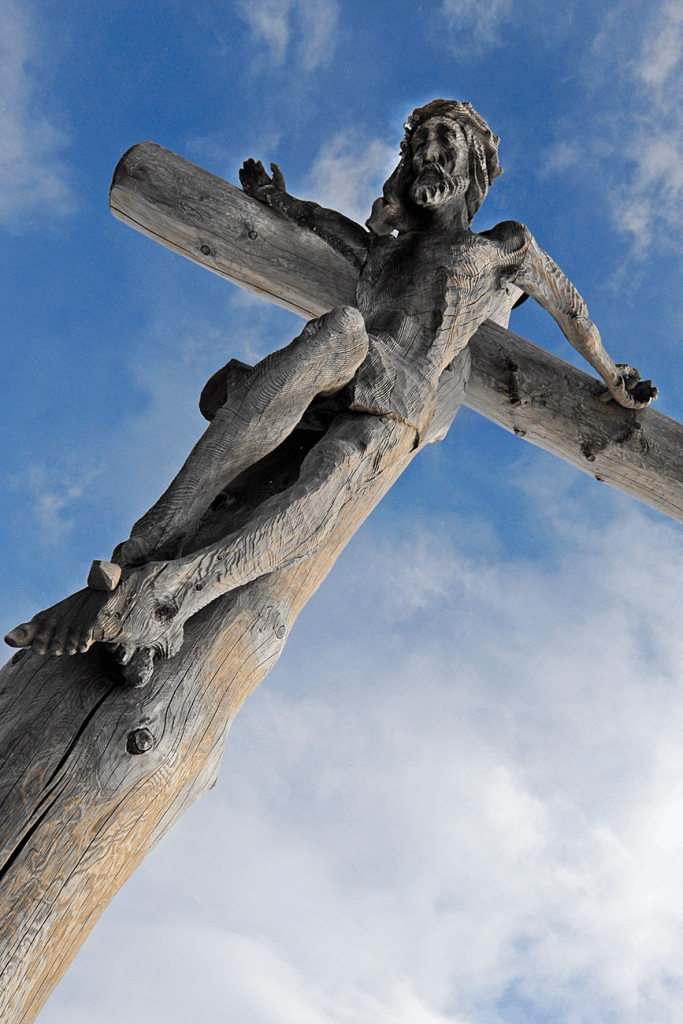
The events of Good Friday are well recorded in all four of the gospels, (see Matthew 27, Mark 15, Luke 23, and John 19 https://www.biblegateway.com/passage/?search=JOhn%2019&version=NIV ) but it is still difficult to imagine exactly what it must have been like that day. The first crow of the rooster came as Jesus was still on trial before the Sanhedrin, hours of questioning and betrayal that would continue as the sun rose and Jesus as passed on up the chain of power to Pontius Pilate for more questioning. The sun was still climbing as Jesus was beaten and paraded before the crowds. The swell of voices shouting for His execution would have echoed through the public square–“Crucify Him! Crucify Him!” “We have no king but Caesar!” The same taunting would continue as Jesus walked the long Via Dolorosa and came to Golgotha.

By nine that morning, Jesus, bloodied, whipped, exhausted, humiliated, betrayed, and struggling for every breath, was nailed to the cross. He was fully exposed to the bright morning sun, the heat, and all the stares of the angry mob who came to revel in His anguish. He was unable to wipe the blood or salty sweat that trickled from His brow and ran into His eyes; unable to swat away flies who buzzed around His face, elbows, or cheeks. He was unable to block out the noise–curses, curious questions, His Mother’s agonized cries, and, in the lull, the ordinary noises of a crowded city preparing for a celebration.

Photo by Pixabay on Pexels.com

As noon approached, there would be the aromas of roasted lamb, market fish, baking bread. The crowds were quieter now, some may have left to seek out lunch or relief from the heat. But the heat and the sun disappeared as darkness rolled in. The angry energy gave way to fear and dread. The earlier shouting was now a an ominous rumbling among the remaining spectators. It was quiet enough to hear Jesus address His Mother and His disciple, John, and answer the thief on the neighboring cross, promising to see him in Paradise. It was possible to hear Jesus cry out later, His voice raspy and broken, but clearly in anguish, “Eloi, Elioi, lama sabachthani!?”

Photo by Pixabay on Pexels.com

Perhaps it even got so quiet, as it sometimes does in darkness, that you could hear the three men on the crosses struggling to take each breath–their tortured muscled straining to lift their weight enough to get air past their parched lips and tongues–in and out, as distended muscles demanded more oxygen than their bodies could provide. Did the members of the crowd listen to their own heartbeats in those moments?

Photo by Francesco Paggiaro on Pexels.com

The unnatural darkness would have magnified the moment when Jesus, the Light of the World, breathed His last breath. And I imagine in the moment after that a silence so deafening, so complete, as the Word of God, the Creator of Life and Giver of Breath departed the Earth– as though all light and sound imploded at the loss. A split second only, but one so intensely silent that it must have taken the breath of every onlooker.

Photo by Engin Akyurt on Pexels.com

And then, the sound returned full-force– the Earth quaking, the skies crashing, Creation gasping, the Temple Veil ripping, and terrified people rediscovering their ability to cry out. Noise–piercing, and violent and sudden, bringing with it a return of the angry energy of before. But the energy is different now. Subdued. Nervous. Desperate. Empty…

Photo by Shawn on Pexels.com

Presumptuous Prayers

The Pharisee and the Tax Collector

He also told this parable to some who trusted in themselves that they were righteous, and treated others with contempt: 10 “Two men went up into the temple to pray, one a Pharisee and the other a tax collector. 11 The Pharisee, standing by himself, prayed thus: ‘God, I thank you that I am not like other men, extortioners, unjust, adulterers, or even like this tax collector. 12 I fast twice a week; I give tithes of all that I get.’ 13 But the tax collector, standing far off, would not even lift up his eyes to heaven, but beat his breast, saying, ‘God, be merciful to me, a sinner!’ 14 I tell you, this man went down to his house justified, rather than the other. For everyone who exalts himself will be humbled, but the one who humbles himself will be exalted.”

Luke 18:9-14 ESV (via biblegateway.com)
Photo by sobhan joodi on Pexels.com

“Father, help my neighbor see her sin. Change her heart, Lord Jesus.”

“Heavenly Father, I know it is not your will that I face this diagnosis of cancer. Help the doctors to see their mistake.”

“God, this job opening is a perfect opportunity– I claim this job in Your Name.”

Photo by Luis Quintero on Pexels.com

I’m not saying that the above examples are all about presumption, especially taken out of context, but I think it is easy to fall into a dangerous habit of thinking that our will must also be God’s will, and not the other way around. What if God is waiting for me to reach out in Love to my “sinful” neighbor? What if it is MY heart that needs to be changed? What if God’s plan for my life includes cancer– or a miraculous healing from it? What if my response to cancer is an opportunity to show God’s peace? What if God has a better job, or better timing for that job?

I actually had that experience. When I was first out of college, I applied for many teaching positions– nothing was open the first year, and I ended up working at a public relations firm as a proofreader. I was laid off nine months later– just in time to apply for teaching positions again. The “perfect” job came up at my old high school, where they needed an English teacher. I interviewed well, and thought I had the job. But they went with a teacher who had more experience. So I signed up to do substitute work– not what I wanted, but it paid for my room and board, and not much else. It was late January when I got the call. The other teacher had been chronically ill, and they needed me to “substitute” for the rest of the year, with a possibility of a contract the next year. When I arrived, the classes were in chaos. The students were unruly and way behind in their studies. It wasn’t the “perfect” job– it was difficult. But I prayed– agonizing, humbling, needy prayers. I stayed at that position another seven years. Any I prayed through every day. But what if I had gotten the job at the first try? Would my prayers have been as pure, or would they have been laced with presumption?

Photo by Katerina Holmes on Pexels.com

I pray every day. I read God’s word every day. But I am in need– every day– of God’s mercy, His wisdom, and His Holy Spirit to guide my thoughts. Too often, I presume when I pray– that God will do what I want, that He will see things from my perspective, that He will not ask me to go through hardship or disappointment, or pain.

Our prayers don’t need to be as arrogant as that of the Pharisee in this parable to hold certain prideful presumptions.

Photo by Ian Panelo on Pexels.com

“Lord, be merciful to me, a sinner! Give me strength to face the day ahead, grace to share Your Love with those around me, and eyes to see Your hands at work. Thank you for Your salvation, for Your promises, and for Your faithfulness. Amen.”

Insult to Injury

Have you had “one of those” days lately? Nothing seems to go according to plan, and as the day goes on, it just seems to go from bad to worse. Something (or someone) comes along and adds insult to injury.

Photo by Andrea Piacquadio on Pexels.com

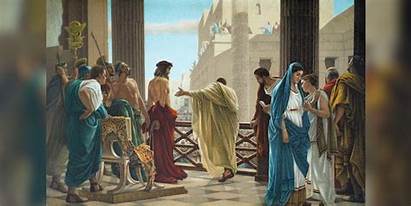
Next week, the Church will be remembering what seemed like the last week in the ministry of Jesus Christ on earth. First comes “Palm” Sunday, commemorating Jesus’ triumphal entry into Jerusalem. Shouts of “Hosanna!” and crowds of people cheering and waving palm branches–it was as though Jesus was a rock star or a prince of Israel. But just a few short days later, he was arrested, and convicted in a corrupt “trial” by the religious officials. The same crowds who cheered him on were screaming for his death, waving fists instead of palm branches. Pilate, to please the crowd, sentenced an innocent Messiah to one of the most brutal deaths imaginable– public, excruciating, humiliating, torturous crucifixion.

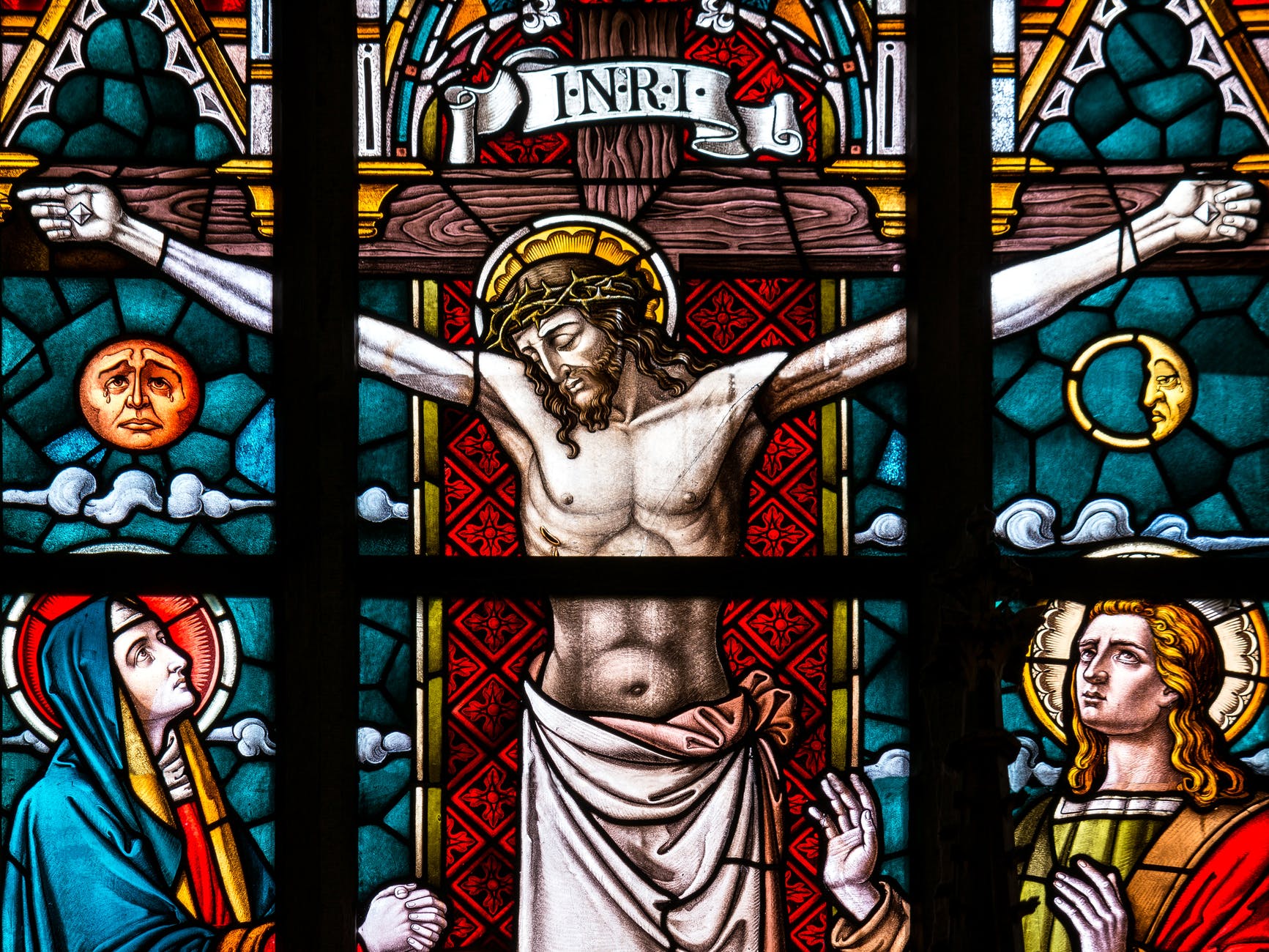
Jesus didn’t just suffer death. He was mocked, insulted, deserted by his friends, lied about and lied to by those he should have been able to trust, stripped naked and whipped, and branded as a criminal as his “fate.” In such a short time, to be so crushed and betrayed, brutalized and humiliated–none of my “bad days” can compare to what Jesus went through. His injuries were horrific; the insults and betrayals were worse. Yet He bore them all. He died in anguish; broken, bruised, beaten, and abandoned.

Photo by Francesco Paggiaro on Pexels.com

And He could have chosen differently. He was perfectly innocent, perfectly authorized to defend Himself, capable of calling all the Hosts of Heaven to testify on His behalf, and perfectly powerful enough to come down off the cross at any time and send all of His accusers and tormenters to oblivion! That Friday wasn’t just “one of those” days. It was not something that took Him by surprise, nor was it something He “deserved.” He chose to go through that day…it was part of His perfect plan. That day. That death. That stunning humiliation and “defeat.”

But Holy Week doesn’t end in insult, injury, defeat, or despair–because God’s ways are perfect, Jesus turned everything to Glory! We will celebrate next Friday– “Good” Friday– because only God can triumph over death, and transform horror into hope, despair into deliverance, and shame into salvation.

Even on “one of those” days, we can find peace and practice praise as we pray to the one who took “one of those” days and turned it into the greatest miracle!

Praying in Perspective

I love optical illusions and “trompe l’oeil” drawings and paintings– artwork that either forces the eye to see things as though they are three-dimensional, or fools the eye into seeing something completely different if you look at it from a different angle or perspective. A duck turns into a rabbit, or a hairy face turns into an ape, or a vase turns into two faces…it is not enough to take a quick glance– you are “drawn” into looking deeper, and studying the art from many angles.

What if we approached prayer this way? Sometimes, I pray from a very fixed perspective– my own desires or in my own wisdom– instead of giving my thoughts and worries entirely over to an all-knowing and all-wise God. What if God wants me to see the situation from a different perspective– HIS?!

Photo by Paul Basel on Pexels.com

Instead of instant healing from an injury, what if God wants me to work harder to maintain my overall health as I recover? Instead of mission work in East Asia, maybe God needs me to work in East L.A. (or vice versa). Instead of my child having the “perfect” job, what if God’s plan is for her to be challenged and unsettled for years before finding the most fulfilling career?

Photo by Pixabay on Pexels.com

Jesus gave us excellent examples of praying with the proper perspective. “Thy kingdom come. Thy will be done on earth as it is in heaven. Give us this day our daily bread. And forgive us our debts, as we forgive our debtors.” (Matthew 6:10-12) “..yet not my will, but Thine be done.” (Luke 22:42).

I tend to pray “two-dimensional” prayers. Lord, help me to pray with Your eternal perspective!

Show, Don’t Tell..

A fundamental piece of advice for writing fiction is “Show, don’t tell.” A good writer will use words to paint a picture or set a mood. Poets and songwriters are masters of this advice. Metaphors, analogies, figurative language, even alliteration– all create memorable images with very few words.

Photo by Akshar Dave on Pexels.com

Jesus (hardly surprising, as He is the Word of God) was a master storyteller, using parables that we still recognize and identify with today–mustard seeds and prodigal sons, good Samaritans and lilies of the field– Jesus didn’t “lecture” about forgiveness or holiness or love; He provided word pictures, even as He demonstrated each concept in His actions.

Photo by Cindy Gustafson on Pexels.com

When Jesus was getting ready to return to Heaven, He commanded His disciples to “Go and make disciples of all nations.. (Matthew 28:19 NIV) He also said to “Go into all the world and preach the gospel to every creature..(Mark 16:15 NKJV). And as I review Jesus’ methods and actions, I see that I need to make some changes.

Photo by Ketut Subiyanto on Pexels.com

I need to listen more and lecture less. I need to spend more time with those who are shunned by the “righteous,” but cherished by God. I need to spend less time defending myself and more time testifying about Jesus. And I need to spend less time “telling” and more time “showing” love, obedience, joy, mercy, peace, and hope.

Photo by ThisIsEngineering on Pexels.com

This doesn’t eliminate the need to talk and write and “tell” about God– but I want to learn more about doing it God’s way!

Blog at WordPress.com.

Up ↑