Beyond Words

The world is filled with language–there are well over 5,000 recognized languages and dialects around the globe.  And within each language are thousands upon thousands of words– nouns and verb forms and adjectives; names and even grunts and sighs and “clicks” that vary from language group to language group.

In spite of this, we often find ourselves “speechless”– unable to find a word or sound that adequately communicates our thoughts or feelings in the moment.  We stammer or sigh, gesture, or scream– but the words either don’t come or they don’t exist.

pexels-photo-1007977.jpeg

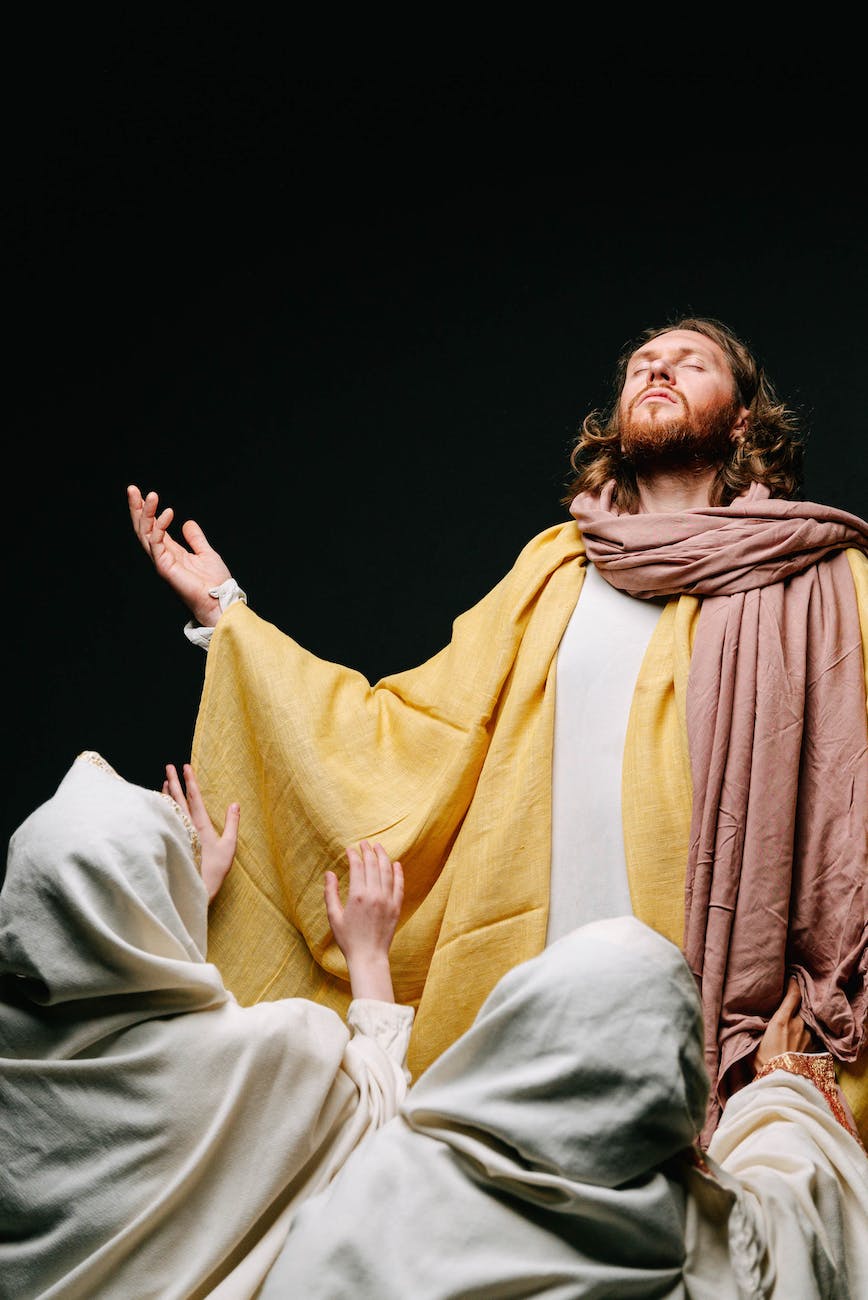
God knows and understands our innermost heart– with or without words.  The Apostle Paul refers to this in Romans, chapter 8, when he talks about the Spirit interceding for us with groans that words cannot express (v. 26).  And it’s not always groaning– sometimes there are no words for our joy– only dancing or tears of gladness.  Sometimes, there are wails and cries that come straight from our broken hearts.  Sometimes, our excited thoughts come so fast that we cannot form words and sounds to keep up.

girl in pink jacket on wooden bridge in the forest

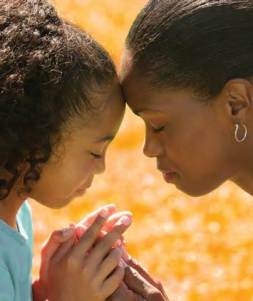
Prayer isn’t always about words– carefully drafted lists of requests or thank-you’s for our blessings–sometimes prayer is a spontaneous gush of sound or movement; sometimes, it is an intense stillness and profound silence, such that your heartbeat is deafening and the very air sings in your ears.  Sometimes, it is the eruption of pain and guilt, regret and despair–the sound of your soul being pulled up through your throat and ripped almost in two.  And sometimes, miraculously, it is the overwhelming presence of God in all of his Holiness, Splendor, and Might that defies any human utterance, but draws out pure praise, unfiltered by language!

sunset sunrise nature field

Today, whatever words (or utterances, clicks, gestures, or groanings) you use, don’t neglect to express your heart and soul to the one who made you. Prayer is more than just mere words, just as God is more than just someone else to talk to! He knows every language, every thought and emotion, and each individual intimately. He will understand– even beyond words!

“Just a Vacation” by Faith

There is an old joke about a young boy who could hardly wait to go to a local evangelistic service. He begged to go– he counted the days– he thought of little else. Surprised and a little curious, his mother finally asked him why he was so excited. He said, “Mom, they said on the radio that the evangelist is going to be talking about “just a vacation” by faith. I want to go along– especially if he’s taking us to Hawaii!”

Of course, the joke is that the boy misunderstood what he had heard over the radio waves– “Justification” for “Just a vacation.” The evangelist wasn’t promoting travel or taking time off from work, or relaxing on an exotic beach somewhere.

But I think we often make a similar mistake when we talk about Faith. We make it sound like a vacation– a vacation from worry; a vacation from consequences; even a vacation from reason and “justification” for our beliefs. We carry our Faith as a kind of talisman against bad circumstances, or like a “free pass” from worry or responsibility. “If I just believe it, I will receive it!” is a great meme, but we need to believe in Jesus Christ– not just our belief about belief.

Faith goes hand in hand with work. Faith, according to the writer of Hebrews, “is the substance of things hoped for– the evidence of things not seen.” (Hebrews 11:1 emphasis added) Faith is more than just positive or wishful thinking; more than just the power of hoping for the best; more than just acceptance of traditions and platitudes, or falling under the spell of a powerful speaker. It results in changed thinking and a changed lifestyle. Faith is transformative– our new life is evidence of our Faith IN Christ and His Holy Spirit working IN us! We don’t take a “vacation” from our old life or old habits– we change course. Faith isn’t momentary or circumstantial.

Nor is Faith about taking a vacation from responsibilities or hardships. Faith doesn’t magically make pain go away or trials vanish. It doesn’t mean that we don’t have cause to worry, or even to question, “Why?” Instead, Faith wrestles with such questions, and moves ahead, even when we cannot see over the next rise. Faith doesn’t make hard circumstances go away, or painful problems vanish. Hard times are still hard; pain is still pain, even with Faith. But Faith makes the seemingly unbearable, bearable. Faith gives us the endurance and the peace that helps us– with Christ– overcome whatever comes our way (See Philippians 4:12-13)

Faith doesn’t change our circumstances– it changes our perspective. Today is difficult– but today is not the same as forever. Tomorrow’s unknowns might be frightening, but so were yesterday’s trials. God was there with us then; He is with us today, and He has promised to be with us always. Our lack of faith doesn’t negate God’s promises, nor does our Faith cause them. But our Faith has a solid foundation– one that has been put to the test by millions of others over thousands of years and has not been found lacking! God is Faith-ful!

So when I pray today, I am not coming to God with wishful thinking or wondering if God will hear my prayer or be willing to act on my behalf. I trust that God knows my needs, hears my prayers and will answer according to His wisdom. He knows exactly what I need and when I need it– not just what I desire in a particular moment or when I think I would like my circumstances to change–but my true need. Whether or not that includes a vacation!

Hallelujah! Amen!

At least once a month this year, I hope to include a post on helpful tips to improve our pursuit of prayer. These are tips I’ve gathered over the years, and it helps me to remember as I write about them.

Today, I want to talk about starting and finishing well.

Beginning prayer with a Hallelujah helps focus my attention where it should be– on God! Too many times, I start praying with a “need” mindset. I’m focused on a need or a situation in my life or the lives around me. But the greatest “need” I have is to lift my eyes and focus on the ONE who is higher and greater and more powerful than any situation; the ONE who can satisfy every “need” and bring justice, restoration, and hope to any situation.

I have learned two different acronyms for prayer over the years– ACTS and PRAY. ACTS stands for Adoration, Confession, Thanksgiving, and Supplication. PRAY stands for Praise, Repent, Ask, and YES! (action). In both, the first step is to bring praise and adoration to the One who is worthy of it.

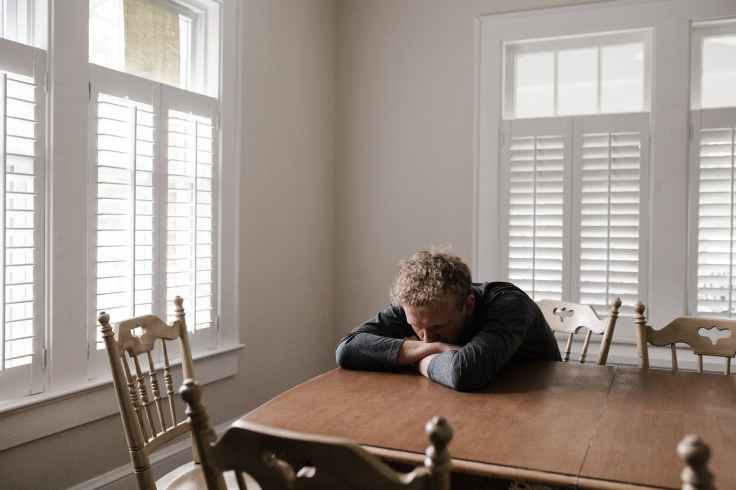
Sometimes, this is easy to do. Sometimes, it is painful. When I am stressed, worried, grieving, or convicted, my focus is inward and downward– and I can spiral into depression, isolation, and fear. The last thing I want to do is turn my focus away. God’s glory and righteousness can be blinding in the face of dark depression and despair. And yet–

Start small. Begin with one aspect of God’s character that you have experienced– His Grace, His Faithfulness, His Love. Meditate on it. Express it. Expand on it. Recall some of the specific ways in which God has been gracious, faithful, or loving. Think about some of God’s other attributes– His wisdom, power, omnipresence; His eternal nature, His creation. Soon, it becomes easier to speak, and even sing, His Praise!

Often, this will lead naturally into confession and repentance. When we begin by focusing on God’s greatness, His Holiness, and His majesty, our worries show themselves for lack of faith; our needs, while still real, reveal opportunities for God to “show up!” and for us to learn new depths of His character IF we are humble, obedient, and willing to learn.

Praise and Adoration are important first steps in prayer. But it is equally important to end our prayers well. Sometimes, our “Amen” is muted as our focus returns to our requests. And sometimes, it can be difficult and even painful to say “Amen!” I KNOW God is all-gracious, all-knowing, and all-powerful. But I also know that I don’t have enough money to pay the latest bill, or that I have been diagnosed with an incurable disease, or that my son or daughter is still lost. And I know that God may be asking me to walk through the valley of the shadow of death. He will be beside me, but He’s not going to remove the shadow or the valley to make it easier.

Over the years, I have found that it is better to wrestle IN prayer than to end with a half-hearted Amen. I must go back to Adoration; find my Thanksgiving, reclaim my Yes, Lord! before I say, “AMEN!” Otherwise, I am like the double-minded person in the book of James: being tossed like a wave in the ocean and filled with petty doubts in spite of my knowledge of God’s goodness.

End your prayer on a high note today. Remember to sandwich requests and concerns between hymns of praise and odes of thanksgiving. “Amen” should always echo our “Hallelujah!”

My Anchor Holds…

(Note: This is a post from a couple of years ago…)

My husband and I like to go fishing. We have a small boat, and we take it out on a local lake, and spend many happy hours enjoying nature and casting about for fish. One piece of equipment we keep on the boat is an anchor. It’s a small anchor (for a small boat), but it is heavy and solid. The anchor stays within the boat while we travel, but once we’ve found the spot where we want to fish, out it comes. We “drop anchor”, and tie off the rope. The anchor sinks to the lake bed, where it digs in and holds the boat, keeping it from drifting with the water and the wind. The boat still moves a bit, but the anchor and the rope ensure that the boat will stay close to the spot where the anchor lies.

On calm days, it may seem as if the anchor is hardly necessary. The lake is still, and the boat doesn’t seem to drift at all. On windy days, the boat will be driven by the waves, unless the anchor is dropped and holds firm. But the waves still churn and batter against the sides.

Photo by Maria Orlova on Pexels.com

The author of Hebrews compares the hope we have in Christ to an anchor. ” We have this hope as an anchor for the soul, firm and secure.” (Hebrews 6:19a NIV) And as I thought of that, I was reminded of some key things about Hope (and its sister, Faith):

  • An anchor does no good unless it is IN the boat every time we leave shore. I have seen several anchors on display– in parks or at ports–huge and imposing. But they are useless to any vehicle out in the water. Similarly, we have to have the Hope of Christ IN US–we cannot “borrow” someone else’s hope or faith in moments of testing and suffering. We cannot leave our hope in the boathouse, or hang it up on display on shore, and assume that the waters will stay calm, or that our boat cannot drift.
  • An anchor is also useless unless there is a rope or chain or line attaching it to the boat. If I say that my Hope is in Christ, but I’m not in relationship WITH Him, the Anchor will still drop and hold, but my boat will be at the mercy of the waves and wind. If I know “about” God, but I have never spent time getting to “know” God, whatever hope I have will be detached and of little use.
  • An anchor is heavy. It is bulky. It sinks deep and isn’t easy to reposition. That’s how our Faith is meant to be. True faith isn’t lightweight, or convenient, or “cute.” Hope isn’t a balloon or a kite or a parachute. What will keep us from drifting in good times or bad is a faith that is heavy and unshakeable. And our Hope is not airy and wishful, based on wisps and popular philosophy; it is based on God’s eternal nature, and His enduring Word.
  • An anchor, while important, doesn’t make the boat move. Faith and Hope, by themselves, will not get us to our “fishing spot.” The Christian life isn’t about drifting or just staying still. There are times when we need to move out into deeper waters, or turn the boat around and head for home. For that, we need Love to be the motor, or the sail, or the oars to propel us. And we need the “chart”– God’s word, and the wisdom of the Holy Spirit– to guide us to our destination. Only then can we get the most out of our Anchor and its ability to keep us firmly in the place we need to be.
  • An anchor, left dragging behind, will actually hinder or stop our movement. We can get so “anchored” on a certain doctrinal argument, or a certain job at church, or a certain tradition, that we fail to move where God would have us go next. Once again, the anchor does no good unless it is IN the boat as we travel. When God calls us to repent, to change, or to move, we have to trust Him enough to bring the anchor aboard and let His Spirit move us to our next destination.

There is much more that can be said about our sure Hope and Faith, but I want to stop and digest this much for now. I pray for wisdom to use the Anchor of Hope properly all my days.

IF

If is a very short word, but it can cause a lot of trouble in our thoughts and prayer life. It seems harmless enough, but it can be very corrosive.

  • “If” is generally a speculative word. We waste precious time and energy on things that didn’t or haven’t happened. What if my circumstances were different? Why didn’t I get that promotion “if” I could have gotten it? What if I had made other choices in my past? Would I be in a different place now? Could I have a “different” life? What if something happens to my health? “If” seems to promise a lot of possibilities, and lead to a lot of pointless questions, but it delivers nothing concrete.
  • “If” is a conditional word. If…then… This is not always a bad thing, but it can warp our thinking about higher things, like God’s Love and Forgiveness. Sin and its consequences are conditional. IF we sin, there are consequences. Some of God’s promises have conditions– “If we confess our sins, He is faithful and just to forgive us our sins…” (1 John 1:9) But God’s love is not an “if”– it is constant and unwavering. His forgiveness is not based on whether we have earned it, or whether we go to the “right” church or say the “right” things. God’s promises are based on HIS eternal character and faithfulness. Nor is God’s truth conditional. It does not change or depend on our feelings or the opinions of our neighbors.
  • “If” takes our focus away from the present. We spend time wondering “what if..” about the future, or “if only..” about our past. And “if” is passive about the present. It causes us to focus on fear of the future and regret about the past, instead of action and accountability in the present.
  • “If” only has two letters, but the first one is “I.” I don’t spend much time asking “if” someone else made the right choices (unless I’m judging them, which is also wrong), or if something good or bad will happen to my neighbors. “If” usually focuses on MY wants, MY fears, MY past, MY circumstances.
Photo by Alex Green on Pexels.com

“If” doesn’t have to hurt our prayer life or take over our thoughts, but it must be kept in check. The Bible has a lot to say about letting the “ifs”, “what ifs”, and “if onlys” take over our thinking:

Matthew 6:25-28
Isaiah 35:4
John 14:27
Jeremiah 17: 7-8
Luke 12:28-30
Psalm 59:16
Philippians 4:6-7

Photo by Magda Ehlers on Pexels.com

The Bible also uses the word “if” to focus our minds and prayers on action and on God’s promises:

John 8:36
2 Chronicles 15:2
Romans 13:7
Proverbs 23:15
John 13:35
Deuteronomy 4:29
Romans 8:31
Psalm 139:7-8

Photo by Mary Taylor on Pexels.com

There is a lot of power in that little word, “If.” If only we learn how to tame it!

Evidence of Things Not Seen

*Note: This was originally posted in August of 2021.

Now faith is the substance of things hoped for, the evidence of things not seen. For by it the elders obtained a good testimony.

Hebrews 11:1-2 NKJV via Biblia.com

And without faith it is impossible to please him, for whoever would draw near to God must believe that he exists and that he rewards those who seek him.

Hebrews 11:6 ESV via biblegateway.com
Photo by Aaron Burden on Pexels.com

Prayer is an act of faith. Whether a prayer of confession, adoration, thanksgiving, supplication, or a combination of all these types, we pray to an invisible God. We do not see Him, but we acknowledge that He exists, and that He hears us when we pray. We also acknowledge that He forgives sins, is worthy of our adoration and thanksgiving, and that He cares about our needs and desires.

Photo by Luis Quintero on Pexels.com

Faith is defined by the writer of Hebrews as “the substance of things hoped for, the evidence of things not seen.” There are many who scoff at this type of faith, claiming it is “blind faith.” Because we cannot see God, because we do not hear Him audibly, because we cannot touch Him–they claim that our faith is nothing more than wishful thinking or delusion. But our faith is actually “evidence” of God’s existence– not because we make a claim to believe, but because we act on and live out our belief. One brief prayer whispered in panic is not compelling, but a lifetime of praying and faithfully acting on the belief that God listens and responds–that is evidence that commands attention.

Photo by 3Motional Studio on Pexels.com

Sometimes, we become so familiar with the ancient stories of the Bible, that we discount the very real faith shown by the “elders.” Noah didn’t build a rowboat or even a trading ship– he built an Ark to withstand a flood he could not have imagined. Abraham left his home to go to a land God would show him– he had no map, or any way of knowing what awaited him. He lived as a nomad in tents the rest of his life. But what about his life before? He didn’t begin as a nomad and a wanderer. And there was nothing to suggest that he would ever become the patriarch of an entire nation/many nations. The shepherd boy, David, was told that he would someday be king. Yet he put himself in mortal danger several times, and refused to challenge King Saul in order to claim the crown. Daniel was certainly aware of the danger he was in over the course of his service to foreign kings, yet he stood firm in his convictions, when common sense would have had him compromise to keep his position (and his life!).

Faith (and praying in faith) doesn’t always some easily. We are bombarded with images and sounds that suggest that God does NOT exist, or that He does not listen or respond. I have prayed many times for people to be healed of cancer, only to see them die. I have days filled with stress or frustration, when my prayers seem to go unheard. Does this mean that my faith is void, or based on nothing more than a vapor?

Photo by Merlin lightpainting on Pexels.com

No, because faith is the evidence, not of the things I am seeing or experiencing now, but of things unseen. My perspective is narrow and distorted. I may see my friends’ deaths as the “end.” I may see my temporary trials as impossible obstacles and heavy burdens. I may see my past as a prison, trapping me in the bad choices I have made, or the hurts I have suffered. Faith is the evidence that such things, while they are real, and devastating, are not the entire picture, or the final word. Faith is the evidence that life is worth celebrating, even on the “bad” days. Faith is the evidence that God is bigger than injustice, or disease, or heartbreak, or death.

Photo by Anna Tarazevich on Pexels.com

Faith isn’t “proof” of God’s existence for those who will not believe. But it is strong and solid evidence for those who are searching. When I pray for someone else’s health, I am not ordering God to do what I want. If He doesn’t answer with immediate or total healing, it is not because I don’t have enough faith or because He just doesn’t listen to me. Buy when I lift others up in prayer, I am acting on the promise that God will listen and act according to His perfect and sovereign character. I have seen miracles of healing; I have also seen miracles in suffering and even death. “Things not seen” often includes things outside of my knowledge or perspective– things that I can only see after I take steps of faith that take me out of my limited vision.

Photo by ZaetaFlow Sec on Pexels.com

As I write this post, I’m having one of those “bad” days– frustrating, filled with stress and pain. And not just my own– I’ve had several friends and family members who are dealing with death, disease, job loss, broken family issues, and more. Two of my childhood classmates died within a week of each other earlier this month, while three families in our church are dealing with hospitalizations and a death. And that isn’t even covering the crises in Afghanistan, Haiti, Tennessee, and elsewhere– floods, persecution, earthquakes and hurricanes, upheaval, and more. Those are the things we see. Faith is not blinding ourselves to those realities. It is choosing to believe that there is much more that we do not see–that God is in control, and that He is capable of redeeming and restoring even the mess that surrounds us.

I sat down to write this post, and had to stop–my faith was taking a beating. But I prayed. I listened for that still, small voice that led me to revisit Hebrews 11. I phoned a friend. Small steps of faith, but God is faithful. He gave my faith a booster shot. He can do the same for anyone who comes to Him in faith.

A Prayer For Fathers

Photo by Pixabay on Pexels.com

We are approaching Father’s Day. It is a day of celebration for many people, but it can also be a day of sadness for others. This year will be a milestone for our family, as my father passed away 25 years ago; and yet–we are preparing to celebrate the birth of my grand-nephew’s first child. This will make him a father, my nephew will become a grandfather, and my brother will become a great-grandfather! My husband is a father and grandfather, and so are three of his brothers. We also have brothers, brothers-in-law, nephews and cousins who are great dads. So we really have a lot to celebrate!

Fatherhood– the kind we celebrate– is more than just contributing genetic material to a new life, or claiming a child on an income tax statement, or showing up once in awhile for major events. Fatherhood involves sacrifice. It requires wisdom and patience. It involves ongoing commitments, and the tough love that says, “No” because it’s the right thing, rather than the easy thing to say. Fatherhood requires a man to be a teacher, provider, protector, defender, coach, and disciplinarian. It also requires humility, and grace, encouragement and sometimes tears. In addition, fatherhood requires prayer. No father is perfect, and no father can do all that he needs to in his own power. Fathers need our support and encouragement, our grace, and our prayers.

Photo by Kaysha on Pexels.com

It is tempting to label our fathers. I have known “good” fathers. And I have known fathers who have abandoned or even abused their responsibilities, causing trauma, anguish, and hurt to their families, lasting for generations. My own father wasn’t perfect, but he was a “good” father. He was a man of humor and integrity, faithful, honest, loving and humble; a man of faith, and a man of honor. My father-in-law was the same. They left wonderful legacies of wisdom, hard work, and quiet strength. But I know of other fathers who have ruined the lives of their children (as well as their own lives) through fear, selfishness, addictions, abuse, anger, greed, and pride. Father’s Day can cause regret, envy, and bitterness in the hearts of many fathers and children alike. Many people would like to forget about their fathers on Father’s Day. Some don’t even know how to celebrate– they’ve never seen or heard from their father; some don’t even know his name!

Photo by Ketut Subiyanto on Pexels.com

But Father’s Day is not only for “good” fathers. It is a time to honor those who have been faithful, but it is also a time to reach out to those who need help. Good fathers are needed! And “bad” fathers need to be called out– not indulged or ignored, but held, guided, rehabilitated, or even incarcerated, for the good of their children. Hurting boys often grow up to be hurtful fathers. Hurting girls often end up in hurtful relationships. Hurtful fathers often struggle with their own baggage of hurt and disappointment from past generations, without knowing how to change. Fathers need more than a “day”, a cook-out, or another tie. They need a mission and a purpose; they need respect and forgiveness; they need encouragement and accountability.

My prayer today is that this Father’s Day can be a day of honor AND of healing for fathers and their children. I pray that struggling fathers will be encouraged and strengthened; that hard-working, faithful fathers will see the rewards of their efforts and find hope to keep going; that absent and apathetic fathers will wake up to the challenge and the gift of fatherhood; that broken fathers will find help and healing for themselves AND for their families; that hurting sons and daughters will find the grace to move beyond the pain of unmet expectations and abuse to become better men and women.

Photo by Anna Shvets on Pexels.com

All that I pray for is made possible because we have a Heavenly Father– a perfect, loving, eternally wise Father– who loves us through our struggles and our pain. He knows our every need, sees our every tear, and hears our every prayer. He is ready to be our coach, our provider, our healer, our disciplinarian, and our protector. No matter our experiences or how we feel about our earthly fathers, or about being a father, we can trust Him to be all that we need. Our Heavenly Father will never abandon us, reject us, abuse us, or despise us. He will comfort, encourage, uplift, and guide us– now and forever. All we need to do is pray and accept Him for all that He is!

Why Do the Wicked Prosper?

There is no way I can give a definitive answer to the above question. In a thousand blog posts or three volumes of analysis, I could never cover all the issues this question brings up. I offer the question today for two reasons:

Photo by Wendy van Zyl on Pexels.com
  1. This question is raised in the Bible. Asaph raised it in Psalm 73 https://www.biblegateway.com/passage/?search=Psalm+73&version=ASV; Habakkuk and other prophets also asked it. Solomon pondered it in Ecclesiastes, and Job cried out against it. God is not afraid of such questions, but He doesn’t give glib answers, either. The psalmist received no immediate answer directly from God, but when he entered the sanctuary of the Most High, and considered the eternal destination of the wicked, his attitude changed. His envy, anger, and bitterness melted in a flood of awe and worship. God does not want us to be bitter, angry, or envious of the wicked; nor does He want us to be apathetic toward injustice, abuse, and inequality. There is something profoundly disturbing when we see the wicked prospering at the expense of the righteous and innocent. It should cause us to turn to God and seek His help.
  2. That brings me to the second reason I want to grapple with this topic today. I need to! I have the tendency to want an immediate answer, and to see the wicked suffer– until I am in the presence of a Holy God. There is no wickedness that is outside of God’s justice, or of His grace. God WILL bring complete justice– in HIS time. But His primary goal is to bring redemption, restoration, healing, hope, and salvation– even to the wicked; even to ME. God’s justice is not just reserved for those I deem to be wicked and prosperous. God’s ways are not my ways. What if, in my eagerness to condemn the wicked, I miss God’s plan to change the heart of a Zacchaeus, or an Ebenezer Scrooge, or a sinful King David or arrogant King Nebuchadnezzar? No amount of wickedness can overwhelm God’s love and mercy, or His ability to make “all things work together for good” (Romans 8:28) for those who love Him and are called to serve Him.
Photo by Pixabay on Pexels.com

When tempted to dwell on this question, there are some wonderful alternatives. See some of the links below.

https://billygraham.org/decision-magazine/march-2013/when-the-wicked-flourish/

https://bible.org/seriespage/lesson-7-what-do-when-evil-prevails-malachi-217-36

https://www.desiringgod.org/messages/job-the-revelation-of-god-in-suffering

https://www.ou.org/torah/machshava/the-god-papers/righteous-suffer-wicked-prosper/

https://www.biblestudytools.com/bible-stories/bible-story-of-zacchaeus.html

Lord God, today I pray for eyes that see Your face, even in this broken and fallen world. May I look to see Your patience, Your mercy and Your grace, as well as Your Holiness and Justice. May I be an instrument of all these aspects of Your character as I live in Your grace today. Thank You for Your great mercy toward me, and to the promise of Eternal Life with You. Amen.

Photo by Munmun Singh on Pexels.com

“I’m Praying For You!”

Each month, I want to give some practical suggestions on ways we can better pursue a lifestyle of prayer.

Photo by Tima Miroshnichenko on Pexels.com

This month, I want to encourage you to let people know you are praying for them. This seems like such a simple thing, and not necessarily a way to improve one’s prayer life. After all, didn’t Jesus teach us not to brag about our praying? Aren’t we supposed to pray in private, not calling attention to ourselves? (See Matthew 6:1-15)

There are four “do’s” and a couple of “don’t’s” when it comes to telling others about praying that I want to emphasize today. Not because I have a perfect formula, but these are things I have found true in my own experience, and I think they line up with Biblical principles:

DO:

  • When you hear a need, pray about it. Don’t put it off; don’t promise to pray at a more convenient time. Do it now. If that means stopping in the middle of a conversation and praying with someone who is pouring out their heart– do it (assuming that it is possible). Not only is this practicing obedience to the prompting of the Holy Spirit, but it is honoring the importance and value of the other person. (see Philippians 4:6; Romans 12:12; Ephesians 6:18; others…) Showing others that their needs are important and that God cares about their needs is NOT boasting or being hypocritical. Just remember to approach with humility. Don’t be offended if they refuse in the moment; don’t use the opportunity to pray “over them”– pray beside them; pray with them; pray for their needs, not your own virtue-signaling. If you are worried about your actions being misconstrued or offensive in some way, ask first. “May I pray for you right now?” “Would you mind if we just stopped and said a quick prayer about this situation?” They can always refuse to let you pray immediately, but at least they will know you sincerely want to bring their burden before God. Also, if there is practical help you can give in the moments following, don’t hold back. Maybe their need is beyond your ability, but if you can direct them to counseling, aid from a local church group or non-profit, or offer to follow-up, you should do what you honestly can. Don’t promise beyond your ability, but don’t just pray and walk away, either.
  • The same goes for on-line requests for prayer. Don’t just scroll past someone’s need. It takes three seconds or less to type, “Praying”, or “I’m praying for you.” Again, if there is practical help you can offer, this is an opportunity to do so. There is no need to go overboard– but letting others know that someone “out there” is praying can be an enormous encouragement.
  • Be specific. Generic prayers aren’t “bad,” but they are often hasty and leave something lacking. The same goes for practical help. One of the mistakes I often make is to say, “If there’s anything I can do, give me a call.” I mean it– I want to help, and don’t know just how. But this puts the burden of asking on the person you meant to help! If you don’t know what to do– say so– but give them something solid to go on. It may be a phone number or e-mail, or an idea of a service you are able to offer–“I have Wednesday afternoons off if you need someone to drive you/go with you to an appointment.” or “If you ever want to meet for coffee…” or “I know the church has a Benevolence fund for unexpected bills and expenses. I could contact someone or give you their contact information,” etc..
  • Follow through! If someone asks for prayer for an ongoing concern, make a point of checking in every so often. Call, send a note or text, stop them at church and let them know you are still thinking of them and praying for them. This can also be another opportunity to offer practical help, a hug, or other form of encouragement. Often a week or two can be time enough to reveal practical steps to meet some of the smaller needs related to a big crisis or situation.

DON’T:

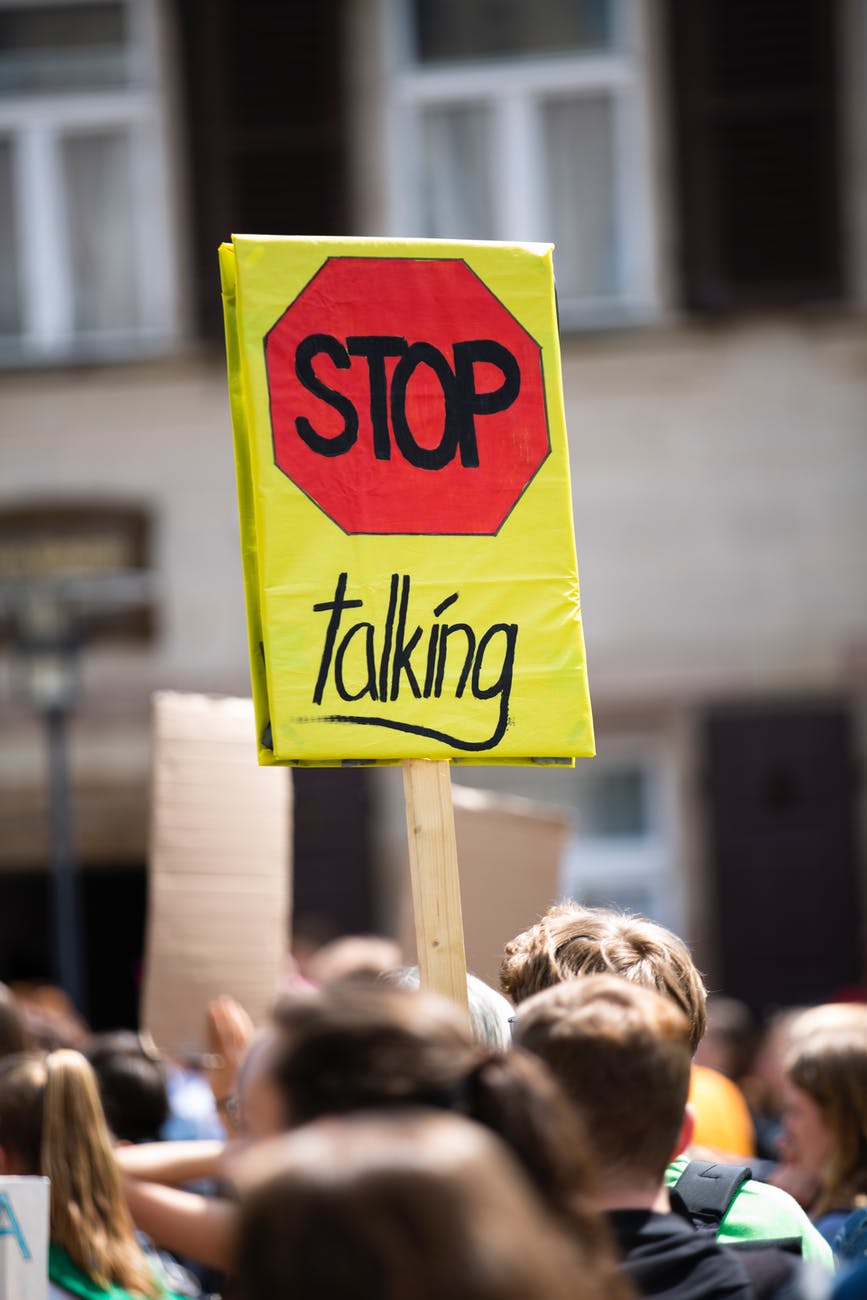
  • Say you will pray and then forget to do it. I used to be bad about this on-line. It only takes three seconds to promise to pray or to type a message about prayer, but don’t say it/send it if you aren’t going to act on it. Either stop then and there to pray about it, or stop and write it down where you will see it later and act on it! Good intentions are NOT enough to bring real encouragement and change. And good intentions do not form a disciplined and growing pursuit of prayerful living. In fact, such lost opportunities can become a barrier to our prayer life AND our relationships with others.
  • Break confidences. If someone asks publicly for prayer, it is fine to respond publicly that you will pray or are praying. It is NOT fine to then share someone else’s burden with ten of your other neighbors or closest friends. It is not fine to repost someone else’s request without their permission. It is not fine to publicize others’ private burdens, confessions, or pain. You may want to ask others to join in prayer, but don’t share details and names. Even if you have permission to share a prayer request, it is not for you to pour out someone else’s feelings, relationships, or struggles. This is another area in which I’ve had to learn a lot. I tend to over-share my own struggles when asking for prayer, and I want others to be concerned, so they will pray also. But it is very easy to fall into gossip, oversharing, and speculation, which has no place in prayer– and no place in my relationships! Share only those specifics that are helpful– “S______ is battling cancer. She has an appointment with her oncologist this week and would like prayer.” It is tempting to give the time and date of the appointment– and S______ may be ok with you doing this so people can be praying “in the moment.” However, she may be concerned about too many people knowing when she will or won’t be home, which might tempt a burglar. She may not want to receive a host of phone calls later that afternoon from people wanting “updates” or wanting to “cheer her up” when she is exhausted. Respect others’ privacy.

We are commanded to pray for one another (see Galatians 6:2; Colossians 4:2, etc.) And prayer is the most powerful tool we have to help those around us. Even though I recommend “practical” help along with prayer, I do not mean to say that prayer is impractical. Prayer IS practical and powerful. It should never be dismissed as “lesser than” other forms of help. But neither should it be used as an excuse not to meet needs in others ways as God gives us resources.

Photo by Luis Quintero on Pexels.com

Making a habit of praying for others– really responding to needs immediately and faithfully in prayer– is a great way to experience its power. We will see God working through the prayers we offer– not just in the way He answers in the lives of others, but in the way He will change our hearts and minds about situations, relationships, and in growing Faith and confidence. It will train you to listen for needs, and to prepare to help. It will also train you to see needs in your own life, and make it easier to trust God with the needs in your life. You will find it easier to share your needs with others, and to accept help when you experience how much your efforts (even small ones) can encourage others. It may even encourage you to begin networking with others to meet needs and be proactive, instead of just reacting to needs after they are felt! If you are already strong in this area, be grateful for the way God is using you in the lives of others. If you are struggling in this area, I hope you will persevere. God is gracious in giving us opportunities to grow and serve!

Promises to Keep

The month of June is “Anniversary Month” in much of my family. My parents and one set of grandparents were all married on June 1st. My brother and sister both celebrate anniversaries next week, as does my one of my brothers-in-law. Marriage is in trouble in our society– many marriages are ending in divorce, while others are choosing to wait longer before making a commitment or choosing not to marry at all.

Photo by Lombe K on Pexels.com

We tend to celebrate marriage as being all about feelings of love, but marriage is really about making and keeping promises. Two people stand before witnesses and take sacred oaths to be faithful, to love, honor, and cherish (and yipes! sometimes even to obey) one another for the rest of their lives. And most people who take such oaths do so with honest intent. Why, then, does it seem to be failing so often?

Photo by Asad Photo Maldives on Pexels.com

One of the reasons has to do with expectations. We expect the same giddy feelings of delight we have during courtship to carry us dreamily into the future. And we expect that the way we act during courtship will be the norm– the “happily ever after” fairy-tale life of story books and romance novels. We expect that we will always be the same as we are now: young, carefree, beautiful/handsome, and eager to please and be pleased by the boy/girl of our dreams… This is unrealistic. And even when we say we know better, we hang on to unrealistic expectations for our relationships, just as we do for other situations and circumstances. Even our “soulmates” can disappoint us, fail to understand us, suffer failures and setbacks, battle depression or addiction, lose their youth and good health, and even question their feelings for us.

Another related issue is that we usually take vows when we are young and our future looks bright. Circumstances can change; plans can fail. War, disease, financial ruin, the loss or miscarriage of a child or children, forced changes in living arrangements or work schedules– all can put enormous stress on a marriage.

But not all marriages crumble under the weight of unusual or unexpected circumstances. Some seem to erode slowly, even under “good” circumstances. Why?

One reason I’ve seen as I look around is a seeming inability to make and keep small promises. We make big, broad promises at a wedding– “for better or worse, richer or poorer, in sickness and in health..” “’til death us do part…” But we don’t promise to forgive him when he leaves the toilet seat up for the fifth time this week, or wait for her while she tries on every one of the six outfits she can’t decide on for the upcoming class reunion. We don’t promise to compromise on which family we will visit for Christmas each year, or what color we will have in the dining room. We think of marriage as a series of negotiations (which it IS), but ones in which one of us “wins” and the other “loses.” And if we consider that we are the “loser” in enough negotiations, we feel entitled to “break” our little promises.

Photo by Kindel Media on Pexels.com

Almost two years ago, my husband suffered an injury at work. He “punctured” his leg–the injury wasn’t huge, but it was deep, and on the back side of the leg, where he couldn’t see it. He knew it hurt, but thought it would heal up. Instead, it became infected. We had to go to the local wound clinic for several months, but between visits, I had to change the dressings, wash the wound, apply the various antibiotics and salves, redress the wound, etc.. David was still working full time, so the dressings would sometimes get sweaty and dirty on top of everything else. I promised to be faithful “in sickness and in health”– and that included washing out the pus-filled wound and caring for the pus-soaked dressings; it included wrapping his leg every other night for weeks. We went through hundreds of yards of gauze and anti-stick dressings, tubes of several different antibiotic salves, special compression socks, etc. Hundreds of dollars and hours later, his leg is slowly getting back to “normal.” During this same period, I was diagnosed with type 2 Diabetes. David has had to be patient with me as I learn to eat (and cook) differently. He has had to help me with glucose testing, dealing with low-sugar episodes, and put up with mood swings (even more than normal!).

And our health odyssey could be much worse– what about those who have to deal with cancer or dementia? But I think sometimes we minimize the commitment needed for the smaller, chronic conditions. The stress may be smaller, but it piles up, just the same. Our promises need to hold in the daily crises– big and small. And our promises need to hold when there is no crisis– and no adventure, either. Many marriages fall victim to “smooth sailing.” Things settle into a routine, and promises that were made to sustain the marriage in the face of “richer or poorer” fall apart in the settled comfort of middle class complacency. Vows take for “better or worse” fall apart in the “blah” and boredom of “good enough.”

Marriage is designed to be a picture of our relationship with Christ. As Christians, we are the “bride” of Christ! But we may need to review our vows and our commitment. Christ is eternally faithful; are we? In our flesh and our frail humanity, we cannot remain faithful on our own. But where are we? Have we lost our first love? Are we committed to Christ even in the midst of chronic illness or small setbacks? Are we flirting with the world because we have become “bored” with our Christian Walk? Has our joy been eroded by our failure to share our little stresses and secret sins with the Lover of our Soul?

Often, when we take a moment to remember our wedding day, we are reminded of the commitments we made, and the joy we felt on that special day. It can be bittersweet, if we have let circumstances or feelings pull us away from the one we love (or if they have moved away from their commitment). But it can be a wake-up call, as well, reminding us that promises made and promises kept are what leads to long-term joy and security. It can be helpful to take a few moments (or more) every once in awhile to remember when we came to Christ, and be reminded of the commitment we made– and the promises He has kept!

Read Jeremiah 31 for more about God’s “marriage” covenant with Israel

https://www.openbible.info/topics/the_bride_of_christ

Use the link above to read more about marriage in the context of Christ and the Church

Blog at WordPress.com.

Up ↑