Great Is Thy Faithfulness

I generally write on Monday, Wednesday, and Friday each week. I missed Friday of last week and Monday of this week. I got busy with holidays and housework and mundane things. I was not faithful in my writing.

God is never unfaithful. There is never a day when the sun doesn’t rise, when the ocean waves don’t roll, when gravity suddenly stops, or when God stops answering prayer.

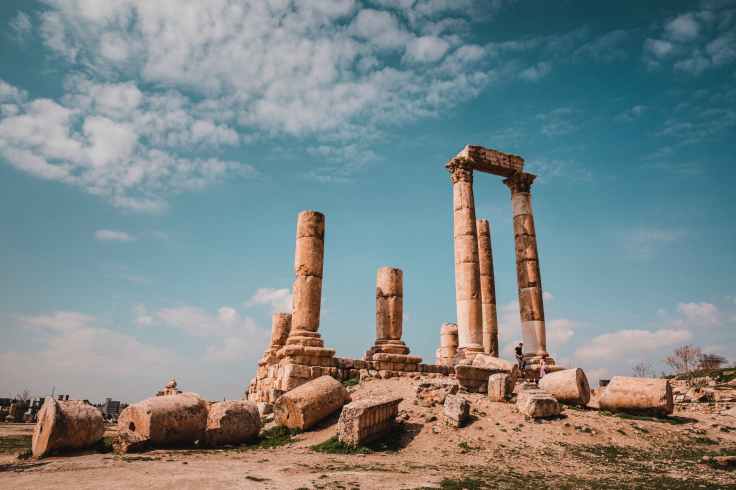
Photo by Pixabay on Pexels.com

There may be days when we don’t “see” God, or feel His presence; days when we don’t understand the way He works or why He chooses to answer, “No,” to our heart’s desire. But there is never a time when He simply stops caring, or takes His hand away from creation or removes Himself from all contact, leaving us alone and without hope.

Jesus said, “I am the way, and the truth, and the life…” (John 14:6 a) and the writer of Hebrews said, “Jesus Christ is the same yesterday, and today, yes, and forever.” (Heb. 13:8) We never have to worry or wonder about God’s Spirit leaving us, or disappearing; we don’t have to consider that God will suddenly change His character or that His love will grow cold.

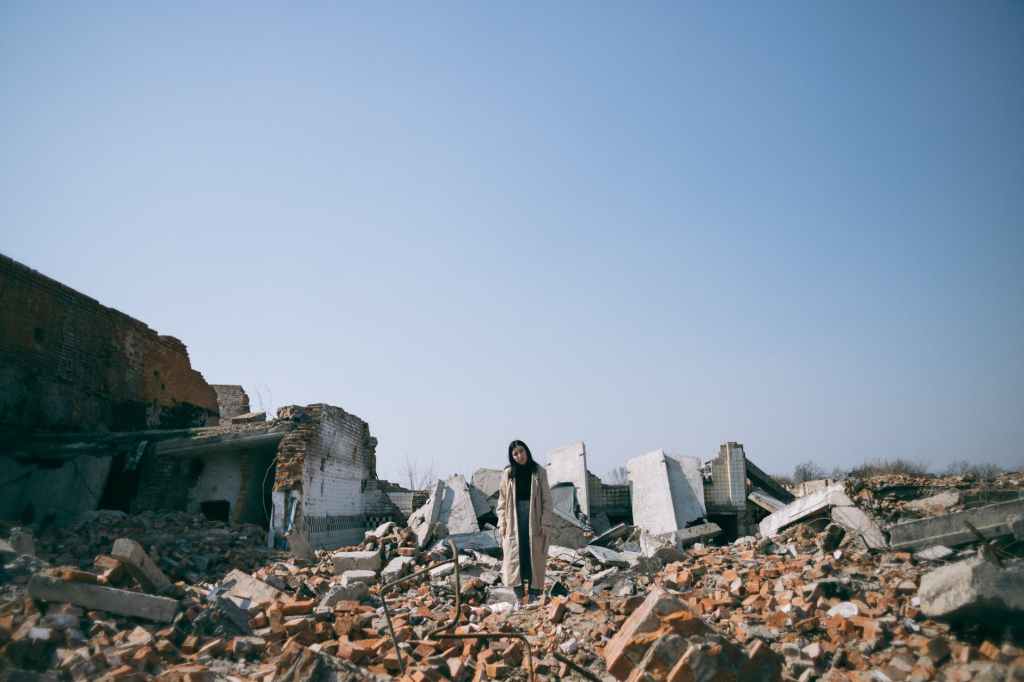
Photo by nappy on Pexels.com

People will ultimately disappoint us–in small or big ways, or at surprising moments–not always because they are vicious or unfeeling. Most of the time, they will let us down because not one of us is perfect. We get tired, cranky, sick, or forgetful. We get delayed, distracted, or depressed. But God is Love, and “Love never fails” (1 Cor. 13:8a). God is sovereign and eternally unchanging.

So even when I fall short, I can call out to God for forgiveness, and strength to begin again. I can come to Him in confidence, assurance, and hope, knowing that His Grace is boundless, His love is limitless, and His arms are always open wide to receive me. All I have to do is run to Him and accept Him for who He is– My Faithful Redeemer, My Lord, and My Heavenly Father.

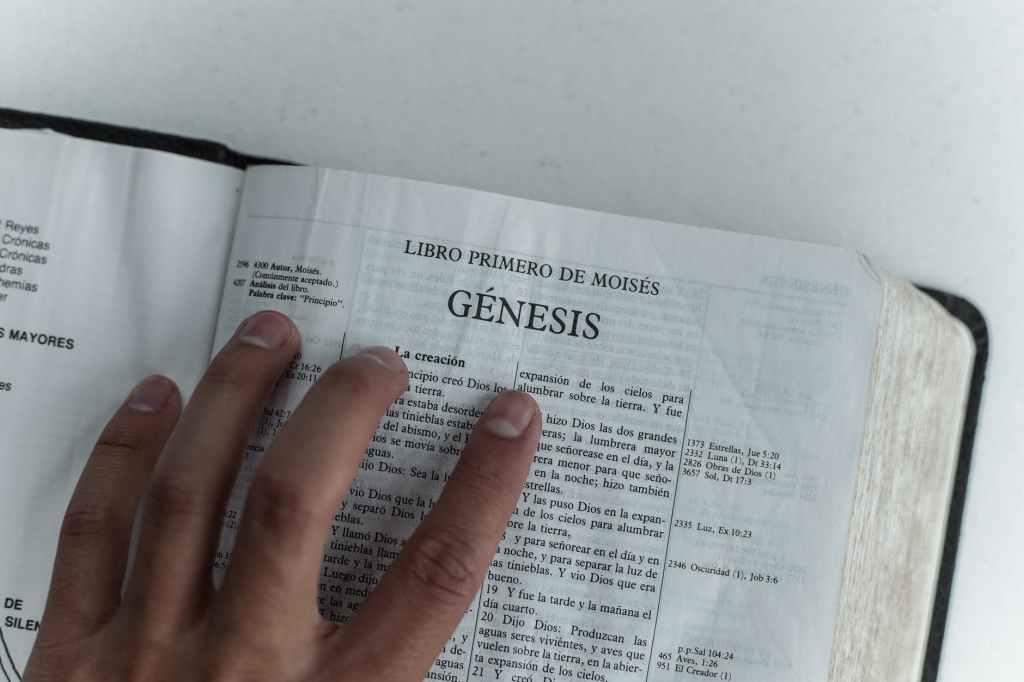
Photo by Darwis Alwan on Pexels.com

And in this pursuit of Prayer, and daily walk with Him, my goal is to become more like Him– including being more faithful.

Pride Goeth Before a Flu..

I’m late writing this entry. I was so proud of keeping to my schedule, and I had an idea of what I wanted to write yesterday so it could be published this morning. But then, I got the flu.

I’m still not feeling well. I’ve spent most of the last two days in bed or in the bathroom. But God is good–I have a bed and a bathroom; I have a husband who has taken care of me, letting me rest, and getting containers when I needed to throw up.

So tonight, I’m asking for prayer, and thankful that prayer is more powerful than pride (and the flu)!

I Surrender All?

I have been revisiting old hymns lately as I write about my pursuit of prayer. This is partly because I believe that prayer is a form of worship, and is closely tied to other forms of worship– meditation, singing, etc.. Sometimes, it can be helpful to pray songs or to sing prayers– look at the entire book of Psalms!

Our church has recently been involved in revival services– two weeks of time set aside to evaluate our daily walk with Christ. We need periods of revival and refreshment, conviction and confession, repentance and reflection. Without them, we will wander; without them we will wither and grow cold, and lose sight of our first love.

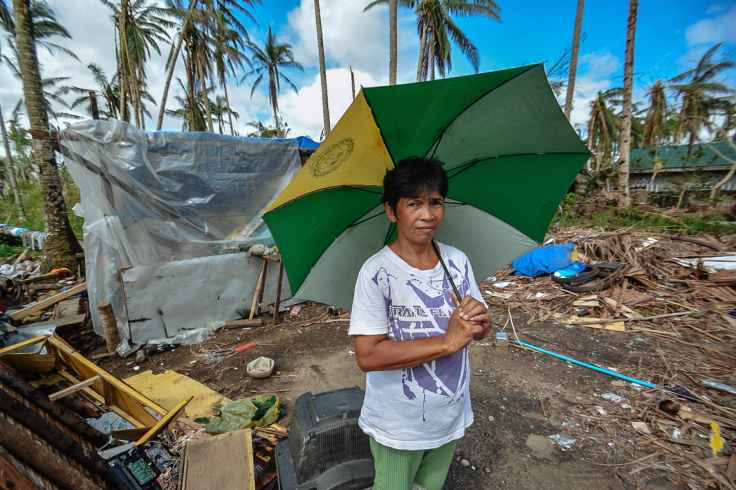
Photo by Luis Quintero on Pexels.com

One of the first nights, we explored the idea of surrender. We say that we trust God; that Jesus is Lord, that we are followers of Christ…but do we really demonstrate those truths by the way we live? Have we really surrendered our will, our lives, our futures to God? We claim that He is sovereign over big things– all of creation, world affairs, and such–but is He Lord over the little things? Do I trust Him with my reputation when someone misrepresents me to others? Do I trust Him with my diet when I am tempted to overeat? Do I trust Him with my time when someone asks me to help them on my day off?

One of the keys to this hymn (and to prayer) is in the first verse– “..in His presence daily live.” There are times when I feel the need to surrender; times when I feel wholly surrendered and devoted. But there will be other days when the feeling just isn’t there. My surrender needs to happen daily– in the “good” times and in the “difficult” times. Sometimes, I just need to pray that the Holy Spirit will guide and empower me to recognize and surrender those areas that I have tried to “take back” from Him.

Photo by Creative Vix on Pexels.com

And then, I need to be intentional about letting go–one piece at a time, if necessary–each day saying, “Yes” to God instead of “Yes” to those things that pull me away. It’s not always easy to say, “I surrender all.” It’s even harder to actually follow through. We want to hang on to things that are comfortable, familiar, even “good.” We want to hang on to things that seem to promise safety, success, or fulfillment– even when God offers more.

I’m not writing this because I have mastered the discipline of surrender– I need to learn to let go, to trust God more, to risk what I cannot keep to gain what I cannot lose (paraphrasing from Jim Elliot–https://www.brainyquote.com/quotes/jim_elliot_189244.
That is my prayer today, for myself, and for others.

I Don’t Know…

I spent a good portion of my adult life working in positions where my value rested in my ability to impart knowledge and answer questions. As a teacher, my job was to guide students into a base of knowledge about the English language (and especially spoken communication) so that they would be prepared to adequately speak, read, write, explain, defend, and use it. I was expected to know enough about grammar, spelling, connotations of words, nonverbal communication, sound logic (and fallacies to avoid), presentation, tone of voice, etc., to enable students to improve their communication and use language more effectively in their careers, academic endeavors, business dealings, and even in personal relationships. If they had questions about word choices, written or spoken directions, propaganda techniques, advertising tricks, euphemisms, or a hundred other topics, I was expected to have an answer– and one that would shape their ability to succeed.
When I made the transition to working in a public library, my job was to have answers– which books were at the appropriate reading level for various elementary students; where could someone find information about manatees; who wrote the Captain Underpants books (Dav Pilkey); did our library loan out encyclopedia volumes or sets of early reader books; could our library borrow a rare book from another library; what was the capital of Uganda (Kampala); did we have books that might help a child coping with the loss of a pet, or a parent struggling with toilet-training their toddler; where could someone find … the list was endless and extraordinarily varied. My job was to have an answer– or know where to find it.

Photo by Pixabay on Pexels.com


At no time was it expected that I would simply answer “I don’t know.” Even if I didn’t know in the moment, I was expected to search until I found an answer that was sufficient and satisfactory. However, in each case, I found situations where my “answer,” while satisfactory to me, and even to everyone else I had dealt with, was not enough to satisfy the person in front of me. Sometimes, I had misunderstood the question and given an answer to what I heard or assumed I had heard. I needed to listen some more, or ask for clarification before I could answer the question correctly. Sometimes, the other person was looking for an answer that didn’t exist– either they wanted confirmation of a falsehood they believed to be true, or they wanted a single, absolute answer to a question that was complex and open-ended. In rare cases, there were questions for which I could find no satisfactory answer– it doesn’t mean that there was none, but I had not found it, nor had I found someone else who could find it in the time allowed. I might find an answer that was not satisfactory, or I might find seven possible answers, but not one that stood out from the others, or I would find nothing but dead ends.


The Apostle Peter tells each follower of Christ:

15 But in your hearts revere Christ as Lord. Always be prepared to give an answer to everyone who asks you to give the reason for the hope that you have. But do this with gentleness and respect, 16 keeping a clear conscience, so that those who speak maliciously against your good behavior in Christ may be ashamed of their slander.

1 Peter 3:15 & 16 (NIV via biblegateway.com)–emphasis added
Photo by bruce mars on Pexels.com

This does not mean that we must completely satisfy everyone who asks– the curious neighbor who knows nothing of the Bible and has dozens of confusing questions, or the nay-saying agnostic with a single “gotcha” question. Nor must we fight and fuss and pound the Bible until we “win” every theological and metaphysical argument–because we won’t! There are many things about the Bible, about Spiritual matters, etc., for which we will not have absolute or definitive answers–and neither will they! (That’s why they ask, sometimes.) And those things that satisfy our longings, our questions, our doubts– sometimes don’t meet the needs of the one who is asking, not because the answers are deficient, but because we are all different in our needs, and understanding, and experiences.

Photo by Vera Arsic on Pexels.com

Some people will listen to us merely to scoff and try to make us lose heart or make us look foolish. Others are afraid that our answer will make them feel lost or guilty. Some people have been hurt by others who have used the Bible as a cudgel or a whip– bringing shame, judgment, and contention wherever they go. We must not expect that our answers, our arguments, even our favorite scripture verses– that WE are enough to satisfy the questions, the doubts, and the spiritual needs of everyone we meet.

Photo by Akshar Dave on Pexels.com

What we should always have is an answer for the hope that is in us– why have we chosen to believe? Why do we choose to trust when we do not know all the answers? And our answers should be given with gentleness and respect– not arrogance and snide judgment. I don’t have hope because I know answers to tough questions. In order to have that kind of hope, I would need to know all the answers to all the questions– even those I haven’t asked or imagined! I don’t know about the future– I can’t explain why God allows evil (there are compelling arguments for some reasons, but no absolute answer that stops the question)–I don’t know how God’s Spirit moves, or why He drew me to Himself. I cannot “prove” God to someone who is determined to deny Him– not because God doesn’t exist, but because He will not force anyone to accept Him in this life, and especially not because I said a few words based on my limited understanding. My job is not to explain God–only God is big enough and wise enough to do that– but to reflect His character in a changed nature, and to explain what God has done in my life to effect that change. My hope is in the ONE I choose to trust– the ONE who does have the answers! God has not promised to answer all our “what ifs” or our “whys”– but He has promised to answer all our needs, and to BE the answer in every situation, no matter how daunting.

Jesus Calls Us

I was at worship yesterday. We sang some wonderful hymns and songs of worship. Still, I miss some of the “old” hymns we used to sing in the small country church of my youth. This was one of them:

In case the video does not show up, here are the words:
Jesus calls us: o’er the tumult of our life’s wild, restless sea,
Day by day His sweet voice soundeth, saying, “Christian, follow Me.”
Jesus calls us from the worship of the vain world’s golden store,
From each idol that would keep us, saying, “Christian, love Me more.”
In our joys and in our sorrows, days of toil and hours of ease,
Still He calls, in cares and pleasures, “Christian, love Me more than these.”
Jesus calls us: by Thy mercies, Saviour, may we hear Thy call,
Give our hearts to Thine obedience, serve and love Thee best of all. Amen.

Photo by Victor Freitas on Pexels.com

Prayer is never just a one-way communication. We may not “hear” from God in an audible voice, but He calls us into communion with Him daily. He wants to hear from us; He wants to speak to us–through His word, through our experiences, through friends and neighbors and even chance encounters. We may not have a deep spiritual burden to bring before the throne of grace– does that keep us from needing to share a quiet moment with the lover of our soul?

Suppose the only time you ever spoke to your spouse was when you desperately needed her/his help? What would that say about your relationship? The same holds with our spiritual walk. God wants to speak to us; to have us notice the beauty of the sunrise, or the grace of moonlight in the mist. He wants to bring us hope and comfort in the stories and psalms of scripture. He wants us to share our nagging worries and our minor triumphs– not because He doesn’t know or cannot see–because He wants to share in our struggles and our joys, our deep grieving and our small amusements.

He wants all of this because of His great love for each of us. If we could just see His eyes light up with love when we walk into a room…and if we could hear the love in His voice– we would be undone. Someday, we will be– undone, and remade, and able to catch His eye without shattering in the light of that love.

But for now– He is calling…

Bringing in the Sheaves

It is harvest time where I live. It is especially fraught with significance this year, as we have had a bad growing season– heavy rains in the spring and low temperatures meant that much of the planting was delayed or cancelled. Fields that normally produce excellent crops of corn or wheat or soybeans look stunted and sickly, or they lie barren. Recent rains and threats of early snow mean that crops must be harvested now or lost, even if the yields are low or the crops not fully mature. While there will be a lot of grief and exasperation among farmers this year, there will also be relief and rejoicing in certain quarters.

Photo by Kaboompics .com on Pexels.com

The Bible uses farming and harvest imagery to describe the Kingdom of Heaven. Jesus told the parable of the sower and seed in Matthew 13 (also in Mark and Luke– see here:https://www.biblestudytools.com/bible-stories/parable-of-the-sower.html), and He spoke of fields being ripe for harvest (John 4:34-38/www.biblegateway.com/passage/?search=John+4%3A34-38&version=NIV)

Photo by Dominika Roseclay on Pexels.com

As followers of Christ, we are both harvest and harvesters. Like seed, we “die” to our nature, and grow and mature in newness of life by the Holy Spirit. And like farmers and harvest workers, we are called to plant seeds, to “sow” the Gospel of Christ, to tend to one another’s growth and nurture, and to “harvest” a crop– bringing others toward repentance and faith.

Another song from my childhood impressed itself upon me during my worship time today– a simple chorus, but filled with joy. Our mornings, evenings, sunny days and wintry nights may be filled with sowing seeds and tending crops; the work may seem tedious or even thankless. But we can take joy in knowing that there is a joyful and glorious Harvest ahead. Some day, we will be gathered together– not a puny harvest hastily gathered to avoid spoiling, but an abundant, fruitful harvest of God’s love lavished, nourished, and brought to perfection.
Lord, thank you for the reminder that all of this life –even the trials and frustrations–will produce a harvest of praise and worship. Give me the strength and wisdom to work joyfully for Your glory today. Help me to sow the seeds of Grace and Truth that come from your word, and to help others grow. Help me to respond with eagerness to the Holy Spirit’s prompting and counsel, and be a blessing to those around me. Amen.

Praying for People I’ve Never Met

I keep a prayer journal. For each day of the year, I have a list of names– people who are celebrating a birthday or anniversary. I also list one location (nation, region, major city, etc.) and I have room for urgent prayer requests. As I read through the names, places, and situations on the list, I can lift them up in prayer. Today, I had the names of two young women– distant cousins I’ve only ever met once or twice at family reunions. I know who they are in relation to myself and my husband; I know that one of the young women became a mother earlier this year. But my list today also included the nation of South Africa. I know very little about South Africa, and I am not aware of knowing anyone who lives there. I also received a request to pray for an infant who is critically ill. I have never met her.

Photo by Aaditya Arora on Pexels.com

How do I pray for people I have never met? I do not know any details about their needs or anything about their background. I do not have a relationship of trust or mutual experiences with them. They don’t know that I have prayed for them or what I have said about them or their needs.

Photo by Victor on Pexels.com

But God does! And in lifting up others to Him, I am not praying into a vacuum; I do not need to know any details, or get the words “just right.” Jesus Himself gave a blueprint, when He prayed for those who would come to faith long after He had ascended into Heaven after His resurrection:

20 “I do not pray for these alone, but also for those who will believe in Me through their word; 21 that they all may be one, as You, Father, are in Me, and I in You; that they also may be one in Us, that the world may believe that You sent Me. 22 And the glory which You gave Me I have given them, that they may be one just as We are one: 23 I in them, and You in Me; that they may be made perfect in one, and that the world may know that You have sent Me, and have loved them as You have loved Me. 24 “Father, I desire that they also whom You gave Me may be with Me where I am, that they may behold My glory which You have given Me; for You loved Me before the foundation of the world. 25 O righteous Father! The world has not known You, but I have known You; and these have known that You sent Me. 26 And I have declared to them Your name, and will declare it, that the love with which You loved Me may be in them, and I in them.”

John 17:20-26 New King James Version (NKJV) (taken from biblegateway.com)
Photo by Magda Ehlers on Pexels.com

Even when praying for people I know well, it is not my knowing them that makes prayer important, effective, or worthy– it is not the subject of my prayers that makes them worthy or noble–it is the act of bringing EVERYTHING to GOD in prayer. The known, the unknown; the global crises, the aches and pains and heartaches of friends and neighbors, and the unspoken request of a stranger– all of them are welcome at the throne of Grace and in the presence of the King of Kings!

Photo by Munmun Singh on Pexels.com

Never discount the wonder that someone, somewhere– someone you have never met–has prayed for you; may be praying for you in this instant. Why? Because God loves you that much! And He loves every stranger you’ve never met just as much. Don’t hesitate to pray for those you’ve never met. You may yet meet them and enjoy their company in eternity!

Prayers for Harvest

I love the autumn harvest season, and I believe it has many lessons for us about prayer:

  • There is a time and season for harvest. We cannot harvest at our convenience; neither should we expect God’s answers and our circumstances to arrange themselves around our wishes. Instead, as we pray, we should watch and wait, ready to do what is necessary in the meantime, and ready when the time is right for harvest. Too soon or too late, and we will miss the best of the crop, or lose it altogether. If we pray for a harvest, we must be willing to wait on God’s timing.
  • Harvest is a season among other seasons– not a single event. If I pick apples this fall, that is not the end of apples. There will be more apples to harvest next autumn, and the following year. Sometimes, we must wait through several seasons to see the harvest; seasons of rain, sun, even snow and cold dark days. We must be faithful to keep praying for the next harvest, and the next…
Photo by Phuc ( Xù ) Pham on Pexels.com
  • The harvest bears little resemblance to what we planted. If I plant an ugly bulb in the ground this fall, I may see a beautiful tulip next spring–unless I plant an onion bulb! If I plant some tiny black seeds in the spring, I may harvest a large orange carrot later in the summer. If I plant kernels of corn, I will get new kernels, but they will be on an ear on a tall stalk. If we are praying for a harvest, it may come in ways and shapes and circumstances that will surprise, or even mystify us. Often, we pray for what we imagine we could do– instead, we need to learn to ask for what only God can do!
  • We cannot control the harvest– we can plant the seeds, fertilize them, tend them, weed them, water them, prune them–but we cannot predict or guarantee the results. But if we do nothing, we will not see any harvest at all. Similarly, we do not control God’s answers to our prayers, but we will see no growth, no harvest, if we do not pray at all, or if we give up.
  • Harvest is gathering the crop (and the seeds for a new crop). We need to gather prayer requests, thanksgiving lists, areas of conviction, songs of praise; we need to present a bountiful harvest of prayer–an offering and a fragrant sacrifice to the giver of all good things!
Photo by Element5 Digital on Pexels.com

Praying it Forward

Have you ever been the recipient of a small act of kindness, and “paid it forward” by doing something nice for others? It doesn’t have to be an extravagant gesture–someone holds a door open for you, so you do the same for someone else when your hands are free; you give someone a compliment, and as you walk on, you hear them complimenting the next person they see. It doesn’t even have to be the same action–you may see someone pick up trash along the sidewalk, and later you make a small donation to a local charity that collects gently used items for needy residents…

Photo by Pixabay on Pexels.com

The idea is that when we see good things happening, we can be inspired to join in and “spread the good.” In a world full of things that are not so “good”– bitterness, greed, hatred, pushing and shoving, name-calling, apathy, sadness, shame, and evil–good deeds stand out. Even the smallest kind word, smile, or simple act can have an exponential impact when it gets passed on.

Photo by mentatdgt on Pexels.com

Have you ever considered “Praying it forward?” Not as a substitute for “paying it forward”, but as a supplement? When you see someone doing a kindness, or when you are the recipient of that kindness, you can pray:

  • Thank–of course, if you have the opportunity, thank the other person first, but then thank God for HIS goodness and kindness; thank Him for the person you’ve seen or interacted with; thank Him for giving you eyes to see (or ears to hear, etc.) the goodness around you; thank him for others who have blessed you in the past
  • Bless–if you have the opportunity, bless the other person with a smile, or a reciprocal act of kindness, but then ask God to bless the other person–and/or someone else who is on your mind.
  • Ask– ask God for opportunities to “pay it forward”, or just to spread more kindness! Ask how you can show kindness, mercy, and love to others throughout the day. Even more, ask God to intervene (or help you intervene) in places and lives that need more than a small act of kindness.
  • Confess/Repent–sometimes a small act or word of kindness will convict us, reminding us of a time when we have withheld mercy, or have been the means of causing harm or destruction. Use this time to confess and seek to make amends (if possible), or seek forgiveness.
Photo by Vlad Chețan on Pexels.com

May today offer you opportunities to “pay it forward”, and then to “Pray if forward!”

Troubled Waters

I love reading the 23rd Psalm (among many others). I love the picture of the Lord as my shepherd– the green pastures, the still waters, the anointing oil, dwelling in the house of the Lord forever. It is comforting. But there is also the part about walking in the valley of the shadow of death, fearing no evil, and sitting in the presence of my enemies–I tend to gloss over those parts.

The truth is, much of our life is spent somewhere in between. We journey through hills and valleys, in sunshine and shadow, and there are times of green pastures and still waters, but sometimes we are in a dry season or wading through troubled waters. We face stress, chaos, unexpected obstacles, and swirling doubts.

Photo by Alexander Dummer on Pexels.com

Jesus was no stranger to troubled waters. In His life on earth, He faced stormy seas– at least once in the bottom of a wave-tossed boat, and again when He walked on water to reach His disciples late at night. (Matthew 14:22-33; Mark 4:35-41, etc.) In each case, Jesus could have stilled the waters sooner, or forbidden the winds and waves to cause any trouble. This is often what we pray for– for God to keep us away from the shadow of death, from the stormy seas, from the trials and hardships we wish to avoid.

Photo by Muhammad Dompil on Pexels.com

Often, God answers those prayers by keeping us from trouble and hardship. Sometimes, He sends friends, counselors, and sweet reminders from His word to build a bridge over rapids or whirlpools or provide light and song on our journey. Other times, He answers our prayers by staying with us through even the darkest and loneliest of valleys, through the raging storms, the unanswered questions, and the waves of doubt. Sometimes we can look back and see how and why God chose to take us by the narrow winding path or through the churning waves. But even when He is silent, He is still there– reaching out to lift us when we fall, or carry us when we can’t go on.

Photo by Sebastian Voortman on Pexels.com

Lord, help me to follow you, even when the way seems dark or the storms rage. Help me to look up from the troubled waters and see you–ready to swim alongside, or lift me up and bring me to safety. Help me to help build bridges and throw life-lines when needed. And help me to remember that you have promised seasons of still waters and green pastures, as well. Whatever comes this day, may I listen for the voice of the Good Shepherd and Savior. In Jesus’ name, Amen.

Blog at WordPress.com.

Up ↑