And God saw everything that he had made, and behold, it was very good. And there was evening and there was morning, the sixth day. Genesis 1:31 ESV (emphasis added)
I love spending time in nature– walking, riding, or biking through woods and meadows, hills and valleys, along lakes or rivers. God has created such beauty and majesty in every part of our world! I grew up surrounded by woods and water– lakes, rivers, old forests and new-growth woods, with lots of farmland and meadows spread out over low rolling hills. So it is always with wonder that I look upon mountains, deserts, rain forests and jungles, and tropical settings because they are not part of the “normal” landscape for me. Even so, I never tire of the sites that greet me year-round–the steady breaking waves rolling in off Lake Michigan; the babbling of a small river or stream over field stone as it races down a small hill toward a pond; trees bowing and dancing in the wind just before a storm, or snow sparking across the frozen fields…
Nature is not just beautiful. It gives us yet another way to experience God’s “nature”– his character and provision. God is steady like a rock– strong, enduring, a safe refuge. God is refreshing and life-giving as a river– ready to wash away aches and soothe us. God is eternal, and his love is as vast and deep as the ocean. God is mysterious as the forest–giving shade and cover, and concealing treasures, and ancient secrets. God is faithful and steady as the sunrise and sunset and the pattern of the seasons. God is as open as a meadow, as pure as an ice shelf, as glorious as a desert sunset.
My husband and I recently returned from a vacation in which we drove through mountains and valleys, traced rivers and streams, and watched the rain falling gently on thirsty fields and meadows. We saw crags of ancient rock, watched happy cows resting in the shade of a copse of trees, saw herons at the edge of a small lake, and dipped our toes in a natural warm spring. We saw geese flying south for the winter, and squirrels chattering as they gathered nuts. It was beautiful, and it all spoke of a God who created variety and complexity, who cares for the land, the flowers of the field, and the birds of the air, and who calls to us through the beauty and grandeur of ordinary days in His Nature.
I pray that we can experience both aspects of God’s nature today–His Sovereignty and His Creation–and praise Him for who He is and how He has revealed Himself all around us.
Disneyland! Niagara Falls! Tokyo! Paris! Dallas! Machu Piccu! Sydney! Kilmanjaro! Stonehenge! NYC! Souvenirs remind us, and declare to others, where we’ve been. T-shirts, knickknacks, photos, post cards, and more call us to remember places we’ve visited, or even lived. There are apps that allow you to tag, city by city, all the places you’ve ever been (if you can remember them all). Metropolises to tiny hamlets, all can be recorded and seen by anyone else with the app.
Most of the time, when we think of souvenirs, we think of pleasant memories and planned visits. But there is another kind of souvenir–scars, traumas, sickness, crime– that can taint our memory of a place. It’s one thing for my husband and I to visit battlefields from the American Revolution or the American Civil War– it is quite another for a veteran to visit a battlefield where he took a shell to the stomach and had to be carried out still under enemy fire, or for someone to return to a war-torn village they once called home.
As humans, we can only be in one geographic location at any one time. We can watch live footage of events around the world, but we cannot participate in or experience them in the same way. But God can. He is beyond space and time. He has no limitations. And there is one way we join with Him to “be there” from miles away, any time. We can pray. I can pray for people I’ve never met; I can pray for many people at once. And I can feel the power of others’ prayers even when I am otherwise alone. It’s one of the mysterious and glorious ways that God allows us to join with Him in His Work and in His Nature. We are never alone. Others may be far away physically, but through their prayers, and through God’s power, they are with us wherever we go!
More importantly, we can be reassured that God is ALWAYS there–He has promised never to leave us or forsake us. He needs no jet or GPS, no visa or key, to reach us wherever we are. And he needs no souvenirs to remind Him of His visits with us, or of the beauty (or disaster) in which we live. God didn’t just promise us He would think about us (see Psalm 139:16-17https://www.biblegateway.com/passage/?search=psalm%20139&version=ESV), but that He would be with us always and everywhere (see Psalm 139:7-12https://www.biblegateway.com/passage/?search=romans%208%3A%2038-39&version=ESV) and that nothing can separate us from Him (Romans 8:38-39).
I love looking at souvenirs, but far more, I love the memories that can’t be captured by a keyring, or a T-shirt, or a small statuette. I love the memories of smiles, and warm hugs, meals shared, and tears spilled. And I love the stories that remind me that even if I’ve never set foot in a particular village or city, through prayer, I was There!
A few years ago, I published a blog entry called Just a Minute… , which spoke of an effort to get everyone to spend one minute each day praying for their country. I think this is a good idea, and I hope many people are doing it. The world needs more prayer, and more people coming together to pray!
While corporate prayer is a valuable exercise, and setting aside a particular time to pray with others (whether in person or in spirit) is also a great idea, the thought of a short, minute-long prayer seems inadequate, sometimes. I suppose (indeed I hope) that most people spend more than a minute in prayer if they take this challenge. It’s easy to do– there are a LOT of things to pray for!
But it struck me as I reviewed this earlier post that God is above, and beyond, time. A single minute can be as rich and telling of our relationship with him as an entire hour. And scheduling a particular time to pray is beneficial to us, but it is immaterial to our Father. He doesn’t keep “office hours.” There is no need for an “open” sign at the throne of grace– it never closes. God is never unavailable, or “more” available. It only takes a split second for us to recognize his omnipresence, and connect to it.
There is no need for us to wait for Sunday, or a High Holy Day, or a certain hour to pray. And our prayers may only last a few seconds or a minute– “God, I need help!” “Thank you, Jesus!” “God, please help my neighbor today.” There is no need to wait until a crisis or miracle, either. We can pray about things that may seem insignificant to others, but God is honored when we share our thoughts with him first, and throughout the day.
It is wonderful to spend long hours alone with God– when we have the opportunity, and when we have made time to honor him above all. But he is always present. Even in chaos and crisis, we can take a split second to remember the one who calms the storms.
As a young girl, I prayed about being married. Most of my prayers were pretty shallow– more about the wedding than the marriage. I dreamed of dresses and decorations, flowers and a shadowy “prince charming” type of groom, whisking me off into the sunset and living happily, dreamily ever after.
The years went by…MANY years! I prayed and dreamed through my twenties; I prayed and hoped through my thirties; and I prayed with less hope and more desperation in my early forties! But my prayers changed as I saw marriages around me. I saw many marriages that were solid, even through tough times. And I saw many “fairy tale” marriages crumble. I saw a lot of heartbreak, anger, and tears, as people who had once vowed to love one another “’til death us do part” fought over furniture and who got the kids over minor holiday weekends. I heard from frustrated wives who felt like they had made a huge mistake, marrying the “man of their dreams.” Some of them compounded the mistake by looking around for a replacement “Mr. Right.”
Instead of praying about a wedding, I began praying about marriage. Instead of praying for “Mr. Right,” I started praying that God would help me become “Mrs. Right.” And I prayed that God would show me what I should do for others during the time that I was single, as well as what I could do for him in a marriage relationship.
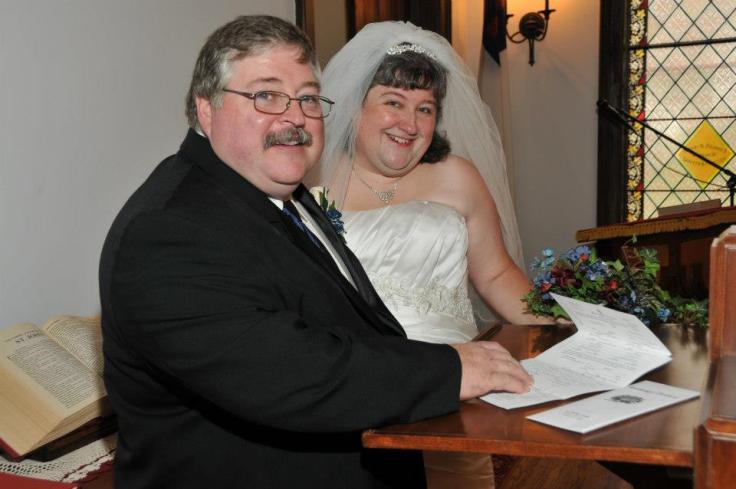
Thirteen years ago, I married my husband, David. He isn’t “Prince Charming,” though he can be charming and noble at times. He is, as I am, a flawed human being. David was married before, and he carries the hurt of betrayal and loss of trust from the past. I carry the hurt of being rejected and passed over for so many years. Marriage doesn’t make the past disappear. Marriage is not a “cure” for such hurts.
But marriage is more. God instituted marriage from the beginning for a man and woman to come together in a mysteriously intimate relationship that models what God’s love is like. (See Genesis 2:24; Matthew 19:5; Ephesians 5:31 and others.) David and I don’t exist to “complete” each other. We don’t cease to be our own individual selves. And yet, we are not the same as we were before our marriage. We are more than the sum of our parts– we are ourselves, yet we are one– the Fairs. He is David Fair, and I am Lila Fair, but WE are THE Fairs. And spiritually, we are also one WITH Christ– as individuals and as a couple. We walk forward as One. We make decisions together. We share hopes and dreams, as well as struggles and disappointments. We fight sometimes– not against each other, but against differences or misunderstandings that could weaken US as a couple and weaken our relationship with Christ.
I don’t pray any less often or less fervently now that I am married, but I pray daily about my marriage. I thank God that He was with me through all the “single” years. I thank God that He continues to work in our marriage– that David and I know more about love and faith, hope and fulfillment than we did 13 years ago! I pray that David and I will grow together for many years to come. I pray that we will impact our family as we live out what a Godly marriage is supposed to be. I pray that our marriage will inspire young men and women who are looking (as I once was) to see what a solid marriage involves– that the way we talk to each other, and behave, and work, and live will give hope to future couples, and glory to God.
Marriage and prayer go hand in hand. Prayer cannot guarantee that marriage will be easy–or even than it will survive. Marriage takes two people praying and walking in the same direction! But marriage–and life– without prayer will never be all that God intends it to be.
During my youngest years, I called my father “Daddy.” Daddy was someone to hold me when I was tired, or frightened, or just in need of a hug. Daddy had all the answers; he could turn my tears into giggles, my pouts into apologies. His stern word could melt away rebellion; his smile could fill my heart to bursting.
As I grew older, he became “Dad.” Dad was wise. Dad gave good advise– even when I didn’t always take it. Dad listened and showed interest in what I said. Dad challenged me to do better, think deeper, try harder, and work smarter. Dad didn’t pick me up and carry me, but he was there beside me when I needed someone to lean on or lend a hand. Dad was my coach and advocate.
As an adult, Dad sometimes became “Pa.” Pa was someone who had “been there”. He had experience, and wisdom. He had patience and compassion. But his days of coaching and propping me up were fewer; his days of sharing his own faults, his unfulfilled dreams, his regrets–commiserating rather than commanding– grew more and became more precious to me. He was still my father, but he was also my friend– a fellow traveler on this road; one I knew well and loved dearly. One I respected and trusted, even though he was not perfect.
I was blessed to have a father who was good and kind; a man of integrity and humor; a man who loved his family more than life, loved his neighbors, his community, music, nature, animals, and good food. Most of all, he loved God. Not with fire and brimstone fanaticism, but with humble astonishment that God would send his son to die for him. He lived in the wonder of that truth– that “whosoever believeth (in him) should not perish, but have eternal life” included him.
I say all this, not just to honor my earthly father, or to thank my heavenly father for that relationship, but to point out how prayer is often a reflection of how we view fatherhood. Some people have a difficult time praying and trusting God because they have never known an earthly father; or they’ve only known earthly fathers who were distant, unapproachable, or abusive. If this is the case for you, may I encourage you to ask God to reveal himself in a fresh way, with a name and vision that is personal and distinct from the earthly father you have known. Some people view God as “Daddy”–someone who fixes everything, holds us close, and keeps us safe. And he is all those things. But he is also “Dad” who wants to challenge us and coach us to grow and develop our character. He is “Abba”, and “Senor”, “Lord,” and “Father” and “Papa”. He is not “Pa” in the sense I knew my father, in that we are not his peers when we reach adulthood. He has no faults to share, no regrets. But he wants to share that precious intimacy that comes with time and familiarity–he wants us to develop trust and love as we get to know him better, however we call him.
There is one clear difference between God and any of our earthly parents– God is GOD– he is the creator and ruler of galaxies, and of microcosms, omnipotent and omniscient, omnipresent and eternal, holy and sovereign.
And when I pray, I pray to him– almighty King of Kings– and my Father!
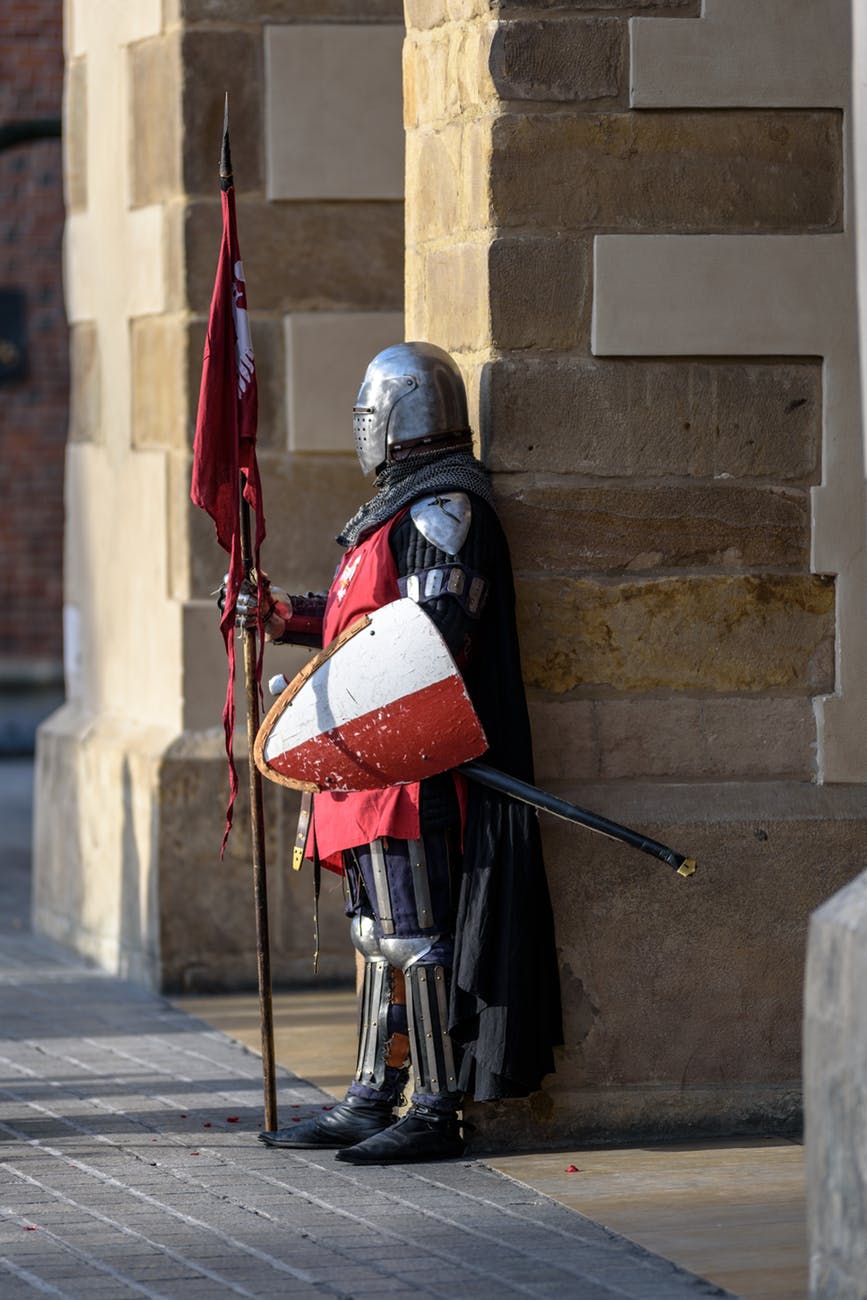
Walls, fences, borders, barriers– there are many reasons to build them, and many ways to view them, but they have only two sides, and we can be only on one side or the other. I enjoy visiting castles and forts, monasteries, and mansions. Nearly all have impressive walls. From the outside, they look imposing, intimidating, and often unfriendly (especially those with armed guards and cannons!). But inside, the walls provide protection, insulation from any outside threats, and often peace.
Most walls provide protection– from nature, from floods or winds, from predators, and from enemies. But there are a few walls that are built, not to keep danger out, but to keep people trapped within. Such walls are used to isolate, punish, and imprison.
God is described in the Psalms (and elsewhere) as a fortress, a rock, a safe place, a hiding place, and a sure defense. But those attributes and qualities are for those who chose to come inside the fortress; to ask for protection and defense.
Sometimes, we approach God as an adversary, rather than a defender and protector. We find ourselves on the outside, facing dangers unprotected and alone. The very walls that can shield us and give us peace rise up as barriers, We feel locked out and vulnerable. The only difference between peace and peril is where we are in relation to the wall. We are no stronger, our enemy is no weaker on one side or the other– only the wall makes the difference. And the level of peace and confidence is related, not to our own ability, but to the stability and strength of the wall between us and disaster. The higher and stronger the wall, the safer we feel.
Other times, we approach God as a jail-keeper. We have lived inside the walls, and resent His protection. We have forgotten, or we deny, that there is danger outside the walls. Or we assume the walls are too close or too restrictive to offer us peace. But God hasn’t built a wall to keep us near Him or to control us– He IS the wall, the fortress, the bulwark. To approach Him is to be protected. To resent His protection is to resent His very presence.
Earthly walls will eventually crumble and return to dust. Even walls that have stood the test of centuries, like the Great Wall in China, or the Tower of London, or the Wailing Wall in Jerusalem– they are not perfect, nor will they last forever. But our Bulwark, our Sure Defense, will never fail. Not only will He never fail to stand, nor fail to protect us, He will never fail to let us in when we seek His salvation.
But when you pray, go into your room and shut the door and pray to your Father who is in secret. And your Father who sees in secret will reward you. Matthew 6:6 (ESV)
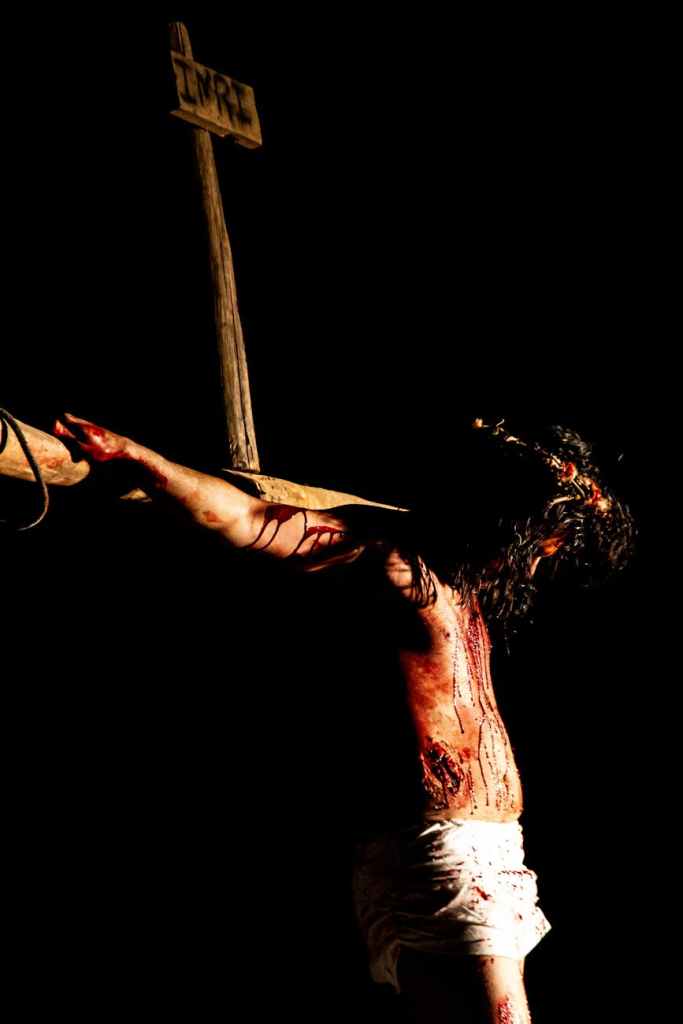
Prayer can sometimes seem like a cowardly action. It seems passive; it relies on faith and, often, patience. We connect courage to action– courageous people DO something; cowards sit on the sidelines or hide in their closets. Yet Jesus told His disciples to go into their rooms or closets, close the door, and pray in secret. Jesus himself often went out into the desert to pray alone. Jesus’s ministry was filled with passive moments. He spoke, or he walked along from town to town. He stopped to heal people by touching them or speaking to them. He rarely raised his voice or let his temper show. He allowed himself to be arrested, tried, sentenced, beaten, and crucified, without making a vigorous defense or protesting his horrific and unjust treatment. On the cross, his one impassioned outburst was a prayer to His Father–“My God, My God, why have you forsaken me?” (Mark 15:34)
We don’t think of Jesus as a coward. Yet, we often sneer at Christians who spend more time praying and less time “doing.” Being active is not a bad thing. Jesus commanded His disciples with many active words– “GO,” “teach,” “feed My sheep.” And there are busy people who are courageous in their own way. They go into dangerous places to preach the Gospel. They risk their health and safety to reach the lost with the Good News that Jesus Saves! They stand firm for the truth, and they defend it with vigor and passion. But Jesus also commanded His disciples to “Follow Me.” That means that we need to look at and model our lives after the ways that Jesus responded to various situations, and how He lived. The question we often ask is “what would Jesus do?” But the real question we should ask is “what did Jesus DO?”
Jesus prayed. He prayed for people; He prayed with people; and He prayed alone for hours and even days. And Jesus prayed courageous prayers. He didn’t pray “safe” prayers. Even His anguished prayer in the garden ended with courageous and humble resignation– “Father, if you are willing, remove this cup from me. Nevertheless, not my will, but yours, be done.” (Luke 22:42) Jesus also engaged lovingly and personally with the kinds of people that others ignored or wrote off or dismissed as broken, damaged, or irredeemable.
Just this week, a young Christian apologist and conservative speaker, Charlie Kirk, was assassinated. He was well-known and admired (or detested) for speaking up about family values, and Christian principles on American college campuses. He often faced hostile critics and smug detractors– atheists, anarchists, and those who called him a racist, a homophobe/transphobe, a bigot, and a “hater.” I never met Mr. Kirk. I watched some of the videos his group posted of him patiently and passionately arguing for marriage, faith, morality, hard work, ethical behavior, and national issues like immigration reform, tariffs, and foreign policy matters. I respected much of what he said, and some of how he said it. One of the things I most respected was his commitment to listening and asking questions, instead of merely attacking. But the most amazing thing about Mr. Kirk was his passionate and outspoken commitment to Jesus Christ. His faith was the center of everything he said, and in the way he interacted with supporters and detractors alike. He did not shy away from difficult questions, and he rarely resorted to easy answers, but he always pointed others to the example and the words of Jesus.
In the wake of his death, many people are asking, “What now?” Mr. Kirk was articulate, passionate, and willing to put himself in danger in order to defend the truth and his personal views. He trusted God to use him, and he was willing to pay a horrible price– being hated, threatened, and ultimately shot to death–to do what he saw as God’s work. He left behind a family (wife and two children), several close friends, and a host of people who followed him on social media and looked to him as a Godly example. Fellow Christians, while we may grieve his loss here, rejoice that he is Home with his Savior for eternity. But many people are wondering what will happen if no one steps forward to take his place and carry on his mission. While I believe that many young people will be inspired to speak out and engage in discussions, I don’t think most of us are meant to step into a spotlight. I think we NEED more people who will commit to going into their closets and pray. While Mr. Kirk put himself in the public arena, there have been hundreds and thousands of people praying for him. They continue to pray for his family, his outreach organization, “Turning Point”, and they even pray for those who instigated and committed this violence.
Prayer is NOT cowardly. Prayer warriors are needed to intercede, to call on Heaven’s Armies to continue in the age-old battle. We should be willing to have the difficult conversations when they arise. Some of us will be called to initiate such conversations openly and with fierce determination. And we should all be ready to “give a reason for the hope that is in you” (1 Peter 3:15) even when it is with “trembling and fear.” And we should always remember to be humble and show kindness, even to those who despise us. But some of us need to be lifting up those who are being attacked. Some of us need to pray more boldly, more often, and more confidently in light of the violence that has exploded in our world. We need to pray, not just for the Charlie Kirks of the world, but for the salvation of all the would-be assassins. We need to pray for the hearts and minds of those who want to argue and “cancel” all those who stand for God’s Word. And for all those who do not know the truth, who are confused, befuddled, or deceived.
We need those who can be courageous– whether in the public square or in a private room.
When will the violence end? How long, O Lord, must we wait for justice? Why did you allow this to happen?
And it has happened again. A school-related shooting, this time in Minneapolis, Minnesota. News feeds were filled with information, speculation, analysis, and commentary for days after the incident. A week later, the fury seems to have moved on, and the fate of the two murdered children, their families, and the other wounded victims of the shooter’s rampage are dwarfed by the cries of those with a political agenda. Some are raising concerns over gun control; others want to look at the effect of puberty blockers and other treatments used for those in the trans community. Everyone looking for a quick explanation and a quick solution, so that this “never happens again.”
Senseless violence, natural disasters, sudden tragic circumstances, still have the power to shock us, overwhelm us, shake our confidence, our composure, our beliefs. Most of us want to believe that we live in a predictable world, a safe and orderly world, a world that has been tamed, and groomed, and civilized. And we don’t want those beliefs shattered with the truth– life is unpredictable, filled with tragedy, evil, and danger, and it will end in death. I’m not saying this as a cynic or a pessimist– life is also wonderful, filled with love, laughter, achievement, delight, and eternally precious. But why are we so deeply disturbed to face the truth about our troubled world?
I believe it is due, in part, to the recognition that this is a fallen world. It was not made for evil and tragedy and death, but every tragedy reminds us that the whole earth groans for restoration to what it was always meant to be. The echo of Eden, and the hope of Heaven live in us, and the reality of our lost state cannot be denied when tragedy strikes. The pleasant facade of the triumph of reason and humanity cracks, and we are forced to see that evil resides next door, down the street, across town, perhaps even in our own hearts and minds.
I love the movie “The Princess Bride” (ask any of my friends–I can quote whole scenes!), but when I first saw it in the theater, there was one line that struck me like a punch in the stomach. The Dread Pirate Roberts (a.k.a. Westley) kidnaps/rescues Buttercup from her original captors, and after she tells him of the pain and desolation of losing her true love, he doesn’t comfort her by revealing that he is, indeed, her own sweet love, still alive and well. Instead, he says, “Life is pain, highness. Anyone who tells you differently is selling something.” Wha-what?! What kind of lover, when confronted by that kind of tragic outpouring, says something so callous? To quote another line from the movie, “Why don’t you give me a nice paper cut and pour lemon juice on it?” But Westley is not heartless. The line is memorable, both because it is jarring in its context, and because we recognize that it holds a truth. Anyone who tells you that this life will be free of pain and suffering IS selling something. In the movie, Humperdink is “selling” the idea that he is going to make Buttercup a princess and marry her, and they will live happily ever after; all the while planning to kill her. In today’s world, there are people trying to sell us ideas– that they “have it all figured out”; that truth and justice and morality and even a person’s worth and value are all relative; that God doesn’t exist or that he doesn’t care; that evil is a figment of our imagination, or that human institutions can create a perfect society and “save” the planet from other human activities and institutions.
Jesus tells us in John 16:33 that in this world, we will have trials, trouble, tribulation, and/or suffering (depending on which version you read). Not because God doesn’t care; not because he is incapable of stopping tragedies, but because we (humankind) have turned away from God, and the consequence of our rebellion is tragedy and death. He doesn’t tell us this because he is callous or insensitive or cynical. In fact, in the next phrase, he tells us to take heart, and to be of good cheer, for he has overcome the world. HE has overcome the world, and in doing so, he has given us hope, and peace, and strength– not to avoid or deny tragedy, but to overcome it, and to triumph over it.
How does this relate to the pursuit of prayer? Prayer is not a magic panacea in times of trouble– it isn’t a chocolate-coated miracle pill. Prayer (and sharing thoughts and prayers with those who are suffering) doesn’t make the suffering disappear– it doesn’t lessen the horror or the evil of an event, and it doesn’t guarantee that future hate, violence, injustice, or tragedy will disappear or even diminish. But prayer reminds us that evil will not always triumph; that it need not overwhelm us, paralyze us, or defeat us. I believe it can bring us from being “mostly dead” in despair, fruitless rage, divisive finger-pointing and fault-finding, “inconceivable” arguments, vengeful fantasies, and conceited self-indulgence, back to abundant life in Christ, and renewed courage to do what is kind and loving, even in the face of evil. Prayer should also restore our focus on what is good, and noble, and true, so that we can be equipped to fight for what is right, instead of just ranting against what is wrong.
Finally, brothers and sisters, whatever is true, whatever is noble, whatever is right, whatever is pure, whatever is lovely, whatever is admirable—if anything is excellent or praiseworthy—think about such things.– Philippians 4:8
I pray, in the wake of this newest tragedy, that God would show me where I am wrong in my thoughts and actions toward Him and toward others; that he would surround those who are suffering pain and loss, giving them comfort, strength and renewed purpose in the days ahead; that he would lead us to have the tough conversations, and take the right steps to bring renewal, restoration, hope, and healing to our communities and our land; and finally, that we would listen to, and acknowledge the truth, and take heart as we focus on the One who has overcome the world.
The Biblical figure of Daniel is mostly remembered for being thrown into a den of lions as a punishment for praying to the God of Heaven in defiance of a new law (proposed by his enemies, who hoped to set him up). https://www.biblegateway.com/passage/?search=Daniel+6&version=NIV The story is a familiar one– so familiar that we sometimes pass over the context and details. I don’t want to retell the entire story, but I want to put it in context. There is a lot more than just a den of lions and a miraculous rescue.
First, the Book of Daniel is filled with loosely tied stories in the life of Daniel, an Israelite captured by the Babylonians, and living in exile over the course of over seventy years. By the time we get to chapter six, Daniel is likely in his late eighties or early nineties! He has served under at least five monarchs in two empires, and has seen the utter collapse of two major capital cities (Jerusalem and Babylon). Because of the episodic nature of the first half of this book, we have very few details of Daniel’s everyday life– we never learn if he was married or had children; if he was ever allowed to return to the land of Judah; or if he was able to use his position and influence to help other Jewish families or speak out against the idol worship and human sacrifice practiced by his captors. In the story of Belshazzar, it seems that Daniel had been relegated to a lower position within the palace during the years after Nebuchadnezzar’s death– Belshazzar did not know of him; only because the Queen remembered his ability to interpret dreams was Daniel summoned and brought back to court. The events of chapter six are unique and shocking to us, but not in the context of Daniel’s life.
There is a pattern that gets repeated throughout Daniel’s story– it is the confrontation of two great powers– Daniel’s faithful service to God puts him in opposition to the powers of his captors. He is a captive and a foreigner, but that is not what makes him (and his three friends) a target of powerful enemies. It is his prayer life and his obedient devotion to God that causes him to be singled out. In seven decades, that devotion has never wavered, and Daniel’s life of prayer has been consistent, both in private and in public. Daniel doesn’t have to argue, protest, or announce his devotion. When he is praised for his abilities, he quietly gives the glory and credit to God. When he is vilified and betrayed, he quietly waits for his vindication to come from the God he has trusted through the years.
Darius, (like Nebuchadnezzar and Belshazzar and others before him) is impressed by Daniel– enough that he appoints Daniel to a position of great power and authority within the kingdom. Daniel, because of his humility and integrity, is not threat to the rule of Darius–but he does pose a threat to those under him who are hungry for power and prestige. There will always be people in this world who will try to destroy what they do not understand or respect. Darius is not the author of Daniel’s dilemma, but a tool in the hands of corrupt officials. Daniel could have been hurt, enraged, or defeated by this decree from Darius– but he recognized that the real enemy wasn’t Darius, or the crooked satraps who put him up to it (or the hungry lions he faced) — the real enemy was the opposition to Almighty God and the refusal to acknowledge His authority. Darius is quick to learn that God’s power is real and absolute, and that God is gracious in his power, and loving toward his servants. The wicked satraps did not learn this lesson, and they perished.
Notice that, just as in the story of the fiery furnace, God did not remove the danger. Daniel’s friends had to go into the fiery furnace…Daniel had to go into the den of lions. And these were not just overgrown kittens. They would have been captive lions– just as Daniel was held in captivity! They were trapped in this den, unable to hunt for their food; dependent on the whims of their captors. They were kept in a state of uncertainty, fear, and hunger. They were desperate, and hurt, and angry. When Daniel is brought out of the den, and Darius orders the conspirators to be thrown in (with their families), the lions pounce with terrifying ferocity, not even letting the bodies hit the bottom of the den! God may allow us to face some terrifying “lions”– scoffers and rebels and desperate people who will try to take their anger and hurt out on us. Will we trust that God can stop their mouths while we wait for deliverance?
Daniel’s calm response to this entrapment was not the result of Daniel being “holier” than someone else, or more clever; God did not send him a vision of assurance that he would live to see another day. Daniel must have been terrified of facing several starving lions! At his age, he would not have had the strength to fight them. But Daniel’s obedience and trust won the respect of yet another ruler from a very different culture. And God’s miraculous rescue won the awe of Darius– so much so that he issued a decree throughout his realm to all peoples of every language in the kingdom to fear and tremble before the God of Daniel! Faithfulness, humility, and obedience always open up opportunities for God to display His Glory.
Just as Daniel was thrown alone into a lion’s den and sealed inside by a large stone, one day Jesus would be thrown into a tomb to face death and hell. He was sealed in with a large stone, but no one came to his rescue. He stood and faced our enemies– Sin and Death. His flesh was torn and crushed and His blood poured out, and He bore the wrath and punishment that we deserved, so that Sin and Death were defeated. And when He was finished, the stone was removed, and Jesus emerged victorious! His faithfulness, humility, and obedience let to Glory and Life. We may never face a literal den of lions– we may not be tested with persecution, but Jesus has already won the battle; He has permanently closed the mouth of our greatest enemy, and set us free!
Daniel’s prayer life is not marked by spectacular prayers of rhetorical magnificence. He isn’t known for fervent fasting and wailing prayers for the rescue of his nation (though he probably said many). Daniel is noted for his consistent practice of praying– good days, bad days; days of glory or ignominy; days of ease and days of uncertainty; days spent serving wise rulers, and days spent serving madmen and spoiled brats– Daniel quietly and faithfully went to God in prayer. He didn’t make a public spectacle, but he didn’t hide, either. Will we be faithful to seek God’s face throughout the day– in little matters and times of crisis; in praise and in pain; for our daily bread, our neighbor’s health, our nations’ revival, and our world’s salvation and healing?
We’ve been going through the book of Daniel. King Nebuchadnezzar played a prominent role in chapters one through four, but he suddenly disappears from the narrative, and a distant successor, Belshazzar, comes to prominence for the space of a single chapter. https://www.biblegateway.com/passage/?search=Daniel+5&version=ESV
The Book of Daniel is a series of stories, disjointed, and filled with signs and wonders. Many scholars and critics over the years have suggested that these stories cannot be true; that they are legends created centuries later and added as Jewish propaganda. The story of Belshazzar in chapter five was a perfect example, they claimed. There was no written evidence for the kingship of Belshazzar. The last king of Babylon was a man named Nabonidus, so how is it that this story assumes that Belshazzar was the king giving a feast on the very night Darius would invade and conquer the empire? Recent discoveries, however, show that Daniel is more accurate in detail than the ancient historians, who were writing about the “big picture.” (For more explanation, visit this site: https://creation.com/archaeology-belshazzar). Belshazzar would have been the ruler/crown prince/regent of Babylon on that night. Not only that, he would have been young, spoiled, and eager to establish his own authority and prominence. This fits with the actions and reactions of these two men–the fact that Belshazzar would casually raid the storehouses for golden goblets that had been untouched in the days of his more powerful predecessor; that he could only offer Daniel the position of “third highest ruler”; the fact that, while Daniel is not contemptuous, he shows less deference to this “king” than he did to Nebuchadnezzar. In fact, he refers more to the glories of Nebuchadnezzar and the judgments of God than he does to the current state of Babylon or ANY of its other rulers.
There is a huge time gap between the earlier chapters and this one. Nebuchadnezzar’s reign was long; his son and grandson reigned after him (though both their reigns were much shorter). Belshazzar’s father, Nabonidus, reigned for over 15 years before losing the empire. The young Daniel of chapters one and two is now likely to be in his 70s or 80s! He has served faithfully under at least five rulers, but he is still considered an “exile” (see verse 13 of chap. 5), a foreigner, and a captive. In Daniel’s life of faith, service, and prayer, he has seen the “hand of God” working in his life and in the lives of those around him. Daniel has learned to trust in God’s provision, to submit to God’s direction, and to wait expectantly for God’s wisdom.
Belshazzar is terrified of the “Hand of God” as it writes on the wall of his father’s royal palace. He is the son of privilege and mysticism–the Babylonians were known for using signs and wonders to plan campaigns, seek power and wealth, and predict success. Their gods were capricious and full of wrath. But Belshazzar had never been visited by the God of the Universe. He had never taken the time to “number his days”, or consider his ultimate destiny.
Compare the judgment of God against Belshazzar (Mene, Mene, Tekel, Peres–God has numbered the days of your reign and brought it to an end; you have been weighed in the scales and found wanting; your kingdom is divided and given to the Medes and Persians) with this psalm of Moses (Psalm 90) https://www.biblegateway.com/passage/?search=Psalm+90&version=NIV. Two take-away points:
Belshazzar’s days were numbered and he was found wanting. Daniel’s days were numbered, too. Daniel waited years, living as an exile and second-class citizen, serving kings and powers who ignored, or even scorned his God. Daniel’s life was prolonged, yet he continued to serve with no freedom or personal reward in sight. And his trials and oppression are not over yet! (There is a den of lions in Daniel’s future!) But God doesn’t look at our lives in terms of power, success, wealth, health, position, or another outward factor. God sees the small acts of service, the daily discipline of worship, the humble trust and dependence we place in Him. Daniel’s story has not been about accomplishment. Daniel never built anything; he never accumulated anything; he never preached mighty sermons or wrote beautiful songs of worship. And even though God used him to solve riddles, interpret dreams, and prophesy, Daniel had nothing to put on a scale. Yet he was not found wanting, as Belshazzar was.
Daniel was not afraid of the Hand of God because he had learned to number his own days (See Psalm 90: 12-17), and he was able to gain wisdom, satisfaction, peace, and hope in knowing that the Lord God would establish even the smallest works of Daniel’s hands and make him glad for as many days as he had been afflicted. May we pray for, praise, and pursue the Hand of God in our lives today.

















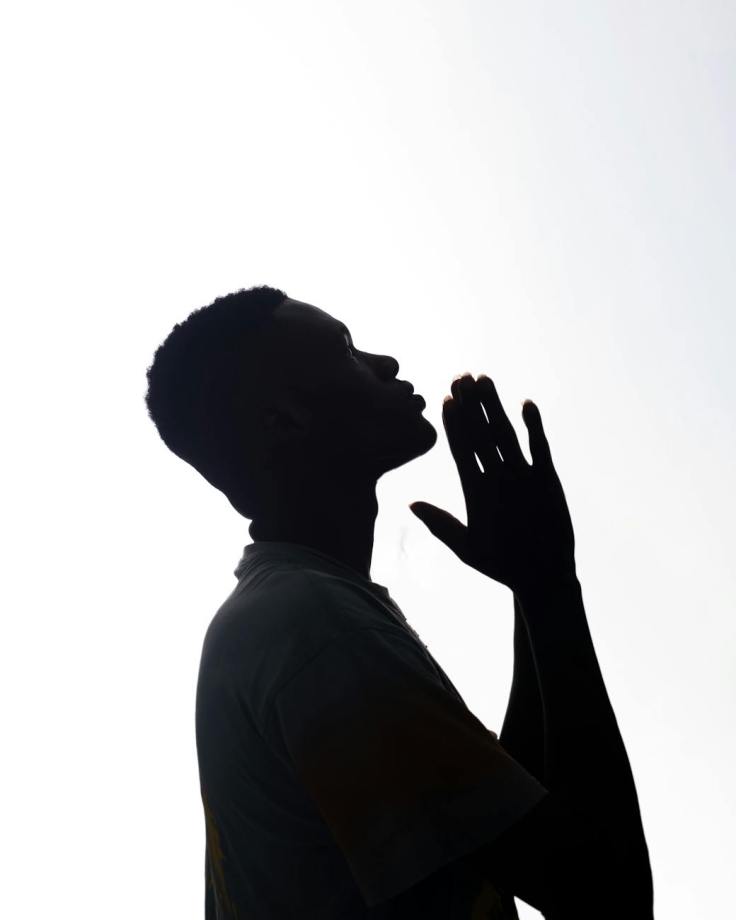












 Pursuing Prayer