Ahhh…Friday. End of the work week, beginning of the weekend. Payday, too, for some. For many people, their goal is just to get through Friday at work, and spend time doing whatever they want until they have to return to work on Monday. Of course, some people have to work weekends, and others don’t have a job at all. Some have other responsibilities on the weekends– caring for aging parents, or shuttling kids to ball games; volunteer projects, working on home improvement tasks, or mowing the lawn. But Friday has become such a special day in our culture that we even have a phrase, “Thank God it’s Friday” (TGIF for short). And we have special Fridays–Good Friday (the day of Christ’s crucifixion), and “Black” Friday (the huge shopping day after Thanksgiving). And several movies about Fridays– Freaky Friday, His Girl Friday, Friday Night Lights, and a string of Friday the 13th horror flicks. And most of the associations with Friday are positive, even festive. For some people, Friday is the high point of their week!
But what about the other days of the week? Do we thank God for Tuesdays, or Saturdays, or Sundays? Shouldn’t we be grateful every day? God gave us seven days each week, and He even sanctioned one of those days each week for rest and reflection. When Jesus spoke of the concept of a “sabbath,” He made clear that a weekly day of rest was God’s gift to US (Mark 2:27 https://www.biblegateway.com/passage/?search=Mark+2%3A27-28&version=ESV) But every day is a gift– filled with God’s presence and promises, even when it may seem like an endless series of chores, mishaps, and personal failures.
God gives us each day, and whether it is payday, Monday, a “bad-hair” day, or a holiday, every day is an opportunity to live, love, and learn. And every day, we have the privilege and the opportunity to spend time in prayer with our Loving Heavenly Father.
So, yes, Thank God that it’s Friday today. And use this day (and every day) to honor Him, obey Him, and walk in joy with Him. Tomorrow, Thank God it’s Saturday!
Just before Jesus took His last breath on the cross, He called out, “It is finished!” Theology teaches us that His statement reflects the completion of His mission– to defeat the power of Sin and Death, and pay the redemption price for all who will call on His name. The ultimate victory has been declared; the ultimate battle won!
The past two weeks, I have wanted to say, “It is Finished!”– as I struggle with a hundred different tasks that never seem to end. I missed my self-imposed deadline to publish a blog entry on Monday; I stared at a pile of extra dishes in my sink and a growing mountain of laundry as I added “extra” tasks to my weekly list. My work here is not finished; my mission is not complete.
But Jesus’ words remind me– It IS finished! My “mission” is not to wash every dish, make every deadline, “fix” every small problem that arises, or answer every question. My mission is to follow Jesus. He didn’t heal every leper, end poverty, sweep away the armies of Rome, or even convince the Pharisees to repent. Because THAT wasn’t His ultimate mission.
That does not give me an excuse not to do the dishes or try to make sure I post this by my next deadline. But it gives me Grace to keep going– not in my own strength or achievement, but in dependence on God’s power, timing, and mercy. His Grace is sufficient!
This is true of our prayer life as well. God doesn’t “grade” us on each prayer, or each day’s efforts; rather, He waits, patiently and lovingly, to hear us call on Him and listen for His voice in return. The “judgment” has already been given–Jesus’ work on our behalf has been accepted and declared “complete.” His Kingdom has come; His will is being done, even if our prayers seem small or inadequate for the mission.
There are some tasks that we will never see “finished” during our lifetime or through our limited efforts. But we can work and pray heartily and confidently in the knowledge that we will see it “finished” in God’s perfect timing. And we can rejoice in the privilege of working toward that end– even our smallest efforts and weakest moments are woven into the story of Eternity!
Puzzles can be fun, but they can also be very frustrating, especially if you approach them with no strategy. If you dump 1,000 pieces of a jigsaw puzzle on a table, and begin by trying to find any two pieces that fit, you may be able to eventually solve the puzzle, but it makes more sense to look for the “edge” and “corner” pieces first, and build a framework. Depending on the puzzle picture, you may also be able to work on colors or patterns that stand out– sky/clouds, a patch of red or blue, a dog in the foreground, etc.
The same is true of word and logic puzzles. There is usually a strategy when you approach each puzzle that can help make it easier and more rewarding. Words have patterns of letters– vowels and consonants; logic puzzles depend on deduction– narrowing down the possible by eliminating the impossible. Sudoku, and its cousin, Kakuro, involve simple math and numbers 1-9 in changing patterns. Start with the strategy, and you will find even the most challenging puzzles a little less challenging.
Some puzzles seem impossible; and some are beyond my ability to solve, even with the best of strategies. That’s life. We don’t know all the answers, and we can’t always “see” the solution, or make all the pieces fit.
Sometimes, our lives seem like a challenging puzzle. Nothing seems to “fit” a pattern or make sense, and we end up lost and frustrated. Our most basic need is to trust God. But God does not leave us without a strategy. Prayer (along with reading God’s word and keeping in fellowship with other Christians) is part of an excellent strategy. Just like putting the “edge” pieces together in a jigsaw puzzle, praying “the perimeter” of our problems can put them in the proper frame.
What does that mean? Jesus gave us a perfect example in “The Lord’s Prayer.” When His disciples asked Him how they should pray, He started with the “frame.” “Our Father, who art in Heaven, hallowed be Thy Name.” God should be at the center of our life and trust, but He also needs to be the “edge” and framework of our life. There is no problem or worry that is outside of His control and awareness, no need that He cannot meet, and no problem that can take Him by surprise or leave Him frustrated and “stumped.”
“Thy Kingdom come, Thy will be done in earth as it is in Heaven.” God already has the right strategy, and solution for our need. We can’t see it; we may not have a clue how to pay our bills, or deal with that devastating diagnosis, or make peace with our enemy–we may never find “the solution” on our own or in our short lifetime. But God sees the entire picture, and He has the power to make all the pieces “fit”– in His time and in His perfect will.
“Give us this day, our daily bread, and forgive us our trespasses as we forgive those who trespass against us.” Sometimes our “puzzles” seem too big because we try to tackle everything at once, or we try to tackle things from the wrong end. God’s strategy is to rest in Him daily, letting tomorrow’s troubles wait for tomorrow, and letting go of yesterday’s struggles. That doesn’t mean that we don’t make plans or budgets, or that we don’t take responsibility for our health, or the mistakes we’ve made. But it means that we stop focusing on what we can’t control, and focus on the present. Instead of worrying, I can be thankful for what I have right now. Instead of focusing on what others think of me, or the threat they pose, I can concentrate on my own attitude and actions, making sure that I am practicing trust and obedience. Instead of getting angry when things don’t make sense, I can rest, knowing that God knows the end from the beginning.
“And lead us not into temptation, but deliver us from evil.” God is our “Good Shepherd” (See Psalm 23 and John 10). He “leads us beside the still waters” and “makes us lie down in green pastures.” “He restores my soul.” (Psalm 23:3a) If we let God determine our “edges” and boundaries, we will still have to travel through troubled times and valleys “of the shadow of death.” But we need not fear evil, when we trust that God will deliver us. We need not fear the shadows and uncertainties within the boundaries of God’s will. And even when we have taken the wrong path, and “messed up” the puzzle we are in, God is in the business of redemption and restoration! He will deliver us– if we confess and seek His solution. He will wipe away the “wrong” answers and rearrange the pieces of our life, so that we can find wholeness.
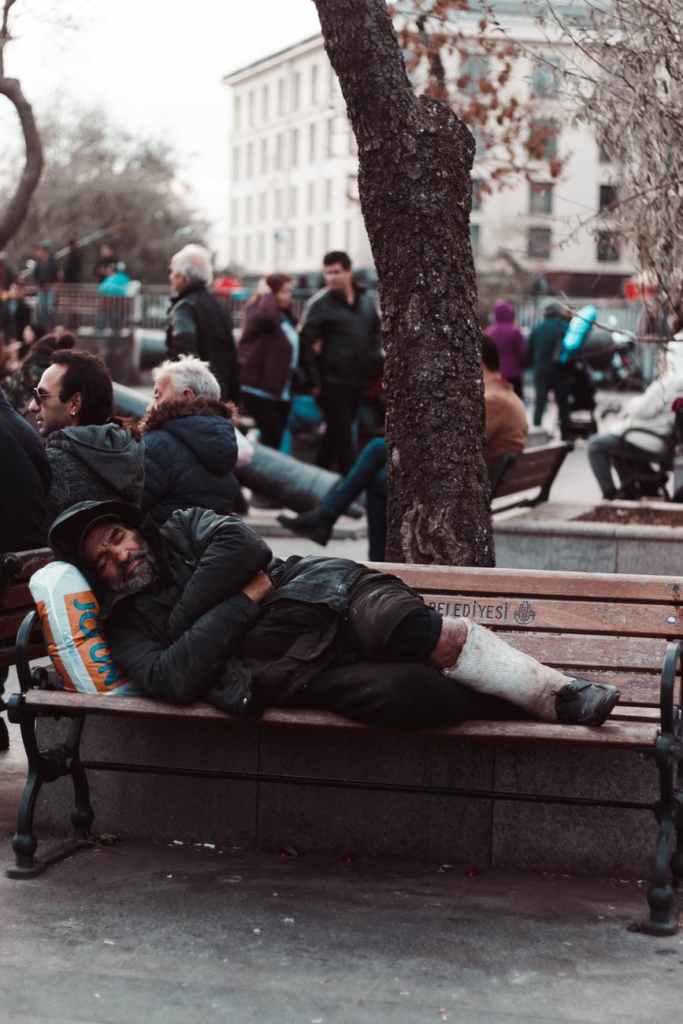
Photo by Miguel u00c1. Padriu00f1u00e1n on Pexels.com
When we develop the pursuit of prayer– daily meeting with God, acknowledging who He is, and seeking His wisdom and grace– we will meet the challenges of life with the right strategy. We will still face the frustration of not knowing all the answers, or not seeing the whole picture. We will still have to deal with struggles, shadows, grief, and pain. But we will have a stronger “framework” and a God-given strategy to help.
I’ve mentioned several times on this blog how much I love the book/movie, “The Princess Bride.”
At one point in this fractured fairy tale, the title character, Buttercup– THE princess bride, is waiting to be rescued by her true love, Westley. She has supreme confidence that he will rescue her from having to marry the evil Prince Humperdink. But Humperdink is equally confident that Westley will NOT come– because he knows that the wicked Count Rugen has (supposedly) killed him! As the stuffy archbishop pronounces Buttercup and Humperdink ,”man and wife,” Buttercup is stunned. She keeps repeating, “He didn’t come for me.” She cannot imagine a future in which Westley does not show up and save the day. Her hopes are shattered, and she walks in a fog to the bridal suite, where she prepares to kill herself in despair.
I don’t want to give away everything, but Buttercup’s plans take an unexpected and miraculous turn before the end of the story.
I was reminded of “The Princess Bride” yesterday morning as I sat with my husband, trying to figure out what was happening with his blood pressure. He and I have been battling COVID, and he spent a week in the hospital. He has been home for several days now, and has been improving steadily, until early Sunday morning, when his blood pressure started rising. There were no other symptoms, and we consulted a doctor, who talked us through a course of action, but there was little to nothing they could do for him at the emergency room, unless he had chest pain, paralysis, or a splitting headache, which would indicate possible heart attack or stroke. We increased his oxygen intake level, kept his legs elevated, and his blood pressure came down.
Then, last night, it happened again. No warning; no other symptoms. We made sure he had plenty of oxygen, elevated his legs, continued doing what we had done in the morning. Slowly, the blood pressure reading came back down– still high, but not dangerously so. We’ve prayed for healing– dozens of other family and friends have prayed for healing. Everything seemed to be going fine– why this? Why now?
It is so tempting to imagine our story will be smooth and predictable– even when we have a struggle or set-back– to believe that better days and easier times are just around the next corner. And when it doesn’t happen the way we hope or expect, we want to question God– “Why didn’t you come?” “Why did you delay?” “Why didn’t you send word that I would have to go through this?”
But God HAS sent word– there are dozens of examples in which God delays, or simply does not send a swift and easy rescue. God promised Abraham and Sarah a son– and then delayed 25 years! On top of that, God asked Abraham to take Isaac, the son of the Promise, to be a sacrifice! God showed up–just as Abraham was about to sacrifice his only son. God rescued Abraham and Isaac from their ordeal, but it was a nail-biter! (See Genesis 12-22)
God rescued His people from their slavery in Egypt, and led them straight into a trap! Caught between the Egyptian army and the Red Sea, the Israelites seemed to be sitting ducks. How could they have imagined that God would open the sea so they could cross on dry land? Having been rescued in such a miraculous way, the Israelites should have had absolute confidence in God– but instead, they complained about food, complained about the leadership, complained about the weather–even as they could see God’s presence in a pillar of cloud by day and a pillar of fire by night! God rescued them over and over again in the midst of their struggle (and their lack of faith!). (See the books of Exodus, Numbers, and Deuteronomy)
Daniel was taken into exile as a teenager– over fifty years later, after God had protected him and put him in a place of great power and prestige, Daniel was set up by his enemies and condemned to be eaten by lions. God did not rescue him by removing the lions or overturning Daniel’s sentence. Daniel had no reason to know that God would rescue him at all. But God’s ways are not our ways. God’s way was to shut the mouths of the lions– something ONLY God could do–proving to Darius, to Daniel’s enemies, and to all who heard about it that God was more powerful and more loving than even our wildest imagination. God rescued Daniel through his harrowing experience– and even brought judgment on Daniel’s enemies in the process.(See Daniel 6)
And the list goes on– Jacob, Joseph, Ruth, Shadrach, Meschach, and Abednego, the prophets Elijah, Jeremiah, Ezekiel, and others, kings like David and Hezekiah, the exiles of Israel, the Apostle Paul, Queen Esther, Simon Peter, Jesus’ friend Lazarus, the martyr Stephen. Many of these people went through famine, disease, prison, death threats, and even death itself! Yet God preserved their stories for OUR benefit. God reassures us that He is the God of the living and the dead– death cannot stop true love (another of my favorite lines from The Princess Bride)! Nothing can separate us from God’s loving and wise and perfect care!
I don’t know what today will bring for David and me. I don’t know if we will have to return to the hospital, or if they can help restore his blood pressure to “normal.” I don’t know if I will have a sudden relapse or complications from COVID. I don’t know what future changes, adjustments, or griefs we will have to bear. But I do know this– God is with us!
Sometimes, God rescues us FROM a situation; sometimes He rescues us IN a situation; and sometimes He rescues us THROUGH a situation. We don’t know how God plans to show up and work in our lives over the next weeks. But we know we can trust Him to do what only God can do, and faithfully see us through the rest of our lives.
I pray that if you are facing unexpected difficulties today, that God will cause you to be strengthened and reassured. He loves you. He sees you. He knows where you are, and, better yet, He knows the road ahead!
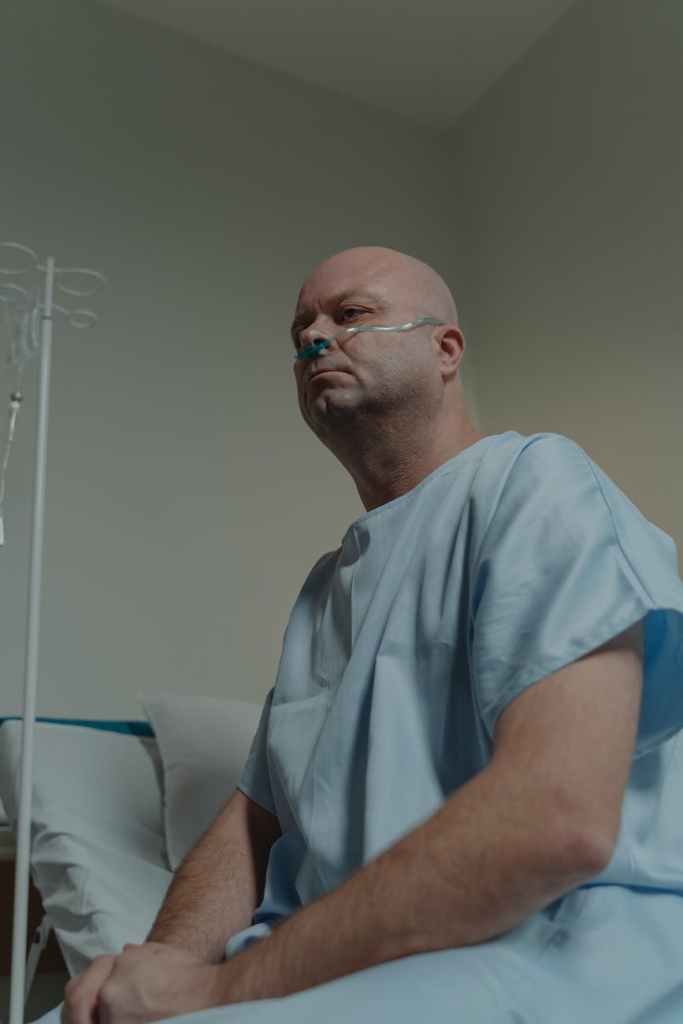
I’ve missed posting a couple of blog posts this past week. My husband and I have been ill. We both came down with COVID, and my husband ended up in Hospital for a week with COVID-related pneumonia. As I write this, he is scheduled to be released to come home, where he will continue to recuperate. I will be finished with my quarantine period, but I am still recovering, as well.
It can be very tempting in times of sickness or unexpected struggles to ask, “Where are you God, in all this?” And, while some would say it is not appropriate to question God, I think this is a good question to explore. There is nothing wrong with the simple question, if you are seeking an honest answer. Here is part of the answer I’ve received over the past two weeks:
Where: I know all the “correct” and spiritual answers– “God is everywhere, omnipresent.” “God is seated on His Throne.” “God is right beside you, and His Spirit is within you…” These are big answers, true and Biblical. But they can be very cold comfort when you see your husband struggling to breathe, or when you are exhausted and frightened. God is omnipresent, but He is spirit– invisible and undetectable through our physical senses. We can “know” He is present, but we can still question His “Presence.” But when we are seeking His presence in the question, there are so many wonderful and comforting answers. God IS Everywhere– so that even when my husband is miles away in a hospital room and I am alone in our apartment, God is in both places at the same time, providing rest, wisdom, and healing! God IS on His Throne– orchestrating timing and people to offer their skills, advice, services, prayers, encouragement, and more. David and I have been sick, and even in danger, but God did not abandon us. He provided for us to be able to get David to the hospital at the right time; He provided friends and family to help us– even strangers to pray for us and encourage us. God’s Spirit gave us strength and courage to ask the right questions, make decisions, and trust Him through this process. And God will continue to be working within, and around, and through us as we continue to heal.
Are: We may claim that God is omnipresent and omnipotent– always present and all-powerful– but often when things don’t go according to our plan, we question. Not so much where God is at the present moment, but where WAS He? Why didn’t He stop this from happening? And where will God be tomorrow, when the medical bills start to arrive? Doesn’t He know or care about the aftermath? The fall-out? When will my husband be able to return to work, if ever? How did we get exposed to COVID? Why didn’t God prevent it? How much more will we suffer? But once again, God IS omnipresent– not just in space, but in time. God knew this would happen long before we had ever heard of COVID. God has already seen the future play out. He knows the end from the beginning, and every step in between. I tend to get lost in all that I cannot see– past and future, why and how–but God is so much bigger than all that. There is NOTHING that can take God by surprise or cause Him to fail in His plans for us. God spends a great deal of time throughout the Bible reminding us of His promises; many of which are promises of His Presence, His Provision, His Protection, and His Peace. He never promised that our lives would be easy, problem- or worry-free, or boringly comfortable. Such lives don’t shape us or develop our character; they teach us nothing about God or ourselves. God wants us to have an abundant life– a life full of “LIFE”! And that means facing challenges that show us how to trust our Loving Father, and cause us to see the depths and breadth of His Love and Power.
You: God is Spirit; He is invisible and indescribable. Yet He is a personal God, and wants a personal relationship with each of us. It is easy to lose sight when I am worried or suffering– I forget the heights and depths of what God has done to pursue that relationship with me– ME! I never have to ask “Where is the God of the Universe?” I can ask, “Where are YOU?!” And even though God is Spirit, He also has a “body”– US! God is in the welcome voice of loved ones, and the hugs (even virtual ones during these days of quarantine) of family and friends. God is in the offers of help and advice from friends and strangers alike. God works through US to bring us together, to encourage, and strengthen, and guide us every day– on good days and difficult days alike.
GOD: Illness gives one plenty of time to think, reflect, and meditate on God. It is a stark reminder that I am NOT God (and never could be, thankfully), and that God knows and always does BEST, even when I can’t see or understand. I know many thousands of people have not survived their COVID journey– they didn’t recover; they lost their husband or wife or other loved ones. God doesn’t stop being God when we don’t get a “happily ever after” ending. Some day, David and I will each die. We will leave or be left behind by other loved ones. God is still GOOD; He is enduringly FAITHFUL; He grieves WITH us, just as He rejoices with us. He SUSTAINS us, and He REDEEMS us.
I’ve written dozens of blog posts about prayer, and very little about fasting. Fasting is a practice that is often coupled with prayer, but fasting rarely appears in my blog.
There are several reasons for this. I don’t make a practice of dedicated fasting, so I don’t feel comfortable writing about something I don’t know well. or practice often. I also don’t want to give fasting equal time or importance, because I feel it can become a substitute or even an obstacle to prayer if done for the wrong reasons.
The Lenten season is fast approaching, and it is a time when many people choose to fast, so I am stepping out of my comfort zone a little to give more time and effort to fasting (and discussing it here). Here are a few things I have found:
While we often think of fasting as going without food or water (or both), there are actually many kinds of fasting. Fasting simply means that we do without or set aside something as an act of obedience, reverence, contrition, or worship. Fasting should be done with the goal of getting closer to God, increasing our focus and our dependence on Him. When we fast, we are creating a “space” of dependence– separating ourselves from one thing to be available for another thing– namely prayer and worship. It isn’t about not eating, so much as not allowing food and drink (or other things) to call us away from time with God.
Fasting is Biblical. It was practiced by Biblical figures from Moses to King David, Ezra, Daniel, Nehemiah, Esther, and the entire nation of Israel! Jesus fasted and members of the early church practiced fasting as well. Fasting is encouraged, but not required. It is never prohibited, but there are several biblical warnings about improper fasting (see below).
Fasting is NOT meant to be an end in itself. There are many people who use fasting as a diet plan, or as an exercise in self-control. This is NOT biblical fasting. Whatever you are “setting aside” in your fast should be “filled” with prayer, meditation, and worship, and that should always be your focus. If you have health issues, a history of eating disorders or obsessive behavior, you should be very careful about fasting. Consider seeking advice or an accountability partner to help you remained focused on the real goals.
Fasting will not make you more righteous, or better than someone else who does not practice fasting. In fact, Jesus warned that when we fast, we should not do anything to call attention to the fact– no moaning or sighing, etc. Fasting isn’t about impressing others with our religious devotion. God knows our actions, but He also knows our heart.
Fasting is a commitment, and should not be taken lightly. If you decide to do a fast, and you’ve never done one, it’s best to start small and complete it, than to jump in headfirst and fail to keep your commitment. Not because God will be angry or disgusted– remember that God LOVES you and wants you to desire a closer relationship. But God wants each of us to grow to maturity. God will give us grace to do what He asks us to do; but He won’t honor our efforts to “outdo” Him.
Photo by Paulo Mu00e1rcio Dos Santos on Pexels.com
In taking a closer look at fasting, I am encouraged to do it more often. I have done short fasts, food fasts, and fasting from activities, and I can say that such practices often have surprising results. If you are planning to do any kind of fast for Lent, I pray that you will find it brings you closer to God and helps you in your own pursuit of prayer.
My nation– and even my community–is divided right now. People argue, accuse, blame, and reject their neighbors because of political beliefs. And they defend the “rightness” and righteousness of their own beliefs–even when they must compromise on other beliefs and teachings of the Bible. Some people use the phrase “I’m on the right side of history..” or “History will prove us right.” And they cross their arms, jut out their chin, and stand smugly convinced that they have won the argument.
But history books are written by human beings– and usually those human beings who are in power. “History” is constantly in flux– some things that were deemed “virtuous” or “necessary” in the past are looked on with horror today. Times change; societies change; customs and morals change.
When we justify our politics, or our actions to others in this way, we are really saying, “whatever I am doing, saying, or supporting today will be judged “righteous” by future generations. And that may be so. Those who advocated for the abolition of slavery in America over a century ago should surely qualify as people who were on the “right side of history.” Yet, in the past year of rioting across my country, many of the statues that were toppled, and spray-painted, and chiseled, and marred were of abolitionists. Their moral prowess notwithstanding, they were seen as “old, white men” in old-fashioned clothing, whose lives and legacies were long forgotten, or confused with other “old, white men” who had supported slavery during the same time period. We delight in “debunking” cherished histories, toppling our heroes, and rewriting traditions. And we often compare our “struggles” to those of previous generations, even if the comparisons are skewed or largely non-existent. And in our fight to push forward a particular narrative or policy; in order to “take back” a certain position or tradition, we often lose our moral compass, believing the lie that “the end justifies the means” or that “might makes right.”
In order to be on the “right side of history” today, people tend to make certain compromises– regardless of what “side” they choose. Political parties tend to support diverse causes and groups. Whatever good policies they promote, chances are they also promote policies and beliefs that are in direct conflict with scripture. Words like “compassionate,” “wholesome.” “traditional,” “patriotic”, “liberal,”and “progressive” may sound noble, but they often mask actions and policies that are corrupt, wicked, and destructive.
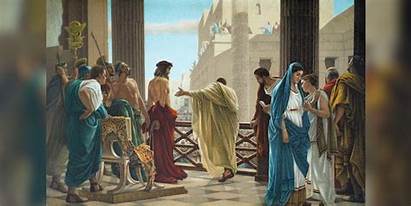
As Christians, we must be careful not to make “comfortable compromises” and to avoid righteous-sounding justifications. Just as importantly, we must be careful when confronted with labels and accusations, not to over-react or respond with bitterness or arrogance. If someone accuses me of being “hateful” or “gullible” because of my political beliefs, it is tempting to puff up and respond in kind. No one likes being judged. In fact, we are told in scripture NOT to judge, lest we be judged in kind. (Matthew 7:1-6) Jesus was often misunderstood, hated, falsely accused. He went to the cross after being found innocent by Pilate– who compromised by offering the Jewish people a choice of the innocent Jesus or the condemned Barabbas, instead of commanding that Jesus be released. In spite of his compromise, Pilate is not considered to be on the “right side of history” for his political masterpiece.
In fact– we are ALL on the WRONG side of of history! No matter how righteous our beliefs, ALL have sinned and fall short of the glory of God (Romans 3:23). Our allegiances, our morality, our political affiliations– none of them will save us from the just judgment of God, or the wavering judgments of future generations. We need, more than ever, to hold fast to the truth, and to seek God’s wisdom. When the final “history” is written, I want to be on God’s side!
This year is winding down, and many people are ready to say, “Amen!” It was a difficult year for many, one filled with upheaval, disease, uncertainty, and fear. We are ready to say, “Goodbye, and Good Riddance!”
But when we pray, and we say, “Amen,” it doesn’t just mean “the end,” or “goodbye”. Amen means, “let it be so” or “so be it.” It doesn’t just mean that we are finished speaking to God for the moment. It means that we are giving God the final word– we are turning over all our thoughts, our requests, our praises, our worries, and our questions to God and leaving them in His capable hands.
And so it is with the year 2020. We are not sending 2020 on its way, attempting to bury its memories or remove it from history. Even in the pain and uncertainty, there were blessings, and lessons learned this year. But it is time to say, “Amen!” Even so, Lord Jesus, let it be as YOU will. Whatever losses, whatever struggles, whatever blessings we have faced this year, let it be to Your Glory and Honor. And let us accept and even embrace the new year, not just for its difference from the past, but for the plans and purposes You have already put in place. Finally, let us be thankful for the year you have given, and the fact that you have been with us every step of the way, no matter how steep or slippery the road. AMEN!
God is faithful. He is steady, and kind, and good– no matter what temporary circumstances we face. Nothing that happened this past year took our Lord by surprise. Nothing escaped His notice. He did not turn His face away; He did not make a mistake, or forget any of His promises. His timing and His ways may not be the same as ours, but His purposes are eternal and eternally perfect. We can rest in peace and confidence because He is Sovereign and Holy and His mercy endures forever! (see Psalm 136).
I know several people who had a very Merry Christmas this year. Some of them flew to exotic locations and spent Christmas on the beach, or in a big city with lights and dozens of family members. Some of them spent a cozy Christmas in a cabin with roaring fires and glittering snow-covered trees, eating sumptuous meals and unwrapping expensive gifts.
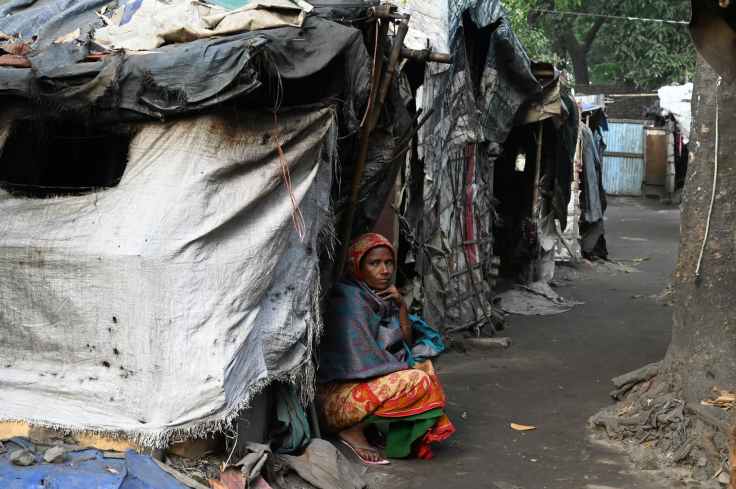
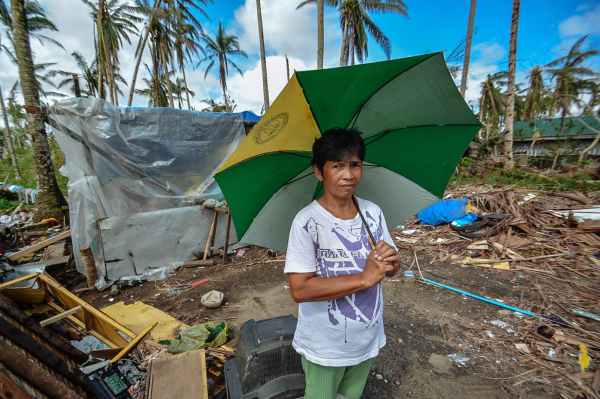
But most of the people I know spent a Christmas that wasn’t “post-card” perfect. Some of them were alone in a small apartment with no presents and no heat. Some were working at a job they hate because they had no other option. Some were grieving loved ones lost in the past months. Some of them are facing economic mountains– debt, job loss, medical bills or taxes they cannot pay, no money for rent or groceries… Some are battling cancer or alcoholism, anger, or fear. Some are estranged from their families, or separated from loved ones because of COVID, or deployment, or divorce. And some are facing persecution, starvation, homelessness, disease, or war.
Christmas comes, whatever our circumstances– and so does the Christ Child. Jesus didn’t come to the earth to bring us all “better” circumstances or worry-free holidays, but to deliver us from eternal death, and equip us to endure the circumstances we face in life. Jesus himself came in chaotic and stressful circumstances, and He came, knowing that He would face rejection, hatred, injustice, and death on a cross.
There are millions of people who spent a “Merry” Christmas and missed the whole point. Some of us indulged in a gift-giving frenzy that left others in the cold. Some of us allowed envy, fear, greed, or bitterness to color our Christmas. In the process, many of us lost sight of the true gifts of Christmas– Peace, Joy, and Goodwill. In fact, “His divine power has given us EVERYTHING we need for a godly life through our knowledge of Him who called us by His own glory and goodness.” (2 Peter 1:3)
And these gifts are not temporary, like earthly Christmas gifts. They are always available, and they never break, expire, or grow dim. My prayer for this year(and the year to come) is that we all may find–and share!– these eternal and astounding gifts, this “inheritance that can never perish, spoil, or fade…kept in heaven for you” (1 Peter 1:4)
Christmas Day may not always be merry in this life, but because of Christmas we can face an eternity that will never disappoint, and we have a living Hope that can carry us through even the darkest hours!
Jesus was born in obscurity– yet he was also born during a Census year…
And it came to pass in those days that a decree went out from Caesar Augustus that all the world should be registered. 2 This census first took place while Quirinius was governing Syria. 3 So all went to be registered, everyone to his own city. 4 Joseph also went up from Galilee, out of the city of Nazareth, into Judea, to the city of David, which is called Bethlehem, because he was of the house and lineage of David, 5 to be registered with Mary, his betrothed wife, who was with child. 6 So it was, that while they were there, the days were completed for her to be delivered. 7 And she brought forth her firstborn Son, and wrapped Him in swaddling cloths, and laid Him in a manger, because there was no room for them in the inn.
This is a Census year in the U.S. (something that has largely been forgotten in the wake of the COVID pandemic.) I actually worked for the Census Bureau for a few weeks this year, doing follow-up interviews for addresses which had not responded for various reasons. Census taking is much different now than it was in Jesus’ day. I had a script, and a smart phone, and several different forms to fill out or hand out to explain what we were doing–one form contained information in at least 14 different languages, and all of them had phone numbers and web addresses where people could “respond” electronically without ever leaving the comfort of their living room, let alone traveling over dangerous hills and trying to find room at crowded inns. I was the one who had to travel– mostly around my small town and within a 20-mile radius. One interview required me to travel 100 miles; another required me to utilize my ability to speak and understand Spanish. Otherwise, the interviews were simple and straightforward. Except when they weren’t.
“Everyone Counts,” the Census Bureau told us, and I did my best to get names and ages for everyone at every address I visited. But many of the addresses were abandoned buildings– even demolished. Others were summer homes or vacation rentals–I had to be careful not to count the same people twice! Often, I could tell that people were living at the residence, but either they weren’t home at that time or they would not come to the door. Some houses required several attempts before I got any response, and it wasn’t always positive or cooperative.
I imagine the scene in Bethlehem, though lacking the technology and ease of travel of our modern age, wasn’t so very different. There were people who wanted to do their civic duty; those who were annoyed at the inconvenience and general bureaucratic chaos; those who hated the Roman Government and everything it represented; and some who just wanted to get it all over with and go back to “normal life.”
We know that Joseph was called up to go to Bethlehem because is was his ancestral home. And we know that Joseph would have been counted as the head of the household. But is it possible that Jesus was counted in that census? That he was numbered among his people and with his family? That the God of all creation became a simple hash mark among thousands of others that year? “Jesus, son of Joseph of Nazareth.” “Infant son.” “Male child.” Jesus was counted. But He was also lost in the shuffle; discounted and ignored.
10 He was in the world, and the world was made by him, and the world knew him not. 11 He came unto his own, and his own received him not.
John 1:10-11 (KJV via biblegateway.com)
This season, it’s easy to feel left out, discounted, passed over. This year, especially, it can be lonely and discouraging as we look out on the world from lockdown, or look at faces covered by masks, unknown or unrecognizable. It’s easy to feel that no one sees us. Rest assured, Jesus knows what it is like to get lost in the numbers. He knows what it is to be discounted and misunderstood, rejected, and scorned.
And He knows exactly who you are and who I am– better than we know ourselves! We count! Not because of who we are, but because He is the creator and author of all life. No matter where you are, no matter who has rejected you in the past, no matter how dark and grim things look– God sees you; God loves you; God has taken you into His count. He doesn’t need a census count to find you, and you can’t get “lost” or hide in the crowd.






































 Pursuing Prayer