These Three Remain–Faith

(I will be working at our church’s Vacation Bible School all this week, so I am re-posting three entries from a couple of years ago on Faith, Hope, and Love. I will be back with new posts next week.)

If I speak in the tongues of men or of angels, but do not have love, I am only a resounding gong or a clanging cymbal. If I have the gift of prophecy and can fathom all mysteries and all knowledge, and if I have a faith that can move mountains, but do not have love, I am nothing. If I give all I possess to the poor and give over my body to hardship that I may boast, but do not have love, I gain nothing.Love is patient, love is kind. It does not envy, it does not boast, it is not proud. It does not dishonor others, it is not self-seeking, it is not easily angered, it keeps no record of wrongs. Love does not delight in evil but rejoices with the truth. It always protects, always trusts, always hopes, always perseveres.Love never fails. But where there are prophecies, they will cease; where there are tongues, they will be stilled; where there is knowledge, it will pass away. For we know in part and we prophesy in part, 10 but when completeness comes, what is in part disappears.  11 When I was a child, I talked like a child, I thought like a child, I reasoned like a child. When I became a man, I put the ways of childhood behind me. 12 For now we see only a reflection as in a mirror; then we shall see face to face. Now I know in part; then I shall know fully, even as I am fully known.13 And now these three remain: faith, hope and love. But the greatest of these is love.

1 Corinthians 13 (NIV) via http://www.biblegateway.com

I love reading God’s word. I spent much of my youth memorizing scripture, and much of my adulthood trying to recall what I learned then! One chapter I memorized was 1 Corinthians 13– commonly known as the “Love” chapter.

But near the end of the chapter, Paul talks about what remains, and what doesn’t–he says that prophecies and knowledge will pass away, and things that are incomplete will disappear. He lists three things that will remain. We often spend a lot of time on Love (and I will get there eventually), but I want to talk about all three, why they must remain, and why they are connected in prayer. I will begin today with Faith.

Faith, as we learn in Hebrews 11:1, is “the substance of things hoped for, the evidence of things not seen.” Faith is foundational. Faith gives us roots. Faith is an anchor. Faith keeps us grounded and strong. But Faith, as the above metaphors suggest, is deep and unseen. I can’t “show” you an anchor when it is in use. If I pull up a tree to see its roots, or tear down a building to show off its foundations, I will destroy the very thing I am trying to illustrate.

And Faith demonstrates itself best under testing. I have to admit, the last couple of years have been a difficult test of my Faith, and that of many others. Do I REALLY believe that God exists? That He cares? That He listens to prayer? That He answers? It is easy enough to say all that, but when everything around looks murky and uncertain, do my actions match my words? Do I live as though God is in control? Is His word still an anchor for me when it doesn’t seem to “work?” Do my prayers reflect confidence and praise in the midst of unrest, disease, and death? Are my prayers filled with Faith that God is who He says He is, and that He will do what He has promised? Or are my prayers timid and empty– wispy wishes, instead of honest heart-cries?

Where is my faith? Is it in myself? My words? The words of other people?My actions and deeds? In powerful groups? Governments? Money? Chance? Even Religion? Does my Faith rest in following the laws of the Bible? Does it rest in knowing the “right” picky points of theology? Or does it rest in the One who is unchanging, eternal, and all-powerful?

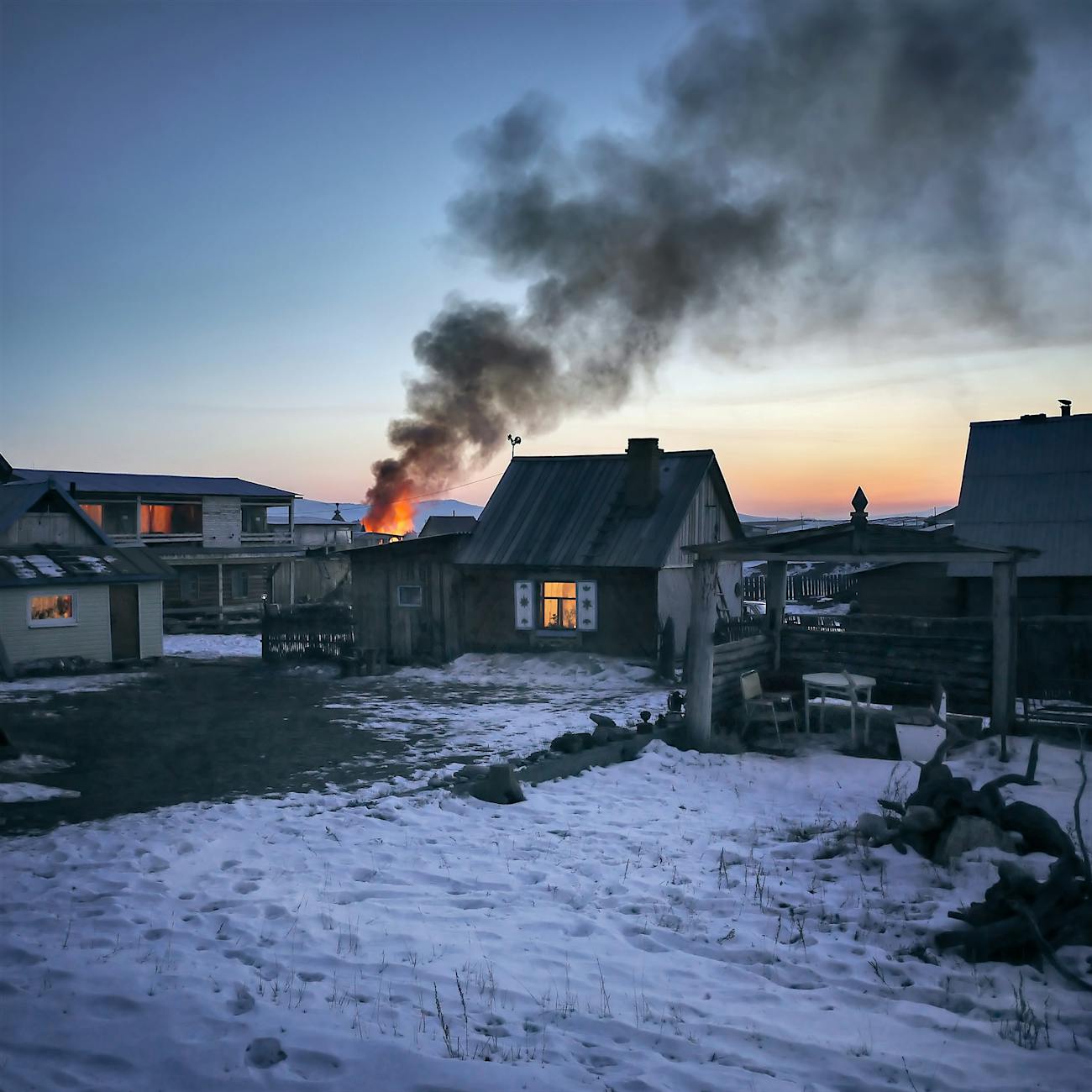
The world is screaming. The world is filled with fire, smoke, flashing lights and violent voices. Is God silent? Is He being drowned out or hidden by the chaos we’re walking through? Or am I listening to wrong voices, and focusing on smoke and fog?

I can’t show you the roots of my Faith in this moment. I can’t see them, and sometimes, I feel shaken. But, as Job declared, “I know my Redeemer lives” (Job 19:25a)! I will continue to declare that God DOES exist. He DOES care. He DOES listen. And He WILL answer. And I will continue to Hope and Love in light of this Faith. I will continue to seek patience, and kindness, humility, truth, justice, and perseverance as I reach out to others. And I must continue to develop Faith in the midst of difficult times. It is the anchor upon which Hope and Love rest.

Whom Shall I Fear?

Psalm 27

Of David.
The Lord is my light and my salvation—
whom should I fear?
The Lord is the stronghold of my life—
whom should I dread?
When evildoers came against me to devour my flesh,
my foes and my enemies stumbled and fell.
Though an army deploys against me,
my heart will not be afraid;
though a war breaks out against me,
I will still be confident.
I have asked one thing from the Lord;
it is what I desire:
to dwell in the house of the Lord
all the days of my life,
gazing on the beauty of the Lord
and seeking him in his temple.
For he will conceal me in his shelter
in the day of adversity;
he will hide me under the cover of his tent;
he will set me high on a rock.
Then my head will be high
above my enemies around me;
I will offer sacrifices in his tent with shouts of joy.
I will sing and make music to the Lord.
Lord, hear my voice when I call;
be gracious to me and answer me.
My heart says this about you:
“Seek his face.”
Lord, I will seek your face.
Do not hide your face from me;
do not turn your servant away in anger.
You have been my helper;
do not leave me or abandon me,
God of my salvation.
10 Even if my father and mother abandon me,
the Lord cares for me.
11 Because of my adversaries,
show me your way, Lord,
and lead me on a level path.
12 Do not give me over to the will of my foes,
for false witnesses rise up against me,
breathing violence.
13 I am certain that I will see the Lord’s goodness
in the land of the living.
14 Wait for the Lord;
be strong, and let your heart be courageous.
Wait for the Lord.

https://www.biblegateway.com/passage/?search=Psalm+27&version=CSB

There are a lot of scary things in our world– war, disaster, taxes, death, violence, injustice, disease, uncertainty, evil, darkness, even supernatural and spiritual darkness–enough to keep us frightened and sleepless every night! And we spend a lot of our time fearing the unknown–worrying about the future; worrying about things that have not happened, and may never happen! We worry about things that matter– the health and well-being of our loved ones, uncertainty about our job or home, crime and civil unrest in our nation or neighborhood, difficult decisions with serious consequences. We worry about things that are less urgent–someone laughing at us, hair loss, dropping a phone call, running out of gas, losing a game or an argument…

David had some real reasons to be fearful as he wrote Psalm 27–evildoers, enemies, war and armies, false witnesses, and violence. Yet, he found safety and strength in the Lord. We can take comfort in the message of this Psalm–God is faithful. He is strong. He is eternal and unchanging. He is a stronghold we can trust.

But before we get too comfortable, let’s take a closer look. David’s trust is not based on a superficial knowledge about God. David’s trust comes as a result of seeking God’s face and following in “your way” (v. 11). David’s life was proof of God’s strength and protection, because David’s life was filled with fearsome adversaries!

Many generations after David penned this Psalm, the prophet Amos wrote to the people of Israel– people who knew this comforting psalm, but had lost their fear–people who no longer sought the Lord’s protection or His ways.

Amos 5 Christian Standard Bible (CSB)

Listen to this message that I am singing for you, a lament, house of Israel:
She has fallen;
Virgin Israel will never rise again.
She lies abandoned on her land
with no one to raise her up.
For the Lord God says:
The city that marches out a thousand strong
will have only a hundred left,
and the one that marches out a hundred strong
will have only ten left in the house of Israel.

For the Lord says to the house of Israel:
Seek me and live!
Do not seek Bethel
or go to Gilgal
or journey to Beer-sheba,
for Gilgal will certainly go into exile,
and Bethel will come to nothing.
Seek the Lord and live,
or he will spread like fire
throughout the house of Joseph;
it will consume everything
with no one at Bethel to extinguish it.
Those who turn justice into wormwood
also throw righteousness to the ground.
The one who made the Pleiades and Orion,
who turns darkness into dawn
and darkens day into night,
who summons the water of the sea
and pours it out over the surface of the earth—
the Lord is his name.
He brings destruction on the strong,
and it falls on the fortress.
10 They hate the one who convicts the guilty
at the city gate,
and they despise the one who speaks with integrity.
11 Therefore, because you trample on the poor
and exact a grain tax from him,
you will never live in the houses of cut stone
you have built;
you will never drink the wine
from the lush vineyards
you have planted.
12 For I know your crimes are many
and your sins innumerable.
They oppress the righteous, take a bribe,
and deprive the poor of justice at the city gates.
13 Therefore, those who have insight will keep silent
at such a time,
for the days are evil.
14 Pursue good and not evil
so that you may live,
and the Lord, the God of Armies,
will be with you
as you have claimed.
15 Hate evil and love good;
establish justice in the city gate.
Perhaps the Lord, the God of Armies, will be gracious
to the remnant of Joseph.
16 Therefore the Lord, the God of Armies, the Lord, says:
There will be wailing in all the public squares;
they will cry out in anguish in all the streets.
The farmer will be called on to mourn,
and professional mourners to wail.
17 There will be wailing in all the vineyards,
for I will pass among you.
The Lord has spoken.

18 Woe to you who long for the day of the Lord!
What will the day of the Lord be for you?
It will be darkness and not light.
19 It will be like a man who flees from a lion
only to have a bear confront him.
He goes home and rests his hand against the wall
only to have a snake bite him.
20 Won’t the day of the Lord
be darkness rather than light,
even gloom without any brightness in it?
21 I hate, I despise, your feasts!
I can’t stand the stench
of your solemn assemblies.
22 Even if you offer me
your burnt offerings and grain offerings,
I will not accept them;
I will have no regard
for your fellowship offerings of fattened cattle.
23 Take away from me the noise of your songs!
I will not listen to the music of your harps.
24 But let justice flow like water,
and righteousness, like an unfailing stream.
25 “House of Israel, was it sacrifices and grain offerings that you presented to me during the forty years in the wilderness? 26 But you have taken up Sakkuth your king and Kaiwan your star god, images you have made for yourselves. 27 So I will send you into exile beyond Damascus.” The Lord, the God of Armies, is his name. He has spoken.

https://www.biblegateway.com/passage/?search=Amos+5&version=CSB

The people have an outward confidence– they believe themselves to be under God’s protection and blessing. They offer sacrifices and sing worship songs and revel in their success and peace. But God’s words are frightening and urgent. Those who arrogantly call for the “Day of the Lord,” expecting God to pass judgment on their enemies will find to their shock and horror, that God’s wrath falls on them as well. Their confidence has been misplaced, because it has rested on a false picture of God, and an exaggerated sense of their own righteousness. God warns them that judgment is coming– and even as He does, He issues an invitation– “Seek me and live!” (v. 4– see also v. 6 and v. 14). God has withheld judgment, He has given His people opportunity to follow His way. Instead, they have followed the ways of the very enemies they used to fear! Their feasts and festivals have become nothing but a mockery and an affront to God–the same people who claim to worship Him are perverting justice and oppressing the poor. They cheer for evil and refuse to listen to the truth.

God is a stronghold and a light to banish fear and darkness–but a stronghold or tower cannot protect you if you are wandering alone and unprotected or worse yet, if you are leaving the tower to embrace the enemy in the dark! God doesn’t just want to be a light at the end of the tunnel– He wants to be a light to show us the road right in front of us, and a light to banish the darkness where our enemy hides! When we have a proper “fear” of the Lord– when we recognize His wisdom, strength, and sovereignty– when we seek Him in humility and awe and need, and dwell with Him, we need not fear anyone or anything else. When we make empty boasts about God’s favor and protection while ignoring His ways, and we drown out His loving warning and His call to return to safety…we should be afraid– very afraid!

Father, may I find my confidence only in You. I want to dwell in Your house and seek Your face today and every day. Thank You for being eternally strong, righteous, faithful, and merciful! Thank you for giving us warnings and providing restoration, hope, and salvation. In Jesus’ Name, Amen.

My Father

One of my hobbies is genealogy. I have been tracing my ancestry (along with that of my husband and my in-laws) for many years. I am fortunate, in that I know who my parents, grandparents, and even great-grandparents were, when and where they were born, and when and where they died. Most my ancestors lived in the same area for at least five generations, some for seven or eight generations.

My great grandfather and his cousin, c. 1885

I know many others who struggle with genealogy, or have lost interest in “finding their roots.” Some are adopted, or their parents were adopted. The records have been sealed, or worse, lost, and they cannot find out even the name of a parent or grandparent to trace. Others have a murky and mysterious family history– someone in their family was illegitimate or born out of wedlock and no biological father can be confirmed.

Almost everyone who works on genealogy has, as one point, “hit a wall.” There are some people whose history is lost. They moved frequently, or they lived in a city or town where records were destroyed by fire or flood; some changed their name to avoid persecution or prosecution–some where enslaved and their names erased against their will; some lived at the edge of the wilderness, where few records were kept, and fewer still survived; some died young; some were illiterate, and left no written records. Many families have boxes or albums filled with unidentified (and unidentifiable) photos.

Some genealogists “hit gold.” They find in their family history a famous person from the past– a king or queen, military hero, chieftain, statesman, scientist, artist– some person of note. Often, however, these “finds” turn out to be red herrings. Early in my research, I thought I had stumbled on to a line of descent from one of the passengers on the Mayflower. How exciting! Except I had followed the wrong line. Two men of the same name in the same town had been born just two years apart. I had found the “right” name in a book about the Mayflower descendants, but it wasn’t actually the “right” one. A similar thing happened with the name of a signer of the Declaration of Independence. I even had a cousin who insisted that this signer was our direct ancestor. But it turned out to be incorrect. We WERE related to the signer, but not descended from him. It turns out he was a great-granduncle of our ancestor.

Human genealogy can be a rewarding pursuit, or a frustrating one. But our spiritual genealogy can be crystal clear, and is full of exciting news! Our Father is the King of Kings! We don’t have to wonder who He is or whether we will be accepted and listed as a family member. His grace extends to everyone who believes on Him– and it comes with the fullness of being His Children for all eternity.

My dad

When I pray to My Father, that is not just a polite or wishful phrase. God IS my father– just like my human father, only eternal and omnipotent! I have inherited various traits from both my fathers–creativity, wonder, curiosity, a sense of purpose and responsibility, love for others and for the world around me, love of music and nature, and a love of puns(!)–and I am an heir to all the riches of my Heavenly Father’s mercy and grace. I am a descendant of all the heroes of the Faith– not physically through human birth, but by spiritual re-birth– a daughter of Abraham, Isaac, and Jacob. All that God promised to them, He shares with me. Not because I deserve them, or could ever earn them; because He has made it so.

Father’s Day is coming up this Sunday. And it can be a time of reflection on our earthly fathers– their strengths, weakness, failures, and relationships. Father’s Day can bring many poignant memories, or waves of bitterness or regret. And looking into our long family history– if we can find it– may result in finding patterns of behavior that have led to pain or progress. But whatever your genealogy today–whether you know it, or take pride in it, or despair of it–you can live in the awe of being a beloved and privileged child of the King! And He wants to chat with you today! We have much to celebrate on Father’s Day if we reflect on our wonderful Heavenly Father!

It’s Not Enough!

Often, when there is a disaster– especially one that seems preventable and senseless, like a mass shooting or a horrible crash–thousands of people reach out with “thoughts and prayers” for the victims and their families. And, predictably, others will angrily comment that thoughts and prayers are “not enough.” What good are thoughts and prayers in the face of senseless violence or preventable dangers? Shouldn’t we be driven to action? Shouldn’t we focus our efforts on justice or working to guarantee that such disasters can never happen again?

Such anger is natural, and such sentiments may seem more virtuous than offering nebulous emotional support. What, after all, can thoughts and prayers really DO in the face of evil, injustice, pain, and grief?

Well, I can’t speak for “thoughts”, but I have studied prayer for most of my life. I would offer the following words about the effects of prayer:

  • First, prayer reminds me that I am NOT in control of my circumstances– only my reaction to them. I cannot control what happens, what HAS happened, or what WILL happen. And my anger will not change what has already happened, nor will it prevent future disasters from happening. And while I may not be able to prove to others that prayer CAN prevent future disasters or heal present grief, I have known it to do both in my life and in the lives of others.
  • Second, prayer reminds me that there is Someone Bigger than me– Someone Bigger than my circumstances– who has the wisdom and the power to do what even thousands of well-meaning people cannot. Thousands of people coming together can make a difference over time, but God can do miraculously more than we can imagine!
  • Third, praying for others is something I CAN DO— anywhere, anytime– across distances, cultures, time zones, and circumstances. Prayer doesn’t cost anything. It doesn’t require that I have specialized skills or access to physical resources. It may not seem very active, like ranting or screaming, marching or protesting, but it isn’t the same as inaction or apathy.
  • Lastly, praying for others is a first step in helping others. My prayer alone may not seem like “enough”, but prayers have a way of multiplying, and inspiring, and intensifying in positive and impactful ways.

But more than just talking about the effectiveness of prayer, I’d like to pose a couple of questions for those who dismiss prayer as “not enough.”

  • What are you offering (instead of prayers)? Will your thoughts, plans, and actions have immediate or eternal results? Do you have the solution to all the world’s problems? Will you be able to control what happens in the future, or make sense of what has happened in the past? Will your solutions be perfect– no unintended consequences or necessary casualties?
  • If you are so angry about others praying, why waste your energy complaining about it? Go ahead with your own solution/reaction/plan.
  • Is your solution “enough?” Is your anger “enough?” Are your good intentions “enough?” Ultimately, you must wrestle with the existence of evil and injustice in this world. Senseless things happen. Good people suffer, and guilty people enjoy “success.” And nothing we offer is ever “enough” to change the world around us.

Our efforts and actions will never be “enough.” But prayer taps into the reality that God IS ENOUGH. His Grace is sufficient; His Love endures forever; His wisdom is higher than ours, and His power is boundless. He doesn’t always remove us from the chaos and suffering of this world, but He redeems us, and He enters into the circumstances of our own suffering and grief. He gives us courage, strength, hope, and a sense of purpose that goes beyond what we can find in ourselves.

Putting It All On the Table

In 2 Kings, chapters 18 and 19, we can read about the reign of King Hezekiah of Judah. During his reign, a mighty king, Sennacherib of Assyria, came to lay siege to Jerusalem. Sennacherib taunted King Hezekiah, sending him a letter boasting about the might of the Assyrian army, and all its conquests. In the letter, he also taunts King Hezekiah about trusting in God to save Jerusalem, suggesting that God was unable to rescue the Jews, while simultaneously suggesting that God had given the Assyrians His blessing.

Hezekiah had already made some provision for the coming siege. He had his workers divert the water supply that flowed out of the city, creating a system of tunnels that kept the water inside the city walls and filled pools and wells for the people to withstand the siege while depriving the invaders of a crucial resource. (Evidence of these tunnels has been discovered by archaeologists, including carvings by two work crews who were “competing” to see who could complete their part of the tunnel fastest!)

Entrance to Hezekiah’s Tunnel in Jerusalem

But Hezekiah did not trust in his preparations. He did not trust in diplomacy or alliances. He took the offending letter from King Sennacherib into the Lord’s temple and spread it out before the Lord (2 Kings 19:14). He prayed earnestly, never mentioning his own efforts and preparations, but reminding himself of God’s power and glory. He even acknowledged that the Assyrians had been victorious in their other conquests! But then he asks for God to rescue the nation– “then all the kingdoms of the earth will know that you alone, O Lord, are God. “(v. 19).

I was struck as I read this recently. Hezekiah was a king. He had done a great deal to bring reform and renewal to the kingdom of Judah. He could have appealed to God on the basis of his own efforts. He could have asked for God’s help for his own sake, and for the sake of his people. He could have spoken about how Sennacherib taunted the army, or the king. He could have cried out in panic and outrage that God would allow Judah to be invaded. But he put it all on the table, literally, asking God to judge Sennacherib’s words and respond for the sake of His Sovereign Glory.

God DID respond, and the Assyrian troops were routed by the Angel of the Lord. Sennacherib returned to his home, and was assassinated in the temple of his false god by his own sons. Hezekiah’s troops didn’t even have to lift a finger!

What situations am I facing today, that need to be brought to God in prayer? What threats seem to hover over me? Do I respond as Hezekiah did? Or do I try to bring only the part that seems “too much” for me to handle? Do I bring my own agenda, or my own efforts to cloud the issue? Do I worry more about my own reputation than I do about God’s honor?

Lord, may I be more like Hezekiah–may I lay everything on the table before You, knowing that Your power is more than sufficient, and that Your honor and glory are greater than any force at work against me. Protect and defend those who humble themselves before You. Destroy those forces that would seek to exalt themselves and taunt Your Holy Name. Rise up, that “all the kingdoms of the earth will know that You alone, O Lord, are God!”

Afraid to Pray?

Are you ever afraid to pray? Afraid that God will not hear, or worse yet, that God will hear but reject your prayers?

The Bible has much to say about fear and our worship of God and in our conduct before God. We are supposed to have a healthy “fear of the Lord.” After all, God is Sovereign. He holds absolute power over life and death, both in this life and throughout eternity! We should have the kind of awe and respect we have for one whose power is so great. We fear forces of nature, such as fire, floods, earthquakes and tornados. We should be afraid of God’s power in relation to our own. But what does this mean in relation to prayer? Does fear have any place in our pursuit of prayer?

So we have come to know and to believe the love that God has for us. God is love, and whoever abides in love abides in God, and God abides in him. By this is love perfected with us, so that we may have confidence for the day of judgment, because as he is so also are we in this world. There is no fear in love, but perfect love casts out fear. For fear has to do with punishment, and whoever fears has not been perfected in love. We love because he first loved us.

1 John 4:16-19 (ESV)

The “fear of the Lord” has to do with God’s power and authority to punish sin. We live in a fallen, sinful world, and we are fallen, sinful people. Our natural response is that of Adam and Eve in the Garden of Eden– to hide from God, and try to avoid His righteous judgment against us. Those whose consciences have been seared will lose this healthy and natural fear– they will be proud in their defiance against God. They will say that God is not sovereign or Holy; that He does not have the power to judge them; that they can “bargain” with God about their eternal destiny– they will even deny His very existence. Others will claim that God is Holy, but not “Good.” They claim that He is disposed to judge harshly; that He is vindictive and without mercy; that He demands too much of us. On the other end of the spectrum, Christians and others can become so disposed to seeing God as their friend and advocate that they forget His awesome Holiness and Power. Christians have no reason to be afraid of God, but we have every reason to stand in AWE of Him!

The Truth of God, as revealed in Jesus Christ is that God is LOVE– perfect and everlasting Love! While He has the power and the authority to judge, it is His desire to lavish mercy on us! Such love should compel us to run TO God, rather than run away from Him! We fall on our knees in worship and adoration, not in abject terror.

So what could still cause us to be afraid to pray?

Perhaps we are still in sin, or we have strayed back into sin. Christ has already paid the penalty for Sin– it has no real power over the believer who “abides in God.” But it still has the power to draw us away from God and damage our relationship so long as we hide it, refuse to confess it, or repent of it. Even as we know that Christ has paid the price for our Sin, we also know that we need to abide in His Love to grow into a more perfect relationship with Him.

Perhaps we are holding on to old patterns of thinking and old guilt. Satan is an accuser. Even after we have confessed our sin and received God’s forgiveness, Satan will try to keep us enslaved to our guilt and shame. He will try to bring it to mind, or have others treat us with condemnation or condescension, so that we feel unforgiven or unlovable. We need to follow the advice of the Apostle Paul:

So here’s what I want you to do, God helping you: Take your everyday, ordinary life—your sleeping, eating, going-to-work, and walking-around life—and place it before God as an offering. Embracing what God does for you is the best thing you can do for him. Don’t become so well-adjusted to your culture that you fit into it without even thinking. Instead, fix your attention on God. You’ll be changed from the inside out. Readily recognize what he wants from you, and quickly respond to it. Unlike the culture around you, always dragging you down to its level of immaturity, God brings the best out of you, develops well-formed maturity in you.

Romans 12:1-2 (The Message)
Photo by Rubenstein Rebello on Pexels.com

God’s love is PERFECT. But our love is not. Sometimes we are praying, not out of love, but out of duty or even selfish motives. We pray for God to give a green light to our wants and desires and plans, rather than listening for His wisdom and grace in our situation. We pray for God to “change” that person who annoys us or persecutes us, rather than praying for God’s blessing on them, and listening to the ways He may want to “change” us! Sometimes we cannot see the wisdom of an outcome we don’t like, and we are afraid of the unknown path we must take– even with God’s continued presence by our side.

We don’t have to be afraid to pray. But when we feel apprehensive, it may be a sign that we NEED to pray–honestly telling God what He already knows and asking for the grace and wisdom to listen to what He so lovingly wants to tell us.

Therefore, since we have a great high priest who has passed through the heavens—Jesus the Son of God—let us hold fast to our confession.  For we do not have a high priest who is unable to sympathize with our weaknesses, but one who has been tempted in every way as we are, yet without sin. Therefore, let us approach the throne of grace with boldness, so that we may receive mercy and find grace to help us in time of need.

Hebrews 4:14-16 (CSB)

“Fruit-ful” Prayers

Our church has been presenting a series of sermons on being a BLESSing to our neighbors. BLESS is an acronym for Begin with Prayer; Listen with Care; Eat Together; Serve like Jesus; and Share Stories. We were challenged the first week to choose four close neighbors. We were to pray for them, and if we didn’t know them well, to reach out and make contact. This has been a true challenge for David and I, because we live in an apartment above our shop. Most of our neighbors are not residential, but commercial! Nevertheless, we decided on a couple of commercial “neighbors” and a couple of non-traditional “neighbors.” We started praying– praying for opportunities to get to know our neighbors a little better, and praying for their health, well-being, etc. We’re getting to know some of the workers at the two commercial locations, and getting to know our chosen “families” a little better. We’ve been more intentional about stopping to visit or chat, and making sure we listen and respond sincerely– this is not just a short-term “project” but an opportunity to build closer relationships. And we’ve been praying for opportunities to develop closer friendships.

So this week was the sermon I’ve been dreading– “Eat together.” You might wonder why this is so fearsome–doesn’t everyone like to eat? And I love meeting over a nice meal. I love to cook, as well. The problem? Our apartment is tiny and upstairs– NOT conducive to inviting people over for a warm, comfortable meal shared around a large table. We have two mismatched chairs around a small table in our tiny kitchen, and two more mismatched armchairs in the living room. No couches, no designated dining room, no space to “entertain” guests. I want to serve others. I want to grow friendships. But I’m not a hostess. Not in a cracker-box-sized apartment upstairs. I know this seems petty– I’ve known amazing hostesses who live in shacks and invite guests to sit on a dirt floor. I know. But I still struggle with the idea of entertaining others in my current circumstances.

I knew it was coming– we looked at all the examples in the Bible of good and even sacred things happening around the table and/or involving food– Passover Seders, Communion, the Wedding Feast of the Lamb (among others)… “But Lord,” I prayed, “I can’t invite the entire staff next door to my home for a meal. And some of the “residential” neighbors we are praying for are elderly and can’t manage the stairs to our apartment even if we had the room to host a meal. And it’s too expensive to invite some of the families or staff to a restaurant. How are we going to be able to bless others and “Eat” together?”

But God isn’t bound by conventional ideas– even when it comes to hospitality. At the end of the service, we were surprised by an announcement from our pastor– one of the families in our church owns a fruit farm. Last year, they had a bumper crop of apples, and they donated several bags of the apples to the church. There were enough apples for each family to take several bags to “BLESS” our neighbors! No meal to fix. No apologizing for the smallness and shabbiness of our living space. But a chance to share FOOD with my neighbors and bless them with wonderful apples! Thank you, God!

David and I wasted no time– we delivered most of the apples yesterday afternoon! And we had so many apples, we were able to bless more than just the four locations we had decided on earlier in the series. We were able to bless at least 13 different families/ businesses with at least one full bag of apples! We blessed families with small children, a retired couple; a single person on a fixed income; an extended family of four generations; we blessed people who go to another church; we blessed people who don’t attend church at all. We blessed the staffs at a couple of local businesses, and shared laughter (and concerns) with several friends, old and new.

Not everyone wanted the free apples. One family turned down our offer. Some people are suspicious of free gifts; some are too proud to accept food as a gift; some are simply not interested, or too busy. It is the same with the Good News. Some people do not want what we have to offer in Christ. Some are suspicious; some are too proud or even too ashamed to believe that God has Good News for them. Some are too caught up in their problems or their ambitions. We must not be discouraged, though. God has not given us such a precious gift without also giving us the opportunity share it with others. And we will see how God continues to work in mysterious ways. Some people were surprised and confused by the concept of “apples of blessing.” They wondered what we might ask for in return. We smiled and said there were no strings attached– we just wanted to share our blessing with them! Some people took more apples than we had planned to give them– that’s ok, too. Others wanted to bless us in return– we received over two dozen eggs in gratitude for a couple of bags of apples! Today, I’ll be delivering the last few bags to businesses that were closed yesterday (to share with their staff). I’m excited to share this gift–and I’m reminded of how good it is to share the free gift of the Gospel!

God didn’t change the circumstances of our apartment. I worried that I would be asked to host an elaborate meal, or that I would miss out on blessing others because of our circumstances. But in God’s economy, we can show hospitality, love, generosity, and compassion on the street. We can share food in a way that opens up opportunities to make memories, share stories, communicate prayer requests and concerns, serve others’ needs, and make new friends. There are dozens of ways we can open our hearts and our lives to our neighbors, serve them, and pray for them…

We kept one bag of apples– maybe someone in our neighborhood would like a pan of apple crisp! And now, David and I have a few extra eggs! Anyone interested?

The Silence of God

I am just finishing the book of Job in my daily Bible studies. Job is an interesting book. It begins with a discussion between God and Satan, in which God seems to “set up” Job. God points out Job and his righteous life. Satan (The Accuser) fires back that Job is only enjoying God’s favor; that, given hardship and pain, Job will turn his back on God and embrace evil. God allows Satan to ruin Job’s life– taking away his property, his status, and even all his children. (Ironically, Satan doesn’t cause any harm to Job’s wife, who acts as “devil’s advocate” later, telling her husband to “Curse God and die!”)

Job passes the first test. Satan asks for a “second chance,” saying that Job is still enjoying God’s physical protection. So God allows Satan to cause a painful, wasting disease to attack Job.

But the narrative shifts dramatically at this point. The next several chapters focus on Job’s confusion; his suffering; his bitter quest for answers to the age-old question– Why does God allow bad things to happen to good people? Job’s friends, who start out sharing his sorrow, end up being of very little help and no comfort at all. They insist that God wouldn’t– couldn’t– allow bad things to happen to an innocent man. Therefore, they conclude that Job “deserves” his pain and misfortune. Job insists that God is Righteous, but he wants God to answer his questions– WHY? WHY ME? WHY THIS? WHAT HAVE I DONE TO DESERVE THIS?

And God is silent. Through several rounds of discussion and argument, God is nowhere to be found or heard. Job’s complaints and questions anger his friends, but God remains silent and seemingly unmoved. The central question is not so much about God’s righteousness, but about His Goodness. Is God Good? Can a loving God allow people to suffer– especially if it is unjust– and still be called “Good”?

Reading through the book of Job, we are aroused to the same kind of anger that Job expresses. There are times when I have questions; times when I am suffering; times when I just don’t understand– “What have I done to deserve this?”

And yet.

The Bible is full of “and yet” moments. God finally speaks, but He never answers Job’s questions directly. Job did nothing to “deserve” his suffering. And yet, God allows him to be tested, tormented, and stretched to his breaking point. Not because Job has done something wrong, but because he has been faithful! God never answers Job’s complaints– and yet, God does not leave Job without any answer. In fact, God restores Job’s fortunes and gives him more children, so that his final condition is even better than before! God justifies Job in front of his friends, restoring his status, as well. Job complains about not having a mediator to defend him before the Almighty. And yet, Job trusts that such a mediator– such a redeemer– exists. He cannot see Jesus– and yet He puts his faith in the promise of His coming!

The book of Job ends with Job praising God–BEFORE his restoration– acknowledging that God is not just Good, but that He is Great! He is Great beyond our understanding. He is Holy, and His ways are higher and greater than our ways. Job’s suffering, while painful and undeserved, allowed him to understand God in a new and deeply personal way. God allowed Job to be crushed but not destroyed; tested, but not terminated. God was silent, but never absent.

In fact, the one character who is conspicuously absent at the end of the story is Satan! He has “lost” his challenge to make Job repudiate his right living and his love of God. He has been given two chances to strike at the authority and character of God– and he has left the battlefield in contempt and defeat. He has caused Job pain and suffering, but he has not caused Job to quit.

Job’s questions throughout the book which bears his name are really prayers. He is talking about God, and talking TO God, even as he addresses his friends. He is bitter and angry and confused– AND YET– he prays!

May that be said of me today, as I face questions, trials, and suffering. I can “Take it to the Lord in Prayer.” Not just when things are going well, and I am praising God, but when life seems bitter and I am questioning God’s justice. He IS Sovereign. He IS Good. He IS listening. He DOES Love me.

I Know That God Lives

13-20 “God alienated my family from me;
    everyone who knows me avoids me.
My relatives and friends have all left;
    houseguests forget I ever existed.
The servant girls treat me like a deadbeat off the street,
    look at me like they’ve never seen me before.
I call my attendant and he ignores me,
    ignores me even though I plead with him.
My wife can’t stand to be around me anymore.
    I’m repulsive to my family.
Even street urchins despise me;
    when I come out, they taunt and jeer.
Everyone I’ve ever been close to abhors me;
    my dearest loved ones reject me.
I’m nothing but a bag of bones;
    my life hangs by a thread.
21-22 “Oh, friends, dear friends, take pity on me.
    God has come down hard on me!
Do you have to be hard on me, too?
    Don’t you ever tire of abusing me?
23-27 “If only my words were written in a book—
    better yet, chiseled in stone!
Still, I know that God lives—the One who gives me back my life—
    and eventually he’ll take his stand on earth.
And I’ll see him—even though I get skinned alive!—
    see God myself, with my very own eyes.
    Oh, how I long for that day! (Job 19:13-27 The Message)

What Peace We Often Forfeit

*Note: This was a post from a couple of years ago, but I thought it was worth posting again, as this past week has also been somewhat hectic…

This has not been a “peaceful” week– unexpected changes of plans, setbacks, last-minute opportunities–even the good things have not been restful or without some stress. I’m writing this mere hours before it’s supposed to be published. It’s getting close to midnight, and I’m exhausted. I’ve had writer’s block, and decided to look through an old hymn book for inspiration.

Happening upon an old favorite, I was ready to turn the page– I’ve already used this hymn for inspiration before. But one line caught my eye in a new way:
“O, what peace we often forfeit,
O, what needless pain we bear
All because we do not carry
Everything to God in prayer!”
I’ve sung this hymn dozens, maybe even hundreds of times, and I always focus on the last phrases. I know so well the “needless pain” of not praying. I also know the restlessness and stress of “going it alone” and not seeking God first. But I was struck anew by the phrasing.

Most of us would say that we are seeking peace, not asking for stress or anxiety or worry. We would say that we finally find peace when we pray. But how many of us are aware that we already HAVE peace, and we are losing it or even giving it away when we don’t pray?

What a friend we HAVE in Jesus
All our sins and griefs to bear
What a privilege to carry
Everything to God in prayer
Jesus has already promised us PEACE–“Peace I leave with you; my peace I give to you. Not as the world gives do I give to you. Let not your hearts be troubled, neither let them be afraid.” (John 14:27 ESV) ; “do not be anxious about anything, but in everything by prayer and supplication with thanksgiving let your requests be made known to God.  And the peace of God, which surpasses all understanding, will guard your hearts and your minds in Christ Jesus.” (Philippians 4:6-7 ESV)

Prayer doesn’t just help us find peace, it keeps us from losing peace.

I found that to be true this week–even with the surprises and last-minute changes, I have felt a peace that I can’t explain through ordinary means. It isn’t anything I’ve done differently, or anything about my circumstances. It comes from taking everything to God in prayer. I didn’t have to “find” peace– I never lost it!

What a wonderful privilege!
(And, by the way, the writer’s block I was experiencing evaporated as soon as I refocused on taking it “to the Lord in prayer!”) It is still before midnight, and I will sleep in peace.

Onward!

Today is Memorial Day in the U.S.– a day when we honor those who have fallen in battle and given their lives for our country. It is also a day on which we often decorate the gravestones of ancestors and relatives who have passed on. There may seem to be little connection between soldiers of war and civilian great-grannies or uncles, but Memorial Day can stretch to both– especially to Christians. Here’s how I see it:

  • Soldiers who gave their lives never lived to see the fruits of their sacrifice. They died, never knowing if their sacrifice was in vain. Our ancestors, similarly, poured their efforts into rearing children and living lives of integrity, little knowing how their efforts would be carried on by the next generation. There is a risk in battle– whether a war-time conflict, or just daily survival–a risk that all our hard work and all the perils we face will end in failure. We memorialize those whose efforts did NOT fail. We honor those whose sacrifices made a difference in our lives and in the lives of others. They lived (and died) for a purpose– and we honor that purpose, as well as the individual lives.
  • All of us are fighting a battle– a spiritual battle– in which our very lives are on the line. Some of us will lose our lives, literally, through imprisonment, persecution, torture, or disastrous choices we make to surrender to the enemy. Others will lose our lives figuratively, giving up our time and our own dreams to a greater cause. We honor those who went before us in this fight. We honor the good examples and the fallen heroes.
  • Soldiers go where they are sent. They often die and are buried far from their homes, on the battlefield. They may or may not have graves with the rest of their families. Many in our family were immigrants and pioneers, moving far from “home” to start a new life. Some of them moved as the result of war coming to their ancestral home and pushing them to relocate.

Memorials– whether gravestones, statues, monuments, or stories passed down to the next generation– serve as reminders of our priorities– freedom, family, and Faith. God’s people throughout the years have raised memorials to commemorate God’s faithfulness, as well as the high cost of fighting against Sin and its effects.

Dr. Martin Luther King, Jr. Memorial

I pray that on this Memorial Day, we will take time to remember, and give thanks for those who have fought the “good fight” in the name of freedom, and in the name of Faith. But more than that, I pray that we will be inspired to carry on the fight– knowing the risks and weighing the costs–to preserve those things that are most important. Let’s pause to remember– and then let’s move Onward!

Blog at WordPress.com.

Up ↑