Behold!

Matthew 6:22-23 English Standard Version (ESV)

22 “The eye is the lamp of the body. So, if your eye is healthy, your whole body will be full of light, 23 but if your eye is bad, your whole body will be full of darkness. If then the light in you is darkness, how great is the darkness!

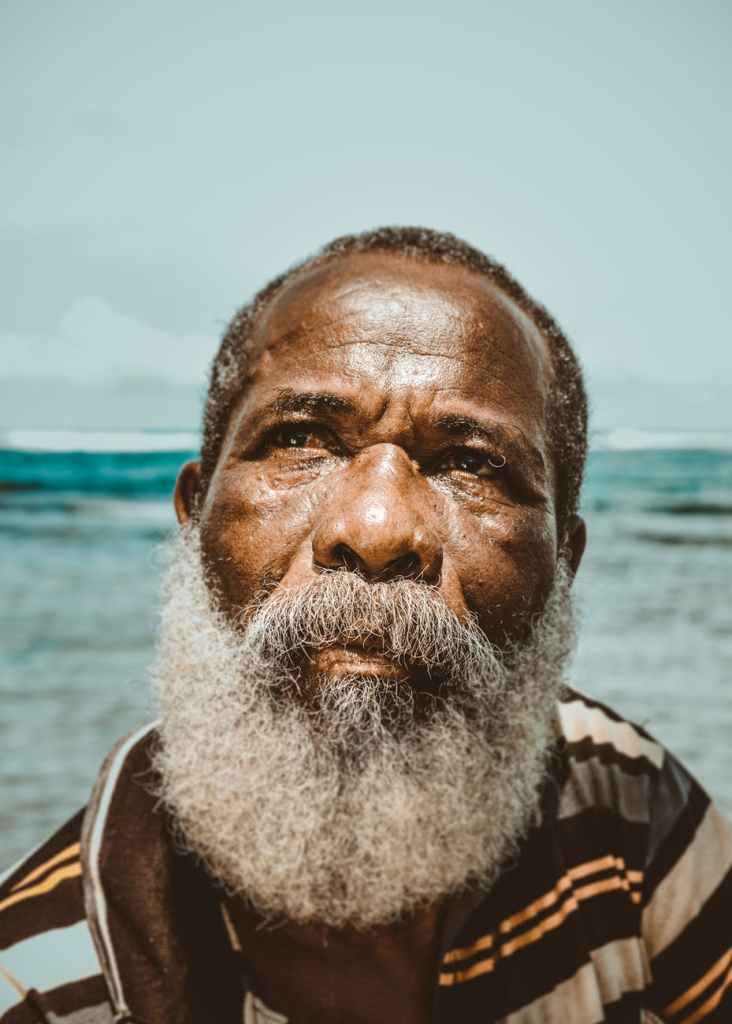
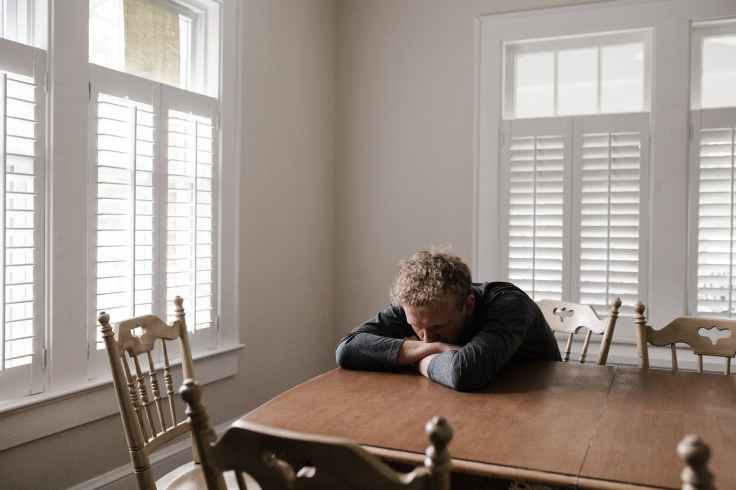
adult anger art black background
Photo by Pixabay on Pexels.com

O be careful little eyes what you see

O be careful little eyes what you see

There’s a Father up above

And He’s looking down in love

So, be careful little eyes what you see

whole song text here

This little light of mine–I’m gonna let it shine!

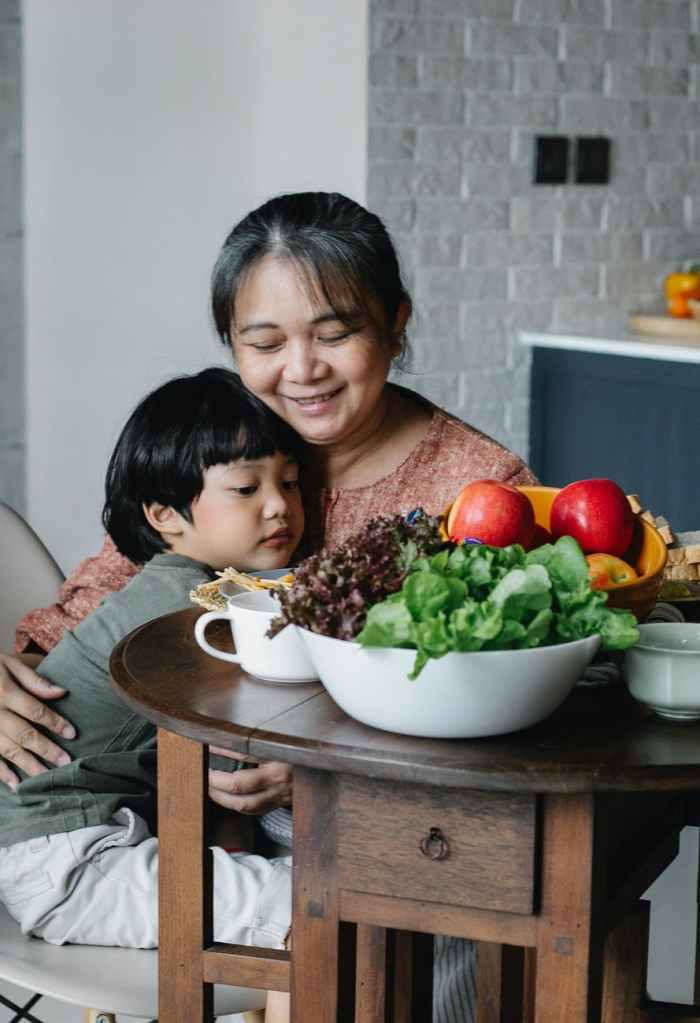
black frame sunglasses beside table lamp

Both the scripture text and the children’s song above are often used in the context of watching pornography or violent images, and their negative effects.  It is true that if we fill our sight with negative and sinful images, we will be impacted negatively.  We become desensitized to violence and evil; we become addicted to images that shock or excite us.

But I think there is more going on in this text, and I think it has a bearing on our prayer life.  What we choose to see also involves what we choose NOT to see. We talk a lot about what we shouldn’t be watching or seeing, but there are some things– even unpleasant things– that we MUST see if we are to be the light of the world.  Not only must we see such things, we must shine a light on them and cause others to see them.  Injustice, corruption, dishonesty– we must be careful to see them for what they are. And we must see them clearly to pray about them wisely.

person holding magnifying glass

We live in a world of optical illusions, and it can be very difficult to see clearly.  But that is what we are called to do.  If our eyes are good/healthy, we will let in the light of truth, so that shadows and illusions will become stand out.  If our eyes are bad/unhealthy, the shadows and illusions will trick us.  We will see only what can be seen in a glance, and miss the bigger picture. And we will pray, not with an eye toward the bigger picture, but narrowed in on our own limited vision of the world around us.

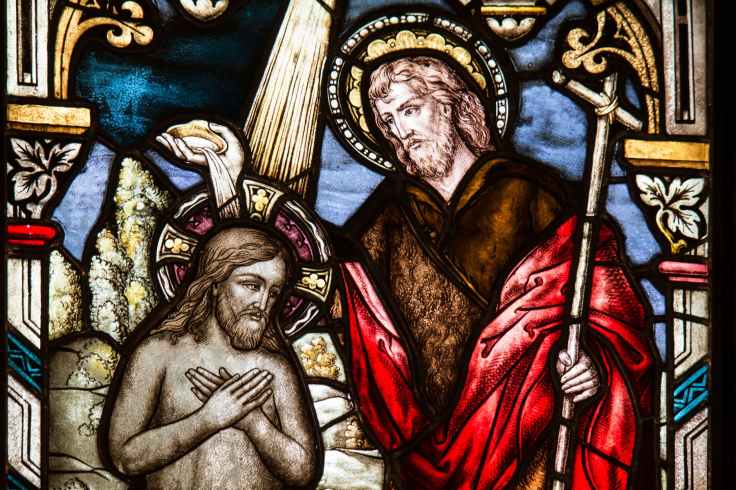
John the Baptist had excellent “vision.”  As he was out in the hot sun glinting off the Jordan, he looked up to see hundreds of people waiting to be baptized.  But his eyes were searching the horizon, seeing all the others, but seeking one face.  And when he saw it, he drew everyone’s attention to it– “Behold! The Lamb of God who takes away the sin of the world.”  (John 1:29)  Our eyes, like those of John, should be looking with purpose and hope.

built structure against sunset sky

Throughout the Bible, God looks at people with love and compassion.  Several times in the gospels, Jesus looks upon or takes note of people (some of whom are seeking him, and others who know nothing of him) and has compassion on them.  Our eyes, like those of our Father, should be looking in love.  Love sees things as they really are– it sees sin, pain, disease, betrayal, war, hatred, greed.  But love sees beyond to people who need salvation, healing, restoration, peace, compassion, and hope.

I need to give careful consideration to what I allow myself to see– do I see all the negative, hateful, sinful things going on around me?  Do I see such things with a sense of purpose and with compassion?  Or do I ignore them and turn my gaze inward, shutting out the hurt and need all around me?  Do I see all the shadows and illusions and let my own light grow dim?  Or do I see the Light of the World, ready to shine (even through me), with hope and redemption?  Will I pray with my eyes closed and shuttered, or wide open?

People, Places, and Things

Most of the time, when I lift up prayer requests, they are about people. I love people, and so does God, so it makes sense to remember those who are rejoicing, those who are mourning, and those who are struggling.

But I also pray about places. God created places, just as He created people. Through the prophets, God spoke of places– nations, certainly, but also specific mountains, rivers, cities, forests, and deserts. God pronounces judgment on people, but He mourns the destruction of places, as well.

At least once each month, I hope to post some thoughts or practices that I have found helpful in my pursuit of prayer over the years. Today, I want to talk about the importance of place.

Every day, on my prayer journal pages, I have a focus on a specific place. Yesterday, it was the island of Madagascar. Many times, I pray for the people of a specific place. Sometimes, I know of conflicts or natural disasters that impact the people living there. But often, I know very little about the places I pray for. I can look them up to find out more– what language do the people speak? what is the climate like? what are the natural resources of the area? Madagascar is home to many animal and plant species that are found nowhere else on the planet. God cares about His creation, and so should I. I may not have the resources to protect wildlife in Madagascar, but I know the creator and sustainer of all creation. And in praying for the land, people, and wildlife in Madagascar, I am taking the time to remember the vastness and variety of God’s creation, and His power to sustain life and cause it to flourish.

Jesus prayed over Jerusalem. He prayed over the Temple there. If Jesus can pray over places, then maybe we should, too. Over the past several weeks, I’ve been praying over the house where I grew up. After my mom’s death, we children decided to put the house up for sale. It hasn’t been an easy decision, but we feel it is the right one. I’ve been praying, not just that the house would sell, but that it would become a nurturing, safe place for a new family– a place where God would be honored and wonderful memories made. We aren’t finished with the process yet, but I believe that God can honor such prayers. God transcends “place.” He is omnipresent. But I believe that there are special places that resonate with the power of God’s work in the past (and other places that are haunted by the evil done there in years gone by). We should take time to acknowledge both the work that God has done in special places, and the need for His cleansing (and/or judgment) in others. Places are not more important that people, but they have lasting impact and are part of God’s purpose.

Cities, habitats, people groups, wildlife; wars, famines, floods and droughts, pollution and climate issues– from urban blight to toxic waste in the oceans. God’s heart is that we would do our best to care for the places in which we live– and that we would trust Him with the changes that are out of our control. Not just in Madagascar, or Ukraine or Rio de Janiero, but in our own backyard or in the next city block. Buildings, lakes, roads and parks– we can also lift them up in prayer, knowing that God is Lord of ALL around us–all that makes up life around us.

Photo by Ghost Presenter on Pexels.com

What might happen in our world if, instead of wringing our hands about climate change, we prayed and asked God what small steps we could take to make a difference right around us? What would happen if we prayed about the oceans and deserts and the wildlife that inhabit them– after all, I have no idea how many seals and gazelles, coral reefs and cacti there are in the world, but God knows them all!

Prayer doesn’t negate our need to care for the places around us– it’s still important to pick up litter, recycle, and be responsible about using, caring for, and disposing of resources. But praying about places will keep us “in tune” with God’s love of creation, and His desire that we honor Him in everything– everywhere!

Beyond Words

The world is filled with language–there are well over 5,000 recognized languages and dialects around the globe.  And within each language are thousands upon thousands of words– nouns and verb forms and adjectives; names and even grunts and sighs and “clicks” that vary from language group to language group.

In spite of this, we often find ourselves “speechless”– unable to find a word or sound that adequately communicates our thoughts or feelings in the moment.  We stammer or sigh, gesture, or scream– but the words either don’t come or they don’t exist.

pexels-photo-1007977.jpeg

God knows and understands our innermost heart– with or without words.  The Apostle Paul refers to this in Romans, chapter 8, when he talks about the Spirit interceding for us with groans that words cannot express (v. 26).  And it’s not always groaning– sometimes there are no words for our joy– only dancing or tears of gladness.  Sometimes, there are wails and cries that come straight from our broken hearts.  Sometimes, our excited thoughts come so fast that we cannot form words and sounds to keep up.

girl in pink jacket on wooden bridge in the forest

Prayer isn’t always about words– carefully drafted lists of requests or thank-you’s for our blessings–sometimes prayer is a spontaneous gush of sound or movement; sometimes, it is an intense stillness and profound silence, such that your heartbeat is deafening and the very air sings in your ears.  Sometimes, it is the eruption of pain and guilt, regret and despair–the sound of your soul being pulled up through your throat and ripped almost in two.  And sometimes, miraculously, it is the overwhelming presence of God in all of his Holiness, Splendor, and Might that defies any human utterance, but draws out pure praise, unfiltered by language!

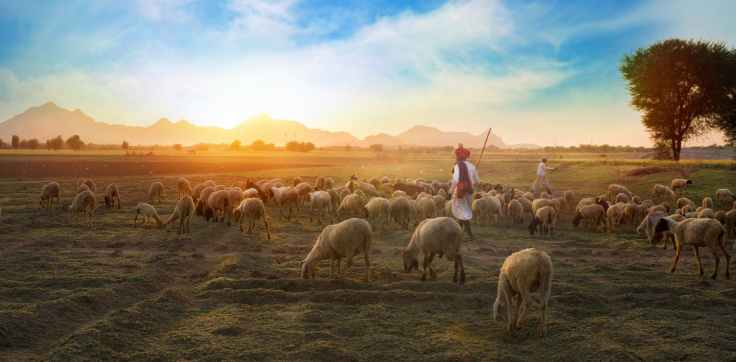
sunset sunrise nature field

Today, whatever words (or utterances, clicks, gestures, or groanings) you use, don’t neglect to express your heart and soul to the one who made you. Prayer is more than just mere words, just as God is more than just someone else to talk to! He knows every language, every thought and emotion, and each individual intimately. He will understand– even beyond words!

“Just a Vacation” by Faith

There is an old joke about a young boy who could hardly wait to go to a local evangelistic service. He begged to go– he counted the days– he thought of little else. Surprised and a little curious, his mother finally asked him why he was so excited. He said, “Mom, they said on the radio that the evangelist is going to be talking about “just a vacation” by faith. I want to go along– especially if he’s taking us to Hawaii!”

Of course, the joke is that the boy misunderstood what he had heard over the radio waves– “Justification” for “Just a vacation.” The evangelist wasn’t promoting travel or taking time off from work, or relaxing on an exotic beach somewhere.

But I think we often make a similar mistake when we talk about Faith. We make it sound like a vacation– a vacation from worry; a vacation from consequences; even a vacation from reason and “justification” for our beliefs. We carry our Faith as a kind of talisman against bad circumstances, or like a “free pass” from worry or responsibility. “If I just believe it, I will receive it!” is a great meme, but we need to believe in Jesus Christ– not just our belief about belief.

Faith goes hand in hand with work. Faith, according to the writer of Hebrews, “is the substance of things hoped for– the evidence of things not seen.” (Hebrews 11:1 emphasis added) Faith is more than just positive or wishful thinking; more than just the power of hoping for the best; more than just acceptance of traditions and platitudes, or falling under the spell of a powerful speaker. It results in changed thinking and a changed lifestyle. Faith is transformative– our new life is evidence of our Faith IN Christ and His Holy Spirit working IN us! We don’t take a “vacation” from our old life or old habits– we change course. Faith isn’t momentary or circumstantial.

Nor is Faith about taking a vacation from responsibilities or hardships. Faith doesn’t magically make pain go away or trials vanish. It doesn’t mean that we don’t have cause to worry, or even to question, “Why?” Instead, Faith wrestles with such questions, and moves ahead, even when we cannot see over the next rise. Faith doesn’t make hard circumstances go away, or painful problems vanish. Hard times are still hard; pain is still pain, even with Faith. But Faith makes the seemingly unbearable, bearable. Faith gives us the endurance and the peace that helps us– with Christ– overcome whatever comes our way (See Philippians 4:12-13)

Faith doesn’t change our circumstances– it changes our perspective. Today is difficult– but today is not the same as forever. Tomorrow’s unknowns might be frightening, but so were yesterday’s trials. God was there with us then; He is with us today, and He has promised to be with us always. Our lack of faith doesn’t negate God’s promises, nor does our Faith cause them. But our Faith has a solid foundation– one that has been put to the test by millions of others over thousands of years and has not been found lacking! God is Faith-ful!

So when I pray today, I am not coming to God with wishful thinking or wondering if God will hear my prayer or be willing to act on my behalf. I trust that God knows my needs, hears my prayers and will answer according to His wisdom. He knows exactly what I need and when I need it– not just what I desire in a particular moment or when I think I would like my circumstances to change–but my true need. Whether or not that includes a vacation!

Jesus Rocks!

We’ve been cleaning out my Mom’s house for sale, and we came across a couple of shoeboxes of old rocks. I’m not sure which of us kids gathered them up, or when, but at some point, one of us excitedly gathered and saved some “pretty” rocks, thinking they might contain gold or crystals or some other special treasure. And Mom saved them.

I still like rocks– gemstones, geodes, fossils, etc. I like interesting and unusual rocks. My husband and I have several boxes of “pretty” rocks around the house. Some of them we polish and tumble to bring out more of their inner beauty; others we leave in their natural state.

When I was in college and early in my teaching career, it was common for young people to say that something “really rocks!” if they were impressed or excited. Of course, this phrase wasn’t referring to rocks and stones, but to rock and roll music, but the phrase has stuck with me. There is very little about most rocks that would cause me to say that they “Rock!” But that is my point. Jesus thinks a lot about rocks– even ordinary ones.

I was reminded today about some of what Jesus said about rocks and stones:

 When he came near the place where the road goes down the Mount of Olives, the whole crowd of disciples began joyfully to praise God in loud voices for all the miracles they had seen:
 “Blessed is the king who comes in the name of the Lord!”
“Peace in heaven and glory in the highest!”|
Some of the Pharisees in the crowd said to Jesus, “Teacher, rebuke your disciples!”
 “I tell you,” he replied, “if they keep quiet, the stones will cry out.”
 As he approached Jerusalem and saw the city, he wept over it and said, “If you, even you, had only known on this day what would bring you peace—but now it is hidden from your eyes.  The days will come upon you when your enemies will build an embankment against you and encircle you and hem you in on every side.  They will dash you to the ground, you and the children within your walls. They will not leave one stone on another, because you did not recognize the time of God’s coming to you.”

Luke 19:37-44 NIV (emphasis added)

And do not presume to say to yourselves, ‘We have Abraham as our father,’ for I tell you, God is able from these stones to raise up children for Abraham.

Matthew 3:9 ESV

But all those who come and listen and obey me are like a man who builds a house on a strong foundation laid upon the underlying rock. When the floodwaters rise and break against the house, it stands firm, for it is strongly built.

Luke 6:47-48 The Living Bible (emphasis added)

We spend most of our lives surrounded by rocks, but we rarely take notice. Rocks are generally ugly, hard, and inconvenient. We stumble over them (see many other scripture references!), pile them up, remove them from our gardens and fields, and throw them or kick them out of our way. But Jesus sees rocks just as He does all of His creation. Rocks serve as an enduring foundation for buildings– making them a visual reminder of God’s enduring strength and faithfulness. And did you know that rocks may literally “cry out” in testimony of God’s power?! https://www.templeton.org/news/can-the-rocks-cry-out https://www.icr.org/article/stones-cry-out-what-rocks-fossils-say/

Photo by Ihsan Adityawarman on Pexels.com

As I was thinking of rocks and stones– how common and ordinary they seem– I was also reminded that Jesus relished in using the ubiquitous and ordinary things around us to teach lessons. Seeds, rocks, sheep, trees– all were used in Jesus’ parables to give us practical ways of understanding God’s mysterious nature. And the same is true today. I often learn more about God by interacting with ordinary people and performing humble tasks than I sometimes do at “religious” retreats or doing “holy” work.

There are days when I don’t feel very “successful” in sharing the Gospel message or helping shape disciples for Christ; when I feel like I’m writing to an invisible audience of one or two people, and saying the same things over again. And yet, God called Peter a “Rock” upon which He would build His church– Peter the fisherman; Peter the one who denied Christ three times during His moment of greatest crisis; Peter who had no formal training in theology. And this same Peter calls us “living stones” building up the Church. I am not called on to be sparking like a gem, but I am called on to be like a stone– resting on Jesus the Cornerstone (see 1 Peter 2 :4-8). So God calls me to continue to write, even as I go about my other daily work.

Photo by Michael Judkins on Pexels.com

And God can use the “rocks” in our lives– the things we stumble over, the things that seem hard and even useless–to do amazing things. That neighbor who seems stubborn and resistant…that problem that just doesn’t seem to go away… that nagging pain…those voices telling us that we are not enough. God can turn them into “children of Abraham.” God can use them to build us up. God can change hearts of stone into hearts of flesh, overflowing with compassion (see Ezekiel 36:26) God can cause even the rocks to cry out in praise!

And in all that I do, I too want to “cry out”– both in prayer TO God and in testimony ABOUT God. And my testimony is that Jesus ROCKS!

A Prayer for the “Slurpee” Babies

(In honor of my grand-niece’s 16th birthday, I am re-posting this entry from last year. I have changed her name to honor her privacy, and I have updated her age in the text,)

Yesterday was July 11. In certain parts of America, it is known as “Slurpee” Day. “Slurpee” is a brand name for a slushy drink sold at 7-Eleven convenience stores around the country. And since we write our dates with the month, followed by the day, July 11th is also “7/11.” Many 7-Eleven stores offer specials on their “Slurpee” drinks all day. And on a hot July day, that’s a great deal!

Photo by Engin Akyurt on Pexels.com

But July 11th is also the birthday of a very special person in my life. I can still remember the day she was born, and seeing her for the first time. She was beautiful (and still is). She had a full head of thick auburn hair, and seemed delighted to be alive and in the world– and we were all delighted to greet her! I remember commenting that she was a “Slurpee” baby– being born on “Slurpee” day. But shortly after she was born, it became clear that all was not “right” for “Chelsea” (not her real name). Chelsea did not respond to sights and sounds like other babies. And she started having violent seizures. Doctors soon determined that Chelsea had experienced several small strokes when she was in the womb. They also determined that such strokes would continue, and her chances of survival were slim. Immediate brain surgery would be necessary. At one point, the prognosis was very grim– even with surgery, she might be blind, deaf, and unable to control the movement in her limbs–essentially, she would be a vegetable if she survived at all. The first year of her life was a roller-coaster of surgeries and hospital stays, followed by extensive therapy and treatment that continues to this day. But she survived!

Photo by Laura Garcia on Pexels.com

So every July 11, Chelsea, and her friends and family, celebrate, not just her birthday, but her life— her survival, her triumph, and her continuing struggle. Chelsea is 16 this year! She cannot walk on her own, and she has trouble talking and using one arm. But she excels at school–she loves reading and music (Yes, she can see and hear!) and she loves anything having to do with animals, especially dogs and horses! She loves jokes and riddles, and loves to listen to her Daddy play the guitar, or watch the dog play in the yard, or spend time with horses at the therapy riding center. She even loves cool treats– not necessarily “Slurpees,” but sweet drinks and yogurt parfaits! Her life is not easy. Her parents still have to help her dress and eat, even though she is almost fully grown. She has to use adaptive technology to write and do her schoolwork (and what an incredible blessing that it exists!) She spends most of her days in a motorized chair. And, like most teenagers, she has “moody” days and gets frustrated–her physical limitations add to that frustration. But she loves life, and she inspires those around her to embrace the positive. She is as welcome as an ice-cold Slurpee on a hot July day– sweet, refreshing, and colorful!

Photo by cottonbro on Pexels.com

I am writing about “Chelsea” today, because I love her– she is my grand-niece, and my favorite “Slurpee” kid! But I’m also writing because there are many other “Slurpee” children like her who are not alive today, or who are made to feel unwanted and “less than” other children. Chelsea’s health issues were not detected until after she was born. Had they “discovered” the damage she sustained in the womb, chances are very great that her mother would have been encouraged or even pressured to have an abortion. The early prognosis was so horrific, and the struggle so difficult, that it would have been seen as the “most humane” option. Her “quality of life” would have been weighed in the balance, and her right to experience life– even at it’s most difficult moments– would have been invalidated by those who claimed to “have her best interests at heart.” Her parents could have made the choice to put her in an institution, or give up on her chances to live a purposeful and fulfilling life. Instead, they made numerous personal sacrifices, and have advocated for Chelsea’s well-being. And, if you ask them, it was worth it all!

I’m not here to judge those parents who have had to face this horrible choice, or those who have determined that they could not provide the care needed to raise a child with “special needs.” The needs are very real, very difficult, very expensive, and sometimes heart-rending. Most people I know have never had to face such challenges. And even my nephew and his wife were not called on to decide on Chelsea’s fate until after they had grown to love her for the baby she was. And there are days when they feel overwhelmed by the responsibility to care for a child beyond what they had ever planned. But I have also known Chelsea, and other wonderful children with extreme needs, who make the world a better, richer, more empathetic, and more joyful place– not because they are “special needs”, but because they are uniquely SPECIAL individuals! I also know of parents who have opened their homes and arms to foster and adopt children with special needs. Their courage, love, and sacrifice have made it possible for thousands of lives to reach their incredible potential.

Photo by RODNAE Productions on Pexels.com

God made each one of us to reflect His image in our own, unique way. And each individual has the power to shape the world around them for the better. My prayer today is that Chelsea, and all children who are marginalized because their lives are somehow deemed “less” than someone else’s, will find strength, hope, laughter, and respect. And that those of us who have had a “normal” childhood and family experience would embrace the joy that comes from LIFE itself, and praise the one who gives it– precious, abundant, joyful, and eternal life!

Leaning– “Eutychus and Hot Dogs” Revisited

*Note: This is a revision of an older post– you can visit the original here: https://wordpress.com/post/pursuingprayer.blog/2156

I was reminded today of an old hymn; one that I heard as a child and did not understand at all. Have you ever heard a new song, and completely mis-heard the lyrics? As a young child, I often heard hymns sung that were familiar to the adults but “new” to me. This was one of them. I paid little attention to the first verse, but the chorus!?! I was convinced the congregation was singing, “Wienies (the word my grandparents sometimes used for hot dogs)! Wienies! Wienies on the everlasting arms…” It sounded like a righteous chorus of hot dog vendors at a baseball game. What could hot dogs possibly have to do with living for Christ? I giggled and snorted, and my grandmother, who was standing next to me, quietly leaned over and asked what I found so funny. When I explained it to her, she too began to giggle a little, and we shared a (quieter) giggle and smiles throughout the rest of the hymn. (Sacrilegious, I know, but it seemed very funny to a five-year-old.) Later, my grandmother lovingly explained the hymn–turning a “silly” song into a wonderful testament of God’s tender, loving care that touches me to this day.

There is another old hymn, known as “The Solid Rock” or “On Christ the Solid Rock I Stand. ” One of the lines of the hymn states, “I dare not trust the sweetest frame, but wholly lean on Jesus’ Name.” Jesus IS the solid rock, the everlasting arms, and the “frame” on which we can both stand and rest secure. He is also our anchor in any storm (see “My Anchor Holds” https://wordpress.com/post/pursuingprayer.blog/5828)

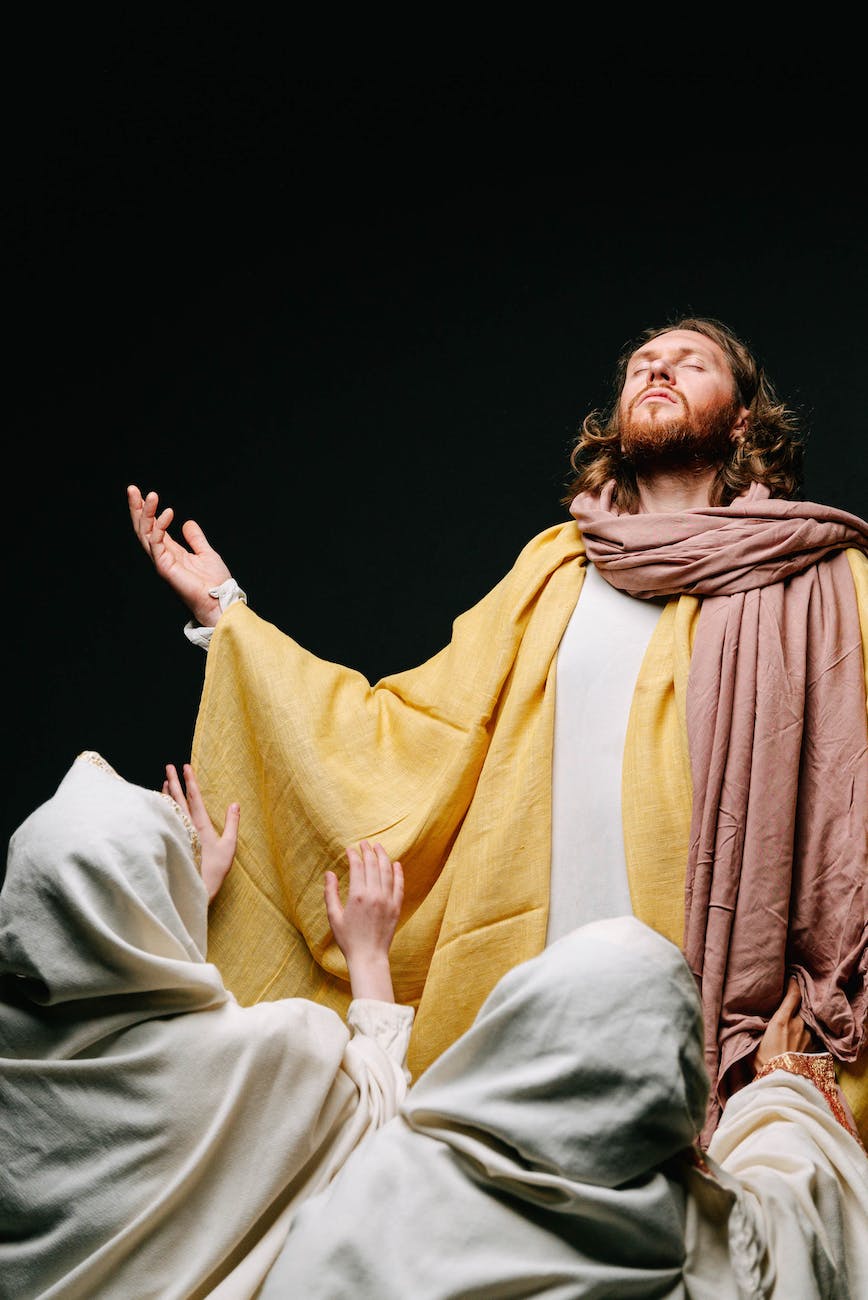
There is a curious story in the Bible about the Apostle Paul and a young man named Eutychus. https://www.gotquestions.org/Eutychus-in-the-Bible.html. The story is found in Acts 20:7-12 https://biblia.com/bible/esv/acts/20/7-12, and involves a young man listening to the Apostle Paul. As Paul talks on into the night, the young man, sitting in the third story window, falls asleep, falls out of the window, and plummets to his death. Luke, who authored the the gospel which bears his name and the book of Acts, was a doctor, and an eyewitness of this event. He clearly states that Eutychus died from his fall. But Paul runs outside and immediately brings Eutychus back to life, returning inside to finish his talk and eat with the crowd– who are amazed and relieved to find their friend alive and well. The Bible doesn’t say what they had to eat– certainly NOT hot dogs– nor does Luke spend time giving details of the aftermath of such a miracle. Paul simply picks up the limp form in his arms, lets everyone know that the young man is alive, and they all return upstairs and pick up where they left off: “breaking bread” and talking!

Luke’s story doesn’t say whether or not Eutychus was alone in the third story window, or leaning against a wide window frame or perched precariously before he fell into “a deep sleep.” I have always imagined him perched comfortably leaning against the side of a wide and open window frame, one leg drawn up and the other dangling as he listened to Paul speak. As the night wore on, he may have slouched a bit, or even turned to lean his whole back against the frame, pulling both legs up onto the wide ledge. I imagine there were others sitting close by. There may even have been others leaning against the window frames! But as they were engrossed in Paul’s message, and whatever questions were being asked and answered, Eutychus drifted into sleep and lost his balance. My mental picture may be completely wrong, but I don’t think of him hugging a narrow space and sitting tense or afraid and clinging to the window frame before sleep claimed him. I imagine that he felt safe and secure in his position, never expecting to fall to his death; never expecting to become famous for falling asleep during one of Paul’s sermons!

I don’t recommend to anyone that they trust themselves to a window frame, a third story balcony, a too-comfortable seat at the theater, or to hot dogs eaten in bleacher seats at the baseball game. God doesn’t call us to get comfortable! Even if we are listening, and trying to follow Jesus, we may still fall– literally, like Eutychus, or figuratively. We may misunderstand, or get confused or weary and lose our focus. We may put ourselves at risk by leaning on the wrong frame. I believe that the story of Eutychus has several lessons for us.

  • First, we should be on guard. Eutychus wasn’t doing anything especially risky or unusual at the time of his death. It would have been common for people to sit where they could see and hear a speaker– not unlike sitting in bleachers at a baseball game!–and most houses were constructed so that windows were open. We often do things that seem natural and even good, but we, too, can “fall asleep” in complacency, routine, tradition, and other things that can lead to a “fall.”
  • Second, we should be slow to condemn. Again, Eutychus wasn’t doing anything that “deserved” death. There was nothing overtly sinful about his situation, nor does the Biblical account suggest any reason to judge Eutychus: this was an accident that might have happened to anyone. There is something cold and un-Christlike that sometimes arises in modern Christian culture. Many of us are quick to see any misfortune as “proof” of something lacking in others. Lacking in Faith; lacking in commitment or obedience; lacking in knowledge; lacking in God’s favor. Such an attitude shows a lack of compassion and a lack of humility! Eutychus is one of US! His death would have been a tragedy– his resurrection was a source of joy. We don’t know WHY Eutychus fell– but we know that God intended for him to be saved. And isn’t that where our focus should always be?
  • Lastly, the story of Eutychus reminds us of Paul’s marvelous words to the Roman believers:

35 Who shall separate us from the love of Christ? Shall tribulation, or distress, or persecution, or famine, or nakedness, or danger, or sword? 36 As it is written, “For your sake we are being killed all the day long; we are regarded as sheep to be slaughtered.” 37 No, in all these things we are more than conquerors through him who loved us. 38 For I am sure that neither death nor life, nor angels nor rulers, nor things present nor things to come, nor powers, 39 nor height nor depth, nor anything else in all creation, will be able to separate us from the love of God in Christ Jesus our Lord.

Romans 8:35-39 ESV

God could have kept Eutychus from falling from that third story window, but I believe He meant for that story to come down through the ages. It is not just a miracle, and a testament to the power of God and given to the Apostle Paul. It is a great reminder that even when we are trying to listen and follow God, we can still end up trusting in the wrong things and “falling asleep”. But no matter how far we fall, or how broken or “dead” we may seem to be, God sees us, cares for us, and wants to give us new life! Nothing– not even death– can separate us from God’s loving care or His ability to give us restoration and renewed life! We can rest “safe and secure from all alarms” when we remain in (or return to) the reassuring, everlasting arms of our Savior.

Some days, I feel like Eutychus– lying broken and useless three stories below where I began. Other times, I feel like a confused hot dog vendor, calling out to God for “Wienies”, when I really need Wisdom and Grace. Still other times, I feel like one of the crowd– wondering why Eutychus fell, instead of wondering at God’s miraculous ways. But God is faithful to bring me back time after time, wrapping me in his amazing “Everlasting Arms”:

Hallelujah! Amen!

At least once a month this year, I hope to include a post on helpful tips to improve our pursuit of prayer. These are tips I’ve gathered over the years, and it helps me to remember as I write about them.

Today, I want to talk about starting and finishing well.

Beginning prayer with a Hallelujah helps focus my attention where it should be– on God! Too many times, I start praying with a “need” mindset. I’m focused on a need or a situation in my life or the lives around me. But the greatest “need” I have is to lift my eyes and focus on the ONE who is higher and greater and more powerful than any situation; the ONE who can satisfy every “need” and bring justice, restoration, and hope to any situation.

I have learned two different acronyms for prayer over the years– ACTS and PRAY. ACTS stands for Adoration, Confession, Thanksgiving, and Supplication. PRAY stands for Praise, Repent, Ask, and YES! (action). In both, the first step is to bring praise and adoration to the One who is worthy of it.

Sometimes, this is easy to do. Sometimes, it is painful. When I am stressed, worried, grieving, or convicted, my focus is inward and downward– and I can spiral into depression, isolation, and fear. The last thing I want to do is turn my focus away. God’s glory and righteousness can be blinding in the face of dark depression and despair. And yet–

Start small. Begin with one aspect of God’s character that you have experienced– His Grace, His Faithfulness, His Love. Meditate on it. Express it. Expand on it. Recall some of the specific ways in which God has been gracious, faithful, or loving. Think about some of God’s other attributes– His wisdom, power, omnipresence; His eternal nature, His creation. Soon, it becomes easier to speak, and even sing, His Praise!

Often, this will lead naturally into confession and repentance. When we begin by focusing on God’s greatness, His Holiness, and His majesty, our worries show themselves for lack of faith; our needs, while still real, reveal opportunities for God to “show up!” and for us to learn new depths of His character IF we are humble, obedient, and willing to learn.

Praise and Adoration are important first steps in prayer. But it is equally important to end our prayers well. Sometimes, our “Amen” is muted as our focus returns to our requests. And sometimes, it can be difficult and even painful to say “Amen!” I KNOW God is all-gracious, all-knowing, and all-powerful. But I also know that I don’t have enough money to pay the latest bill, or that I have been diagnosed with an incurable disease, or that my son or daughter is still lost. And I know that God may be asking me to walk through the valley of the shadow of death. He will be beside me, but He’s not going to remove the shadow or the valley to make it easier.

Over the years, I have found that it is better to wrestle IN prayer than to end with a half-hearted Amen. I must go back to Adoration; find my Thanksgiving, reclaim my Yes, Lord! before I say, “AMEN!” Otherwise, I am like the double-minded person in the book of James: being tossed like a wave in the ocean and filled with petty doubts in spite of my knowledge of God’s goodness.

End your prayer on a high note today. Remember to sandwich requests and concerns between hymns of praise and odes of thanksgiving. “Amen” should always echo our “Hallelujah!”

My Anchor Holds…

(Note: This is a post from a couple of years ago…)

My husband and I like to go fishing. We have a small boat, and we take it out on a local lake, and spend many happy hours enjoying nature and casting about for fish. One piece of equipment we keep on the boat is an anchor. It’s a small anchor (for a small boat), but it is heavy and solid. The anchor stays within the boat while we travel, but once we’ve found the spot where we want to fish, out it comes. We “drop anchor”, and tie off the rope. The anchor sinks to the lake bed, where it digs in and holds the boat, keeping it from drifting with the water and the wind. The boat still moves a bit, but the anchor and the rope ensure that the boat will stay close to the spot where the anchor lies.

On calm days, it may seem as if the anchor is hardly necessary. The lake is still, and the boat doesn’t seem to drift at all. On windy days, the boat will be driven by the waves, unless the anchor is dropped and holds firm. But the waves still churn and batter against the sides.

Photo by Maria Orlova on Pexels.com

The author of Hebrews compares the hope we have in Christ to an anchor. ” We have this hope as an anchor for the soul, firm and secure.” (Hebrews 6:19a NIV) And as I thought of that, I was reminded of some key things about Hope (and its sister, Faith):

  • An anchor does no good unless it is IN the boat every time we leave shore. I have seen several anchors on display– in parks or at ports–huge and imposing. But they are useless to any vehicle out in the water. Similarly, we have to have the Hope of Christ IN US–we cannot “borrow” someone else’s hope or faith in moments of testing and suffering. We cannot leave our hope in the boathouse, or hang it up on display on shore, and assume that the waters will stay calm, or that our boat cannot drift.
  • An anchor is also useless unless there is a rope or chain or line attaching it to the boat. If I say that my Hope is in Christ, but I’m not in relationship WITH Him, the Anchor will still drop and hold, but my boat will be at the mercy of the waves and wind. If I know “about” God, but I have never spent time getting to “know” God, whatever hope I have will be detached and of little use.
  • An anchor is heavy. It is bulky. It sinks deep and isn’t easy to reposition. That’s how our Faith is meant to be. True faith isn’t lightweight, or convenient, or “cute.” Hope isn’t a balloon or a kite or a parachute. What will keep us from drifting in good times or bad is a faith that is heavy and unshakeable. And our Hope is not airy and wishful, based on wisps and popular philosophy; it is based on God’s eternal nature, and His enduring Word.
  • An anchor, while important, doesn’t make the boat move. Faith and Hope, by themselves, will not get us to our “fishing spot.” The Christian life isn’t about drifting or just staying still. There are times when we need to move out into deeper waters, or turn the boat around and head for home. For that, we need Love to be the motor, or the sail, or the oars to propel us. And we need the “chart”– God’s word, and the wisdom of the Holy Spirit– to guide us to our destination. Only then can we get the most out of our Anchor and its ability to keep us firmly in the place we need to be.
  • An anchor, left dragging behind, will actually hinder or stop our movement. We can get so “anchored” on a certain doctrinal argument, or a certain job at church, or a certain tradition, that we fail to move where God would have us go next. Once again, the anchor does no good unless it is IN the boat as we travel. When God calls us to repent, to change, or to move, we have to trust Him enough to bring the anchor aboard and let His Spirit move us to our next destination.

There is much more that can be said about our sure Hope and Faith, but I want to stop and digest this much for now. I pray for wisdom to use the Anchor of Hope properly all my days.

What to Throw Away…

19 “Do not store up for yourselves treasures on earth, where moths and vermin destroy, and where thieves break in and steal. 20 But store up for yourselves treasures in heaven, where moths and vermin do not destroy, and where thieves do not break in and steal. 21 For where your treasure is, there your heart will be also

Matthew 6:19-21 (NIV)

When my mom died earlier this year, she left a house filled with “stuff.” Mom saved EVERYTHING! She saved old calendars, expired drivers’ licenses, used peanut butter jars, all her children’s baby clothes and shoes, graduation and wedding invitations, Christmas Cards, broken cameras, and so much more. She owned a seven-bedroom farmhouse, but she lived for many years in just a few square feet in four different rooms. She slept on half a twin mattress; the other half was covered with boxes. She ate on just a patch of her kitchen table; the rest was piled over with papers and “stuff.” There was a narrow path through the dining room to the bathroom and bedroom. Mom was a hoarder.

Mom was also stubbornly independent, and refused to get rid of things or have others help her throw things away. It contributed to her falling and breaking her hip, and later falling and breaking her leg. We eventually persuaded her to move to assisted living and later to a small house that she could navigate safely. But she would not sell the old house or let us throw away her “treasures.”

Shortly before she died, Mom gave us permission to begin the difficult task of “going through” her house. She joked that we would all hate her after she died and we had to finish the task. We joked back that we would never be able to finish in our own lifetimes! Mom knew that she should have thrown things away. But she had chosen to live surrounded by the memories of broken toys and yellowed letters of yesterday.

Well, the house is almost empty. We decided to sell it, and had to clean it out so it could be shown. The bulk of the work fell to my brother and his wife. They are retired, and they live closest to the old house. But even so, it has taken months, and tons of sweat, to find the floors and walls and windows that were covered and blocked by “stuff.” There are still a few pieces of furniture and some items in the basement, but hundreds of boxes, bags, crates, and containers had to be taken to my brother’s house, my house, my sister’s house, donation centers, recycling centers, and, sadly, to the dump.

We had very few “things” left from my father. His family had lived through a house fire when he was a young man, and he learned early that even precious things cannot be saved. He tried to throw things out; Mom would “rescue” some from the trash and bring them back in! He saved a few momentos, mostly photos, and when he died, he was no longer there to advise Mom about what must be put in the trash. But even his “stuff” was hidden among worthless old shoes and dishes and old boxes.

My Mom DID have several treasures– at least to us. She had saved school papers from our childhood, birth and baptism certificates, photos, my dad’s old work uniform, my grandfather’s Navy cap, afghans and doilies my grandmother made, and several worn and tattered Bibles she had so faithfully studied over the years. And Mom was generous in her own way– she sent out thousands of greeting cards and gave wonderful and thoughtful gifts to her many friends and family members. But she kept broken things, rusty and dusty things, used-up things, and things that were useless. And the hardest part of sorting through over 20,000 square feet of “stuff” was finding and determining what to keep and what to throw away.

Life is a lot like that house full of “stuff. It is full of memories, experiences, hopes, dreams, guilt, fears, relationships, emotions, and disappointments. And we have to make choices about what to treasure and what to throw away. Here are some guidelines I’ve learned through my recent experience:

  • Treasure the lesson– throw away the bitterness.
  • Keep the memories– throw away the t-shirt.
  • Save the relationship– throw away the anger.
  • Keep the recipe– throw away the container/magazine it came with.
  • Eat the chocolate–but throw away the fancy box it came in.
  • Throw away the broken dishes, the worn towels, and the pot without a handle.
  • Treasure the stories– trash the dusty, musty books (Yes, that’s coming from a librarian!)
  • Don’t just worth on appearance alone–DON’T throw away an opportunity to show kindness where it is least expected and most needed. There may be treasure among the rubbish!
  • Use the stationery you got for Christmas–throw away the wrapping paper.
  • Throw away last year’s calendar– those days are gone. Make space for this year.
  • Keep your promises–let go of your disappointments.
  • Hold your dreams loosely– be ready to accept what IS as a gift; what WILL BE as a mystery.
  • Treasure the empty spaces in your house and in your life– throw away the extra baggage.
  • Keep space for new blessings–pass the old blessings on to others.
  • Things can never take the place of time spent with the people you love. I appreciate some of the things Mom left behind, but the real treasure was the wisdom she imparted, the laughter and tears we shared over the years, and the faith she lived out as she loved others.

Mom’s joke about us hating her after she was gone– that didn’t happen. And our joking prediction was wrong, too. It was frustrating to go through everything; it was hard work and it might not have been necessary if Mom had chosen differently. But it wasn’t wasted work. We still have dozens of boxes to sort through, but I am finding small miracles and memories (and lessons!) in each one. Mom may not have been able to judge what she should throw away, but she did know what to keep above all!

I hope I am learning what to throw away, as well as what to give away and what to keep. Mostly, I hope I am learning to let go of the things that might prevent me from accepting better things. God will not always take away the things that hold us back, or bury us in the past. But He asks us to store up our treasure, not in a house or a storage barn, or a safe deposit box, but with Him! Things will break, rust, rot, and be lost. Feelings and thoughts can keep us trapped in the past, and blind to the present and future. But God’s gifts– Faith, Hope, Love, Peace, Patience, Discipline, Forgiveness–these last forever, and never lose their value!

Blog at WordPress.com.

Up ↑