This has been a season of death and loss for us, but where is the sting? Mom passed just over a month ago, but where is the gnawing ache of loss?
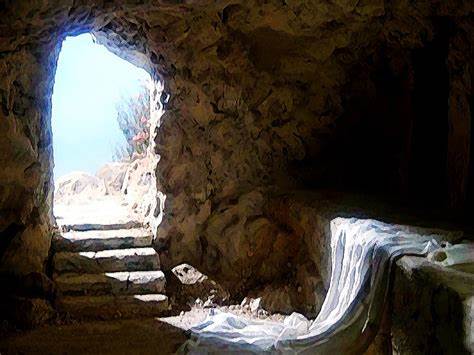
Because of Easter, we remember that Death is swallowed up in victory, and His Divine Power gives us Everything we need for Life! (2 Peter 1:3) Have we had moments of grieving this past week (and month)– Yes. But we choose to focus on the larger picture. Easter isn’t just a day to celebrate something miraculous in the past or the distant future. It is a very present reality that changes EVERYTHING. Death is not the end. Failure is not the end. Our weakness is not the end. Good Friday was not an end. Easter (and every day since!) is a new beginning. It is the promise of life– not just eternal life in heaven, but abundant Life here and now. There is a purpose to life– to the joy and the pain, the grief and the struggle, the search for answers and the even the questions that remain. There is hope and there is renewal. There is a reason to get up, a reason to fight, a reason to cry, a reason to sing, and a reason to rest. Most of all, there is a reason to LOVE and rejoice in being loved!
YOU are loved! Extravagantly, eternally, without limit or condition. And yes, it seems too good to be true, too simple to accept, maybe even too frightening in its intensity. But it IS true. It IS that simple. It IS that complete and perfect. And it is a free gift for all who will accept it and live in it. Please let this Easter fill your heart with the Good News that You are loved– to death and back– by your gracious creator.
The story is told of an old, worthless-looking violin that came up for auction. No one wanted to bid on it. The auctioneer began with a modest call for three dollars. No bids. Two dollars? Nothing. One dollar? Surely someone would spend just a single dollar. The violin was in working order. It had all its strings and a bow. No one was willing to spend one dollar for an old violin?
Suddenly, an old man came forward and took the violin off the table where it lay. He picked up the bow and began to play a famous violin concerto. In the hands of a master musician, the old violin came to life. Its haunting and soaring music brought the entire room to tears. The old master came to the end of the piece, and there was a hushed silence as he lay the bow and violin back on the table and returned to his seat. Clearing his throat, the auctioneer started a new bid– one thousand dollars. Several people placed a bid. Two thousand? Three? What had been worthless in the eyes of so many just minutes ago suddenly had great value.
That’s a nice story, but it rarely happens that way in real life. I run a resale shop– antiques, collectibles, vintage and retro items, and yes, what most would probably call “junk.” People come in and look around– sometimes they find a piece or two that they like. Sometimes, it’s priced at just a dollar or two; sometimes the price is a little higher. Some people think my prices are too high; others find them on the low side. They think they are getting a real bargain, and they are convinced they will be able to resell the item for much more on-line or elsewhere. They may be right. They may be wrong. Most of them are just doing what I’ve already done– find an item that seems to be undervalued, and sell it to someone else who may value it more highly.
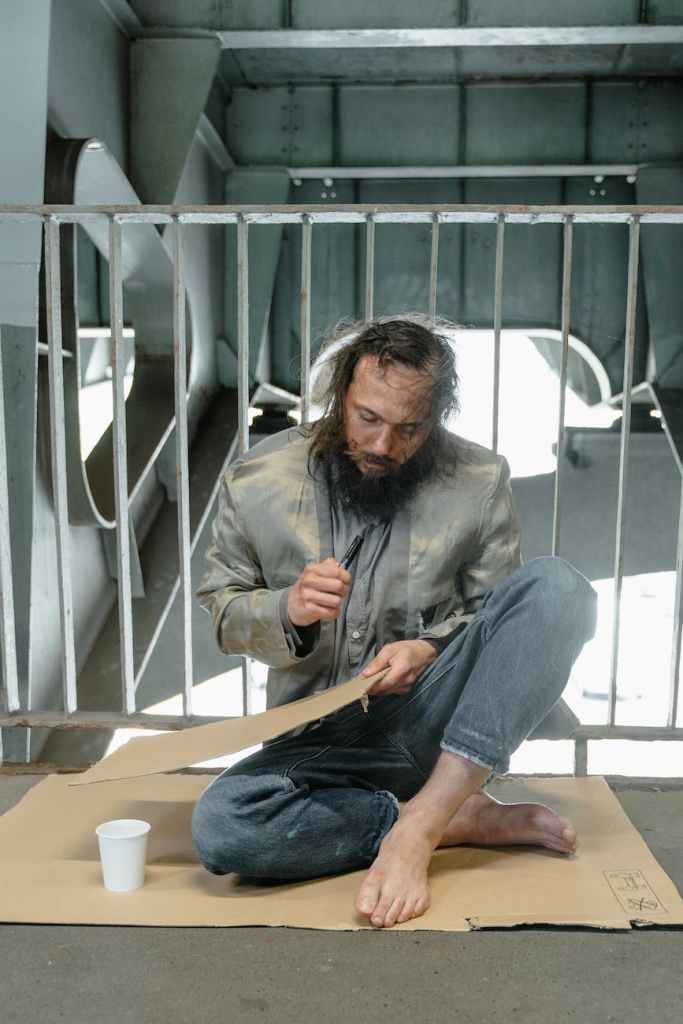
“One man’s junk is another man’s treasure.” That saying applies to many of the objects in my store. But it should never apply to a person. We tend to place a value on someone else based on many superficial factors. We judge people by the way they look– their clothing or their hair or the expression on their face when we first meet. Sometimes we judge them by their skin color or the way they speak– the words they use or if the have an “accent.” We judge some people to be smarter or more important based on who else pays attention to them or how much money they have (or don’t have). We judge their talents and experience based on hearsay or gossip. And we allow others to place their “value” on us. As though some people deserve more attention, more resources, or more love than others.
God sees through all the tarnish, the guilt, the low esteem, and shame that we carry around. Each one of us is equally precious in God’s eyes. There is no “junk” in God’s economy, when it comes to a human life. No matter how dirty, broken, used, misused, patched up, trampled on, or worthless we may seem to others (or to ourselves) we are priceless and cherished by our Heavenly Father.
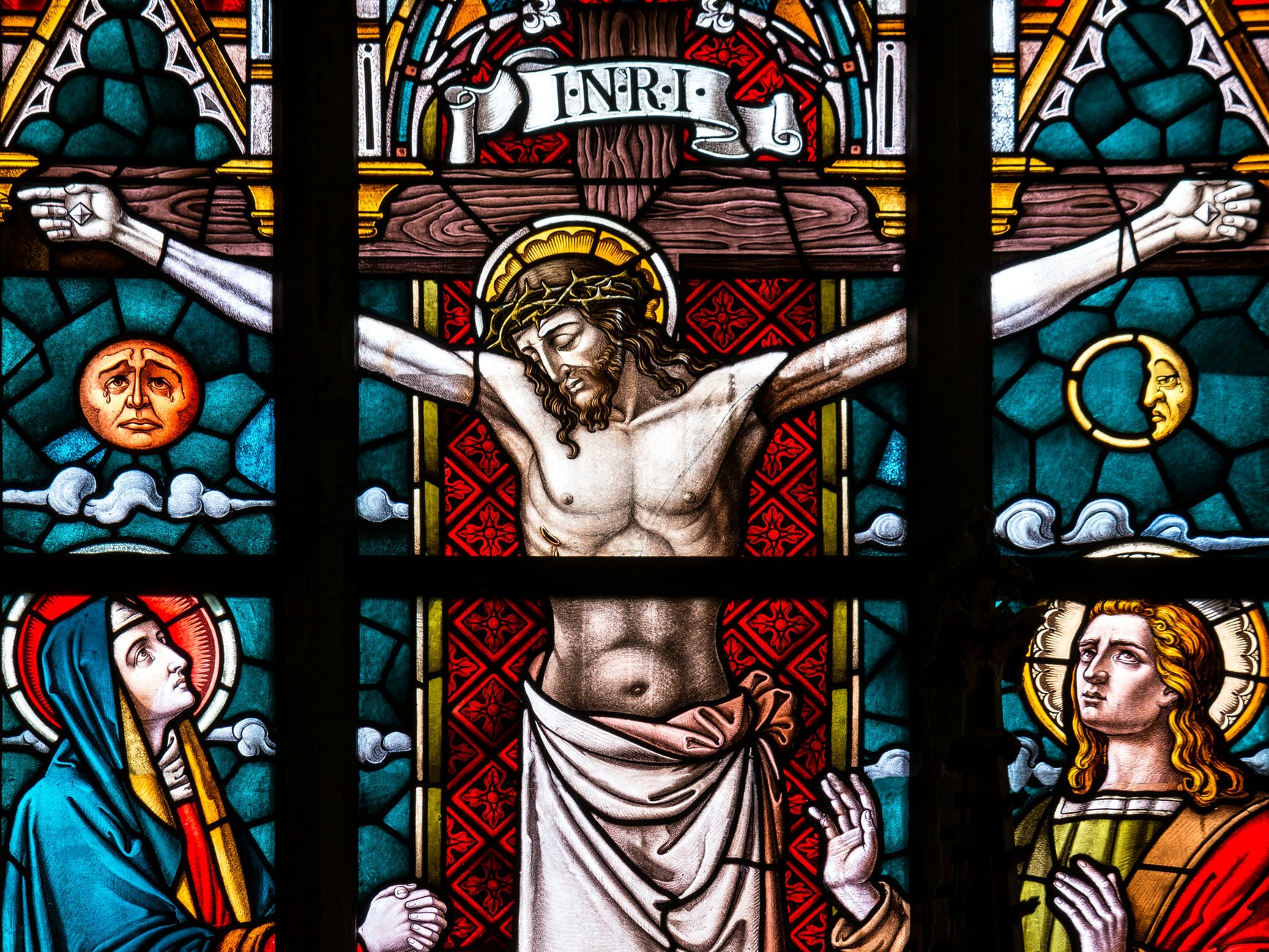
Jesus sought out the “junk” people of his time– lepers, widows, children, the blind and lame, the sick and weary, diseased, depressed, and demon-possessed. He touched the untouchables, loved the unlovable, and forgave the unforgiveable. Even when He was condemned to die as a criminal, and rejected by His friends and followers, Jesus remembered the Father’s love for others.
In this Holy Week, I pray that I would not lose sight of God’s Amazing Love for us. When we were His enemies– fallen, ruined by Sin–“junk”, Jesus was willing to reach out, to walk with the marginalized and sick, and more than all that, to DIE in order to make us joint heirs and give us the glories of Eternal Life with Him! And when Jesus was taken down off the cross– broken, dead, and “worthless”, God raised Him to Life and gave Him a “Name that is above all names” (Philippians 2).
We pray to a God who cherishes our very thoughts–a God who delights to hear from us! What a powerful thought. What an Amazing Love!
“I have told you all this so that you may have peace in me. Here on earth you will have many trials and sorrows. But take heart, because I have overcome the world.” John 16:33
One of my favorite movies is “The Princess Bride.” The title character begins the story as a young, beautiful, wealthy, and spoiled young woman. She falls in love with the young farm boy who works for her father. The young man leaves to make his fortune, but word comes that he has been captured and killed by pirates. In utter despair, the young woman allows herself to become engaged to a spoiled and wicked prince. She has allowed her grief to consume her, and she cares nothing for the prince, his wealth or power, or even her own future. Before she can be married to the prince, she is kidnapped by villains, and “rescued” by a mysterious pirate. Instead of being grateful, she curses the pirate, telling him that he could never understand her great loss and pain. His answer, harsh, glib, but to the point, is to say that “life is pain, Princess. Anyone who tells you differently is selling something.”
There are certain truths in life that we would avoid if we could– death, pain, sorrow, grief, suffering, and Sin–we don’t want to hear the harsh reality of our situation. We don’t want to suffer or hurt at all; much less to discover that our suffering is commonplace or universal. Everyone will taste death; everyone will face pain and grief and suffering in this life. Everyone will suffer as a result of Sin– our individual actions have consequences, as do the cumulative actions of our culture, our ancestors, and the entire human race. Life isn’t always good, or fair, or just, or comfortable. This is a harsh truth, but it IS the truth. We will face injustice– no matter who we are. We will face suffering, illness, and death. We will face loss–loss of a loved one, loss of a job, loss of a marriage, loss of health, loss of freedom or autonomy. We will not always win. We will not always get what we want. We will not always get justice in this life.
There are four common techniques we tend to use to avoid facing harsh truths– denial or avoidance, anger, bargaining, and depression or despair. Many people know these terms from the Kubler-Ross studies on patients with terminal illnesses and the five “stages” she identified as they came to terms with their impending death. https://psychcentral.com/lib/the-5-stages-of-loss-and-grief/ The fifth “stage” was acceptance. The five stages have been applied commonly to other forms of grieving and loss, including the loss of a loved one or the break-up of a marriage. While most of us go through some or all of these stages when we face suffering, we don’t all go through them the same way or even in the same order.
Many of us live in avoidance and denial– rushing headlong into meaningless pleasure, self-medicating with alcohol or drugs, staying busy with the pursuit of wealth or power, moving from place to place or relationship to relationship. Others wrap themselves in anger– blaming everyone else for their pain, seeking revenge, driving away those who want to help. Anger may feel productive, but it limits our scope of vision and keeps us focused on the pain inside. Still others try to bargain. Some seek to avoid aging, diminished health, or death by trying every new diet or fitness routine. Others try to avoid guilt, pain, or disappointment by trying to be righteous enough to earn a supernatural blessing or “good karma.” Still many others wallow in depression and despair, lost in the swamp and mist, sinking into a pit of their own feelings. Like those who live in denial, they avoid the difficult choices that would lead to life, instead letting life wash over them and draining them of energy and joy.
These reactions are normal and human. Harsh truths hurt– they shock us, overwhelm us, shatter our trust, even shake our faith. But they ARE true. We cannot change our circumstances by running away, raging at everyone around us, or giving up. We cannot go back in time and “undo” the tragic circumstances of our lives. And our reactions have their own consequences. They cannot negate the past or change the present. They can only impact the future.
But there is another truth: God has not left us without resources, even for the harshest realities we face. Even when we are in despair, or angry, or in denial, God can give us peace and strength to go on. God isn’t “selling something” to make the pain go away or make our life “trouble-proof.” Jesus never offered a comfortable life to His followers. In fact, He promised that our lives would be filled with trouble and pain and sorrow! Christians who claim that they never face fear, or failure, fury or frustration, loss and sorrow– they are “selling” a false gospel. The Good News isn’t about avoiding pain or sorrow. It is about OVERCOMING them! Jesus faced and conquered death on a cross! He could have avoided it– He could have been angry at those who betrayed Him–He could have stayed buried in despair and failure. But He arose! We don’t worship someone who has never wept, or faced betrayal or loss. Jesus is the Way, the Truth, and the Life (John 14:6)– if anyone knows the harsh truth, it is the one who IS Truth! And this Truth hurts– He hurts to see us grieving; He hurts when we reject Him to go our own way; He hurts even as He allows us to hurt. And He offers us His Grace to survive and thrive– not an escape, but a victory!
Faith, prayer, worship, promises– these are not God’s way of helping us escape the reality of harsh truths. They are His tools for helping us to overcome and be victorious in the face of trials and setbacks, grief and pain, even death! A life of faith isn’t a life of denying the harsh realities of life, nor is it a prescription for avoiding life’s hurts. Even the faithful will someday have to taste death. Even those who pray and praise will often do so in tears of anguish and even momentary doubt. But they will reach the peace of acceptance as they wrestle with the seasons of pain, knowing that God promises healing and joy and justice– in His perfect will and timing! As Princess Buttercup discovers in “The Princess Bride”– “Death cannot stop true love!” And it cannot stop the Truth that IS Love!
“Life is pain…” In THIS fallen and broken world. But we can take heart–Jesus has overcome this world. He has won victory over sin and death, pain and loss. And He gives abundant life. Life that transcends disease, disappointment, and even death.
This past month has been tiring for me. I’ve been clearing out two “estates.” My mother died at the end of last month. She was a hoarder– she saved everything, and it was kept in piles and drawers and closets. My brother, sister, and I (and our families) must sort through all the “junk” to find things of importance or value, and decide how to share it, dispose of it, or give it away. Old books, old clothes, old papers– some have sentimental or material value. Others have been exposed to mildew or they’ve been torn or damaged or stained. Mom had a big house, and she had lived there for over 60 years, so the piles are tall, deep, and everywhere!
At the same time, we had a loss in my husband’s family that required that we clean out the family homestead. This home had been in the family for over 5 generations, and included a farm and workshop, complete with machinery, vehicles, and furniture that had to be removed in less than 30 days! While not as cluttered with old papers and clothes, this estate included bigger, bulkier items, often covered with grit, grime, oil, and dirt.
We had to finish up with the old homestead earlier this week. And we are exhausted. I have found it difficult to concentrate on this blog, on Bible study, on personal prayer time, and just getting “normal” things done around the house. I’m sore, I’m trying to fight off an early Spring cold, and I’m mentally and emotionally drained.
God has sent wonderful reminders of His comfort, His strength, His peace, and His care in the past few weeks. My prayers may have been hurried or shortened lately, but I can FEEL the prayers of others on our behalf. As tired as we have been lately, we have also been blessed. Wonderful family (even under difficult and trying circumstances!), kind and helpful friends, unexpected (and much needed) resources–God has not left us to face this season alone.
It is not God’s will or His plan that we should exhaust ourselves. That doesn’t mean that He won’t allow us to travel through periods of stress, work, grief, pain, or even temporary exhaustion. Jesus himself stayed in the wilderness for 40 days without food. He was exhausted and hungry when Satan tried to tempt Him to turn His back on the Father. Satan’s temptations are no different today. He tempts us with empty promises of ease and rest– IF we depend on someone or something other than God! He tempts us with the idea of fame and fortune– IF we abandon God’s provision and His purposes. He tempts us with immediate solutions–IF we stop waiting on the Lord to come to our rescue.
The Test
4 1-3 Next Jesus was taken into the wild by the Spirit for the Test. The Devil was ready to give it. Jesus prepared for the Test by fasting forty days and forty nights. That left him, of course, in a state of extreme hunger, which the Devil took advantage of in the first test: “Since you are God’s Son, speak the word that will turn these stones into loaves of bread.”
4 Jesus answered by quoting Deuteronomy: “It takes more than bread to stay alive. It takes a steady stream of words from God’s mouth.”
5-6 For the second test the Devil took him to the Holy City. He sat him on top of the Temple and said, “Since you are God’s Son, jump.” The Devil goaded him by quoting Psalm 91: “He has placed you in the care of angels. They will catch you so that you won’t so much as stub your toe on a stone.”
7 Jesus countered with another citation from Deuteronomy: “Don’t you dare test the Lord your God.”
8-9 For the third test, the Devil took him to the peak of a huge mountain. He gestured expansively, pointing out all the earth’s kingdoms, how glorious they all were. Then he said, “They’re yours—lock, stock, and barrel. Just go down on your knees and worship me, and they’re yours.”
10 Jesus’ refusal was curt: “Beat it, Satan!” He backed his rebuke with a third quotation from Deuteronomy: “Worship the Lord your God, and only him. Serve him with absolute single-heartedness.”
11 The Test was over. The Devil left. And in his place, angels! Angels came and took care of Jesus’ needs.
Matthew 4:1-11 (The Message)
I’m tired today. But God knows better than I do how to give me rest, how to “recharge my batteries,” and how to guide me through the days ahead. I don’t think God is “testing” me in the same way He allowed Jesus to be tested. But I think He has allowed me to experience a season that is testing me. Will I keep looking for Jesus in my weariness and grief? Will I be tempted to find my rest in someone or something other than Him? Will I recognize the resources and help He sends during this time? One of the things He has provided is this blog– a chance for me to stop, reflect on, and write about what’s going on. I’m tired, but I’m also being held in God’s Almighty and capable hands. God has provided helpers, counselors, friends, and family to lean on, and who can lean on me in turn. God has laid out His promises for a bright future and eternal Joy, Peace, and Rest. God has given me a moment to reflect on His Goodness! Now, back to work for today!
When violence strikes, I want justice. I want action. I want to make the evil stop.
Just the other day, there was another school shooting in the news. At least six innocent people lost their lives, and another community was ripped apart by grief, shock, and anger.
But is it really justice that I am seeking? Or is it vengeance?
Justice is permanent. Justice is final. Justice takes time. Vengeance is visceral and immediate. Vengeance is a reaction; a retaliation. Justice, on the other hand, is blind to the emotions of the initial event. Vengeance is driven by emotion. Justice comes through the objective application of the law.
Justice is God’s business. I do NOT understand why or how God allows evil to happen in the first place. It hurts. It doesn’t make sense. It is destructive. But it is the nature of Sin. And Sin infects the entire world. We cannot escape from it. We cannot deny its existence. We cannot put an end to it. We can only follow the arduous and imperfect justice systems that are in place for our community or our country. We cannot achieve perfect justice. But God can. And He has promised to do so– in His time, and in His way. This can be comforting, but it can also be frustrating.
Vengeance is also God’s business. God has emotions, just like we do. But His are always under perfect control. God’s wrath is frightening in its power, and paralyzing in its purpose.
Beloved, never avenge yourselves, but leave it to the wrath of God, for it is written, “Vengeance is mine, I will repay, says the Lord.”
As imperfect as our systems of justice may be, they are still systems, with order and time to look at the total situation. Vengeance doesn’t stop to count the cost. It doesn’t stop to listen to the full story. It seethes and coils like a rattlesnake, waiting to inject venom into the first victim to cross its path. Human vengeance never leads to peace.
Also, vengeance is limited to the strength and resources of the avenger. If a shooter takes the life of my loved one, my vengeance is limited to the actions I can take. I may kill the shooter; I may take the life of their family members; but I cannot bring my loved one back, nor can I guarantee that the killer will suffer the same amount or the same way I do. Vengeance never looks forward, and it never offers a solution to move forward. It lives in bitterness and anger and discontent.
As followers of Christ, we are asked to take a stance that seems impossible from a human standpoint. We are asked to keep our hands clean, to keep our minds at peace, and to give our grief, our anger, and our craving for vengeance over to God with no reservation and no option to set the limits or timelines.
To the world around us, this seems weak and even unjust. What if the evildoer “gets away” with her/his crime? What if the victim never gets “justice” in their (or our) lifetime? What if we never “see” justice done? What if God “fails” to avenge us or our loved one? What does the Christian “do” in the face of evil? Nothing?! Fall on our knees and pray?! Offer lukewarm assurances and empty promises?
The problem with evil– especially shocking violent events– is that we can’t see beyond the immediate shock and pain. That doesn’t mean that there IS no pain or shock or anger or frustration if we choose not to react with vengeance. The pain is still very real, and overwhelming. But we choose to make room for faith that sees the larger picture. Faith makes room to see not just justice, but mercy. It allows us to see the overall tragedy of Sin, beyond our immediate tragedy of an individual act. Faith sees beyond our helplessness to God’s Sovereignty. It sees beyond the present pain to future healing.
I pray for the families of the victims in this latest shooting– and for all those who have experienced such violence. And I pray that God will show me what I can do to make a positive difference going forward. I pray for the strength and the faith to let go of hatred, bitterness, malice, and outrage. Finally, I praise God, even in the middle of pain and shock, knowing that He can be trusted to bring perfect Justice– and perfect vengeance–the kind that leads to a peace beyond our understanding. These are not “easy” prayers. They are not blind prayers, or prayers prayed without tears and groaning and questions. But they are real prayers, not empty wishes that I could avoid all unpleasantness or that I could exempt myself (or others) from tasting sorrow, grief or pain. Rather they are prayers that acknowledge that Life is more than struggle; that Love and Mercy are stronger than despair, and God has already won the ultimate victory.
Have you ever been in a season where you felt like you were praying about the same situation over and over with no results? No answers, and no indication that God has even heard? And you feel frustrated and even guilty about praying AGAIN about it?
We live in an “instant” culture. Instant banking, instant coffee, drive-through fast food, and 24-hour news cycles give us the expectation that we can get whatever we want or need with the push of a button or flip of a switch. Just yesterday, I pulled into the grocery store parking lot, and, seeing how full the parking lot was, I drove two miles away to a different store, because I anticipated long lines at the checkout! I don’t like waiting. I don’t like “wasting” time.
But God often puts us in a “holding pattern.” He may seem silent or distant, non-responsive or even absent. And in our impatience, we may stop bringing our burden to God, and seek elsewhere for answers or relief. Even when we know that God has promised to hear us, and never leave us alone, we long for instant gratification. And when we don’t get it, we start to wonder and doubt.
Sometimes, I feel angry in my impatience. I want answers! I want to know the next step forward! Other times, I feel hurt. Does God not hear me? Does He not understand my need? Sometimes, I even feel guilty. I know that God “knows” everything. Why do I keep bothering Him with the same thing? Am I asking for the wrong thing? Am I asking in the wrong way?
It is okay to have questions. It is normal to wonder. And I don’t have a “quick fix” answer for times like this. I think most of us experience these questions at some point. And the Bible has many examples throughout history of others who waited– some patiently, and others not so much…
Abraham and Sarah waited years for a family. In their impatience, they tried to do it in their own wisdom with heart-breaking results that echo down through thousands of years. Hannah prayed for years while enduring the taunts of her rival, Peninnah, before God gave her a son. A woman who touched Jesus’s robe had prayed and waited years for healing from her constant bleeding and pain. I know of parents who prayed for years that their wayward son or daughter would return home– some kept praying until they died, never seeing an answer.
But one comforting takeaway from all these Biblical and real-life examples– God DOES see and hear us. He left all those stories for us to read, knowing that we, too, would face trying and overwhelming circumstances. God doesn’t always give us an immediate or conclusive answer in our struggles. If He did, we would never develop a real and solid faith. God is less interested in answering our questions than He is in sharing our struggles. He does not want to walk ahead of us and smooth out our every path. Instead, He wants to walk beside us in the hills and the valleys of life.
So even if “I already prayed about that..” I can keep praying with confidence. God hears. He knows. And He cares enough to slog it out right by my side. And yours.
God alone knows how to humble you without humiliating you, and how to exalt you without flattering you.
E. M. Blakelock
This is at once a simple and extremely profound statement. God knows us so well, He knows exactly those areas where we tend toward pride and disobedience. But unlike our accuser, Satan, God doesn’t stand around saying, “AHA! AHA!” and pointing out our faults with glee. His loving discipline will cause us to be confronted with our errors–and our own pride and failure to obey may cause us to be humiliated by others–but God’s purpose is to bring us to repentance and transformation, not shame and dishonor. God wants us to learn from our mistakes, not be imprisoned by them.
In the same way, God knows our strengths and glories in our wise use of His gifts. But He loves us far to much to flatter us and lead us to improper pride. If we go there, we do so led by our own temptation. God may choose to do great things around us, for us, even through us– but they are God’s great deeds, and we are blessed to be part of the process.
One of Satan’s greatest lies is that we must be “like God”– knowing good and evil, and able to always choose the right course in our own power and wisdom. Such thinking leads us to wonder if God will be unable or unwilling to forgive us– that we must never falter, totter, or doubt. “All have sinned and fall short of the glory of God…” (Romans 3:23 NIV). But THAT is not the Good News of the Gospel– merely the reality of our lost state. Guilt without remedy is hopeless and dead! Such a picture places God in the place of prosecutor. But God is both our just judge (rather than an unforgiving one), and our faithful advocate! The Good News is that “…God shows His love for us in that while we were still sinners, Christ died for us.” (Romans 5:8 ESV) We can be “like God”– not through our own efforts, or by our own self-delusion– through the blood of Christ! God knows us; He knows every mistake we’ve ever made, and every good deed we’ve ever attempted, regardless of our motive or our success or failure. And HE makes it possible for us to have abundant, eternal life with Him.
God WILL humble us; and He WILL exalt us according to His wisdom. But God is more concerned about our ultimate well-being and redemption than in our temporary feelings, or our standing in human society. He is not a superficial God. His healing is deep, and His discipline brings life. “He makes the sun rise on both the evil and the good and sends rain on both the righteous and the unrighteous. ” (Matthew 5:45 CEB) God isn’t impressed by any show of self-righteousness or claims of victimhood. “You didn’t think, did you, that just by pointing your finger at others you would distract God from seeing all your misdoings and from coming down on you hard? Or did you think that because he’s such a nice God, he’d let you off the hook? Better think this one through from the beginning. God is kind, but he’s not soft. In kindness he takes us firmly by the hand and leads us into a radical life-change.” (Roman 2:4 The Message)
My prayer for today is two-fold– first, that I would seek God’s opinion and His just judgment, so that I can confess, repent, and adjust my heart accordingly. Second, I would pray that I might seek to see others as God does; that my love for others would cause me to encourage and admonish with pure love, and not selfish ambition or spite.
10-14 I’m glad in God, far happier than you would ever guess—happy that you’re again showing such strong concern for me. Not that you ever quit praying and thinking about me. You just had no chance to show it. Actually, I don’t have a sense of needing anything personally. I’ve learned by now to be quite content whatever my circumstances. I’m just as happy with little as with much, with much as with little. I’ve found the recipe for being happy whether full or hungry, hands full or hands empty. Whatever I have, wherever I am, I can make it through anything in the One who makes me who I am. I don’t mean that your help didn’t mean a lot to me—it did. It was a beautiful thing that you came alongside me in my troubles.
Philippians 4:10-14 (The Message)
I know many Christians who quote Philippians 4:13–generally in the King James or New King James versions: “I can do all things through Christ, who strengthens (strengtheneth) me.” It is a powerful verse, but taken out of context, it can become twisted and lead to unrealistic expectations. In context, Paul is not talking about achievement, but about endurance. “I can endure all things…” or “I can cope with all circumstances…” is a better understanding, which is why I chose to quote from The Message, instead of another translation. Many times, however, we co-opt this familiar verse to fill our calendar with busy plans for our own achievements, trusting in God to give us the strength to multi-task our way past exhaustion. We end up frustrated, disappointed, and even questioning our faith.
God never meant for any of us to do “all things..” In fact, He wants us to trust Him to direct our paths– even when He directs us away from achievement and into rest or even need. Paul was a doer. He loved to be on the road, preaching and teaching, building up churches, and making new converts. But the letter to the Philippian believers was written from a jail cell. Paul could not be there to minister to them, but they had ministered to him, instead! Paul was thanking his friends for the help they gave him, not because he was abandoned or starving, but because their gifts reminded him of their care for him, and of God’s care for all of us. God had given Paul a season of rest from the road– imposed rest, but rest that gave him time to reflect on God’s goodness in solitude.
When we set ourselves up to “do all things,” it usually means “all the things I think I can or ought to do,” or “all the things I am asked or expected to do as a volunteer or a friend or neighbor or parent…” God is more concerned with our “being” than our “doing.” He wants us to be seeking after righteousness, not self-righteousness. He wants us to be growing in our love for others– even if we can’t “do it all.” He wants us to follow Him, not impress Him!
I’m in a season of “can’t” right now. It’s not that I can’t do anything, but I can’t do “all things.” That’s not a result of my lacking faith or having a wrong view of God– God CAN do anything and “everything.” But I can’t. And God’s plan isn’t to empower me to be autonomous, self-sustaining, or self-righteous. I NEED others! And I NEED Him! What I CAN do, is trust in His timing and His resources to be sufficient for my daily needs. I can get “enough” done today, with God’s wisdom and strength. I can do “enough” to overcome anxiety or depression– with the help that God provides. That may mean allowing someone else to do simple tasks that I can’t do today. It may mean accepting medical help. It may mean changing my schedule or my expectations for today. But I can endure all the setbacks, and the moments of grief or weakness that keep me from “doing” what I had planned. I can weather it all in the power of Christ. And so can you! If you are finding yourself in a season of “can’t,” don’t skim over Philippians 4– study it. Claim it! Christ’s power isn’t for those who “can.” It’s for those who ask!
It’s a great thing to have a “can-do” attitude. But sometimes, we need a season of “can’t do” in order to step back and see what we “can BE” in the power of Christ!
I found a penny lying on the pavement the other day. It was a little dirty, and only a penny, but I picked it up anyway, put it in my pocket, and said a quick prayer of thanks.
When I was growing up, my grandfather had a real gift for spotting dropped coins. We would walk along the sidewalk or in the parking lot, and he would stop and point out a penny or nickel that someone must have dropped and others must have overlooked. He’d let us pick it up and put it in our pockets, feeling like we had stumbled upon a treasure. There it was, lying in plain sight– for anyone looking for it! As a grown-up, I have often found loose coins, and they remind me of Grandad’s love of simple gifts and unexpected pleasures.
Some people won’t pick up such coins. “They’re filthy!” “It’s not your money.” “Who knows where that money’s been, or where it came from?!””It’s just a penny. Big deal.” That’s okay. I’ll never get rich picking up stray coins, and I wouldn’t keep someone’s lost wallet. It’s not really about the money. It’s about the adventure of an unexpected blessing. Grandad was equally excited about sharing other interesting finds–a four-leaf clover, a robin’s nest, spotting a family of bunnies at the edge of the garden,
I read an anecdote once about a wealthy man who always picked up stray pennies. Someone asked him why, with all his wealth, he chose to pick up such small change. He pointed out that each coin was stamped with the phrase, “In God we Trust.” He said the coins reminded him that God was the author of all his wealth, and that God’s blessing were like the coins–there for anyone who was looking for them! And so, each penny WAS indeed a treasure– not in material value, but for the reminder of God’s faithful provision and His goodness. I think that was what my Grandad was trying to teach us.
God gives good gifts– whether they are worth a lot materially, or good for our physical, emotional, or spiritual health. God gives freely, and often unexpectedly. I am reminded of how God provided Manna in the wilderness. It didn’t look like food. It was lying on the ground and had to be gathered up. It was there in the morning, and gone with the hot sun. Anyone could gather it, but not everyone gathered wisely. It was an unlooked-for gift: a reminder that God saw His people, cared for them, and provided for their needs.
Another time, God sent healing to a man named Naaman (see 2 Kings 5). Naaman was looking for a miracle cure, but was told to dip himself in the Jordan River seven times. The miracle wasn’t in the Jordan River–Naaman himself complained that there were more important (and cleaner) rivers back in his own home country. But the miracle was in the willingness to trust God’s instruction. Naaman did what God commanded, and his leprosy disappeared! Sometimes, God’s provision doesn’t seem to make “sense” in human terms. Naaman expected something magical and showy–something complex and important. And he got a miracle– but one that came from simple faith and humble circumstances.
24 When they came to Capernaum, the collectors of the two-drachma tax went up to Peter and said, “Does your teacher not pay the tax?” 25 He said, “Yes.” And when he came into the house, Jesus spoke to him first, saying, “What do you think, Simon? From whom do kings of the earth take toll or tax? From their sons or from others?” 26 And when he said, “From others,” Jesus said to him, “Then the sons are free. 27 However, not to give offense to them, go to the sea and cast a hook and take the first fish that comes up, and when you open its mouth you will find a shekel. Take that and give it to them for me and for yourself.”
Matthew 17:24-27 ESV
In another instance, Jesus sent Peter on a miraculously small adventure. Peter was a fisherman, so it was no great adventure to catch a fish. But in this case, the fish had, in its mouth, the exact amount of money needed to pay the Roman tax for himself and His master! Jesus could have made the coin appear from nowhere. He could have refused to pay the tax. He could have asked one of His other wealthy followers to pay the tax. Instead, He had Peter do something so ordinary as to be ridiculous. But the result was just what was needed. Peter didn’t catch a fortune. But he caught a blessed reminder of God’s care and provision.
In the same way, we can ask God for good sense– wisdom and discernment– as well as good “cents”. God will meet our needs. Often He will do it in unexpected and surprising ways. Sometimes, it will require us to look down, stoop, and even get our fingers in the dirt (or the river, or even a fish’s mouth!). But we can rejoice to remember that God sees us, knows our needs, and sends us Manna, or sometimes pennies from Heaven, when we least expect it!
9 Love must be sincere. Hate what is evil; cling to what is good. 10 Be devoted to one another in love. Honor one another above yourselves. 11 Never be lacking in zeal, but keep your spiritual fervor, serving the Lord. 12 Be joyful in hope, patient in affliction, faithful in prayer. 13 Share with the Lord’s people who are in need. Practice hospitality.14 Bless those who persecute you; bless and do not curse. 15 Rejoice with those who rejoice; mourn with those who mourn. 16 Live in harmony with one another. Do not be proud, but be willing to associate with people of low position. Do not be conceited.
My mother died a couple of weeks ago. It is a season of mourning for me. And I know many others who have recently lost loved ones– husbands, fathers, mothers, and children. It is very easy for me to mourn with those who mourn right now. My heart aches with empathy. I know that mourning feels like, even if I don’t understand the exact nature of another person’s grieving. We are called upon to mourn with those who mourn. We want to share the burden of grief– to come alongside, to show support and sympathy. It is not just a “Christian” reaction to share sorrow. Yet, as Christians, we are commanded to truly participate in the grieving process with our sisters and brothers as they mourn. It is more than a simple expression of sorrow, or a kind word at the funeral home. It may involve “checking in” with someone weeks later, to see how they are coping with grief. It may be providing practical assistance– meals, help with funeral arrangements, etc.. Often, it involves speaking words of remembrance– providing the comfort of hearing familiar memories, and keeping loved ones “alive.” Even though we know our loved ones are “home,” or “in a better place,” or “at peace,” there is something chilling about their absence, and more so when they seem to be forgotten by those around us. Most of all, we can share our steadfast love and encouragement through dark days, through prayer, visits, listening, and providing hospitality.
We chose to have a friend read Romans 12:9-21 at Mom’s funeral. It summed up so much of who she was and what she had tried to instill in us as her children. And I was intrigued anew by verse 15: “Rejoice with those who rejoice; mourn with those who mourn.” It always seems like the first part of the verse should be the easiest, and the last phrase more difficult– more bitter. But in reality, I find it can be almost the opposite.
I don’t much feel like rejoicing lately. I’m not trying to be morose, but grieving is a long and painful process. There are moments of happy memories, and even relief that Mom no longer has to suffer. There is also reason for hope in the resurrection of the dead, and eternal life with Jesus. But the daily reality right now is of loss. Painful, heart-wrenching separation. It hits in quiet, unexpected moments with paralyzing, mind-fogging numbness. And I don’t much feel like being surrounded by the noise and gaiety of celebration. My laughter sometimes rings hollow, and my tears are often close at hand.
But God’s word says that I am to rejoice with those who rejoice. I am to help them celebrate their blessings, just as they are to comfort me in my sorrow. And this is part of God’s perfect plan! Bitterness and isolation can come if we choose to stay away from the happiness of others, or refuse to acknowledge our own grief. We can become resentful, even angry, as we listen to laughter from a distance, or compare our grief to someone else’s joy. Life is sure to bring both into our path at some point in our journey. There is no escape from grief, and no guarantee of ease and delight around every corner. God Himself is close to the brokenhearted (Psalm 34:18), and yet He calls us to make a joyful noise (Psalm 100:1). Even Jesus attended feasts and funerals. He wept (John 11:35), and He cried out in anguish from the Cross (Matthew 27:46). But He also rejoiced with those He healed, and with His disciples as they traveled, ate, and talked together.
There is healing in laughter. There is refreshment in rejoicing. And even in our grief, we need to allow for moments of shared praise and congratulations for those who are in a season of blessing. It is equally true that we should not allow our rejoicing to blind us to the suffering of others. We need both–sorrow makes us slow down a bit, contemplate, and prioritize; joy heals and gives us energy to keep running the race.
Today, my prayer is that God would open my eyes to the blessings of others, and the joy that He brings in all situations! And that He would refresh my soul to bring comfort to others who are grieving, and additional joy to those who are rejoicing.









































 Pursuing Prayer