“To Love Thee More Dearly…”

How can I love Jesus more than I already do?  If I can love him more, does that mean that I don’t love Him enough?  That I don’t really love Him as much as I think I do?  That I love Him the wrong way?  How can I “love thee more dearly…day by day”

I want to explore the second prayer in the folk rock song “Day by Day” from the musical “Godspell” (see my last post).  When I write about pursuing prayer, this is a major focus of the pursuit– to develop my love for Jesus.  But there’s more to it than just spending more time, or even “better” time in prayer.

silhouettes of couple kissing against sunset

I love my husband, and that love grows over the years– not because we are in an eternal “honeymoon” period, where life is rosy and all I know about him is the wonderful image I’ve built up–but because in living with him, working with him, even struggling with him, I learn to value who he really is.  I learn about qualities I never knew he had.  I learn to trust him and respect his judgment; I learn about the deepest part of his heart that he only shares with those closest to him.  And even though I learn about his faults, I see him desiring to be the best that he can be.  In his turn, my husband does the same with me– learning my strengths and weaknesses.  Together we learn how to work together to strengthen and support each other.  We even learn how to argue better!

But we all know marriages (and no marriage is immune) where doubt, distrust, disdain, and despair creep in.  The very qualities that attracted us in the beginning become sore spots that tear us apart.  The joy is swallowed up in little hurts that go unresolved; little misunderstandings that grow into lengthy silences and slammed doors.  Struggles that should bring us together cause us to run to separate corners.  Our feelings change, our hopes are dashed, and our relationship crumbles

woman and man sitting on brown wooden bench

Relationships require trust–if I say that I love God, but I don’t trust Him, I’m not being honest with myself.  If I pray to Him, but I don’t really think He’s listening; if I read His word but make excuses for my continued disobedience–I don’t really love Him.  I may idolize Him, even worship Him.  But I don’t really love Him.

adults couple couple walking grass

Unlike a marriage partner, family member, or close friend, God’s love for us never changes.  We never have to pray that Jesus should love US more dearly.  It’s impossible.  The same love that spoke the universe into being and designed you to be the awesome and unique person you are, is the same love that stretched out his arms so they could be nailed to the cross– the same love that calls out to you no matter what you’ve done or who you are and offers you peace, joy, and rest.  Loving Jesus isn’t a matter of measuring how I feel about Him from day to day, but spending each day learning to know Him better for who He is and not just what He has done or what He can do for me.  The prayer should be for me to really learn better how to honor Him, how to trust Him, how to obey Him, praise Him, listen to Him, and walk close to him.

More about this last one next time…

Three Things I Pray…

In the Broadway musical, Godspell, there is a simple ballad, “Day By Day,” in which the singer(s) express a desire to be closer to Jesus. Day By Day/YouTube  There are three “prayers”– 1) to see thee more clearly; 2) Love thee more dearly, and 3) follow thee more nearly.  I have heard various opinions and critiques of the musical, from the use of clown makeup and vaudeville tunes, to the marginal grammar of this song.  But I’d like to spend some time digging in to the three simple prayers.

clear close up dark dew

Today, I want to look at (literally) the first prayer– “to see thee more clearly”.  There is one prayer, but I think it can be broken down into two parts.

First, I want to SEE God.  God is Spirit–an invisible essence– and yet he manifests himself in a million different ways all around us.  God is in the inky, endless blackness of a moonless night, and in the vibrant colors of spring blossoms; in the glaring reflection of the sun off the lake, or the gray and palpable mist over the meadow.  He is in the wrinkled face of my neighbor, and the exuberant smile of a toddler, and the beauty of a horse running or an eagle soaring.  But I can see all of this and more and still not see God.  I can focus on the creation and miss the creator.  I can focus on the beauty and learn nothing of the artist.  I can see the amazing variety of people in the world– skin tones and eye shapes, facial expressions, and body language, dimples and hairstyles and nose-wrinkling, and hand-wringing, and miss the Love of God for each one.

brand trademark cobblestones community denim pants

Sadly, I can sing this prayer, pray for insight, and still miss seeing God.  I can trample His creation, dismiss His presence, and hate the people He loves enough to die for; people who bear the stamp of His image.

And I want to see Him “more clearly”–I want to see him as he really is, and not as I imagine him to be.  We live in an age of glossy retouched photos of models and celebrities; we “see” their image, without knowing what they truly look like, and without knowing anything about who they really are inside.  In many ways, God is only slightly less invisible than the real people around us.  How many people do we ignore in a day’s time?  How many do we glance at, only to get stuck on a single detail (a hair on their sweater, or something caught in their teeth, or a receding hairline or blotchy face).   How many people surprise us by not being like the image they project?   I don’t want to see a Photoshop Jesus; a glossy, smiling image of someone who says only what I want to hear, and looks like nothing ever touches him.  I want to see the Jesus who wept over the death of his friend; the Jesus who laughed with delight as he talked with children; the Jesus whose eyes were full of compassion even as he was dying on the cross.  I want to see the Living Word of God.

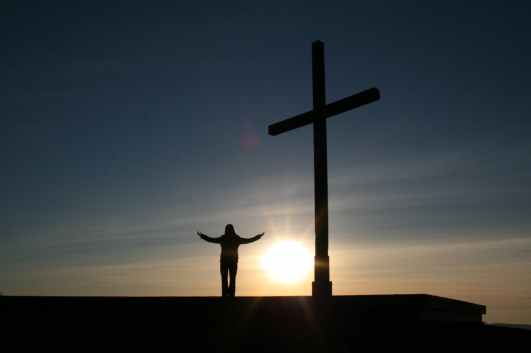
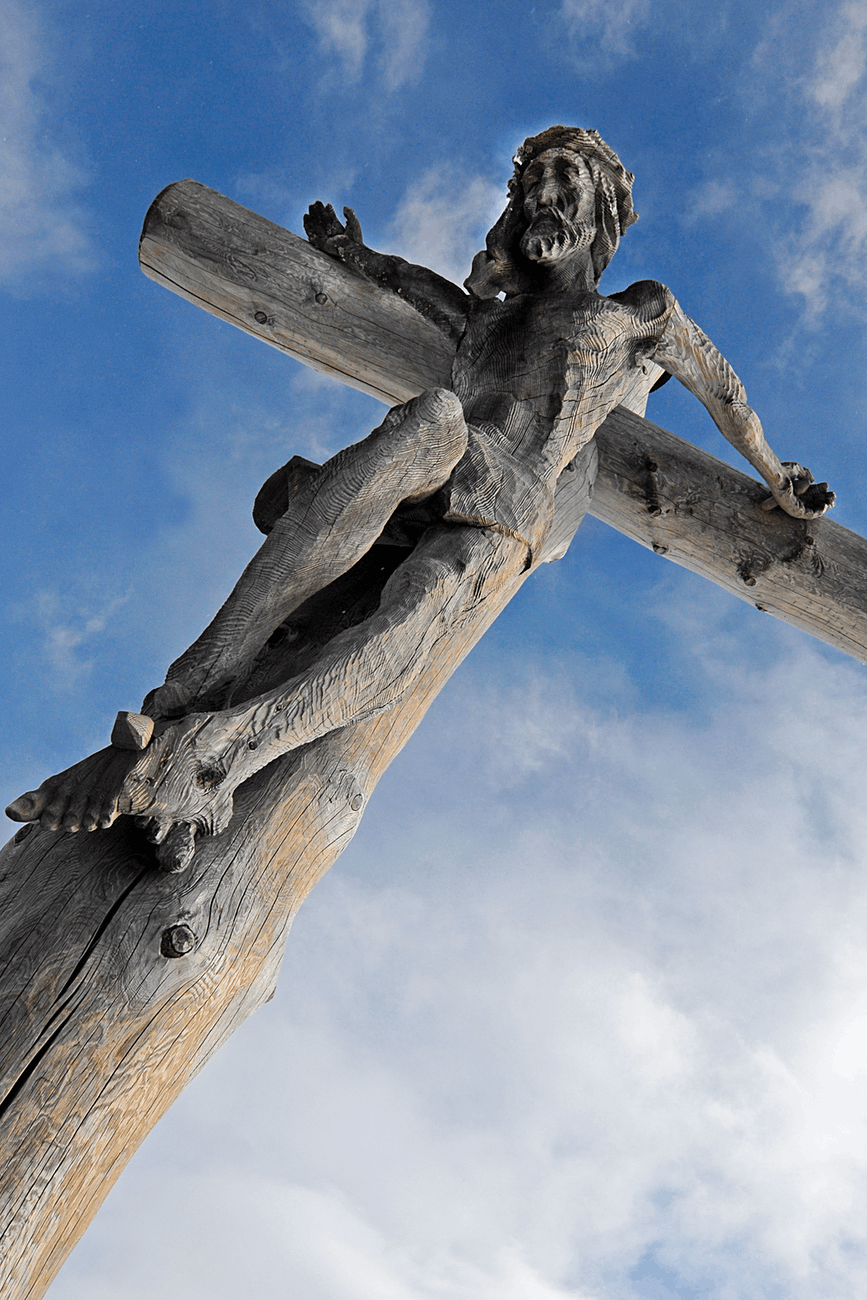
cross jesus summit cross

Jesus is close– closer than we think.  I want to spend today seeing him more clearly.

Who’s on First?

Baseball season is off to a great start! I love baseball, and I love word-play, so it’s probably no surprise that I really love the Abbot and Costello routine, “Who’s on First?” (watch here)

The idea behind the famous routine is that Abbot is trying to explain the positions on the baseball team, but the players’ names lead to all sorts of needless confusion.  You don’t really have to know a lot about baseball to be entertained by the comedy routine, but the more you do know, the funnier it gets.  Baseball depends on coordinated team effort– knowing who is playing where can make the difference between spectacular plays and disasters– both offensively and defensively.  But as much as I would love to talk about both baseball and comedy today, I really want to use baseball as a metaphor for prayer.

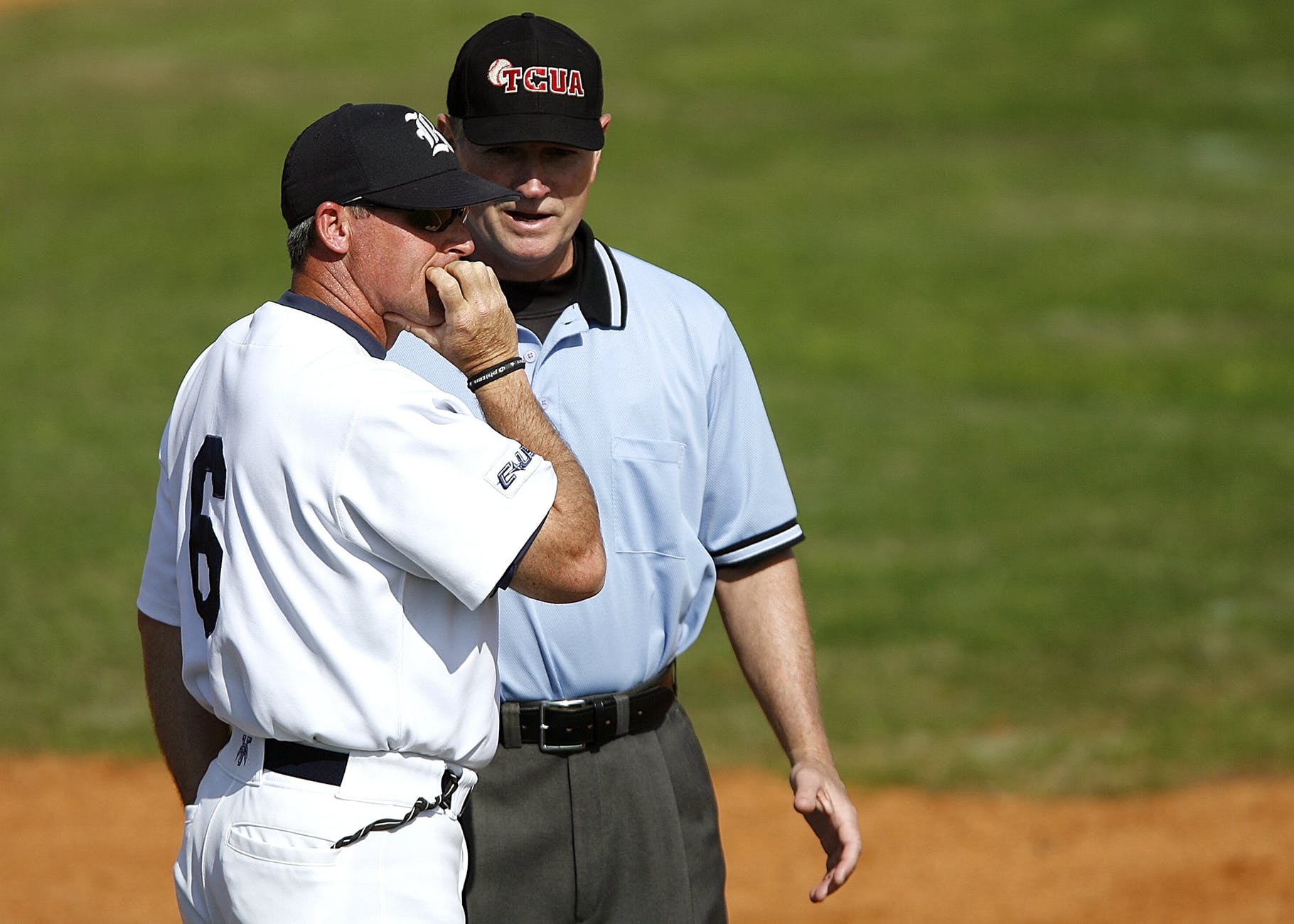
baseball-substitute-bench-hands-48151.jpeg


Prayer is very personal, especially confessional prayer, but often it is also communal and a coordinated team effort.  Every player (pray-er) wants to play our best, and we are gifted for certain positions on the “team.”  Some of us are great at pop-ups– catching people “in the moment” and praying with them, sharing their burdens and joys with concise sentence prayers.  Some are sluggers– prayer warriors who “knock it out of the park.”  Some are outfielders, patiently persistent in praying for the lost, and ready to chase down a line drive or jump up to make the save.  Some are basemen– praying to keep the enemy from gaining ground, or catchers, defending home base from all attempts to score.  Some are good at bunting–providing the necessary support and sacrifice so that someone else can advance.   And some are master pitchers–crafting prayers that strike out or even shut-out the enemy.  Our coach, our mascot, our general manager and MVP?  The Almighty, Triune God!   He knows our strengths, weaknesses, and how we can improve our performance and standing.  He also wants to help our team become closer and stronger.  After all, baseball is wonderful, but Christian living is even better– it has eternal consequences!

pexels-photo-260998.jpeg

When we ask, in relation to prayer, “Who’s on First,” we need to remember a few things:

  • Always listen to the coach!
  • Remember you are not alone.
  • PRAY to win!
  • Look out for and support your teammates.
  • Each inning is a new beginning– don’t live in the last inning.
  • Don’t let the current score determine your play.
  • Don’t let the other team’s players or their fans take you “off your game.”
  • (Spoiler alert)– We are the champions!

Let’s get suited up and ready to take the field for today’s game…after all, you or I may be on first!

Memorials

Today is Memorial Day.  For anyone who is unfamiliar with the American holiday, also known as Decoration Day, it is a day set aside primarily to honor soldiers who were killed in battle.  In recent years, it has come under some criticism from those who feel that it celebrates a culture of war, or that it places too much focus on the past– especially a past that has been idealized at the expense of progress.  Instead, it has become a time of recreation– backyard barbecues, beach parties, and bargain hunting at flea markets and yard sales.

But much of the real focus of Memorial Day has been lost.  Memorials should not be used to idolize or idealize the past; but they serve a purpose in reminding us of hard lessons and the need to keep learning from them.  Memorial Day is not about being thrilled or puffed up by our past– it is to be reminded of both the good and the bad, and the need to see the larger picture.  We have inherited both freedoms and frustrations; triumphs that came at the expense of others, and trials that will impact future generations.  It is right and good that we take time to reflect on such things.

pexels-photo-356842.jpeg

The Bible gives us several examples of memorials– signs and altars and ceremonies that are meant to call things to memory.  Some of the memorials involve battles, but many more involve both promises and prophecy.  We are to remember God’s faithfulness; His power to rescue, redeem, and restore.

Our greatest memorial as Christians, is not a soldier’s tomb– it is the Empty Tomb!  It is the reminder that our greatest battle has already been won, and the one who died to bring us the victory has conquered both Sin and Death.

For God so Loved the world, that He gave His only Begotten Son, that whosoever believeth in Him should not perish, but have everlasting Life.   (John 3:16  KJV)

Memorial Day is also a good time to remember others in prayer– pray for those who have lost loved ones in the service of our nation; but also those who sacrifice daily for their families, communities, and around the world.  Pray for wisdom and opportunity to serve others around us better.  Pray for healing and grace– for those who fight internal battles with unforgiveness, betrayal, guilt, vengeance, and more. And don’t forget praise– thank God for His redemptive plan; for the victory won; for the sufficiency of His grace.  Thank others around you for their services and sacrifices. Finally, as we honor the sacrifices of others, let’s look for ways we can serve one another better.

pexels-photo-267559.jpeg


Puzzling Prayers

Note: This is a re-post from seven years ago, but I thought it was worth revisiting…

Have you ever had one of those days where things just don’t seem to make sense?  It doesn’t have to be a “bad” day, necessarily–just a day when things don’t seem to “fit.”  I had one of those days yesterday.

I journal my prayer life– I have notebooks with names and places for each day of the year.  Yesterday, my notebook included the city where my daughter lives and the names of three people celebrating birthdays, among other needs.  One of the names was a complete mystery to me.  I couldn’t remember who this person was, or how I knew either her or her name…I was drawing a blank and didn’t know how I should pray for her.  Was she a former classmate? Was she a daughter or mother or sister of someone I knew better?  I ended up praying a very general prayer– for her health, her family, etc., but it bothered me.

newspaper-news-media-spectacles-53209.jpeg


Hours later, speaking with someone on the phone, another name came up, along with a prayer request– a man suffering with an illness who happened to have the same surname.  Coincidence?  Possibly, but the name stood out, and I prayed again– for both.  Now I was really curious.  I did some digging.  The first person WAS the sister of someone I knew, and their father is the one suffering from an illness.

God is amazing, and one way is how he gives us the opportunity for “a-ha!” moments like the one I had yesterday.  I have spoken to several Christians who are sometimes separated by several time zones from those they normally call on for help or advice.  In crisis moments, they have cried out to God.  Thousands of miles away, someone will be awakened from a sound sleep with a sudden urge to pray for their distant friend, or another will be stopped in their tracks and send up a random prayer as their mind wanders.  Often, this will be in the exact moment of the crisis, and God will intervene with a miraculous healing or rescue or provision.  Days later, the two parties will connect and be astonished at the timing.

What used to puzzle me about such prayers was this– if God already knows the need, and plans to act, why involve the second (or third) party?  Because stories like this, while impressive and inspiring for those who believe, rarely cause a skeptic to come to faith, and aren’t necessary for those who already believe.

I think God has many answers, and I know I don’t have all of them, but here are three things I believe God is doing through such puzzling circumstances and outcomes:

  • While it doesn’t turn a skeptic into a believer, it DOES give the skeptic something to explain away– one such instance might be ignored as coincidence, but five?  two hundred?  And we have a Biblical precedent in the book of Acts, chapter 12, when Peter is rescued from prison and shows up at the very house where believers are praying for his release!  Even they didn’t believe at first, and left Peter out in the cold!
  • It IS an inspiration and an encouragement as a follower of Christ to know that he not only hears our prayers, but he recruits others to think about us, bear our burdens, and share in our trials.
  • Last (on my short list; I’m sure God has many other wonderful answers I haven’t imagined yet), I believe that God’s purpose for us involves communion– eternally living, sharing, and loving together with Him and with each other.  It is one of the highest honors and greatest privileges to be involved in God’s work through prayer…it is something we all can do, anywhere, anytime, but it requires being humble and willing to stop what we’re doing, commit our moments and our hearts in prayer for others (sometimes without knowing why!), and trust God to do all that we cannot.

Prayer sometimes seems puzzling, but that’s because we don’t see all the answers– yet.  Someday, what a marvelous and miraculous picture will unfold– and we have the opportunity to fill in the gap; to be the answer to 34-down; to be the missing piece of the pine tree in the upper right corner– to answer the call and finish the puzzle!

pexels-photo.jpg

Ask, Seek, Knock

God knows our innermost thoughts, wishes, and needs.  So why do we pray?  We’re not telling God something he doesn’t already know.  He asks us to seek him, though he is omnipresent.  He tells us to knock, and the door will be opened, yet he also says he stands and the door and knocks.  Is this another Bible mystery?  An oxymoronic enigma?

I don’t think so– I think it is a case of God laying out some ground rules of relationships– his with us, us with him, and even us with each other.  God is spirit, but he ask us to build dwelling places where he can meet with us– temples, tabernacles, churches.  He wants to abide, to live in relationship and companionship.  Ultimately, he offers to dwell in each of us.  But he has created each of us as a unique being. And just like a unique building, we have walls and windows and doors.  When we reach our eternal dwelling place, this will still be so.  We will be changed, purified, sanctified, and glorified, but our souls will not be subsumed or merged into a single temple or a single “soul.”   Heaven is not like Nirvana.  God is eternally God and we are eternally his creation.  Living in communion is not the same as merging or evolving into something not ourselves.  We remain uniquely individual, and as such, we need to learn to take initiative to open our doors and windows– to interact, to serve, and to honor each other.

pexels-photo-813870.jpeg

Have you ever been blindsided by someone who expected you to read their mind?  You know they are hurt and angry, but you find out later (sometimes much later!) that they wanted you to comment on their new hairstyle, or they expected you to ask them out for coffee.  Maybe you know the pain of being on the other end– wishing someone would notice your weight loss or ask about your day.  God wants us to learn to reach out, to ask, seek, and knock, instead of isolating ourselves behind locked doors.  We are to be active, not passive, about noticing others, sharing with and including others, and serving others.  But we are to do it in love and humility– with grace and mercy and love, not with bullhorns, fists, or combat boots.

God is the Almighty one– yet he stands at the door and knocks.  He could barge through our stubbornness and rebellion, and drag us kicking and screaming to the altar.  He could tear down the walls of isolation and storm crush our pretentious justifications and excuses.  But he stands, waiting for us to open the door, and seek his face.  The one who spoke the universe into being waits for us to begin the conversation!

Coming Out of the Closet

For anyone who is reading this expecting a big announcement or a shocking confession– please don’t read too much into the title…this is a blog about a lifestyle of prayer, not about gender identity or sexual orientation.  I want to talk about the benefits of communal prayer as opposed to prayer that is deeply personal, and takes place in isolation.

There is a time and place for solitary meditation and prayer, and it should become our habit and practice to meet with God daily.  But we are told that we should also meet with and interact with others– and this includes sharing our prayer life.  For many years, I was one of the “lone rangers.”  I rarely met with others specifically to pray or even share prayer concerns.  I would get notices on FB or e-mail, or in the church’s weekly newsletter, but it wasn’t the same.  Just as God wants to hear our hearts and share communication and communion with us, he wants us to share closeness with others.

gracelady

Why isn’t it enough to just go into the closet (or other quiet space) to pray?  What are the benefits of praying with a small group?  Here are some:

  • We need social interaction– FACE-TO-FACE interaction.  God did not create us to live in isolation. We need to have eye contact, hear inflections and tones of voice from others, and to have others listen to ours.  We need to share more than just stories on a screen– we need to share laughter, tears, and common ground.  We make deeper friendships when we share concerns (not gossip), struggles, and triumphs (not bragging).  And we can share burdens, recipes!, helpful tips, jokes, and more
  • Meeting with others helps us keep our perspective–when we are alone, our problems become bigger; our joys fade, and our talents waste away.  Meeting together helps shrink our worry and pride, ignite our hope, and drive our confidence.  It also opens up our world to the experiences and concerns of others and teaches us about differences and commonalities
  • Our faith is strengthened to hear from others who are “in the same” place in their walk; it encourages us to hear from others who have been “through the fire”; it reminds us to be grateful, and gives us an opportunity to build someone up if we have been in their shoes; and it amazes us to hear again what a mighty God we serve, and how he has been faithful
  • Communal prayer creates a time to break us out of our routine– whether that routine is zooming or “glooming”– we need to mix things up and get out of our rut
  • God commands us to meet together, to live in unity, and to lift each other up

Can you think of other benefits?  Are you in the habit of praying with others?  If not, you may be wondering– how do I find others?  What are the ground rules (if any)?  Are there issues I should be aware of?

Once again, I can list a few that come to mind or that have arisen from experience:

To find others:

  • Join an existing group– a Bible study group that includes prayer time; a weekly or monthly prayer meeting group; a special interest group within a local church– Moms of Pre-schoolers, or a Dorcas group, or a volunteer group that includes prayer
  • Start up a group!  Meet weekly, twice a week, monthly– whenever, wherever, and whatever works for you and a few others.  If you don’t have a space in your home or don’t want to meet at a church, be creative– meet at a park or a local coffee house, or take turns hosting a prayer meeting with others in your group.  Don’t be discouraged if there are only two in your “group”; and don’t feel bad about keeping your group limited– you may find enough interested people to form two or three groups in your neighborhood!
  • Think outside the box– you may stumble on to a group during your commute to work each day; in your child’s play group; at the gym; at a neighborhood church you have never visited (it doesn’t mean you are being “unfaithful” to your church to reach out to fellow brothers or sisters throughout the week!)

Ground rules:

  • Groups should have some structure, leadership, and accountability
  • Participants (including leaders) should be careful not to confuse gossip for “concerns”, or use the group for a sounding board, on-going therapy, or a captive audience for their personal drama or their political or social agenda
  • Group leaders need to create boundaries, so participants feel free to share real burdens and concerns but take responsibility for others’ privacy and vulnerability
  • Groups should be open to visitors, new members, and seekers of all backgrounds
pexels-photo-754769.jpeg

Issues to watch for–Any group that is made up of humans can fall victim to unhealthy and unwholesome practices.  Just because a group meets with good intentions and calls itself a prayer group doesn’t mean that it is a “safe” place to meet.  Keep your eyes and ears open for the following:

  • Groups that make you feel uncomfortable for showing up, or for sharing (or not sharing every one of) your authentic concerns, your questions, or your feedback.  Sometimes, we can feel uncomfortable sharing about ourselves because we feel shame or guilt about our past or about our lack of knowledge or experience; sometimes we’re defensive or hypersensitive because we’re in a new situation.  But if you are being made to feel ashamed or isolated or patronized, especially if you are being labeled or discriminated against, get out.  LEAVE– shake the dust off of your shoes as you go  (One caveat here– there are groups that meet for specific issues (see below)…if the group is meeting to pray as parents of toddlers, and you aren’t a parent or grandparent or aunt or uncle of a toddler– not only will you feel uncomfortable, but so will the rest of the group.  You should still leave this group, but you can forego the shoe shaking…)
  • Groups that have one or two members who dominate and intimidate the other members.  Leaders need to provide boundaries and structure, but they should not squash authentic dialogue or force everyone to listen to someone else’s “true confessions” (especially if it’s a repeat of the last meeting!)  This is more a “comfort zone” issue than the first one– some groups just have a couple of “talkers” and a couple of “listeners”–the point here is that there needs to be a balance so that all members have a chance to contribute
  • .
    arrogant
  • Groups that get “taken over” or sidetracked by a single issue– unless that is what you signed up for.  If you are a group whose purpose is prayer, it’s not safe to assume that everyone in your group will also want to go on a protest march or volunteer an entire Saturday at the soup kitchen.  There’s nothing wrong with other activities, but it shouldn’t be a requirement of your prayer group (see above)
  • Groups that are only “token” prayer groups–they may “share” what’s going on in their families as “requests” but they don’t actually take time to pray about them in the group setting.  They talk and eat, and maybe even say “spiritual” things.  There’s nothing wrong with friends getting together, whether they pray or not, but if you’re going to call it a prayer group or a prayer meeting….
  • pexels-photo-618544.jpeg
  • That brings me to the group that uses “prayer” as a cover for gossip or grumbling.  Prayer should be constructive and God-centered.  If it isn’t either, it isn’t really prayer.  Even if it sounds positive and holy, if it is centered on how “blessed” you are, or what you know God needs to do in someone else’s life– it isn’t really prayer unless His name is magnified and ours is minimized.
  • Any group that does not honor God’s word, God’s sovereignty, or God’s goodness–Not every group that prays is praying to Almighty God, in the name of Jesus Christ, or for His will to be accomplished.  While prayer groups should be open to all people, and there are wonderful opportunities for ecumenical and all-faith prayer in the public forum, a weekly or monthly prayer group is probably not the best venue.  That being said, I recommend exposure to various Christian prayer styles and practices– formal and ritual prayer, spirit-filled worship prayer, gospel-infused crying out, simple “popcorn” utterances, and eloquent prayers that roll off righteous tongues in an engaging crescendo, punctuated with holy hushes.
pexels-photo-267559.jpeg

Be Still and Know…

Psalm 46
For the director of music. Of the Sons of Korah. According to alamoth. A song.
God is our refuge and strength,
    an ever-present help in trouble.
Therefore we will not fear, though the earth give way
    and the mountains fall into the heart of the sea,
though its waters roar and foam
    and the mountains quake with their surging.
There is a river whose streams make glad the city of God,
    the holy place where the Most High dwells.
God is within her, she will not fall;
    God will help her at break of day.
Nations are in uproar, kingdoms fall;
    he lifts his voice, the earth melts.
The Lord Almighty is with us;
    the God of Jacob is our fortress.
Come and see what the Lord has done,
    the desolations he has brought on the earth.
He makes wars cease
    to the ends of the earth.
He breaks the bow and shatters the spear;
    he burns the shields with fire.
10 He says, “Be still, and know that I am God;
    I will be exalted among the nations,
    I will be exalted in the earth.”
11 The Lord Almighty is with us;
    the God of Jacob is our fortress.

When I am tempted to fret or worry, I like to read through Psalm 46. I love the way the psalmists use hyperbole to shrink fear and maximize faith– God is an “ever-present help”, we will not fear, “though the earth give way, and the mountains fall into the heart of the sea”, “He lifts his voice, the earth melts!” And I love that the phrase is repeated– “The Lord Almighty is with us; the God of Jacob is our fortress.”

There is so much to unpack in just 11 verses of psalm! But I want to stick to two that always stand out to me.

First, the phrase, “the God of Jacob.” God is the God of Abraham, Isaac, and Jacob. He is the God of Moses, the God of Israel, the God of David…His titles are many. But in this case, He is the God of Jacob. NOT the God of Israel– even though God changed His name. No, He is the God of Jacob– the “heel grabber,” the son who stole his brother’s blessing and tricked his brother out of his birthright– the same Jacob who fled his homeland and worked for twenty years for his duplicitous uncle Laban. This is not the God of the victorious, but the God of those who have had to learn the hard way. He is the God of the one who has acted unjustly, and the God of one who has been treated unjustly. He is the God of the one who wrestles and demands a blessing, the God of the second son, the disappointed husband, and the grieving father. THAT is the God who is with US when we are in trouble and feeling overwhelmed by our own past mistakes, or our own inadequacies, or our unfair circumstances.

Secondly, the phrase “be still and know that I am God.” This same God who wrestled with Jacob, who blessed him in dramatic fashion, was the God who was with him through all the long and lonely night watches as a shepherd. Jacob, with his two wives, their two servants, and all thirteen or more of his children (12 sons and at least one daughter, Dinah)–spent a lot of his time surrounded by noises, nagging, responsibilities, and discord. Yet he took time to ‘be still.” And, though it took many years, and often came “the hard way,” Jacob did learn to “know” his God. He learned to trust that God would protect him, guide him, and bless him– and the generations that would follow him!

I am so grateful for this Psalm to remind me of God’s everlasting presence, His power to save and protect, and His sufficiency for every circumstance in my life. I’m so glad that the “God of Jacob” is the same God who sees me, loves me, and rescues me. I’m humbled to know that I don’t have to be clever enough or brave enough, or “righteous” enough to earn God’s help. I’m glad that the Lord Almighty is always with me. (see Hebrews 13:5) However, I still struggle to “be still and know…” I want to know by doing; by studying and making things happen. But to know God– to really know Him– I have to be still, to wait in silence and anticipation, to trust in what I cannot see and cannot do in my own power. I have to know Him as the Almighty, Omnipotent, Sovereign God that He is, rather than a God of my own imagination or the God I hear about or read about from someone else.

What a mighty God! The God of Jacob is MY fortress! And in stillness, meditation, and trust, I can KNOW Him!

Who Do You Say That I Am?

During Jesus’ ministry on earth, there were many discussions about who he was, who he said he was, and who others said he was.  The Bible is full of the names of God, of Jesus, and of the Holy Spirit– there are descriptive names, prophetic names, genealogical references, allegorical names, sacred names…but one of the pivotal questions Jesus asked of his followers was this: “Who do YOU say that I am”? (Luke 9:18-27; Matt. 16: 13-18)

We can ask ourselves why Jesus might pose this question to the disciples– was it some Socratic technique, or a trick question?  The disciples had heard several theories, descriptions, and names tossed about.  Was Jesus trying to determine how effectively he had presented himself to the Jewish people– and to his closest followers?   I don’t think so.  If that were his motivation, he could have asked, “Who to you THINK I am?”, or “Who WOULD you say that I am?”  Instead, he asked “Who DO YOU SAY  that I am?”

This is still a very relevant question today, and not just as a matter of recognizing him as Messiah.  Even when Peter gave an answer, Jesus did not say, “Good job, Peter.  You nailed it in one!  That’s the right answer, and your prize is that you will become “The Rock” on which I build my church.”  That’s how some people might read it, but that’s not the true story– Peter gave a correct answer, an inspired answer, but it was not a definitive answer.  Peter recognized who Jesus was supposed to be, but he had not experienced, and did not know, the fullness of who Jesus was.  Peter would later go on to deny this same Jesus, and say that he did not even know him at all!  Only after Jesus’ resurrection and ascension did Peter fully recognize and live out the answer he gave earlier.  His last years were spent demonstrating  in words and deeds that he had truly encountered “the Christ, the Son of the Living God!”

How does this relate to a pursuit of prayer in our own time?  What we say about Jesus involves more than just a pat answer.  To say, “He is the Christ, the Son of the Living God” is a correct answer, but what does that really mean to us?  What does it mean as we live as a witness before others?  Is he Christ and Savior, and Messiah to me? When I say he is the “Son of God,” is that just another of his many names to me, or do I understand all the richness of that title?  When I review the many names of God, do they resonate with personal meaning?  Do I pray to the “God who Sees,” to the “God who Provides,” the “God of my Salvation,” the “Almighty”, and the “God who Hears?”  Or am I praying to a “God I studied and know a lot about,”  a “God I heard about at Church,” or a “God I hope will hear me?”  If I pray “in Jesus’ name,” is that just an affectation?  Is it just a formality, or does that name, that person, inhabit my prayers and my life?  Am I praying in the name of the “Lion of Judah,” “Emmanuel”, “the Risen Lamb,” or just “a great teacher who talked a lot about love?”

pexels-photo-217114.jpeg

These are not questions meant to trigger doubt about my salvation, but questions designed to challenge my commitment and my faithfulness.  I bear the name of Christ–what I think I say about him; what I think I believe about him; what I think others see of him in me– it matters.  It is of supreme importance.  I need to be sure that I’m not taking for granted that what I know about my savior is the same as Knowing Him, and that what I think I’m saying about him is clear, consistent, and true.

What do my prayers say about Jesus?  What do my actions say about him?  What does my life say about him?  Hopefully, like Peter, the end of my story will bring honor and bear truthful witness to the Great “I AM” of scripture, the God of MY salvation, and the God who has heard me, loved me, corrected me, redeemed me, sanctified me, and welcomed me home to be with Him eternally!

Transformative Prayer

This cute meme has been making the rounds on Facebook and Pinterest a couple of years ago.  It suggests that prayer turns meek kittens into mighty lions.  And it can.  Most times it should.  But how often do we experience this level of transformation when we pray?

I write this blog, partly in response to comments I’ve heard or read that belittle the effectiveness and the power of prayer.  I talk a good game when it comes to prayer–I pray daily, I keep a prayer journal, I consider myself a prayer veteran, even a prayer warrior.  I believe in the transformative power of prayer.  So why do I often feel like a kitten both before and after prayer?

I’m afraid that, too often, I really don’t want to be transformed when I pray.  I want to be heard; I want to be comforted; I want to be refreshed.  But I don’t really want transformation.  Transformation is not cute or comfortable–it hurts, it stretches.  Transformation requires risk and commitment in the face of uncertainty.  I want to be a kitten who thinks of herself as a lioness, but I want a cozy lap to rest on, and a bowl of gourmet cat food laid out for me.  Kittens may wrestle with yarn or mice; lionesses wrestle with crocodiles and wildebeests.  I want to lift up those in pain, those who struggle, those in need– but I want to do it from the comfort of my own quiet corner.

If my prayer life isn’t causing changes in every other aspect of my life, I need to be concerned.  Prayer that never calls me into battle; prayer that leaves me feeling comfortable while others suffer..that isn’t really prayer.  That is giving lip service without heart-service.

But I also need to be careful to be transformed by the renewing of my mind (See Romans 12: 1-3).  Prayer should be transforming my heart and mind, but in Christ’s likeness.  Christ, who is not only the Lion of Judah, but the Lamb of God.  There are times when I should charge out of the prayer room, energized and ready for battle.  But it must come from God’s spirit, and not my own pride or in conformity to the world’s pattern of fighting.  Transformation doesn’t come about just because I say any prayer– it comes about as I walk and talk with the Father, the Son, and the Holy Spirit.  I don’t have the power to transform myself, nor do I have the power to decide the nature and speed of my journey.

I think sometimes, I see it as all or nothing– either I am running full speed ahead and making great conquests (Lioness), or I am mewling  and helpless (Kitten).  But God sees the bigger picture.  Sometimes,  we should enter the prayer room as kittens and leave like lions; other times we should enter as lions and leave as lambs– recognizing that our own roaring will never win the battle, and also recognizing that sometimes, in quiet obedience and sacrifice, we are doing what is necessary in the larger plan.  What should never happen is that we go running into the prayer room eager and ready to serve, and come sauntering or swaggering out, puffed up with our own importance, but unmoved toward others.

So the challenge is to go into the prayer room, expecting to be transformed– by God, for God’s glory, into the people God wants us to be– expecting to be changed, stretched and challenged.

pexels-photo-415380.jpeg

Blog at WordPress.com.

Up ↑