
Over there, over there,
“Over There” by George M. Cohan, 1917
Send the word, send the word over there,
That the Yanks are coming, the Yanks are coming,
The drums rum-tumming everywhere.
So prepare, say a prayer,
Send the word, send the word to beware,
We’ll be over, we’re coming over,
And we won’t come back till it’s over over there.

In 1917, as war was raging in Europe, songwriter George M. Cohan wrote a song urging young men in America to take up arms and fight in a war that seemed remote and unconnected with American interests (at that time). Americans were reading about the atrocities and massive numbers of dead and dying in the fields and trenches of France, Germany, Belgium, and Russia (among other places), and they were moved to do something bold and dramatic. Little could they imagine the true horror that awaited them in the mud- and blood-covered lands across the sea. Driven by emotion, rage, and a certain optimism that came from being an emerging “world power,” the “Yanks” swept into Europe, and they fought and died to bring an end to “the war to end all wars.”
Of course, they didn’t abolish war– less than a generation later, Europe and Asia were engulfed in World War II. Wars have been almost constant– somewhere in the world– throughout history. Violence, vengeance, terror, torture, oppression and lawlessness well up and spill over all the time. Just over the past weekend, terrorists carried out vicious attacks on Israel, and Israel has responded with vicious retaliation.

The soldiers who went “over there” in WWI and WWII were no safer or braver or smarter than the many thousands who had already died. They arrived, and they were forced to march through mud, suffer through trench warfare, breathe in deadly mustard gas, and risk dying in order to bring peace–just like their European counterparts. Many of them died within days, never knowing the outcome of their sacrifice. And many of them were too young to remember first-hand stories of our own horrible Civil War and the devastation in our own land, or the full-scale destruction of the Napoleonic, Germanic, and Crimean wars of the nineteenth century.
I have seen memes and posts, sent from Americans, asking for prayers for Israel, prayers for Gaza, prayers for Palestine, and prayers for peace in the Middle East. We are moved and horrified by what we see and hear on TV or over the internet. Some of us are moved to pray; some are moved to seek governmental or even military intervention. And this is natural– we can only imagine what horrors have already taken place, and what others await as the violence continues to escalate.

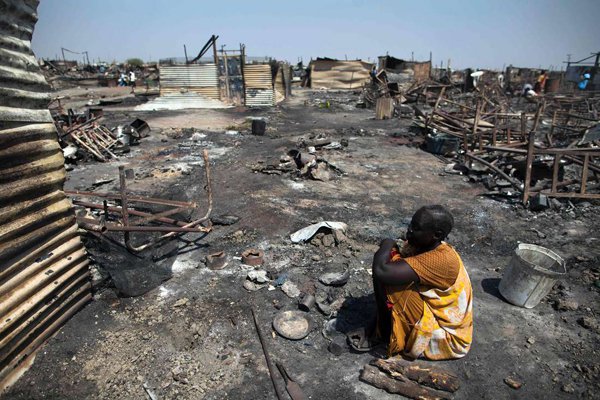
But, in another sense, it is all happening– “Over There.” We see footage of atrocities– families being ripped apart or slaughtered in front of cameras– many recorded precisely to amplify the terror of their actions. But we sit in comfort and safety. We imagine that such viciousness would not happen in our own neighborhood; would not affect our own families–not that it NEVER could; but that it would not– not here; only “over there.” The Middle East, or central Africa, or Eastern Europe.
Among American Christians, there is a dangerous mindset that such atrocities might not happen here because we are a “Christian” nation, or just because of our geographical distance from some of the current “hot spots.” But God has no sacred contract with the United States. There is nothing sacred about the North American continent that God will not allow terror to overwhelm us (We should know this from 9/11)! He does not “owe” us His sovereign protection; we do not “deserve” a pass on hard times, violent conflict, or upheaval. And we must resist the urge to “explain” away such horror. “Oh, they’ve always had conflict in the Middle East.” “Well, if ________(event) hadn’t happened, this wouldn’t have been necessary.” There were many here in America who tried to rationalize the wars of the 20th century by referring to colonialism and reparations– as though war and violence, genocide and massive destruction are rational acts.

We SHOULD be praying for the region of Israel and Gaza– as well as the conflicts going on elsewhere around the world. We should speak out against the horrors and atrocities of terrorism and war– wherever we find them. But we must do so with the humility and humanity that recognizes the following:
- God is still sovereign– these attacks and retaliations have not taken God by surprise. The chaos and bloodshed break His heart– but they do not change His plans, or alter His Holiness, or nullify His mercy. We can pray with hope and confidence in His timing and judgment, but we cannot pray in our own “righteous” opinions or knowledge. He is God– We are NOT.
- God sends rain and sunshine on both the “righteous” and the “wicked.” We can take sides in any conflict, but we cannot know God’s full plan or His purposes in letting conflict arise, or letting it continue. Our prayers should reflect that, even as we pray for peace.
- God’s message to us is the same as always– Trust Him and Obey His Word. Go, and preach the Gospel; make disciples, and BE disciples. Whether we are called to fight, to provide help and support, or even to wait in silence, we need to seek God’s wisdom, not our own.
- God Loves Israel with an everlasting covenant–that does not mean that God does not love other nations and peoples, but it should cause us to remember that His covenant is with the descendants of Abraham and Isaac– not because they are holier or more worthy of His love, but because God chose them to be an example of His Mercy and His Wrath.
- God is omnipresent– He is WITH all those who are suffering during this time. He is not willing that any should perish, not willing that any should succumb to hatred and destruction. Yet He is willing to allow for free will and giving people a chance to repent and turn from the path of violence and death. And, if such horrors rise up “over here,” God will still be the same God, the same all-knowing, all-seeing, all-powerful, and all-gracious God He is now, and always has been.


 Pursuing Prayer