Today, I prayed. I thanked God for Who He Is, and I lifted up those who are sick or needy. I thanked Him for my family and friends, for the freedom to worship without fear, for His faithfulness in providing food and shelter and comforts. I asked Him for wisdom to guide me through the new week; that I would say and do things to bring Him honor and glory.
It was a nice prayer. A safe prayer.
I didn’t cry out my unworthiness, nor did I boldly rejoice in His Holiness, laid over me by His son’s blood. I didn’t plead with Him on behalf of the lost and suffering. I didn’t rage at the continued injustice and evil I see around me. I didn’t spend precious hours listening as He whispered assurances to my soul. I didn’t worship in the splendor of His Lovingkindness.
I got up from prayer, feeling mildly better– I had done my duty. I had spoken with God…or spoken AT Him…I left feeling unchanged.
I sat down to write this blog on prayer. God forgive me for thinking I have more to say to an unseen readership than to You, my Creator!
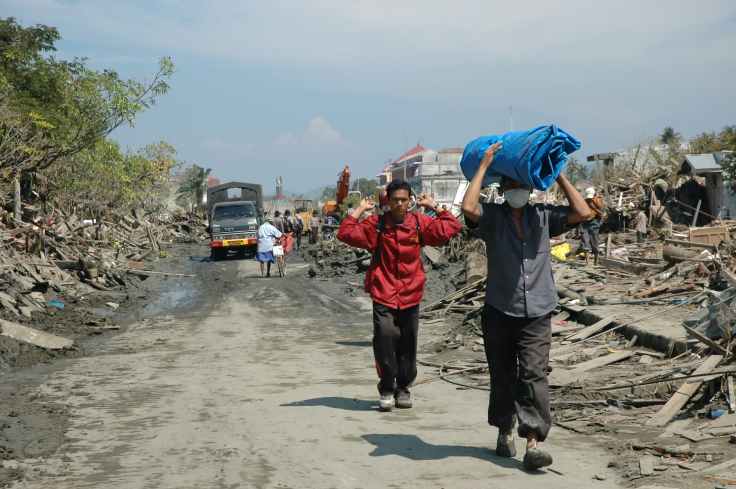
Often, when there is a disaster– especially one that seems preventable and senseless, like a mass shooting or a horrible crash–thousands of people reach out with “thoughts and prayers” for the victims and their families. And, predictably, others will angrily comment that thoughts and prayers are “not enough.” What good are thoughts and prayers in the face of senseless violence or preventable dangers? Shouldn’t we be driven to action? Shouldn’t we focus our efforts on justice or working to guarantee that such disasters can never happen again?
Such anger is natural, and such sentiments may seem more virtuous than offering nebulous emotional support. What, after all, can thoughts and prayers really DO in the face of evil, injustice, pain, and grief?
Well, I can’t speak for “thoughts”, but I have studied prayer for most of my life. I would offer the following words about the effects of prayer:
First, prayer reminds me that I am NOT in control of my circumstances– only my reaction to them. I cannot control what happens, what HAS happened, or what WILL happen. And my anger will not change what has already happened, nor will it prevent future disasters from happening. And while I may not be able to prove to others that prayer CAN prevent future disasters or heal present grief, I have known it to do both in my life and in the lives of others.
Second, prayer reminds me that there is Someone Bigger than me– Someone Bigger than my circumstances– who has the wisdom and the power to do what even thousands of well-meaning people cannot. Thousands of people coming together can make a difference over time, but God can do miraculously more than we can imagine!
Third, praying for others is something I CAN DO— anywhere, anytime– across distances, cultures, time zones, and circumstances. Prayer doesn’t cost anything. It doesn’t require that I have specialized skills or access to physical resources. It may not seem very active, like ranting or screaming, marching or protesting, but it isn’t the same as inaction or apathy.
Lastly, praying for others is a first step in helping others. My prayer alone may not seem like “enough”, but prayers have a way of multiplying, and inspiring, and intensifying in positive and impactful ways.
But more than just talking about the effectiveness of prayer, I’d like to pose a couple of questions for those who dismiss prayer as “not enough.”
What are you offering (instead of prayers)? Will your thoughts, plans, and actions have immediate or eternal results? Do you have the solution to all the world’s problems? Will you be able to control what happens in the future, or make sense of what has happened in the past? Will your solutions be perfect– no unintended consequences or necessary casualties?
If you are so angry about others praying, why waste your energy complaining about it? Go ahead with your own solution/reaction/plan.
Is your solution “enough?” Is your anger “enough?” Are your good intentions “enough?” Ultimately, you must wrestle with the existence of evil and injustice in this world. Senseless things happen. Good people suffer, and guilty people enjoy “success.” And nothing we offer is ever “enough” to change the world around us.
Our efforts and actions will never be “enough.” But prayer taps into the reality that God IS ENOUGH. His Grace is sufficient; His Love endures forever; His wisdom is higher than ours, and His power is boundless. He doesn’t always remove us from the chaos and suffering of this world, but He redeems us, and He enters into the circumstances of our own suffering and grief. He gives us courage, strength, hope, and a sense of purpose that goes beyond what we can find in ourselves.
When I was a late teen, and into my early twenties, I loved English pop music, including the duo, Wham! Their music was bubbly, upbeat (mostly), and easy to sing along to. I listened along, sang along, watched their videos, and danced along. When the duo broke up, I was eager to follow the rise of singer/songwriter George Michael, whose first two solo albums I bought and listened to, as well. But the tone of his solo music was different. There were danceable, singable tunes, but they were darker and more cynical. And many of the songs were less about enjoying life and more about social commentary, confusion, and even despair. The songs were well-crafted, but they were haunting, rather than enjoyable or uplifting. They spoke of sadness, depression, and world-weariness.
One of the songs that has haunted me for years was from his second album, “Listen Without Prejudice.” In it, he talks about greed, poverty, apathy, and a loss of innocence. It’s called “Praying for Time,” but the tone of the song suggests that time has all but run out.
And yet…
One of the ideas that still shines through the words of the song is that prayer–specifically praying for time–may be the only hope that we can still cling to. And in a time of darkness and hopelessness, prayer can reach beyond “wounded skies” to a God whose Grace extends even to His children who have “slipped out the back door.”
There is something about the idea of time as a gift from God that stays in the soul, long after most hope is gone. I think it is why we are so driven by the concept of time and time “running out” as we hustle through our busy lives. I think it is why we spend time avoiding “down time” and “alone time” and the quiet time we should take to reflect, meditate, and yes, even time to pray. And I think, too, that it is why we recognize that wasted time is a sin– that there is a purpose in our time on Earth that transcends having “fun” or living for our own selfish aims. George Michael often used “spiritual” words and phrases for his songs– often with a cynical twist, pointing out some of the hypocrisy he saw around him (and occasionally, within himself).
These are the days of the open hand They will not be the last Look around now These are the days of the beggars and the choosers
This is the year of the hungry man Whose place is in the past Hand in hand with ignorance And legitimate excuses
The rich declare themselves poor And most of us are not sure If we have too much But we’ll take our chances ‘Cause God’s stopped keeping score
I guess somewhere along the way He must have let us all out to play Turned his back and all God’s children Crept out the back door
And it’s hard to love, there’s so much to hate Hanging on to hope When there is no hope to speak of And the wounded skies above say it’s much, much too late Well, maybe we should all be praying for time
These are the days of the empty hand Oh, you hold on to what you can And charity is a coat you wear twice a year
This is the year of the guilty man Your television takes a stand And you find that what was over there is over here
So you scream from behind your door Say, “What’s mine is mine and not yours” I may have too much but I’ll take my chances ‘Cause God’s stopped keeping score
And you cling to the things they sold you Did you cover your eyes when they told you That he can’t come back ‘Cause he has no children to come back for
It’s hard to love, there’s so much to hate Hanging on to hope when there is no hope to speak of And the wounded skies above say it’s much too late So maybe we should all be praying for time
“Praying for Time” George Michael, Listen Without Prejudice, 1990 (lyrics taken from Lyrics.com)
In an interview, George Michael analyzes his own lyrics:
While he mentions “He” and “God,” it is clearly humanity he blames for the apathy and selfishness, greed and scandal, the “empty hand” and “wounded skies” mentioned in the song. And his repetition of “all God’s Children” and its counterpart, “no children to come back for,” is aimed at US– people who “slipped out the back door,” moving away from God and embracing our own wickedness. WE have entered this time of hopelessness and despair. WE have crafted it in our own ignorance, and then in our own pride and stubbornness. But we can still pray for time– time to repent, time to return, time to reach out to others with compassion and hope. What the song just barely misses is that prayer can open so much more than just time. Prayer can bring renewal, justice, redemption, and eternal hope! God hasn’t stopped “keeping score,” by any means. But He is holding back the wrath and judgment we all deserve, giving us time to seek Him! Most of all, we can pray, not with desperation, but with confidence– even in times of confusion and distress, because we have an Advocate, Jesus Christ, who hears all our prayers– desperate, confused, ashamed, angry, hopeful, offered with no more than a mustard seed’s faith.
George Michael, like all of us, lived in a fallen world. He was looking at the world, and seeing injustice, greed, apathy, corruption, violence, and the ravages of Sin. His own life was plagued with sorrow, tragedy, pain, injustice, drug addiction, betrayal, and the effects of Sin– both his own and others’. I don’t know if he ever found peace and hope in this life. I hope so. His gifted life ended early and tragically. But his song lives on with a warning, and a hint of promise, too.
We SHOULD all be praying for time– time to change. Time to repent, and seek God’s wisdom. Time to reach out to a darkened world with more than despair and dark analysis. To reach out with the Hope of Christ, who brings Redemption, Justice, and MERCY! We should be praying for time to meditate on the Goodness of God, as well as time to see the needs of others. We should be praying for wisdom to share our resources, and to multiply the good we can do– things that only God’s power can really accomplish. We should be praying for connection– restored relationships, and renewed fellowship with the Father. We should be praying for time to pray! Not just a desperate kind of prayer that this song suggests, but a lifelong pursuit of prayer that connects us to the Source of Hope, Joy, Peace, Power, and Love.
This year, while I don’t often listen to George Michael’s music anymore, I will be “praying for time.” And I will be investing more time in prayer! I hope you will join me in the time God has gifted us with this year!
For more analysis of the song and its relation to prayer see the following:
We’re getting some rain outside as I write this. Not pouring rain; nor torrential rain; just a steady drizzle. But it looks as though we will get rain for another two days at least. Without stop. Cloudy, wet, chilly, dreary weather.
The news has been dreary, too. War, political upheaval, economic disaster looming, and general unrest. And it isn’t just localized. There is trouble everywhere, and, seemingly, all the time. And yet…events march along as though things are normal– as though the future will be bright tomorrow. There are festivals being planned (some with rain dates, others may be cancelled or lightly attended if the rain continues or worsens); people seem to be in the same hurrying, scurrying rhythm as yesterday. Some complain, or seem a bit oppressed, but most don’t even comment on the catastrophic events unfolding around us. They buy and sell, eat and drink, and rush to and fro like always.
There seems to be a universal weariness– people are tired of bad news, anger, protests, and arguing, but no one seems to want to DO anything positive, unless it is to live in denial of what is actually happening. “Oh, they are just exaggerating.” “That might happen elsewhere, but it will never happen HERE!” “Things will work out– we just need to wait it out.”
It reminds me of the warning of Jesus in Matthew 24:
For as in those days before the flood they were eating and drinking, marrying and giving in marriage, until the day when Noah entered the ark, 39 and they were unaware until the flood came and swept them all away, so will be the coming of the Son of Man.
Matthew 24:38-39 ESV
While I can listen to or watch bad news unfolding, it hasn’t impacted me directly. I don’t have to worry about bombs coming into my neighborhood (at least, I’m not expecting any today); I haven’t lost my home or a loved one in the past week. I watch the clouds and rain from the safety of a warm, dry apartment. It is easy to become apathetic. And, if I think about any of it, it is easy enough to say a quick prayer for “others” “over there.”
But I’m not building an ark. Jesus’s warning was not to “toss off a quick prayer” as we see signs of danger and await His return. Prayer is important, but it isn’t something to be done lightly. Living for Christ is more than wearing the name “Christ Follower” and a t-shirt or cross necklace. When was the last time I spent an hour in earnest prayer? When was the last time I fasted? When was the last time I felt compelled to act for the cause of Christ?
I’m not surprised that most people walk around angry, or apathetic about the state of the world. But as Christians, we should be working to make a visible difference. And that means our prayers must also be different than the comfortable “good wish” prayers that many of us (and I must include myself) often practice.
In the days of Noah, people were going about their daily lives without any clue of the horrors to come. And yet, there were signs, even then. There was evil everywhere– corruption, fighting, cheating, lies, danger, disease, famine, and oppression. But only Noah was building an Ark. He wasn’t caught up in watching CNN or trolling the internet, but he also wasn’t leading an “ordinary” life. His life stood out, because he listened to God. He was focused on what really mattered– saving those who would enter the Ark and survive the judgment to come. The Ark had room for more people– but they refused the invitation. Maybe they had a dentist appointment scheduled for that day; maybe they didn’t want to miss their “girls day out.” Perhaps they were planning a fishing trip or they were buying a house.
But he said to him, “A man once gave a great banquet and invited many. 17 And at the time for the banquet he sent his servant to say to those who had been invited, ‘Come, for everything is now ready.’ 18 But they all alike began to make excuses. The first said to him, ‘I have bought a field, and I must go out and see it. Please have me excused.’ 19 And another said, ‘I have bought five yoke of oxen, and I go to examine them. Please have me excused.’ 20 And another said, ‘I have married a wife, and therefore I cannot come.’ 21 So the servant came and reported these things to his master. Then the master of the house became angry and said to his servant, ‘Go out quickly to the streets and lanes of the city, and bring in the poor and crippled and blind and lame.’ 22 And the servant said, ‘Sir, what you commanded has been done, and still there is room.’ 23 And the master said to the servant, ‘Go out to the highways and hedges and compel people to come in, that my house may be filled. 24 For I tell you, none of those men who were invited shall taste my banquet.’”
Luke 14:16-35 ESV
Again, Jesus warns that we are to be prepared to drop the “business” of daily living; to be prepared for the Return of Christ. There is a cost involved in being a “Christian” or a “Christ Follower.” We are not to be like those who are walking around with our heads in the clouds, or worse, with our heads filled with apathy or gloom. We are to be salt and light in this dark world. We should be praying for boldness and wisdom to seek out opportunities to serve, to encourage, and to share the Gospel.
“Lord, take over my days and my prayers, that I would not settle for comfort, but seek you with a fervent heart, and seek not to just observe, but to serve!”
What happens when your prayers don’t seem to make any difference? People around you complain that you are passive, even apathetic about critical needs. “People are dying!” “People are suffering, and you want to stop and pray?!”
YES! Buy why do I continue to advocate for prayer in the face of overwhelming injustice and evil? Shouldn’t I be talking about action? Shouldn’t I be posting plans to end injustice or poverty or war? Shouldn’t I be willing to say that sometimes, prayer just isn’t enough?
Well, firstly, I believe that Prayer is far more powerful than most people know. Prayer IS enough, because GOD IS ENOUGH! I can’t stop gun violence, or human trafficking, or an epidemic. I can’t– not with all the resources in the world; not with all the action I can muster; not with any effort or plan or army of willing human helpers. And neither can anyone else. I can march in protest, I can write and call and badger legislators to change laws or enforce the laws we already have. Such actions might make me feel better– they might even have some immediate effect. But they won’t “fix” the continuing and underlying problem of Sin. Only God can do that, and He WILL do it. He may choose to work through human agency to right some wrongs or change the immediate future, but our world is broken, and God’s ultimate plan is bigger than just a convenient patch for Sin’s consequences.
However, I will concede that sometimes prayer, by itself, is not nearly “enough.” Prayer must be paired with Faith. I know many people who say that prayer “doesn’t work,” not because they didn’t pray, or weren’t sincere in their desire or their wish for God to act on their behalf, but because they believe in their desire– their wish or their plan– more than they believe in God’s goodness or His ability to bring good out of whatever struggle we are facing.
This is not a simple concept– that God is eternally good even in the midst of evil and horror– it can be painful beyond words. God may choose to allow the sin of drunk driving to take the life of an innocent person in our family, or leave us permanently paralyzed. Or He may allow war to strip us of all that we own– our home and our freedom. How can we possibly view such circumstances as “good?” Why does God allow for violence and injustice? Why does He allow it to continue– seemingly unabated and unchecked? How can God call Himself “Good” while letting evil touch our lives and the lives of millions innocent people? Praying — and continuing to pray– in such circumstances seems like a mockery of our pain and grief. It seems like God is deaf to our cries– indifferent, or even watching smugly from a distance. Why pray to such a God?
But IS this what God is really like? And why do we believe the worst about Him, rather than trust that His wisdom and Love are actually greater than what we can comprehend or experience in the present? Why do we blame God for the evil we see in others? Why do we ignore our own actions or inaction that often contribute to our situation? Why do we believe that God “owes” us a life without sorrow and pain– even as we see others suffering the consequences of sin– sometimes because of our failures? Why do we insist that God always act in accordance with OUR desires, when we often will not act in accordance with His? Why do we “test” God with prayers in our times of trouble, when we will not trouble Him with our prayers in times of peace and plenty? If anyone should have led a life without sorrow or pain, it should have been Jesus. Jesus prayed all the time– He even taught others how to pray (Matthew 6:9-15). He was completely obedient to His Father. Yet God’s own Son faced heartbreak, betrayal, and a painful, unjust death on the Cross. He wept over the death of a close friend– a death He Himself could have prevented (and later reversed)! (John 11) He was in such deep distress in the Garden of Gethsemane that He sweat blood! (Luke 22:44) God’s plan is not for us to live a life free of trouble, but a life of victory OVER despair and doubt!
Seeking “more” than prayer is often seeking “more” than God–as if we can do better on our own. As though we can out-love, out-give, out-do, and over-power the God of creation;the God of the Cross, and the God of the Resurrection and the Life. Deriding prayer is deriding the God to whom we pray– we minimize His power and His compassion while inflating our own. If God doesn’t exist, one might argue that it doesn’t matter– but then, why waste time deriding what doesn’t exist?! Prayer matters because God DOES exist, and because God matters Trusting God means being willing to wait and accept His will; even if we don’t get the answer we want. God’s ways are not our ways, but that doesn’t mean they are inferior or ineffective. God will not “undo” our circumstances, but He will help us through our circumstances. He won’t take away our grief. But He will shape it into something with purpose– if we let Him.
Finally, there are times when prayer must be paired with action. It IS enough to pray for God to act. But when God prompts US to act, and we do not, our prayers are empty words. Faith may lead us to wait, but it won’t lead us to sit idly by when we have the opportunity to help. Faith may lead me to keep taking the next step– even when I can’t see the way forward. Faith may lead me to let go of a dream I thought would be “enough.” It may lead me into the valley of the shadow of death– in my own life, or on behalf of someone else. I can’t take away someone’s grief at the loss of a child– but I can share in it. I can listen and offer friendship, rather than a quick platitude and a few empty words. I can continue to be there when others fade away. I can’t undo the horrors of war– but I can help care for refugees, and I can work to build peace in my neighborhood, even as I pray. I can take the next step in making someone else’s burden just a little lighter, and making the world a little brighter wherever God gives me the chance. And prayer is one way I can focus on the source of strength, wisdom, and compassion to allow me to do my part better.
The next time you hear someone saying that prayer is “not enough,” remember that no human effort will ever be “enough” to do what only God can do! But prayer taps into the power and grace that is “sufficient” for all our greatest needs.
5-9 So don’t lose a minute in building on what you’ve been given, complementing your basic faith with good character, spiritualunderstanding, alert discipline, passionate patience, reverent wonder, warm friendliness, and generous love, each dimension fitting into and developing the others. With these qualities active and growing in your lives, no grass will grow under your feet, no day will pass without its reward as you mature in your experience of our Master Jesus. Without these qualities you can’t see what’s right before you, oblivious that your old sinful life has been wiped off the books.
I’ve seen lots of posts recently about the “-ber” months–September, October, November, December–and the excitement for some as this season comes ’round. September in Michigan is filled with ripening fruits and changing colors. October brings pumpkins, apple cider, and frosty mornings. November is often spent thinking of and planning for Thanksgiving– bountiful feasts and time with family. And December brings the Christmas season– snow, caroling, giving and receiving gifts, and families gathered around trees and fireplaces, sharing old memories and making new ones.
Part of this season of summer morphing into autumn and “falling” into winter is anticipation. The first apple harvest; the first frost; the first snowfall; those eager moments of wondering what will be under the Christmas Tree…we know they will come, but when, and how?
My birthday is at the end of November, and as a child, I always loved Thanksgiving. It meant that family would gather, and at some point, they would sing “Happy Birthday” and there would be a cake among all the wonderful Thanksgiving desserts with my name on it! Four weeks later, Christmas would come, and the same excitement filled the house. It was difficult to be patient, but I learned that everything special was worth waiting for. In fact, sometimes, the anticipation is part of what makes such times more wonderful. There is no fun in rushing through precious moments or “ruining” the surprise of what is to come; nor is there any virtue in losing passion for what is possible, just because we can’t see the outcome, yet.
The Apostle Peter gave early Christians a list of attributes and spiritual traits that they should be developing in increasing measure. One of these attributes is “passionate patience.” In other translations, it is also called “perseverance,” “endurance,” “patience,” and “strength to keep going.” I like this wording, “passionate patience,” because it reminds us that patience isn’t just passive and meek. Especially as we work on building our spiritual understanding and alert discipline, patience becomes a powerful trait– one that distinguishes Christians from those around them. Some people are marked by impatience, anger, and dissatisfaction. Others are marked with complacency and resignation. Christians are asked to be passionately patient! Our faith and hope should radiate, even as we endure trials and anticipate God’s movement in the world around us.
Jesus modeled “passionate patience” in His ministry on earth. Peter was witness to Jesus’ endurance in the face of rejection, unbelief, misunderstanding, and injustice– both to those around Him, and personal injustices. Jesus remained faithful, passionate for the truth, and compassionate toward others. He did not give in to despair, or waste His energy in anger or revenge. He did not make excuses for inaction, but He did not “burn out” in useless activities, either. He confidently did what the Father told Him to do– no more and no less.
How do I reflect “passionate patience?” When I look around me and see injustice, do I explode in anger? Do I shrug my shoulders in resignation? Do I lose faith and passion? Or do I remain positive and faithful in doing what I know to be right and speaking up for the truth? Do I spread compassion or consternation? Antipathy, anger, or aspiration? When my life circumstances are filled with pain or hardship, do I endure? Do I persevere? Do I thrive? Or do I complain? Do I remain passionately hopeful, or give in to anxiety or despair? Do I wait for God’s strength and wisdom, or do I try to “fix” things in my own power? Do I accept help and guidance when I need it, or resent others’ efforts? Do I spread hope and healing? Or do I spread doubt and gloom? Do I grow bitter or better? I’d love to say that I respond with the kind of endurance, patience, and fortitude that Peter spoke of. And sometimes, with God’s help, I have. But I have much to learn, and room to grow!
I went on a “weight-loss” plan because my doctor said I should. Even so, I didn’t give up meat or chocolate, Or sweets, or even television, like some others did.
I didn’t give up shopping. I didn’t give up social media. I didn’t give up…anything for this short season.
But today I acknowledge that Lent isn’t really about What I have or haven’t given up. It’s about what YOU gave up. You gave it all: Your Glory; Your Power; Your Majesty. You became a simple man. A servant of men. A man without a home; Without prestige; Without a title.
You were betrayed; Falsely accused, Corruptly tried, Shamefully condemned, Brutally beaten, Crucified. So that I might gain eternal life.
You do not judge me for what I haven’t given up for a season. You do not withhold your love and forgiveness; Waiting for me to learn the disciplines of Lent. You ask for more than that– and less. You ask me to follow you–to leave it all behind. You ask me to give up my life– only to find it again in You.
Let me reflect today on what more I need to give up: My pride. My apathy. My selfishness with time and money. My need to have my own way; My own comforts.
May I be free to serve you; To serve others. May I be ready to give up whatever is Keeping me in thrall; Keeping me enslaved; Keeping me from serving you with abandon.
Show me how to let go Of all but You– That You may be my All.
Photo by Paulo Mu00e1rcio Dos Santos on Pexels.com
It is important to spend time alone with God, but it is also necessary that we spend time with others. This may not always be possible in a physical sense. This past year of pandemic and lockdowns has kept many of us apart. Even church services, Bible study groups, and “fellowship” events have been limited or suspended. But we have other ways of being “together.” Phones, internet, and letters are just a few of the ways we can stay in touch. And prayer is another. This is nothing new, but I’ve been reminded recently that prayer is more than just a personal pursuit. It is also a corporate pursuit. We do not live alone, and we do not pray in a vacuum.
It can be tempting to feel isolated and even apathetic when we are forced by circumstances to spend more time alone. We often succumb to the lure of “escapism”– binge-watching, gaming, or other forms of mindless entertainment to pass the lonely hours. It is not “wrong” to relax or be entertained for a time, but we can lose sight of our purpose and “sleep-walk” through our days, losing opportunities to connect with others and be a blessing (and be blessed in return)!
The term, “esprit de corps” is used by tight-knit groups– military units, dance and theatre groups, etc.–to describe their unity, devotion, and camaraderie. It should be natural for us to apply this same phrase to Christ-followers. After all, we are the “corps”– the body– of Christ! To pray for and with one another should be a given, and a “core” feature of the Church. To stay in touch, to build up and encourage one another, to forgive, accept, and protect one another, to defend the honor of the Church and ALL its members– this should go without saying. But I’m saying it here, because I see so many examples of division, in-fighting, finger-pointing, shaming, and other nonsense. And I’m saying it because I see so many examples of people like me, who withdraw, stay silent, and allow ourselves to become weary and jaded, instead of reaching out and pulling together. (Hebrews 10:23-25)
I pray everyday for people from around the world– but am I willing to pray for those down the street who hurt my feelings last week? Am I willing to risk reaching out to call or write to someone who may be discouraged, or having doubts and struggles? Do I pray with gusto; eager to lift others up and bring blessing to them, even in difficult times? Do I cheer on fellow believers, even if we disagree about politics or music? Do I champion the Church, even when some believers or even congregations bring momentary shame to the name of Christ?
“Esprit de corps” is not a phrase of apathy, or discouragement. It is not just an idealistic motto. It is not a phrase of grudging duty to a group or idea. It is bold, and forward-looking. It is united and strong. Just as the Body of Christ must be in the days ahead. For more info on corporate/group prayer, see https://www.compellingtruth.org/corporate-prayer.html
BTW– There are several terrific prayer groups online–Groups that pray for your requests; groups that share requests locally; groups that pray globally for healing or intercession; groups that will connect you to local churches or Bible studies. *As with any online activity, please be careful. Not every group that calls itself “Christian” or talks about prayer is legitimate. Avoid sites that seek to get personal identifying information, or ask you to send a fee to join their group. Many local churches will be happy to add you to their “prayer chain” to pray for (and/or encourage or visit) people in your own community. Other church groups may have “Zoom” or “Skype” prayer meetings, or other corporate prayer opportunities.
I’m continuing to explore the life of Lot in the Biblical story of Genesis. Lot, the nephew of the Biblical patriarch, Abraham, chose to live near, and then in, the wicked city of Sodom. His circumstances have made him wealthy, but they have also made him a pawn and a victim of greed and war all around.
When we left Lot (see Friday’s entry), he had been rescued by his uncle Abram (later renamed Abraham), along with all his possessions, after being kidnapped from Sodom. This might have been a good time for him to move on with his life, make a fresh start, and get away from the wars and wickedness surrounding him. But he didn’t. Nor does he seem to have had any kind of positive impact on his neighbors and friends. The Bible doesn’t mention whether or not Lot joined in any of the wicked behavior of his fellow Sodomites, but he seems to have turned a (mostly) blind eye to it.
The Biblical narrative leaves Lot for a few chapters, to concentrate on the life of Abraham, the changing of Abram’s name to Abraham, the birth of his son, Ishmael, and the promised coming of Isaac. But at the end of chapter 18, the LORD speaks to Abraham about the impending destruction of the cities of Sodom and Gomorrah:
17 The LORD said, shall I hide from Abraham what I am about to do, 18 seeing that Abraham shall surely become a great and mighty nation, and all the nations of the earth shall be blessed in him? 19 For I have chosen him, that he may command his children and his household after him to keep the way of the LORD by doing righteousness and justice, so that the LORD may bring to Abraham what he has promised him.” 20 Then the LORD said, “Because the outcry against Sodom and Gomorrah is great and their sin is very grave, 21 I will go down to see whether they have done altogether according to the outcry that has come to me. And if not, I will know.” 22 So the men turned from there and went toward Sodom, but Abraham still stood before the LORD. 23 Then Abraham drew near and said, “Will you indeed sweep away the righteous with the wicked? 24 Suppose there are fifty righteous within the city. Will you then sweep away the place and not spare it for the fifty righteous who are in it? 25 Far be it from you to do such a thing, to put the righteous to death with the wicked, so that the righteous fare as the wicked! Far be that from you! Shall not the Judge of all the earth do what is just?” 26 And the LORD said, “If I find at Sodom fifty righteous in the city, I will spare the whole place for their sake.” 27 Abraham answered and said, “Behold, I have undertaken to speak to the Lord, I who am but dust and ashes. 28 Suppose five of the fifty righteous are lacking. Will you destroy the whole city for lack of five?” And he said, “I will not destroy it if I find forty-five there.” 29 Again he spoke to him and said, “Suppose forty are found there.” He answered, “For the sake of forty I will not do it.” 30 Then he said, “Oh let not the Lord be angry, and I will speak. Suppose thirty are found there.” He answered, “I will not do it, if I find ththirty there.” 31 He said, “Behold, I have undertaken to speak to the Lord. Suppose twenty are found there.” He answered, “For the sake of twenty I will not destroy it.” 32 Then he said, “Oh let not the Lord be angry, and I will speak again but this once. Suppose ten are found there.” He answered, “For the sake of ten I will not destroy it.” 33 And the LORD went his way, when he had finished speaking to Abraham, and Abraham returned to his place.
The Bible is not explicit in describing the evil that occurred in Sodom and Gomorrah. But two things stand out in this passage. The LORD speaks of “the outcry” against these two cities and the gravity of their “sin.” Some people have suggested that there is a single egregious sin– “sodomy”– that roused God’s especial judgment. Certainly, in chapter 19 (https://www.biblegateway.com/passage/?search=Genesis+19&version=NIV) the men of the city demand that Lot’s “guests” be brought out so they can have sex with them. Lot offers his virgin daughters, but the men refuse and become so violent that the “guests” have to intervene. However, a parallel story is reported later in the Old Testament, this time in the city of Gibeah in the region of Benjamin. (https://www.biblegateway.com/passage/?search=Judges+19&version=NIV) And, while judgment is delivered to the city, it is not singled out for especial judgment by fire from heaven.
Whatever the evil in Sodom, it included rape, sodomy, and likely human trafficking and human sacrifice (see the end of Genesis 14, where the king of Sodom offers Abram all the material spoils of war, in exchange for all the people). It was not just the evil of sexual promiscuity or occasional violent practices, but something that caused an enormous “outcry” from victims, and possibly even angelic messengers reporting on the level of depravity, destruction, and oppression involved. Yet Lot lived there for years, raising his family, going about his business, and ignoring or excusing the evil all around him. There is no record of him making any positive difference, any positive contribution; no record of Lot doing anything to stand out from among his neighbors.
And when judgment comes, it is swift and terrible. The Angelic messengers must drag Lot and his family away from their home and possessions. They urge him to flee into the mountains, but he balks and asks to be allowed to flee to the small town at the edge of the destruction. (More about this at a later time…) Lot has lost almost everything of value– he ends up bankrupt; materially, and spiritually. Lot is a vacant shell of a man–fearful and snivelling, weak and empty.
What evil occurs in our neighborhoods today? What are we doing to alleviate it? Combat it? Excuse it? Enable it? If God were to bring judgment to our city or country, would He have to send angels to drag us out of the fire? Would he find even 10 righteous people on our block? In our apartment complex? God didn’t find 10 righteous people in Sodom…In fact, the Bible doesn’t say that he found ANY! Lot and his daughters were spared, but the stench of Sodom and Gomorrah lingered in this family to their ruin.
Lot’s legacy is one of emptiness, loss, and depravity. But there is one bright spot, which we’ll look at next time. God is slow to anger, and rich in mercy. His redemptive plan will include even Lot with all his flaws and weakness. And it extends to each of us, regardless of where we’ve lived, or what we’ve experienced. God didn’t find any righteous people in Sodom; He knew He wouldn’t! More than once the Bible tells us “there is no one righteous; not even one; there is no one who understands; there is no one who seeks God. All have turned away, they have together become worthless; there is no one who does good, not even one.” (Romans 3:10-12; Psalms 14:1-3, others…) God’s plan is not to find people who are already righteous– His plan is to rescue people like Lot; people like US! And His plan is to include us in the rescue effort, too.
I’ve been following the story of Lot– a Biblical character in the book of Genesis, and the nephew of Abram/Abraham. I left off in Genesis 13, where Abram and Lot had to separate their flocks and herds. Abram offered Lot the opportunity to choose the best of the land– and Lot jumped at his opportunity. He chose the well-watered valley along the Jordan river, near the thriving cities of Sodom and Gomorrah, and moved his tents just outside of Sodom.
But the author of Genesis (likely Moses, writing generations later) adds a single sentence that foreshadows events to come: “But the people of this area were extremely wicked and constantly sinned against the Lord.” (Genesis 13:13 NLT via http://www.biblegateway.com). It doesn’t take very long for this small detail to add up to a “lot” of trouble. The fertile Jordan valley may look like a paradise, but there are perils and pitfalls all around. In Genesis 14, we hear of a great war– five regional kings against four– with Sodom and Gomorrah caught in the middle. (https://www.biblegateway.com/passage/?search=Genesis+14%3A1-16&version=NLT) The armies and kings of Sodom and Gomorrah flee the battlefield, and straight into a series of tar pits. The opposing armies loot the cities, taking all the food and supplies. They also kidnap Lot and take all his possessions, because he was “living in Sodom.”
Notice two important details here– Lot is no longer pitching his tents outside the city; he has moved into Sodom. When we make the choice to live “on the outskirts” of evil, thinking we will remain separate and untouched, we are asking for trouble. Lot cannot live in paradise and avoid the evil and war all around him. And he isn’t prepared for the consequences. The war is happening all around him, yet he has made no plan to escape or to fortify his home or property.
Secondly, Lot wasn’t among the army or fighting with the kings– on either side! Lot stood for nothing; fought for nothing; defended nothing. Lot placed all of his hope and faith in blind chance– thinking somehow he would be spared the violence and war happening all around. He seems to have had no concern about his neighbors or their fate. He seems indifferent to their losses, and uncaring of their needs. One might argue that if the neighbors were so wicked, Lot had no obligation to help them, but his level of apathy and inactivity suggest that Lot was both self-centered and inept.
One of Lot’s men manages to escape and bring word of this disaster to Abram, who mobilizes his men, makes a daring night raid on the army of the five kings, rescues Lot and restores all of the stolen property and other kidnapped people. The king/priest of the city of Salem (meaning peace) blesses Abram. The rescued King of Sodom offers Abram all the captured loot in exchange for the people, but Abram refuses. Unlike his nephew, who is enticed by lands and goods and wealth, Abram seeks only peace and goodwill.
This might have been the end of Lot’s troubles; he might have learned a valuable lesson. But he didn’t.













































 Pursuing Prayer