Timid Prayer

The Bible is full of examples of prayer– long prayers, elegant prayers, short prayers, confident prayers, even arrogant and angry prayers. Much has been written about praying boldly and with confidence. But I want to say just a few words about timid prayers.

Photo by Karolina Grabowska on Pexels.com

Sometimes, our awe of God is so powerful, and our awareness of our own shortcomings so deep, that it makes us pause. We “know” that God hears us; we “know” that God has made it possible to approach Him with assurance in His Love and Grace. But what we “know” and what we “feel” don’t always align. Sometimes this may make us “feel” as though our prayers are lesser, somehow– that God may still listen to our prayers, but will count them as less worthy or that they will be less effective.

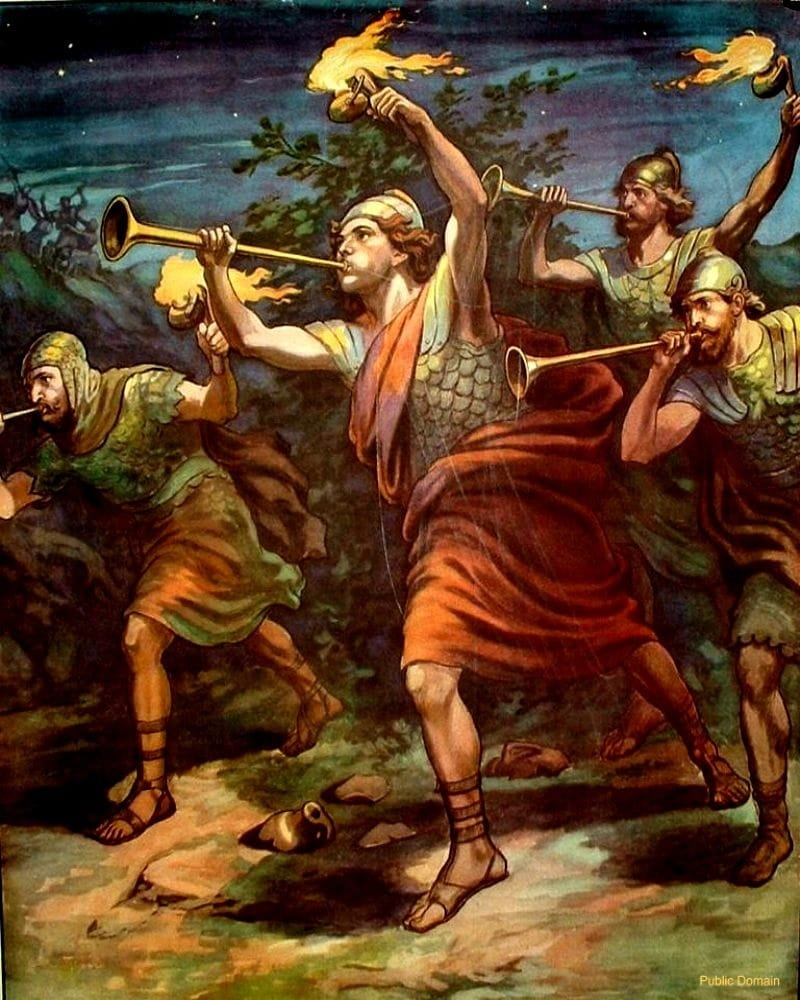
Photo by Ian Panelo on Pexels.com

God listens to the spectrum of our prayers–including those when we are timid and fearful, confused and anxious, even those for which there are no words (see Romans 8:26)! Gideon (see Judges 6-8) was timid and reluctant; and yet he prayed for God’s help to strengthen his resolve. He ended up defeating a mighty army with just 300 men, and was listed in Hebrews 11 as one of the heroes of Faith. David’s psalms and prayers include many that are timid and questioning, yet God described King David as a man after His own heart. Even Moses doubted his abilities and prayed that God would send someone else to speak to Pharaoh. God answered Moses’s request, sending Aaron to help, but it was through Moses that God delivered an entire nation!

Sometimes, our timidity can be traced to our doubts or fears. Sometimes, it can be traced to guilt or shame. There are many reasons why we may “feel” timid, frightened, or unworthy to come before a Holy God, to ask for His help or guidance when we feel inadequate, or to admit that we have failed. But we must remember that NOTHING can separate us from God’s Love or from the privilege of praying to Him. A timid heart is not always a humble heart, but a humble heart is often a timid heart. And God promises to give grace to the humble (James 4:6).

Photo by Meruyert Gonullu on Pexels.com

We should rejoice with those who pray boldly (and not arrogantly). But never despise the lowly and timid prayer. After all, what makes prayer effective and powerful is not who is doing the praying or what words we use, or even how we feel– it is to WHOM we pray that makes all the difference.

The Right Side of History

My nation– and even my community–is divided right now. People argue, accuse, blame, and reject their neighbors because of political beliefs. And they defend the “rightness” and righteousness of their own beliefs–even when they must compromise on other beliefs and teachings of the Bible. Some people use the phrase “I’m on the right side of history..” or “History will prove us right.” And they cross their arms, jut out their chin, and stand smugly convinced that they have won the argument.

Photo by Vera Arsic on Pexels.com

But history books are written by human beings– and usually those human beings who are in power. “History” is constantly in flux– some things that were deemed “virtuous” or “necessary” in the past are looked on with horror today. Times change; societies change; customs and morals change.

Photo by Wallace Chuck on Pexels.com

When we justify our politics, or our actions to others in this way, we are really saying, “whatever I am doing, saying, or supporting today will be judged “righteous” by future generations. And that may be so. Those who advocated for the abolition of slavery in America over a century ago should surely qualify as people who were on the “right side of history.” Yet, in the past year of rioting across my country, many of the statues that were toppled, and spray-painted, and chiseled, and marred were of abolitionists. Their moral prowess notwithstanding, they were seen as “old, white men” in old-fashioned clothing, whose lives and legacies were long forgotten, or confused with other “old, white men” who had supported slavery during the same time period. We delight in “debunking” cherished histories, toppling our heroes, and rewriting traditions. And we often compare our “struggles” to those of previous generations, even if the comparisons are skewed or largely non-existent. And in our fight to push forward a particular narrative or policy; in order to “take back” a certain position or tradition, we often lose our moral compass, believing the lie that “the end justifies the means” or that “might makes right.”

Photo by RF._.studio on Pexels.com

In order to be on the “right side of history” today, people tend to make certain compromises– regardless of what “side” they choose. Political parties tend to support diverse causes and groups. Whatever good policies they promote, chances are they also promote policies and beliefs that are in direct conflict with scripture. Words like “compassionate,” “wholesome.” “traditional,” “patriotic”, “liberal,”and “progressive” may sound noble, but they often mask actions and policies that are corrupt, wicked, and destructive.

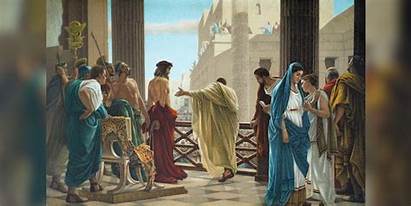
As Christians, we must be careful not to make “comfortable compromises” and to avoid righteous-sounding justifications. Just as importantly, we must be careful when confronted with labels and accusations, not to over-react or respond with bitterness or arrogance. If someone accuses me of being “hateful” or “gullible” because of my political beliefs, it is tempting to puff up and respond in kind. No one likes being judged. In fact, we are told in scripture NOT to judge, lest we be judged in kind. (Matthew 7:1-6) Jesus was often misunderstood, hated, falsely accused. He went to the cross after being found innocent by Pilate– who compromised by offering the Jewish people a choice of the innocent Jesus or the condemned Barabbas, instead of commanding that Jesus be released. In spite of his compromise, Pilate is not considered to be on the “right side of history” for his political masterpiece.

In fact– we are ALL on the WRONG side of of history! No matter how righteous our beliefs, ALL have sinned and fall short of the glory of God (Romans 3:23). Our allegiances, our morality, our political affiliations– none of them will save us from the just judgment of God, or the wavering judgments of future generations. We need, more than ever, to hold fast to the truth, and to seek God’s wisdom. When the final “history” is written, I want to be on God’s side!

Photo by Ray Bilcliff on Pexels.com

Blog at WordPress.com.

Up ↑