A mighty fortress is our God, a bulwark never failing; Our helper He, amid the flood of mortal ills prevailing: For still our ancient foe doth seek to work us woe; His craft and pow’r are great, and, armed with cruel hate, On earth is not his equal.
Did we in our own strength confide, our striving would be losing, Were not the right Man on our side, the Man of God’s own choosing: Dost ask who that may be? Christ Jesus, it is He; Lord Sabaoth, His Name, from age to age the same, And He must win the battle.
And though this world, with devils filled, should threaten to undo us, We will not fear, for God hath willed His truth to triumph through us; The Prince of Darkness grim, we tremble not for him; His rage we can endure, for lo, his doom is sure, One little word shall fell him.
That word above all earthly pow’rs, no thanks to them, abideth; The Spirit and the gifts are ours through Him Who with us sideth; Let goods and kindred go, this mortal life also; The body they may kill: God’s truth abideth still, His kingdom is forever.
I love old hymns– I love music in general, but there is something powerful and “grounding” about old hymns and ancient praises that stick with us through thick and thin.
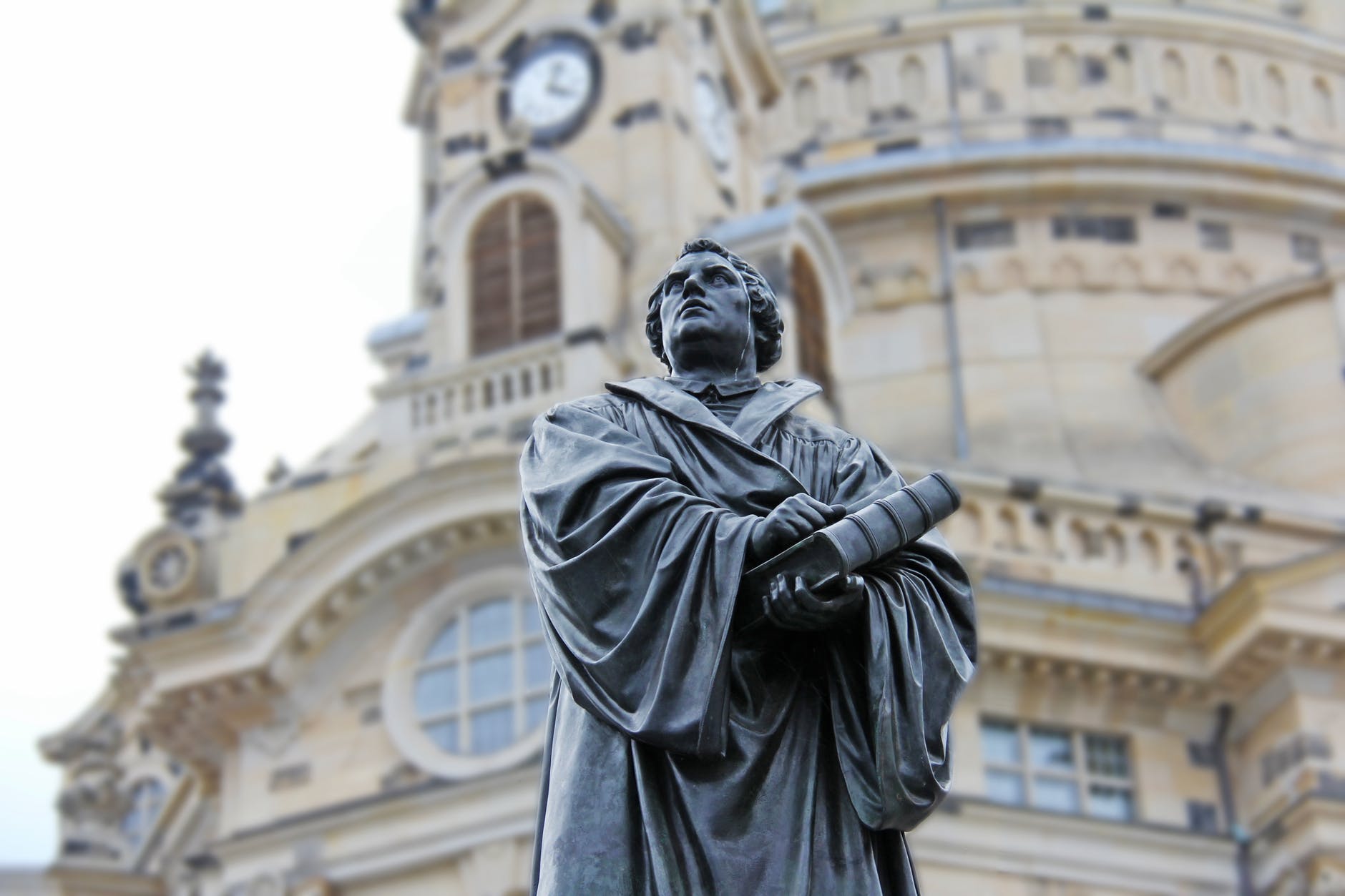
Martin Luther, author of “A Mighty Fortress”
This ancient (nearly 500 years old!) hymn has been attacked often. I saw an article recently that said it should be kicked out of hymnals and never sung. The author’s reasons: It had “old” words and it was gloomy and aggressive in its tone. True, it has words like “abideth”, “grim”, “kindred”, “battle”, and “doom”. (Although the song has been “rewritten”– not only translated into English, but “modernized” to take out the “old-fashioned words”–it’s not like you have to put up with the archaic words you don’t like or understand.) And it isn’t an upbeat anthem about dancing and lifting our hands in celebration. It’s not about daisies and unicorns and good vibes. It was written in a time when worship wasn’t about luxurious auditoriums and customized T-shirts with your church’s logo. Worship wasn’t “cool”–it was deadly serious.
And this hymn doesn’t celebrate the kindness and gentleness of God. It celebrates His Strength and Power; it celebrates Him as a warrior and a conqueror. It also reminds us that we have an Enemy; that we are involved in a pitched battle between Good and Evil– a battle we cannot win in our own power and with our limited resources.
Good hymns are not just there to help us celebrate the good times; they are there to remind us to keep going during the struggles and bad times that are sure to come in life. It doesn’t help that many times this hymn gets shortened. If you only read or sing the first and last verses, it can be confusing. It sounds grim. It assaults the ears and its words pound into our seemingly safe and comfortable worship.
In its entirety, however, the hymn reminds us of a very real spiritual battle being waged for our souls, and the victory that is already ours through Jesus (“that little word!”). Jesus is not just a “crutch” for weak sinners. He is a mighty fortress for battle-scarred and wounded warriors. He is a refuge in the middle of a field of war between good and evil, and the garrison for the army of Goodness. He is the battlefield hospital, providing healing; he is the supply station, offering armor and weapons of war.
The outcome of war is already decided– the victory is sure–but the battles are still raging. Innocent people are dying today in the Middle East and Eastern Europe. History has left us with few illusions about lasting peace in this world. That doesn’t mean that we should not work to pursue peace in our time. But it does mean that our real peace comes from seeking shelter within the “never failing” bulwark that is Christ Jesus, and drawing power from Him to go back out and fight the battle before us.
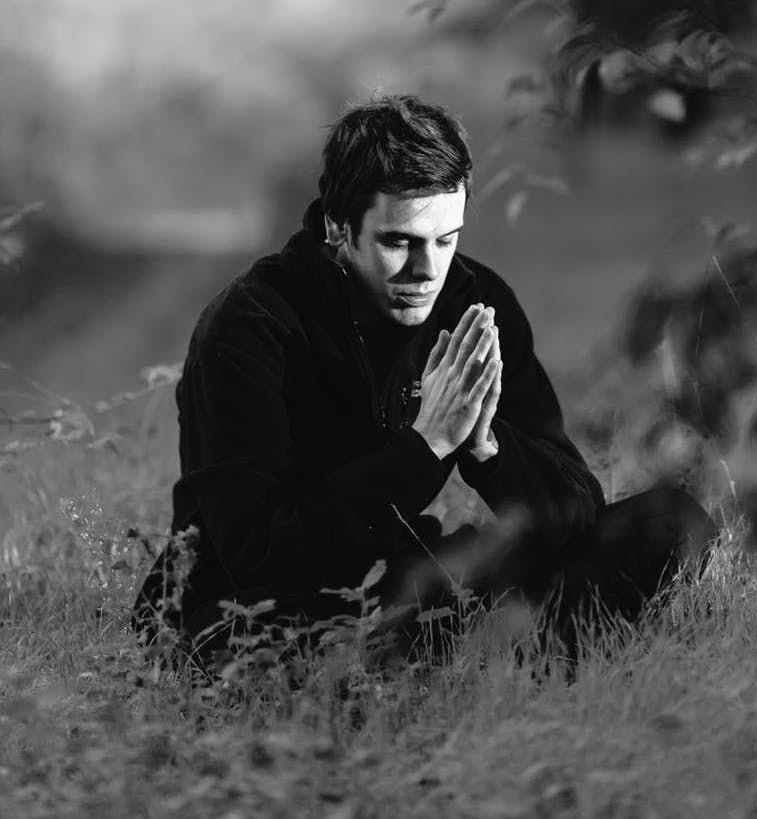
God is our Fortress and our Deliverer (2 Samuel 22:2). He is an ever-present help in times of trouble (Psalm 46:1) and His Name is our strong tower (Proverbs 18:10). Today, I will take shelter in the Hope and Promise of God as I pray. I need not fear or be depressed about the evil in this world. God still Reigns!
There are many great examples of prayer throughout the Bible, but there are two that are often used out of context and applied wrongly. One is found in the book of the Judges; the other in the Chronicles.
Jephthah was a mighty warrior– the son of a mighty warrior and a prostitute. He had several half-brothers, but they wanted nothing to do with him. He was an outcast for much of his life, but when things got tough, the people of the region changed their tune and begged him to be their leader and help deliver them from the oppressive Ammonites. Before going into battle, Jephthah prayed, and made a tragic vow. In fact, his vow has become a model of what NOT to do in approaching God.
Judges 11:30-31New American Standard Bible (NASB)
30 Jephthah made a vow to the Lord and said, “If You will indeed give the sons of Ammon into my hand,31 then it shall be that whatever comes out of the doors of my house to meet me when I return in peace from the sons of Ammon, it shall be the Lord’s, and I will offer it up as a burnt offering.”
Upon returning from his success in battle, who should come out of the door of his house, but his only daughter, singing and dancing in celebration of her father’s victory! Having made such a rash vow, Jephthah now has to fulfill it, and sacrifices his only child on the altar.
Many people read this passage of scripture and are shocked– how could God be so cruel? Why didn’t he stop Jephthah from making such a rash vow? How could he hold Jephthah to such a vow? Doesn’t this prove that God is either clueless or deliberately cruel? Either God knew that the tragedy would happen, and failed to prevent it, or he had no idea of the outcome.
But I think this is a misreading of events and a misrepresentation of God. Just before Jephthah makes his vow, the text states that “the Spirit of the Lord came upon Jephthah. He crossed Gilead and Manasseh, passed through Mizpah of Gilead, and from there he advanced upon the Ammonites.” People make note of the first part of verse 29, that the Spirit of the Lord came upon Jephthah prior to his making the rash vow. But we should note that God’s Spirit did not require Jephthah to make ANY vow. Jephthah’s vow was rash and ill-considered– these are not attributes of God or of His Spirit. And God’s Spirit came upon Jephthah before he crossed his own native territory– territory he had fled early in life. In crossing back through lands that now welcomed him after making him feel unwanted and ashamed, Jephthah gets cocky. His vow is not about saving his nation from harm and oppression, or about bringing God glory. It is about himself. He mentions himself five times; his enemies, God, and his sacrifice, each twice; Israel never.
Jephthah had an incredible opportunity, not only to save his nation, but to redeem his reputation and become a leader of might and integrity. Instead, he is remembered for his rash vow. I believe that God could have stopped Jephthah from making such a vow; and God could have kept his daughter from coming out of the house that day of her father’s return. But I don’t believe it was cruelty that prevented him from acting. I believe God is both omnipotent and good. Jephthah learned the hard way that his rash self-promotion had disastrous consequences. His daughter, who was innocent, could have berated her father, or cursed God– instead, she honored them both in a way that reflected her culture and teaching. We are given a shocking reminder not to play games with our unknown future. God does not keep us from our own folly, nor from its consequences, when we fail to seek His wisdom above our own pride.
In contrast, we see another prayer in 1 Chronicles:
1 Chronicles 4:9-10New American Standard Bible (NASB)
9 Jabez was more honorable than his brothers, and his mother named him Jabez saying, “Because I bore him with pain.”10 Now Jabez called on the God of Israel, saying, “Oh that You would bless me indeed and enlarge my border, and that Your hand might be with me, and that You would keep me from harm that it may not pain me!” And God granted him what he requested.
Once again, this prayer is sometimes taken out of context and misused to suggest that God is like a genie in a bottle, and that a pain-free life and expanded riches are ours just for the asking. If we pray the prayer of Jabez, and we don’t see an immediate change in our circumstances, we sometimes question God’s goodness and His provision– doesn’t He care about our needs? Doesn’t he hear our prayer?
Jabez, unlike Jephthah above, is described as honorable. His prayer is more balanced and conscious of God’s sovereignty. Jabez mentions himself five times, just like Jephthah; but he mentions God three times in supplication– asking God to be with him, help him, and bless him, rather than vowing what he can do for God if God grants him victory. Notice also the context of the preceding verse. His prayer is partly asking God to remove the sting and curse of his name, which meant “pain.” He is not asking for enormous wealth or power, so much as asking for God’s presence and blessing. There is a subtle, but important difference here. Jephthah is playing at making a deal with God– If you grant me a victory, I will make it up to you by offering whatever comes out of my house. Jephthah is asking for God’s help, but he is also vowing to give God “whatever comes out of the doors of MY house” (emphasis added). If a rat had come scurrying out, would Jabez have offered that? If it was a chicken or a lizard, or a lame sheep? And “whatever” came out of Jephthah’s house already belonged to God, and came from the hand of God, didn’t it?
Jabez comes with nothing and asks God to be his portion and protection. He makes no bargain with God contingent on God’s answer. There is nothing in this prayer that assumes God’s riches will be his or that God owes him anything; only the faith that God is able to bless him, and that God, in his goodness can keep him from harm.
Jephthah, or Jabez? Two examples…two very different outcomes. May we have the wisdom not to confuse the two, or lose the lessons they teach.
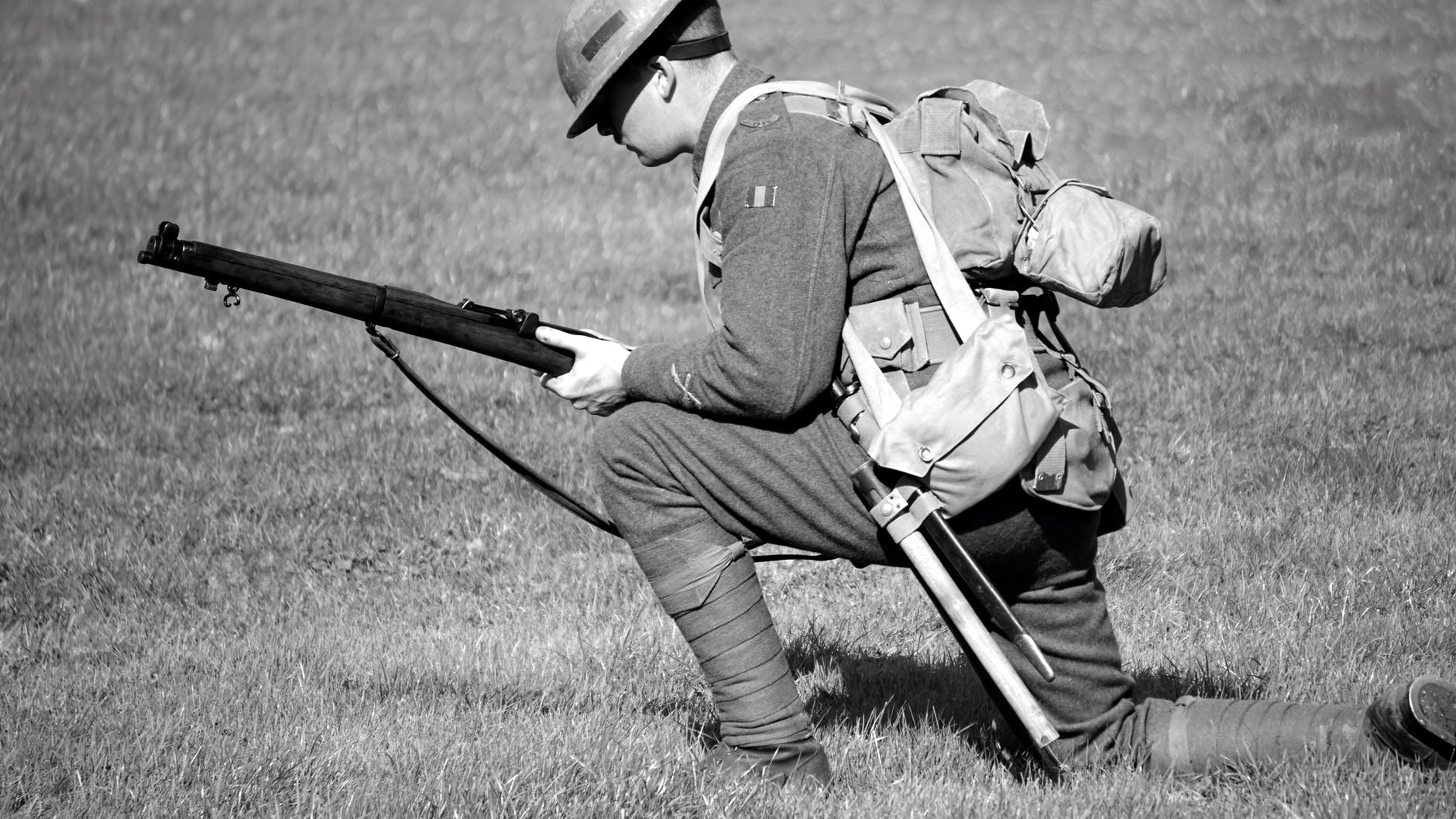
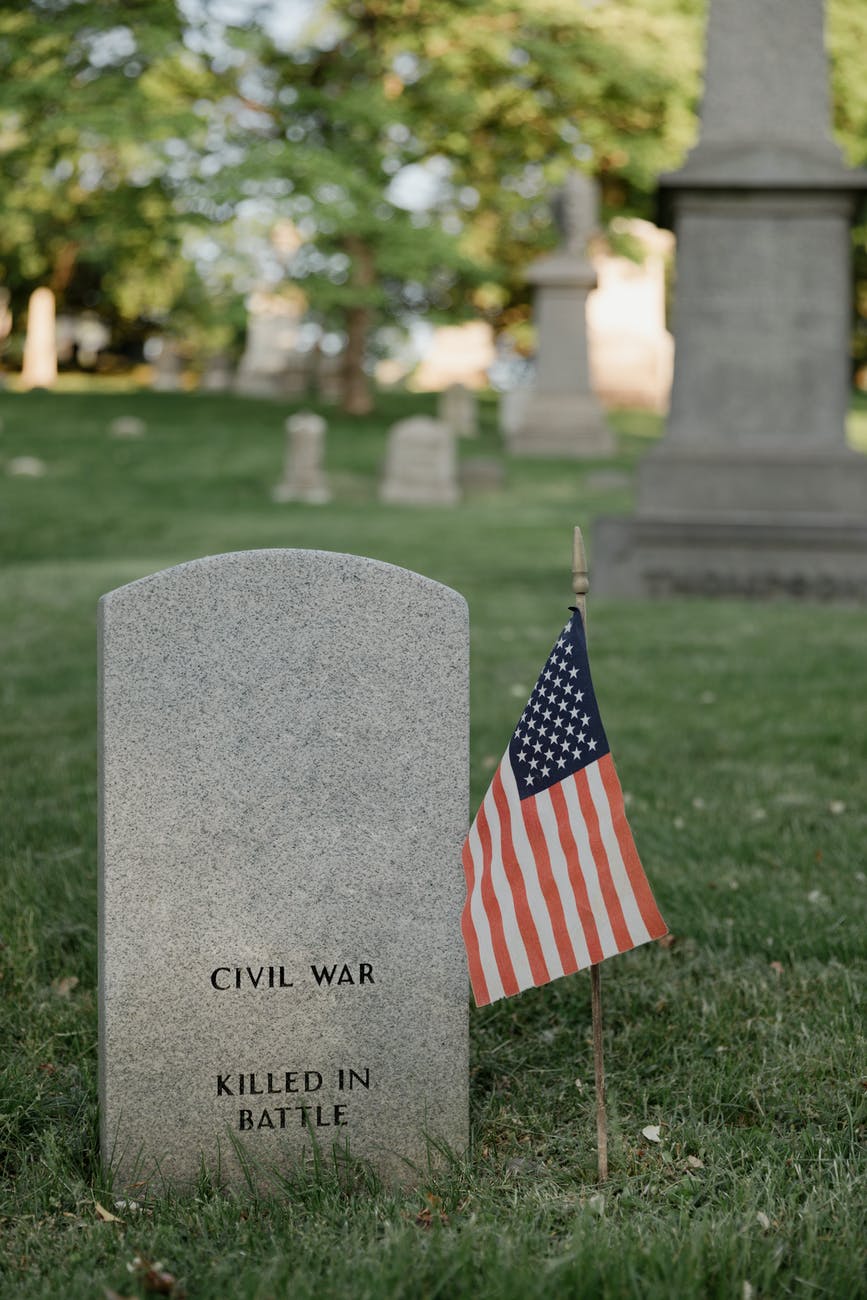
This coming Monday we will be celebrating Memorial Day in the U.S. It is a day to remember those who gave their lives in battle, defending our nation, our people, and our way of life over the course of almost 250 years. We decorate the graves of fallen soldiers with flowers and flags and plaques honoring their sacrifices. It is a strange sort of “holiday.” We don’t like to think of wars and battles– we ache for those who are terrorized by wars in the current days. We don’t celebrate war and violence– our highest goal is to achieve and preserve peace and safety. And it can seem somewhat morbid to “celebrate” the fallen soldiers of bygone days.
But we are not celebrating their deaths. We are celebrating the causes for which they fought and died. We celebrate freedom, and justice; the rights of individuals to pursue liberty and fulfill their dreams. These are causes worth fighting for, and yes, even dying for. We mourn the loss of life, and we grieve the necessity of fighting and struggling to preserve basic rights. But we are grateful for and humbled by the examples of those who have shown the courage and strength to give their all. We honor these sacrifices when we decorate the graves of fallen soldiers, or hold services and memorials at cemeteries. It is not meant to be a time of joyful celebration, but a time of solemn reflection and humble gratitude.
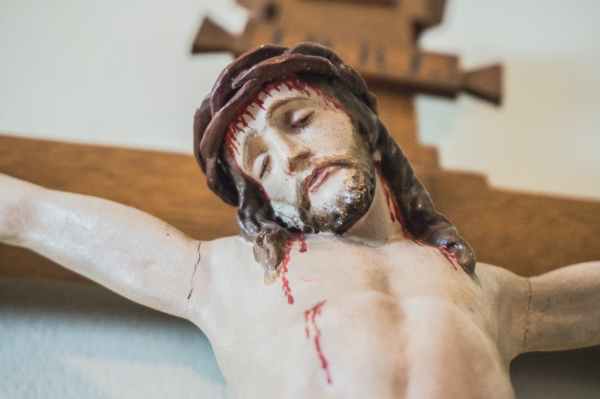
But Memorial Day can also be a time of reflecting on an empty grave– that of Jesus Christ, who gave His all for a cause even greater than liberty and justice in a particular nation or time or for a particular group of people. Jesus gave His life to reconcile an unholy human race with a Holy and Righteous God. He fought against Sin and Death, and conquered them both. And we cannot decorate a grave to honor His sacrifice, because, unlike all the soldiers we honor next week, Jesus did not just preserve a cause or a way of life– He became Life for us. His grave is empty as a symbol of Death’s defeat!
It was Jesus Himself who said, “Greater love has no one than this, that one lay down his life for his friends.” (John 15:13 NASB) Soldiers who lay down their lives often do so to save the lives of their comrades at arms– their friends and fellow warriors– as well as their countrymen and women, their neighbors, and their families. And it isn’t just soldiers who give their lives. Recent news stories tell of teachers, police officers, and other individuals who have sacrificed their lives for the sake of innocent shoppers, students, and neighbors. Such sacrifices are tragic, but they are also heroic, and deserving of our acknowledgement.
We take time to honor those who died for a cause. How much more should we honor the One who died to bring eternal freedom and life to each one of us! And how much more should we be willing to give our lives for the sake His Kingdom! There is no greater love that we can show.








 Pursuing Prayer