Out of Time

We’re are approaching the end of another year. It’s time to finish old projects, close out budgets, put away the old calendars, and get ready to start writing a new year in our planners and checkbooks. As we prepare for a “new” year, we set new goals, start new projects, and think ahead to what “will be.”

But, if you think about it, New Year’s Day will just be another day in a new week. The week actually begins on Sunday, regardless of when January first falls. We will go to sleep– possibly after midnight–and wake up just as we’ve done all the days of the past year, and all the days to come in the “new” year. Time is cyclical, as well as chronological. Time doesn’t go backward, but neither does it stop and “start over” when we complete a weekly cycle or at the end of a month, or year, or even a millennium. It just keeps repeating the natural cycles of day and night, moon cycles, and yearly orbits around the sun.

Yet, New Year’s Eve and New Year’s Day are important reminders about the nature of Time. God created the cycles of time– days and weeks, months and years–even though He exists outside of the boundaries of time. And God created the world with a beginning, and an “end.” As humans, we exist within these boundaries. Our years have beginnings and ends; our lives here have a beginning and an end, as well, even if the rest of the world keeps cycling around our short time on this planet.

New Year’s Eve reminds us of our own mortality. We need to be aware of the brevity of life, and the value of our time. We will come to an end. We will “run out” of time. Our plans and actions need to be accomplished in the time we have left. We may see the dawn of the new year, and of the year after that– but we do not know the moments and days we have left in our earthly lives.

But New Year’s Day also reminds us that God has NO end! His mercies are new EVERY morning, every week, and every new year! New Year’s Day reminds us that we can break old cycles and start fresh. We can look forward, instead of always looking back at past mistakes and regrets. And we can rely on God to continue to sustain us through days and weeks and years as they come and go.

Someday, we will be enter eternity. Time will no longer limit us. There will be no deadlines or endings for our dreams and activities. We will never “run out” of time. And we will never face an end of our access to God’s goodness and His Presence.

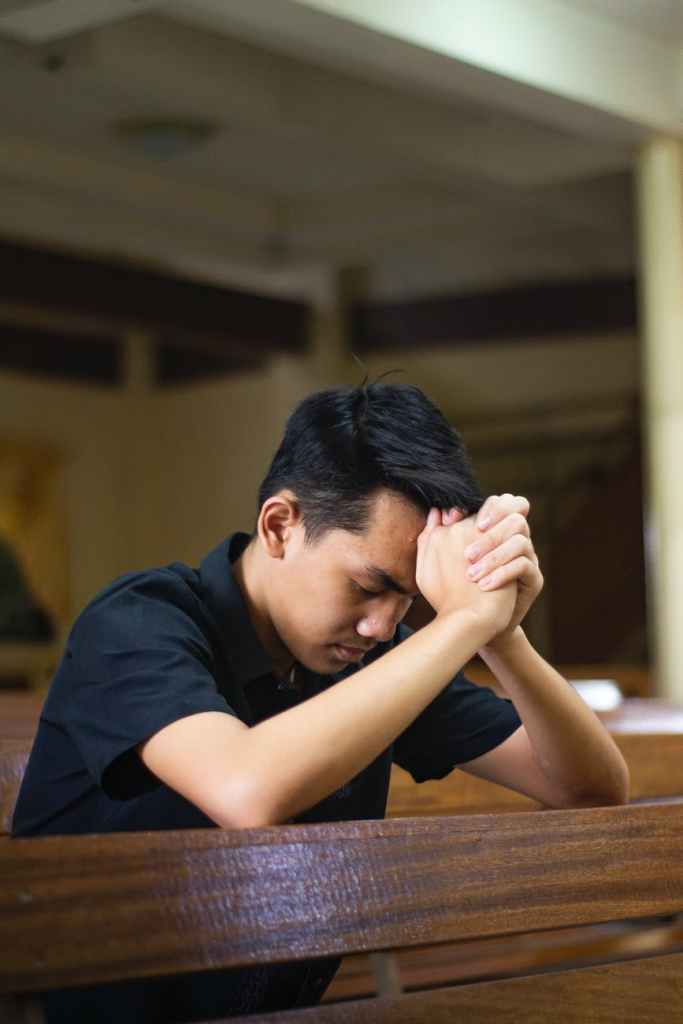
Photo by Bich Tran on Pexels.com

That is true today, at the “end” of this year, and it will be equally true in a few days, in the “new” calendar year. The calendar may change, but God never will! And we will never “run out” of time to spend with Him– if we have trusted Him for Salvation. What a wonderful thought as we “close out” one year and step into the unknown future of another!

Keep Praying!

My prayers will not change the world. Read that again, because it is important to come to grips with certain realities, and with certain half-truths. My. Prayers. Will. Not. Change. The. World. BUT…

My prayers WILL be heard and answered.

My prayers WILL reach the throne of Heaven.

My prayers WILL make a difference!

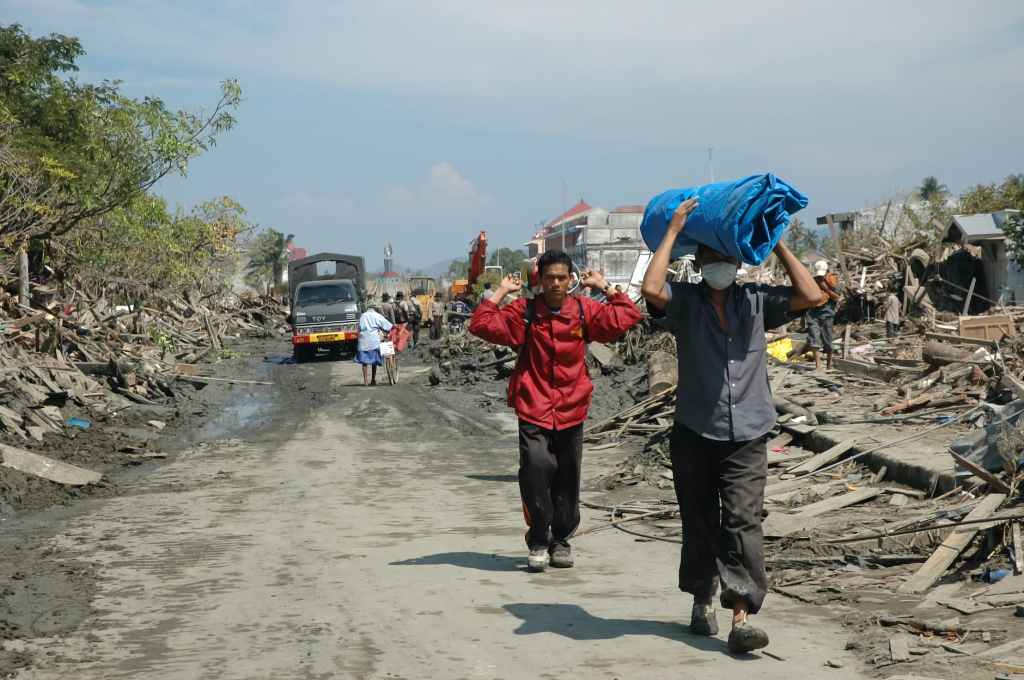
Photo by Ian Panelo on Pexels.com

We have a great tendency to think in extremes. And the subject of prayer is no exception. Either our prayers seem powerful or they seem empty. But we live in a world of limitations, a world of boundaries. I can do small things– things that make a small difference. I can help a neighbor. I can give out of my abundance. I can exert whatever power or influence I might have. I can write or speak in an effort to persuade.

But I can’t move mountains. I can’t fix a broken soul. I can’t end wars or stop famines or control the wind and waves. And my prayers cannot FORCE God to bend to MY will; to act as I see fit, or in My timing. It is not my actions or my wishes or my words– even in prayer– that will ever change the world.

Sometimes, others will see this as failure. They will say that prayer is ineffective, or weak, or no more than wishful thinking. They see it as an abdication of power– asking God to do something instead of taking action. And that kind of faulty thinking can take root and cause me to stop praying as fervently or as faithfully as I once did. It might make me doubt God’s goodness or His willingness to hear me, or to bless others. Worse, I may see His blessing of others as a slight to my own prayers and pains. I may see my prayers as a waste of time, and I may place more value on striving and struggling and fighting over the power of Faith and Obedience.

Keep Praying!

The truth is that God is the only one who has both the power and the wisdom to save the world– and us– from all the problems we see around us. And the other truth is that HE is the one who invites us to pray as an act of communion with Him IN all his power, wisdom, mercy and love. Our “small” prayers are tied to a Great and Mighty God!

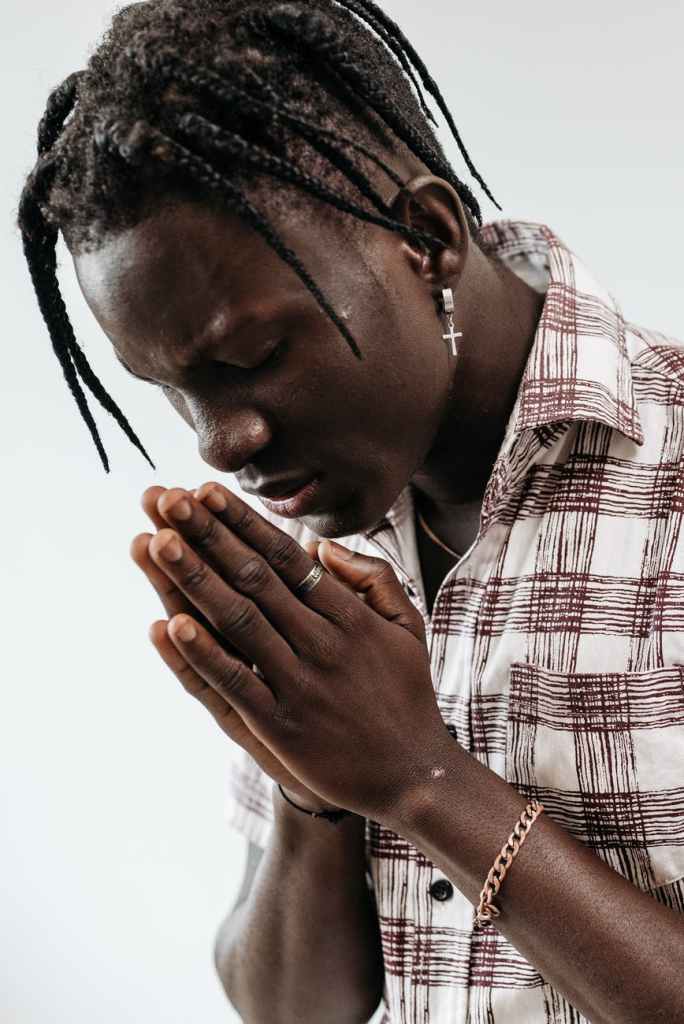
Photo by stein egil liland on Pexels.com

My prayer will not CAUSE God to change circumstances, but it WILL involve me in the process of change– it will allow me to confirm and acknowledge God’s work as it unfolds.

My prayer may not result in immediate change of my circumstances or in the face of great disasters. But it will result in a change in ME. And it will result in changes I can’t even begin to imagine– changes that may unfold over generations; changes that may multiply ten-thousand-fold! Prayer will put me in a place where God can more easily mold me and shape my character to endure and thrive and even ACT in ways that make a positive and lasting difference.

Even prayers of worship and thanksgiving, that may seem to go in only one direction– we have no idea how God uses such prayers to pour out His greatness and worthiness on those of us who are unworthy. God’s ways are mysterious and unpredictable– but they lead to unexpected miracles and unmerited blessings.

Keep Praying!

Photo by Pavel Danilyuk on Pexels.com

Keep praying in the face of doubt. Keep praying in the face of exhaustion and pain. Keep praying in the face of persecution and misunderstanding. God is listening. God is at work. And others are watching and listening, too. Your prayers may be the inspiration to someone else who is struggling. Your prayers may be the seed that is being planted in the very person who is persecuting you. Your praise may be the fuel that will start a fire elsewhere in the world!

Keep Praying!

Why Should I Pray for My Enemy?

But I say to you, Love your enemies and pray for those who persecute you,

Matthew 5:44 (ESV)

The obvious answer to the question in the title is that Jesus commands it. But what practical and spiritual reasons are there for such a counter-intuitive action? Jesus himself continues:

43-47 “You’re familiar with the old written law, ‘Love your friend,’ and its unwritten companion, ‘Hate your enemy.’ I’m challenging that. I’m telling you to love your enemies. Let them bring out the best in you, not the worst. When someone gives you a hard time, respond with the supple moves of prayer, for then you are working out of your true selves, your God-created selves. This is what God does. He gives his best—the sun to warm and the rain to nourish—to everyone, regardless: the good and bad, the nice and nasty. If all you do is love the lovable, do you expect a bonus? Anybody can do that. If you simply say hello to those who greet you, do you expect a medal? Any run-of-the-mill sinner does that.

Matthew 5:43-47 (The Message)
Photo by Keira Burton on Pexels.com

If we are following Christ and asking His Spirit to help us grow in Godliness, we should be acting– and reacting– like God. God makes the sun shine and the rain to fall on everyone. He is Mercy and Grace personified. That takes away nothing from His ability to exact justice. But His true desire is to show mercy– and that includes mercy THROUGH us!

But there are other good (and related) reasons to pray for our enemies.

  • Such prayers put things in perspective. If I focus on the injustices that my enemies have done (or continue to do), they become larger than God’s power to restore and redeem. If I focus on God’s power, the injustices, while still real, take their proper place. God is bigger; God is greater; God is wiser; God is Sovereign.
  • Such prayers remind me that I am not immune from causing pain and distress to others. It is natural for us to see our enemies as completely different from ourselves. “They” are evil, callous, and deserving of punishment. But, if we are honest– we are also deserving of punishment. We, too, have been callous, careless, selfish, angry, or bitter with someone, somewhere, at some time. God has dealt with us mercifully. How can we be grateful for His mercy and fail to pray for others who need it?
Photo by Ketut Subiyanto on Pexels.com
  • Praying for our enemies may not change them, but it will change US. Praying for my enemies forces me to release my anger and bitterness, so that I don’t become trapped in a cycle of letting my enemy become my obsession or even my role model. I say this from negative experience; NOT praying for someone I considered my enemy led to me say and do things that were unkind and vicious– because I thought she “deserved” the same treatment she had given me and others. One day I woke up and realized that I was slowly becoming like her– letting her behavior determine who I was in return: suspicious, hard-hearted, critical, and vindictive.
Photo by Matt Jerome Connor on Pexels.com
  • Praying for others reminds us that our true enemies are not other people. Once again, it is easy and natural to create a monster out of the person who is our “enemy.” They have often caused very real and very intense pain and suffering– personal, physical, psychological, emotional, financial, and sometimes chronic and catastrophic–sometimes, they show no remorse; sometimes, they refuse to accept responsibility for their actions. God knows all this. He sees all this. He aches for our pain– and for their rebellion. But the root cause is not a person– no matter how involved they are in delivering the pain. The real cause is Sin and Brokenness. That’s why WE can’t fix it. That’s why WE don’t have the power or authority to administer righteous judgment over it. And that also means–
  • Such prayers can free us of the burden of guilt, shame, bitterness, and hurt of the past. That doesn’t mean that we must deny the very real hurt we have felt. But we no longer have to be bound and shackled by it. When we can lift up our enemies and our past, and give them to God– really let go and give them to Him–He will carry that load, and let us run the race before us.
Photo by Pixabay on Pexels.com

One caveat here. Loving your enemy; praying for them– these are not the same as believing their lies or consenting to their abuse. There may be people in your life that you must pray for– from a distance! You can love someone, and still set clear boundaries to protect yourself and others. God will never abandon us. But He doesn’t call us to enable others in their evil actions. This is especially true in cases of domestic violence. Love your enemy, but get help and healing. And continue to pray!

We Like Us

Photo by Askar Abayev on Pexels.com

I’ve been very blessed with a large extended family–in-laws, cousins, step-cousins, half-cousins, aunts and uncles, nieces and nephews, second cousins–well over 600! (and counting). I’ve spent a lot of time recently attending family events, and each one has been happy, encouraging, and invigorating. I know that is not always the case in families. Some families argue; some won’t even speak to each other. And there is not perfect harmony, even in the best of human families. We’ve had divorces and divides, too; but mostly, as my one cousin is fond of saying, “We like us.” We like belonging to a family, but even more, we like belonging to our family. As our family grows, it is becoming more diverse, and we like that, too. Many years ago, most of our family members were farmers from a small area in southwestern Michigan. Now, our family includes truck drivers, mechanics, teachers, architects, coaches, doctors, office managers, car salesmen, nurses, dispatchers, accountants, chefs, shopkeepers, ministers, photographers, cosmetologists, pet groomers, medical transcriptionists, cinematographers, artists, dancers, contractors, factory workers, and yes, some farmers, too. We have family members with varying skin tones and ethnic backgrounds, and differing physical and mental abilities. And we LIKE “us.”

Photo by RODNAE Productions on Pexels.com

Jesus likened the Kingdom of Heaven to a family– it is made up of many members, but we are all brothers and sisters “in Christ.” And, like a family, we are supposed to like “us.” More than that, we are supposed to LOVE one another! We are to be there for each other, in good times and bad; in mourning and in rejoicing. “For better, for worse, richer or poorer, in sickness and in health..” It shouldn’t matter if our brothers and sisters live close by or halfway around the world; whether they belong to our local congregation of “that other church across town.” And it SHOULD matter when we see some of our family members being persecuted or facing hardship while others live in comfortable apathy.

Photo by Denniz Futalan on Pexels.com

But Jesus went even further. We are to love those who are not “US.” We are to show love and mercy to those who don’t “belong.” We are to reach out to those who dislike, despise, and even persecute us. The way we treat each other as “family” and the way we treat those “outside” will either attract or repel others, and it will show whether or not we have learned to love as Jesus did.

Photo by Keira Burton on Pexels.com

God “Likes” us. He wants to share life with us –any of us who will respond to His call. And God LOVES us. He treats us with the same compassion and love, regardless of who we are or what we’ve done, or how we’ve responded (or failed to respond) to His outreach.

Photo by kelvin octa on Pexels.com

Clearly, there are those who do not like us; who do not wish us well. And God does not call us to be victims, dupes, and doormats for abusive relatives or strangers. We are to Love– but wisely, and with the strength of God. Liking someone does not obligate us to betray our conscience, or enable abusive and immoral behavior in others. Loving someone may mean setting boundaries where they are needed. But it also may involve tearing down false walls of fear and “inconvenience” that we’ve been using to excuse action.

Photo by Karolina Grabowska on Pexels.com

Who can we reach out to this week, extending the kind of welcome and acceptance we give our family? How can we begin seeing more of “us” in the people we meet, and less of “them?” And, if there are family members (either our birth families, or our church families) with whom we have a broken relationship, are there ways we can make a move to try to mend fences? How can we set wise boundaries, while tearing down false ones? One sure way is to begin praying– pray for those we meet, whether or not we consider them “family.” Pray for those who have hurt us– and those we have hurt. Pray for those who seem different and hard to understand or accept. Pray for God to bless them, encourage them, meet their needs– Pray that God will give us wisdom, opportunities, and strength to reach out.

Blog at WordPress.com.

Up ↑