Out of Time

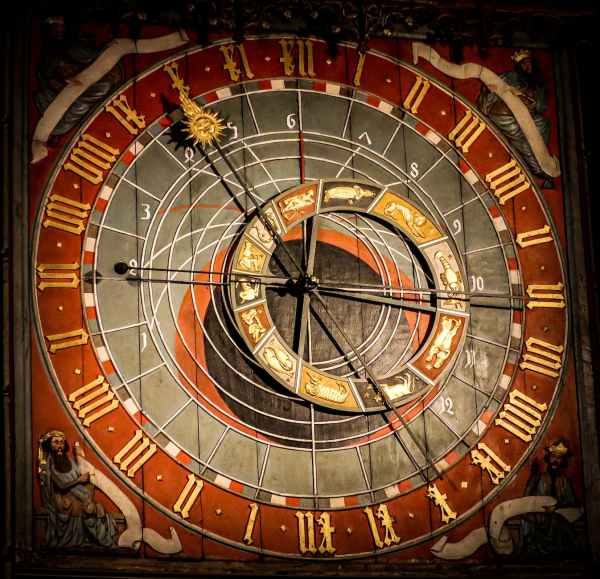
We’re are approaching the end of another year. It’s time to finish old projects, close out budgets, put away the old calendars, and get ready to start writing a new year in our planners and checkbooks. As we prepare for a “new” year, we set new goals, start new projects, and think ahead to what “will be.”

But, if you think about it, New Year’s Day will just be another day in a new week. The week actually begins on Sunday, regardless of when January first falls. We will go to sleep– possibly after midnight–and wake up just as we’ve done all the days of the past year, and all the days to come in the “new” year. Time is cyclical, as well as chronological. Time doesn’t go backward, but neither does it stop and “start over” when we complete a weekly cycle or at the end of a month, or year, or even a millennium. It just keeps repeating the natural cycles of day and night, moon cycles, and yearly orbits around the sun.
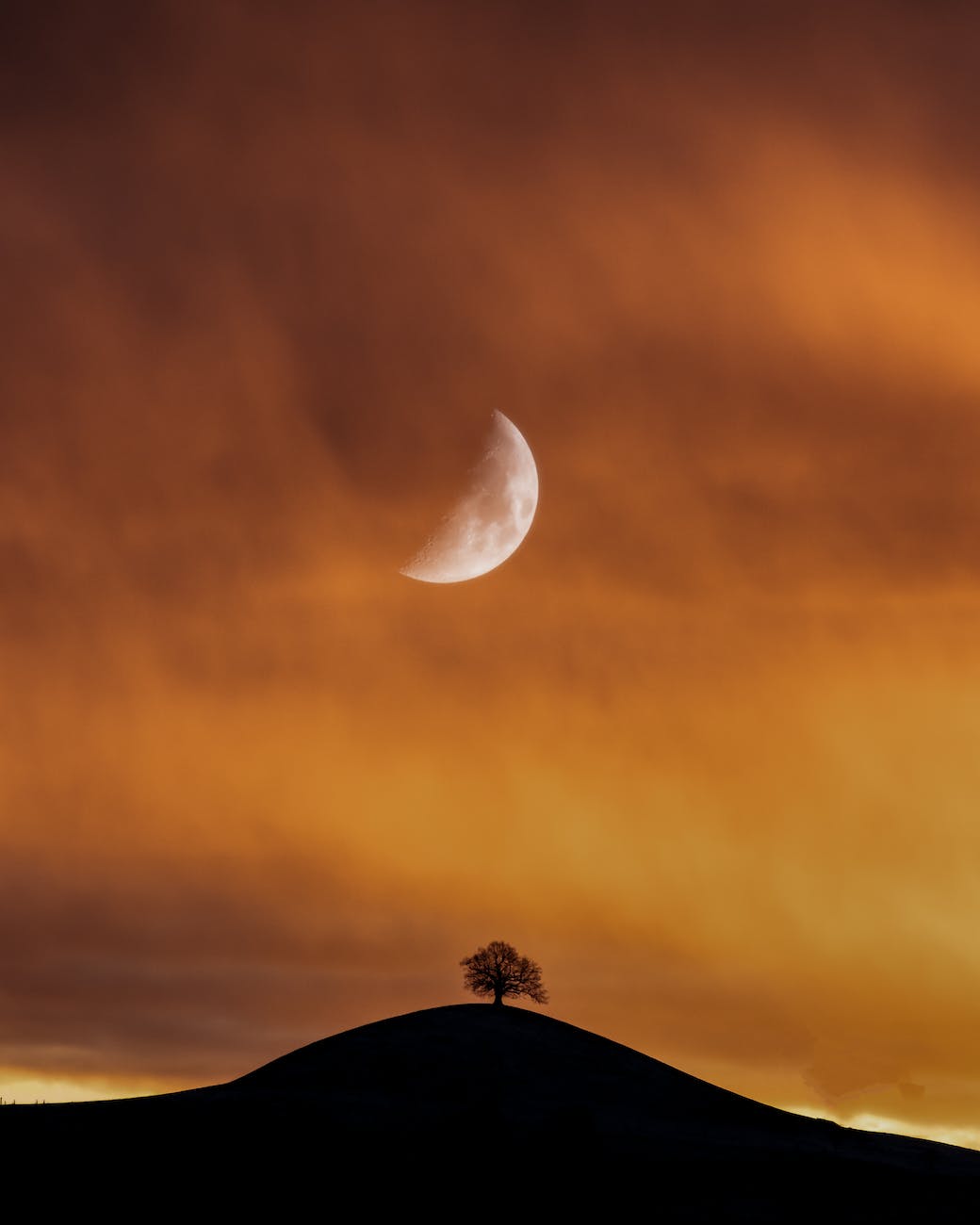
Yet, New Year’s Eve and New Year’s Day are important reminders about the nature of Time. God created the cycles of time– days and weeks, months and years–even though He exists outside of the boundaries of time. And God created the world with a beginning, and an “end.” As humans, we exist within these boundaries. Our years have beginnings and ends; our lives here have a beginning and an end, as well, even if the rest of the world keeps cycling around our short time on this planet.
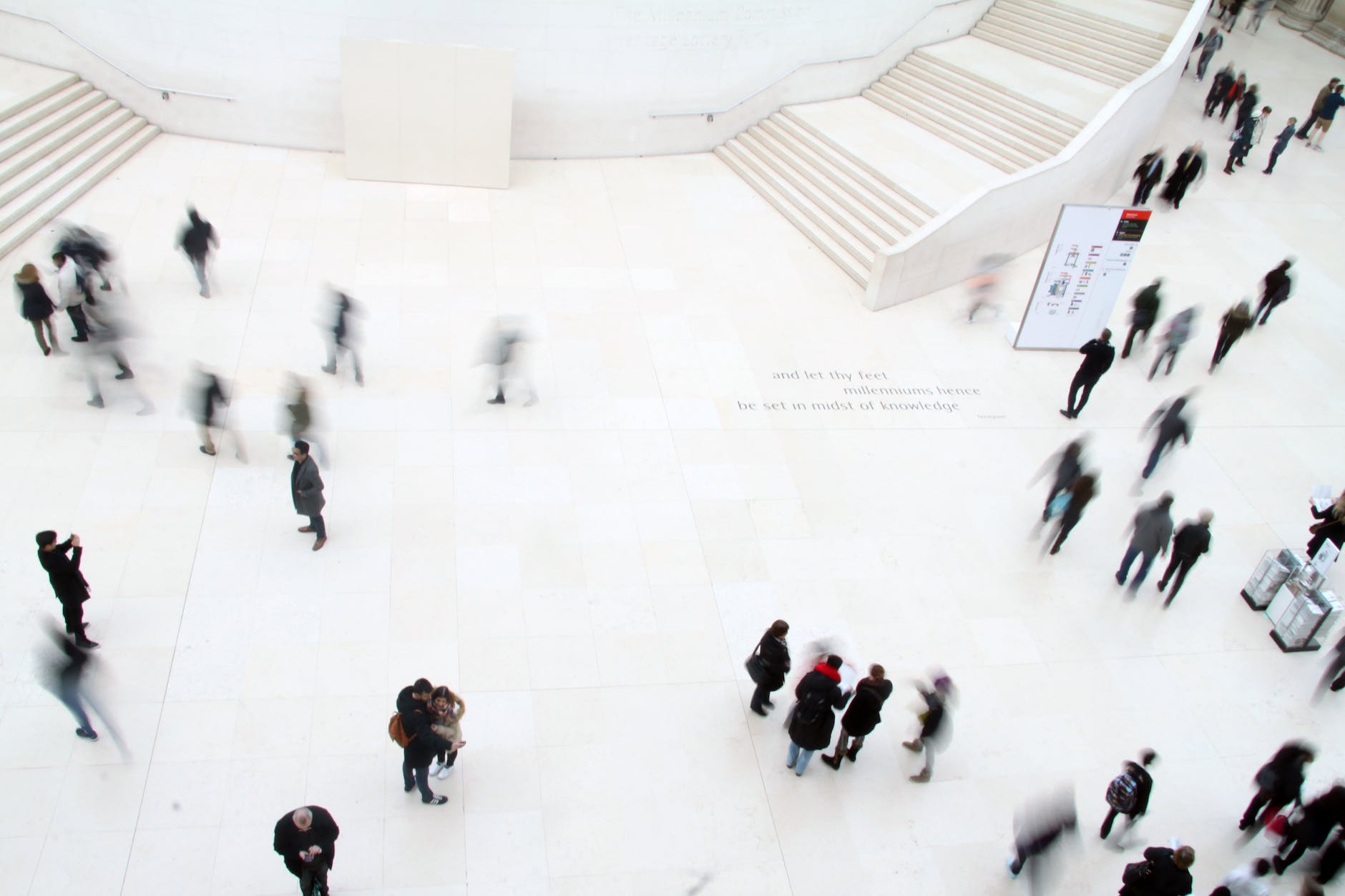
New Year’s Eve reminds us of our own mortality. We need to be aware of the brevity of life, and the value of our time. We will come to an end. We will “run out” of time. Our plans and actions need to be accomplished in the time we have left. We may see the dawn of the new year, and of the year after that– but we do not know the moments and days we have left in our earthly lives.

But New Year’s Day also reminds us that God has NO end! His mercies are new EVERY morning, every week, and every new year! New Year’s Day reminds us that we can break old cycles and start fresh. We can look forward, instead of always looking back at past mistakes and regrets. And we can rely on God to continue to sustain us through days and weeks and years as they come and go.

Someday, we will be enter eternity. Time will no longer limit us. There will be no deadlines or endings for our dreams and activities. We will never “run out” of time. And we will never face an end of our access to God’s goodness and His Presence.

Photo by Bich Tran on Pexels.com

That is true today, at the “end” of this year, and it will be equally true in a few days, in the “new” calendar year. The calendar may change, but God never will! And we will never “run out” of time to spend with Him– if we have trusted Him for Salvation. What a wonderful thought as we “close out” one year and step into the unknown future of another!

The Longest Day

Today is the Summer Solstice. In the Northern Hemisphere, it marks the “longest day” of the year. However, today will have exactly the same number of minutes and hours as any other day. The difference is the amount of sunlight/daylight hours, as opposed to hours of night/darkness. And even this varies by where we live in relation to the equator. Those who live close to the equator will see little difference today– those near the North Pole will not see the sun dip below the horizon at all.

In some ways, today is NOT the longest day of my year. One of the longest days for me so far this year was the day my mother died. Even though it was February, when the days are “short,” that day was filled with questions, emotions, and obligations. Time seemed to stand still for a while, as we took in the reality that she had left us to go Home, and then time seemed to expend for all the aftermath of death. Who needed to be called and contacted? What would we need to do in the coming days and weeks to plan a funeral, notify authorities, pay bills and close accounts, etc.? How would we notify family and friends without “missing” someone? Each tick of the clock seemed to bring new thoughts and emotions.

I was thinking about time recently. We are still busy cleaning up Mom’s house and settling her estate. Days seem to pass quickly now, as we have deadlines, and much work to keep us busy. I’m glad for the extended daylight hours, but I’m also tired! Most days– even longer days!– I feel like I’m falling behind. And I find many hours are “wasted” on unimportant things; inconsequential things. Will I spend my time today any differently or more efficiently than any of the “shorter” days to come?

The Bible says a lot about time. (https://www.openbible.info/topics/time) We are creatures bound by time. We have a beginning and an end; we have a limited life span. And we do not know those limits. We cannot break the bonds of time to live longer lives, or to live our lives in the distant past or future. That is the “stuff” of science fiction and daydreams. We cannot bargain for more time, whether we are thirty and diagnosed with cancer or ALS or another terminal illness, or we are ninety-two and long to reach our centennial birthday. Even our individual days are dictated by the march of time. We cannot live our days backward. We cannot stop the clock or stretch out a certain hour over any other. Instead, we must make the most of every minute; every day that we are given.

But we were not created just for one short lifespan. Our bodies will wear out and die, but our spirits were created for eternity. There will be no “longest” or “shortest” days in Heaven or Hell. There will be no sunsets, no endings or “do-overs”, no deadlines. For the Christian, this is a great comfort. My Mom has said her last “Goodbye.” She never has to worry about deadlines, unfinished tasks, or “putting off until tomorrow..” My grieving is over a temporary loss; a brief “au revoir”, rather than a gaping chasm of eternal separation.

But there will be a very different “longest day” for those who do not choose Christ in this life. And that day will be one of endless darkness, endless despair. There will be no sunrise, no rest, no refreshment or renewal, no “tomorrow.” Today, I pray that we would “number our days” in this life (Psalm 90:12), and put them to good use. I pray that I would reflect God’s love to those who are living in the shadow of that endless darkness. I pray that the Holy Spirit might shine a light (through me and through others) that would draw people to Him.

There will be many hours of light today, but the days will grow shorter. The seasons remind us that time on Earth is fickle and fleeting. May we live wisely in this “longest” day of the year!

Dust in the Wind

Several years ago, there was a popular song lamenting that, “all we are is dust in the wind.” The song evokes a feeling of hopelessness– we are weak, small, and helpless as dust in the wind. It speaks of impermanence, brevity, sadness, and despair in the face of forces greater than ourselves, and offers a warning not to “hang on” to earthly vanities.

The Bible speaks to this –God told Adam in the Garden of Eden that he would die and return to the dust from which he was formed (Genesis 2:7 and 3:19). Abraham was told that his seed would be “like the dust of the earth;” spread out across the earth and unable to be counted. The book of Job is filled with images of dust and ashes, as Job, homeless and afflicted, sits covered in them, talking of his life and death, and the emptiness of loss.

Photo by Skitterphoto on Pexels.com

But there are surprisingly few references to dust in the New Testament. Jesus tells his disciples to visit cities, and where the people will not listen, the disciples are to leave and “shake the dust from (their) feet” as a testimony against them (Matthew 10:14; Mark 6:11; Luke 9:5)

There are two aspects of dust I want to look at today. First, as the song suggests, dust is carried along by the wind. It has no permanence, no weight, no importance, no resistance, and is swept away by a chance wind, or by design with a broom or dust cloth. Dust is not cherished, but discarded. But dust is not destroyed by the wind– it is carried, lifted, moved, and dispersed, but not destroyed. The dust of today will be somewhere else many generations from now, and the dust that settles on our floors, tables, and under the bed may have been blown there from thousands of miles and centuries away! In just such a way, our lives– fragile and brief, leave traces of words spoken, kindnesses shared, and sacrifices made, that live long after our bodies return to ashes and dust. There is an amazing glory in a mote of dust carried by the stillness into a beam of sunlight. It sparkles and dances and drifts in a graceful spiral, suspended in light and air. And there is glory in a life lived in the light, seeking stillness and grace, being carried by the slightest whisper of God’s eternal love.

Secondly, dust that is not in motion, not in the light, IS discarded, unwanted, corrosive, and dead. There is no glory in layers of accumulated dust covering the beauty of an antique dresser or building up in the corner of a room. Dust that is NOT carried on the wind sits, worthless and destructive. It gets absorbed into an unsightly pile of sad, dead matter, and it sits– going nowhere, doing nothing. We shake it off, brush it off, wash it off, sweep it away, and get rid of it.

Photo by Darius Krause on Pexels.com

Dust comes from death– dead skin cells, dead plant and animal matter–and I think there is a very real reason it is mentioned so often in connection with sin, sickness, unbelief, judgment, and death (though not in all cases). God does not want to leave us unmoved and dead– He wants to bring us to glory and give us new life in Him. We are dust in the wind– but that is not all we are. Instead, it is what we are for a brief moment in time– being carried to a new destination, or sinking and settling into despair.

Photo by Анна Васильева on Pexels.com

I pray that we will be lifted up in prayer and faith today, to dance in the light of God’s glorious grace, and carry our mote of glory and grace to wherever God my send us.

What a Waste!

(The following is an updated post from a couple of years ago..)

The author of Ecclesiastes (presumed to be King Solomon) was a wise man. Yet he concluded that almost every aspect of life was meaningless– nothing more than “chasing after the wind.” Health, wealth, learning, entertainment, popularity, achievement– they can give pleasure and temporary satisfaction. But in the end, everyone dies, and their health is gone, their wealth goes to someone else, their learning is lost, their name and accomplishments are all forgotten and/ or destroyed.

In chapter 3, the author states that there is a time for “everything”– all the seemingly important activities of life–building, and tearing down, war and peace, living and dying…https://www.biblegateway.com/passage/?search=Ecclesiastes+3&version=NIV And then he makes a curious statement in verse 11: “He has made everything beautiful in its time. He has also set eternity in the human heart; yet no one can fathom what God has done from beginning to end.” Solomon describes this as a burden– mankind can sense eternity, but only lives to see a brief span of it. What a waste! What a tragedy!

Photo by u00darsula Madariaga on Pexels.com

So what are we to do?

First, we need to make an important distinction– Solomon explores the pursuits of life and finds them all meaningless. At no point does he say that life itself is without meaning. Life itself is not a waste– but the things we do can waste the precious (and brief!) life we have been given. Nor does he say there is no difference between wisdom and foolishness, honest labor and laziness, or self-indulgence and connectedness. I know some people who, after a quick reading through Ecclesiastes, use it to justify a hedonistic lifestyle. “Nothing matters,” they say. But that’s not what this book actually promotes. It isn’t that “nothing” matters. Rather, it is that none of our personal pursuits produce meaning in and of themselves or beyond our own limitations.

Photo by Harrison Haines on Pexels.com

Next, we should be wise in light of the eternity that God has placed in our hearts. Even if our pursuits seem trivial and temporary, they have consequences that ripple through time– long after we are gone. We may not be able to see the future, but we CAN see the effects of wisdom and foolishness in the lives of others, and we can heed the advice of those who have come before us. Most of all, we have the wisdom that comes from God. Solomon’s wisdom, though incredible among humans, was limited to his own experience and learning. His frustration and despair came from knowing how limited it was!

Photo by freestocks.org on Pexels.com

Finally, we must read Ecclesiastes in context. Solomon was wise, but he seems to have lacked the vision of his father, David, to fully anticipate the coming of Messiah. Solomon’s ambitions were for the span of his own earthly life. He did not have his hope firmly rooted in a resurrection and an eternal life shared with his Creator. For all his wisdom, he was found lacking in his faith. After writing such wisdom (not just in Ecclesiastes, but throughout the Proverbs), Solomon ended his life in a foolish pursuit of relativism and compromise that ruined much of the strength and prosperity he had brought to Israel in earlier years.

Photo by Simon Matzinger on Pexels.com

Solomon reaches a final conclusion. One thing remains– to fear God and follow His commands. God is eternal–and all that is done for Him and by Him and through Him will never be wasted. Solomon’s life may have ended with failure, but his words and wisdom live on. Our lives may be short; we may have wasted precious time in meaningless pursuits–but God has promised that “all things work together for the good of those who love God, who are called according to his purpose” (Romans 8:28 CSB) and that “he who began a good work in you will carry it on to completion until the day of Christ Jesus.” (Philippians 1:6 NIV)

My prayer today is that we would not waste a single minute! And that we would see that even in the wasted moments and foolish mistakes of our past, there is redemption, hope, and renewal. In God’s economy, nothing is wasted!

A Flash in the Pan

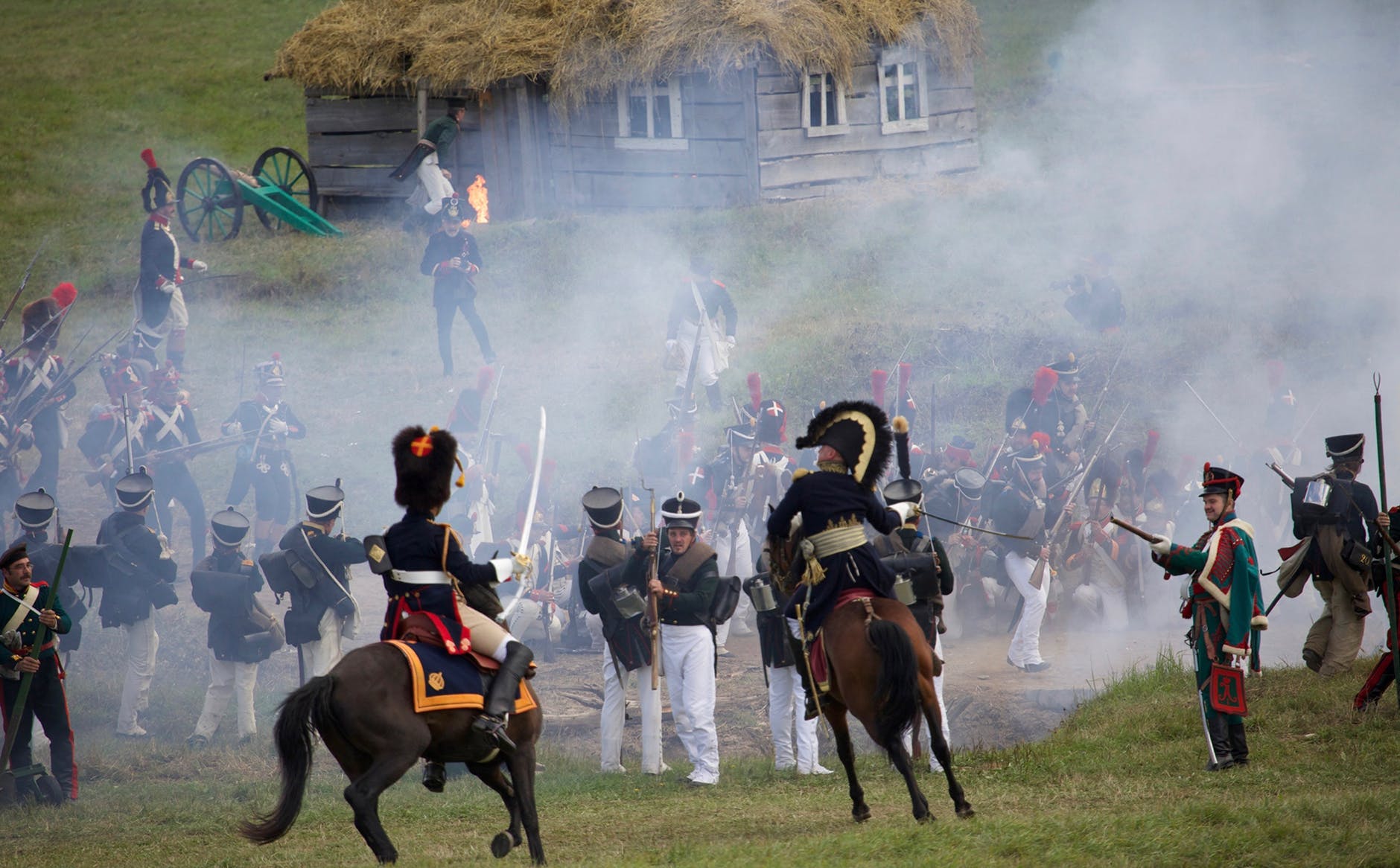
During the era of flintlock muskets, gunpowder was ignited by a spark from a flint striking a plate. The gunpowder was held steady in a small “pan”, and the resulting explosion was supposed to propel the lead shot “ball” or bullet to its intended target. But often, the gunpowder would not explode; it would simply burn out in a brief flash of light, failing to result in a shot, and wasting the powder. This was known as a “flash in the pan.” It came to symbolize an impressive display that accomplished little or nothing of use.

Photo by Dmitrii Fursov on Pexels.com

Years later, prospectors in the California Gold Rush would see a “flash in the pan” as they looked for gold. They would take a shallow pan, dip it in a river, bring up water and silt, dirt, and rocks, and swirl it around. Sometimes, they would see the “flash” of a gold nugget or gold dust. More often, they would see a glint of something else– pyrite, or “fool’s gold” was more likely than a flash of real gold. And, as the water swirled, the tiny flash of gold could disappear amid the eddy of dirt and other dull rocks– remaining just a “flash in the pan.”

Photo by cottonbro on Pexels.com

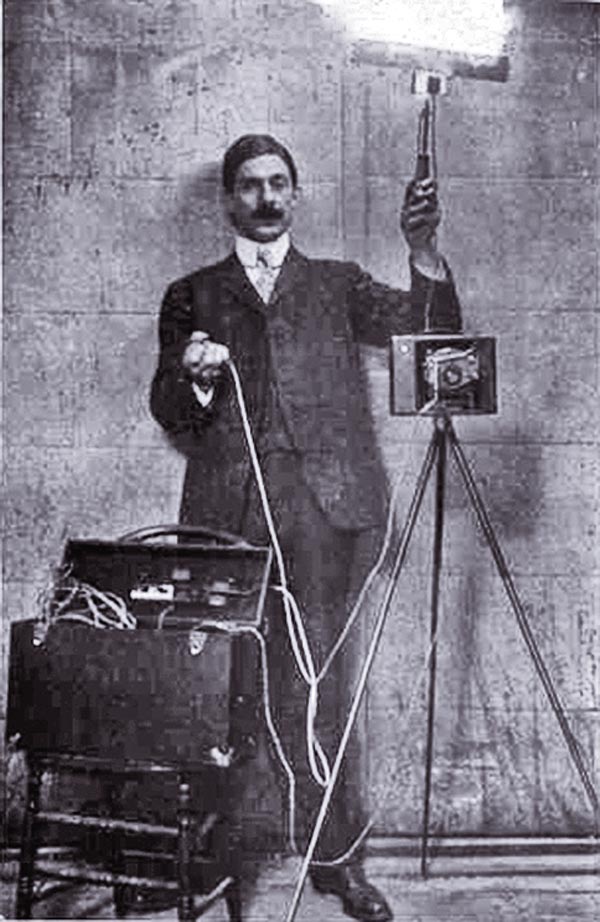
Early photographers, struggling to bring enough light into their studios, experimented with explosive powders, hoping to get a “flash” of light bright enough to create a better negative exposure, so that their subjects would not have to sit so long in the same position in order to get a clear image. They would mix powders, spread some of them on a shallow “pan,” and ignite them to create a brief, but brilliant, flash of light.

Photo by Suzy Hazelwood on Pexels.com

Our lives may sometimes seem like “a flash in the pan.” Our days are numbered, and our abilities limited. Even our brightest ideas and most explosive actions seem to be swallowed up in the larger scheme of things; our good deeds and noble intentions disappear in the swirling waters of time and the tides of injustice, disease, and evil around us.

But our lives, while brief, can be more than a “flash in the pan.” We are called to be the follow Jesus, the “Light of the World.” Jesus’s life on earth was brief, even by human life expectancy. But unlike a spark that burned itself out and ended in death and darkness, Jesus brought light and life that continues today. And He calls us to use our lives in ways that light the way for others.

Sometimes, our prayers can also seem like brief flashes, producing little of significance. But God hears each one, and it is in His power that our prayers become part of the larger “picture” of His plan.

Blog at WordPress.com.

Up ↑