Two women, so alike in some ways– Both attractive and energetic, Both young and vivacious.
But
One has prepared a table; the other has prepared her bed, One talks of virtue and honor; the other whispers secrets. One requires commitment; the other promises no strings. To enter either door is to be changed.
A man entered the door of the wise woman. He was simple, uncomplicated, straightforward; A man of few words, but noble heart. He ate at her table, put his boots outside the door– Carried her over the threshold. Time passed, children came. They added on to the house. Put in a garden; got a dog. Others took note. There were gatherings– Holidays, barbecues, reunions. The house was a home. He never looked back.
Years later, the man died. His neighbors and family all spoke Of his honesty, integrity, and wisdom. His wife mourned and was comforted. He was the father of three, The grandfather of seventeen.
Another man entered the door of the foolish woman. He was simple, uncomplicated, straightforward. A man of few words, but a yearning heart. He ate her food and drank her wine; slept in her bed– Wallowed in her perfumed sheets. He laughed at her coarse jokes, Reveled in her catfights with the other girls, And the stares of other men.
He bought her jewelry. She bought him a car. They lived the dream: parties and vacations; Dancing ’til dawn and no responsibilities. They forgot to pay the bills; they wrecked the car. Others took note and shook their heads. Time passed.
She moved in with someone else. He moved into a hotel. There were other women And other hotels. There were neighbors, friends– Cars, jobs, bright lights and Stolen pleasures. But he was never the same.
Years later, the man died. His neighbors and friends Spoke of the loss In passing, over a beer. The woman had almost forgotten him. When someone brought up his name, She said, “Such a simple, stupid man. I wonder what ever happened to him.”
I would have taken the scenic route Stopped to smell the new-mown grass, Or the languid marshy odors Drifting through the open window of my car.
I might have stopped off to see my old friend Whose house I have passed a hundred times On my way from somewhere to somewhere else– Stayed awhile, relived memories or made new ones.
I would have let the others speak Drinking in their words, tasting them, weighing their wisdom And nodding, or not, let them take the spotlight a little longer While I held my own cleverness in check.
I would have prayed with more reflection, and Less impatience. I would have used fewer words, And chosen them with more care. I would have shown More gratitude and less “attitude.” I would have cried more and sighed less.
I would have risked speaking up in those awkward moments: “I didn’t mean that.” “I’m glad to know you.” “I’m so sorry.” “I love you.” “Please know that I love you.” “You have an amazing smile.” “You are important.” “God loves you with an everlasting, unshakable love!”
I would have watched more sunsets and fewer TV shows. I would have written more stories and read fewer magazines. I would have danced like no one was watching. I would have sung like no one was listening. I would have invited others to join me.
If I had known that I have five more years; Or five more months, or five more decades… Would I live differently? Pray differently? Love differently? I hope so.
I started down the boulevard,
Freshly paved, smooth and gleaming,
Its lanes clearly marked and a gentle rise
Toward a glorious horizon.
New construction sites caught my eye;
Here was progress– here was the future!
I drove on, excited in my new course,
Dreaming of destiny and fulfillment.
Gradually, the scenery changed.
Construction gave way to abandoned projects:
Half-finished high-rises, silent storefronts,
Driveways leading nowhere, weedy parking lots.
Now the road, so smooth at the beginning,
Twisted and turned without purpose.
Gravel and broken pavement lined with
Abandoned cars and broken glass.
Frightening thoughts intruded–
I had seen no open stores, no gas stations,
No houses, or other cars for miles. I was alone.
There were no crossroads; no places to turn around.
The road that had begun with so much promise
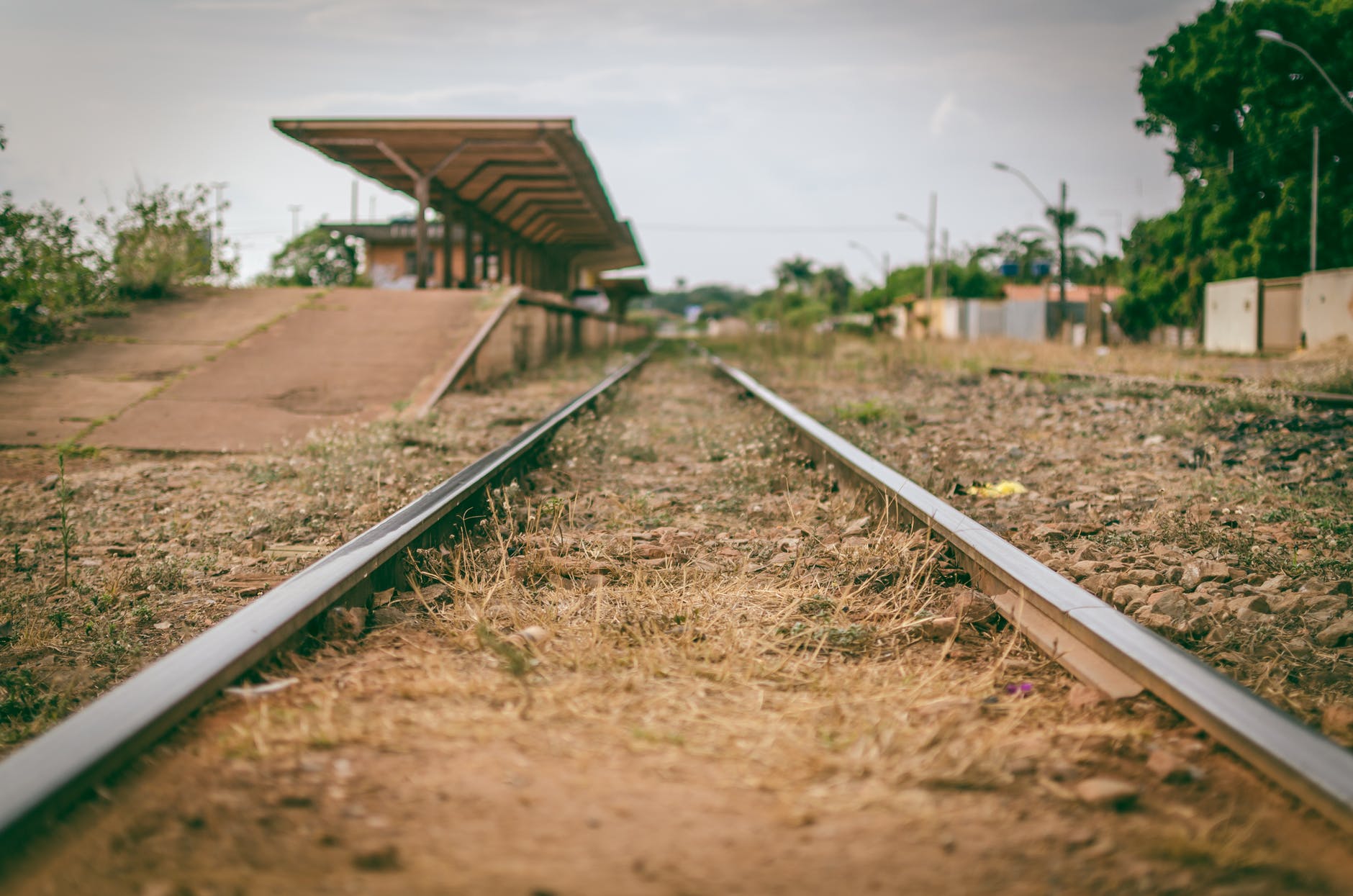
Was now a rutted path going nowhere.
I woke up in a cold sweat– it had been a dream.
More– it had been a warning.
I had “good intentions” for my journey.
But the easy road, the appearance of future success
Had lured me away from the path marked with suffering
And paved with ancient truths.
I had packed no maps, ignored the GPS, and trusted to “instinct”
To lead me, not to a fixed destination, but to “discovery.”
I drifted back to sleep, and dreamed that I was back at the beginning.
Roads branched out all around me.
The gleaming new boulevard no longer held any appeal.
But now I studied the other roads.
There were so many; roads leading to “enlightenment”;
Roads offering “fame” and “immortality”;
Narrow paths promising “mysticism”;
Superhighways advertising “happiness.”
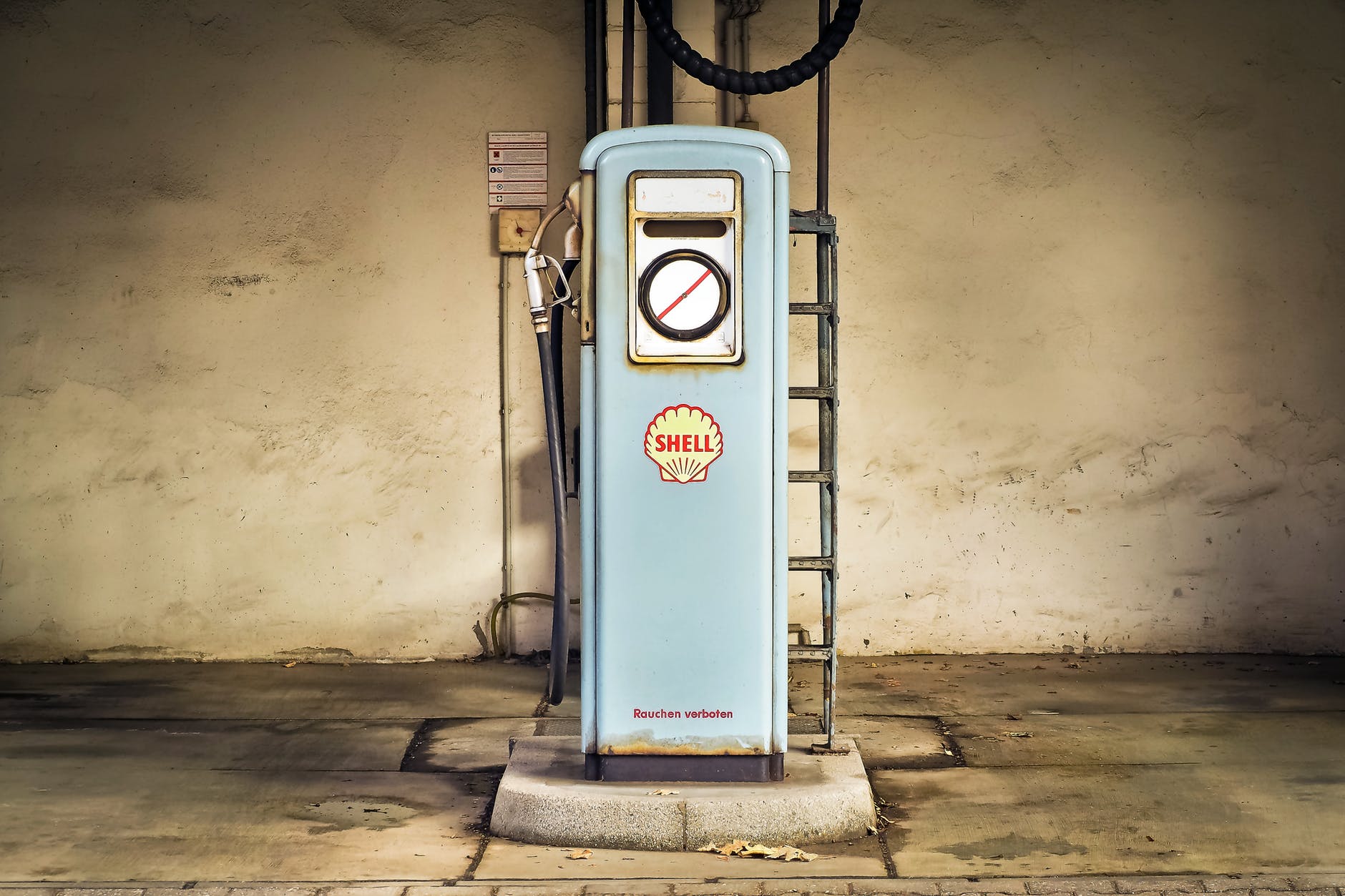
Off to the right, there was a tiny filling station–
The old fashioned kind, with a service man.
He offered to fill my tank, but then he said,
“They all end up in the same place, you know.”
I looked up into his eyes–eyes that held in them
The wisdom of the ages and boundless love.
“Enter in at the narrow gate…”
“I am the way, the truth, and the life…”
“This is the way, walk ye in it…”
He turned and walked through the back door
And I followed him down a sunlit path,
Up a small rise, and into glory.
Of course, I DO pray. I pray a lot. I write a blog about prayer. But there are times when I find it hard to pray; times when my prayers seem feeble or awkward; times when I just don’t pray. So how does this happen, and why?
Well, there are many reasons why our prayer life can go through a dry season:
“I’m just too busy.” Sometimes, I let busyness and distractions keep me from spending quality time in prayer. I like to pray first thing in the morning, and last thing at night. But I’m not naturally a morning person, and sometimes, the night seems to get away from me. And my prayer life can suffer.
“I’d rather worry about it.” This may sound like a strange statement, but sometimes, praying about a situation seems like I’m giving up “agency” over the problem. Trusting God and letting go are easier said than done. Worrying about a problem, imagining all the things I “should” be doing, or that others should be doing to fix it gives me a sense of ownership over my circumstances.
“I don’t really want to talk to God about ‘that’.” God already knows my heart and my mind, but I want to hold on to the illusion that God loves me because I’m so good, not acknowledging that God’s love is His gift, not my reward. God wants to hear the ugly parts of my life. Yes, I stand justified by the work of Christ on the cross. I don’t have to wallow in my mistakes or beat myself up over all the ways I “fall short of the Glory of God”. But the more I try to pretend I am someone I’m not, the harder it is to remember why God loves me– He loves me because He IS Love!
“God isn’t interested in this little thing.” OR “God is tired of hearing about this chronic problem.” I can stop praying about something because I expect God to respond like a person– maybe even like me. I get tired of listening to the same things over and over. I get tired of wrestling with the same issues. I want to come to God with a problem and have it solved– quickly, easily, and permanently. But God’s ways are not my ways. And God wants me to trust Him, regardless of the situation.
“I’m not so sure about God right now. I feel let down, abandoned, or unheard.” Doubts and emotions can be so strong– if we let them take over, we will isolate, even from God. Praying during such times can even feel like hypocrisy.
There are many reasons and excuses that can cause us not to pray. I know, because I have fallen victim to them. But ultimately, they boil down to one thing– a choice.
Choosing to pray can be difficult. It involves discipline, faith, humility, and a burning desire to spend time with our Heavenly Father– even when our emotions and circumstances get in the way. It is helpful to remember why I DO pray:
God wants to hear from me. I may not always FEEL this, but the Bible is clear about it– God WANTS a relationship with me, with you, with each one of His children.
God knows the human heart. He knows our weaknesses, and He knows our hurts and how we have hurt others. And He will not turn His back on those who seek Him. There is nothing I can say to Him in prayer that will cause Him to withhold His love, His forgiveness, and His mercy. He is in the business of redemption!
God’s ways are not my ways. If I feel that God is distant because I don’t see Him clearly, or hear Him directly, that doesn’t mean He is not there. Often, I don’t want to rely on Faith– I want proof of God’s favor; I want proof of God’s protection; I want to be able to “prove” God to others, and to justify myself. Prayer in the midst of doubt and pain is the very act of dying to that need and talking to God “anyway.”
There are still times when I don’t pray as often or as earnestly as I feel I should. But, like anything else worth pursuing, it’s worth the journey and the occasional struggle. It doesn’t get “easy”– but it does get easier, and richer, and more fulfilling.
If you haven’t been praying lately, or if prayer has become dry– DON’T GIVE UP. Don’t beat yourself up. Get up, dust yourself off, and keep on in the struggle. And if prayer has been wonderful and refreshing lately, WONDERFUL! But don’t trust in the feeling of powerful prayer– trust in the One to whom you are praying! He alone makes the pursuit worth it all.

This is probably the most well-known verse in the Christian Bible. It has given hope to millions, as it explains that the death and resurrection of Jesus Christ allows anyone to find forgiveness, faith, and new/eternal life. But what about those who don’t believe; those loved ones (and others) who die without the hope of salvation? Doesn’t God care about them? Why does he let them die without hope? Why do they go to eternal suffering, instead of being forgiven?
I can’t give a complete answer to those questions…I don’t comprehend the entirety of God’s plan or His mind. But I do know this– God understands our heartbreak and our grief over our unsaved loved ones. After all, Jesus spent three years preaching and announcing the Gospel, yet He was betrayed by one of His closest friends. Jesus– God in the Flesh; Emmanuel; the Perfect Son of God–didn’t “save” everyone He knew. We have the wonderful story of the conversion of Saul on the road to Damascus– what about others who didn’t “see the light?” There may have been hundreds, even thousands who heard Jesus preach; who watched Him hanging on the Cross; who heard the rumors that He had risen, only to reject His message–what about them? Jesus had met them. Maybe He had healed them, or eaten at their house, or studied with them at the Temple when they were younger. Some may have been His brothers, or cousins, or mentors and teachers.
On the night before He was crucified, Jesus was in agony in the Garden of Gethsemane. He was in anguish about what He would have to face, but some of His anguish and grief had to be in knowing that, while His death and resurrection would save so many, there were still others who would choose to turn away and reject the Life and Hope and Peace that He suffered to bring.
Even during His ministry, Jesus didn’t heal everyone who was diseased or lame or blind. He even made reference at one point to the kinds of disasters that often leave us questioning God’s mercy:
There were some present at that very time who told him about the Galileans whose blood Pilate had mingled with their sacrifices. And he answered them, “Do you think that these Galileans were worse sinners than all the other Galileans, because they suffered in this way? No, I tell you; but unless you repent, you will all likewise perish. Or those eighteen on whom the tower in Siloam fell and killed them: do you think that they were worse offenders than all the others who lived in Jerusalem? No, I tell you; but unless you repent, you will all likewise perish.”
Luke 13:1-5 (ESV)
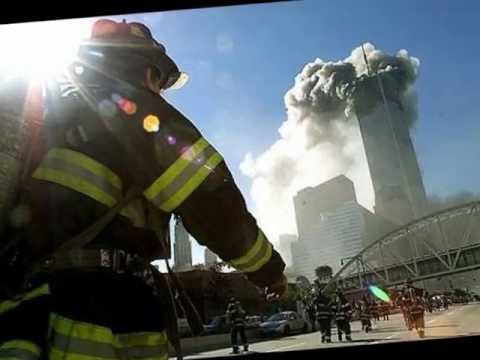
Jesus could have “saved” those Galileans from having their sacrifices desecrated; He could have provided a miracle to save those who were killed by the tower that fell in Siloam. And just as we grieve today for the senseless loss of life in places like Afghanistan and Haiti, or New York City on 9/11/2001, Jesus felt the loss of innocent strangers. Just as we plead with friends and loved ones to repent and seek God’s face, Jesus preached the need for all people to confess and seek forgiveness.
Jesus could have forced Judas to turn from his plan to betray the Master. He had the authority to cast out demons and demand that angels come to honor, protect, or comfort Him. He has the authority to make every knee bow down and every tongue confess that He is the Sovereign Lord of the Universe. And someday, He will! But Jesus won’t save people against their will– even those close to him. He doesn’t compel grudging obedience, or demand abject servitude. There are some who choose to serve Him in that way, but that is not His desire. Instead, He compels us with His mercy. We choose to love Him because He first Loved us– sacrificially, unreservedly, without limits or conditions. (See 1 John 4:19)
Jesus patiently spoke to Nicodemus in the dead of night. He chased Saul down on the road to Damascus and gave him three days of blindness to reconsider the direction of his life. He called His disciples and asked them to Follow Him– even Judas. He invited Himself to the house of Zacchaeus. He spoke with compassion to those who were broken, and outcast, and lost. And just like Judas, they had to make choices– some of His friends and followers abandoned Him when He needed them most. Some of them stumbled. But they HAD followed Jesus. They had learned from Him, and they came back and persevered.
Being loved by God comes without conditions and without reservations. Being “saved” by Christ’s atoning blood comes with a price–not just the price He paid on the cross, but the price of our repentance and acceptance of His Lordship, and yes, even the mysteries of His Grace.
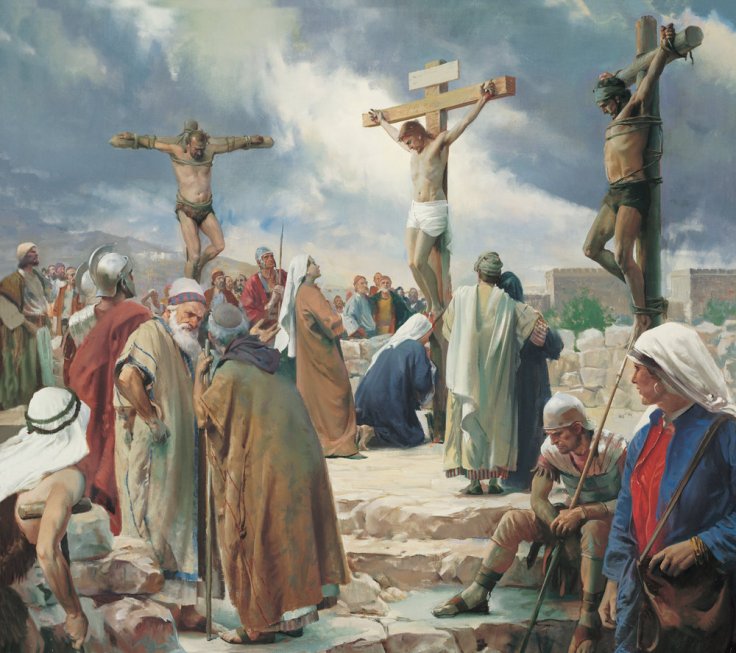
As Jesus hung on the Cross, He was positioned between two convicts who were justly condemned. Both were sinners; both were paying the penalty for their crimes. One cried out to a dying Savior, and was saved. The other mocked and cursed. Jesus had the power to save him. He did not desire that the other man should suffer. But the other man chose to reject who Jesus was, and so rejected all the mercy and power He could have shown.
Jesus died to save “whosoever” would believe. He did not die to save “howsoever.” We may not fully understand why He chose to offer Salvation in this way, but we believe it to our everlasting joy, or reject it to our everlasting anguish.
I like having choices. When I go to a restaurant, I get a menu, with several choices– appetizers, entrees, beverages, desserts. I have choices at the grocery store– brand X cereal or brand Y, different sizes of laundry detergent, which cucumber to put in a produce bag– sometimes even a choice between paper and plastic and reusable bags! I have a choice to buy or rent a house or apartment/condo. I have a choice about the car I drive or the choice not to drive, but to walk or take public transportation. I choose which church to attend, or not to attend at all. I choose when I get up in the morning and when I go to sleep. I choose what to wear each day. I choose to obey the law, including speed limits on the highway and slowing down in school zones, paying whatever taxes are due, and registering for the census, voting, and other civic duties.
Many of these choices seem benign. It doesn’t really matter to anyone else which brand of cereal I buy or when I eat it, or even if I decide not to eat it, but end up throwing it out. It doesn’t matter to most people where I live, or go to church, or what I am wearing. It doesn’t hurt anyone else if I drive a couple of miles faster than the speed limit on a back road somewhere.
But some choices DO matter– they matter a lot. If I choose to drive at high speed through a school zone, I might end up accidentally killing a student or school worker. If I live in a house or apartment I cannot afford, or if I refuse to maintain my house or apartment, I may end up evicted or homeless. If I choose to use drugs– even prescription drugs– in an unwise manner, I may end up in the hospital or in the cemetery! And I may hurt others around me in the process.
I live in a nation that prizes “freedom” and “freedom to choose.” But in the past century, more and more voices are being raised in an effort to make all choices “equal.” And they are not. Many of our “choices” are in direct contradiction to the Word of God, to traditional values, and even to common sense! Our choices have consequences– some benign, and some catastrophic. Voices are shouting about their “right to choose” even as they are also raised in righteous indignation about others’ rights and choices.
I could speak to this for days on end, defending my own choices, and pointing out which “choices” break my heart or offend me. But I feel compelled to point out just three things to consider about individual choices:
How does this choice honor God? I think it is easy to focus on “big” choices when we think of this, but I have been challenged lately to see how even my “easy” and “little” choices honor Him. Does it really matter which brand of cereal I eat in the morning? Probably not. But what about brands and manufacturers that support causes that do not honor God? Most of the time, I am unaware of such considerations. But the money I spend on my favorite sugary breakfast treat may help sponsor evil. And if I am aware of which manufacturers are giving large donations to causes I despise, but I am still buying their products every week, I am helping to sponsor that evil.
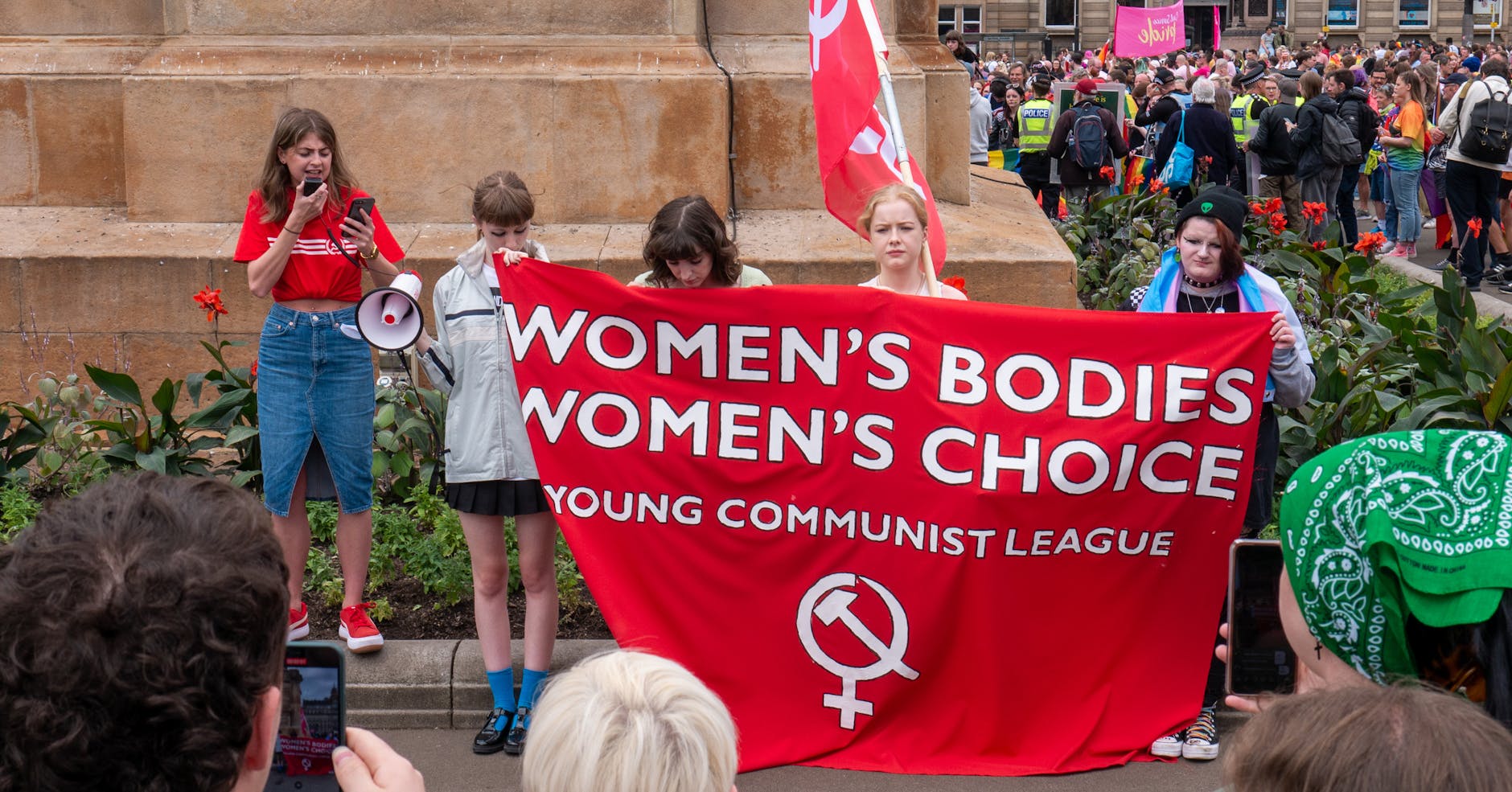
How does this choice impact others? We DO have the freedom to choose our actions, but we do NOT have freedom from the consequences of those actions. “My Body, My Choice” looks good on posters and banners, but things like abortion or gender reassignment have an impact beyond a single person. Abortion always ends with the death of a second “body”– one without any choice in the matter. Gender reassignment impacts more than just one person– it impacts their present and future relationships, as well as impacting their future physical health and reproductive system. It is also important to establish whether my choices are made to try to please or influence others. It’s easy to blame others after the fact, citing “peer pressure” or claiming “I didn’t have another choice,” but is that really true, or was one choice just a lot easier or more popular than another? That same group that pressured you make certain choices– will they be there for you afterward? No matter the consequences? Will they still be your friends if you make a different choice?
Does this choice help me grow into a better person? Many of our choices come from wanting to be a happier, wealthier, or more popular person– NOT a healthier, more mature, or wiser person. And most of our choices focus on immediate gratification, rather than long-term growth. Doing something because you have the “right to choose” is not the same as “doing the right thing.” Doing the right thing often involves sacrifice and even a season of suffering. Our present choices–even the small ones– will impact our future circumstances, and our development as an individual. Eating a donut today may be tasty, but eating donuts every day may lead to obesity, diabetes or heart disease, and even a lessening of enjoyment for donuts– they’re no longer a tasty treat, but a habitual threat to my health!
Am I angry and defensive about my “choice?” Years ago, I was stopped for speeding on my way to work. Of course, I had been running a little late, and being stopped made me even later. I had to explain my tardiness to my boss, who dismissed the whole incident with a sly “next time, don’t get caught..” But one of my co-workers self-righteously handed me a two-page pamphlet on the evils of driving over the speed limit. At that time, I was indignant and offended. (I still would be a bit miffed– I don’t agree with either of the reactions I got that day, but that’s another post…) As I have grown older, however, I have come to value the three questions above– and it changes my perspective. I KNOW it’s “wrong” to drive over the speed limit. I know many people do it anyway and get away with it. But the bottom line is this–speeding does not honor God. It does not help anyone else, and could potentially harm someone. And it does not grow my character. I don’t automatically become a “good” person if I DON’T speed– let me be clear about that. But I do grow in character when my choices are made out of a heart that prioritizes God and others over my own selfishness (and procrastination!) When I find myself getting angry and defensive, I need to consider whether or not it is really guilt. If I wasn’t speeding that day, I wouldn’t have had any reason to be angry with my co-worker or ashamed of being “caught.” If someone is angry and defensive about his or her behavior, it is often brought about by guilt, shame, and a rebellious spirit, tired of defending what everyone else (and sometimes their own conscience) tells them is “wrong.”
We make choices every day– some benign, some “good,” some “bad.” Let’s pray for wisdom to make the best choices, confess the “wrong” choices, and offer encouragement and truth, rather than judgment, to those around us.
Today, I’m praying about the “choice” of abortion and its impact on my nation (as well as worldwide). In the 50+ years since Roe v. Wade attempted to make abortion “legal” in all 50 of the United States, over 60 million abortions have been reported in the U.S. during those years.* This figure does not include other nations, unreported (back alley or non-clinical) abortions, or natural miscarriages. Not only does this represent the “choice” to end the lives of over 60 million precious individuals, it represents millions of women (along with men and other family members) who have been impacted by the deceptive offer of “freedom” and the increasing pressure to make this “choice” seem both normal and healthy. For my friends, family, and others who have made this choice– my heart aches for what you have been through, and I rejoice with those of you who have found Grace and renewed hope through Jesus. God loves you– YOU, not your past choices– and welcomes you to choose Him today and every day. For those who have not been in a position to be tempted by this “choice”– I pray that we live with compassion, and that we stand up for and speak up for TRUTH and LIFE– not self-righteousness and fear. * A more conservative estimate still places the number at well over 40 million https://www.pewresearch.org/short-reads/2024/03/25/what-the-data-says-about-abortion-in-the-us/ https://www.statista.com/statistics/185274/number-of-legal-abortions-in-the-us-since-2000/
The Offer of Life or Death
11 Now what I am commanding you today is not too difficult for you or beyond your reach. 12 It is not up in heaven, so that you have to ask, “Who will ascend into heaven to get it and proclaim it to us so we may obey it?” 13 Nor is it beyond the sea, so that you have to ask, “Who will cross the sea to get it and proclaim it to us so we may obey it?” 14 No, the word is very near you; it is in your mouth and in your heart so you may obey it. 15 See, I set before you today life and prosperity, death and destruction. 16 For I command you today to love the Lord your God, to walk in obedience to him, and to keep his commands, decrees and laws; then you will live and increase, and the Lord your God will bless you in the land you are entering to possess. 17 But if your heart turns away and you are not obedient, and if you are drawn away to bow down to other gods and worship them, 18 I declare to you this day that you will certainly be destroyed. You will not live long in the land you are crossing the Jordan to enter and possess. 19 This day I call the heavens and the earth as witnesses against you that I have set before you life and death, blessings and curses. Now choose life, so that you and your children may live 20 and that you may love the Lord your God, listen to his voice, and hold fast to him. For the Lord is your life, and he will give you many years in the land he swore to give to your fathers, Abraham, Isaac and Jacob. Deuteronomy 30: 11-20 (NIV)
2 At dawn he appeared again in the temple courts, where all the people gathered around him, and he sat down to teach them.3 The teachers of the law and the Pharisees brought in a woman caught in adultery. They made her stand before the group4 and said to Jesus, “Teacher, this woman was caught in the act of adultery.5 In the Law Moses commanded us to stone such women.Now what do you say?”6 They were using this question as a trap,in order to have a basis for accusing him. But Jesus bent down and started to write on the ground with his finger.7 When they kept on questioning him, he straightened up and said to them, “Let any one of you who is without sin be the first to throw a stoneat her.”8 Again he stooped down and wrote on the ground. 9 At this, those who heard began to go away one at a time, the older ones first, until only Jesus was left, with the woman still standing there.10 Jesus straightened up and asked her, “Woman, where are they? Has no one condemned you?”| 11 “No one, sir,” she said. “Then neither do I condemn you,”Jesus declared. “Go now and leave your life of sin.” St. John 8:2-11
Yesterday, I voted in a primary election. In a few months, I will vote in a general election for President. I live in a nation of choices. I can choose to vote for any of the listed candidates, or I can write in a name. I can choose not to vote at all. I can choose how to spend my money– I can invest, purchase, pay my bills (or not), gamble it away, or give the money to charity. I choose what to do with my time– I can sleep all day, go to work on time or arrive late, I can spend all my time on-line, or I can binge-watch movies or TV shows. I can keep a consistent schedule, or I can take each day’s time as it comes. I can choose where to go– I can stay indoors in my apartment, I can walk all over town, or I can get in my car and drive to another city. I can choose my attitude and outlook; I can choose my political and social stands, and I can choose my beliefs. Others may apply pressure and coercion, but they can’t take away my right to choose.,. For better or for worse!
However, my choices have consequences. If I choose to act against the law of the land, it is very likely that I will be caught and punished. I may be fined, or jailed. I may face a trial. In many countries, I may be executed for doing things that would be allowed in my home country. If I choose not to pay my bills or not to go to work, I may face economic hardship as a result– late fees, loss of a job, and a difficult time finding future employment. If I choose to eat only junk food, or no food at all, I will experience health issues. The choices I made today in the voting booth, and the choices I will make in November will have consequences– most of which I cannot predict with any accuracy. I think I know what will happen– and others may predict dire consequences if I don’t vote “their” way– and my one small vote may not seem consequential, but it counts! Even my small actions have a ripple effect on the rest of my life, and the way in which I conduct it. I will either “show up” or I will “stand back.” I will either accept responsibility in the small things and large, or I will try to blame others. I will practice self-control and discipline, or I will drift through life at the whim of emotions, influences, peer pressure, and deceptions.
When it comes to prayer, I also have choices. There are times when I feel “compelled” to pray– circumstances beyond my understanding or control will cause me to want to cry out for divine help. Hearing about others’ needs make me want to ask God to work in their circumstances. Sometimes, I feel waves of gratitude and worship that cause me to sing and praise God for His character, His faithfulness, and the blessings He has poured out in my life. But I am not required to pray. I choose to pray. Sometimes, my choice to pray is simple, natural, and automatic. At other times, it is a sacrifice to pray. Prayer is more than just “an option” in my life. It really is a pursuit. I choose to keep a prayer journal. I choose to focus on prayer every day– both in practice and in testimony (as in this blog entry).
So today, I will join with others this morning in corporate prayer. I will pray alone at home. I will pray throughout the day for my community, and for individuals as they come to mind or show up in my prayer journal. And some of the prayers will come naturally; others will require me to dig deep, to confess my own failures, and admit my need for God’s Grace, His Wisdom, and His Strength.
And the consequences? Well, I can’t predict how my prayers may impact my own life or the lives of others. I don’t know how God will choose to answer my prayers. I don’t pray because God always does what I want– I trust Him to do what is BEST; and I have learned that His timing and His ways ARE the best!–but I pray because I know it is the best and first action I should take in any situation. I’m not perfect in prayer. I don’t always pray first. I don’t always listen for God’s answer when I DO pray. And I also know the consequences of NOT praying– worry, confusion, anger, restlessness, disappointment, and more. Oh, I may not experience all of these things instantly. But eventually, my choices and their consequences lead to frustration when they are not coupled with prayer, trust, and obedience.
I hope you are praying, trusting, and following God today. I hope that is your choice every day. God will not force you to come to Him. But He is ALWAYS right there when you do! Your choice to pray may not change the world instantly, but it WILL have consequences!
When I voted yesterday, I got a sticker, proclaiming to everyone that I had made the choice to vote. What might happen if Christians (myself included) were bold enough to proclaim our choice to pray every day and in all circumstances!?
We are a curious race, humans–we ask a lot of questions of ourselves, each other, and even of God. How did He make the universe? When will Jesus return? Who can we trust in this world? Where is Heaven? What must we do to be saved? But the majority of our questions are “Why” questions. Why did Jesus come? Why did He have to die? Why did God make snakes and mosquitoes and platypuses? Why are men and women so different? Why am I… (short/tall, fat/thin, clumsy, “odd,” misunderstood, etc.)? Why are You so mysterious? Why do bad things happen to “good” people?
I was thinking about this last question this week. I don’t have any definitive answer to that– no one I know has any better answer. God has not given us a definitive answer, either. We are to trust that His ways are wise and best and perfect, but faith and trust require–well, Faith and Trust! We know God has done good things in the past. We know He has redeemed what seemed like hopeless situations. We know His promises, and we have seen some of them fulfilled. Still, such a question can often leave us blindsided and tongue-tied.
There are many learned thinkers, philosophers, and apologists who have written whole books on this subject, but I want to just pose a couple of ideas to help us, not ANSWER the question, but understand the question a little better.
First, the question, “Why do bad things happen to good people?” is really two questions: “Why do ‘bad’ things happen?” AND “Why do they happen to ‘good’ people?” So let’s look at the questions separately.
“Why do ‘bad’ things happen?” What do we mean when we say “bad things?” There are many circumstances, events, diagnoses, and occurrences that may be called “bad.” Death is “bad.” Indigestion is “bad.” Stubbing one’s toe is “bad.” Being diagnosed with Alzheimer’s Disease is “bad.” Divorce is “bad.” Slavery and abuse are “bad.” House fires, job losses, being mugged, being stranded without heat in a blizzard, an outbreak of acne, being laughed at– all these are “bad.” But they are all different. Many “bad” things are the direct result of sin–we suffer the consequences of our own sin; we are the victims of the sins of others. The consequences of addiction can be horrific, but we often lack compassion for those who are suffering, because “they brought it upon themselves.” But what about the innocent victim of rape or child sex trafficking? Such acts leave victims traumatized and broken. Both are “bad,” but we are angered and frustrated even more when “bad” consequences also seem unjust and unfair. And what about natural disasters? Are they the result of sin, as well? The Bible suggests that they are. When God placed Adam and Eve in the Garden of Eden, they lived naked, carefree, and unafraid. Only after their sin did God place a curse on the land– Adam would now have to cultivate the land in order to get food. There would be enmity between the woman and the serpent. Eve (and all women after her) would have pains in childbirth. (see https://www.biblegateway.com/passage/?search=genesis+3%3A+14-20&version=NIV) There is no mention of hurricanes, blizzards, or earthquakes prior to the Fall of mankind, though it is speculation on my part, to say that there were none.
God has promised to make all things new. There will be a time when the consequences of Sin will be eradicated. We will not even remember the suffering we endured in life, in light of the blessings of eternity. So, though God doesn’t answer our question of why “bad” things happen, He does give us the assurance that such “bad” things do not determine our destiny, nor do they happen without His knowledge or outside of His will! We cannot understand God’s purposes in allowing us to suffer, though sometimes we may see a hint of good even in the midst of tragedy.
And God is loving and gracious in the face of our confusion and pain. We CAN ask God “Why?!” “Why me?” “Why this?” “Why now?” “Why them?” Why, O Lord!?” Many of the Psalms speak to this very question. But in the middle of his anguish, the psalmist often finds comfort and renewed strength to face the struggle, when he turns to God. Asking why is not always a sign of weak or failed Faith. Instead, it is acknowledging before God that we ache. We grieve. And we NEED HIM!”
And what about the second part of the question: “Why do (bad things) happen to ‘good’ people?” What makes a person “good?” Jesus was “Good,” And yet He questioned the rich young ruler, “Why do you call me good? No one is Good– except God alone.” (see https://www.biblegateway.com/passage/?search=Luke+18%3A18-27&version=MSG) We tend to think of the people we know and like as “good.” And we have a natural expectation that their lives should be “good” also– free of pain or struggle. But that is not realistic in this world. The actor, Michael J. Fox has been suffering for years with Parkinson’s Disease. This seems unfair and cruel. How could God let him suffer like this? But there are many thousands of people suffering from Parkinson’s Disease. Some of them are homeless addicts; some are in prison for rape or embezzlement. Is their suffering any less than that of Mr. Fox? Is it somehow less tragic or unjust?
The sad and shocking truth is that none of us “deserves” a pain-free, struggle-free life. Bad things DO happen. And they happen to people we like, and people we hate; people we judge to be “good” and people we judge to be “bad.” God does not “play favorites.” Yes, God can, and often does intervene on someone’s behalf through prayer, or for His own bigger purposes. But He does not “dish out” suffering to those He dislikes out of spite or revenge. Nor does He cause His faithful to float through life without ever tasting bitterness and grief. Jesus made many promises, but one of them was this: “in this world you will have trouble; but be of good cheer, I have overcome the world.” (John 16:33) He didn’t promise that you might have a little spot of trouble, or that you might look around and see others in trouble– He promised that we would have trouble. Not because we are “bad” or “good” but because that’s the way this world is.
I find it odd that atheists often pose this question as a way of trying to “prove” that God doesn’t exist. They pose the question as an accusation. “If there is a kind and loving God, why do bad things happen to good people?” But if they believe that there ISN’T a kind and loving God, how do THEY explain why bad things happen to good people? How do they define “good” people and “bad” things? Without a Good God, where is the expectation of good things happening to good people? Without God, there are no objectively “good” things or “bad” things happening– only random events without divine cause or purpose. You can’t blame a non-existent God for things He either caused or didn’t prevent. Such questions are meant to plant doubt in the mind of a believer, but they fail to answer the greater question– Why do Good things happen to undeserving people? Why do we sometimes find joy and peace and strength in the midst of our suffering? Why do human beings continue to Hope?
Finally– the ultimate example of God letting something “bad” happen to someone “good” can be seen in the central image of our Faith– the crucifixion of Jesus Christ. Jesus was sentenced unjustly to a torturous death and public humiliation. He was separated from God the Father, and carried the punishment for OUR sins so that WE could be reconciled to God. Even though the purpose of Christ’s suffering has been revealed to us, it doesn’t negate the agony and trauma He faced. And even HE cried out from the Cross– “My God, My God, WHY have YOU forsaken ME?!” (Matthew 27:46)
God does not answer the question of why “bad” things happen in this world. But in the crucifixion, Jesus proves to us that He shares and understands our suffering; that He has the power to overcome and redeem our traumas; and that He will hear our sincere cries of “WHY?!” He will hear when we turn toward Him, instead of turning our back on Him. He will hear our broken heart. He will heal our broken heart.
Bible teacher and author Chuck Swindoll is credited with saying, “I am convinced that life is 10 percent what happens to me and 90 percent of how I react to it. And so it is with you. We are in charge of our attitudes.” When I was younger, I liked this quote, but I quibbled with the numbers. Surely, we are in control of our reactions and attitudes. And our circumstances don’t determine our lives completely. But just 10%?! What about those whose circumstances are overwhelmingly tragic?
I thought of some of my father’s experiences, and it seemed as though what happened to him in four short years should have had a greater impact on his life. During the four short years that my father was in high school (1945-1948), his family experienced at least three tragedies. Dad grew up on a farm. His dad was a dairy farmer, as was his grandfather. Dad grew up expecting that he would, along with his father and brothers, spend the rest of his life as a farmer. But then, everything changed. First, Dad’s oldest brother was drafted into the Army at the very end of World War 2. Though my uncle was not in combat, he was badly wounded in Germany, as his unit was sent in to find unexploded bombs and land mines, and ordered to clear out rubble. Dad had lost one cousin in the war, and several others had come home wounded or changed, but my uncle’s situation was post-war, and unexpected. It meant more work for my grandfather and the two younger sons, even as they were still in school. It meant uncertainty, as they waited for word from thousands of miles away over several months.
Uncle Jack recovered and returned to the farm. But then, on Christmas Eve, there was a house fire. While the family escaped without major injuries, the house was a total loss. Furniture, clothes, pictures, heirlooms, farm records and financial papers– all gone. Dad moved in with his aunt and uncle to continue his education. But two weeks before graduation, his father died suddenly from complications from emergency gall bladder surgery. My father’s world had been turned upside-down in just a few short years and at a critical juncture in his life.
However, as I’ve matured and thought about it over the years, those events, among other tragedies and triumphs in Dad’s life, really DID only amount to a small percentage of his life. Even numerically/chronologically, those four years were less than ten percent of Dad’s time on earth. Dad couldn’t control the events of those years. He couldn’t have predicted them, and he couldn’t erase them or go back and undo them. But he chose how to respond and react to those events. He learned from them.
Circumstances in our lives, whether tragic or terrific, present us with choices. Will we turn to God, or away from Him? Will we become better, or bitter? Will we seek to assign blame, or seek solutions? My dad and his brothers were not able to continue the dairy farm their father had built up. Without the records and registration papers for the various cows, without their father’s experience and acumen, without money to upgrade their facilities and equipment, they had to sell most of what their father had built up. Uncle Jack kept the farm land, but he took a second job. Dad was drafted and sent to Korea for his own post-war odyssey, and came home to work at the local feed mill, and later in a factory job. He passed away several years ago, partly as a result of complications from gall bladder surgeries.
My dad’s life was impacted and shaped in part by tragic circumstances. But Pastor Swindoll is right– at least 90 percent of my dad’s LIFE was shaped by his attitude and character. My father was a man of faith and integrity. He cherished his family and his role as a father– partly because of the loss of his own dad; but also because of the lasting legacy his father had passed on. He spoke often of his wonderful memories growing up on the farm. He lost out on his dream of being a farmer. But he also made wonderful memories with the life he chose to pursue off the farm– picnics and vacations, family reunions, family devotions, watching baseball (live or on TV), sharing laughter and tears, and making sure we knew we were loved and protected. He ministered to people in the community, mowing lawns for widows, or visiting shut-ins. He taught us to love music, baseball, and animals. He taught us the value of prayer, reading the Bible, and living a life of faith. Dad could have been bitter. He could have chosen to wallow in self-pity or anger. He could have become obsessed with rebuilding the life he “lost” to circumstances. He could have decided that God had “robbed” him of the future he had expected to have. But he chose to believe that God had a plan for his life; one that was bigger than his boyhood dreams and bigger than his expectations. Dad didn’t rise to great wealth and power. In the world’s view, his life was not a great success. He never became rich or famous; he wasn’t powerful or important in politics or business. But the memories he treasured and the relationships he developed were far more than 10% of his life!
As I get older, and look back on the circumstances of my own past, I am encouraged and challenged to think that they represent only a small fraction of my life. I can’t control many of my circumstances– health setbacks, financial struggles, accidents and tragedies. But I can control my attitude and my response. I wanted to marry young and have children and raise a family. But that never happened. I married late, I was barren, and my step-children were already grown. I wanted to live in a big farmhouse; instead I live in a small apartment. But I would not go back and undo the circumstances that have shaped my life. I have marvelous step-children and grandchildren. I have had opportunities that were only possible because I was single for so long and because I was childless. I have a better appreciation for the family I have– including nieces and nephews and cousins– than I might have had if I had been wrapped up in my own smaller family. Dad taught me to trust God’s plans for my tomorrows. That’s what he did. And I choose to do the same– after all, God controls 100% of my future!
15 When they had finished eating, Jesus said to Simon Peter, “Simon son of John, do you love me more than these?” “Yes, Lord,” he said, “you know that I love you.” Jesus said, “Feed my lambs.” 16 Again Jesus said, “Simon son of John, do you love me?” He answered, “Yes, Lord, you know that I love you.” Jesus said, “Take care of my sheep.” 17 The third time he said to him, “Simon son of John, do you love me?” Peter was hurt because Jesus asked him the third time, “Do you love me?” He said, “Lord, you know all things; you know that I love you.” Jesus said, “Feed my sheep. 18 Very truly I tell you, when you were younger you dressed yourself and went where you wanted; but when you are old you will stretch out your hands, and someone else will dress you and lead you where you do not want to go.” 19 Jesus said this to indicate the kind of death by which Peter would glorify God. Then he said to him, “Follow me!”
Today is Valentine’s Day, and many people will be saying, “I love you,” or asking, “Do you love me?” And many others will reply, “Yes, I love you,” or “I love you, too!” Cards and gifts may be exchanged; some couples will dine out or have romantic candlelit dinners at home. It is a day to celebrate love. There are thousands of poems and songs about love– ooey, gooey, gushy love; unrequited love; first love; true and lasting love; even “puppy” love.
But Valentine’s Day can also be a painful reminder– of lost love, betrayal, and loneliness. The story of Peter’s betrayal and reinstatement is not a “Valentine” story of romantic love, but it carries some lessons for today about love in general, and the Love of Christ in particular.
Love is a choice– freely given and freely accepted (apologies to Elvis Presley and others who have sung about not being able to help falling in love…) When Jesus first called Peter (and in the above passage as well) He simply asked Peter to “Follow me.” He made no demands, offered no bribes, used no intimidation. There is no long list of requirements or expectations; no bargaining; no “quid pro quo.” That said, Love is not a light-hearted or whimsical thing. Peter’s choice to love Christ, and to follow him cost him his life. Christ’s choice to love us led Him to humble Himself to death, even death on the cross (Philippians 2:8). Jesus could have escaped this fate several times over– He CHOSE to die for each of us!
Love is more than just a feeling. “Follow me” demands an action and a commitment. There are many today who “love” the idea of Jesus; they love the parables, or the gospel story; they are in love with “love.” But the idea that “Love” is all you need (apologies to the Beatles) misses the mark. Feelings change; feelings are transitory and often dependent on circumstances. Love chooses to follow– even when the going gets rough; even when it is not convenient, even when it involves sacrifice.
Loving someone involves taking the risk of being hurt, denied, or betrayed. There is no Biblical passage describing the amount of hurt Jesus must have felt when Peter denied Him three times, or when Judas betrayed Him. The Biblical account tells us that Jesus already knew and predicted these two events, but how agonizing–every bit as painful as the nails in His hands and feet! Jesus loved those who spit at Him, abandoned Him, condemned Him, and persecuted Him. And we also see Peter in this passage being hurt at Jesus’ questioning him a third time; Peter was shocked and hurt when Jesus predicted his denial, and when Jesus said to him, “Get behind me, Satan.”(Matthew 16:23) Love is never free from risk– especially the imperfect love we have as humans.
Love leads to restoration and forgiveness. Peter’s denial of Christ could have haunted him for the rest of his life. Had Jesus said nothing; done nothing to address this hurt, it would not have changed the fact that Peter was forgiven. But in publicly restoring Peter, Jesus made it clear that it was “all good” between them– Peter wasn’t just conditionally forgiven, he was completely restored!
Love is stronger than death! It is stronger than sin, or betrayal, denial, or hurt. Love is eternal and limitless, everlasting, and enduring. God IS Love and to know God is to know love. To speak to God and to hear His voice and read His Word is to converse with Love. Whether in the presence of saints on a mountaintop, in the midst of a raging storm, or on a quiet beach– Love is closer than our next breath, and more powerful than our deepest fear. Love never fails (1 Corinthians 13: 8)