Holiday Poison

Yesterday was Thanksgiving across the U.S. Many families enjoyed a large dinner, surrounded by family or friends. Traditionally, this dinner might include turkey (or ham or both!), vegetables and fruits (potatoes, sweet potatoes, green beans, baked beans, corn, squash or some kind of greens, cranberries or cranberry sauce, apples or fruit salad), dressing, stuffing, rolls, and/or bread, and some dessert, such as pumpkin pie, pumpkin roll, apple pie, or cake. It’s a holiday which focuses heavily on food and eating.

Photo by Craig Adderley on Pexels.com

Because of this, it is also a holiday that carries the risk of food poisoning. Turkey and other meats, if not cooked properly or long enough, can make people sick. So can leftovers that are left out too long or not stored properly after the big meal.

Photo by Sora Shimazaki on Pexels.com

But there is another kind of poison that can ruin Thanksgiving. It may not make us immediately physically ill, but it is not less dangerous. It is the poison of ingratitude. Like salmonella or other types of bacteria, ingratitude can be invisible. It can hide, waiting to attack without warning, causing everything to have a bitter aftertaste. It may cause violent reactions, such as rage, or lie dormant, causing depression, apathy, or a general dissatisfaction. And just like food poisoning ruining a holiday built around food, ingratitude is a natural problem to have during a time set aside for thankfulness.
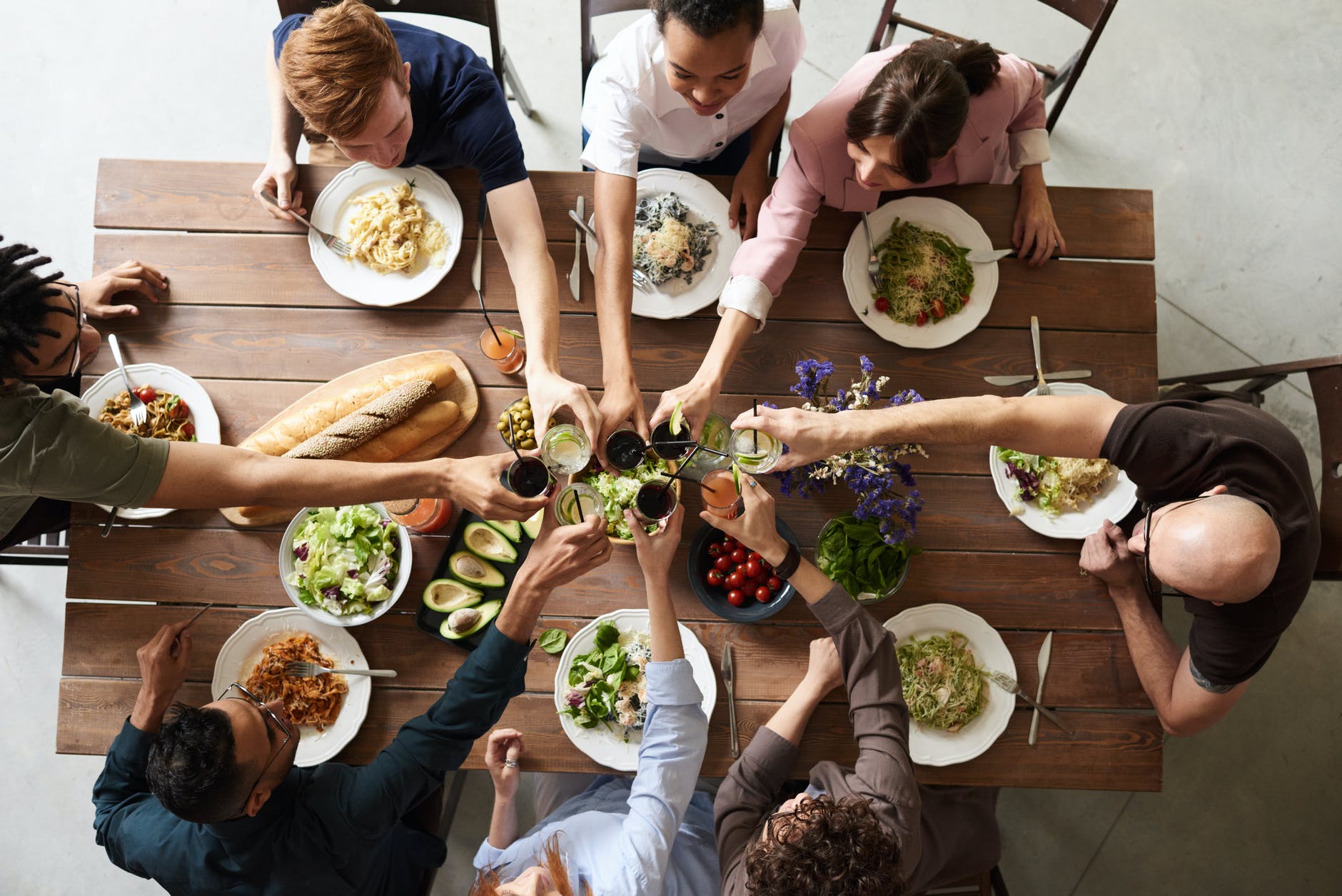
Photo by fauxels on Pexels.com

One of the most insidious forms of this holiday poison comes through comparisons–we gather to be near family we love, only to compare ourselves with them. Which one is happier? Wealthier? More popular? More intelligent? Better looking? Is the host’s house nicer than mine (or is my house “good enough”)? Did I work harder? Did my contribution to the meal taste “better”(or was it passed by– again)? Why am I still sitting at “the kids’ table?” The list is endless of the petty grievances that we allow to overwhelm our intentions to be thankful and live in peace. Someone says something to “push our buttons,” or they seem to ignore us completely.
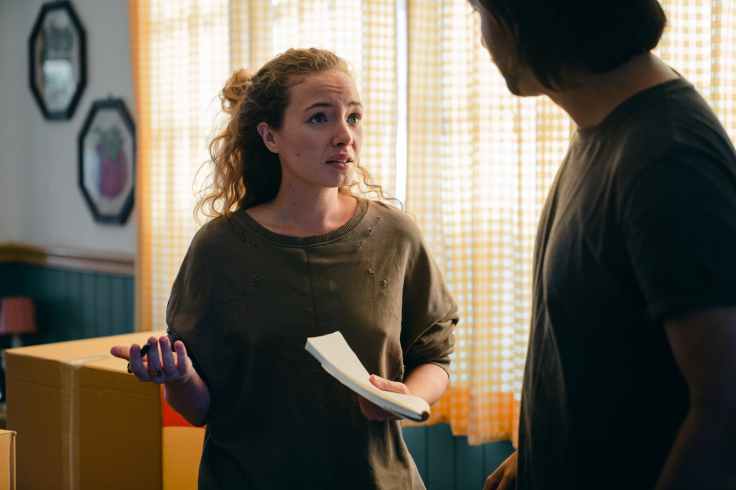
Photo by Ketut Subiyanto on Pexels.com

Another form of holiday poison spreads from person to person–complaining, venting, sounding off, moralizing, criticizing, blaming…what began as a thankful, joyful gathering becomes a snake pit of biting, poisonous talk. And we react. We take the bait, become defensive, get sucked into that political discussion we vowed to avoid, or we revisit old wounds we thought we had put behind us.

Photo by Ken Ozuna on Pexels.com

But unlike food poisoning, bitterness and ingratitude are choices. We can’t always choose our circumstances, nor can we choose what others say or do. But we DO choose our reactions and our attitudes. I can blame someone else’s anger or selfishness for my bitterness, but they didn’t MAKE me succumb to their poison. I can compare myself to others and feel arrogant or inept, but no one forces me to live someone else’s life or measure up to their circumstances.

God has given each of us life and breath, and a purpose. Some of His gifts to us are universal and exactly the same for each person. He has given us each 24 hours in each day; He gives sunshine and rain, day and night, and air to breathe. But some of his gifts are unique to each individual. Our response should be to open our unique gifts, so we can enjoy them and use them, NOT waste time coveting someone else’s gift when we have neglected even to open our own.

Photo by Karolina Grabowska on Pexels.com

I wish I could say that “holiday poison” was easy to avoid– it’s not. It is human nature to grumble and whine and wish for what we do not have. But it IS possible to get healing. It starts with humble confession. We DO wish for what we do not have–and the more we deny and try to bury our failings, the more susceptible we are to the poison they can bring. If we confess our feelings of inadequacy, our desire to have “more” or “better” in life, we can turn to God freely and let Him give us a better perspective. Suddenly, we “see” blessings where we used to see burdens, we can see hope where once there was only grief, and we see opportunities where we only saw obstacles before.

Photo by Nicholas Githiri on Pexels.com

And God’s power to transform our attitude is just one more wonderful thing to be thankful for!
God Doesn’t Vote

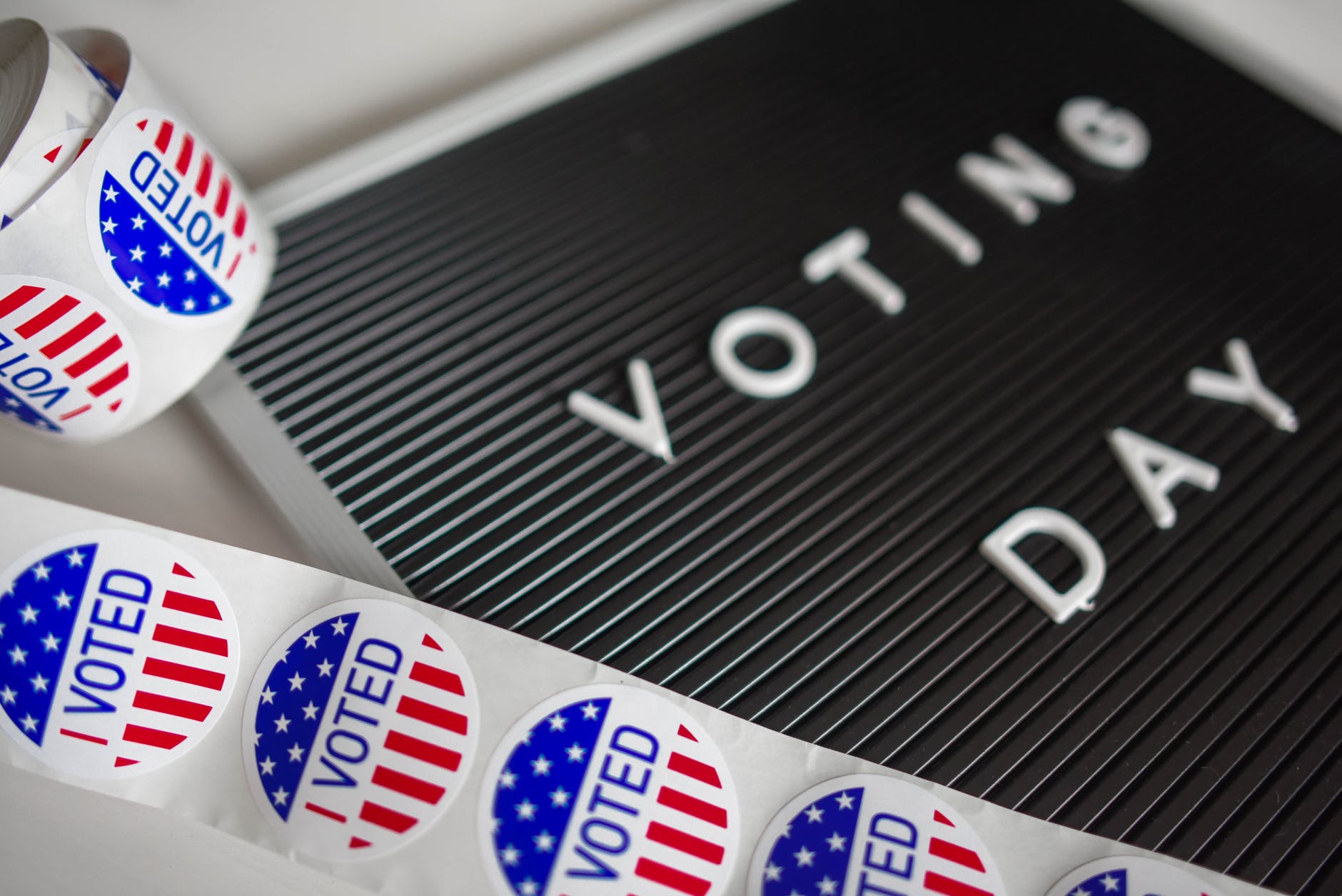
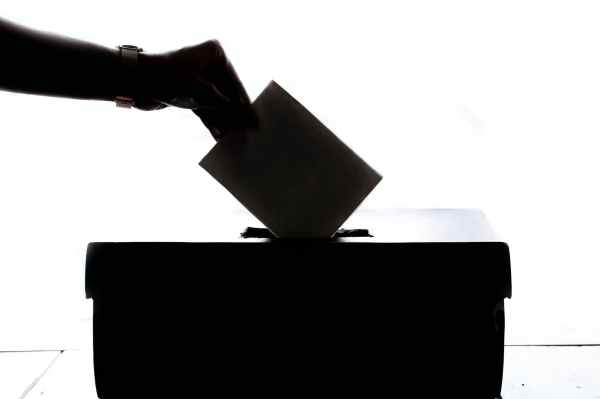
Tomorrow is election day in America. People have been “early” voting for weeks; many will be voting tomorrow, myself included. And then we will watch and wait.

Photo by Element5 Digital on Pexels.com

Pundits and professional pollsters have been trying to predict the outcome for months. They will go at it for the next several days (if not longer), trying to analyze, synthesize, and dissect the voting patterns in various regions to explain why this candidate won, that one lost, or why this race is “too close to call.”

Photo by Element5 Digital on Pexels.com

Meanwhile, many Christians will be doing the same thing in their living rooms, Bible study groups, and neighborhoods. Is America under God’s blessing or His curse? Is this election God’s judgment, or a second chance?

Photo by Markus Spiske on Pexels.com

But God doesn’t “vote.” God is sovereign; He can direct the outcome of elections. He can raise up rulers and bring them down again. He can raise up a nation from nothing or tear down empires. But God doesn’t act on our whims or even on our fervent beliefs about politics, economics, social action, or social issues. He acts on HIS plans and in His wisdom. He asks us not to vote for Him, but to trust and obey Him!

Photo by Magda Ehlers on Pexels.com

I will vote for candidates and issues based on prayer, research, and hopefully, with God’s wisdom. But my vote is not the same as my everyday witness of how God is working in His world. I can vote for the “right” candidates or principles and still disobey God’s commandment to “love my neighbor as myself.” I can vote for the “wrong” candidate, because I am focused on what she says, and not how she treats the people around her, or how she honors God by her actions. I can not vote at all, and still work to spread the good news of the Gospel.

Photo by Toni ph on Pexels.com

God wants His people to live “in the world.” He wants us to be good citizens, interacting with those around us, even getting involved in causes, movements and social issues. But He also wants us to seek His Kingdom first and foremost (Matthew 6:33). Whether we live in a nation that has free elections; whether we vote red or blue (or purple or green); whether we take an active role in politics or sit on the sidelines– we should act in a manner that honors Him above our own ambitions or preferences. And if our candidate(s) should lose; if our nation adopts policies that continue to devalue life, denigrate families, and dishonor God– that does not give us the right to seek violence, retribution, endless recounts, or haughty isolation. We must continue to DO the right thing, in the right way, for the right reasons. We must continue to pray for our enemies, and bless those who curse us. We must continue to tell the truth– IN LOVE–and be ready to joyfully explain the hope that is in us (1 Peter 3:15).

Photo by cottonbro on Pexels.com

God doesn’t vote. He does love ALL those who do!

G.P.S.

Psalm 23:3 English Standard Version (ESV)

3     He restores my soul.
He leads me in paths of righteousness
    for his name’s sake.

Photo by Amelie Lachapelle on Pexels.com

Many phones, tablets, even vehicles, come with a GPS– Global Positioning System–which uses satellite technology to tell you where you are. Combined with a satellite navigation system, the GPS helps tell you how to get from point A to point B– mapping out various routes, including estimated travel times, and information about road construction, detours, and traffic patterns. Applications like Google Maps or MapQuest can show you details and even images of the roads on which you are traveling. Such systems and apps can be very helpful, but they are not perfect. A GPS may be a few yards “off,” leading you close to your destination, but leaving you slightly lost and confused. If you type the wrong coordinates or address into a navigation system, you may end up far from where you expected to be!

Photo by Leonardo Gonzalez on Pexels.com

As Christians, we have a GPS– God’s Provision and Sovereignty. God promises to lead us in the paths of righteousness. God’s direction and leadership are sure and good. We still have the responsibility of listening and adjusting our course, however. We can still miss a turn, go off in the wrong direction, or set the wrong coordinates for our destination.

But, unlike a satellite navigator, God’s provision is eternal and supernatural. God knows all the roads we can take, could take, should take, (or shouldn’t take), and will take– He knows every curve, every bump in the road, every traffic jam, and every scenic lookout and rest stop along the way! God’s MapQuest sets us on a course of righteousness– paths that will not only bring us safely to our ultimate destination of eternal life with Him, but do so in a way that brings honor and glory to Him. After all, it’s His reputation at stake as our Shepherd. He is the Good Shepherd– He won’t lead us down the wrong path; He WANTS us to reach our destination. And our full potential!

Photo by Vlad Cheu021ban on Pexels.com

When we travel these paths, with our Shepherd leading the way, we will become familiar with the best roads; able to help others navigate the sharp turns and steep grades we have already traveled. We can share the glory of that sweet stretch of road beside the cool stream, or the view from the hidden rise. And we can share the blessings of being on the road with the one who owns it!

Photo by Drew Rae on Pexels.com

Sometimes, we pray for a different path– a short cut, or a road with more adventure (or less!)–God hears our prayers, and He knows where the road leads. When we look back, we may be amazed– not only at the road God laid out for us to follow, but the roads we didn’t take. We see a short-cut; God sees missed opportunities for growth. We see a detour; God sees the dangerous wash-out we were spared. But if we walk by faith, and not by sight (or intuition, or emotion), we will begin to see the goodness of the path we are on, no matter how difficult or how different from our expectation. And we will begin to pray, not for the path to change, but for wisdom to follow where our Shepherd leads.

Photo by Aleksejs Bergmanis on Pexels.com

The best part of God’s GPS is that no matter how lost we are; no matter which path we have chosen against His good will– God can get us back on course and to the right destination. He can turn our dead-end roads around, help us make the right turns, and help us reconnect with the paths of righteousness.

Photo by rawpixel.com on Pexels.com

Whatever path you and I find ourselves on today, I pray that we will turn on our GPS, and follow God’s directions for the road ahead.

The “if” at the Center of Life

The English word “life” has only four letters, but the central two form another word– “If.” Life is all about making choices–and facing the consequences of those choices. Often we focus on those circumstances over which we seem to have no choice–I didn’t “choose” to be born, to be born female, to be born into the family or community where I grew up. I didn’t choose to be short, I didn’t choose the color of my eyes or skin or hair (though my hair color has changed as I get older!)

Photo by Pixabay on Pexels.com

But those are circumstances– they are not my LIFE. My life is made up of thoughts, feelings, actions, attitudes, decisions, and interactions with others. The color of my eyes, my lack of stature, or my family name does not determine my attitude or my inner beliefs or the way I treat others. Who I am is determined by the choices I make– to be proud, to believe that I am superior (or inferior) to others; to choose hope and courage or to wallow in worry and despondency; to make the most of my time, or to waste it; to envy others or be grateful for all that I have; to obey or defy; to take care of my body or make unhealthy life choices; to be a good steward or be wasteful and destructive; to show love or to withhold kindness; to forgive or to hold a grudge; to seek God for his love and mercy, or to blame God for every challenge I face. Every choice (and its consequences) is woven into the fabric of my earthly life– every reaction to bad circumstances, every investment in future goals, every moment spent “just vegging”, every secret habit I continue to indulge..

Photo by Artem Beliaikin on Pexels.com

The word “if” can hold great promise or regret– we can get lost in speculating, “if only…” or we can try to bargain with ourselves or with God, “if…then.” God gives us life, and He gives us “if”– the freedom to choose how we will react to our circumstances; freedom to choose how we will live our lives; the freedom to seek Him; the freedom to serve Him (or not) with all the unique gifts and passions He planted in each of us.

Life is filled with “ifs”– good and bad. “If’s” are conditional and have consequences. God’s love is not an “If.” It is unconditional, eternal, and immeasurable. Accepting it, however is conditional–it is the greatest “if” in the center of our life!

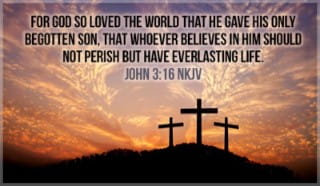
Lord, help me make good choices– choices that reflect the love and mercy You have shown; choices that bring You honor and glory. Thank you for making the choice to send Your only Son, that whoever (including me) believes in Him should have everlasting life!

Victims and Victors

My husband and I own a small retail business.  Last winter, we were victimized by shoplifters.  They stole several items, worth over $1,000.  The same couple stole items from other businesses in the area.  The police investigated, compared descriptions of the suspects, traced their movements, and got an arrest warrant.  The couple fled, and it took months to find them and bring them into custody.  They have been arrested, and we have been to court for a preliminary hearing, with another potential court date in about a month.

blur close up focus gavel
Photo by Pixabay on Pexels.com

The court sent us a long series of papers to fill out, including a victim impact statement, where we were to describe how the suspect’s alleged actions impacted us personally, as well as how our business was damaged.  Even though this was not a personal crime (we weren’t physically threatened or harmed, or specifically targeted with an intent to ruin our business), there are still scars–distrust, fear, frustration, and loss, to name a few.  Just because a crime isn’t personal, doesn’t mean that no one suffers.  It has been an awkward process to write out the victim statement, and to appear in court and recount all that happened that day, but it has also been a good process.

crime scene do not cross signage
Photo by kat wilcox on Pexels.com

Being a victim is not a pleasant experience.  It is frightening, humiliating, maddening, and bewildering.  “How could this have happened?”  “Why did it happen to me/us?”  “What did I/we do wrong?”  These are honest questions that go unanswered.  But the biggest question may be “Where was God when this happened?”  Didn’t he know?  Didn’t he care?  Why didn’t he act to stop this crime?  Why did he allow it to touch us?

In the months since this happened, I’ve learned to ask some other questions of God–

  • What other “bad” things have you kept from us without our knowledge?  What good things have you showered on us that we took for granted?
  • Who else has suffered the same or worse things– how can I reach out with empathy or understanding?
  • Where are people suffering without justice?  Even though we have had a long wait, we know that the police and court system have been working for us.  Where are people living who suffer without hope, in silence, and in fear of seeking help?
  • What can we learn from this experience?  How can we make our store and our community “safer”?  How can we heal, and bring justice instead of wallowing in hurt or seeking revenge?

green leafed plant on sand
Photo by Engin Akyurt on Pexels.com

God has a plan, even in times of trial and questioning.  We all will be victims at some point in our life–of injustice, of crime, of disease, of poverty, of losses, of disaster, and of sin’s consequences– our own sins and the sins of others.  We can also be victors, through the power of the Holy Spirit.  We can overcome bitterness and addiction; we can triumph through cancer, depression, or heartbreak; we can rise above setbacks and circumstances; we can choose forgiveness and healing over hatred and self-sabotage.  We can move from being perpetual victims to eternal victors, through Jesus Christ our Lord!

Blog at WordPress.com.

Up ↑