The Lord Does Not See Us..

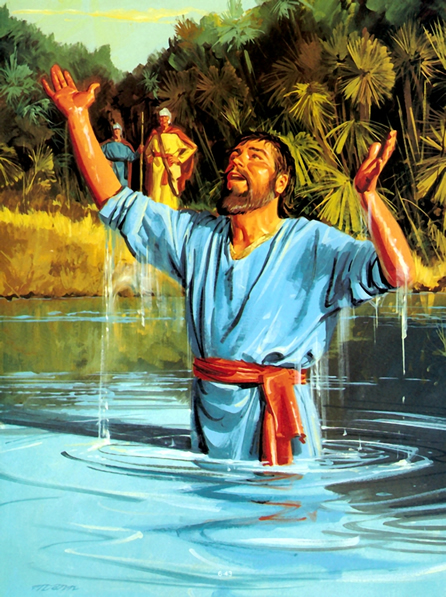
In the sixth year, in the sixth month on the fifth day, while I was sitting in my house and the elders of Judah were sitting before me, the hand of the Sovereign Lord came on me there. I looked, and I saw a figure like that of a man.  From what appeared to be his waist down he was like fire, and from there up his appearance was as bright as glowing metal. He stretched out what looked like a hand and took me by the hair of my head. The Spirit lifted me up between earth and heaven and in visions of God he took me to Jerusalem, to the entrance of the north gate of the inner court, where the idol that provokes to jealousy stood. And there before me was the glory of the God of Israel, as in the vision I had seen in the plain. Then he said to me, “Son of man, look toward the north.” So I looked, and in the entrance north of the gate of the altar I saw this idol of jealousy. And he said to me, “Son of man, do you see what they are doing—the utterly detestable things the Israelites are doing here, things that will drive me far from my sanctuary? But you will see things that are even more detestable.” Then he brought me to the entrance to the court. I looked, and I saw a hole in the wall. He said to me, “Son of man, now dig into the wall.” So I dug into the wall and saw a doorway there.And he said to me, “Go in and see the wicked and detestable things they are doing here.” 10 So I went in and looked, and I saw portrayed all over the walls all kinds of crawling things and unclean animals and all the idols of Israel. 11 In front of them stood seventy elders of Israel, and Jaazaniah son of Shaphan was standing among them. Each had a censer in his hand, and a fragrant cloud of incense was rising. 12 He said to me, “Son of man, have you seen what the elders of Israel are doing in the darkness, each at the shrine of his own idol? They say, ‘The Lord does not see us; the Lord has forsaken the land.’” 13 Again, he said, “You will see them doing things that are even more detestable.” 14 Then he brought me to the entrance of the north gate of the house of the Lord, and I saw women sitting there, mourning the god Tammuz. 15 He said to me, “Do you see this, son of man? You will see things that are even more detestable than this.” 16 He then brought me into the inner court of the house of the Lord, and there at the entrance to the temple, between the portico and the altar, were about twenty-five men. With their backs toward the temple of the Lord and their faces toward the east, they were bowing down to the sun in the east. 17 He said to me, “Have you seen this, son of man? Is it a trivial matter for the people of Judah to do the detestable things they are doing here? Must they also fill the land with violence and continually arouse my anger? Look at them putting the branch to their nose! 18 Therefore I will deal with them in anger; I will not look on them with pity or spare them. Although they shout in my ears, I will not listen to them.”

Ezekiel 8 (NIV) via biblegateway.com

We make a big fuss in our culture about privacy. What I do in my own home, with my own life, in my own time, is private. And, for many of us, our privacy is sacred. We rage and fight and panic about who may be invading our privacy– listening in or watching us when we least expect it.

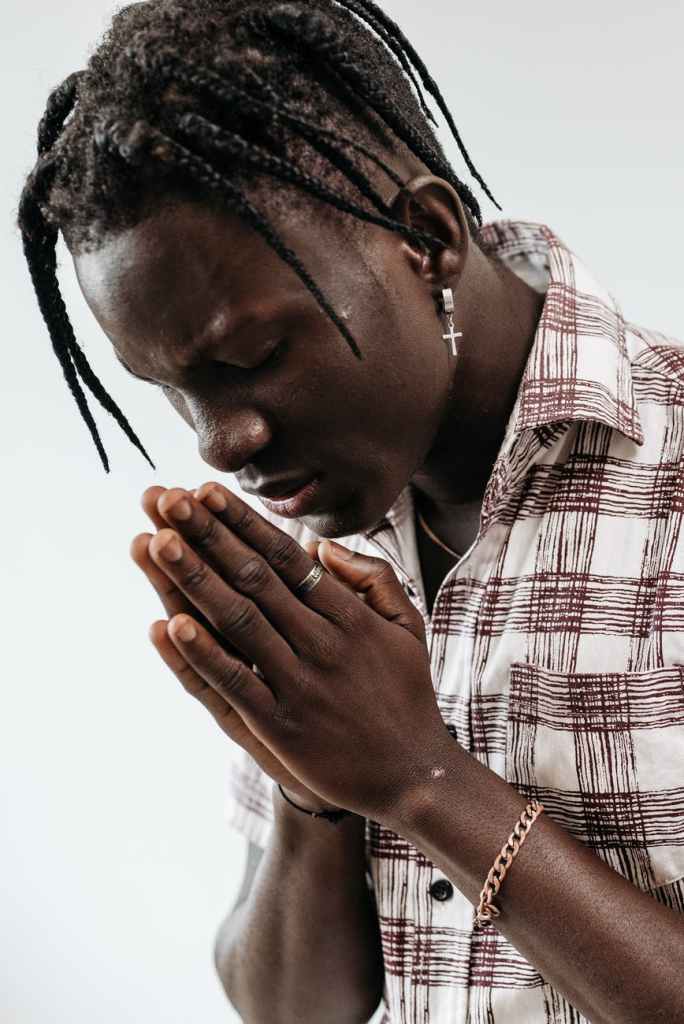
Photo by Andrea Piacquadio on Pexels.com

I must admit, I don’t like the idea of anyone spying on me or listening in on my private moments. I especially don’t like the thought of someone manipulating or using my private words, images, or ideas without my knowledge or consent.

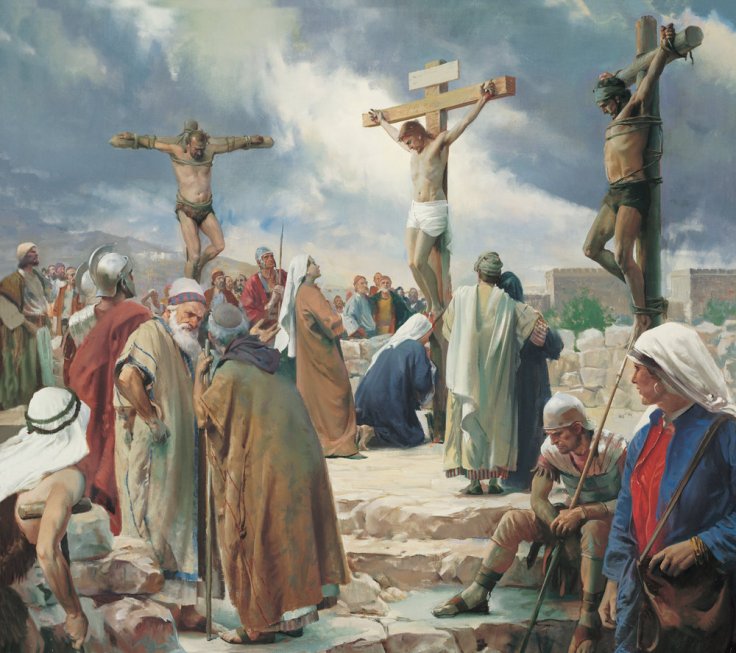
Photo by Rene Asmussen on Pexels.com

But there is a danger in our quest for privacy– we are inclined to believe that anything we do in private CANNOT ever be discovered; that we are safe to do whatever we please, regardless of the consequences. The internet has made this idea even more dangerous–we can be private and anonymous behind the screen. We can say things we know we shouldn’t; we can view things we would be ashamed to acknowledge watching; we can explore fantasies, mask our inadequacies, pretend to be who and what we are not; all behind the “safety” of the screen.

Photo by Andrew Neel on Pexels.com

And this is nothing new. In Ezekiel’s day, the moral, legal, political, and religious leaders of the day thought they were “safe” to indulge in idol worship behind closed doors. But more than that, they believed that God would never see as they practiced divination, witchcraft, ritual prostitution, violent orgies, even child sacrifice! They had built hidden rooms where they practiced vile rites and indulged in the very behaviors they taught others to avoid. Worse, they condemned and vilified others when they “got caught” doing the same things they practiced with impunity. And when prophets came to them with warnings–the very words of God– they had them ruined, imprisoned, tortured, and killed.
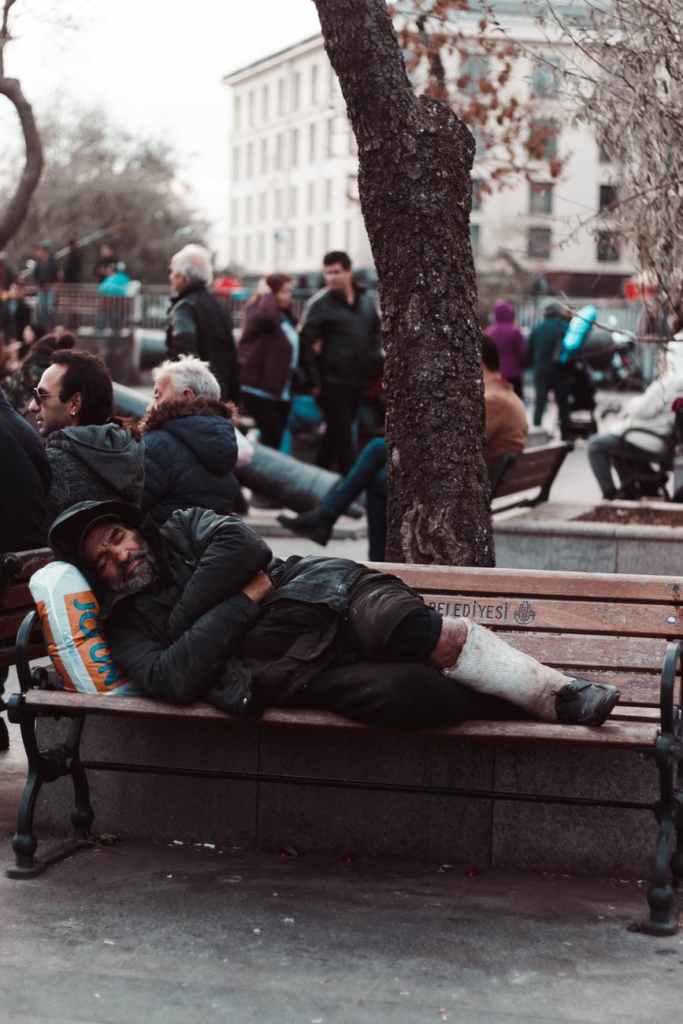
Photo by Oleg Magni on Pexels.com

In the eighth chapter of Ezekiel, God shows his prophet a vision. He allows Ezekiel to “go behind closed doors” and see the priests and leaders at their worst–over and over again–secret rituals, detestable practices, flagrant disobedience, arrogant rebellion…And all of this was happening as the nations of Israel and Judah had collapsed, and many thousands had died from war, disease, and starvation. People had been sent into exile– defeated, starving, enslaved. Yet their leaders were keeping up an image of righteousness and proud endurance, instead of turning to God for help and hope.

Photo by Jigar Maru on Pexels.com

God was very clear–Jerusalem WOULD be captured and destroyed. Babylon WOULD take God’s people captive and send most of them to the sword or to exile. Defiance and pride– especially relying on the great victories of the past– would not save them. Rebellion and violence would not hold back God’s judgment.

Photo by Andrea Piacquadio on Pexels.com

The same is true today. It is easy to write about praying and walking closely with God–I’m hidden behind a screen. I can sound righteous and Godly for a few minutes three times a week. And it is easy to point fingers and call out the bad behavior of others behind the anonymity of a computer screen. We need to speak up, speak out, and defend the cause of those who are oppressed, abused, enslaved, and silenced. But we also need to beware that we are not crying, “Shame on you!” from a locked closet, while waving banners or buying merchandise supporting the abusers.

And God sees all of it. What we may find shocking and reprehensible, God has already seen through to its conclusion! God WILL bring judgment and punishment for those who shed blood and bring violence and injustice. But God also sees what I do in the watches of the night; when I’m alone with my thoughts; when I’m not on my guard against what I view on Facebook or YouTube. God knows what celebrity gossip I crave, or what I’m “watching” on eBay. He knows if I am ignoring or justifying evil happening all around me. He watches over my shoulder when I’m reading that new novel, or I’m driving down the road (hopefully not at the same time!), or when I’m wallowing in self-pity or jealousy or anger.

Photo by Ivan Samkov on Pexels.com

When I read about Ezekiel weeping over the behavior of Israel’s leaders, I am convicted. How often do I weep and seek God’s mercy over the behavior of our leaders–all of them, and not just the ones I voted for? Or do I just fume and post about how awful “they” are (whoever “they” my be) and how “they” need to be punished? How often do I ignore my own bad behavior? I may not have a “hidden room” filled with detestable images and idols, but God is still watching how I react to challenging times. He knows if I am obeying His voice or merely pretending to follow Him while leaning on my own understanding or my own image of self-righteousness. He knows if I have made money, politics, status, safety, health, or even “religion” into idols, hoping that one or more of them will carry me through tough times. He knows if I am condemning others for their bad behavior, while hiding or justifying my own.

I want everyone to see me when I am noble and righteous–but I need to see myself as He sees me every day–His much-loved, and ever-needy, child.

Photo by Brett Sayles on Pexels.com

Father, may I be quick to remember that You ALWAYS see me– and that You ALWAYS want me to see You as well. Help me to see You in the middle of challenging times. Help me to see You when I interact with others. Help me to obey You in the private moments when no one else is watching.

Commencement Exercises

We’re entering graduation season. I’m already seeing notices of friends and family members who are, or who have family members, graduating from colleges and universities. Others are graduating from local high schools in the coming weeks. It’s an exciting time, when we celebrate achievements, encourage future success, and show support.

Photo by RODNAE Productions on Pexels.com

We often call the graduation ceremony “commencement exercises.” Commencement means “beginning.” But so often, the celebrations seem to focus on the past. We look back on memories and accomplishments, we bid tearful farewells to friends who will go their separate ways, we console parents whose children will be “leaving the nest.”

Photo by Feedyourvision on Pexels.com

Graduation is supposed to be a time of looking forward. But it can be difficult to celebrate things that have not happened yet. We wish all the graduates well, but we cannot guarantee that the road ahead will be filled with success. In fact, we can almost guarantee that the road ahead will hold obstacles, failures, struggles, and suffering along the way! Sometimes, it may be easier to focus on what we already know and have experienced, than to dwell on the unknown. But—

We are also heading into a season that has traditionally been one of many weddings. My parents, one set of grandparents, my brother and sister and their spouses– all were married in the month of June. At weddings, we don’t focus on the past– we look forward and celebrate all the possibilities of the future. It truly IS a time of “commencement”– a beginning of a new family. We don’t console the parents on “losing” their child; instead we congratulate them on adding a new member to the family. We don’t focus on the past achievements (and certainly not the past relationships!) of the new couple– instead, we eagerly anticipate the new life they will forge together.

Photo by Fernanda Latronico on Pexels.com

In light of weddings, graduations, and commencements, it may seem odd that I would be thinking about funerals, but I see a connection. Funerals are not celebrations in the same sense as weddings and graduations. They are solemn times of mourning loss and the end of life. We honor the memory of our loved one– we cherish the memories and achievements and relationships that were in the past, but we don’t decorate with balloons and ribbons; we don’t sing and dance and make joyful noises; we don’t speak of the future…

Photo by Pavel Danilyuk on Pexels.com

This is appropriate and natural. But at some point, as Christians, we should think beyond the end of this life and celebrate the “commencement” of eternal life. This short chapter of life has ended, but our loved one has merely “graduated” to a new and better life. Of course we grieve– we will miss the relationship we have shared in this life; our loved-one’s presence; shared jokes and memories of the past, or in the present; the familiar voice and listening ear; words of wisdom just when we need them– but our grieving is tempered with hope and joy. Not only will we meet again, but we will share a new life and a new relationship. The present may seem bleak, but the future looks very bright, indeed!

Photo by Aaron Burden on Pexels.com

Whatever type of “commencement” exercises await us this season, I hope we will take joy and find peace in the knowledge that God is planning exciting new beginnings at every stage of our lives and in the lives of others. Commencement awaits!

Praying Scripture

This is not a great secret or a new discovery, but a reminder that we can “pray” the Scriptures. Sometimes, we do this in corporate prayer, as in a congregation reciting “The Lord’s Prayer” together. But often, it is when we are reading God’s word, or a particular verse haunts our memory that we echo the words in our prayer life. There are so many benefits from this:

Photo by Luis Quintero on Pexels.com
  • We are joining in a great tradition– much of Scripture records the prayers of the patriarchs and of Jesus Himself. When we echo those words, we affirm them–both to God and to ourselves.
  • We are praying in the light of the truth–God’s own words on our lips can keep us from trying to put our words in God’s voice!
  • We are deepening our understanding and experience of Scripture– making it personal, rather than just a learning exercise or a daily duty.
  • We are deepening our experience of Prayer– it is more than just me talking to God. It is me agreeing with God’s Word, and God’s Word literally speaking through me.
  • We are reminded of what prayer can do– many of the prayers of Scripture are followed by answers, from prophecies to miracles to movements of the Holy Spirit.
  • We are reminded that God answers prayer that is consistent with His will– not all Biblical prayers were answered in the ways that their petitioners hoped or expected!

The Bible is full of wonderful examples of prayers. Here are just a few to get started:

  • Abraham’s prayer for God to spare Sodom in Genesis 18 (v. 23-32).
  • Moses praying for God to forgive Israel’s sin and disbelief in Exodus 32 (v. 31-32)
  • Moses praying for a successor to lead Israel into the Promised Land (Numbers 27:16-17)
  • Gideon’s prayer for guidance in Judges 6
  • Manoah’s prayer for help in raising his son Samson in Judges 13
  • David’s prayer in 2 Samuel 7 (v.18-29)
  • Elijah’s prayer for God to send fire from Heaven in 1 Kings 18 (v.36-37)
  • Several of the Psalms, including 3, 51, 90, 102, 103, 105, and many others.
  • Hezekiah’s prayer for God to save Israel from their enemies in Isaiah 37 ( v.16-20)
  • The prayer of Jebez in 1 Chronicles 4:10
  • Habakkuk’s prayer for revival in Habakkuk 3: 2-19
  • Jesus’ prayer in Matthew 11:25
  • Jesus’ prayer for His disciples (John 17)
  • Jesus’ prayer in the Garden of Gethsemane (Matthew 26:39-44)
  • Jesus’ prayer from the cross in Luke 23:34
  • Stephen’s prayer in Acts 7:59-60
  • Prayer of worship in Heaven in Revelation 5:13

https://christian.net/resources/the-top-most-powerful-prayers-in-the-bible/

In addition, Bible passages that describe the Character and Majesty of God the Father, the Son, and the Holy Spirit can be used as prayers of worship and adoration. Bible stories and events can be lifted up in worship of God’s power and faithfulness through the ages. Jesus’ teachings (such as the Beatitudes) can be lifted up as the desire of our hearts, and as requests for the strength and wisdom to follow Him.

Photo by cottonbro on Pexels.com

Now unto him that is able to keep you from falling, and to present you faultless before the presence of his glory with exceeding joy, To the only wise God our Saviour, be glory and majesty, dominion and power, both now and ever. Amen.

Jude 1:24-25

For Righteousness’ Sake

Blessed are those who are persecuted for righteousness’ sake,
For theirs is the kingdom of heaven.

Matthew 5:10 (NKJV)
Photo by Meruyert Gonullu on Pexels.com

Yesterday was Easter (in parts of the world)–the celebration of Christ’s resurrection and victory over Sin and Death. We have much to celebrate. But we also have a mission. We have the assurance of eternity in Heaven, but in THIS world, Jesus warned us, “you will have trouble.” (John 16:33). We will be misunderstood, mocked, and persecuted. We will have to face the temporary consequences of living in a fallen world– anger, greed, abuse, violence, betrayal–even bad weather and natural disasters!

In giving the Beatitudes, Jesus turned common expectations upside-down. Blessed are the poor in spirit; blessed are the meek; blessed are those who are persecuted for righteousness’ sake… We don’t consider poverty, powerlessness, suffering and persecution blessings to be desired. Yet Jesus, the One we follow, gladly endured all of these for our sake! Notice that the “blessing” is the same here as in the first of the Beatitudes– “for theirs is the kingdom of heaven.” The Kingdom of Heaven is not reserved for those who are victorious in their own power or through force of will or extraordinary effort. But it is reserved for those who persevere in the face of evil–those who lean, and those who rest, and those who stand IN THE POWER of God.

Notice, too, that we are blessed if we are persecuted “for righteousness’ sake.” There is no blessing for suffering due to our own stubbornness or foolishness. There is no blessing for those who are persecuted for their own pride and judgmental nature and unforgiveness toward themselves or others. (see 1 Peter 3) https://www.biblegateway.com/passage/?search=1+Peter+3%3A8-17&version=CEV

Photo by MART PRODUCTION on Pexels.com

We live in a culture that celebrates “victimhood.” Those who suffer injustice– even perceived of implied injustice–are considered to have a special status. Those who claim to have been offended or hurt by individuals or groups often demand recognition for their “bravery” or retribution for their suffering. This happens even among certain Christians, who claim to be “persecuted,” when they are merely suffering the consequences of their own hubris and self-righteous posturing. This is a monstrous injustice to fellow Christians who are truly suffering persecution “for righteousness’ sake.”

Photo by Cameron Casey on Pexels.com

My prayer today is that I will emulate the example of Christ– that I will serve, humbly, willingly, sacrificially, enduring any persecution that comes as a result, and lifting up fellow Christians who are suffering, as well as their persecutors! For righteousness’ sake– for the sake of the Kingdom of Heaven.

A Lenten Prayer

Father,
I gave up nothing for Lent this year.

I went on a “weight-loss” plan because my doctor said I should.
Even so, I didn’t give up meat or chocolate,
Or sweets, or even television, like some others did.

I didn’t give up shopping.
I didn’t give up social media.
I didn’t give up…anything for this short season.

Photo by Kindel Media on Pexels.com

But today I acknowledge that Lent isn’t really about
What I have or haven’t given up.
It’s about what YOU gave up.
You gave it all:
Your Glory;
Your Power;
Your Majesty.
You became a simple man.
A servant of men.
A man without a home;
Without prestige;
Without a title.

Photo by RFA on Pexels.com

You were betrayed;
Falsely accused,
Corruptly tried,
Shamefully condemned,
Brutally beaten,
Crucified.
So that I might gain eternal life.

You do not judge me for what I haven’t given up for a season.
You do not withhold your love and forgiveness;
Waiting for me to learn the disciplines of Lent.
You ask for more than that– and less.
You ask me to follow you–to leave it all behind.
You ask me to give up my life– only to find it again in You.

Photo by John Ray Ebora on Pexels.com

Let me reflect today on what more I need to give up:
My pride.
My apathy.
My selfishness with time and money.
My need to have my own way;
My own comforts.


May I be free to serve you;
To serve others.
May I be ready to give up whatever is
Keeping me in thrall;
Keeping me enslaved;
Keeping me from serving you with abandon.

Show me how to let go
Of all but You–
That You may be my All.

Prayer and Weight Loss

Recently, I found out that I have developed diabetes. One of the ways to lower my glucose count and mitigate the effects of diabetes is to lose weight– something I’ve been trying to do over many years with little success!

Photo by Andres Ayrton on Pexels.com

Weight loss can be a tricky thing– the harder I try, the less I seem to lose. In fact, sometimes, I gain weight instead! Part of the process is not to think of it as weight loss, but as a change of attitude and lifestyle. It is easy to get fixated on numbers– calories, carbs, ounces, serving sizes, etc.. But numbers alone don’t tell the whole story. It’s not just what I eat, or the amount, but when, and how, and why. Am I skipping meals? Do I fry my vegetables in butter, or drown them in cream sauces? Do I eat because I am bored, or stressed? Do I exercise? Do I drink enough water?

Photo by Lisa Fotios on Pexels.com

Prayer can be a tricky thing, as well. It shouldn’t be complicated or stressful, but I can add all kinds of expectations and structures to my prayer life that actually get in the way. I can stress about whether I am praying enough, or too little; whether I am forgetting to pray for someone, or if I’m praying selfishly for a certain situation; whether I am too distracted or tired; the list seems endless.

Photo by MART PRODUCTION on Pexels.com

One of the biggest barriers to prayer comes when we carry the extra “weight” of subtle sins like guilt, fear, doubt, or pride. And just like physical weight loss, the harder we try to deal with it using our own willpower and our own wisdom, the less likely we are to “lose” it. The only way to lose this kind of weight is to confess it– asking God to take it and replace it with a new way of thinking and a new attitude. Instead of focusing on what I need to lose, I need to start focusing on what I will GAIN as I change my eating habits.

Photo by Andrea Piacquadio on Pexels.com

My current weight-loss goal is to lose between 15-20 lbs. over the next three months (in time for summer). But my REAL goal is to change my way of cooking and eating, such that I am living a healthier lifestyle going forward. My current prayer goal is to spend more time in prayer (an hour each day). But my REAL goal is to develop prayer habits that further my relationship with God– to continue to draw closer to Him. It’s worth losing old habits and attitudes to gain so much more!

St. Francis Visits a Contemporary University…

St. Francis was allowed to visit a 21st century university, which housed a chapel bearing his name. He was both honored and confused by the opportunity. Walking about the campus, he was amazed at the number and variety of students rushing to and fro; they were not looking at the grounds or the sidewalks or at each other– they were focused on their devices. It was a noisy campus, full of the sounds of buses and other traffic, music and podcasts playing, people arguing… Finally, St. Francis arrived at “his” chapel. It was a beautiful building, quiet and simple in its design. It was empty, except for a single student, saying her prayers. At the entrance, there was a plaque with a well-known prayer:

Photo by Keira Burton on Pexels.com

Lord, make me an instrument of Your peace; 
Where there is hatred, let me sow love; 
Where there is injury, pardon; 
Where there is doubt, faith; 
Where there is despair, hope; 
Where there is darkness, light; 
And where there is sadness, joy. 

O Divine Master,
Grant that I may not so much seek
To be consoled as to console; 
To be understood, as to understand; 
To be loved, as to love; 
For it is in giving that we receive, 
It is in pardoning that we are pardoned, 
And it is in dying that we are born to Eternal Life. 
Amen.

Photo by MART PRODUCTION on Pexels.com

Francis took a seat, absorbing the peaceful stillness, yet wondering at his assignment. Why had he been sent here? Why this moment in time? Taking his cue from the student, he also spent some time in prayer. Then he walked back outside.

He was struck again by the students– they were everywhere, but they were isolated. No one noticed him or stopped to speak. He tried to talk to someone–anyone–but they were all busy and not inclined to pause or interact. He noticed a coffee house across the street. Carefully avoiding speeding buses and weaving bikes, he crossed and entered the shop. It was a little quieter than the commons, but most of the customers were sipping their drinks and staring at screens–personal devices or the huge screen above the counter, streaming the latest news. War, scandal, protests, mud-slinging politicians, all made their appearance, only to be replaced by a commercial break and the next headline. No one stopped in horror at the litany of injustice, death, greed, or duplicity. They simply sipped their lattes and went back to scrolling through their Instagram accounts.

Photo by Valeri Mak on Pexels.com

The door opened to admit the student he had seen earlier in the chapel. She glanced up at the big screen, shook her head, and ordered a coffee. She found a table, and sat down. The coffee house was busy; it was the last empty table. She smiled as another student came in. She invited the other student to sit with her. She started a conversation. At first, the other student was jumpy and disinclined to talk. But soon, the two students were chatting. The sound of it attracted attention. Some customers were bothered by the new noise; others were intrigued by the sound of real conversation– even laughter! Two other students brought their chairs and drinks over and joined the conversation. They spoke of missing their families, of struggling with certain classes, and enjoying others. They spoke of future plans, and the obstacles that stood in the way. They spoke of fears for the future, as well. Francis noticed that one student listened from a distance, but did not join the others. He seemed weary and despondent. Francis walked over and asked if he could just sit at his table for awhile. The young man was startled, but said, “Suit yourself.”

Photo by cottonbro on Pexels.com

Francis sat in silence, his head bowed. Finally, the young man spoke quietly. “I saw you watching that girl. Just a word of warning– she’s a nut job. She comes in here about once a week, talking nonsense. She’s not even a student here.”

“And yet, I saw you were also watching her. She intrigues you.”

“I don’t know how she does it. She comes in here, talking about love and joy and faith, and people listen to her. They eat that stuff up. Don’t they know it’s all garbage? Look at the news! But she comes in, all smiling and happy– she’s crazy.”

“But she still intrigues you. Could it be that she is at peace, and you are not?”

“Peace?! Peace is nothing but an illusion. Power is what counts. Action. Look at her– she’s not doing anything to make the world better, and yet she acts like she’s got all the answers. It’s sickening!”

“Why do you keep watching her?”

“I don’t even know. She’s so stupid. She’s all wrong, and she acts like everything is fine.”

“Have you spoken to her? How do you know what she thinks and feels?”

“I’ve told you. She’s crazy. I don’t want to talk to someone like that.”

“Are you afraid?”

“Afraid of what?”

“That she’s not as crazy as you think. That she might laugh at your thoughts, the way you laugh at hers. That she won’t talk to you, like she talks to the others… Maybe you’re afraid of what you would say.”

“What do you mean?”

“What would you say to her if she spoke to you? Would you listen, or would you argue? Would you wipe the smile off her face and take away her joy and faith? Would you make the world a better place by winning your argument with her?”

Photo by ZHANNA TIKHONOVA Tt on Pexels.com

The young man was at a loss for words. He suddenly noticed that other conversation had stopped. People were looking at him– even the young woman he had been talking about. His face turned red, and he jumped out of his seat and dashed out of the coffee house. The group dispersed, and Francis was left alone with the young woman.

“He may be right, you know,” she said with a wry smile. I don’t think I do enough to make the world a better place. I just sit and talk with people, and listen, and pray. It’s not much. Not enough to make a real difference.”

Photo by SHVETS production on Pexels.com

Francis put a hand on her shoulder and shook his head. “It is enough in God’s economy to be available. To be humble and willing and faithful. Keep up the good work. And may God bless you.”

When I Don’t Know How to Pray

Prayer is both simple and complex. Anyone can pray. There is no single correct “formula” for prayer. God is always listening and hears the prayers of those who sincerely seek Him. I can pray to God in formal words, songs, groans, and scattered thoughts.

Photo by Collis on Pexels.com

But there are times when I don’t know how to pray. More precisely, I don’t know WHAT to pray. When someone is diagnosed with cancer, or a chronic illness, my first instinct is to pray for healing– immediate and total healing. When I hear of a mass shooting, or a blatant injustice, or a natural disaster, I want to pray for all the pain and loss and evil to disappear or be reversed. I want all those things that I know to be “good”– health, happiness, healing, hope, unity, righteousness, and wholeness.

Photo by James Wheeler on Pexels.com

Still, God’s ways are not my ways. God’s “goodness” is not measured in comfort and quick resolutions. I may not understand the goodness of struggle and pain in the short term. I think of disaster as total and irredeemable, and my prayers often come out of my own short-sighted thinking and my own discomfort at the realization of others’ (and my own) weakness and mortality.

There are a few Biblical principles that I find very helpful when I don’t know “how” to pray:

  • God knows –REALLY KNOWS– all my inner thoughts and feelings. Even more, He KNOWS what will happen, what should happen, and what is best in every situation. I can pour out my desire to see my friend restored to health, or a community re-united in hope, knowing that God is a God of healing and restoration; but also knowing that God’s timing and purposes may involve temporary suffering–even for those I love. Moreover, God knows why I am confused. He knows why I struggle to know how to pray. He doesn’t ask me to always know the “right” answer– He does ask that I trust Him to know and act in His sovereign strength and wisdom. No matter the circumstances, God is still on His throne. And I am not!
  • Jesus gave us simple but powerful examples of “how” to pray. In “The Lord’s Prayer,” He prayed for simple, personal things– daily bread, forgiveness, guidance–as well as big and overarching things–“Thy kingdom come, Thy will be done..” His trust in the Father’s ability to accomplish all things was absolute, and His relationship was firmly established– “Father…Hallowed by Thy Name.” In the garden, Jesus was clearly suffering, and asked that the “cup” of suffering– the torture of the cross and the inconceivable horror of being rejected as He bore our sins and carried them through death and the grave– be removed. Yet, He submitted His desire, His fears, His anguish, to His Father– “Not My will, but Thine..”
  • There are other wonderful examples throughout the Psalms, the Gospels, the Epistles, and hundreds of years of Church leaders and saints: their prayers can teach us, encourage us, and embolden us.
  • Jesus promised that we would have an advocate–the Holy Spirit– who would intercede for us. When we don’t know how or what to pray, the Apostle Paul says that the Spirit makes intercession for us with “groanings which cannot be uttered.” (Romans 8:26 KJV). The Spirit also speaks to our own spirit to help us understand more clearly God’s ways and plans.
Photo by Italo Melo on Pexels.com

I may not always know how to pray, or what to pray. But I can be confident that God hears my prayers. I can come before Him with the assurance that my prayers– and all my thoughts and emotions–are precious to Him because I am His child, redeemed by His sacrifice. My heart may not know all things, but as He continues faithfully completing the work He began in me (Philippians 1:6), my prayers will come more fully into alignment with His will.

Be Careful What You Pray For…

When I was a young woman, I prayed for patience. Several well-meaning friends and family tried to tell me that this was a mistake. “Be careful what you pray for,” they said. It was their belief that, if I prayed for patience, God would send situations into my life that would force me to be patient. God doesn’t “give” patience, they warned–He merely teaches us to be patient.

Photo by Anna Shvets on Pexels.com

I wanted more patience, in preparation for marriage and children; I wanted to be a patient wife and mother. But I was unprepared for this reaction of others. DON’T ask God for something good? Isn’t patience (long-suffering) one of the attributes listed as the “Fruit of the Spirit?”(Galatians 5:23-24) Why should I hesitate, or fear to ask God for something that will help me serve Him better?

Looking back, I suppose some of those same friends and family might say, “I told you so!” I’m sure they wanted a happy and easy future for me– one that didn’t include some of the challenges that I have had to face. And in their eyes, I was “tempting fate” to draw attention to my lack of patience. On the surface, it probably looks like that’s exactly what happened. I never had any children; I didn’t marry until I was in my mid-40s, and I have learned patience in many areas through many challenges.

Photo by Liza Summer on Pexels.com

But that’s just one perspective. What if I hadn’t prayed that prayer? Would God have let me drift through life without “needing” more patience? Would I have “avoided” the years of loneliness and lack of children? Would I have married and had a family and lived happily ever after without having to learn patience? Would my life have been totally different? Or would my circumstances have been the same, except that I never would have learned patience–never sought to become more patient during the same trials and challenges? What kind of life might I have had WITHOUT patience?

Photo by Liza Summer on Pexels.com

During the years that I was single, I worked full-time in youth-oriented jobs– teaching and serving in the youth department at a library. I learned patience by disciplining teenagers, cleaning up after toddlers, answering the same questions twenty times a day, and dealing with obstinate parents! I suffered with my students when one of their classmates died; and when it happened again the next year. I agonized with my student who chose to keep her baby after those close to her wanted her to have an abortion. And I rejoiced with her when she brought her son to visit me a year later. I suffered the frustration of parents whose children were rebellious, or had learning issues, or had been diagnosed with autism or ADHD. But I also endured the long nights when I had no little ones to tuck in or talk to (and learned to be thankful for the nights I didn’t have to deal with fever and sickness, or arguing–again– about the rules of the house!) But in the course of my work, I connected with hundreds of children and teens. They were never “mine” to hold or scold or say, “I love you”, but they touched my life, and I hope that I touched theirs as well. I didn’t choose my career path knowing that I would never become a “mom.” But I needed (and learned) patience in the process. I learned patience in the years I spent single–and I learned to appreciate my husband in ways I wouldn’t have as a young woman.

Story hour at the library c. 2009.

There IS some truth to the phrase, “Be careful what you pray for.” When we pray, we should pray for things that align with His will– like wisdom, patience, courage, or peace. We should not pray for things that contradict His will– instant popularity, wealth without work, or relationships or circumstances that dishonor Him. We should also be prepared for God to answer in the way He deems best–which may not look or feel like what we desired. It was His best for me not to marry young or have children of my own. He has since blessed me with a wonderful husband and step-children and grandchildren. But He might have chosen not to. And I would still thank Him for the life I have led. It’s been fantastic. I’ve met amazing people, had amazing opportunities, and traveled to wonderful places. I don’t feel like God ever “punished” me for asking for patience– instead, I feel that He has more than answered my prayer. That doesn’t mean that I have learned to be perfectly patient in every situation (just ask my husband!) But God is eternally good and faithful to give us what is in our best interest– if we ask, AND if we trust His answer more than our expectation. (see Hebrews 11:6; John 17; 1 Peter 5:7)

Photo by Tima Miroshnichenko on Pexels.com

Don’t be too afraid or too proud to ask God for any good thing. God will not only give you what you need, He will be with you every step of the way as you learn and grow, and develop into the person He wants you to be!

November Poem

God is:

Worthy
Omnipotent
Never changing, the
Desire of the Ages
Eternal
Revered
Father
Unlimited
Light

Photo by Jonathan Petersson on Pexels.com

Jesus is:

Forever faithful
Accessible
Incomparable
Trustworthy
Hope for the hopeless
Full of
Unending
Love

Photo by cottonbro on Pexels.com

I am:

Grateful
Redeemed
Aspiring to be like Christ
Trusting that I am
Empowered by His Spirit to
Forgive others, even as I am
Unworthy of His unending
Love

Photo by Edu Carvalho on Pexels.com

We are:

Transformed
Humble
Able to do “all things” through Christ
No longer slaves to Sin
Known by our Love for each other
Fruitful
Upheld in the power of His
Love

Photo by Min An on Pexels.com


Blog at WordPress.com.

Up ↑