Author and Perfecter…

12 Therefore, since we are surrounded by so great a cloud of witnesses [who by faith have testified to the truth of God’s absolute faithfulness], stripping off every unnecessary weight and the sin which so easily and cleverly entangles us, let us run with endurance and active persistence the race that is set before us, [looking away from all that will distract us and] focusing our eyes on Jesus, who is the Author and Perfecter of faith [the first incentive for our belief and the One who brings our faith to maturity], who for the joy [of accomplishing the goal] set before Him endured the cross, disregarding the shame, and sat down at the right hand of the throne of God [revealing His deity, His authority, and the completion of His work].

Hebrews 12:1-2 (The Amplified Bible, via biblegateway.com)
Photo by Andrea Piacquadio on Pexels.com

My first job out of college was in an advertising/public relations firm. I was not a copywriter or an executive. I was a proofreader. It was not my job to write ad copy, or even edit it. But it was my job to see that the end product was perfect– no spelling or typographical errors, no missing punctuation or wrong spacing, no missing or “covered” text near the graphics.

Photo by Vlada Karpovich on Pexels.com

Most publishers don’t use proofreaders anymore. In this age of spellcheck and computer grammar programs, they no longer feel the need to hire a person to do such a mundane job. And it wasn’t a thrilling job. It was boring and repetitive to look over the same copy several times to make corrections or to sign off on corrected copy. Sometimes, I would look at the same few lines of text five or six times–a misspelling here, a missed comma there, or a client wanted to change the word order or the font, so I had to check if the typography matched the written specifications, and if the font change made any difference in the spacing and word divisions at the ends of lines.

One day, a mistake got by me, and made it into the final product. It was a “small job,” one that I had looked at near the end of a busy day. I looked at the changed copy, but not the entire text. I was distracted, and I signed off on it without giving it a complete study. The client caught the new mistake, and brought it to my boss’s attention. Suddenly, my obscure little corner of the office was a hot spot. The initial mistake wasn’t mine, but because I had not caught it, the print run would have to be destroyed and a new print run ordered at the company’s expense– a $14,000 mistake! I was not fired, but I was given a chewing-out, and I lost my chance at a raise and a promotion. Just one little mistake, but it ruined the message our client wanted to create!


Photo by August de Richelieu on Pexels.com

In Hebrews 12:2, we are told to “fix our eyes on Jesus, the author and perfecter of our faith.” (emphasis added) Instead of fixing our eyes on imperfect text, or being distracted by what we see going on around us, we are to study the life and words of Jesus– to be “proofreaders” of His perfect words. As we listen to, and read, and live out His words and follow His example, we will see– and become– “proof” of His wisdom and righteousness. As we study His perfection, we will also see how many of the world’s “answers” fall short.

Photo by Andrea Piacquadio on Pexels.com

Jesus is the author of our faith– not us. We cannot write our own story of obedience and faithfulness without falling short. We cannot live a perfect life; nor can we “perfect” the life we have already lived. We cannot undo our own mistakes; nor can we undo the wrongs that have been done to us. Finally, we do not have the authority or the power to create life, or establish the principles needed to have abundant or eternal life. We cannot create purpose or arrange circumstances to give our life meaning and perfection. Jesus writes the story; Jesus, by His blood and power, edits our story.

Photo by Magda Ehlers on Pexels.com

Jesus is also the perfecter of our faith– He gives us wisdom, and helps us build self-control, perseverance, goodness, patience, and love for others. He brings us through trials and sufferings, and allows us to see His faithfulness in the midst of even our worst pain. He redeems us, transforms us, and gives us the power to grow more like Him in Holiness. He sanctifies us, and readies us for our future life with Him in Glory. We can’t do any of this in our own power or strength of will. We still have a role to play in living out our own story, and our own faith–but the power and the results come from God’s work through our lives.

Photo by Vinu00edcius Vieira ft on Pexels.com

God doesn’t make mistakes. God never needs an editor. He doesn’t “need” a proofreader. But WE need to see the “proof” of God’s promises, His provisions, and His perfection. God sent His WORD to live among us– that is what we celebrate throughout this Advent season– God’s WORD is sufficient; it is perfect; it is true. And it is for ALL who believe!

Anticipation…

Yesterday was the first Sunday of Advent. Four weeks later, we will have Christmas Day. For some, the time will pass in a frenzy of shopping and wrapping– the time will fly by! For some, the time will pass in meditation and reflection– it may seem to crawl. For some, the time will pass with no difference from any other time of year. For most of us, there is a sense of anticipation…we are waiting for something: the “Christmas Spirit,” the festivals and events, the time spent with loved ones far and near…

Photo by Any Lane on Pexels.com

Christmas, more than any other day, brings this sense of expectation. We sing songs, listen to stories, reach out to friends and neighbors– all in anticipation of a single day. And sometimes, the anticipation and expectation exceed the realities of the day. We feel disappointed in the gifts, or the weather, or the circumstances. But our anticipation shouldn’t be about the single day on the calendar. Christmas is so much more than just a day, or even just the “spirit” of the day.

Photo by Any Lane on Pexels.com
Photo by Ivan Samkov on Pexels.com

We don’t know the actual, historical day when Christ entered human history as a baby. As the Gospel of John relates– “In the beginning was the Word, and the Word was with God, and the Word WAS God.” (John 1:1) But this Word, this Only Begotten Son of the Father, this second person of the Trinity, DID enter human history as a member of the human race. He came and dwelt among us, His creation. He walked and talked, ate and slept, worked and wept, lived and died as a man. The Lord of All Creation tasted freshly baked bread and felt the first raindrops of Springtime. The King of the Universe wiggled His toes in the sand, and wiped sweat from His brow. The Lamb of God shared belly-laughs with His friends over a shared joke. The Lion of Judah wept over the death of His friend. The Author of Life knew what it was to die, abandoned and betrayed.

None of this is anticipation for us, as it was for the prophets of old. It is history. Christ has already come. He already lived a life of compassion and grace, wonder and weariness, agony and anticipation, and, most of all, Love. “For God so loved the world that He gave His only begotten Son, that Whosoever believeth in Him should not perish, but have everlasting Life.” John 3:16 Christmas for us is not about anticipating Christ’s arrival. Christmas is the celebration of what that arrival means for us all these years later and forevermore. And we can celebrate all the wonder of Christ on any day of the calendar year. But there IS real anticipation at Christmas– the anticipation of Eternal Life and Christ’s triumphant return. Just like the prophets waited and wondered, we wait in Hope of a glorious reunion.

Christmas, December 25, 2022, may be a disappointing day–it may be dreary, gloomy, lonely, or disappointing in its circumstances. It may bring us bad news, or heartache. But it will also bring us another opportunity to rejoice– to rise above whatever circumstance brings to focus our thoughts forward and upward, where Christ, who once came as a baby, now reigns and rules and waits– anticipating the same reunion that brings us hope and healing.

Photo by Bich Tran on Pexels.com

Content, But Not Complacent

If anyone advocates a different doctrine and does not agree with sound words, those of our Lord Jesus Christ, and with the doctrine conforming to godliness, he is conceited and understands nothing; but he has a morbid interest in controversial questions and disputes about words, out of which arise envy, strife, abusive language, evil suspicions, and constant friction between men of depraved mind and deprived of the truth, who suppose that godliness is a means of gain. But godliness actually is a means of great gain when accompanied by contentment. For we have brought nothing into the world, so we cannot take anything out of it either. If we have food and covering, with these we shall be content. But those who want to get rich fall into temptation and a snare and many foolish and harmful desires which plunge men into ruin and destruction. 10 For the love of money is a root of all sorts of evil, and some by longing for it have wandered away from the faith and pierced themselves with many griefs.11 But flee from these things, you man of God, and pursue righteousness, godliness, faith, love, perseverance and gentleness. 12 Fight the good fight of faith; take hold of the eternal life to which you were called, and you made the good confession in the presence of many witnesses. 

1 Timothy 6:3-12 (NASB)
Photo by Mikhail Nilov on Pexels.com

“Godliness with contentment is great gain.” (1 Timothy 6:6) We are entering a season of Thanksgiving and Christmas, and it can be a wonderful time to count one’s blessings and give praise with a humble and thankful heart. But it can also be a season of discontent, envy, overspending, and even depression. Many people are restless. They want “more”– more stuff, more respect, more power, more popularity, better health, a bigger house, trendier clothes…the list can be endless. Advertisers work hard to stir up this kind of discontent in the hope that people will buy their products. Politicians stir up discontent and fear to get more votes. Even religious leaders can stir up discontent in the hope of gaining influence, respect, and money.

Photo by Karolina Grabowska on Pexels.com

God will not stir up discontent in our hearts. Instead, He wants us to learn to be content and grateful for the blessings we already have, and to trust Him for the things we both need and desire. He will see to it that we get what we need to live a Godly life, even if it seems meager compared to others who boast of their circumstances. Those who trust in their wealth or power will find it is never “enough.” Discontent breeds more discontent– envy gives rise to anger and bitterness. Greed gives way to dishonesty and violence. It is the enemy of Godliness and Humility. It is the enemy of the Christian Walk.

Photo by Ketut Subiyanto on Pexels.com

But there is another danger to the Christian. We should desire to develop a spirit of contentment, but we must be careful not to let contentment become complacency. The Apostle Paul does not stop in his message to Timothy, but reminds him to both “flee” the temptation of greed and discontent, and “pursue righteousness, godliness, faith, love, perseverance and gentleness.” Contentment is not an excuse for complacency. We are to “fight the good fight of Faith.” We are to be content with what we have, but not complacent about where we stand or how we live.

Discontent says– “I don’t have enough. I need more! (Even if I must take it by force or manipulation)”. Complacency says–” I have everything I need. I am an island of self-sufficiency. I don’t need anything (including God!) Both attitudes are conceited and fail to acknowledge God’s provision and His Sovereignty. The discontented, greedy person will be at war with God’s laws. The complacent person may not be fighting against God’s laws, but s/he will ignore God’s will, and refuse to stand up for justice or mercy. The complacent person is complicit in evil, even when they are not the ones doing it. The complacent Christian is ungrateful, and has only half-hearted praise for the Author of the blessings they enjoy.

There are many “Christians” in both categories. Many who claim to follow Christ, but are really following what they think will bring them power, wealth, health, or popularity. Many are being lulled into complacency by their blessings and comfortable circumstances. Both groups have lost their focus. God is to be the center of our lives– not our own comfort or our own pursuit of it.

Photo by Ian Panelo on Pexels.com

This season, may we be content, humble, and willing to give God the Thanks, Praise, and Worship He deserves. And may we not become complacent about doing good, standing firm in the Faith, and helping others.

Passionate Patience

5-9 So don’t lose a minute in building on what you’ve been given, complementing your basic faith with good character, spiritual understanding, alert discipline, passionate patience, reverent wonder, warm friendliness, and generous love, each dimension fitting into and developing the others. With these qualities active and growing in your lives, no grass will grow under your feet, no day will pass without its reward as you mature in your experience of our Master Jesus. Without these qualities you can’t see what’s right before you, oblivious that your old sinful life has been wiped off the books.

2 Peter 1:5-9 (The Message– emphasis added)
Photo by Ana M. on Pexels.com

I’ve seen lots of posts recently about the “-ber” months–September, October, November, December–and the excitement for some as this season comes ’round. September in Michigan is filled with ripening fruits and changing colors. October brings pumpkins, apple cider, and frosty mornings. November is often spent thinking of and planning for Thanksgiving– bountiful feasts and time with family. And December brings the Christmas season– snow, caroling, giving and receiving gifts, and families gathered around trees and fireplaces, sharing old memories and making new ones.

Photo by Any Lane on Pexels.com

Part of this season of summer morphing into autumn and “falling” into winter is anticipation. The first apple harvest; the first frost; the first snowfall; those eager moments of wondering what will be under the Christmas Tree…we know they will come, but when, and how?

Photo by Vlada Karpovich on Pexels.com

My birthday is at the end of November, and as a child, I always loved Thanksgiving. It meant that family would gather, and at some point, they would sing “Happy Birthday” and there would be a cake among all the wonderful Thanksgiving desserts with my name on it! Four weeks later, Christmas would come, and the same excitement filled the house. It was difficult to be patient, but I learned that everything special was worth waiting for. In fact, sometimes, the anticipation is part of what makes such times more wonderful. There is no fun in rushing through precious moments or “ruining” the surprise of what is to come; nor is there any virtue in losing passion for what is possible, just because we can’t see the outcome, yet.

The Apostle Peter gave early Christians a list of attributes and spiritual traits that they should be developing in increasing measure. One of these attributes is “passionate patience.” In other translations, it is also called “perseverance,” “endurance,” “patience,” and “strength to keep going.” I like this wording, “passionate patience,” because it reminds us that patience isn’t just passive and meek. Especially as we work on building our spiritual understanding and alert discipline, patience becomes a powerful trait– one that distinguishes Christians from those around them. Some people are marked by impatience, anger, and dissatisfaction. Others are marked with complacency and resignation. Christians are asked to be passionately patient! Our faith and hope should radiate, even as we endure trials and anticipate God’s movement in the world around us.

Photo by Ivan Samkov on Pexels.com

Jesus modeled “passionate patience” in His ministry on earth. Peter was witness to Jesus’ endurance in the face of rejection, unbelief, misunderstanding, and injustice– both to those around Him, and personal injustices. Jesus remained faithful, passionate for the truth, and compassionate toward others. He did not give in to despair, or waste His energy in anger or revenge. He did not make excuses for inaction, but He did not “burn out” in useless activities, either. He confidently did what the Father told Him to do– no more and no less.

Photo by mohsen AMERI on Pexels.com

How do I reflect “passionate patience?” When I look around me and see injustice, do I explode in anger? Do I shrug my shoulders in resignation? Do I lose faith and passion? Or do I remain positive and faithful in doing what I know to be right and speaking up for the truth? Do I spread compassion or consternation? Antipathy, anger, or aspiration? When my life circumstances are filled with pain or hardship, do I endure? Do I persevere? Do I thrive? Or do I complain? Do I remain passionately hopeful, or give in to anxiety or despair? Do I wait for God’s strength and wisdom, or do I try to “fix” things in my own power? Do I accept help and guidance when I need it, or resent others’ efforts? Do I spread hope and healing? Or do I spread doubt and gloom? Do I grow bitter or better? I’d love to say that I respond with the kind of endurance, patience, and fortitude that Peter spoke of. And sometimes, with God’s help, I have. But I have much to learn, and room to grow!

Photo by Engin Akyurt on Pexels.com

I pray that God’s spirit will help me grow in “passionate patience,” as I actively seek to follow Christ and reflect His love today.

Suing God

I have a friend who wants to sue God. She’s not entirely serious, but she has a lot of anger toward God. She feels that God “owes” her an explanation for her life circumstances, as well as a general justification for war, famine, and other evils that she reads about in the paper or sees on the news. She believes He (or She or S/he or It– my friend isn’t sure that God exists, but cavils at the idea of calling God “Father” or “He”–she finds it sexist) is being unfair in a thousand different ways.

Photo by Alex Green on Pexels.com

My friend doesn’t read the Bible, and is only vaguely familiar with the story of Job. Job wanted to take God to court. His life had crumbled around him, and he wanted God to explain why, especially as he didn’t “deserve” the circumstances he faced. Amazingly, in the Biblical account, we learn that Job was “right.” He didn’t deserve to lose his family, wealth, and health. He had done nothing “wrong.” That doesn’t mean that he was sinless. But he confessed any sins, made atonement– he even sacrificed to make atonement for any sins his children might have committed. Job was a “righteous dude!” My friend– not so much. Like most of us, she would probably be ready to admit that she’s made some mistakes here and there, though she doesn’t feel that they are particularly heinous. She’s more than willing to “let bygones by bygones” for herself and others– shouldn’t God do the same, without making us confess and humble ourselves? Who does God think He is, anyway?!

Photo by Craig Adderley on Pexels.com

But this is the point. God is GOD–He is not a man, or even a superman, that He is compelled to explain Himself to us; to seek our approval or accommodate our whims, wishes, or plans. In the story of Job, God never gives Job the explanation he’s looking for (again, amazingly, WE the readers are given a “behind the scenes” look and told exactly why Job is being tested and allowed to suffer). Nor does God justify Job’s circumstances or spell out his list his “rights.” Instead, He presents Job with a few keen questions to remind Job (and us!) of who God is, and who Job is not!

Photo by Keenan Constance on Pexels.com

Like my friend, I am often disturbed, puzzled, and saddened by some of life’s circumstances, and by the evils I see around me. But when I begin to question why, the Bible reminds me to ask a few keen questions: Did I create the world? Do I have the power or authority to re-create or re-order the world around me? Can I change my own circumstances, or those of others? Can I change nature, weather, geography, biology? Can I make times and seasons obey my instructions? Can I see a thousand years into the future, or remember a thousand years in the past? Am I immortal? Omniscient? Omnipotent? Holy?

Photo by Yunus Tuu011f on Pexels.com

But more than that, I have to ask: If God never gives me answers or explanations for what has happened or is happening, or will happen– what will change? If God answers all my questions– what can I say or do about it? Can I teach God how to oversee the Universe? Can I explain to God what He already knows better than I do? Job’s ultimate response was worship. I have a choice to rage against my creator, or I can trust Him with my past, present, and future. I can worship God right now, in my “not-knowing,” or I can rebel against the one who gives me life and breath– the one who created everything around me, before me, behind me, under and over me– the one who is sovereign over the entire universe.

Photo by Andrea Piacquadio on Pexels.com

My friend wants to sue God– or at least demand answers from Him. I hope she will consider pur-suing Him, instead. He is big enough to meet our anger and our questions, and He is big enough to handle all the things we don’t know or understand.

Turn, Turn, Turn

Back in the 1960s, Pete Seeger “wrote” a new folk song, later recorded by a group called The Byrds.  All but the title and the last six words of the song were taken directly (though the word order was changed) from the book of Ecclesiastes.  Essentially, Pete Seeger wrote seven words and some music; the rest was written by King Solomon almost three thousand years ago!  Learn more about the song here…

timelapse photography of stars at night
Photo by InstaWalli on Pexels.com

When God created the world, he instituted times and seasons– day and night; winter and summer; weeks and months.  We are bound by time while we live here.  Sunlight and darkness help determine when we are active or sleeping (less so since the advent of electric lighting); summer and winter (or rainy/dry seasons) determine when we plant or harvest, what we wear, how we travel, and what activities we plan.

snow nature forest winter
Photo by Pixabay on Pexels.com

But Solomon reminds us that there are also “seasons” that don’t depend on the weather or the amount of light filling the horizon.  There is a time to be born and a time to die; a time for laughter and a time for weeping; a time for war and a time for peace.  Our world is not static– it is filled with changes, and times for turning away from one thing and facing another.

For everything there is a season, and a time for every matter under heaven:

a time to be born, and a time to die;
a time to plant, and a time to pluck up what is planted;
a time to kill, and a time to heal;
a time to break down, and a time to build up;
a time to weep, and a time to laugh;
a time to mourn, and a time to dance;
a time to cast away stones, and a time to gather stones together;
a time to embrace, and a time to refrain from embracing;
a time to seek, and a time to lose;
a time to keep, and a time to cast away;
a time to tear, and a time to sew;
a time to keep silence, and a time to speak;
a time to love, and a time to hate;
a time for war, and a time for peace.

Ecclesiastes 3:1-8 (ESV)
Photo by Jenn on Pexels.com

Our prayers will change with these seasons– prayers of wonder and prayers of wondering why; prayers of great boldness and reluctant, halting prayers; prayers that come from joy, and those that come with wracking grief.  There will be seasons of chaotic busyness, and seasons of loneliness and long hours; seasons when we help lift the burdens of others before our own, and seasons where others help us lift burdens we cannot bear alone.  There will be seasons of fierce, pounding spiritual warfare, and seasons of relative peace and rest.

green grass field during sunset
Photo by Brett Sayles on Pexels.com

Solomon lays out the concept, but I like Pete Seeger’s addition of the phrase, “turn, turn, turn.”  It reminds me that the seasons of my life will change, but I need to change as well.  I need to turn, first of all, to see where God is working in my life and the lives of others– that’s where I need to be and where I need to be focused.  God will never leave me nor forsake me, but He loves me too much to “leave” me in a rut– He needs me to move on and finish the race He has set out for me.  Change can be difficult, but without it, there is no growth!

Photo by jonas mohamadi on Pexels.com

Second, I need to turn from habits and activities that are “out of season”–young parents will have a completely different way of mapping out their time, including time for prayer and Bible study, than empty-nesters.  People in mourning will have a different approach to prayer and worship than those who are in a season of celebration.  There is a season to break down–to end bad relationships and turn from bad habits–and a time to build up healthy relationships and habits.  There is a time to speak– to share prayer requests and spend time in corporate prayer; to ask questions and persist in our requests.  But there is also a time to stay silent– to meditate and listen more than we talk; to be still and know, instead of pace and ponder.  I don’t wear a heavy coat in the middle of summer or run barefoot in the snow– I need to turn in alignment with the season I am passing through.

barefoot basket blooming blossoming
Photo by Pixabay on Pexels.com

Finally, I need to turn away from temptation and sin.  God gives me the power, through His Spirit, to turn and walk away from the quicksand of complaisance, the tidal waves of desire, the live wire of unchecked rage, or the bottomless pit of envy, but I must turn away from them.

This life is full of seasons and change– some good, some dangerous.  But God is outside of time and seasons.  He provides endless variety, but He never changes His essential nature.  No matter where we turn, He can be found!

photography of maple trees
Photo by Johannes Plenio on Pexels.com

As Iron Sharpens Iron

As iron sharpens iron, so one person sharpens another.

Proverbs 27:17
Photo by igovar igovar on Pexels.com

Do you have a friend who “sharpens” you? Someone who keeps you honest? Someone who challenges you? Someone who holds you accountable? The Bible has much to say about relationships that we form– and some of it may surprise us. Earlier in Proverbs 27, the writer says, “Better is open rebuke than hidden love.” (v.5 NIV) and, “Faithful are the wounds of a friend, but the kisses of an enemy are deceitful.” (v. 6 NKJV).

Photo by Liza Summer on Pexels.com

I don’t know about you, but I want friends who encourage, friends who make me feel good about myself; friends who make life more pleasant and uncomplicated. I don’t enjoy hearing criticism, or having my beliefs and ideas challenged. I don’t enjoy conflict, and I tend to avoid it whenever possible. However, I also know the truth of verse 6 from experience–I can trust the constructive criticism of a good friend, even when it stings in the moment. A loving friend will take the risk of saying what needs to be said, and not just what I want to hear.

Photo by Tirachard Kumtanom on Pexels.com

There are three points that struck me recently as I came across these verses:

  • “Iron sharpens iron”–nothing gets sharpened by a marshmallow, and an iron blade that is left unsharpened will either lose its edge over time, or rust from disuse. We may not like conflict. But we need to be disciplined, and that means that we need to be held accountable. We need to be challenged and sharpened, or we will grow dull or rusty. God can use the “fire” of circumstances to soften our hard hearts, but He often uses other people to “spark” us into action. Left to my own devices, I can grow rusty and useless. I can feel sorry about a bad or sinful habit– I can confess it, and make plans to change. But I am more likely to grow and develop positive habits and actions if there is someone keeping me honest. I can have good ideas; I can know what the Bible says– but I can also fall into deception, lazy thinking, and pride. A good friend can help keep me “sharp” in both actions and thinking. We are not meant to do life alone, and God does not want “Holy Hermits.” He also does not want us to be so timid and accepting that we fail to sharpen others. It is really hard to risk a friendship by speaking the truth–but NOT speaking is sometimes more damaging to the friendship– and to our friends!
  • “Iron” is what sharpens “Iron”–We need to seek out truth and wisdom, and that’s what we need to offer others, as well. We should not waste time on petty disagreements, trying to “win” every point in an argument, or pointing out every minor fault. We also need to have mutual respect; being willing to listen, willing to let a few sparks fly, and willing to respect another’s strengths as we develop our own. This verse is not about letting someone else dominate you or shut down your voice, just as it is not about dominating or “fixing” someone else by forcing your opinions (even if grounded in the truth) down their throat.
  • “So one person sharpens another.” Notice it doesn’t say whether the person is a believer, a dear, personal friend, or a relative. Any person can “sharpen” us. I may disagree with another person– a coworker, a peer, a neighbor–and still respect that their ideas, their words, even their criticism.
Photo by SHVETS production on Pexels.com

How does this tie into our pursuit of prayer? Conflict and testing can make us better or bitter–in this analogy, it can make us humble or it can make us brittle. A humble person will be shaped and sharpened. A brittle person will snap or break.

Photo by Pavel Danilyuk on Pexels.com

When I am challenged or criticized, do I take it to God or do I take it to heart? Do I ask God to reveal truth or have I already decided what I want to believe? Not all criticism is constructive; not all challenges are meant to sharpen us. Do I react in anger? Do I become sullen? Do I crumble into a puddle of doubt? Or do I see it as an opportunity to become sharper, to change course, or to refine my thinking? Conflict and criticism do not happen in a vacuum–God is as close as a prayer, and willing to give wisdom, discernment, and strength!

How do I react to the other person? Do I become bitter toward them? Do I seek for ways to repay them with criticism or prove myself to them? Do I pray for THEM to change, without looking at my own responsibility? Do I appreciate the risk they may have taken to speak up? (Or do I appreciate the reasons they may have for feeling or thinking as they do, even if I am convinced they are in error?) Can I offer thanks to God for the way He may be using that person to sharpen me–even if that is not their intent? Can I pray for God to bless and strengthen them, even if we don’t agree?

Photo by Jopwell on Pexels.com

This is all easier to write than to put into practice. But I can say from experience that God has often used the most unlikely people to “sharpen” me in unlikely ways and unlikely moments, and I am so grateful for the “faithful” (and temporary!) wounds of friends. I am also grateful for others who challenge me to defend the Faith, and who open their hearts to me– even when we clash sometimes.

A Hope That Does Not Disappoint

Have you ever had your hopes dashed? Have you even been disappointed in something that (or someone who) seemed to promise such hope?

Photo by Andrea Piacquadio on Pexels.com

In Romans 5:5, the Apostle Paul speaks of a “hope that does not disappoint” us– the hope that comes through the Love of God as poured out by the Holy Spirit. Yet, we still have times of disappointment, dashed dreams, and painful grieving. So what is Paul talking about?

Photo by Ketut Subiyanto on Pexels.com

Well, in context, he is speaking about the hope of our eternal salvation– we can have complete confidence in Christ’s finished work in obtaining our salvation and peace with God. While we may have doubts about many things in life, we need never doubt God’s promised salvation. But that does not mean that God has promised us an earthly life without disappointments, struggles, grief, or pain.

Sometimes, when we pray, we bring certain expectations– “hopes”– that God will act in the way we desire. We pray for miraculous healings, or an end to financial struggles, or finding the “perfect” spouse. God never promises any of these things. In fact, Jesus promised His disciples that “in this world, you will have trouble” (John 16:33)! But He goes on to say, “take heart, for I have overcome the world.” When our prayers seem to go unanswered, or God seems deaf to our desires, we can feel disappointed, even resentful. Our loved one dies. Our marriage falls apart. We lose our job, or our home.

It can be difficult in the moment, but we need to take stock of what it means to “hope.” If we put our hope in earthly things– even wonderful things–we WILL be disappointed at some point. People get sick and die. They make mistakes. Houses crumble, or face destruction by fire or storm. Relationships –no matter how much we may work at them–can fall apart. Our own bodies and our own wisdom can betray us. Circumstances cannot provide a secure base for our hopes. That doesn’t mean that we can’t cherish dreams and aspirations, but Hope must be based on something sure and eternal.

Photo by Luis Quintero on Pexels.com

When we pray, we can bring all or our expectations, aspirations, dreams, and more– but our Hope must not be anchored in the circumstantial answers we want. We will face bitterness in our disappointment. But when our Hope is rooted in the God who keeps His promises, we will see beyond the temporary disappointments in our circumstances, and find that Hope will endure and sustain us THROUGH them.

Photo by Ketut Subiyanto on Pexels.com

People will disappoint; circumstances will let us down; expectations will deceive us. But Hope remains and sustains. We can pray, not with fear or doubt, but with confidence that God will hear us, and give us what we need most to face even our worst disappointments. After all, He promises that they are temporary in light of His eternal Love and Care.

And what a wonderful Hope on which to anchor!

All the Same

When I was growing up, my Mom used to say, “I love all my children differently, but I love them all the same.” It didn’t make sense to me at first, but what she meant was that she loved us equally, but also uniquely as individuals. She didn’t treat us exactly the same, because we weren’t the same person, and because our circumstances were different. When my brother was small, there wasn’t enough time or money to do some of the things she did with me or my sister. When my sister and I were young, Mom was older and had less energy to do some of the things she had done with my brother. She punished us in slightly different ways, and encouraged us in slightly different ways, because we responded differently.

Photo by RODNAE Productions on Pexels.com

Mom is human, so even her best efforts weren’t perfect. Sometimes, we felt she treated us unfairly in certain matters. But overall, Mom has lived out her intention to “love us all the same.”

God follows the same principle. He shows no partiality; no favoritism. He sends rain and sunshine on “the just and the unjust.” (Matthew 5:45) He allows us to face sickness, trials, hardships, and disasters, regardless of our status or our relationship with Him. And He allows others, even evil-doers, to prosper and enjoy good health. This can be difficult for some of us to accept. I know many people who believe that they have an “in” with God– a special status that is supposed to keep them “safe” from disappointments and hardships, while punishing those who cross them in some way. But it doesn’t happen like that. God loves us and treats us each differently, according to our unique circumstances and personalities.

Photo by Emre Kuzu on Pexels.com

It is especially difficult to accept this in relation to prayer. God does not promise that, if we pray or if we have dozens of others praying for us, we will be spared pain and suffering, or receive only blessing and favor. This past year, we prayed for many friends and family who struggled with COVID (including David and I!) Many of them recovered; but others died. I just heard some wonderful news about a relative who was supposed to have a biopsy of a tumor on his brain. As he was being prepped for surgery, the surgeon realized that the lump had disappeared– there was nothing to biopsy! Case closed! It was wonderful news, and an answer to prayer. But what about my friend who had dozens praying for him to be healed of cancer? He had been in remission, but his cancer came back and just kept getting worse, and then he died. Does God love my relative more than my friend? Is he a “better” person, or more deserving of health and life? Absolutely not!

Photo by sergio omassi on Pexels.com

When we pray, we pray about what we see and what we understand. But God loves us each as individuals, and with perfect understanding and wisdom that we lack. I may never understand why some of my friends died of COVID or cancer, while others lived. I don’t know why some of the people I love have had to suffer pain and grief and loss, while others have been blessed with good health, opportunity, and riches. But I know this– God loves each one exactly as much as the others, and exactly as much as He loves me. Nothing about who I am or what I do can change God’s love for me– but it can and DOES change my love for Him!

Photo by Luis Quintero on Pexels.com

Praying for those we love, especially those who are suffering, is not a “magic” formula. While God listens to and answers prayer, He doesn’t guarantee that “more” prayers or “better” prayers will change our circumstances or the outcomes of our circumstances. But prayer changes US. It can change our outlook and our attitude. It can change circumstances in unseen ways we cannot measure or imagine. One thing prayer cannot change– it won’t cause God to love us any more or less than He already does. His love is perfect in scope and power. He loves us–“All the Same!”

Abide With Me

Often, when I pray for those who are in pain or grief, I will ask, “God, BE WITH…” This is a natural desire, but in one sense, it is also superfluous. God is always with us; always present, no matter our circumstances.

So when I ask God to “be with” someone, I am not really asking that He stop whatever else He is doing and go to that person. He is already there. I’m not asking Him to become aware of their heartache or suffering; He already knows. I’m not asking that He do something new or different from His will or His plan. What I am asking is that His presence would be revealed in and through the situation– that my friend or loved one (or stranger whose needs have been brought to my attention) would have a supernatural sense of God’s abiding, powerful, compassion and grace.

Photo by cottonbro on Pexels.com

Intellectually, I can know that God is omnipresent and omniscient. I “know” that God is always with me. The Bible is filled with God’s promises to “be with” His people. (See https://www.biblestudytools.com/bible-study/topical-studies/beautiful-verses-to-remind-you-that-god-is-with-us.html) But I also know, emotionally and experientially, that I don’t always feel His presence. I have moments of doubt and despair– I think all of us do. That’s part of the curse of Sin–being separated from the awareness of God’s continual presence. Even Jesus, as He was dying, felt the awful anguish of being separated from the Father, crying out, “Eloi, Eloi, lema sabachthani?” which means, “My God, my God, why have you forsaken me?” (Mark 15:34)

Photo by Alem Su00e1nchez on Pexels.com

God promises each believer that He (through His Holy Spirit) will dwell with us. He will “abide” with us. But just like living with a spouse and other members of a family, there are times when His presence seems to be in another room; and we feel alone. There may be many reasons for this– sometimes, it is because we have walked away, or turned our face away. But at other times, we long for that closeness, that awareness that God is right beside us, only to feel that He is far away. As strong as that feeling may be, we need to remember that it is NOT the reality. God still abides with us. He is still present, even if He is silent.
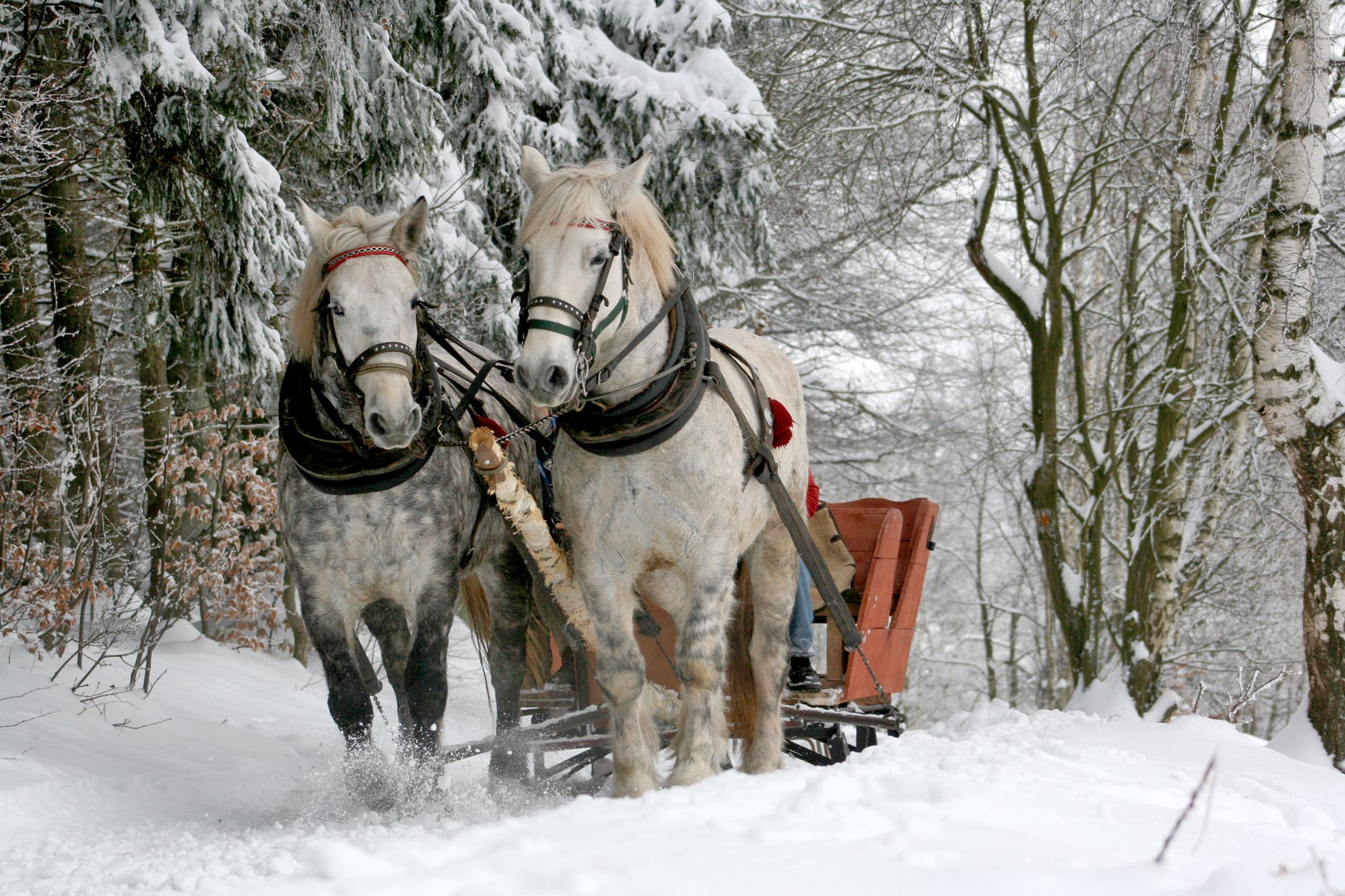

Photo by Liza Summer on Pexels.com

So, when I know that feeling, or when I know someone else is going through that feeling, I pray, not that God will come to us, or come back from being away, but that our awareness of God’s presence and closeness will be deepened or reignited.

Photo by Artem Beliaikin on Pexels.com

Someday, I won’t have to pray that prayer. Someday, and for all eternity, we will be surrounded by God’s Glorious Presence. But in this fallen world, what a privilege and hope to be able to pray to a God that abides with us!

Blog at WordPress.com.

Up ↑