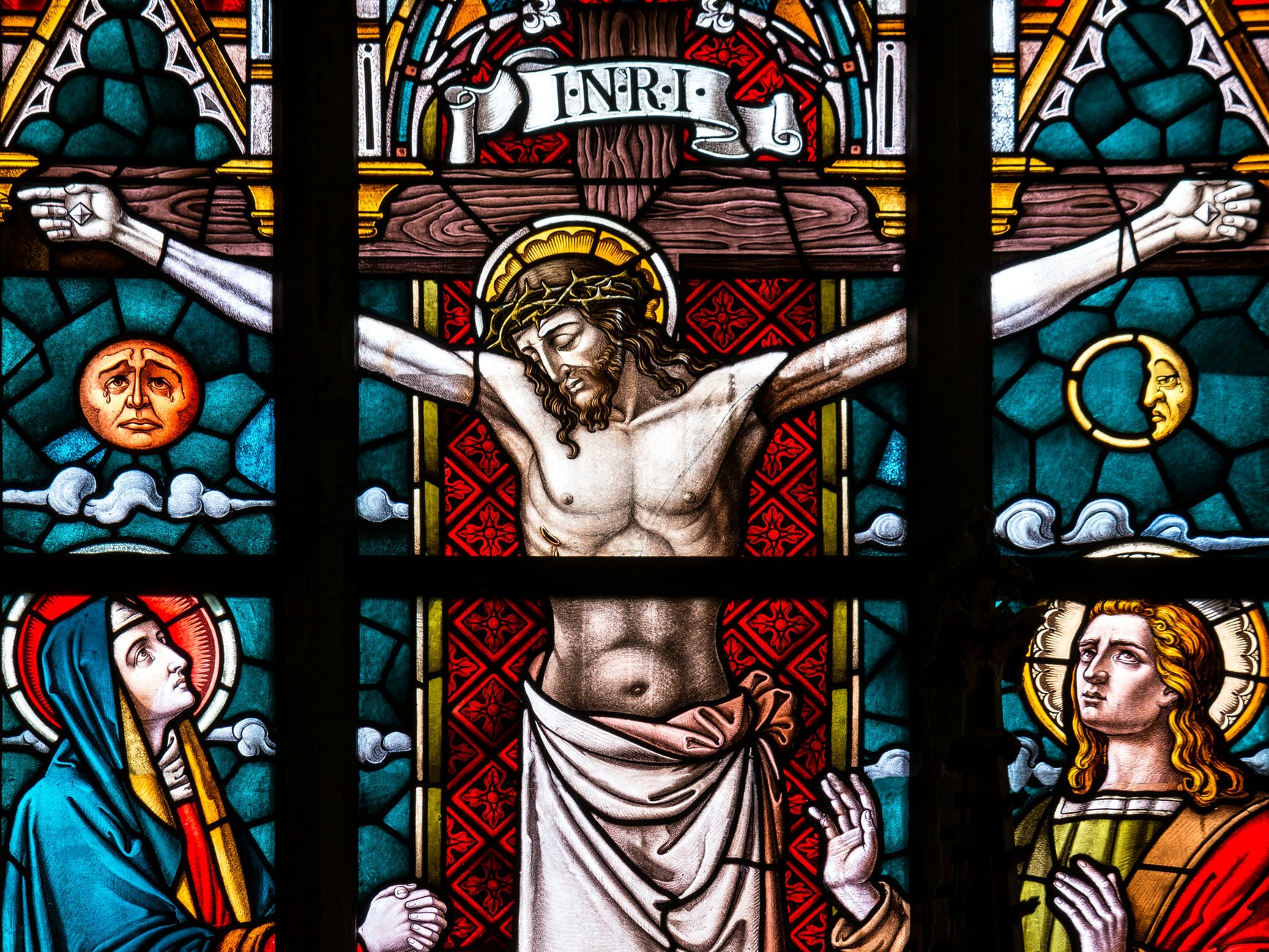
Come To Bethlehem

“O come, all ye faithful, joyful and triumphant,
O come ye, O come ye to Bethlehem!”

“Come to Bethlehem and see
Him whose birth the angels sing;
come, adore on bended knee
Christ the Lord, the new-born King.”

“O little town of Bethlehem,
how still we see thee lie!
Above thy deep and dreamless sleep
the silent stars go by.
Yet in thy dark streets shineth
the everlasting light;
the hopes and fears of all the years
are met in thee tonight.”

“Come!” It echoes in our Christmas Carols; it echoes throughout Jesus’ ministry. It thrums and courses through the prophets and into the Revelations, “Amen, Come Lord Jesus!”(Revelation 22:20)

Christmas is all about coming– the coming of the Christ Child; the coming of the angels to shepherds; the coming of the shepherds to see the newborn King; the coming of the Wise Men. And we are bidden to “come” to Bethlehem and share in the joy and wonder of God coming to be our Emmanuel– God With Us.

But the journey to Bethlehem is not as easy or a joyful as one might imagine. Bethlehem is crowded. It is dark and dreary. It is not “silent” as the hymns make out. It is noisy, dirty, and filled with people who “aren’t from around here.” There is no room here. There is no joyous welcome. There is not enough to eat, what with all the out-of-town travelers; shelves are bare, while garbage is piling up in the streets. Tempers are high, and patience is low.

“Come to Bethlehem.” At this moment, Bethlehem is caught in the chaos and struggle of war. Hospitals are in danger. People live in fear and violence. There is no peace and quiet– no silent streets or glorious angels in the sky– only the light and noise of rockets. We may not be able to physically travel to Bethlehem at the moment, but we can focus our prayers on the Middle East– to the hurting people in Israel and in Gaza– to earnestly pray for truth and peace there. We may not be able to travel back in time to Bethlehem, but we can travel across town to help our neighbors who need encouragement; we can step out of our safe and comfortable lives to share light in the dark regions of today’s world. And we can “Come” to prayer– to lift up those who are hurting, to ask for strength and courage to help, to own our own limitations and emptiness.

“Come to Bethlehem.” At this season, we are tempted to stay where it is cozy and familiar; or to travel somewhere warm and welcoming. We want the joy and peace of the Christmas Season to come to us! But we are bidden to come to Bethlehem, with its crowded streets and suspicious strangers; its unfamiliar alleys and rude Roman officials. We are bidden to come and share this message of peace where there IS no peace. We are asked to come where there is need and darkness and fear– to spread the Good News, not to sit on it.

“Come to Bethlehem.” Are we avoiding our own “Bethlehem?” Are there places we could visit to spread light; places we’re being called to, or places where we should go to “be counted,” but we refuse to come? Are there people we can encourage? Ways we can share hope and help– if we are willing to come away from our own comfort and (manufactured) joy?

Perhaps we long to hear the angels shouting “Glory to God in the Highest!” (Luke 2:14) But if we won’t “come” to Bethlehem, we may miss their song. We may miss seeing the message of Christmas if we insist that it comes to our pleasant palace, instead of seeking the Babe in the Manger of the Little Town of Bethlehem.

“Come to Bethlehem and See.” “Come, Let us Adore Him!” “Come!”

“Losing” a Loved One

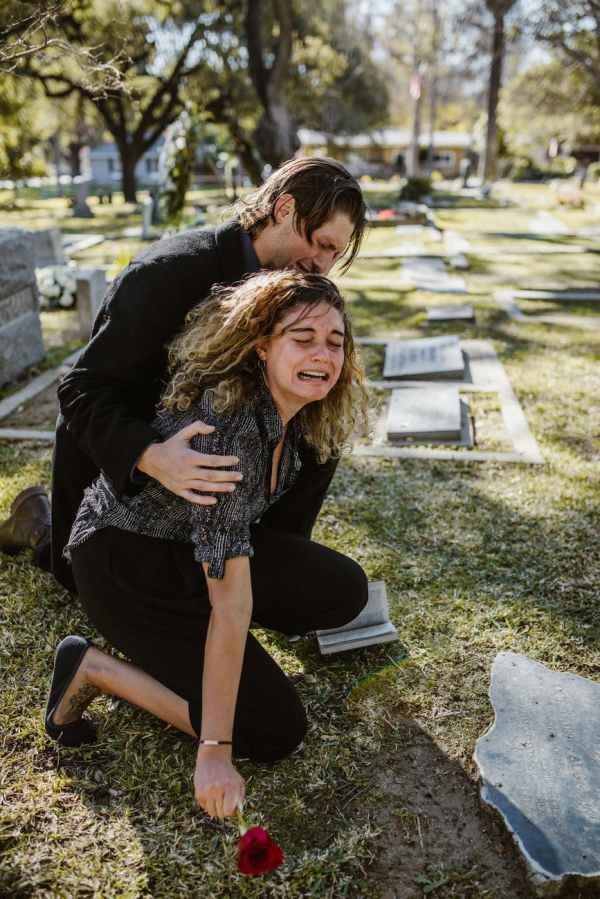
Our family had a funeral this week. One of my mom’s cousins passed away. We are a close family– distance-wise, as well as emotionally close. So the funeral was huge…hundreds of people coming to pay their last respects. And most of us spouting the same old phrases and platitudes: “So sorry for your loss.” “She will be greatly missed.” “At least she’s not in pain anymore.” “It’s so hard to lose a loved one.”

Except– she’s not lost! She hasn’t gone missing. She died. And, because she is a believer, she is HOME! Yes, WE experience a sense of loss. We grieve and mourn her absence from us. And the pain and grief is very real. I still find myself grieving the “loss” of my dad after 25 years, and the more recent death of my mom earlier this year. But sorrow and grieving for us as Christians is tempered with hope, comfort, peace, and even joy and amazement. Linda, Mom, Dad, Grandma and Grandpa, and so many other precious believers are not Lost. They are not the victims of Death. In fact, as part of the funeral service, we were reminded of the words of the Apostle Paul in 1 Corinthians:

54 When the perishable has been clothed with the imperishable, and the mortal with immortality, then the saying that is written will come true: “Death has been swallowed up in victory.”
55 “Where, O death, is your victory?
    Where, O death, is your sting?”
56 The sting of death is sin, and the power of sin is the law. 57 But thanks be to God! He gives us the victory through our Lord Jesus Christ. 58 Therefore, my dear brothers and sisters, stand firm. Let nothing move you. Always give yourselves fully to the work of the Lord, because you know that your labor in the Lord is not in vain.

1 Corinthians 15:54-58

Yet Death does claim victims, and there are people who are “Lost,” who will be “greatly missed.” They are the ones who have died without hope, without peace, and without eternal life. In fact, many of them are still walking around– the living dead– the unsaved. I shed far more tears over those who are forever lost– those who will not accept the free gift of eternal life– than I will for those loved ones who have died in Christ. God welcomes us to be “found” in Him. He went to great lengths to defeat the power of Death, to bring true justice, and to shower us with Grace beyond our wildest imaginings. It is His gift to anyone who will trust Him. Yes, we will still taste death– and suffer pain and injustice, heartbreak and grief in this life. But these are the shadows. What comes after is the Light!

We shed some tears at the funeral this week, but we also laughed, hugged, sang, and said, “AMEN!” Linda ran the race, and she did not die (or live) in vain. She left a legacy of love and kindness that was celebrated this week. Heaven “gained” a loved one. And, while it hurts us not to be able to see her or laugh or sing with her right now, we know we will be reunited. And she is reunited with loved ones who have passed on before. But most of all, she is united with her Creator, her Redeemer, the Lover of her Soul, and her Lord. And ten thousand years from now, Linda will still be singing His praises!
Tips for Praying Scripture

At least once each month, I want to give some practical tips I have learned that have improved my pursuit of prayer over the years. Today, I want to talk about praying scripture.

On its surface, praying scripture just means reading or saying Bible verses back to God. Of course, some Bible verses or passages lend themselves to this practice, while others do not. (Lists of genealogies in the Chronicles come to mind…) Sometimes, it requires that we change a pronoun or verb tense, or otherwise personalize the scripture, but we are echoing God’s “Word” back to Him in an act of worship. We may be echoing God’s literal words, or repeating words of worship spoken centuries earlier. Some examples:

“Lord, in the beginning YOU created the heavens and the earth”…(from Genesis 1:1)
“Give praise to the Lord, proclaim his name;
    make known among the nations what he has done.
Sing to him, sing praise to him;
    tell of all his wonderful acts.
Glory in his holy name;
    let the hearts of those who seek the Lord rejoice.
Look to the Lord and his strength;
    seek his face always.” 1 Chronicles 16:8-11

Create in me a pure heart, O God,
    and renew a steadfast spirit within me.
Do not cast me from your presence
    or take your Holy Spirit from me.
Restore to me the joy of your salvation
    and grant me a willing spirit, to sustain me.
(Psalm 51:10-12)

“On my bed I remember you; I think of you through the watches of the night” (Psalm 63:6)

“Search me, God, and know my heart; test me and know my anxious thoughts. See if there is any offensive way in me and lead me in the way everlasting” (Psalm 139: 23-24)

Now to YOU who are able to do immeasurably more than all we ask or imagine, according to Your power that is at work within us, to You be glory in the church and in Christ Jesus throughout all generations, for ever and ever! Amen. (taken from Ephesians 3:20-21)

There are some benefits of doing this, but also some pitfalls. First the benefits:

  • Praying scripture can help us when we just don’t know what to say. Sometimes, we are so burdened or so exasperated, or so overwhelmed with emotion, that our words are swallowed up. But a remembered passage of scripture may allow us to speak our emotions in a way that our own words cannot. Sometimes, scripture will give us a focus that we lack, allowing us to put aside distracting thoughts, as well.
  • Praying scripture can help us memorize or review scripture. It can be helpful to read scripture aloud as a prayer, or even repeat key verses as prayer. Sometimes, we will be studying scripture and it speaks to us in a way that causes us to stop and pray it back.
  • Praying scripture can keep our prayers grounded. When we are tempted to pray selfish, momentary requests, scripture reminds us of God’s majesty, sovereignty, and timeless nature. Scripture magnified God and puts our petty worries and desires in their proper perspective.
  • In a group setting, praying scripture can help others focus better, or inspire them to remember another scripture passage that relates to what you have just prayed!

There are many other benefits of praying scripture, but there are also a few pitfalls:

  • Beware of using scripture as a substitute for your own thoughts and concerns. It is powerful to pray the Bible as it relates to your own worship and emotions, but God doesn’t want to hear only the echo of His words– He wants to hear them coming from your heart, as well as your lips. The ancient prophets warned against those who used a form of worship that lacked conviction and submission to His will.
  • Don’t feel bad when you say a prayer that does not contain a direct scriptural quotation– praying scripture is a tool and a guide, not a ritual or requirement. Don’t feel arrogant or superior when you DO pray scripture– it is a tool and a guide, but it does not make your prayer more effective or more Godly than an earnest prayer without a scripture reference.
  • Don’t “cherry-pick” scripture to pray in a way that is out of context or goes against the overall flow of scripture. Two of the most overused and misused scripture passages are Romans 8:28 and Jeremiah 29:11. They are both verses of promise and encouragement, and certainly can be used in prayer. But in context, they are meant to encourage those who are in the midst of anguish and despair, NOT promises to make life carefree or answer a selfish desire for an immediate good outcome.

If you have never (or rarely) tried praying scripture, I hope you will incorporate this tool into your pursuit of prayer. Whether you use a print Bible, scroll through a list of verses on line, or draw upon memory, you will find God’s words to be uplifting, convicting, encouraging, and wholly sufficient as you pour out your heart to your Maker. And if you already use this practice, I hope these tips will help you remember to use scripture wisely and appropriately as you pursue and practice a closer walk with God.

No More Goodbyes

Today marks 25 years since I said “goodbye” to my father. My mother, sister, and I stood by his bedside at the hospital. The doctors had tried numerous times to re-start his heart. In the process, they had broken his sternum, and each new effort was causing additional pain and putting his lungs in danger of being punctured by bone fragments. His time was running out. We were allowed to come in and say our last words to him, before his worn-out heart finally stopped for good. I held his hand one last time, whispered that I loved him and that I would help take care of Mom. I kissed his forehead, and said a prayer. Mom and my sister did the same.

Earlier this year, I had to say goodbye to Mom as well. My sister and I were with her, and had read her mail aloud to her, as she had fallen into a coma. I was preparing to return home. I said, “goodbye;” I held her hand, kissed her cheek and turned to my sister. When I turned back around, Mom was gone–her oxygen machine was still running, but her heart had stopped beating, and she was peaceful and still. In that moment, I became an orphan.


Death is part of the curse of a fallen world. God is the source of all Life. In a fallen world, we are cut off from our life-source. Our mortal bodies must taste death. It is the consequence of Sin– our sin, and the sins of others. Disease, violence, aging, disasters, grieving, work, abuse– all conspire to drain the life out of our bodies. Life is a gift– we can’t “earn” it, and we can’t “hold on” to it indefinitely. Nor can we hold on to the lives of others–even those we love. Some day, I will lose my sister. Or she will lose me. Some day, I will lose, or be lost to my husband, my brother, my step-children, mother-in-law, grandchildren, cousins, friends, and neighbors.


And, just like leaves on the trees later this month, all of us will grow old, be changed, and fall into decay. Some will fall gently; others will be torn away by the winds of war, or crime, or cancer, or accidents. Some will fall early; others will cling to life until the last moment, but all will eventually die. More goodbyes. More grieving. More death.


But. God is the author of Life, not Death.


Death is not the end for those who have trusted their souls to God. Our bodies must still taste death. We must still say, “Goodbye” to those we love on earth. But our goodbyes are tempered with the promise that the One who conquered Death did so for US. Because Jesus was willing to die and able to rise again, we will also live again. And THIS life will be untainted and eternal. No more goodbyes. No more grieving and separation. No more fear of an unknown future that includes death. No more waiting. No more living without a father. Our Heavenly Father will never leave, never die, never suffer the ravages of age or disease, never fall. In fact, Jesus never said “Goodbye” to His disciples– it wasn’t in His vocabulary! He said that He would “Go to prepare a place…(John 14:2-3)”, and He charged His disciples to “Go into all the world…(Mark 16:15)” But He never said, “Goodbye!”

I had to say, “Goodbye,” to my wonderful parents. And I have the joy of knowing that our “goodbyes” are temporary. That I will see them again, even as I will see my Heavenly Father someday. So, while today holds in it the sadness of watching my Dad suffer in his last minutes of earthly life, it also holds the promise of reunion and restoration. My Dad will never again have to suffer; neither will my Mom. My future probably holds a few more “goodbyes.” But it also holds “Hello!” “Welcome Home!” and “I’m so happy to see you again!”

Photo by Polina Zimmerman on Pexels.com

I thank God for the lives of both my parents– for their testimonies of faith, for their good examples, and for the wisdom, laughter, and love they shared. And I thank God that their deaths were not the end of that love and joy. In fact, it will be even better to share someday what we could never have here on earth–eternal peace and freedom from grief and loss.

Twenty-five years seems like a long time, but it is a drop in the bucket of time, and nothing in light of eternity. That truth brings me great comfort as I face today. I hope you will be encouraged and comforted as well. Heaven is a place with no more “goodbyes.” And that radically changes the way I say “Goodbye” here on earth!

But Did I Pray?

I cried a bit.
I threw a fit.
Made a fuss;
Kicked up some dust…
But did I pray?

I made a plan.
I took a stand.
I marched around;
Made some sound.
But did I pray?

Photo by Andrea Piacquadio on Pexels.com

I went on-line;
Looked for a sign.
I read a book;
Took another look.
But did I pray?

I hit a wall.
I made some calls.
I spoke to friends.
I followed trends.
But did I pray?

I shook my head
And then I said
A hasty word.
I felt unheard.

I wondered why;
Had another cry.
I drove my car
And searched the stars.
But did I pray?

Prayers are simple.
Prayers are quiet.
I wanted answers.
I wanted a riot.

My heart was proud.
My voice was loud.

But what can I say?
I didn’t pray.

“Be still, and know that I am God..” Psalm 46:10

Life is Pain…

“I have told you all this so that you may have peace in me. Here on earth you will have many trials and sorrows. But take heart, because I have overcome the world.” John 16:33

https://www.biblegateway.com/passage/?search=John+16%3A33&version=NLT

One of my favorite movies is “The Princess Bride.” The title character begins the story as a young, beautiful, wealthy, and spoiled young woman. She falls in love with the young farm boy who works for her father. The young man leaves to make his fortune, but word comes that he has been captured and killed by pirates. In utter despair, the young woman allows herself to become engaged to a spoiled and wicked prince. She has allowed her grief to consume her, and she cares nothing for the prince, his wealth or power, or even her own future. Before she can be married to the prince, she is kidnapped by villains, and “rescued” by a mysterious pirate. Instead of being grateful, she curses the pirate, telling him that he could never understand her great loss and pain. His answer, harsh, glib, but to the point, is to say that “life is pain, Princess. Anyone who tells you differently is selling something.”

There are certain truths in life that we would avoid if we could– death, pain, sorrow, grief, suffering, and Sin–we don’t want to hear the harsh reality of our situation. We don’t want to suffer or hurt at all; much less to discover that our suffering is commonplace or universal. Everyone will taste death; everyone will face pain and grief and suffering in this life. Everyone will suffer as a result of Sin– our individual actions have consequences, as do the cumulative actions of our culture, our ancestors, and the entire human race. Life isn’t always good, or fair, or just, or comfortable. This is a harsh truth, but it IS the truth. We will face injustice– no matter who we are. We will face suffering, illness, and death. We will face loss–loss of a loved one, loss of a job, loss of a marriage, loss of health, loss of freedom or autonomy. We will not always win. We will not always get what we want. We will not always get justice in this life.

There are four common techniques we tend to use to avoid facing harsh truths– denial or avoidance, anger, bargaining, and depression or despair. Many people know these terms from the Kubler-Ross studies on patients with terminal illnesses and the five “stages” she identified as they came to terms with their impending death. https://psychcentral.com/lib/the-5-stages-of-loss-and-grief/ The fifth “stage” was acceptance. The five stages have been applied commonly to other forms of grieving and loss, including the loss of a loved one or the break-up of a marriage. While most of us go through some or all of these stages when we face suffering, we don’t all go through them the same way or even in the same order.

Many of us live in avoidance and denial– rushing headlong into meaningless pleasure, self-medicating with alcohol or drugs, staying busy with the pursuit of wealth or power, moving from place to place or relationship to relationship. Others wrap themselves in anger– blaming everyone else for their pain, seeking revenge, driving away those who want to help. Anger may feel productive, but it limits our scope of vision and keeps us focused on the pain inside. Still others try to bargain. Some seek to avoid aging, diminished health, or death by trying every new diet or fitness routine. Others try to avoid guilt, pain, or disappointment by trying to be righteous enough to earn a supernatural blessing or “good karma.” Still many others wallow in depression and despair, lost in the swamp and mist, sinking into a pit of their own feelings. Like those who live in denial, they avoid the difficult choices that would lead to life, instead letting life wash over them and draining them of energy and joy.

These reactions are normal and human. Harsh truths hurt– they shock us, overwhelm us, shatter our trust, even shake our faith. But they ARE true. We cannot change our circumstances by running away, raging at everyone around us, or giving up. We cannot go back in time and “undo” the tragic circumstances of our lives. And our reactions have their own consequences. They cannot negate the past or change the present. They can only impact the future.

Photo by Chinmay Singh on Pexels.com

But there is another truth: God has not left us without resources, even for the harshest realities we face. Even when we are in despair, or angry, or in denial, God can give us peace and strength to go on. God isn’t “selling something” to make the pain go away or make our life “trouble-proof.”  Jesus never offered a comfortable life to His followers. In fact, He promised that our lives would be filled with trouble and pain and sorrow!  Christians who claim that they never face fear, or failure, fury or frustration, loss and sorrow– they are “selling” a false gospel.  The Good News isn’t about avoiding pain or sorrow. It is about OVERCOMING them! Jesus faced and conquered death on a cross! He could have avoided it– He could have been angry at those who betrayed Him–He could have stayed buried in despair and failure.  But He arose! We don’t worship someone who has never wept, or faced betrayal or loss. Jesus is the Way, the Truth, and the Life (John 14:6)– if anyone knows the harsh truth, it is the one who IS Truth!  And this Truth hurts– He hurts to see us grieving; He hurts when we reject Him to go our own way; He hurts even as He allows us to hurt. And He offers us His Grace to survive and thrive– not an escape, but a victory!

Photo by Pixabay on Pexels.com

Faith, prayer, worship, promises– these are not God’s way of helping us escape the reality of harsh truths.  They are His tools for helping us to overcome and be victorious in the face of trials and setbacks, grief and pain, even death!  A life of faith isn’t a life of denying the harsh realities of life, nor is it a prescription for avoiding life’s hurts. Even the faithful will someday have to taste death. Even those who pray and praise will often do so in tears of anguish and even momentary doubt. But they will reach the peace of acceptance as they wrestle with the seasons of pain, knowing that God promises healing and joy and justice– in His perfect will and timing! As Princess Buttercup discovers in “The Princess Bride”– “Death cannot stop true love!” And it cannot stop the Truth that IS Love!

“Life is pain…” In THIS fallen and broken world. But we can take heart–Jesus has overcome this world. He has won victory over sin and death, pain and loss. And He gives abundant life. Life that transcends disease, disappointment, and even death.

Justice? Or Vengeance?

When violence strikes, I want justice. I want action. I want to make the evil stop.

Just the other day, there was another school shooting in the news. At least six innocent people lost their lives, and another community was ripped apart by grief, shock, and anger.

Photo by cottonbro studio on Pexels.com

But is it really justice that I am seeking? Or is it vengeance?

Justice is permanent. Justice is final. Justice takes time. Vengeance is visceral and immediate. Vengeance is a reaction; a retaliation. Justice, on the other hand, is blind to the emotions of the initial event. Vengeance is driven by emotion. Justice comes through the objective application of the law.

Justice is God’s business. I do NOT understand why or how God allows evil to happen in the first place. It hurts. It doesn’t make sense. It is destructive. But it is the nature of Sin. And Sin infects the entire world. We cannot escape from it. We cannot deny its existence. We cannot put an end to it. We can only follow the arduous and imperfect justice systems that are in place for our community or our country. We cannot achieve perfect justice. But God can. And He has promised to do so– in His time, and in His way. This can be comforting, but it can also be frustrating.

Vengeance is also God’s business. God has emotions, just like we do. But His are always under perfect control. God’s wrath is frightening in its power, and paralyzing in its purpose.

Beloved, never avenge yourselves, but leave it to the wrath of God, for it is written, “Vengeance is mine, I will repay, says the Lord.”

Romans 12:19 (ESV)
Photo by Pixabay on Pexels.com

As imperfect as our systems of justice may be, they are still systems, with order and time to look at the total situation. Vengeance doesn’t stop to count the cost. It doesn’t stop to listen to the full story. It seethes and coils like a rattlesnake, waiting to inject venom into the first victim to cross its path. Human vengeance never leads to peace.

Also, vengeance is limited to the strength and resources of the avenger. If a shooter takes the life of my loved one, my vengeance is limited to the actions I can take. I may kill the shooter; I may take the life of their family members; but I cannot bring my loved one back, nor can I guarantee that the killer will suffer the same amount or the same way I do. Vengeance never looks forward, and it never offers a solution to move forward. It lives in bitterness and anger and discontent.

Photo by Andrea Piacquadio on Pexels.com

As followers of Christ, we are asked to take a stance that seems impossible from a human standpoint. We are asked to keep our hands clean, to keep our minds at peace, and to give our grief, our anger, and our craving for vengeance over to God with no reservation and no option to set the limits or timelines.

To the world around us, this seems weak and even unjust. What if the evildoer “gets away” with her/his crime? What if the victim never gets “justice” in their (or our) lifetime? What if we never “see” justice done? What if God “fails” to avenge us or our loved one? What does the Christian “do” in the face of evil? Nothing?! Fall on our knees and pray?! Offer lukewarm assurances and empty promises?

Photo by Pete Johnson on Pexels.com

The problem with evil– especially shocking violent events– is that we can’t see beyond the immediate shock and pain. That doesn’t mean that there IS no pain or shock or anger or frustration if we choose not to react with vengeance. The pain is still very real, and overwhelming. But we choose to make room for faith that sees the larger picture. Faith makes room to see not just justice, but mercy. It allows us to see the overall tragedy of Sin, beyond our immediate tragedy of an individual act. Faith sees beyond our helplessness to God’s Sovereignty. It sees beyond the present pain to future healing.

Photo by Gvexx on Pexels.com

I pray for the families of the victims in this latest shooting– and for all those who have experienced such violence. And I pray that God will show me what I can do to make a positive difference going forward. I pray for the strength and the faith to let go of hatred, bitterness, malice, and outrage. Finally, I praise God, even in the middle of pain and shock, knowing that He can be trusted to bring perfect Justice– and perfect vengeance–the kind that leads to a peace beyond our understanding. These are not “easy” prayers. They are not blind prayers, or prayers prayed without tears and groaning and questions. But they are real prayers, not empty wishes that I could avoid all unpleasantness or that I could exempt myself (or others) from tasting sorrow, grief or pain. Rather they are prayers that acknowledge that Life is more than struggle; that Love and Mercy are stronger than despair, and God has already won the ultimate victory.

Rejoice With Those Who Rejoice…

Love must be sincere. Hate what is evil; cling to what is good. 10 Be devoted to one another in love. Honor one another above yourselves. 11 Never be lacking in zeal, but keep your spiritual fervor, serving the Lord. 12 Be joyful in hope, patient in affliction, faithful in prayer. 13 Share with the Lord’s people who are in need. Practice hospitality.14 Bless those who persecute you; bless and do not curse. 15 Rejoice with those who rejoice; mourn with those who mourn. 16 Live in harmony with one another. Do not be proud, but be willing to associate with people of low position. Do not be conceited.

Romans 12:9-16
Photo by Pavel Danilyuk on Pexels.com

My mother died a couple of weeks ago. It is a season of mourning for me. And I know many others who have recently lost loved ones– husbands, fathers, mothers, and children. It is very easy for me to mourn with those who mourn right now. My heart aches with empathy. I know that mourning feels like, even if I don’t understand the exact nature of another person’s grieving. We are called upon to mourn with those who mourn. We want to share the burden of grief– to come alongside, to show support and sympathy. It is not just a “Christian” reaction to share sorrow. Yet, as Christians, we are commanded to truly participate in the grieving process with our sisters and brothers as they mourn. It is more than a simple expression of sorrow, or a kind word at the funeral home. It may involve “checking in” with someone weeks later, to see how they are coping with grief. It may be providing practical assistance– meals, help with funeral arrangements, etc.. Often, it involves speaking words of remembrance– providing the comfort of hearing familiar memories, and keeping loved ones “alive.” Even though we know our loved ones are “home,” or “in a better place,” or “at peace,” there is something chilling about their absence, and more so when they seem to be forgotten by those around us. Most of all, we can share our steadfast love and encouragement through dark days, through prayer, visits, listening, and providing hospitality.

Photo by Pavel Danilyuk on Pexels.com

We chose to have a friend read Romans 12:9-21 at Mom’s funeral. It summed up so much of who she was and what she had tried to instill in us as her children. And I was intrigued anew by verse 15: “Rejoice with those who rejoice; mourn with those who mourn.” It always seems like the first part of the verse should be the easiest, and the last phrase more difficult– more bitter. But in reality, I find it can be almost the opposite.

I don’t much feel like rejoicing lately. I’m not trying to be morose, but grieving is a long and painful process. There are moments of happy memories, and even relief that Mom no longer has to suffer. There is also reason for hope in the resurrection of the dead, and eternal life with Jesus. But the daily reality right now is of loss. Painful, heart-wrenching separation. It hits in quiet, unexpected moments with paralyzing, mind-fogging numbness. And I don’t much feel like being surrounded by the noise and gaiety of celebration. My laughter sometimes rings hollow, and my tears are often close at hand.

But God’s word says that I am to rejoice with those who rejoice. I am to help them celebrate their blessings, just as they are to comfort me in my sorrow. And this is part of God’s perfect plan! Bitterness and isolation can come if we choose to stay away from the happiness of others, or refuse to acknowledge our own grief. We can become resentful, even angry, as we listen to laughter from a distance, or compare our grief to someone else’s joy. Life is sure to bring both into our path at some point in our journey. There is no escape from grief, and no guarantee of ease and delight around every corner. God Himself is close to the brokenhearted (Psalm 34:18), and yet He calls us to make a joyful noise (Psalm 100:1). Even Jesus attended feasts and funerals. He wept (John 11:35), and He cried out in anguish from the Cross (Matthew 27:46). But He also rejoiced with those He healed, and with His disciples as they traveled, ate, and talked together.

Photo by Design Killer on Pexels.com

There is healing in laughter. There is refreshment in rejoicing. And even in our grief, we need to allow for moments of shared praise and congratulations for those who are in a season of blessing. It is equally true that we should not allow our rejoicing to blind us to the suffering of others. We need both–sorrow makes us slow down a bit, contemplate, and prioritize; joy heals and gives us energy to keep running the race.

Photo by ANTONI SHKRABA production on Pexels.com

Today, my prayer is that God would open my eyes to the blessings of others, and the joy that He brings in all situations! And that He would refresh my soul to bring comfort to others who are grieving, and additional joy to those who are rejoicing.

Vending Machine Prayers

As I write this, my mom is dying. We don’t know how much longer she has, but we’ve asked for prayers as she takes this journey toward death and resurrection. These are sometimes difficult prayers to make. We don’t like to see Mom suffering, but we don’t like the thought of separation through death, either. Our initial prayer would be for complete healing. But that’s not realistic, given that Mom has heart failure and is almost 90 years old. That doesn’t mean that God cannot or would not grant total healing. But we aren’t expecting that kind of miracle when we pray today.

Photo by Andrea Piacquadio on Pexels.com

For some people, our prayers seem meaningless. One of my classmates from school reacted to my request for prayer by saying, “I just wish that prayer DID something…” I take this to mean that if we don’t get a miraculous outcome, she believes our prayers are wasted. I hope I’m misinterpreting here, but I know that this is a common criticism of prayer in tough times. It seems that every time there is a natural disaster, or a mass shooting, people who offer “thoughts and prayers” are roundly criticized for praying “instead” of “doing.” As though the two are mutually exclusive. As though prayer is an empty gesture in the face of disaster and distress. As though there is no hope, no comfort, and no help in praying.

There are others who will assert with complete confidence their belief that God will answer any prayer for a miracle, simply because they ask it “in Jesus’ Name” or because many people are praying for the same outcome. I call these kinds of prayers, and attitudes about prayer, “Vending Machine Prayers.” It is the belief that prayer must produce an immediate and positive outcome, or it is “broken” or invalid. If you don’t get what you were expecting, you must have prayed “wrong,” or didn’t have “enough” faith. Or your prayer just didn’t “work.” When someone puts money into a vending machine, and presses a button or punches in a code or pulls a knob, and they don’t get the expected item, some of them will kick the machine, or curse. Or they will try again, carefully trying to get the “right” result. Vending machines are inanimate objects designed to give a satisfactory consumer experience. If the coins or bills “jam,” if the knobs or buttons malfunction, if the product gets “stuck,” or isn’t available, the consumer feels cheated. Sometimes, they can get their money returned, but most often, they go away angry and unfulfilled.

God is not a vending machine. He is not “designed” to serve us or give us satisfaction. There is nothing we can “insert” in our relationship with God –even sincere prayer–that obligates Him to give us what we desire. God chooses to answer prayers in whatever way He knows is best for our eternal and overall well-being. God still gives miracles. I’ve seen it and experienced it. In fact, we could have lost Mom several years ago, when her heart failure put her in a similar state. God provided a miracle in the form of heart valve replacement surgery–and a cancellation that moved her surgery schedule forward before her condition was too far gone. I’ve seen people healed of cancer– and people whose prayers for healing ended in their rapid decline and death. But none of those prayers were wasted. Not one. God was working– sometimes on the sidelines, strengthening family members to deal with grief; sometimes providing testimonies to those with doubts and questions; sometimes planting seeds that would bear fruit years later in the lives of those left behind–sometimes God was working “sideways,” as He did with Mom years ago to give her several more years of life, even though she wasn’t completely healed, to grow and prepare for this next step and testify to God’s sustaining power.

God is not apathetic, and He certainly isn’t “happy” about Mom’s decline and her impending death. He shares our sufferings and our sorrows. But God knows and sees the “rest of the story!” Jesus wept over the death of His friend Lazarus, even though He knew that Lazarus would be raised back to life. Jesus was sharing the deep grief over the loss and sorrow felt by all of His friends, just as He rejoiced with them as Lazarus walked home from the tomb! (See John 11 for the whole story.) God doesn’t delight in death. He is the author of LIFE. But He is very present through every stage of life– even that last bitter taste of death we all must experience. And just as we pray for God’s miraculous presence, we pray for His guiding, comforting, and hopeful presence in ALL situations.

Prayer DOES something! Even if we don’t see immediate changes in situations; prayer changes US. It changes OTHERS. It changes our priorities and perspectives. It draws us close– to each other and to the One whose Love is Eternal and unchanging.

116 I love the Lord, because he hath heard my voice and my supplications.

Because he hath inclined his ear unto me, therefore will I call upon him as long as I live.

The sorrows of death compassed me, and the pains of hell gat hold upon me: I found trouble and sorrow.

Then called I upon the name of the Lord; O Lord, I beseech thee, deliver my soul.

Gracious is the Lord, and righteous; yea, our God is merciful.

The Lord preserveth the simple: I was brought low, and he helped me.

Return unto thy rest, O my soul; for the Lord hath dealt bountifully with thee.

For thou hast delivered my soul from death, mine eyes from tears, and my feet from falling.

I will walk before the Lord in the land of the living.

10 I believed, therefore have I spoken: I was greatly afflicted:

11 I said in my haste, All men are liars.

12 What shall I render unto the Lord for all his benefits toward me?

13 I will take the cup of salvation, and call upon the name of the Lord.

14 I will pay my vows unto the Lord now in the presence of all his people.

15 Precious in the sight of the Lord is the death of his saints.

16 O Lord, truly I am thy servant; I am thy servant, and the son of thine handmaid: thou hast loosed my bonds.

17 I will offer to thee the sacrifice of thanksgiving, and will call upon the name of the Lord.

18 I will pay my vows unto the Lord now in the presence of all his people.

19 In the courts of the Lord’s house, in the midst of thee, O Jerusalem. Praise ye the Lord.

Psalm 116 KJV (emphasis added)
Photo by Tima Miroshnichenko on Pexels.com

There are dozens, if not hundreds, of people praying for my Mom (and all of us who love her so very much). And probably, there are some “vending machine” prayers among them. That’s ok. God hears them all. And I am so very blessed by them all. Because prayers DO SOMETHING AMAZING. They rise to a God who sees, who hears, and who LOVES unconditionally, eternally, and perfectly! We’re actively trying to do what we can do to make Mom comfortable and seeking treatment that will ease her last days, but we depend on God’s touch, His healing, His timing, and His good will to see us all through and keep us in perfect peace.

Two Ears

“We have two ears and one mouth so that we can listen twice as much as we speak!”

Epictetus
Photo by Anna Shvets on Pexels.com
Photo by Lord Pixel on Pexels.com

I write about prayer–how I pray, when I pray, how other people pray, what the Bible says about prayer– but prayer is a two-way street. God desires to hear from us. But He also desires that we should listen. In fact, there is really nothing that we can “tell” God that He doesn’t already know. But there is much that we can learn when our mouth is shut and our eyes and ears are attuned to what God is telling us!

God rarely speaks to us directly, as another human would. God spoke to Moses face-to-face (see Exodus 33), and Jesus spoke directly to hundreds of people during His earthly life and ministry. He also spoke directly to Saul of Tarsus on the road to Damascus, though not face-to-face (see Acts 9). But most of us never hear the actual voice of God. Yet He is constantly sending us messages– if we are listening.

Photo by Ricardo Esquivel on Pexels.com

Often, He sends messages through His word. When we read the Bible, or hear it read aloud, a certain passage or phrase will suddenly stand out, offering comfort, conviction, or insight as we need it. Sometimes, it is the gentle prick of our conscience, or an urgent “sense” that we are to do something (or NOT do something). It may even sound like a voice in our head– our own or someone else’s–urging us to do something out of the ordinary or out of our comfort zone. Sometimes, He speaks to us through the wisdom and insight of someone else–a neighbor, a friend, a family member; sometimes even a stranger–and we get a sense that what we are hearing is “bigger” or more important than just words. And sometimes, God “speaks” through our other senses– in the beauty of a sunset, or the cool breeze at the end of a hot day; through the wordless songs of a bird or a rippling brook; the smell of warm bread–His way of reminding us that He is present, and He is Good.

Photo by Andrea Piacquadio on Pexels.com

We need to listen for such moments and messages. But we also need to listen carefully. Not all “feelings” are from God; not all “wisdom” is inspired. God will NEVER send us messages that are in conflict with His character. He may call us to do things that seem impossible, uncomfortable, “strange,” or even potentially “dangerous,” but He will not tell us to do something that contradicts His own word. God may nudge you to leave a toxic relationship, or move to another city or country to spread the Gospel. He may urge you to speak to a stranger on a bus, or give something away to a friend without knowing why. He may ask you to befriend someone who is homeless, or mentor a child, or volunteer your time in ways or places you never imagined. But God will never suggest (or send someone else to suggest) that you cheat on your spouse, or abuse the trust of a child, or mislead your neighbor, or steal from a stranger– NEVER.

Photo by Eren Li on Pexels.com

It isn’t just that God gave us two ears (and two eyes!) so that we can look and listen twice as much as we speak– we NEED to listen twice as much and twice as closely.

How will I listen today? How will God speak? When will I close my mouth, so that I can open my ears? Will I watch as well as listen? Lord, help me to hear You. Help me to discern your voice above the noise and busyness around me today.

Blog at WordPress.com.

Up ↑