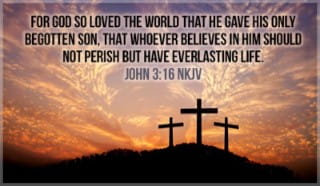
Resent, Relent, or Repent…

We’re getting ready to enter the Lenten season–six and a half weeks of reflection and preparation before Easter. Lent is not a celebration in the traditional sense– it is solemn and reflective, personal and, sometimes, painful. It is a time of getting “real” about our sinful condition. The Bible says we have all fallen short of the Glory and Holiness of God (Romans 3:10) and deserve God’s wrath. The natural consequence of sin is death (Romans 6:23), and permanent separation from the goodness of God.

Photo by Engin Akyurt on Pexels.com

There are many ways we can react to this reality. I know many people who resent God’s Holiness and His laws. They do not want to face God’s righteous judgment; they believe that God’s laws are cruel and unjust, and that they do not have to answer to anyone greater then themselves.

Others want to bargain with God. They feel that if they relent– if they set a goal to do more good than harm, if they strive to be better than “the next guy”–God will weigh their good deeds in the balance and judge them in comparison with how bad they “might have been.”

Photo by mentatdgt on Pexels.com

But God doesn’t judge on a curve– He doesn’t judge us by our measure, but by His. And none of us “make the grade.”

If that were the final word– the end of the story– there would be no reason to relent, and it wouldn’t make any difference if we were resentful. But God, from the very beginning, designed a different outcome. His judgement is just, but it is not without hope or remedy. God Himself has given us the chance to change– to repent. Repentance is agreeing with (not resenting) God’s judgment, and responding (not bargaining) with changed behavior and a changed attitude.
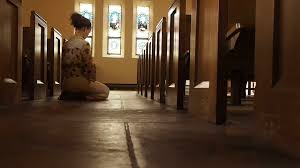
Lent begins when we confront the great gulf between God’s Holiness and our sinfulness. It stretches through the realization that sin and its consequences surround us, hem us in, and poison our world. It is a time of sadness and gaping loss, when we long for healing, for hope, and for a home we’ve never seen. It is a time for reflecting on the cost involved–not just in human suffering, but in God’s suffering as a human. God, who could have, in His righteousness, destroyed even the memory of mankind, chose to share our sufferings– hunger, cold, exhaustion, rejection, heartbreak, betrayal, death– to that we could be delivered into everlasting life.

Lent ends as we remember Jesus’ death and burial– His ultimate sacrifice for our debt. It ends with a shattering trumpet-blast of hope and joy on Easter Morning. Our sadness and loss is NOT the end– Sin’s power and poison are illusory. They have no power over our Great God.

Photo by Pixabay on Pexels.com

It can be tempting to respond to our present circumstances with resentment. It can be tempting to relent in our rebellion– trying to bargain with God, and minimize the cost He had to pay, trying to pay the price ourselves with a show of good behavior and a superficial devotion.

But God’s great Love and Mercy should draw us to worship and true devotion. As we reflect on the great gulf between sin and holiness, it should cause us to gladly repent– to lay on the altar all the substitutes and lesser things that keep us from full communion with the Lover of Our Souls.
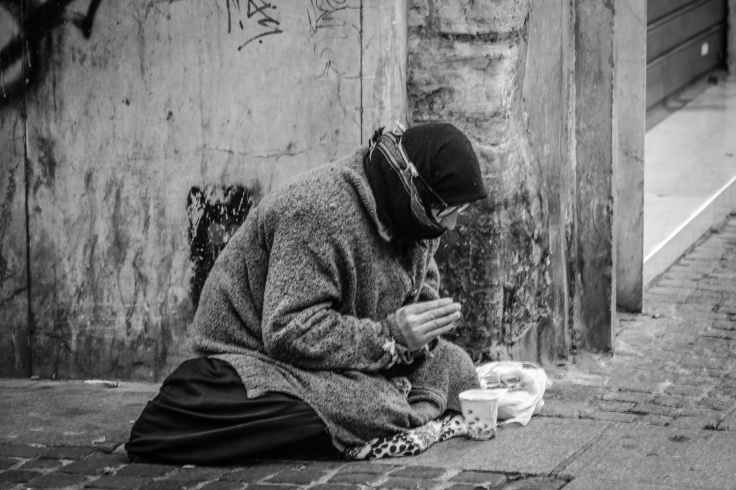
Photo by sergio omassi on Pexels.com

Our prayers during this season may be difficult. They may be filled with grief, loss, and pain. But they may also be filled with hope and joy as we anticipate the gift of Grace. And they should be filled with praise. After all, Lent is a season; a season to reflect, a season to repent, a season to mourn, but a season with a beginning and an end; a season that gives way to celebration and a sure hope of resurrection!


The “if” at the Center of Life

The English word “life” has only four letters, but the central two form another word– “If.” Life is all about making choices–and facing the consequences of those choices. Often we focus on those circumstances over which we seem to have no choice–I didn’t “choose” to be born, to be born female, to be born into the family or community where I grew up. I didn’t choose to be short, I didn’t choose the color of my eyes or skin or hair (though my hair color has changed as I get older!)

Photo by Pixabay on Pexels.com

But those are circumstances– they are not my LIFE. My life is made up of thoughts, feelings, actions, attitudes, decisions, and interactions with others. The color of my eyes, my lack of stature, or my family name does not determine my attitude or my inner beliefs or the way I treat others. Who I am is determined by the choices I make– to be proud, to believe that I am superior (or inferior) to others; to choose hope and courage or to wallow in worry and despondency; to make the most of my time, or to waste it; to envy others or be grateful for all that I have; to obey or defy; to take care of my body or make unhealthy life choices; to be a good steward or be wasteful and destructive; to show love or to withhold kindness; to forgive or to hold a grudge; to seek God for his love and mercy, or to blame God for every challenge I face. Every choice (and its consequences) is woven into the fabric of my earthly life– every reaction to bad circumstances, every investment in future goals, every moment spent “just vegging”, every secret habit I continue to indulge..

Photo by Artem Beliaikin on Pexels.com

The word “if” can hold great promise or regret– we can get lost in speculating, “if only…” or we can try to bargain with ourselves or with God, “if…then.” God gives us life, and He gives us “if”– the freedom to choose how we will react to our circumstances; freedom to choose how we will live our lives; the freedom to seek Him; the freedom to serve Him (or not) with all the unique gifts and passions He planted in each of us.

Life is filled with “ifs”– good and bad. “If’s” are conditional and have consequences. God’s love is not an “If.” It is unconditional, eternal, and immeasurable. Accepting it, however is conditional–it is the greatest “if” in the center of our life!

Lord, help me make good choices– choices that reflect the love and mercy You have shown; choices that bring You honor and glory. Thank you for making the choice to send Your only Son, that whoever (including me) believes in Him should have everlasting life!

Victims and Victors

My husband and I own a small retail business.  Last winter, we were victimized by shoplifters.  They stole several items, worth over $1,000.  The same couple stole items from other businesses in the area.  The police investigated, compared descriptions of the suspects, traced their movements, and got an arrest warrant.  The couple fled, and it took months to find them and bring them into custody.  They have been arrested, and we have been to court for a preliminary hearing, with another potential court date in about a month.

blur close up focus gavel
Photo by Pixabay on Pexels.com

The court sent us a long series of papers to fill out, including a victim impact statement, where we were to describe how the suspect’s alleged actions impacted us personally, as well as how our business was damaged.  Even though this was not a personal crime (we weren’t physically threatened or harmed, or specifically targeted with an intent to ruin our business), there are still scars–distrust, fear, frustration, and loss, to name a few.  Just because a crime isn’t personal, doesn’t mean that no one suffers.  It has been an awkward process to write out the victim statement, and to appear in court and recount all that happened that day, but it has also been a good process.

crime scene do not cross signage
Photo by kat wilcox on Pexels.com

Being a victim is not a pleasant experience.  It is frightening, humiliating, maddening, and bewildering.  “How could this have happened?”  “Why did it happen to me/us?”  “What did I/we do wrong?”  These are honest questions that go unanswered.  But the biggest question may be “Where was God when this happened?”  Didn’t he know?  Didn’t he care?  Why didn’t he act to stop this crime?  Why did he allow it to touch us?

In the months since this happened, I’ve learned to ask some other questions of God–

  • What other “bad” things have you kept from us without our knowledge?  What good things have you showered on us that we took for granted?
  • Who else has suffered the same or worse things– how can I reach out with empathy or understanding?
  • Where are people suffering without justice?  Even though we have had a long wait, we know that the police and court system have been working for us.  Where are people living who suffer without hope, in silence, and in fear of seeking help?
  • What can we learn from this experience?  How can we make our store and our community “safer”?  How can we heal, and bring justice instead of wallowing in hurt or seeking revenge?

green leafed plant on sand
Photo by Engin Akyurt on Pexels.com

God has a plan, even in times of trial and questioning.  We all will be victims at some point in our life–of injustice, of crime, of disease, of poverty, of losses, of disaster, and of sin’s consequences– our own sins and the sins of others.  We can also be victors, through the power of the Holy Spirit.  We can overcome bitterness and addiction; we can triumph through cancer, depression, or heartbreak; we can rise above setbacks and circumstances; we can choose forgiveness and healing over hatred and self-sabotage.  We can move from being perpetual victims to eternal victors, through Jesus Christ our Lord!

Blog at WordPress.com.

Up ↑