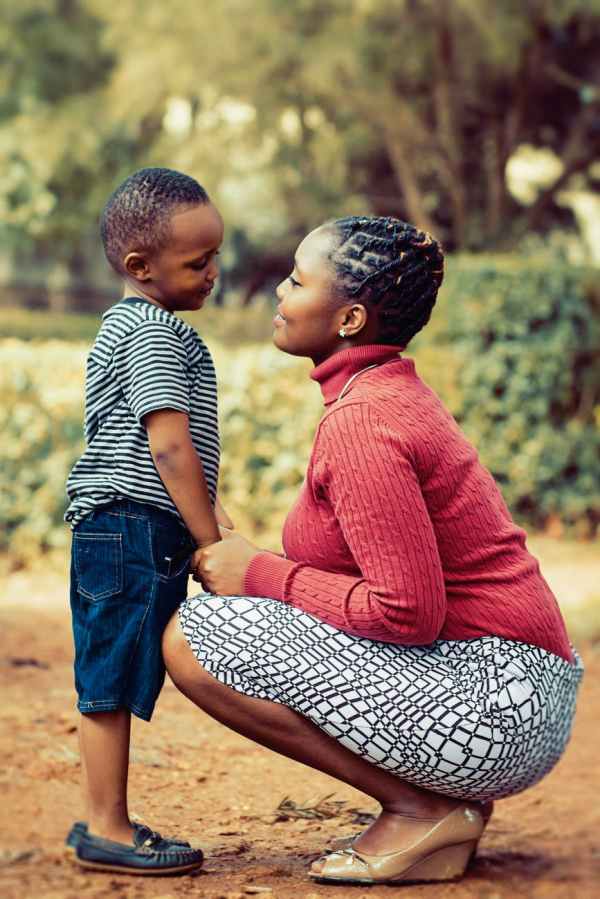
Hannah and Her Son

1 Samuel 1:11 New International Version (NIV)
11 And she made a vow, saying, “Lord Almighty, if you will only look on your servant’s misery and remember me, and not forget your servant but give her a son, then I will give him to the Lord for all the days of his life, and no razor will ever be used on his head.”

http://www.biblegateway.com

Today, we get to the essence of Hannah’s prayer. And it is not a prayer that most of us would pray. Hannah asks for a son to take away her misery and show her God’s favor. But in the same breath, she promises to give her son back to the Lord forever. How many of us would ask for something so rare and precious just to turn around and give it away?

As I write this, my country, my friends, and even my family are deeply divided over the issue of abortion. Much is being made about a woman’s “right” to decide whether and when she will have a child. “My body, My choice,” is a common cry among the pro-choice crowd, while the other side points fingers and yells, “baby killer” at those women who choose to end their pregnancy. But yelling and chanting don’t change hearts or facts. A woman cannot actually “choose” to become pregnant at will. In Hannah’s case, she was in anguish over her inability to “choose” to become pregnant. In the case of a modern woman, she may be in anguish over not being able to avoid an unwanted pregnancy or avoid unwanted complications resulting from her pregnancy. She may, like Hannah, be in anguish over her inability to conceive or to carry to full term. But in any case, the idea that pregnancy and birth are simply a matter of “choice” is based on a false reality. There is an illusion of “reproductive autonomy” because of modern medicine. We have birth control that makes claims of being “safe and effective”; we have methods to increase fertility, regulate menstruation, reduce the chances of conception, and even stop the fertilization process within a day or two. But no woman can simply “choose” to become pregnant (or stop being pregnant) at will. Women cannot choose the gender of their children; they cannot guarantee the date of birth; they cannot produce a future world leader or athletic prodigy just by force of will. They cannot guarantee their child perfect health, long life, wealth, or happiness. And reproduction among human beings is never “autonomous”!

Hannah’s story seems the antithesis of abortion– here we have a woman begging for a child; she is in anguish over her inability to conceive. And God hears her cry and blesses her with a son.

But today, I want to look at Hannah in a slightly different light. I think Hannah would have a great deal of compassion for those women who suffer anguish because of their womb– women whose wombs are achingly empty; women whose wombs seem to betray them as pregnancy after pregnancy ends in a miscarriage; women who long for their womb to be home to a little girl, even as they have a house full of much-loved little boys (or vice versa); women whose wombs hold anger and bitterness because they have been the unwilling vessel of abuse, incest, and rape.

Infertility and “unwanted” pregnancy are not mutually exclusive. They are distant cousins–manifestations of a fallen world where none of us control even the circumstances of our own bodies. And it is in this context that Hannah makes an extraordinary vow.

Hannah gives birth to a son– the fulfillment of all her longings. Or is he? Hannah gets to carry him in her womb; she gets to wean him. But then she vows that she will give him up– relinquish all rights to be there when he scrapes his knee or loses his first tooth, when his voice begins to deepen and his hugs require her to stand on tiptoe. What kind of mother is Hannah? She will never have all those stories of the little “mom” moments; no memories of tucking him in after a long day, or watching him climb a tree, or run after his dad. She will never hold his hand on dark stormy nights, or ruffle his hair after it gets a new cut (in fact, she vows he will never GET a haircut).

There are moms–unsung, living in the shadows– who have made the incredible sacrifice of “giving up” their children. Sometimes by choice, sometimes by force. Some have given them up for adoption at birth. Some have lost parental rights due to divorce, incarceration, or other life circumstances. Some have had their children stolen or taken from them in tragic circumstances. Hannah was given other children after she gave up Samuel, but she never “got over” the loss of her son. No one ever does.

Which brings me back to the debate about abortion. We do not have “reproductive autonomy.” Our wombs are not just another part of our bodies. They are designed to nurture and prepare for new life. To the extent that they fulfill that design, they bring joy and pain, hope and hurt. In denying that reality and embracing the false promise of “my body, my choice”, we don’t erase the lives lost to abortion– we just bury them. And for the women who are making that choice, we must offer compassion. The pain and anguish they suffer before and after an abortion are every bit as real as that suffered by Hannah in her quest to have a son, only to give him up.

Praying for the Paris Olympics

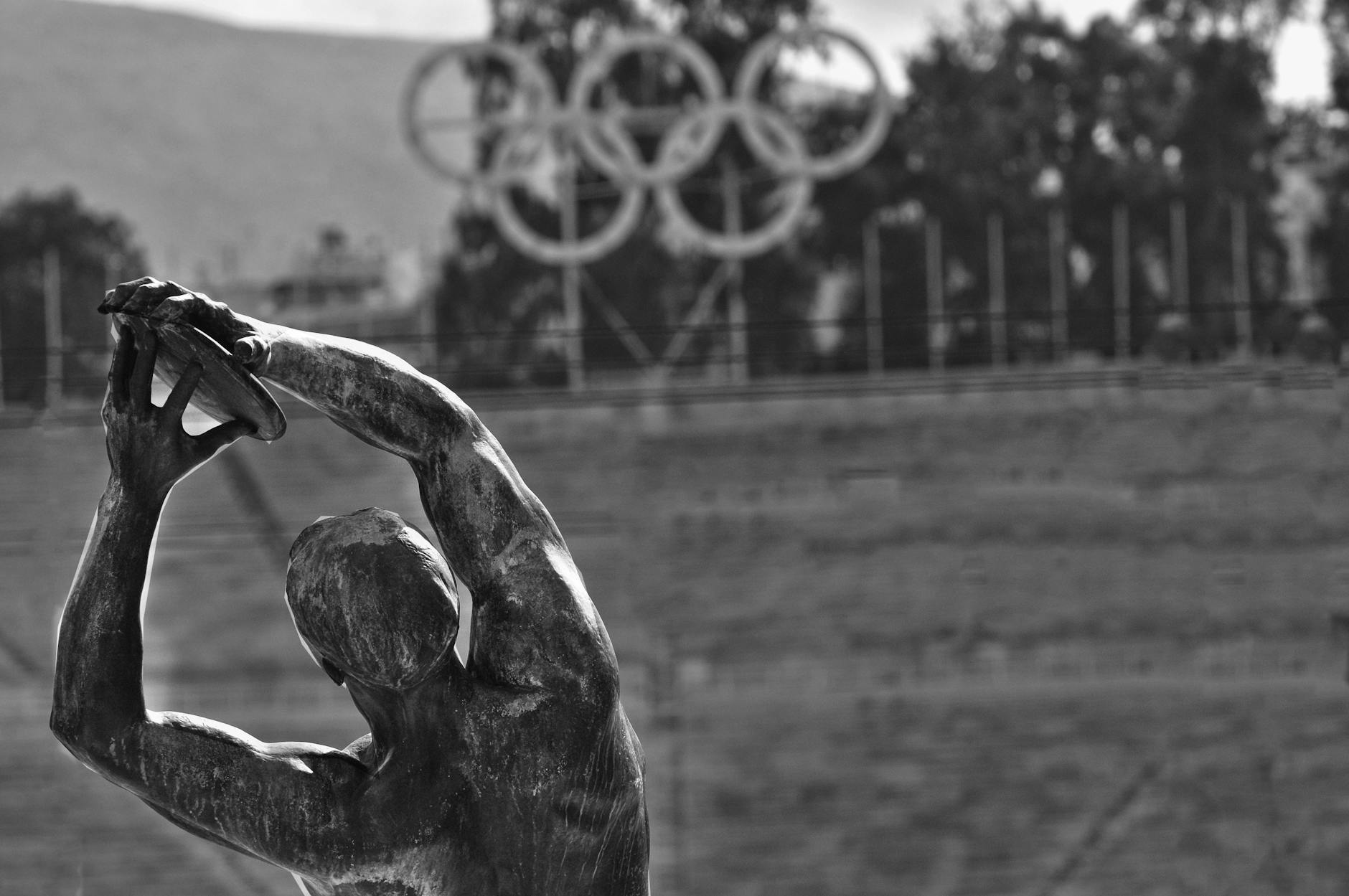
Let me just preface this by saying that I am not watching the Olympics coverage on television this year. That is not in protest of anything, nor does it reflect a keen disinterest in sports or in global events. My husband and I simply do not watch television. But I do spend time on the internet, and I follow news there. So it was with great sadness that I learned of the controversy about the opening night ceremonies and the tableau that seemed to mock “The Last Supper.” It has been with equal sadness that I have watched the angry and offended responses from Christians. I do not mean to say that the tableau was not offensive. I found it ugly. And I think it would have been both shocking and offensive to have seen it in the midst of all the other celebration.

Many of the organizers and presenters of the Opening Ceremonies have made public statements claiming that they either didn’t realize this would be offensive to many, or they didn’t mean it to be offensive. I find this difficult to believe. If the planners, organizers, participants, and crew had absolutely no idea that their tableau had any resemblance to “The Last Supper,” they I would suggest that they are woefully ignorant of European Art and Culture, or they are perhaps unaware of the number of Christians around the world. Yet some of them claim that ignorance/intolerance belong only to those who found their display offensive. They say that their only objective was to pay tribute to the ancient gods of Olympus, for whom the Olympic games are named. They claim that any resemblance to DaVinci’s mural of “The Last Supper,” or any allusion to Christianity were unintended. But they appear to be quite pleased with the furor and controversy.

While I did not see this happen in context, I do have some thoughts on the aftermath of what I have seen this week.

First, I think that Christians, while we should be offended by this display, should perhaps NOT be shocked. We live in a post-Christian, post-religious Western World. The world, especially the Western World, thrives on divisiveness, controversy, and the “shock factor” in entertainment. The tableau that was presented wasn’t just offensive to Christians (though we were likely the primary targets). It was, in its own way, offensive to the ancient Greeks, and to the spirit of the Olympic games. The Olympics are not about Bacchanalian debaucheries, orgies, or feasts of any kind. Nor are the Modern Olympics about the gods of Ancient Greece– not in the way that the Ancient Olympics were. The Modern Olympics are meant to be inclusive to every participating nation and qualifying athlete. The opening ceremonies are traditionally meant to celebrate both the shared heritage and spirit of competition among athletes, and the unique culture of the host country. This display did neither. And the organizers had to have known that. Whatever their real reasons for including this cartoonish and puerile tableau, they had nothing to do with bringing people from all nations and cultures together, or with celebrating the highlights of French culture.

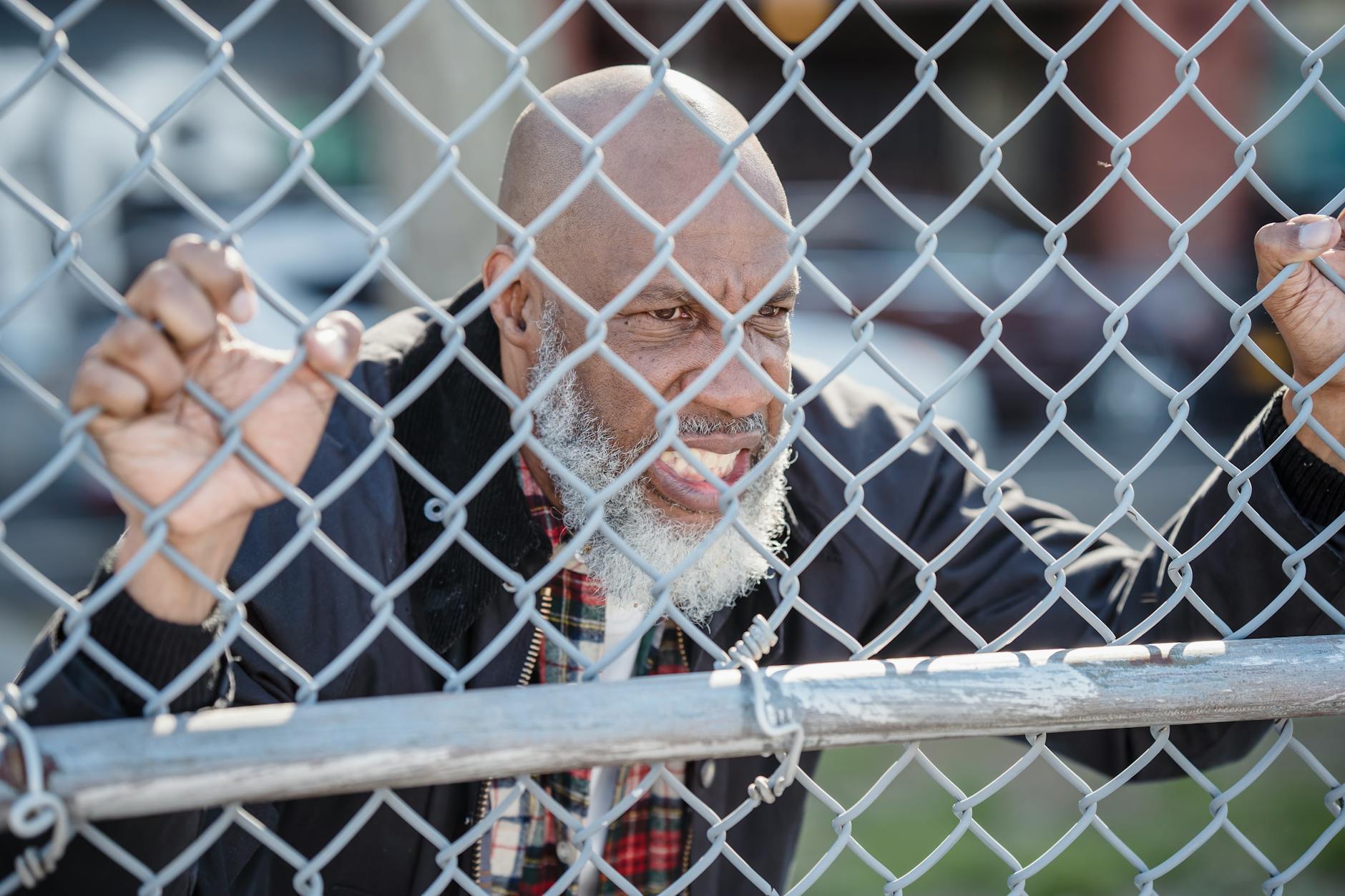
Having said all that, I am somewhat disappointed in the angry responses I see from Christians. We are reacting as though Christ promised us that we would always be respected, welcomed, and esteemed. Yet we serve a CRUCIFIED Savior! How are anger, boycotts, protests, and demonstrations showing honor to Jesus or bringing glory to God? What makes us think that reacting in anger and “playing the victim” will change the minds or hearts of those who created this mess? I believe that is precisely their “point.” They see themselves as victims of God’s righteous laws, and they are reacting TO HIM in anger and rebellion. To see US react in the same way makes them feel justified in their own anger. We live in a culture of outrage– it is our job to rise above the temptation to add to the general outrage. Jesus did not lash out as He was being whipped, taunted, and nailed to His Cross. He prayed for His tormentors, instead.

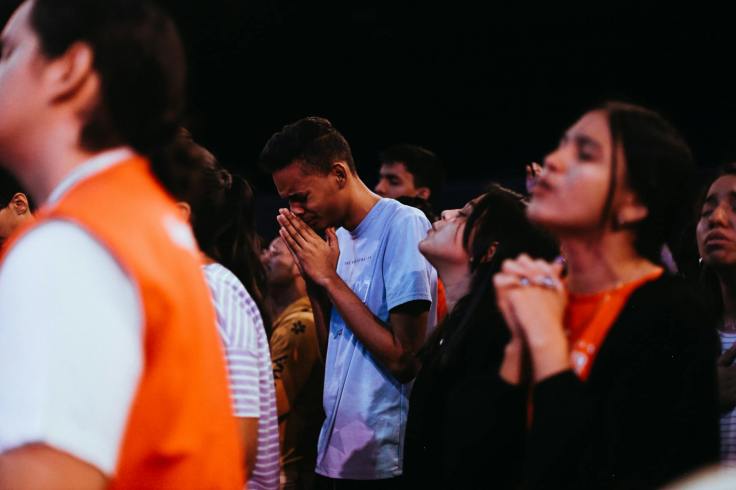
And that brings me to my final point. I think we need– especially in light of these events– to be praying for the Paris Olympics. Pray for the safety of all the athletes. Pray especially for those athletes who are being booed, taunted, and threatened because of their home country, or their religious beliefs. Pray for those who are standing up for what is right, and pray for the hearts of those who are acting in evil, anger, hurt, and deception. Pray that the spirits of division and hatred will NOT hijack this world event, as they have in the past. Pray that Christians will come together to react and to reach out as Jesus Himself did– speaking the truth in love. We do not have to embrace, condone, or accept what is evil. But we must stand firm in the armor of God, rather than attack with the enemy’s weapons!

Remember, we are to run OUR race:

24-25 You’ve all been to the stadium and seen the athletes race. Everyone runs; one wins. Run to win. All good athletes train hard. They do it for a gold medal that tarnishes and fades. You’re after one that’s gold eternally.
26-27 I don’t know about you, but I’m running hard for the finish line. I’m giving it everything I’ve got. No lazy living for me! I’m staying alert and in top condition. I’m not going to get caught napping, telling everyone else all about it and then missing out myself.–1 Corinthians 9:24-27 (The Message)

What happened in Paris last week was offensive and wrong. What we do this week needs to reflect what is right and God-affirming. We don’t need to be silent. We don’t need to be victims. We don’t need to be outraged. We don’t need to be protesting. We need to be praying.

But I’m Right!

Social media is a dangerous place these days. Everyone is an expert on something– pain, medicine, race relations, politics, religion…
I’m an expert, too. I am an expert in my own opinion! I know all I ever need to know about how I feel, what I’ve experienced, how I would solve all the world’s problems, and what everyone else should know, do, and think.

And when I pray, I am an expert in what I want, and what God should do–right?

Turns out, the Bible disagrees with me. Prayer is not about telling God what I think He should do. And one of the things He doesn’t want me to do is go about telling everyone how much I know and how right I am about everything.

I know– it flies in the face of common thought and practice. But my words are not to be about how good I am, how smart I am, how righteous I am, how “woke” I am, or how tolerant I am. My words shouldn’t be all about ME. When I do speak (or write), it should be for one of four reasons:

  • To praise– to bring honor and glory to God for who He is and all that He has done. To rehearse and proclaim His good deeds and righteous acts so that others may hear and praise Him, too.
  • To encourage, build up, edify, or heal others. Words have the power to bring hope, energy, confidence, light, and love. They also have the power to destroy, devalue, and discourage. Finally, words have the power to suck energy, waste time, and bring confusion and chaos. When I speak carelessly, selfishly, or foolishly, it does nothing to build up others. (And it probably doesn’t do me much good, either!)
  • To speak truth and stand up for righteousness–not in an arrogant way, and not to win “points”, but to honestly and firmly defend what I know to be true. I must realize that there will be others who will stand in opposition to the truth and refuse to hear what I say. Others will misconstrue and misrepresent the truth. It is NOT for me to make them believe– only to stand up and give voice to the truth when I see it under attack.
  • To express unique and creative thoughts, which is part of praising my maker. Everyone has SOMETHING to say– something that expresses their inner thoughts and unique perspectives. That should cause me to take great joy. And it should cause me to take the same joy in helping others find their voice and share their stories and ideas. Not because I’m “right” about the world, or because they are “right” in their ideas. But because God gave each of us a voice. I can listen and not agree; they can do the same. But sometimes, in the act of listening, we do more to come to understanding and agreement than we ever do by speaking. And in being allowed to speak freely, we might listen to ourselves more carefully, too.

Jesus spoke wonderful parables, deep and thoughtful prayers, piercing sermons, and tender words of encouragement and love. But He also listened–not only to the critics and enemies, but to those who hid in the shadows; those who were outcast and oppressed; those whose voices were drowned out by the crowds. He was RIGHT! More than anyone ever, He had the right to be heard…He chose to listen as well as speak. Jesus was more interested in being Himself than being “right.” More interested in showing love than showing off. More interested in understanding than overpowering. Jesus spoke–but He also laughed, and wept, and lived, and listened.

May we do the same today.

Sticks and Stones…

Children can be very inventive when finding ways to hurt other children. Name-calling, shunning, shaming, or just pushing, shoving, and tripping each other on the playground. As parents, teachers, and concerned adults, we should be working to instill compassion and discipline in our children– compassion to see how such actions and words hurt, and discipline to keep them from speaking and acting out of emotion and carelessness. We also spend time wiping away the tears and comforting those children who have been bullied and hurt by their peers. And we teach them sayings like, “Stick and stones may break my bones, but words (or names) can never hurt me.” Such sayings mean well, but they are not entirely true. Words and names can hurt. They DO hurt. And they don’t just hurt the person who is the target of such words. They hurt the speaker and everyone who lets the words fall unanswered, or who picks up the words to hurt someone else.

Christians should stand out as beacons of light and love. Yet many of us are guilty of throwing “sticks and stones” every bit as hurtful and thoughtless as those hurled by playground bullies.

A few years ago, I read with some shock a hate-filled article from a Christian woman who was urging all her Christian friends to boycott “Operation Christmas Child”, a group sponsored by Samaritan’s Purse, a charitable organization founded by Franklin Graham, son of the famous Evangelist, Billy Graham. Every year, Operation Christmas Child sends out millions of shoeboxes filled with Christmas gifts, meant for some of the poorest children around the world– orphans, refugees, and those in extreme poverty. But according to this woman, Operation Christmas Child is a hate-filled organization, spreading racism and condescension by sending “white” “western” baubles meant to taunt the recipients–useless articles like dolls and toy cars and color books with crayons. She also called out Mr. Graham as a racist, homophobic, hate-monger who should be — well she did stop short of asking for his assassination, but not by much. (I’m not here to champion Mr. Graham. But she gave no examples of racism and homophobia, nor did she give Mr. Graham any chance to defend his organization.)

Her proposal was that anyone wishing to help someone in a “third-world” country should instead send their donations to a group that provides livestock– goats and chickens–to struggling farmers and families in developing countries, giving them the means to be self-sufficient, independent, and providing practical help instead of “frivolous toys”.

I spent hours crafting a response to this woman’s article– one I later deleted without sending. I believe her proposal came from a heart that sincerely wanted to help others in practical ways. And I think her hatred and disgust for Operation Christmas Child was based on criticisms she felt were warranted. But her article left me in tears for three reasons:

  • It was hateful and filled with the kind of name-calling and condemnation that Christians should not just avoid, but mend and correct with love and grace. That doesn’t mean that we cannot say anything negative about other Christians or criticize their actions if they seem inconsistent with the Gospel. But there are Biblical guidelines for doing so.
  • Second, the article was divisive. She did not allow that anything about Operation Christmas Child could be done with a loving motive or a positive outcome. And she was ready to condemn anyone connected to the organization– including anyone who refused to join in her condemnation. Because she found issue with the founder and with the design of the boxes and certain contents, she felt justified in condemning everything and everyone connected with it. And because she had found a solution that made her feel virtuous, she wanted every Christian to follow suit. There was no room for any other group who might send toys or school supplies to children. There was no room for mercy or the possibility that her judgment was biased or tainted.
  • Finally, I believed her article was driven primarily by the passing emotions of rage and disgust. It came from a place self-righteousness, instead of a desire to do whatever she could to honor God and help those He loves. In fact, the majority of those living in poverty around the world (and thus subject to the goals of the charities she contrasted) live in urban areas–often they are homeless or live in crowded refugee camps or sprawling housing complexes. Sending livestock can certainly help farms or families who have land and food available to tend them. It is a helpful and loving gift to send a goat to a family or small village–it is however, impractical to send a pair of chickens to someone living in a high rise in Nairobi, Mumbai, or Tegucigalpa, and her advocacy shows a “western”, “white” naivete that rivals the one she sees in dolls and color books and cartoon pictures printed on the boxes used to send them.

My response was no better–it pointed out her faults (as I saw them), and was designed to make her feel foolish and belittled and “wrong”. And just because I deleted it then, I obviously have not forgotten the incident. But I bring it up now because I see in it an ongoing problem—one to which I am not immune, even as (or maybe especially as) a Christian. It is very easy, especially with social media, to speak “in the moment”– and often in the emotion of the moment. We react, rebuke, chime in with our “two cents,” and let our tongues (and fingertips) destroy when they should be building up.

As schools throughout my area are starting a new year, I am reminded that bullying and name-calling are ongoing problems, and they aren’t just happening in school yards and on buses, and in classrooms. I need to ask myself: Am I hurling sticks and stones, as I sneer at those with whom I disagree? Am I like the playground bully, finding delight in calling others names, or laughing at their expense? Am I tearing down other Christians because I hear others being critical? Or am I using my tongue (and my keyboard) to bless others? Do I speak the truth (harsh as it sometimes is) with love and grace, or with pride and condescension? Do I listen more than I speak? Would I want Jesus to read my Facebook posts or hear my conversations? (Because He DOES!) Does He speak through me?

“A word fitly spoken is like apples of gold in settings of silver” Proverbs 25:11

Taken from pinterest.com, based on Proverbs 25:11

So let’s hand out “apples of gold” this school year– whether teachers, students, parents, or bloggers–let’s spread love and healing. And, where there is bullying, angry recrimination, or harsh judgment, may we be defenders and peacemakers. Our words can build people up, or tear them down– even those caught in the crossfire. Let’s teach our children (and relearn the lessons ourselves) to honor God with our words, both spoken and written!

May His words take up residence in our hearts and spill out of our mouths and fingertips today!

Blog at WordPress.com.

Up ↑