Why, O Lord?

We are a curious race, humans–we ask a lot of questions of ourselves, each other, and even of God. How did He make the universe? When will Jesus return? Who can we trust in this world? Where is Heaven? What must we do to be saved? But the majority of our questions are “Why” questions. Why did Jesus come? Why did He have to die? Why did God make snakes and mosquitoes and platypuses? Why are men and women so different? Why am I… (short/tall, fat/thin, clumsy, “odd,” misunderstood, etc.)? Why are You so mysterious? Why do bad things happen to “good” people?

I was thinking about this last question this week. I don’t have any definitive answer to that– no one I know has any better answer. God has not given us a definitive answer, either. We are to trust that His ways are wise and best and perfect, but faith and trust require–well, Faith and Trust! We know God has done good things in the past. We know He has redeemed what seemed like hopeless situations. We know His promises, and we have seen some of them fulfilled. Still, such a question can often leave us blindsided and tongue-tied.

There are many learned thinkers, philosophers, and apologists who have written whole books on this subject, but I want to just pose a couple of ideas to help us, not ANSWER the question, but understand the question a little better.

First, the question, “Why do bad things happen to good people?” is really two questions: “Why do ‘bad’ things happen?” AND “Why do they happen to ‘good’ people?” So let’s look at the questions separately.

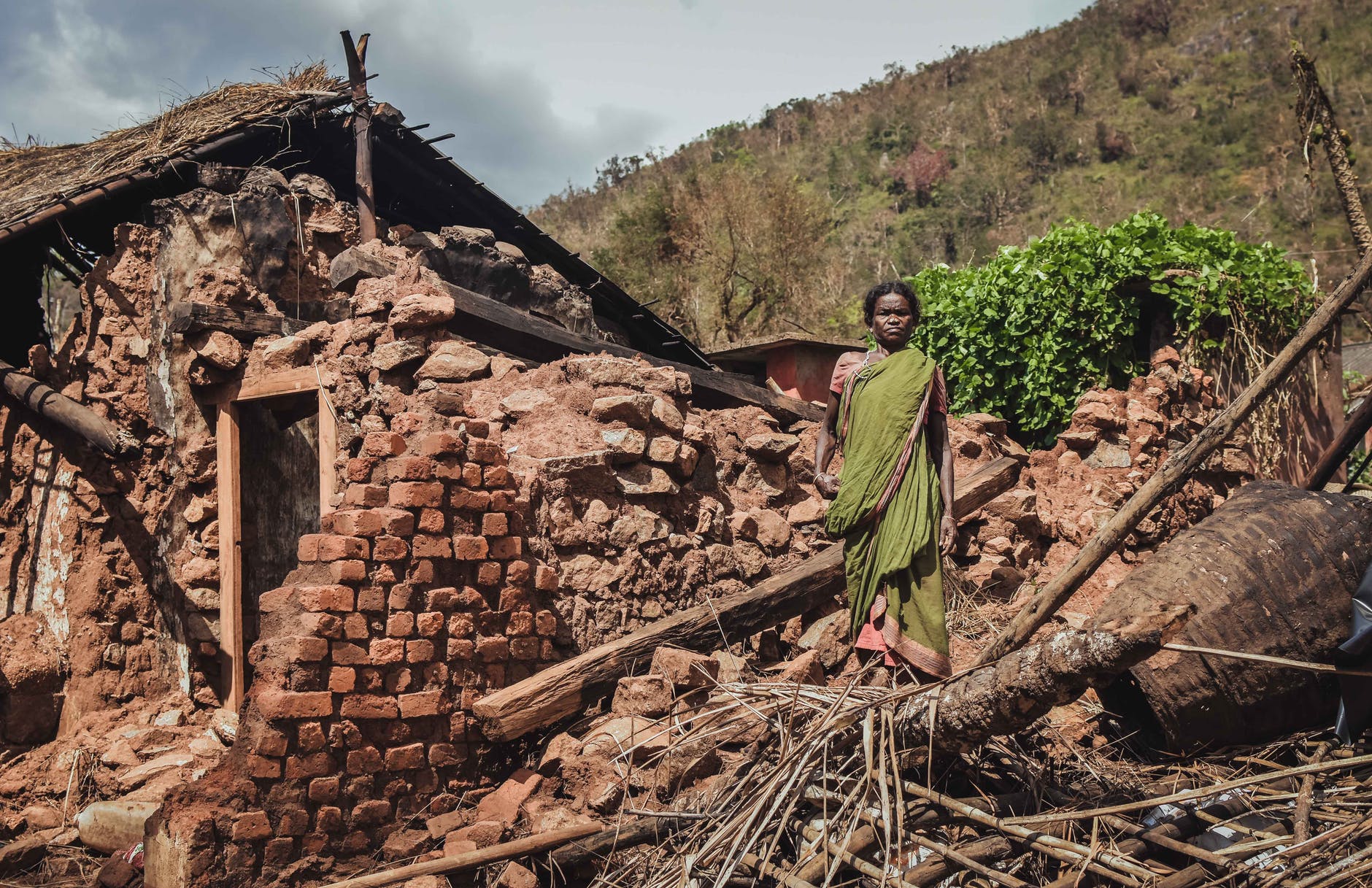
“Why do ‘bad’ things happen?” What do we mean when we say “bad things?” There are many circumstances, events, diagnoses, and occurrences that may be called “bad.” Death is “bad.” Indigestion is “bad.” Stubbing one’s toe is “bad.” Being diagnosed with Alzheimer’s Disease is “bad.” Divorce is “bad.” Slavery and abuse are “bad.” House fires, job losses, being mugged, being stranded without heat in a blizzard, an outbreak of acne, being laughed at– all these are “bad.” But they are all different. Many “bad” things are the direct result of sin–we suffer the consequences of our own sin; we are the victims of the sins of others. The consequences of addiction can be horrific, but we often lack compassion for those who are suffering, because “they brought it upon themselves.” But what about the innocent victim of rape or child sex trafficking? Such acts leave victims traumatized and broken. Both are “bad,” but we are angered and frustrated even more when “bad” consequences also seem unjust and unfair. And what about natural disasters? Are they the result of sin, as well? The Bible suggests that they are. When God placed Adam and Eve in the Garden of Eden, they lived naked, carefree, and unafraid. Only after their sin did God place a curse on the land– Adam would now have to cultivate the land in order to get food. There would be enmity between the woman and the serpent. Eve (and all women after her) would have pains in childbirth. (see https://www.biblegateway.com/passage/?search=genesis+3%3A+14-20&version=NIV) There is no mention of hurricanes, blizzards, or earthquakes prior to the Fall of mankind, though it is speculation on my part, to say that there were none.

God has promised to make all things new. There will be a time when the consequences of Sin will be eradicated. We will not even remember the suffering we endured in life, in light of the blessings of eternity. So, though God doesn’t answer our question of why “bad” things happen, He does give us the assurance that such “bad” things do not determine our destiny, nor do they happen without His knowledge or outside of His will! We cannot understand God’s purposes in allowing us to suffer, though sometimes we may see a hint of good even in the midst of tragedy.

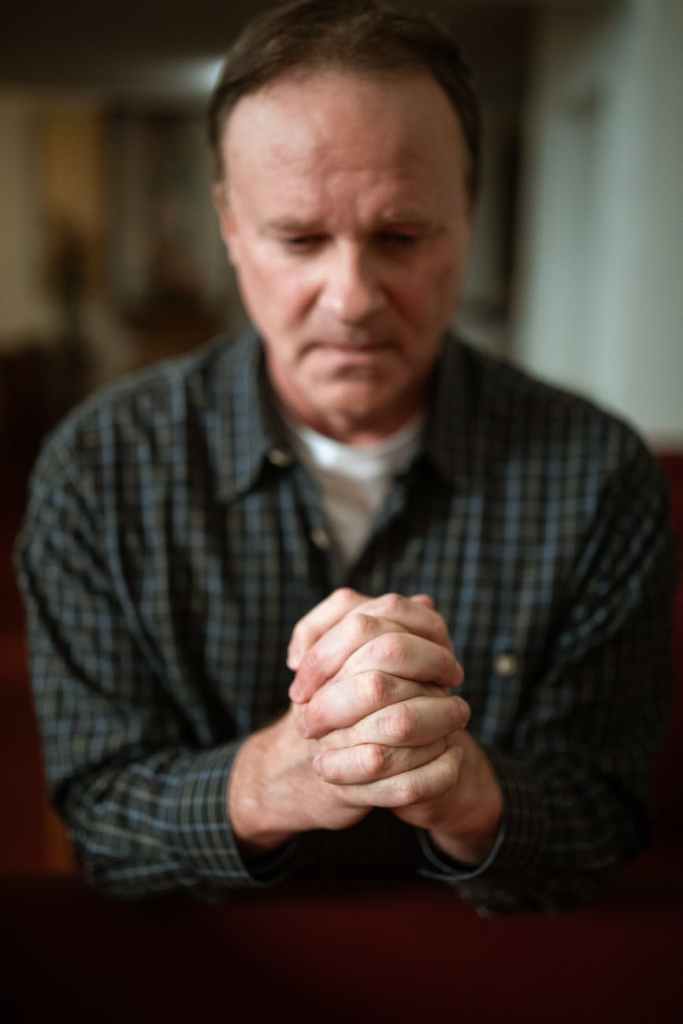
And God is loving and gracious in the face of our confusion and pain. We CAN ask God “Why?!” “Why me?” “Why this?” “Why now?” “Why them?” Why, O Lord!?” Many of the Psalms speak to this very question. But in the middle of his anguish, the psalmist often finds comfort and renewed strength to face the struggle, when he turns to God. Asking why is not always a sign of weak or failed Faith. Instead, it is acknowledging before God that we ache. We grieve. And we NEED HIM!”

And what about the second part of the question: “Why do (bad things) happen to ‘good’ people?” What makes a person “good?” Jesus was “Good,” And yet He questioned the rich young ruler, “Why do you call me good? No one is Good– except God alone.” (see https://www.biblegateway.com/passage/?search=Luke+18%3A18-27&version=MSG) We tend to think of the people we know and like as “good.” And we have a natural expectation that their lives should be “good” also– free of pain or struggle. But that is not realistic in this world. The actor, Michael J. Fox has been suffering for years with Parkinson’s Disease. This seems unfair and cruel. How could God let him suffer like this? But there are many thousands of people suffering from Parkinson’s Disease. Some of them are homeless addicts; some are in prison for rape or embezzlement. Is their suffering any less than that of Mr. Fox? Is it somehow less tragic or unjust?

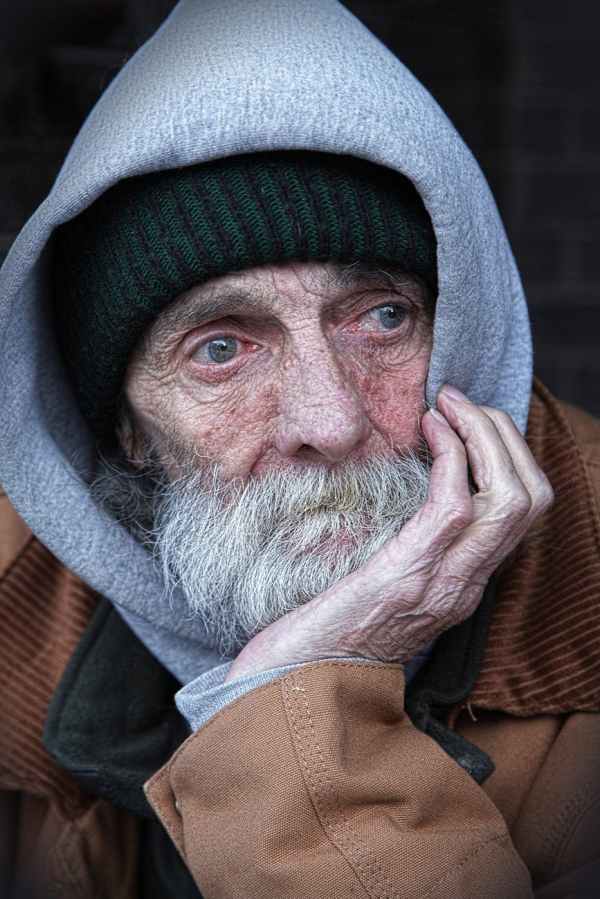
The sad and shocking truth is that none of us “deserves” a pain-free, struggle-free life. Bad things DO happen. And they happen to people we like, and people we hate; people we judge to be “good” and people we judge to be “bad.” God does not “play favorites.” Yes, God can, and often does intervene on someone’s behalf through prayer, or for His own bigger purposes. But He does not “dish out” suffering to those He dislikes out of spite or revenge. Nor does He cause His faithful to float through life without ever tasting bitterness and grief. Jesus made many promises, but one of them was this: “in this world you will have trouble; but be of good cheer, I have overcome the world.” (John 16:33) He didn’t promise that you might have a little spot of trouble, or that you might look around and see others in trouble– He promised that we would have trouble. Not because we are “bad” or “good” but because that’s the way this world is.

I find it odd that atheists often pose this question as a way of trying to “prove” that God doesn’t exist. They pose the question as an accusation. “If there is a kind and loving God, why do bad things happen to good people?” But if they believe that there ISN’T a kind and loving God, how do THEY explain why bad things happen to good people? How do they define “good” people and “bad” things? Without a Good God, where is the expectation of good things happening to good people? Without God, there are no objectively “good” things or “bad” things happening– only random events without divine cause or purpose. You can’t blame a non-existent God for things He either caused or didn’t prevent. Such questions are meant to plant doubt in the mind of a believer, but they fail to answer the greater question– Why do Good things happen to undeserving people? Why do we sometimes find joy and peace and strength in the midst of our suffering? Why do human beings continue to Hope?

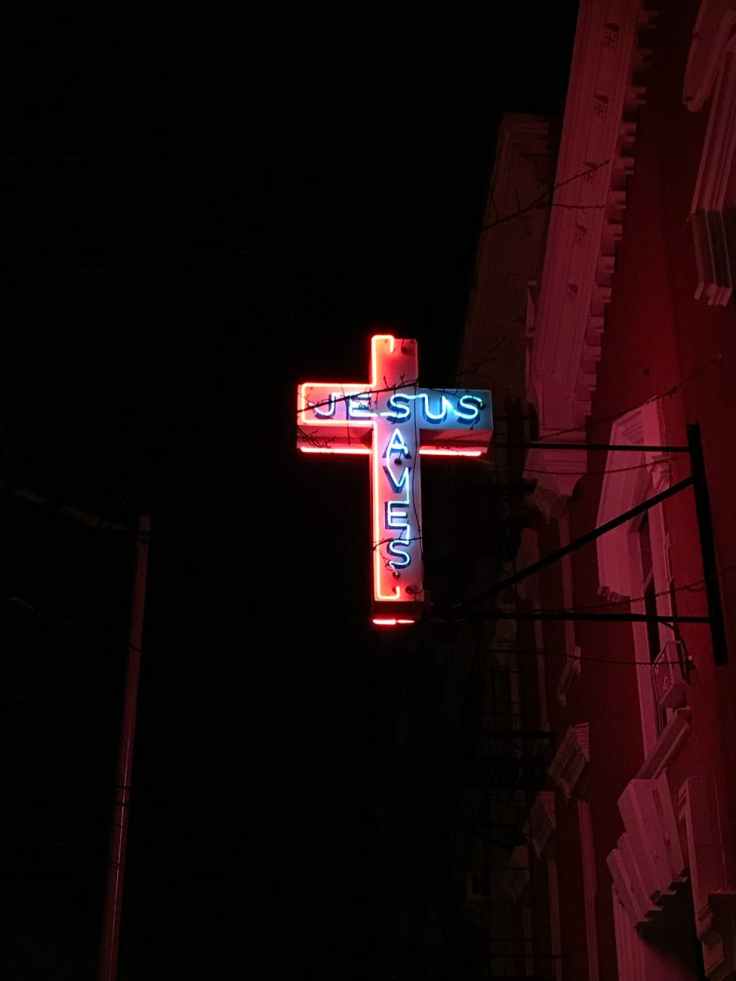
Finally– the ultimate example of God letting something “bad” happen to someone “good” can be seen in the central image of our Faith– the crucifixion of Jesus Christ. Jesus was sentenced unjustly to a torturous death and public humiliation. He was separated from God the Father, and carried the punishment for OUR sins so that WE could be reconciled to God. Even though the purpose of Christ’s suffering has been revealed to us, it doesn’t negate the agony and trauma He faced. And even HE cried out from the Cross– “My God, My God, WHY have YOU forsaken ME?!” (Matthew 27:46)

God does not answer the question of why “bad” things happen in this world. But in the crucifixion, Jesus proves to us that He shares and understands our suffering; that He has the power to overcome and redeem our traumas; and that He will hear our sincere cries of “WHY?!” He will hear when we turn toward Him, instead of turning our back on Him. He will hear our broken heart. He will heal our broken heart.

WHY?– Because He loves us!
It Is Well With My Soul

I’ve been reading through the book of Job this past week. Job’s story challenges us– especially if we trust in our circumstances to confirm God’s love for us. Job was a seeming pawn in a situation beyond his control or understanding. He lost nearly everything– his cattle, flocks, all his children, and even his health. The only thing he did not lose was his nagging wife, and his faithful, but very unhelpful friends.

Photo by Parij Photography on Pexels.com

At first, Job’s friends seem very supportive. They stay with him, saying nothing, just offering their presence for a week! But then, they start spouting the kind of useless aphorisms and accusations that make Job’s bad situation infinitely worse. They “remind” him that good people don’t suffer–only the wicked experience pain and loss. This knowledge, they assure him, comes from their own experience, and the wisdom of the past. When Job protests that he is innocent, that his suffering is NOT because of his own wickedness, they become increasingly angry and irrational– making up accusations and heaping blame on Job for daring to “question” God.

But Job’s friends, even though they speak with confidence and sound very much like many people we hear today, are wrong. Job’s experience is real–suffering comes to the innocent, while the wicked often “get away with” their sin, living lives of ease and comfort at the expense of others. We see it in the world around us– innocent people are the targets of mass shootings, or war, or famine, or disease. Meanwhile, criminals get “off” on a technicality; decorated war “heroes” destroy entire cities; powerful tyrants bend laws and oppress the helpless.

Photo by Ron Lach on Pexels.com

Where is God in all this? WHO is God in all this? There are many different responses, but I want to look at three that are all present in the book of Job:

  • Mrs. Job: “Curse God and Die.” Some people look at evil and suffering, and they decide that God must be a fraud. Either He cannot or He will not destroy evil, or He would have done so before now. They declare with great defiance that either God does not even exist, or He must be malicious, capricious, petty, and weak.

  • Job’s friends: “Everyone knows that God rewards good and punishes evil.” Doesn’t the Bible say this? Isn’t this what we learned in Sunday School? Surprisingly, most of us would say, “Yes, that is exactly what I learned as a child, and it is exactly what the Bible says!” But look closer. The Bible says that “All have sinned and fall short of the glory of God.” (Romans 3:23) It goes on to say that “The Just shall live by faith” (Habakkuk 2:4 and Romans 1:17)–not their good works. God DOES reward goodness, and he DOES punish evil– but He also redeems the wicked and causes the good to go through times of trial and suffering. God is more than a two-dimensional dispenser of rewards and punishments. God’s ways are not our ways (Isaiah 55:8), and there are times that He chooses not to explain His ways “in the moment” of our suffering, or in the moments when wickedness seems to be “winning.”
    Unfortunately, when bad times come; when we experience pain, or watch someone else going through inexplicable suffering, if our view of God is incomplete or two-dimensional, we are left repeating the little we KNOW (or think we know) about God, and defending, not God’s character, but OUR knowledge. This is especially true if we have not been tested ourselves.
  • Job: “Though He slay me, yet will I trust in Him.” (Job 13:15) “I know that my redeemer lives, and that in the end he will stand on the earth. And after my skin has been destroyed, yet in my flesh I will see God; I myself will see him with my own eyes—I, and not another. How my heart yearns within me!” Job 19:25-27 Even when Job struggled with his pain and suffering–even as he defended his character to his accusing friends, Job KNEW that God was GOD. He knew all that his friends were saying ABOUT God, but he also knew God–even when he didn’t understand His actions. And after all the arguments had been made and all the “easy” answers had been spilled out, GOD did not slay Job; he did not leave him in his agony. Neither did He provide Job with detailed answers or explanations. But He redeemed the situation– Job ended up with more blessings than before. More importantly, Job ended up with a greater understanding of who God is.

When all is not well with our health, or our finances, or our safety, or our relationships, it can still be “well with (our) Soul.” God does not change, but He does ask us to trust Him, even when His ways are not our ways. God will reward good and punish evil– but it may not be in our lifetime or as we imagine. God may stay silent during times of great stress and pain, but He will not leave us! In every situation, we can trust Him.

Will we?

Flee!

As we bid goodbye to September and enter October, we are entering the season of Halloween and horror movies. I’m not too fond of this cultural phenomenon–I don’t like horror movies, and, while I don’t mind handing out candy to kids dressed up in clever costumes, I’m not thrilled about kids and adults “celebrating” witches, vampires, zombies, etc..

Photo by Yaroslav Shuraev on Pexels.com

While I don’t watch horror movies, or read horror novels, I have noted what others have told me about them. One of the strangest phenomena they report is the seeming inability of innocent people to escape the horror stalking them. This is sometimes part of the horror and the plot, but often, the “victim” has many chances of running away– but never does! (Or they wait until it is too late.) In fact, movie-goers often report the audience will sometimes yell at the characters to, “Run!” But they simply stand, fascinated or paralyzed by fear, waiting for their doom to catch up to them. Of course, this adds to the suspense of a fictional scenario, but it sets a terrible example for real life.

Photo by Trinity Kubassek on Pexels.com

Recently, I heard an interesting and disturbing parallel in reports about real “victims” from a public safety official. He said that in various crime scenes, like those involving a violent confrontation or an active shooter, many people who could reach safety, don’t. This is because they continue to watch the horror unfolding around them. They do nothing to stop it; nothing to avoid it; nothing to protect themselves. In fact, some of them take out their phones and start filming it–creating their own “real-life” horror movie. Instead of taking common sense precautions, they seem more interested in watching the “story” unfold, as if it had no power to touch them. Normally compassionate people will watch someone else being bullied, tortured, harassed, and even killed without calling for help or protecting themselves or others who could be pulled into the violence.

Photo by cottonbro on Pexels.com

There is nothing “entertaining” about violence and evil. There may be something instructive about watching evil being defeated, or violence being stopped, but there is greater wisdom in avoiding evil and violence in the first place. Evil should not make us curious– it should repulse us, and make us want to flee. Seeing a rattlesnake coiled and hissing should not cause us to reach out and try to pet it! Watching someone waving a loaded gun around should not cause us to whip out our phone and record it for later viewing.

Photo by Daniel Reche on Pexels.com

As Christians, we are warned to “flee from temptation” in the same way we are urged to flee from danger and horror. When we know something is evil, harmful, unwholesome, corrupt, poisonous, and unholy, we are to have nothing to do with it. This is not because we feel powerless in the face of evil. God is with us in any situation. But we are to stay away from situations and relationships that threaten our ability to do what we know to be honest, compassionate, and “right.” Jesus warned His disciples to “watch and pray, that you may not enter into temptation. The spirit indeed is willing, but the flesh is weak.” (Matthew 26:41 ESV) And in The Lord’s Prayer, He prayed that we would not be led into temptation, but delivered from evil. (Matthew 6:13) Jesus wasn’t saying that we should live in perpetual fear; rather that we should make it a priority to avoid ANYTHING that would draw us away from the goodness and mercy of God. Even in our prayers, we should ask God to keep us on the path of righteousness and keep us away from temptation and failure. Common sense alone will not keep us from dangerous behaviors like flirting with sin or dabbling in danger. God will provide a way out (1 Corinthians 10:13), but how much better to avoid the need for constant rescue!

Photo by Guy Kawasaki on Pexels.com

As this season approaches, I pray that God would keep me far from the path of evil. I don’t want to be like the “victim” in a horror film, paralyzed by fear or fascination, while sin and death come stalking. Nor do I want to be the bystander, filming someone else’s pain and torture instead of seeking help and protection. The spirit indeed is willing– willing to fight against evil; willing to grapple with it; willing to learn more about it; willing even to flirt with it. But the flesh is weak and vulnerable to deception, traps, and failure.

We are not to follow after the empty promises of temptation–“thrills and chills,” titillation, “secret” knowledge, “spine tingles,” etc.. Instead, we are to seek the sure promises of a Loving God– His guiding presence, His joy, His eternal Love, and His abundant Life.

Photo by Patricia McCarty on Pexels.com

Flee temptation; Run to Jesus!

Victims and Victors

My husband and I own a small retail business.  Last winter, we were victimized by shoplifters.  They stole several items, worth over $1,000.  The same couple stole items from other businesses in the area.  The police investigated, compared descriptions of the suspects, traced their movements, and got an arrest warrant.  The couple fled, and it took months to find them and bring them into custody.  They have been arrested, and we have been to court for a preliminary hearing, with another potential court date in about a month.

blur close up focus gavel
Photo by Pixabay on Pexels.com

The court sent us a long series of papers to fill out, including a victim impact statement, where we were to describe how the suspect’s alleged actions impacted us personally, as well as how our business was damaged.  Even though this was not a personal crime (we weren’t physically threatened or harmed, or specifically targeted with an intent to ruin our business), there are still scars–distrust, fear, frustration, and loss, to name a few.  Just because a crime isn’t personal, doesn’t mean that no one suffers.  It has been an awkward process to write out the victim statement, and to appear in court and recount all that happened that day, but it has also been a good process.

crime scene do not cross signage
Photo by kat wilcox on Pexels.com

Being a victim is not a pleasant experience.  It is frightening, humiliating, maddening, and bewildering.  “How could this have happened?”  “Why did it happen to me/us?”  “What did I/we do wrong?”  These are honest questions that go unanswered.  But the biggest question may be “Where was God when this happened?”  Didn’t he know?  Didn’t he care?  Why didn’t he act to stop this crime?  Why did he allow it to touch us?

In the months since this happened, I’ve learned to ask some other questions of God–

  • What other “bad” things have you kept from us without our knowledge?  What good things have you showered on us that we took for granted?
  • Who else has suffered the same or worse things– how can I reach out with empathy or understanding?
  • Where are people suffering without justice?  Even though we have had a long wait, we know that the police and court system have been working for us.  Where are people living who suffer without hope, in silence, and in fear of seeking help?
  • What can we learn from this experience?  How can we make our store and our community “safer”?  How can we heal, and bring justice instead of wallowing in hurt or seeking revenge?

green leafed plant on sand
Photo by Engin Akyurt on Pexels.com

God has a plan, even in times of trial and questioning.  We all will be victims at some point in our life–of injustice, of crime, of disease, of poverty, of losses, of disaster, and of sin’s consequences– our own sins and the sins of others.  We can also be victors, through the power of the Holy Spirit.  We can overcome bitterness and addiction; we can triumph through cancer, depression, or heartbreak; we can rise above setbacks and circumstances; we can choose forgiveness and healing over hatred and self-sabotage.  We can move from being perpetual victims to eternal victors, through Jesus Christ our Lord!

On The Witness Stand

Last week, I was called upon to give testimony in court as a witness to a crime.  The crime itself occurred months ago, so I was very nervous, trying to remember the sequence of events, and trying to make sure I didn’t add or leave out important details.

There is a reason the judge asks for “the truth, the whole truth, and nothing but the truth.”  It is very easy to exaggerate, to leave out details that may reflect poorly on us or on those we know, or to add commentary or opinion.  Even the way a lawyer asks a question can evoke a certain memory or reaction that is more or less than the original event warrants.

close up court courthouse hammer
Photo by Pixabay on Pexels.com

As hard as I tried, I couldn’t tell the entire “truth”–not because I lied or withheld evidence, but because I only witnessed a portion of the crime, and because I don’t have total and perfect recall.  No one does.  Three witnesses may testify and get certain details “wrong” or mix up the sequence of events, or be confused or hazy months after the event.  Even seeing the same event from a different perspective can alter one’s testimony.  One person hears a conversation clearly, but cannot see one speaker’s facial expressions or gestures.  Another sees the event close up, but cannot see what is happening “behind the scene.”  One person’s personal biases may come out in the way they give testimony, even if they are unaware of it. While I hope and believe that I told the truth as I witnessed it, my witness alone is not enough to determine the defendant’s guilt or innocence–nor should it be.

The ninth Commandment (in Exodus 20) warns about giving or “bearing” false witness.  We usually equate this with lying, but it is more than telling “a whopper.”  Bearing false witness includes spreading rumors, “sharing” questionable posts, omitting facts, and even “faking it” until you make it– pretending to be what we are not; hypocrisy, and false appearances.

man person woman face
Photo by Gratisography on Pexels.com

As a follower of Jesus, I am a full-time witness.  This is far more important even than being a witness in a court case.  I should always speak and behave as if I am “under oath.”  Not just when I know all eyes may be watching; not just when I’m with other “witnesses.”  Always.  This doesn’t mean that I aggressively volunteer my opinion and beat people over the head with commentary everywhere I go.  It doesn’t mean that I smile and say only what I think others want to hear.  It means that I speak less than I listen, but when I speak, it is truth–loving, sometimes harsh, spoken with the intent to help, heal, encourage, challenge, and bring justice.

black women casual daylight eyeglasses
Photo by Christina Morillo on Pexels.com

In prayer, it means that I repent of falsehood, pride, envy, anger, and bitterness.  It means that I acknowledge God for who He is, and myself for who I am in Him.  It means that I ask for wisdom to seek and see truth, and to see through deception and falsehood–even in my own heart and mind.  And it means that I thank God for His Truth, which is perfect and victorious.  I pray that the Truth will shine in, around, and through my life and my words, and in the lives of others.

abstract beach bright clouds
Photo by Pixabay on Pexels.com

man and woman wearing brown leather jackets
Photo by Vera Arsic on Pexels.com

Many people will point out when I get it “wrong.”  They will point to other Christ-followers, other “witnesses” whose lives may look different from mine, who speak differently, act differently, vote differently, even worship differently than me.  And I need to trust that the “whole” truth will come from each of us bearing honest and full witness to what we know and experience of God’s goodness, His power, and His love.  I don’t have the “whole” truth– but I am a witness of the one who IS the whole Truth!

Blog at WordPress.com.

Up ↑