But when you pray, go into your room and shut the door and pray to your Father who is in secret. And your Father who sees in secret will reward you. Matthew 6:6 (ESV)
Prayer can sometimes seem like a cowardly action. It seems passive; it relies on faith and, often, patience. We connect courage to action– courageous people DO something; cowards sit on the sidelines or hide in their closets. Yet Jesus told His disciples to go into their rooms or closets, close the door, and pray in secret. Jesus himself often went out into the desert to pray alone. Jesus’s ministry was filled with passive moments. He spoke, or he walked along from town to town. He stopped to heal people by touching them or speaking to them. He rarely raised his voice or let his temper show. He allowed himself to be arrested, tried, sentenced, beaten, and crucified, without making a vigorous defense or protesting his horrific and unjust treatment. On the cross, his one impassioned outburst was a prayer to His Father–“My God, My God, why have you forsaken me?” (Mark 15:34)
We don’t think of Jesus as a coward. Yet, we often sneer at Christians who spend more time praying and less time “doing.” Being active is not a bad thing. Jesus commanded His disciples with many active words– “GO,” “teach,” “feed My sheep.” And there are busy people who are courageous in their own way. They go into dangerous places to preach the Gospel. They risk their health and safety to reach the lost with the Good News that Jesus Saves! They stand firm for the truth, and they defend it with vigor and passion. But Jesus also commanded His disciples to “Follow Me.” That means that we need to look at and model our lives after the ways that Jesus responded to various situations, and how He lived. The question we often ask is “what would Jesus do?” But the real question we should ask is “what did Jesus DO?”
Jesus prayed. He prayed for people; He prayed with people; and He prayed alone for hours and even days. And Jesus prayed courageous prayers. He didn’t pray “safe” prayers. Even His anguished prayer in the garden ended with courageous and humble resignation– “Father, if you are willing, remove this cup from me. Nevertheless, not my will, but yours, be done.” (Luke 22:42) Jesus also engaged lovingly and personally with the kinds of people that others ignored or wrote off or dismissed as broken, damaged, or irredeemable.
Just this week, a young Christian apologist and conservative speaker, Charlie Kirk, was assassinated. He was well-known and admired (or detested) for speaking up about family values, and Christian principles on American college campuses. He often faced hostile critics and smug detractors– atheists, anarchists, and those who called him a racist, a homophobe/transphobe, a bigot, and a “hater.” I never met Mr. Kirk. I watched some of the videos his group posted of him patiently and passionately arguing for marriage, faith, morality, hard work, ethical behavior, and national issues like immigration reform, tariffs, and foreign policy matters. I respected much of what he said, and some of how he said it. One of the things I most respected was his commitment to listening and asking questions, instead of merely attacking. But the most amazing thing about Mr. Kirk was his passionate and outspoken commitment to Jesus Christ. His faith was the center of everything he said, and in the way he interacted with supporters and detractors alike. He did not shy away from difficult questions, and he rarely resorted to easy answers, but he always pointed others to the example and the words of Jesus.
In the wake of his death, many people are asking, “What now?” Mr. Kirk was articulate, passionate, and willing to put himself in danger in order to defend the truth and his personal views. He trusted God to use him, and he was willing to pay a horrible price– being hated, threatened, and ultimately shot to death–to do what he saw as God’s work. He left behind a family (wife and two children), several close friends, and a host of people who followed him on social media and looked to him as a Godly example. Fellow Christians, while we may grieve his loss here, rejoice that he is Home with his Savior for eternity. But many people are wondering what will happen if no one steps forward to take his place and carry on his mission. While I believe that many young people will be inspired to speak out and engage in discussions, I don’t think most of us are meant to step into a spotlight. I think we NEED more people who will commit to going into their closets and pray. While Mr. Kirk put himself in the public arena, there have been hundreds and thousands of people praying for him. They continue to pray for his family, his outreach organization, “Turning Point”, and they even pray for those who instigated and committed this violence.
Prayer is NOT cowardly. Prayer warriors are needed to intercede, to call on Heaven’s Armies to continue in the age-old battle. We should be willing to have the difficult conversations when they arise. Some of us will be called to initiate such conversations openly and with fierce determination. And we should all be ready to “give a reason for the hope that is in you” (1 Peter 3:15) even when it is with “trembling and fear.” And we should always remember to be humble and show kindness, even to those who despise us. But some of us need to be lifting up those who are being attacked. Some of us need to pray more boldly, more often, and more confidently in light of the violence that has exploded in our world. We need to pray, not just for the Charlie Kirks of the world, but for the salvation of all the would-be assassins. We need to pray for the hearts and minds of those who want to argue and “cancel” all those who stand for God’s Word. And for all those who do not know the truth, who are confused, befuddled, or deceived.
We need those who can be courageous– whether in the public square or in a private room.
Many people look forward to Friday. For students and many workers, it marks the end of the working week and heralds the weekend. For many, it may also be payday! Fridays represent accomplishment; completion of work done, reward for recent efforts; a measure of our success. We chant “T.G.I.F.”– “Thank God it’s Friday.” But we might just as easily say, “Thank God it’s Finished!”
We’re in the Lenten season, leading up to Easter, and, of course, Good Friday. Much more significant than any ordinary Friday, Good Friday is the day we remember the Crucifixion of Jesus Christ. It was on that day that Jesus Himself cried, “It Is Finished!” just before He took his last breath.
On that first “Good Friday” there seemed to be little reason for celebration. Jesus had been found guilty in a hasty, overnight trial, by the Jewish Sanhedrin for saying that He was the Son of God– Blasphemy if one is NOT God, but simple truth if one is the promised Messiah! The Roman Governor, Pontius Pilate, after examining Jesus’ claims and trying to literally “wash his hands” of the case, turns Jesus over to be crucified by the angry mobs whipped up by the Jewish leaders. And Jesus is beaten, tortured, taunted, and nailed to a cross to die a gruesome, public death. “It is finished!” For Jesus’ followers, this meant defeat, fear, and gloom, rather than accomplishment or celebration.
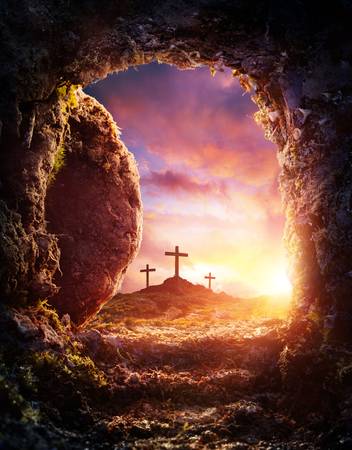
But Jesus knew better. Even though His death was filled with suffering and humiliation, it was the culmination of His life on earth. And it was the necessary final scene before the next Act– the Acts of the Apostles–the coming of power and hope by the release of the Holy Spirit to indwell those who had put their faith in Jesus AS the Messiah! And so it is today. We have great cause to celebrate Good Friday. Without the Pain of the Cross, there would be no Glory of the Resurrection or Promise of Eternal Life!
Even though this Friday is not Good Friday, we can spend today reflecting on the life of Jesus– the incredible example He gave of how we are to trust in God, love others as God loves, and cherish life–both now and through eternity, as God’s gift. And we can be thankful that, because of Jesus, “IT IS FINISHED!”– the battle against Sin and Death is over. We can live abundant lives, without the fear of eternal death, and we can look beyond the curse of Sin to the Glory of Restoration and Renewal.
“He rules the world with Truth and Grace, And makes the nations prove The glories of His Righteousness And wonders of His Love.”
Christmas is a time of wonder. Even stories that have little to do with the birth of the Christ Child– Frosty the Snowman, or A Christmas Carol, or The Grinch Who Stole Christmas–involve miracles and wondrously unexpected transformations. We thrill to see redemption and hope triumph over gloom and bitterness. We cheer when the Grinch’s small heart grows three sizes, or when Rudolph the Red-Nosed Reindeer makes the team and leads Santa through a snowstorm. We want to believe that there is a special magic about the first snowfall of each year; that the very coming of Christmas Eve holds a special promise of Peace and Goodwill.
But the ultimate Wonder is that of God’s Love for us:
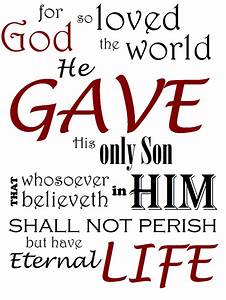
God SO LOVED the world– not because the world was lovable; not because the world’s people were just and kind and honorable; not because God was blinded to the world’s sickness and sorrows and just wanted to feel “groovy” about the world. God just loved the world SO MUCH…
That He GAVE– God didn’t just talk about Love and Joy and Peace– He GAVE–His only begotten Son. He, the creator, became the created– the ruler of the universe became a helpless baby born in a crowded city, banished to a barn because there was no room reserved for his coming. God gave lavishly, sacrificially, completely– He poured out His majesty to take on humanity, and then poured out his human life in service and sacrifice. He kept nothing back– none of his power to avoid injustice, shame, or death; none of his glory or majesty. He suffered the indignity of dusty roads, homelessness, sleepless nights, and crucifixion. He suffered the loneliness of misunderstanding and betrayal by his friends and family.
That WHOSOEVER BELIEVETH IN HIM– Whosoever! Not the noble, not the rich, not the “eminently qualified,” not the beautiful or strong or intelligent “enough.” God yearns to bring the wonder of redemption to the very ones who are ready to give up; to those who know they don’t deserve God’s love and grace; to those who have not known joy or peace, only darkness and grief– those who cannot earn God’s favor can have it in abundance, if only they believe that God exists, and that He rewards those who earnestly seek Him (Hebrews 11:6)
SHALL NOT PERISH, but have everlasting/eternal life–What a wonderful promise! Wonderful because it is beyond our ability to fathom; wonderful because it is undeserved and unexpected; wonderful because it is the ultimate expression of limitless, eternal LOVE. We think of Death as inevitable and permanent–But Christ came to show us that death is temporary and powerless! Hope and Joy, Love and Peace– they have already WON. They are the reality– the rest is only a vapor.
Christmas is so much more than any story of transformation or redemption– it is THE story of redemption; the reality upon which all other stories rest. It is THE Wonder of the Ages– That God would love us beyond limit, beyond even our imagination, and that He would do so as a helpless Baby in a Manger.
We are a curious race, humans–we ask a lot of questions of ourselves, each other, and even of God. How did He make the universe? When will Jesus return? Who can we trust in this world? Where is Heaven? What must we do to be saved? But the majority of our questions are “Why” questions. Why did Jesus come? Why did He have to die? Why did God make snakes and mosquitoes and platypuses? Why are men and women so different? Why am I… (short/tall, fat/thin, clumsy, “odd,” misunderstood, etc.)? Why are You so mysterious? Why do bad things happen to “good” people?
I was thinking about this last question this week. I don’t have any definitive answer to that– no one I know has any better answer. God has not given us a definitive answer, either. We are to trust that His ways are wise and best and perfect, but faith and trust require–well, Faith and Trust! We know God has done good things in the past. We know He has redeemed what seemed like hopeless situations. We know His promises, and we have seen some of them fulfilled. Still, such a question can often leave us blindsided and tongue-tied.
There are many learned thinkers, philosophers, and apologists who have written whole books on this subject, but I want to just pose a couple of ideas to help us, not ANSWER the question, but understand the question a little better.
First, the question, “Why do bad things happen to good people?” is really two questions: “Why do ‘bad’ things happen?” AND “Why do they happen to ‘good’ people?” So let’s look at the questions separately.
“Why do ‘bad’ things happen?” What do we mean when we say “bad things?” There are many circumstances, events, diagnoses, and occurrences that may be called “bad.” Death is “bad.” Indigestion is “bad.” Stubbing one’s toe is “bad.” Being diagnosed with Alzheimer’s Disease is “bad.” Divorce is “bad.” Slavery and abuse are “bad.” House fires, job losses, being mugged, being stranded without heat in a blizzard, an outbreak of acne, being laughed at– all these are “bad.” But they are all different. Many “bad” things are the direct result of sin–we suffer the consequences of our own sin; we are the victims of the sins of others. The consequences of addiction can be horrific, but we often lack compassion for those who are suffering, because “they brought it upon themselves.” But what about the innocent victim of rape or child sex trafficking? Such acts leave victims traumatized and broken. Both are “bad,” but we are angered and frustrated even more when “bad” consequences also seem unjust and unfair. And what about natural disasters? Are they the result of sin, as well? The Bible suggests that they are. When God placed Adam and Eve in the Garden of Eden, they lived naked, carefree, and unafraid. Only after their sin did God place a curse on the land– Adam would now have to cultivate the land in order to get food. There would be enmity between the woman and the serpent. Eve (and all women after her) would have pains in childbirth. (see https://www.biblegateway.com/passage/?search=genesis+3%3A+14-20&version=NIV) There is no mention of hurricanes, blizzards, or earthquakes prior to the Fall of mankind, though it is speculation on my part, to say that there were none.
God has promised to make all things new. There will be a time when the consequences of Sin will be eradicated. We will not even remember the suffering we endured in life, in light of the blessings of eternity. So, though God doesn’t answer our question of why “bad” things happen, He does give us the assurance that such “bad” things do not determine our destiny, nor do they happen without His knowledge or outside of His will! We cannot understand God’s purposes in allowing us to suffer, though sometimes we may see a hint of good even in the midst of tragedy.
And God is loving and gracious in the face of our confusion and pain. We CAN ask God “Why?!” “Why me?” “Why this?” “Why now?” “Why them?” Why, O Lord!?” Many of the Psalms speak to this very question. But in the middle of his anguish, the psalmist often finds comfort and renewed strength to face the struggle, when he turns to God. Asking why is not always a sign of weak or failed Faith. Instead, it is acknowledging before God that we ache. We grieve. And we NEED HIM!”
And what about the second part of the question: “Why do (bad things) happen to ‘good’ people?” What makes a person “good?” Jesus was “Good,” And yet He questioned the rich young ruler, “Why do you call me good? No one is Good– except God alone.” (see https://www.biblegateway.com/passage/?search=Luke+18%3A18-27&version=MSG) We tend to think of the people we know and like as “good.” And we have a natural expectation that their lives should be “good” also– free of pain or struggle. But that is not realistic in this world. The actor, Michael J. Fox has been suffering for years with Parkinson’s Disease. This seems unfair and cruel. How could God let him suffer like this? But there are many thousands of people suffering from Parkinson’s Disease. Some of them are homeless addicts; some are in prison for rape or embezzlement. Is their suffering any less than that of Mr. Fox? Is it somehow less tragic or unjust?
The sad and shocking truth is that none of us “deserves” a pain-free, struggle-free life. Bad things DO happen. And they happen to people we like, and people we hate; people we judge to be “good” and people we judge to be “bad.” God does not “play favorites.” Yes, God can, and often does intervene on someone’s behalf through prayer, or for His own bigger purposes. But He does not “dish out” suffering to those He dislikes out of spite or revenge. Nor does He cause His faithful to float through life without ever tasting bitterness and grief. Jesus made many promises, but one of them was this: “in this world you will have trouble; but be of good cheer, I have overcome the world.” (John 16:33) He didn’t promise that you might have a little spot of trouble, or that you might look around and see others in trouble– He promised that we would have trouble. Not because we are “bad” or “good” but because that’s the way this world is.
I find it odd that atheists often pose this question as a way of trying to “prove” that God doesn’t exist. They pose the question as an accusation. “If there is a kind and loving God, why do bad things happen to good people?” But if they believe that there ISN’T a kind and loving God, how do THEY explain why bad things happen to good people? How do they define “good” people and “bad” things? Without a Good God, where is the expectation of good things happening to good people? Without God, there are no objectively “good” things or “bad” things happening– only random events without divine cause or purpose. You can’t blame a non-existent God for things He either caused or didn’t prevent. Such questions are meant to plant doubt in the mind of a believer, but they fail to answer the greater question– Why do Good things happen to undeserving people? Why do we sometimes find joy and peace and strength in the midst of our suffering? Why do human beings continue to Hope?
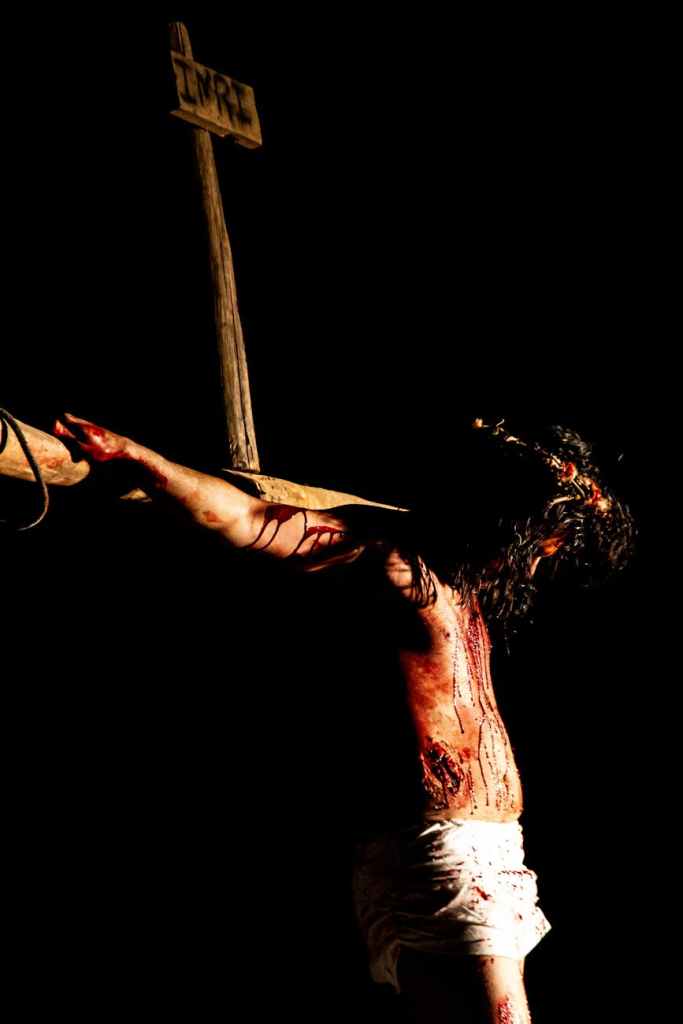
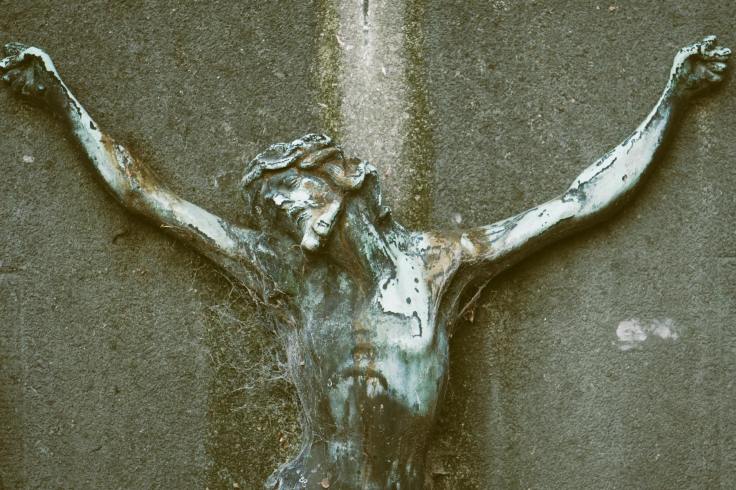
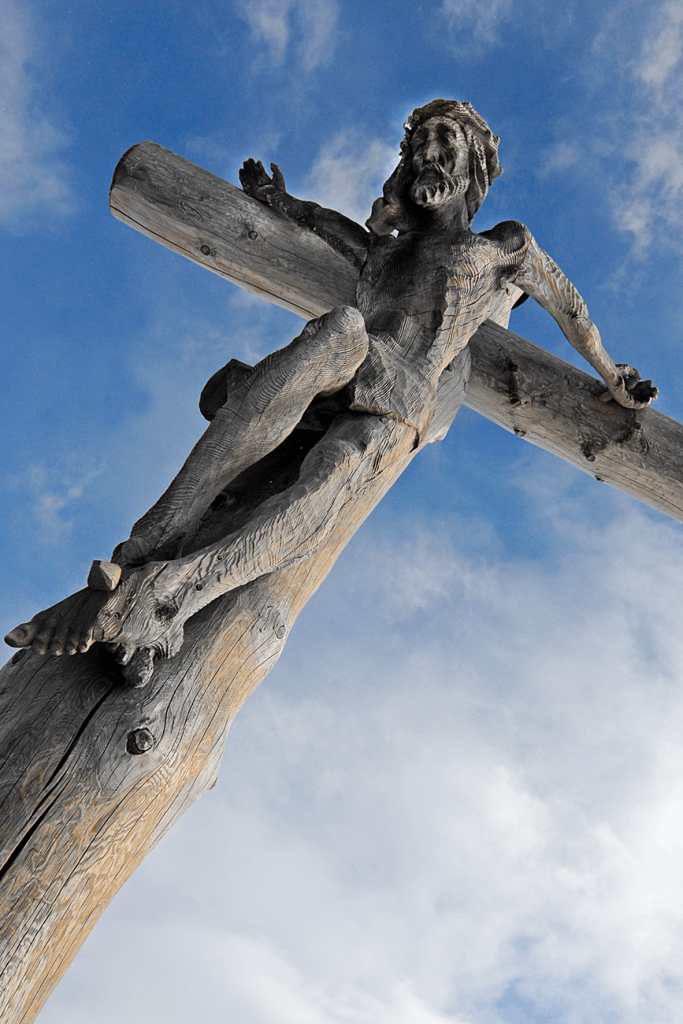
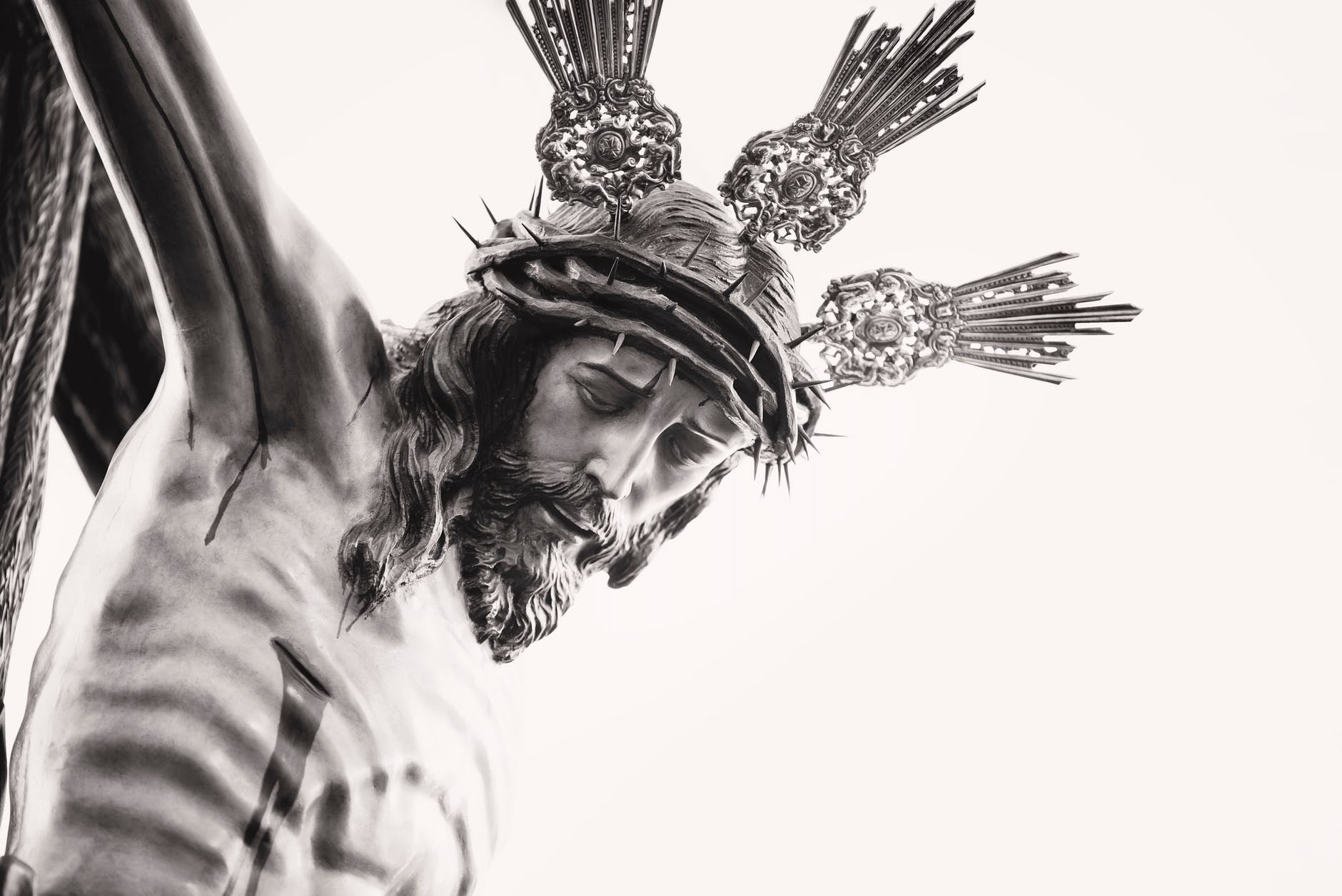
Finally– the ultimate example of God letting something “bad” happen to someone “good” can be seen in the central image of our Faith– the crucifixion of Jesus Christ. Jesus was sentenced unjustly to a torturous death and public humiliation. He was separated from God the Father, and carried the punishment for OUR sins so that WE could be reconciled to God. Even though the purpose of Christ’s suffering has been revealed to us, it doesn’t negate the agony and trauma He faced. And even HE cried out from the Cross– “My God, My God, WHY have YOU forsaken ME?!” (Matthew 27:46)
God does not answer the question of why “bad” things happen in this world. But in the crucifixion, Jesus proves to us that He shares and understands our suffering; that He has the power to overcome and redeem our traumas; and that He will hear our sincere cries of “WHY?!” He will hear when we turn toward Him, instead of turning our back on Him. He will hear our broken heart. He will heal our broken heart.
16 Shadrach, Meshach and Abednego replied to him, “King Nebuchadnezzar, we do not need to defend ourselves before you in this matter. 17 If we are thrown into the blazing furnace, the God we serve is able to deliver us from it, and he will deliver us[c] from Your Majesty’s hand. 18 But even if he does not, we want you to know, Your Majesty, that we will not serve your gods or worship the image of gold you have set up.”
Daniel 3:16-18 (NIV)
I hear a lot of American Christians complaining about the “dark days” in which we live. And indeed, they are dark. There is great evil in the world– wars, famines, injustices, hatred, division, greed, and immorality. But, along with complaints, I hear a note of whining. Isn’t God supposed to deliver us from just such evil? Isn’t He supposed to clear the way for us to love one another in peace and harmony? Surely, it can’t be His will for us to be laughed at, spit upon, misunderstood, and treated with contempt?!
The ancient nation of Israel was conquered and sent into exile. Israelites who had abandoned their faith, as well as those who had steadfastly served the Lord, were ripped from their homeland and marched to Babylon. Worship in the Temple of Jerusalem ceased. The Temple itself had been destroyed. There were no tabernacles, no festivals– none of the systems and structures of worship left available to God’s people. Yet some still worshipped– in homes, isolated from their fellow Jews, or in secret groups. They were not surrounded by reminders of when “their” religious beliefs were considered the cultural norm. Nor did they live in a culture that practiced religious “toleration” as we understand it today.
In the book of Daniel, the commitment of s handful of exiles is detailed as it comes in conflict with the oppressive control of the Babylonian (and later the Persian) Empire. Daniel and his three friends are challenged by the pressure to compromise and adapt to their surroundings. They are tempted and bribed by the promise of power in the court– if they can compete with other Babylonians. But they secretly hold fast to their “old” diet, and religious practices. They refuse to eat the rich food of Babylon– or bow to its gods.
In Chapter 3 of Daniel, the three friends, Shadrach, Meshach, and Abednego, refuse to bow to a golden statue of Nebudchadnezzar, the megalomaniac for whom they worked. Even though he had appointed them to high offices, he refused to “coddle” them in their worship of a foreign god. He demanded that they bow to his statue– something God had commanded them NOT to do.
It might have been easy enough to secretly meet in homes and celebrate Passover without alerting those around them. It would have been possible for them to hide scrolls containing the ancient words of their historians and prophets, to be read or studied. But they were being asked to publicly bow to a statue of their King– to acknowledge him as a “god.” And they refused. As court officials, their refusal was not just a minor snub, but a scandalous insult. Yet they stood firm.
Shocked and angered, Nebuchadnezzar, a notoriously cruel and impulsive king, gave them a generous “second chance” to save their careers and lives by obeying his orders. Amazingly, the three did not even spend a moment considering their options. They answered, boldly, courageously, and graciously, that they would not bow down to the statue. And God rescued them from the fiery furnace, so that not even their hair was singed by the flames– even though their captors were killed in the very act of pushing them into the furnace! God not only rescued them– He appeared WITH them in the midst of the flames. This so astonished Nebuchadnezzar, that he ordered them released and proclaimed that no one should say anything against the God of Shadrach, Meshach, and Abednego–an incredible act of religious toleration for that culture and time.
The story of The Fiery Furnace is well-known. I’ve used it before in my posts. But today, I’d like to focus on just one little phrase that stood out to me this week. When brought before Nebuchadnezzar the first time, the three men said, “we do not need to defend ourselves before you in this matter…” (v. 16).
How tempting it might have been to have defended their refusal– to give Nebuchadnezzar a lecture on God’s Law and His past miracles. But they refused to explain or defend their actions. They merely gave testimony of their faith that God COULD save them, and that, “even if He does not..” they were willing to die rather than dishonor Him. And Nebuchadnezzar SAW the proof of their faith in a way that their words and arguments could not have accomplished!
Most of the time, when I hear Christians talking about this story, they focus on the miraculous deliverance of the three men from the flames. The lesson is that God will be with us, no matter what. He can deliver us FROM the flames, but often, He chooses to deliver us THROUGH the flames. And that is a wonderful lesson and a true promise.
But that deliverance should not overshadow the quiet dedication of the three men. Before God joined them in the fire, they were already committed to dying in silence to obey God rather than their earthly king. They stood to lose everything– their lives, their legacy of faith, their service, their families (who might have been left destitute or even subject to punishment)– all of it was riding on their willingness to suffer injustice and torture. We know that God “showed up”– literally– in their defense. And they certainly knew that God COULD save them. But they also acknowledged that “if He does not..” they were still willing to die. And they were willing to do so, not acknowledged as martyred heroes, but as convicted criminals.
Centuries later, Jesus Christ would appear before Pontius Pilate, who asked Him to give a defense. Astonished at Jesus’ refusal to argue and plead for His life, Pilate came to the conclusion that “I find no fault in Him.” (John 19:4) Jesus willingly accepted an unjust sentence of Death, offering no argument or defense, except the Truth. No one came to His rescue. And God did NOT spare His life! The Son of God died as a criminal on a Roman cross, betrayed by Jewish leaders. Yet, Jesus’ obedience; His willingness to die brought US life, and forgiveness and peace!
There are millions of believers in Christ today who must be prepared to face a “fiery furnace” moment–maybe it involves death or torture. Perhaps it only involves being teased or despised by a neighbor or a classmate at school. And we may pray for deliverance–that is natural. But how often do we give up the chance to argue, and justify our diligence, our “right” to worship “our” way? How ready are we to be seen as foolish, or even rebellious to the culture of the day? We long for God to come to our physical rescue– to join us IN the fire– but are we willing to let Him be our defense? Are we willing to be humble in the face of obvious injustice, and let God speak up on our behalf? And what if He does not?
The Apostle Paul also faced this dilemma. Not only were there Greek and Roman officials who thought him a fool, there were Jews– his own people– who were going around defaming him, denouncing him, and spreading lies and rumors. Paul (never one to let a good argument go unargued!) spent much of his time in letters writing out his defense of the Gospel. But, in his own defense, he downplayed his position and his great knowledge of the scripture. He was not defending himself “in these matters”– he was defending the Truth of the Gospel! He also acknowledged that God could use even detractors and tormentors to spread the Gospel. And he often urged fellow believers to live in peace with their unbelieving neighbors, even those who taunted them!
It is tempting in Western Culture, where Christianity has been normalized, to think that when we defend ourselves, we are defending Christianity. But what if, like Shadrach, Meshach, and Abednego, we let God be our defense– in the flames, in the courtroom of public opinion, in our own families? What if we followed Jesus’ example and remained calm and confident, even under duress? What if we lived humble and quiet lives of integrity, ready to submit even to the flames or the cross, serving even those who would stoke the fires or pound the nails? God might just “show up” in ways we never could have imagined! Courage is often seen as boldness and speaking up in our own defense. But, sometimes, it takes greater courage to stand silent and let our actions– even when they are disparaged and misinterpreted– speak as a testimony of God’s power.
As I look out my window today, the sun is shining on hundreds of bare branches. The sky is blue-gray, and the branches are brown and mostly lifeless. Occasionally, a breeze will stir the thin upper branches, or the very last of the dead-looking leaves. When the snows come, the branches and twigs will glisten and stand out against the white-covered ground and slate-gray skies above.
But elsewhere in town, and in the forests and woods just outside of town, there are evergreens! Their green needles and sturdy, squat shapes may go unnoticed in spring and fall, when the other trees show off their glorious changing colors and elegant branches. Soon it will be their time to stand out. Their low branches help break the snow drifts, and increase visibility. Their greenery reminds us that life endures and continues.
I hesitated to write about Christmas Trees. There are no Christmas Trees in the Bible story of the Nativity. Decorated trees have a connection with pagan rituals from long ago. It wasn’t until the first half of the 19th century that Christmas Trees really became a tradition throughout most of Europe and spread to America. What connection do they really have with pursuing a Christian Walk? Only the ones we choose to apply…
Evergreen trees are a symbol of eternal faithfulness. They stay green year-round. They do not lose “leaves” like other trees (though they drop needles and cones). This can be a reminder to us of God’s faithfulness and His unchanging nature.
Evergreen trees are generally the “newest” trees. After a fire, for instance, pine and fir trees will be the first trees to spring up. Hardwoods take longer to recover and regenerate after a disaster. Just as the birth of Jesus represented the coming of new life and hope, an evergreen tree can symbolize new, fresh growth.
While there is no “Christmas” Tree in the birth of Christ, there is a tree in His death on a wooden cross. Hidden in the greenery and lushness of a Christmas Tree is the solid trunk that symbolizes the Cross that Jesus bore, and the Cross that bore Him. Even the needles on the tree call to mind the crown of thorns– sharp, painful, prickly. Jesus came to serve; He came to bear the shame and humiliation, the pain and suffering that WE deserve.
Christmas Trees “point” upwards. Unlike many other trees, they get narrower as you look up, and are broad near the bottom. This is a reminder that here on earth, we are to spread out–spread the Gospel, spread the Love of Christ to as many as we can. And our focus should be drawn up to God in Heaven. That is why we traditionally “crown” our trees with stars or angels– to remind us that Heaven should be our “top” focus.
This year, if you are putting up a Christmas Tree, I pray that your focus would not be on the tree itself. It may be real or artificial; green or white or some other metallic color. It may be decorated with glass bulbs, funky home-made crafts, expensive, individualized ornaments, chains of cranberries or popcorn, bright ribbons or twinkle-lights, paper chains, or even photos of loved ones. But all that can be distracting from the true meaning of a Christmas Tree and WHO it represents. And I pray that your focus would not be on the gifts placed in or around the tree, but that those gifts would truly remind us of the greatest Gift of all– Jesus! I pray that the tree would be another wonderful reminder of the one who created trees, knowing He would one day die on one! I pray that you would be encouraged to share new and enduring life and growth to others. I pray that you would be encouraged that God’s plans are eternal, and His Promises faithful and sure.
I have to admit, this is not a reaction I enjoy. I want to meet with God in prayer, feeling loved, confident, and joyful. And I know that God is sovereign, awesome, and powerful…but I want to revel in the goodness of redemption and the hope of glory, not tremble in fear or awe.
Yet, we are told to do both throughout scripture. I can’t really have one without the other. I cannot accept God’s love without acknowledging His awesome Holiness and the horror of His suffering and death. Without Jesus’ willingness to go to the cross, and His triumph over death, I would have no hope beyond this life, and no reason to expect Goodness in this life.
Today, I need to tremble– to see and acknowledge the awful wrath of God, fully and horrifically borne by Jesus on the cross. God did not send His Son to tidy up an uncomfortable or embarrassing “slip” on the part of one man. Jesus bore the weight of the Holocaust and the nightmares of genocide, terrorism, abortion, plague, war, and famine throughout the ages. Jesus paid the price of slavery, and sex trafficking, and human sacrifice committed over centuries and millennia of hatred and abuse. Jesus faced the punishment justly deserved by billions of acts of rebellion and rejection by people He had lovingly created. And He did it so that you (and I) could be held guiltless and allowed to enter the courts of praise.
Someday, we will see Him face-to-face. Yes, it will be joyful, and glorious. But it will also be cause for trembling. To see perfection, righteousness, Holiness, and Love, and yet see the One who was “pierced for our transgressions, and crushed for our iniquities…”
There is little glory in momentary happiness or small victories. But when we stop and tremble at His Majesty, we arise with joy unspeakable, and true worship!
The world has a lot to say about hearts. We can be heartsick, heartbroken, half-hearted, all heart, hard-hearted, tender-hearted; we can lead with our heart or follow our heart, wear our heart on our sleeve, or have a change of heart. We can have a heart of gold, or a heart of stone. Our heart can be in the right place, or it can wander.
The Bible has a lot to say about our hearts as well. In Proverbs, we are told to guard our hearts above all else.
Our hearts are precious, but they are also fragile and fickle. Our hearts can be led astray, bruised, crushed, and hardened by sin– not just our own sin, but sins that are committed against us. And hardened hearts are not immune to damage– they don’t become stronger, just more rigid and brittle. We live in a world of damaged hearts. And damaged hearts are prone to damage other hearts.
God does not want us to lock up our hearts or wrap them in barbed wire, but He does want us to be watchful and active in protecting our hearts from the enemy. God created us with emotions, but not every emotion should be indulged or shared with others. We are told to rejoice with those who rejoice and mourn with those who mourn. But we are never told to encourage jealousy, anger, depression, envy, apathy, rage, boastfulness, or hatred. Letting these emotions control our actions can only lead to further pain, destruction, sorrow, and heartache.
We need to guard our hearts, not only from external threats, but from internal deception. We think we know our own hearts– we tend to trust them more than we trust God, or His Word, or the godly advice of friends or family. We act at the prompting of our emotions– sometimes in direct conflict with God’s Word and Wisdom, and to our shame and pain.
When we pray, God’s spirit can heal our heartache, and give us the strength of heart to reach out and heal others. But we must be careful not to attempt healing others in our own power and wisdom. Our heart may seem to be “in the right place,” but often, that’s how we got hurt in the first place!
Tender hearts, broken hearts, even hard hearts– God can heal them all and use them to heal others. That’s because God’s heart is perfect–and on Calvary, He poured it out to rescue you, redeem you, and restore you. In return, you can safely and confidently pour out your heart before God. He is your loving Father. He created your heart, and He can be trusted to protect it.
Today is Memorial Day in the United States–a day when we remember all those who have given their lives in service to their fellow countrymen and women. People decorate the gravestones of soldiers who were killed in action, they march in patriotic parades, and they hold memorial services, with military rites, prayers, and speeches.
Not everyone celebrates in the same way. Some just use the day as an excuse to have a pre-summer cookout or swim-party. Some don’t commemorate the day at all. Some people use the day to honor veterans of the armed forces, or even those who risk their lives in emergency services– EMT’s, Firefighters, Police officers, and others. Others use the day to honor their ancestors, regardless of whether they served in the military.
My husband and I fall on this end of the spectrum. We like to pay tribute to those who came before us– to those who left everything behind to start a new life as “pioneers”; those who lived through wars and diseases and struggles; those who left a legacy to our grandparents and parents–a legacy we hope to pass on. But we don’t worship our ancestors; we don’t worship the soldiers who died. We honor them, we remember their sacrifice, but we recognize that they were human, just like us. They may have died in battle or as the result of battle, but they died, just as we will. Their sacrifices may have been heroic; their efforts may have preserved freedom for us, or brought freedom to those who were oppressed. And that is what we honor. That is what we remember.
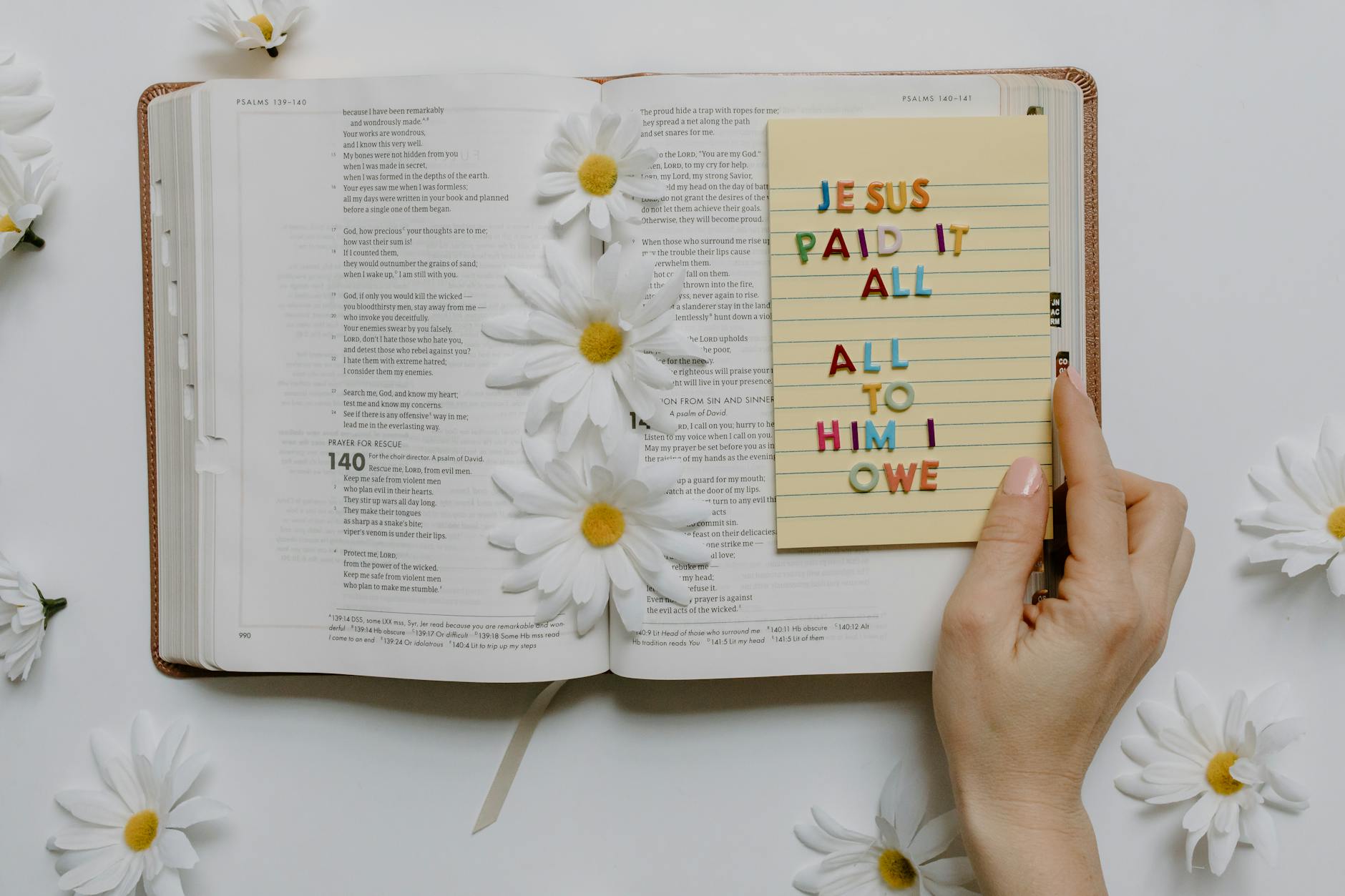
Jesus Christ was not a soldier. Yet He sacrificed His life for a purpose much greater than the honor of a nation, or the freedom of family and friends. His sacrifice opened a way for us to be reconciled with God– to be declared righteous and Holy, in spite of what we have done (or failed to do). Our best efforts may end in tragic death on a battlefield– or in a hospital bed fighting cancer or AIDS. But our best efforts end in death. His best efforts destroyed the power of Death, and offered hope to all the world.
Memorial Day comes once a year in my country. Other nations have similar days. It is important to remember those who have come before– those who have made sacrifices, and paved the way for future generations to live free. But around the world, Christians have reason to celebrate every day– to remember the death AND resurrection of our Savior that gives us eternal freedom from the sting of Sin and Death.
Before His death, Jesus gave his disciples a rite– a ceremony– to remember His death, and what it would mean in light of His resurrection. We call it Communion or Eucharist– the “body” and “blood” of Christ–consumed and memorialized each time we take it. We don’t hold parades or play Taps or plant flowers. We don’t have pool parties and barbecues. But we reflect with solemnity and gratitude on the sacrifice that conquered the grave once and for all!
The story is told of an old, worthless-looking violin that came up for auction. No one wanted to bid on it. The auctioneer began with a modest call for three dollars. No bids. Two dollars? Nothing. One dollar? Surely someone would spend just a single dollar. The violin was in working order. It had all its strings and a bow. No one was willing to spend one dollar for an old violin?
Suddenly, an old man came forward and took the violin off the table where it lay. He picked up the bow and began to play a famous violin concerto. In the hands of a master musician, the old violin came to life. Its haunting and soaring music brought the entire room to tears. The old master came to the end of the piece, and there was a hushed silence as he lay the bow and violin back on the table and returned to his seat. Clearing his throat, the auctioneer started a new bid– one thousand dollars. Several people placed a bid. Two thousand? Three? What had been worthless in the eyes of so many just minutes ago suddenly had great value.
That’s a nice story, but it rarely happens that way in real life. I run a resale shop– antiques, collectibles, vintage and retro items, and yes, what most would probably call “junk.” People come in and look around– sometimes they find a piece or two that they like. Sometimes, it’s priced at just a dollar or two; sometimes the price is a little higher. Some people think my prices are too high; others find them on the low side. They think they are getting a real bargain, and they are convinced they will be able to resell the item for much more on-line or elsewhere. They may be right. They may be wrong. Most of them are just doing what I’ve already done– find an item that seems to be undervalued, and sell it to someone else who may value it more highly.
“One man’s junk is another man’s treasure.” That saying applies to many of the objects in my store. But it should never apply to a person. We tend to place a value on someone else based on many superficial factors. We judge people by the way they look– their clothing or their hair or the expression on their face when we first meet. Sometimes we judge them by their skin color or the way they speak– the words they use or if the have an “accent.” We judge some people to be smarter or more important based on who else pays attention to them or how much money they have (or don’t have). We judge their talents and experience based on hearsay or gossip. And we allow others to place their “value” on us. As though some people deserve more attention, more resources, or more love than others.
God sees through all the tarnish, the guilt, the low esteem, and shame that we carry around. Each one of us is equally precious in God’s eyes. There is no “junk” in God’s economy, when it comes to a human life. No matter how dirty, broken, used, misused, patched up, trampled on, or worthless we may seem to others (or to ourselves) we are priceless and cherished by our Heavenly Father.
Jesus sought out the “junk” people of his time– lepers, widows, children, the blind and lame, the sick and weary, diseased, depressed, and demon-possessed. He touched the untouchables, loved the unlovable, and forgave the unforgiveable. Even when He was condemned to die as a criminal, and rejected by His friends and followers, Jesus remembered the Father’s love for others.
In this Holy Week, I pray that I would not lose sight of God’s Amazing Love for us. When we were His enemies– fallen, ruined by Sin–“junk”, Jesus was willing to reach out, to walk with the marginalized and sick, and more than all that, to DIE in order to make us joint heirs and give us the glories of Eternal Life with Him! And when Jesus was taken down off the cross– broken, dead, and “worthless”, God raised Him to Life and gave Him a “Name that is above all names” (Philippians 2).
We pray to a God who cherishes our very thoughts–a God who delights to hear from us! What a powerful thought. What an Amazing Love!



































 Pursuing Prayer