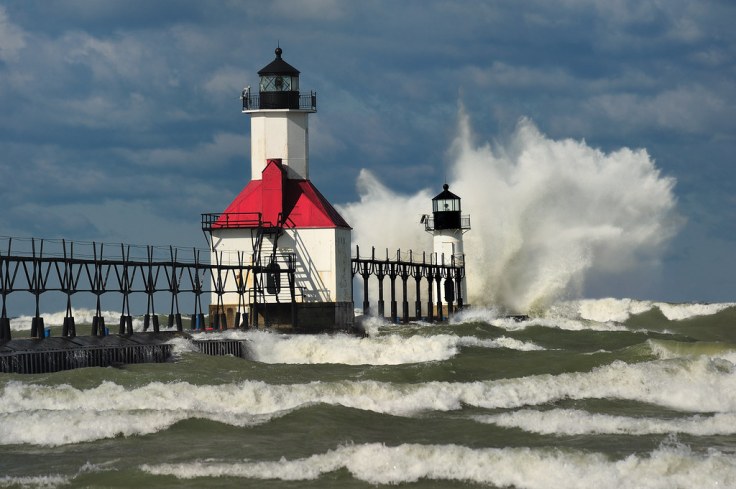
It’s Not Enough!

Often, when there is a disaster– especially one that seems preventable and senseless, like a mass shooting or a horrible crash–thousands of people reach out with “thoughts and prayers” for the victims and their families. And, predictably, others will angrily comment that thoughts and prayers are “not enough.” What good are thoughts and prayers in the face of senseless violence or preventable dangers? Shouldn’t we be driven to action? Shouldn’t we focus our efforts on justice or working to guarantee that such disasters can never happen again?
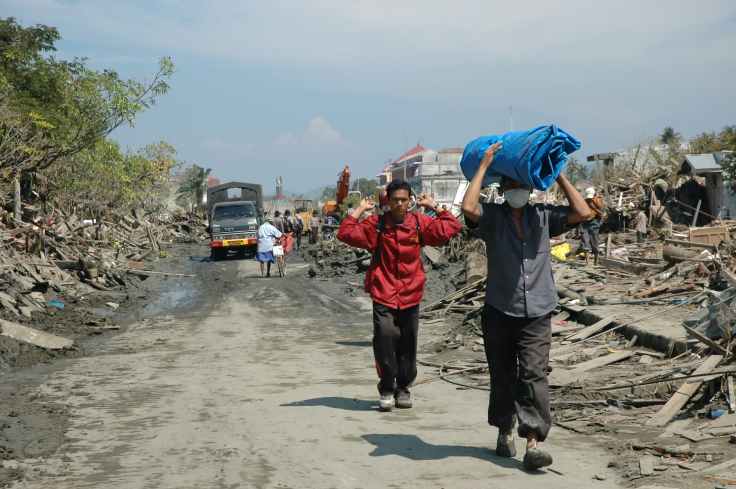
Such anger is natural, and such sentiments may seem more virtuous than offering nebulous emotional support. What, after all, can thoughts and prayers really DO in the face of evil, injustice, pain, and grief?

Well, I can’t speak for “thoughts”, but I have studied prayer for most of my life. I would offer the following words about the effects of prayer:

  • First, prayer reminds me that I am NOT in control of my circumstances– only my reaction to them. I cannot control what happens, what HAS happened, or what WILL happen. And my anger will not change what has already happened, nor will it prevent future disasters from happening. And while I may not be able to prove to others that prayer CAN prevent future disasters or heal present grief, I have known it to do both in my life and in the lives of others.
  • Second, prayer reminds me that there is Someone Bigger than me– Someone Bigger than my circumstances– who has the wisdom and the power to do what even thousands of well-meaning people cannot. Thousands of people coming together can make a difference over time, but God can do miraculously more than we can imagine!
  • Third, praying for others is something I CAN DO— anywhere, anytime– across distances, cultures, time zones, and circumstances. Prayer doesn’t cost anything. It doesn’t require that I have specialized skills or access to physical resources. It may not seem very active, like ranting or screaming, marching or protesting, but it isn’t the same as inaction or apathy.
  • Lastly, praying for others is a first step in helping others. My prayer alone may not seem like “enough”, but prayers have a way of multiplying, and inspiring, and intensifying in positive and impactful ways.

But more than just talking about the effectiveness of prayer, I’d like to pose a couple of questions for those who dismiss prayer as “not enough.”

  • What are you offering (instead of prayers)? Will your thoughts, plans, and actions have immediate or eternal results? Do you have the solution to all the world’s problems? Will you be able to control what happens in the future, or make sense of what has happened in the past? Will your solutions be perfect– no unintended consequences or necessary casualties?
  • If you are so angry about others praying, why waste your energy complaining about it? Go ahead with your own solution/reaction/plan.
  • Is your solution “enough?” Is your anger “enough?” Are your good intentions “enough?” Ultimately, you must wrestle with the existence of evil and injustice in this world. Senseless things happen. Good people suffer, and guilty people enjoy “success.” And nothing we offer is ever “enough” to change the world around us.

Our efforts and actions will never be “enough.” But prayer taps into the reality that God IS ENOUGH. His Grace is sufficient; His Love endures forever; His wisdom is higher than ours, and His power is boundless. He doesn’t always remove us from the chaos and suffering of this world, but He redeems us, and He enters into the circumstances of our own suffering and grief. He gives us courage, strength, hope, and a sense of purpose that goes beyond what we can find in ourselves.

Atmospheric Disturbances

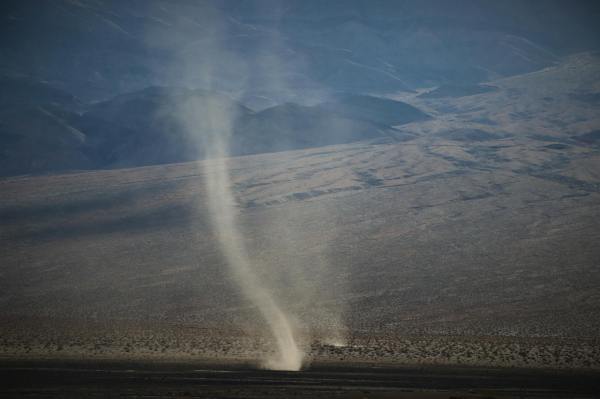
We had a storm blow through the area the other night. We were under a tornado warning, and a couple of tornadoes did touch down several miles northeast of here. Long before the tornado warning was issued, the weather forecast predicted strong storms with the possibility of hail and/or tornadoes. But even without them, it was easy to sense that “something was in the air.” There was a quality of heaviness in the very air outside. And the sky was an unnatural greenish-gray color, even where it wasn’t dark with storm clouds.

In life, we often get warning signs of impending “storms”–physical symptoms that tell us there may be a problem like infection or disease that needs to be diagnosed; a tense atmosphere at work that suggests big changes may be coming; withdrawal of a family member that alerts us they may be struggling with emotional or mental issues. These “atmospheric disturbances” may be subtle at first. We may choose to ignore them, or dismiss their importance, until we find ourselves in the middle of the storm!

God calls on us to trust Him in any weather or circumstance. We can pray about even the slightest change in our “atmosphere,” whether at home, work, or even internally. And part of God’s wisdom is to send us warnings so that we can not only pray, but take proactive measures. We can reach out to family members, make an appointment with our doctor, be cautious about spending in the weeks and months ahead, seek out help and counseling, etc.

But sensing “atmospheric disturbances” is not all about seeking a remedy or avoiding struggles. Even with advanced warnings, some people last night were unable to avoid damage to their properties or loss of electricity from the storms. Several people were trapped in a shipping warehouse that was hit by one of the tornadoes. Thankfully, no one lost their life; still, it took hours to rescue them all, and some of them went home to no power. But what if– just what if– someone looking up at the sky, or feeling the heaviness in the air, prayed in that moment? What if they prayed for safety– not just for themselves, but for others who would be in the path of the storm? What if someone in that shipping warehouse made plans weeks ago for tornado drills and emergency plans to protect the workers, and made the call for everyone to shelter together?

There are hundreds of stories of dramatic rescues and miraculously saved lives after almost any weather emergency. But how many untold stories are lost in the simple prayers and small corrections that take place when God’s people respond to “atmospheric disturbances” with prayer and wisdom?

And when God chooses to allow storms to come into our lives, how many stories could be told of the presence of God to calm, not the storm, but our own fear of it? God knows, as we cannot, how big the storm will be, how long it will last, and what “damages” we will face. And His Grace is sufficient to give us everything we need to face them all. That doesn’t mean we won’t suffer– damage, loss, grief, frustration– these are part of our life in a fallen world. God won’t always remove these things from our life. But he will NEVER abandon us to face them alone.

Jesus Christ faced storms in His life. One of them came on the Sea of Gallilee, as Jesus was sleeping in the boat. (See Mark 4: 35-41) A storm came up, and the disciples were terrified. They woke Jesus up, and Jesus calmly rebuked the wind and the waves, and the storm stopped. We often focus on the fact of Jesus being able to control the wind and the waves. But one of the amazing things about this story is that Jesus was IN THE BOAT! His own life was in danger from the storm. The disciples were not alone. Jesus did not let them put out to sea and face the waves, while He was safe on shore.

And so, too, Jesus is WITH US in our storms. We don’t have to wake Him up, and He may not choose to give us a miracle, but He’s right there! He can be trusted, no matter what our circumstances, no matter what dangers or damages we have to face. He knows how the storm ends; He knows how our story ends; He knows when the sun will come out again, just like it did earlier this week, announcing that all will be well.

And that calls for a prayer of Gratitude!

Of Lighthouses, Watchtowers, and “Friendly” Reminders…

I live just about an hour away from one of the Great Lakes. Within a comfortable driving distance, there are at least three beautiful lighthouses along the lake. Driving to or from the lighthouses, we pass through an area known as the “Fruit Belt.” Orchards, vineyards, and croplands are bursting this time of year–the very air is redolent with the smell of ripening apples, grapes, corn, beans, berries, wheat, and more. Some of the orchards and vineyards still have old watchtowers, though many have been removed or replaced with digital cameras.

Photo by Chris F on Pexels.com

Lighthouses and watchtowers serve a purpose– one that is still important today. Lighthouses help ships and other lake traffic avoid dangerous reefs and rocks along the shore, as well as sandbars. They guide travelers in the dark, and through storms. Watchmen in towers protect crops from dangers such as fire and predators. They watch for storms, and signs of draught and frost. Both lighthouses and watchtowers are fixed, steady, visible, and convey safety and security.

Photo by Travis Rupert on Pexels.com

I’ve been reading through the prophets lately– Isaiah, Jeremiah, Ezekiel…the prophets were sending out a warning to the rebellious people of Israel and Judah. Even though the imagery is often graphic and stark, the message was one of steady love and warning from God. God loves us enough to guide us through the rocks and perils of life. He sends warnings– not to harm us but to keep us from harm. He sends faithful friends and other messengers to stand firm with us through the storm and drought and danger around us.

Photo by SHVETS production on Pexels.com

Just like the light from the lighthouse, or the sound of a foghorn, the message may be glaring and unpleasant, sometimes. We may be sailing along with no notion of the rocks ahead. Or we may be strolling through the vineyard, unaware of a prowling animal or a fire just over the next rise. We may even resent the warnings we read in the Bible or hear from friends. We may be afraid to BE the one giving out the warning– afraid of being misunderstood or resented or even rejected.

God asks us to be watchmen– to be lighthouses– ready to shout out a warning to those who may be in danger. He also asks us to be vigilant and ready to heed the warnings He sends through others.

Photo by Monstera on Pexels.com

How do we know when “friendly” reminders and warnings are true? How can we be sure that they are not just petty criticism or overreactions?

Check them against Scripture. And check them in the context of Scripture. A single verse, taken out of context, that seems to contradict other passages should always be suspect. But a general principle, found throughout the Old and New Testaments should be heeded.

Look for consistency. Lighthouses and watchtowers don’t bend and sway with the winds of change. “Warnings” that change with circumstances, or seem relative to certain situations should be suspect.

Listen for (and speak with) Love. Friends may speak words of warning, but they will also speak of mercy and hope.

Listen for (and speak) truth–warnings should contain specifics, rather than vague fears or blanket accusations.

Listen (and speak) with humility. That doesn’t mean that we cannot speak in our defense, but we should not be defensive or resentful– even if the warnings are spurious. Remember, Jesus was accused of being “from Satan” during His own ministry, yet He answered firmly and gently, not with anger or hatred.

Give Thanks! Give thanks that God sends us warnings, and gives us opportunities to recognize danger and error, and opportunities to repent and change course, and encourage others to do the same!

Blog at WordPress.com.

Up ↑