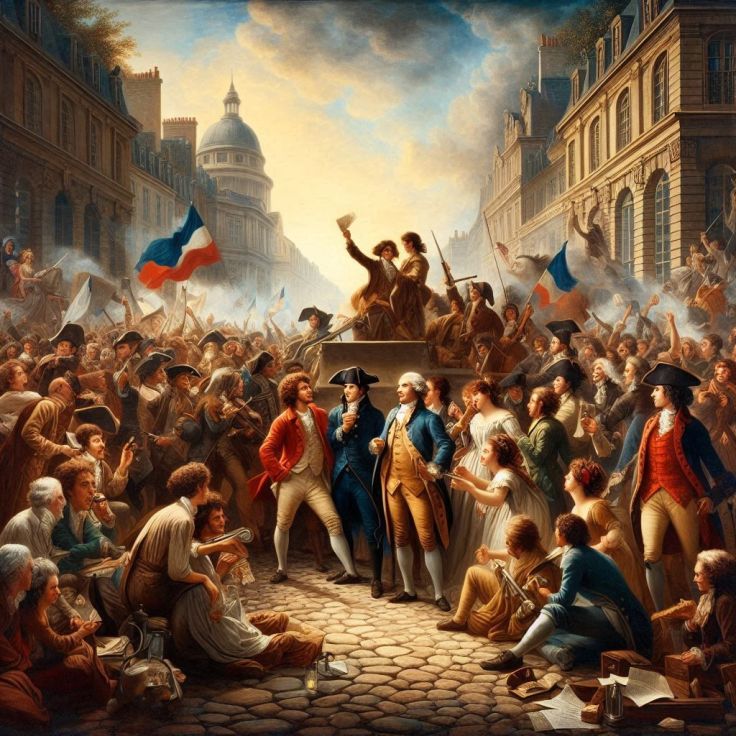
Yesterday was Bastille Day. We don’t celebrate Bastille Day in America, but we should reflect on it. On July 14, 1789, many citizens of Paris stormed the ancient fortress of the Bastille, seizing its munitions and freeing its prisoners. It marked the beginning of the French Revolution, and the end of the ruling monarchy there.
The French Revolution was an indirect result of the success of the American Revolution, which raged just a decade before. The French admired the Americans, and dreamed of throwing off the repressive monarchy and ruling class and creating a new republic with Liberty, Equality, and Brotherhood for all.
But the French Revolution became known over time, not primarily because of its success, but because of its excess. The French Revolution is remembered for its murder of the royal family, the extensive use of the guillotine to execute aristocrats and opponents, for the rise of cruel and vindictive leadership, and a general bloodbath in around the capital city of Paris. While the French still celebrate Bastille Day, they tend to downplay the immediate aftermath of their “freedom”.
The American Revolution certainly wasn’t without bloodshed and power struggles, and by 1789, the fledgling nation was still ironing out its Constitution and dealing with rebellious outbreaks. But the French Revolution led to the rise of dictators, including Napoleon, keeping France in a state of almost perpetual warfare and internal power struggles for the next 50 years. So what made the difference?
Well, I’m not an acknowledged expert, though I have studied this period of history, but I think there are at least three differences that are worth noting:
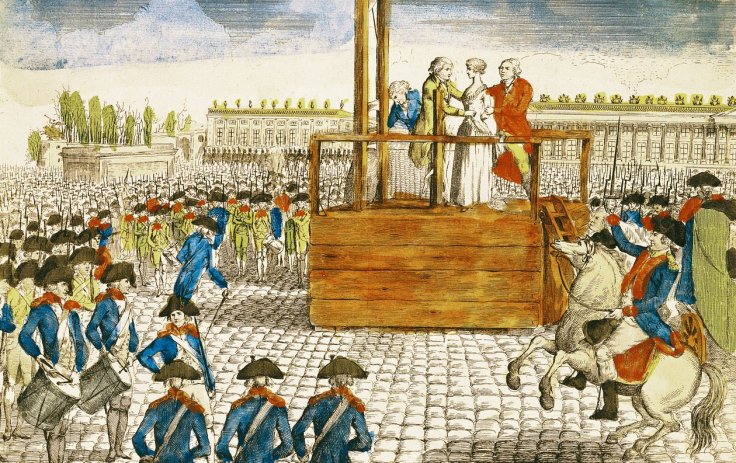
- The American Colonies were not trying to overthrow the entire British Government or demolish the monarchy. They were thousands of miles away from the seat of government that controlled them, and they were breaking away from an existing nation, not pulling it down from the inside. There were many aspects of the British Parliamentary government that the Americans respected and even copied. And they already had colonial governments and structures in place, though their power had been limited under British Rule. They were not trying to destroy Britain– just kick them out of the Americas! The French, however, were ready to destroy over a thousand years of French Monarchy in their own backyard. The French aristocracy wasn’t oppressing them from thousands of miles away– in fact the French Colonials in Canada and the West Indies often had more freedom than their citizen counterparts living just outside of Paris.
- Second, the American Revolution was about justice, not revenge. The Declaration of Independence outlined specific injustices that had been either ignored or perpetuated by the British Government and the King– often in direct contradiction to their own founding principles. The Revolution, though bloody, was considered a necessary evil to correct those injustices, and the resulting Constitution was created to address ongoing injustices in the newly formed United States. In France, the arrests and trials of the nobility were not enough to satisfy the thirst for revenge against those who had been oppressed. Those who rose to power succumbed to its lure and desired more authority and wealth. What started out as a noble dream turned into a chaotic nightmare as innocent idealists were punished, not for crimes they had committed, but for threatening the new balance of power.
- Finally (and controversially, perhaps), I would argue that the American Revolution was bathed in Prayer in ways the French Revolution was not. I don’t mean to suggest either that American patriots were all Christians or were all prayer warriors, nor that the French were evil or morally bankrupt. But if one reads the documents of the founders of The United States and those of the leaders of the French Revolution, there is a striking difference in the way they reference God and Prayer. France– and Europe in general– had experience the Age of Enlightenment. And while those ideas (both good and bad) spanned the Atlantic, the Americans had maintained a culture of reverence for God and dependence on Prayer in their daily lives that had diminished in “the old world.”

Revolutions can change (or build) a nation. Rebellions can sometimes lead to change for the better. But without prayer, insight, humility, and dependence on God, cries for “Liberty” can unleash chaos and revenge, before any real change can come about.
Lastly, I want to remember another “storming of the fortress” that happened long before either the American or the French Revolution– nearly 2000 years ago, Christ stormed the gates of Hell, after being crucified. This was not a Revolution in the same sense as the wars of the 18th century, but a revolution in the way we related to the tyranny of Sin. Christ single-handedly broke the curse of Sin and Death, so that we can live in freedom! We have Liberty to walk with God, washed clean of the guilt and weight of Sin, and free of the sting of Death. We can live in the Freedom to do what is right and good, noble and true.
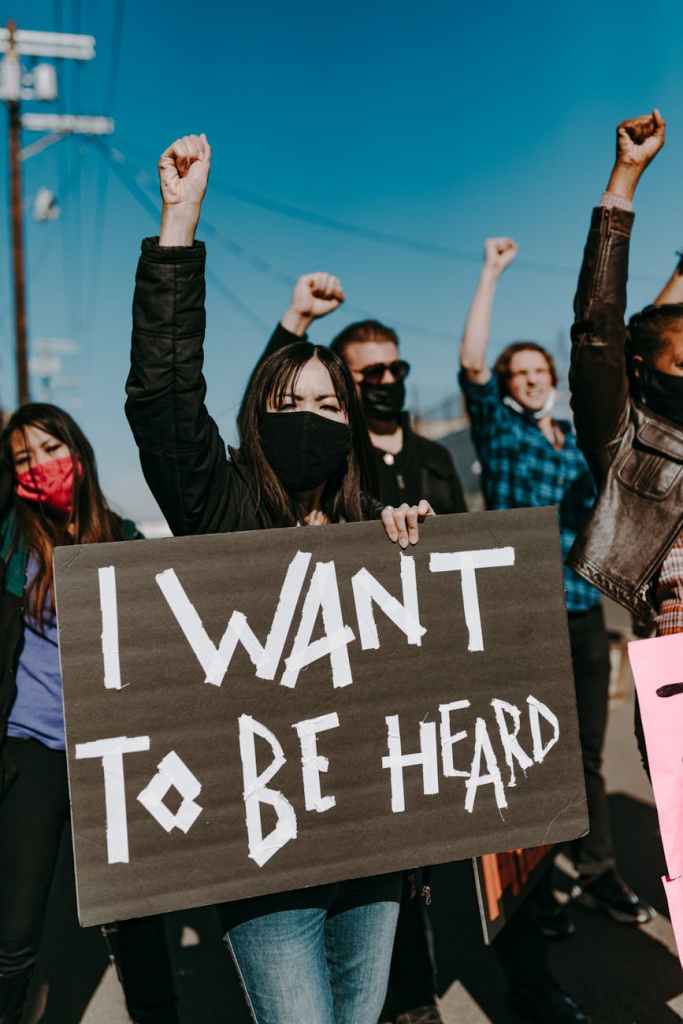
In our daily lives, we must also be careful in our freedom. We must not become complacent about evil and injustice, nor so comfortable with our liberty that we forget the price Jesus paid for it. We must take a stand against injustice and evil, but we must also call out in prayer and remember that justice is not the same as revenge or power. It belongs, ultimately, in the hands of God. May the French celebrate their republic and the freedom it has brought them. May they also give thanks to God for preserving it for 247 years, in spite of challenges and threats. May those of us who live in freedom continue to depend on God for wisdom in using it to make the world a better place for all.