Life is Pain…

“I have told you all this so that you may have peace in me. Here on earth you will have many trials and sorrows. But take heart, because I have overcome the world.” John 16:33

https://www.biblegateway.com/passage/?search=John+16%3A33&version=NLT

One of my favorite movies is “The Princess Bride.” The title character begins the story as a young, beautiful, wealthy, and spoiled young woman. She falls in love with the young farm boy who works for her father. The young man leaves to make his fortune, but word comes that he has been captured and killed by pirates. In utter despair, the young woman allows herself to become engaged to a spoiled and wicked prince. She has allowed her grief to consume her, and she cares nothing for the prince, his wealth or power, or even her own future. Before she can be married to the prince, she is kidnapped by villains, and “rescued” by a mysterious pirate. Instead of being grateful, she curses the pirate, telling him that he could never understand her great loss and pain. His answer, harsh, glib, but to the point, is to say that “life is pain, Princess. Anyone who tells you differently is selling something.”

There are certain truths in life that we would avoid if we could– death, pain, sorrow, grief, suffering, and Sin–we don’t want to hear the harsh reality of our situation. We don’t want to suffer or hurt at all; much less to discover that our suffering is commonplace or universal. Everyone will taste death; everyone will face pain and grief and suffering in this life. Everyone will suffer as a result of Sin– our individual actions have consequences, as do the cumulative actions of our culture, our ancestors, and the entire human race. Life isn’t always good, or fair, or just, or comfortable. This is a harsh truth, but it IS the truth. We will face injustice– no matter who we are. We will face suffering, illness, and death. We will face loss–loss of a loved one, loss of a job, loss of a marriage, loss of health, loss of freedom or autonomy. We will not always win. We will not always get what we want. We will not always get justice in this life.

There are four common techniques we tend to use to avoid facing harsh truths– denial or avoidance, anger, bargaining, and depression or despair. Many people know these terms from the Kubler-Ross studies on patients with terminal illnesses and the five “stages” she identified as they came to terms with their impending death. https://psychcentral.com/lib/the-5-stages-of-loss-and-grief/ The fifth “stage” was acceptance. The five stages have been applied commonly to other forms of grieving and loss, including the loss of a loved one or the break-up of a marriage. While most of us go through some or all of these stages when we face suffering, we don’t all go through them the same way or even in the same order.

Many of us live in avoidance and denial– rushing headlong into meaningless pleasure, self-medicating with alcohol or drugs, staying busy with the pursuit of wealth or power, moving from place to place or relationship to relationship. Others wrap themselves in anger– blaming everyone else for their pain, seeking revenge, driving away those who want to help. Anger may feel productive, but it limits our scope of vision and keeps us focused on the pain inside. Still others try to bargain. Some seek to avoid aging, diminished health, or death by trying every new diet or fitness routine. Others try to avoid guilt, pain, or disappointment by trying to be righteous enough to earn a supernatural blessing or “good karma.” Still many others wallow in depression and despair, lost in the swamp and mist, sinking into a pit of their own feelings. Like those who live in denial, they avoid the difficult choices that would lead to life, instead letting life wash over them and draining them of energy and joy.

These reactions are normal and human. Harsh truths hurt– they shock us, overwhelm us, shatter our trust, even shake our faith. But they ARE true. We cannot change our circumstances by running away, raging at everyone around us, or giving up. We cannot go back in time and “undo” the tragic circumstances of our lives. And our reactions have their own consequences. They cannot negate the past or change the present. They can only impact the future.

Photo by Chinmay Singh on Pexels.com

But there is another truth: God has not left us without resources, even for the harshest realities we face. Even when we are in despair, or angry, or in denial, God can give us peace and strength to go on. God isn’t “selling something” to make the pain go away or make our life “trouble-proof.”  Jesus never offered a comfortable life to His followers. In fact, He promised that our lives would be filled with trouble and pain and sorrow!  Christians who claim that they never face fear, or failure, fury or frustration, loss and sorrow– they are “selling” a false gospel.  The Good News isn’t about avoiding pain or sorrow. It is about OVERCOMING them! Jesus faced and conquered death on a cross! He could have avoided it– He could have been angry at those who betrayed Him–He could have stayed buried in despair and failure.  But He arose! We don’t worship someone who has never wept, or faced betrayal or loss. Jesus is the Way, the Truth, and the Life (John 14:6)– if anyone knows the harsh truth, it is the one who IS Truth!  And this Truth hurts– He hurts to see us grieving; He hurts when we reject Him to go our own way; He hurts even as He allows us to hurt. And He offers us His Grace to survive and thrive– not an escape, but a victory!
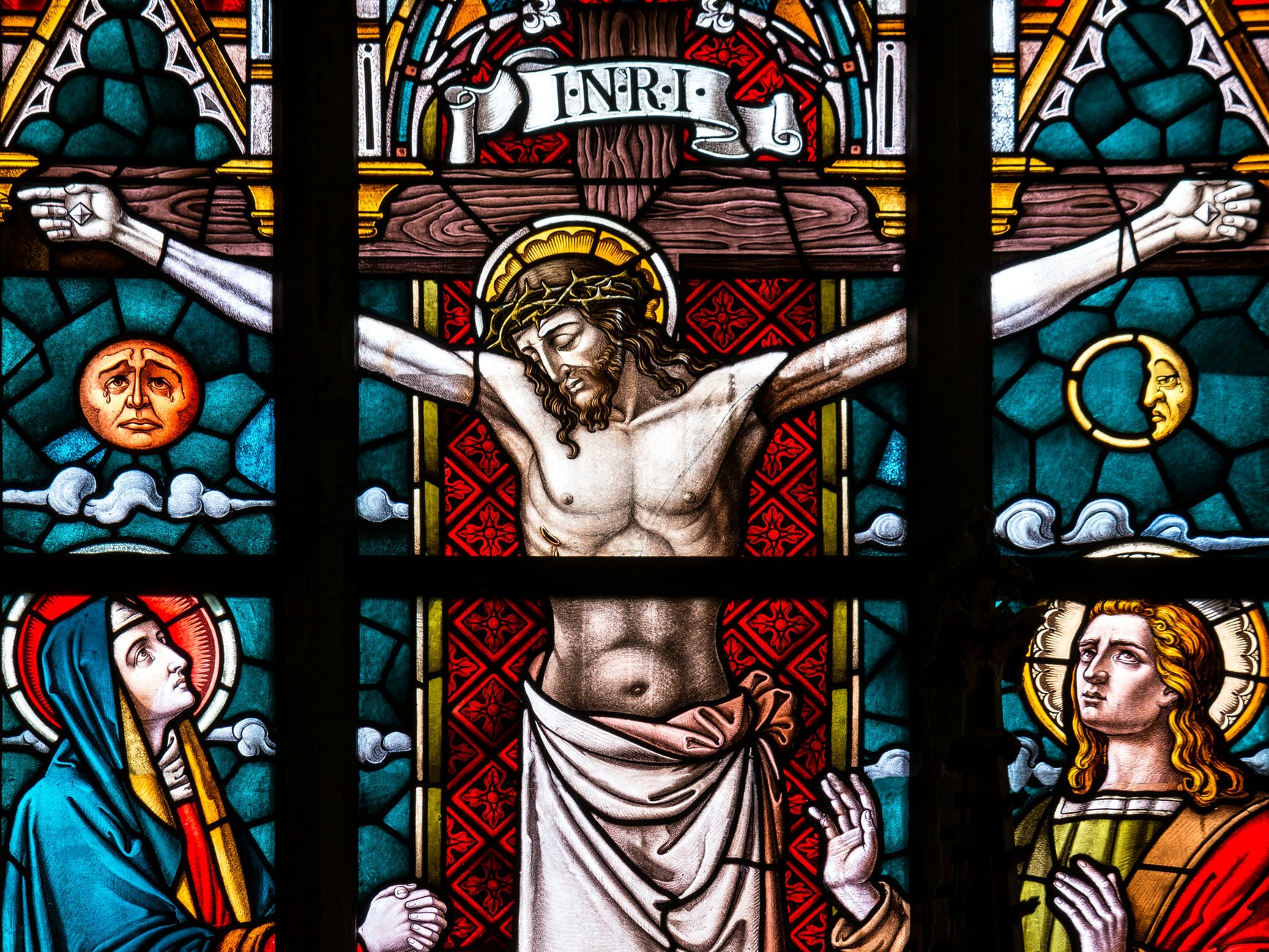
Photo by Pixabay on Pexels.com

Faith, prayer, worship, promises– these are not God’s way of helping us escape the reality of harsh truths.  They are His tools for helping us to overcome and be victorious in the face of trials and setbacks, grief and pain, even death!  A life of faith isn’t a life of denying the harsh realities of life, nor is it a prescription for avoiding life’s hurts. Even the faithful will someday have to taste death. Even those who pray and praise will often do so in tears of anguish and even momentary doubt. But they will reach the peace of acceptance as they wrestle with the seasons of pain, knowing that God promises healing and joy and justice– in His perfect will and timing! As Princess Buttercup discovers in “The Princess Bride”– “Death cannot stop true love!” And it cannot stop the Truth that IS Love!

“Life is pain…” In THIS fallen and broken world. But we can take heart–Jesus has overcome this world. He has won victory over sin and death, pain and loss. And He gives abundant life. Life that transcends disease, disappointment, and even death.


Justice? Or Vengeance?

When violence strikes, I want justice. I want action. I want to make the evil stop.

Just the other day, there was another school shooting in the news. At least six innocent people lost their lives, and another community was ripped apart by grief, shock, and anger.

Photo by cottonbro studio on Pexels.com

But is it really justice that I am seeking? Or is it vengeance?

Justice is permanent. Justice is final. Justice takes time. Vengeance is visceral and immediate. Vengeance is a reaction; a retaliation. Justice, on the other hand, is blind to the emotions of the initial event. Vengeance is driven by emotion. Justice comes through the objective application of the law.

Justice is God’s business. I do NOT understand why or how God allows evil to happen in the first place. It hurts. It doesn’t make sense. It is destructive. But it is the nature of Sin. And Sin infects the entire world. We cannot escape from it. We cannot deny its existence. We cannot put an end to it. We can only follow the arduous and imperfect justice systems that are in place for our community or our country. We cannot achieve perfect justice. But God can. And He has promised to do so– in His time, and in His way. This can be comforting, but it can also be frustrating.

Vengeance is also God’s business. God has emotions, just like we do. But His are always under perfect control. God’s wrath is frightening in its power, and paralyzing in its purpose.

Beloved, never avenge yourselves, but leave it to the wrath of God, for it is written, “Vengeance is mine, I will repay, says the Lord.”

Romans 12:19 (ESV)
Photo by Pixabay on Pexels.com

As imperfect as our systems of justice may be, they are still systems, with order and time to look at the total situation. Vengeance doesn’t stop to count the cost. It doesn’t stop to listen to the full story. It seethes and coils like a rattlesnake, waiting to inject venom into the first victim to cross its path. Human vengeance never leads to peace.

Also, vengeance is limited to the strength and resources of the avenger. If a shooter takes the life of my loved one, my vengeance is limited to the actions I can take. I may kill the shooter; I may take the life of their family members; but I cannot bring my loved one back, nor can I guarantee that the killer will suffer the same amount or the same way I do. Vengeance never looks forward, and it never offers a solution to move forward. It lives in bitterness and anger and discontent.

Photo by Andrea Piacquadio on Pexels.com

As followers of Christ, we are asked to take a stance that seems impossible from a human standpoint. We are asked to keep our hands clean, to keep our minds at peace, and to give our grief, our anger, and our craving for vengeance over to God with no reservation and no option to set the limits or timelines.

To the world around us, this seems weak and even unjust. What if the evildoer “gets away” with her/his crime? What if the victim never gets “justice” in their (or our) lifetime? What if we never “see” justice done? What if God “fails” to avenge us or our loved one? What does the Christian “do” in the face of evil? Nothing?! Fall on our knees and pray?! Offer lukewarm assurances and empty promises?

Photo by Pete Johnson on Pexels.com

The problem with evil– especially shocking violent events– is that we can’t see beyond the immediate shock and pain. That doesn’t mean that there IS no pain or shock or anger or frustration if we choose not to react with vengeance. The pain is still very real, and overwhelming. But we choose to make room for faith that sees the larger picture. Faith makes room to see not just justice, but mercy. It allows us to see the overall tragedy of Sin, beyond our immediate tragedy of an individual act. Faith sees beyond our helplessness to God’s Sovereignty. It sees beyond the present pain to future healing.

Photo by Gvexx on Pexels.com

I pray for the families of the victims in this latest shooting– and for all those who have experienced such violence. And I pray that God will show me what I can do to make a positive difference going forward. I pray for the strength and the faith to let go of hatred, bitterness, malice, and outrage. Finally, I praise God, even in the middle of pain and shock, knowing that He can be trusted to bring perfect Justice– and perfect vengeance–the kind that leads to a peace beyond our understanding. These are not “easy” prayers. They are not blind prayers, or prayers prayed without tears and groaning and questions. But they are real prayers, not empty wishes that I could avoid all unpleasantness or that I could exempt myself (or others) from tasting sorrow, grief or pain. Rather they are prayers that acknowledge that Life is more than struggle; that Love and Mercy are stronger than despair, and God has already won the ultimate victory.

What Might Have Been…

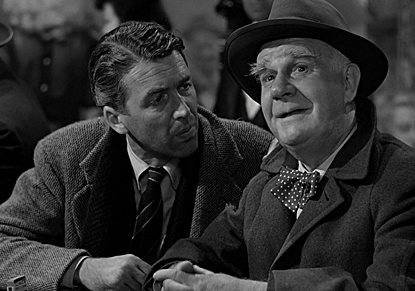
One of my favorite movies is “It’s a Wonderful Life.”  No matter how many times I watch it, it never gets old for me.

IAWLposter

Oh, I know it’s in black and white, and it’s out-of-date.  It’s politically incorrect on numerous levels, and it’s theologically incorrect, as well.  But for all that, I think it has a deep wisdom we are sorely lacking, and I think what it says about the power of prayer cannot be dismissed.

Much of the movie is spent tracing the less-than-wonderful things that happen to George Bailey.  George Bailey is the quintessential “nice-guy” who always seems to miss out–as a boy, he leaps into an icy river to save his brother’s life.  His brother is saved, but George ends up losing the hearing in one ear.  While his friends go off to college, George has to stay behind; when he finally saves enough money to enroll, he ends up having to give up his college plans to save the family business after the sudden death of his father.  He loses out on business opportunities, and keeps losing skirmishes with his nemesis, the  “scurvy spider” local magnate, Mr. Potter.  Finally, on Christmas Eve, George has had enough.  The weight of always doing “the right thing,” and watching others get ahead while he falls further behind, has taken its toll.  When his absent-minded uncle loses $8000, George faces scandal and prison after all his years of frustrating hard work in a job he hates.  After uncharacteristic angry outbursts and a short drinking binge, George is in utter meltdown.  In desperation, he prays.  It’s not an eloquent prayer, or an angry outburst.  It’s a wimpy, doubtful, squeak of a prayer, “Dear Father in Heaven, I’m not a praying man, but if you’re up there and you can hear me, show me the way…show me the way.”

ItsAWonderfulLife4.jpg

What the viewer knows, but George doesn’t, is that dozens of people he knows have all been praying for him.  We get to hear the voices of his wife, his children, his friends and neighbors, all praying simple and heartfelt prayers.  And we also know that God is at work– preparing to send an angel to help George.  But in the bar, at the end of George’s tearful and tremulous prayer, God is silent.

Not only is God silent, but George’s downward spiral continues after his prayer.  He gets punched in the jaw by a man he was arguing with earlier in the evening, and he doesn’t even have enough money to pay his bar tab.  Driving away, drunk, he runs into a tree and gets yelled at.  Reeling down the road and onto the bridge, where he intends to jump to his death, he almost gets hit by a truck.

jimmy_stewart_in_its_a_wonderful_life.jpg

While I like the sappy, happy ending of the movie, the incredible darkness and despair leading up to George’s encounter with Clarence, and the even darker “alternate universe” that George experiences are what keep me coming back to this movie– not because I’m a glutton for emotional wringers, but because George’s story is only wonderful when he gets to see it from God’s point of view.  Mr. Potter tells George that he is worth more dead than alive.  But Clarence shows George the true worth of his life, not as it might have been, but as it might NOT have been.

And so it is with our lives–all the “might-have-beens” and broken dreams and failures that weigh us down– God is NOT (as we so often picture Him) shaking His head and grumbling about our wasted potential and weakness.  And often, the people we most fear to disappoint, our family and friends, are rooting for us to stay the course– to finish the race. God wants to wipe away all the seeming failures; all the “what-if”s and the “what might have been”s and replace them with the bigger picture of “what is happening around you”, “what really IS”, and “what can be.”*

Its-a-Wonderful-life-foto.jpg

There was never anything wrong with George’s dreams of traveling the world and becoming a successful builder of skyscrapers “a hundred stories tall.”  George’s desire to have nice things for himself and his family was not evil, and, in fact, his ambition to do great things was not that different than Mr. Potter’s.  But George’s choices, while “right” were not  in his own immediate best interest.  What Clarence showed George was not “what might have been” had George made other choices in his life.  What he showed George was indeed far more wonderful– the ultimate IMPACT of George’s choices!  God didn’t “take away” George’s dreams or ruin his life.  But neither did He prevent him from making selfish choices or getting what he wanted in the moment.  George’s life wasn’t wonderful because of what happened to him– though the ending is miraculous, and George gets toasted by his hero brother as “the richest man in town.”  But what really made George’s life wonderful was that he was THERE– there to save his brother; there to fall in love with Mary; there to help and influence so many people; there to tuck his daughter into bed and “paste” the petals of her flower; even there to stand up to Mr. Potter when no one else did.

God answered George’s prayer.  And He answered the prayers of his friends and family.  But He didn’t answer in the way we would expect.  In fact, George jokes with Clarence that the answer to his prayer was getting slugged in the jaw.  But God’s answer came in the form of a childlike “angel” who struggles and questions his ability to make a difference– much like George himself.  God didn’t answer the superficial aspect of George’s prayer– He didn’t show him the way to get $8,000.  He didn’t show him the way to defeat Mr. Potter, or suddenly become more successful.  But He did show George the way to look for “what is” and “what can be”, instead of the “what might have been.”

quebelloesvivir17.jpg
  • For anyone who has lost a friend or family member to suicide–my prayer is that we too, would find comfort  and hope in the lives our loved ones lived, and not in the manner of their death.  God is gracious and loving above all that we can imagine.  Part of the hope and message of this movie for me is that, even if George had jumped at the end, his life was still wonderful in God’s eyes, just as it was to all who knew and loved him..

When God Sends Clarence

(This post is a reprint from a little over a year ago, but I thought it worth sharing again.)

I’m a huge fan of the movie, “It’s a Wonderful Life.” It tells the story of George Bailey (played by Jimmy Stewart) who considers committing suicide on Christmas Eve. His uncle and business partner has lost $8,000– enough to ruin their business. His rival has called for him to be arrested, after George has begged him for help. He had nowhere left to turn. In desperation, he leaves his family, goes to a bar, has a drink, and finally, broken and crying, he prays a simple prayer. Almost immediately, an angry man slugs him in the jaw, and both men are thrown out into the cold. George runs his car into a tree, and proceeds on foot to a bridge, where he plans to jump to his death before he can be arrested and sent to prison. Not a feel-good holiday movie, right?

However, that simple prayer has been heard in Heaven. George thinks that the “answer” to his prayer was being punched, but God has other plans, which include sending a “guardian angel” to help George change his mind. But God doesn’t send a mighty angel to prevent George from jumping off the bridge. He doesn’t send a glorious angel of light to amaze and instruct George. He doesn’t send a warrior angel to protect him from his rival or the consequences of his uncle’s mistake. Instead, He sends Clarence.

Now, I have to pause a moment to say that I disagree with the film in its depiction of angels. I believe angels are spiritual beings who serve the Lord of Heaven, but I don’t believe that humans “become” angels after they die, nor do I believe that they must “earn their wings.” In fact, this flies in the face of the Gospel, that we are justified by faith in the saving work of Christ on the Cross.

But I mention Clarence, because, in the film, he is precisely the sort of “help” we do not expect of God– someone who is earnest, but inept and uninformed. Clarence has almost no clue how to keep George from throwing away his life. He tries to reason with George, but to no avail. He tries to cheer him up, encourage him, and befriend him, even explaining that if George would just let him help, Clarence would earn his wings. George is still determined that his life has been in vain. Finally, he tells Clarence to go away, and claims it would have just been better if he (George) had never been born.

I don’t want to spoil the movie for anyone who has never seen it, but the story reaffirms the value and the joy of life, even as it faces the very real darkness of depression and despair. George finally realizes that his life is really far more wonderful than his circumstances– and very much worth living!

We live in a desperate and dark world– many people are discouraged and facing dark days. Debt, sickness, grief, homelessness, betrayal, alcoholism and addiction, prison, abuse–they are all very real and overwhelmingly oppressive. Sometimes those who face such circumstances cry out in desperation, only to have an experience similar to George Bailey’s– they end up getting punched in the jaw! But this is NOT the answer from God– this is the world’s “solution.” Anger, despair, chaos, violence and abuse come when we try to run away from problems or solve them in our own powerlessness. God’s answers often come in unexpected packages. An unexpected encounter with a stranger; an overheard conversation on a bus or train; even an ad on TV or a song on the radio. God doesn’t usually send an angel– He often “sends” ordinary people in ordinary ways to do His extraordinary work.

Photo by Anna Shvets on Pexels.com

But God hath chosen the foolish things of the world to confound the wise; and God hath chosen the weak things of the world to confound the things which are mighty;

1 Corinthians 1:27 (KJV)

God delights in using the “simple” things and ordinary people. (See a much fuller exposition here:) https://biblehub.com/commentaries/1_corinthians/1-27.htm#:~:text=To%20confound%20the%20wise%20%E2%80%94%20To%20shame%20those,he%20does%20it%20in%20irony%2C%20he%20aggrandizes%20them. George Bailey is a simple man who stays true (often in spite of himself) to what he knows is right. Even as he despises his life, it has produced dozens of small miracles. But it requires a change of perspective to see them. “Clever” people; “powerful” people, and “successful” people have surrounded, and even “surpassed” George, but it takes a “Clarence” to make him see the eternal value of a life well-lived. George’s life is worth far more than money; far more than worldly success; far more than power and greed. George is truly “the richest man in town” in all the things that most matter.

It’s a Wonderful Life– George with his family

If God has blessed you by sending a “Clarence,” take a moment to thank Him. If God is calling you to be a “Clarence” in someone’s life today, take a moment to thank Him for that, too! You may not earn a pair of wings, but I guarantee you will be blessed.

Photo by Liza Summer on Pexels.com

Passionate Patience

5-9 So don’t lose a minute in building on what you’ve been given, complementing your basic faith with good character, spiritual understanding, alert discipline, passionate patience, reverent wonder, warm friendliness, and generous love, each dimension fitting into and developing the others. With these qualities active and growing in your lives, no grass will grow under your feet, no day will pass without its reward as you mature in your experience of our Master Jesus. Without these qualities you can’t see what’s right before you, oblivious that your old sinful life has been wiped off the books.

2 Peter 1:5-9 (The Message– emphasis added)
Photo by Ana M. on Pexels.com

I’ve seen lots of posts recently about the “-ber” months–September, October, November, December–and the excitement for some as this season comes ’round. September in Michigan is filled with ripening fruits and changing colors. October brings pumpkins, apple cider, and frosty mornings. November is often spent thinking of and planning for Thanksgiving– bountiful feasts and time with family. And December brings the Christmas season– snow, caroling, giving and receiving gifts, and families gathered around trees and fireplaces, sharing old memories and making new ones.

Photo by Any Lane on Pexels.com

Part of this season of summer morphing into autumn and “falling” into winter is anticipation. The first apple harvest; the first frost; the first snowfall; those eager moments of wondering what will be under the Christmas Tree…we know they will come, but when, and how?

Photo by Vlada Karpovich on Pexels.com

My birthday is at the end of November, and as a child, I always loved Thanksgiving. It meant that family would gather, and at some point, they would sing “Happy Birthday” and there would be a cake among all the wonderful Thanksgiving desserts with my name on it! Four weeks later, Christmas would come, and the same excitement filled the house. It was difficult to be patient, but I learned that everything special was worth waiting for. In fact, sometimes, the anticipation is part of what makes such times more wonderful. There is no fun in rushing through precious moments or “ruining” the surprise of what is to come; nor is there any virtue in losing passion for what is possible, just because we can’t see the outcome, yet.

The Apostle Peter gave early Christians a list of attributes and spiritual traits that they should be developing in increasing measure. One of these attributes is “passionate patience.” In other translations, it is also called “perseverance,” “endurance,” “patience,” and “strength to keep going.” I like this wording, “passionate patience,” because it reminds us that patience isn’t just passive and meek. Especially as we work on building our spiritual understanding and alert discipline, patience becomes a powerful trait– one that distinguishes Christians from those around them. Some people are marked by impatience, anger, and dissatisfaction. Others are marked with complacency and resignation. Christians are asked to be passionately patient! Our faith and hope should radiate, even as we endure trials and anticipate God’s movement in the world around us.

Photo by Ivan Samkov on Pexels.com

Jesus modeled “passionate patience” in His ministry on earth. Peter was witness to Jesus’ endurance in the face of rejection, unbelief, misunderstanding, and injustice– both to those around Him, and personal injustices. Jesus remained faithful, passionate for the truth, and compassionate toward others. He did not give in to despair, or waste His energy in anger or revenge. He did not make excuses for inaction, but He did not “burn out” in useless activities, either. He confidently did what the Father told Him to do– no more and no less.

Photo by mohsen AMERI on Pexels.com

How do I reflect “passionate patience?” When I look around me and see injustice, do I explode in anger? Do I shrug my shoulders in resignation? Do I lose faith and passion? Or do I remain positive and faithful in doing what I know to be right and speaking up for the truth? Do I spread compassion or consternation? Antipathy, anger, or aspiration? When my life circumstances are filled with pain or hardship, do I endure? Do I persevere? Do I thrive? Or do I complain? Do I remain passionately hopeful, or give in to anxiety or despair? Do I wait for God’s strength and wisdom, or do I try to “fix” things in my own power? Do I accept help and guidance when I need it, or resent others’ efforts? Do I spread hope and healing? Or do I spread doubt and gloom? Do I grow bitter or better? I’d love to say that I respond with the kind of endurance, patience, and fortitude that Peter spoke of. And sometimes, with God’s help, I have. But I have much to learn, and room to grow!

Photo by Engin Akyurt on Pexels.com

I pray that God’s spirit will help me grow in “passionate patience,” as I actively seek to follow Christ and reflect His love today.

The Lifter of My Head…

Listen to the Brooklyn Tabernacle Choir

I’ve been reading in the Psalms lately, and one that has really spoken to me this week has been Psalm 3

Psalm 3 English Standard Version (ESV)

Save Me, O My God

A Psalm of David, when he fled from Absalom his son.

Lord, how many are my foes!
    Many are rising against me;
many are saying of my soul,
    “There is no salvation for him in God.” Selah[a]

But you, O Lord, are a shield about me,
    my glory, and the lifter of my head.
I cried aloud to the Lord,
    and he answered me from his holy hill. Selah

I lay down and slept;
    I woke again, for the Lord sustained me.
I will not be afraid of many thousands of people
    who have set themselves against me all around.

Arise, O Lord!
    Save me, O my God!
For you strike all my enemies on the cheek;
    you break the teeth of the wicked.

Salvation belongs to the Lord;
    your blessing be on your people! Selah

Footnotes:
  1. Psalm 3:2 The meaning of the Hebrew word Selah, used frequently in the Psalms, is uncertain. It may be a musical or liturgical direction

Everyone has foes– no matter how hard we try to get along with everyone or do right by everyone.  And if those foes are people who should be or used to be close to you, it hurts deeper and more profoundly.  King David’s own son tried to take the throne and have him murdered.  David, who had slain Goliath, feigned madness to escape from his own father-in-law’s murderous plots, and united a kingdom, still fled in terror from his arrogant and foolish son.  Even when God rescued him from this foe, David wept and mourned for his rebellious son– to the point of discouraging the very men who had come to his aid!

But, as David did so well and so often, in the midst of his trouble, he turned first to the Lord who ruled his heart.  I love the names he gives God in this Psalm—You (Thou), O Lord are a Shield about me, My Glory, and the Lifter of My Head (v. 3– emphasis mine).

David’s God is powerful, majestic, awesome– but He is not distant or unfeeling.  Thou (used in the King James and other older English translations) is a term unfamiliar to many modern speakers of English, but it is the familiar form of the second person singular.  Many other languages still use this form.  It connotes an intimate relationship, such as a family member or beloved friend.  David knew his God better than he knew his own son.  He loved God whole-heartedly, devotedly, and without reservation.

Lord recognizes God’s position of authority and omnipotence.  As close as David was to God, he never lost the awe and wonder of God’s holiness, His majesty, His power, and His wisdom.  God raised David from shepherd boy to king.  David wasn’t perfect in his obedience, but he was quick repent of his failures, and quick to give God the credit for his successes.

stock-photo-knight-with-sword-and-shield-762608242.jpg

A Shield— God fights alongside David, protecting him, not patronizing him or removing him from the struggle.  God doesn’t remove us from our battles; but neither does He leave us alone and unprotected, waiting on the sidelines for us to be slaughtered.*  Yesterday, I felt clobbered by circumstances.  I felt crushed and battered emotionally, and I wanted a couch, far from the noise of battle.  But God knows that no one wins a battle from the couch; no one grows stronger, learns to persevere, builds character, or gains compassion from a couch.  God didn’t take me out of the battle, but He was (and continues to be) a shield, protecting me from the real arrows of the enemy– despair, rage, isolation, arrogance, self-destruction–I still feel the force of the blows, and sometimes, I get wounded, but I’m still in the fight, and He’s there with me.  *(One caveat– God is a shield to those who trust in Him.  He does not promise that we won’t be hurt, won’t fail sometimes, or won’t face death because of our faith.  However, He promises a comforter and counselor–the Holy Spirit.  There are many who lead so-called “charmed” lives– lives untouched by trials or spiritual battles…Don’t be fooled into thinking that this is the same thing as being “shielded”– shields are meant for battle– charms are meant to bring luck)

clouds idyllic lake majestic
Photo by Pixabay on Pexels.com

My Glory— I get chills trying to wrap myself around that thought.  That God, the almighty, the all-glorious light of a million galaxies worth of stars, would notice me– let alone that He would number the hairs on my head, provide for my needs, heed my call for help, and fight alongside me–would create me in His image, so that I am an exact reflection of even the teeniest part of His Glory…that He invites me to know Him in all His Glory after all my failures, and broken promises, and shortcomings, and bad moods, and thoughtless words and actions, my bad hair days and dandruff days and runny nose days, and other inglorious ugliness that I cannot hide… But the best of all, I think is the last…

new born baby greyscale image
Photo by Pixabay on Pexels.com

The Lifter of My Head–What a picture of God’s compassion!  Think of picking up a newborn baby; how carefully we lift up and support that tiny head– how longingly we cup and shield that fragile face.  That’s our God!  Imagine on the battlefield, a soldier, wounded, parched, having his head lifted gently by a comrade who comes to tend to his wounds and share a drink of water.  Or the prodigal son, who cannot meet his father’s eyes, but finds his chin gently tilted to meet undeserved but merciful smile of his loving Dad.  God lifts our head so that we can see beyond the battle; beyond the pain; beyond the grief, and gaze at the Glory only He can share.

adult backpack beanie beard
Photo by Spencer Selover on Pexels.com

If you don’t know this God–He is only a prayer away.  If you feel distant from God– call out and ask Him to lift up your head.  If you are struggling (as I have been lately), let this be a reminder to seek God by all His glorious names— He will reveal Himself to you for who He is as you call out to Him.

Abide With Me

Often, when I pray for those who are in pain or grief, I will ask, “God, BE WITH…” This is a natural desire, but in one sense, it is also superfluous. God is always with us; always present, no matter our circumstances.

So when I ask God to “be with” someone, I am not really asking that He stop whatever else He is doing and go to that person. He is already there. I’m not asking Him to become aware of their heartache or suffering; He already knows. I’m not asking that He do something new or different from His will or His plan. What I am asking is that His presence would be revealed in and through the situation– that my friend or loved one (or stranger whose needs have been brought to my attention) would have a supernatural sense of God’s abiding, powerful, compassion and grace.

Photo by cottonbro on Pexels.com

Intellectually, I can know that God is omnipresent and omniscient. I “know” that God is always with me. The Bible is filled with God’s promises to “be with” His people. (See https://www.biblestudytools.com/bible-study/topical-studies/beautiful-verses-to-remind-you-that-god-is-with-us.html) But I also know, emotionally and experientially, that I don’t always feel His presence. I have moments of doubt and despair– I think all of us do. That’s part of the curse of Sin–being separated from the awareness of God’s continual presence. Even Jesus, as He was dying, felt the awful anguish of being separated from the Father, crying out, “Eloi, Eloi, lema sabachthani?” which means, “My God, my God, why have you forsaken me?” (Mark 15:34)

Photo by Alem Su00e1nchez on Pexels.com

God promises each believer that He (through His Holy Spirit) will dwell with us. He will “abide” with us. But just like living with a spouse and other members of a family, there are times when His presence seems to be in another room; and we feel alone. There may be many reasons for this– sometimes, it is because we have walked away, or turned our face away. But at other times, we long for that closeness, that awareness that God is right beside us, only to feel that He is far away. As strong as that feeling may be, we need to remember that it is NOT the reality. God still abides with us. He is still present, even if He is silent.

Photo by Liza Summer on Pexels.com

So, when I know that feeling, or when I know someone else is going through that feeling, I pray, not that God will come to us, or come back from being away, but that our awareness of God’s presence and closeness will be deepened or reignited.

Photo by Artem Beliaikin on Pexels.com

Someday, I won’t have to pray that prayer. Someday, and for all eternity, we will be surrounded by God’s Glorious Presence. But in this fallen world, what a privilege and hope to be able to pray to a God that abides with us!

Praying From the Ash Heap

Last week about this time, I was miserable. Feverish, achy, somewhat nauseous, and doubting my own sanity. I had chosen, along with my husband, to get the COVID vaccine– even though we already had the disease earlier this year! We should have a built-up immunity, and medically, there is no compelling reason to get the vaccine and take the risk of suffering all the symptoms I suffered last week.

Photo by Pavel Danilyuk on Pexels.com

Fever and pain have a way of making people cranky, impatient, and rebellious. Especially when they come as a result of trying to do “the right thing.” I was reminded of the Biblical character of Job, who suffered intense pain and suffering through no fault of his own. While my suffering was nothing compared to his– or to many of those who have suffered worse from COVID than I did– it brought some of the same thoughts and complaints. “What did I do to deserve this?” “Why me?” “Don’t you care about my suffering?” “How much longer must I be in pain?” “Wouldn’t it be better if I could just escape this fever and achiness?”

Photo by Klaus Nielsen on Pexels.com

Most of us are not “good patients.” No one likes to suffer, even for a short while. And it can be easy to let our pain determine our prayer life. Our focus narrows to our own circumstances, and how we wish them to change. We tend to go to God with indignation–how could He let us suffer like this?! And yet, even in his indignation and self-centered moaning, Job never lost sight of God’s essential goodness and justice.

Photo by RODNAE Productions on Pexels.com

Job’s friends started out with a sincere desire to offer help and comfort. They heard of his sufferings, left their homes and traveled to visit and comfort their friend. When they arrived, they wept, tore their clothes, and sat, silent and supportive, for seven whole days! (Job 2:11-13) This is in contrast to Job’s embittered wife, who told him to “curse God, and die!” There is no other mention of her throughout all of Job’s suffering–which may have been one of the unheralded mercies of God!

Photo by Tima Miroshnichenko on Pexels.com

Job’s conversation with his friends may not sound much like prayer, but we see into Job’s heart and mind through these conversations. As his friends remind Job that God is Just, and that He punishes those who are wicked and rebellious, Job defends himself. But he also defends God–God IS Just; but He is also merciful and loving. What is happening to Job is not consistent with all that Job has experienced of God. In fact, it seems capricious and unfair. Job’s confusion and his questioning are not only coming from his pain and suffering, but from his surprise at God’s silence and seeming absence. Job’s friends see Job’s circumstances as confirmation of his sin. But though Job is confused by sudden change of circumstances, he is convinced that God will continue to be Just– that He will hear Job’s complaint, even if He has decided against Job for reasons Job may never understand. In fact, Job is still convinced of God’s goodness, declaring that “I know my redeemer lives…I myself will see him with my own eyes…how my heart yearns within me..” (Job 19:25-27), and that “the fear of the Lord–that is wisdom”(Job 28:28)

When we face the “ash heap” of despair, pain, grief, and doubt, whether we are isolated or surrounded by well-meaning friends, we have a choice in our response. We can praise God from the ashes, we can bring Him our doubts and questions. Or we can “curse God and die”– choosing to see only our circumstances and losing sight of who God is (and always has been).

The same God who brought David and I through our bout with COVID brought us through last week’s reaction to the vaccine. He is the same God who has comforted families who lost loved ones to this disease, and who has kept still others healthy throughout this crisis. I don’t know why or how we got sick back in February; I don’t know why I had such a bad reaction last week. I don’t know what the future holds, or what other pains and struggles we may face in the weeks and months ahead. The same God who finally appeared to Job–even though He never answered Job’s questions!–is the same God who holds the universe in His hand. He is the same God who never lost sight of Job. He is the same God who parted the Red Sea, healed lepers and kings, raised the dead, and promises everlasting life with Him.

Photo by Min An on Pexels.com

So I may not know what troubles I will face tomorrow, and I may not have the answers to all my questions. But, like Job, I know that my redeemer lives! I know that whatever happens, God will remain Faithful, Good, Just, and Holy. And one day, “I myself will see him with my own eyes…how my heart yearns within me”!

Insult to Injury

Have you had “one of those” days lately? Nothing seems to go according to plan, and as the day goes on, it just seems to go from bad to worse. Something (or someone) comes along and adds insult to injury.

Photo by Andrea Piacquadio on Pexels.com

Next week, the Church will be remembering what seemed like the last week in the ministry of Jesus Christ on earth. First comes “Palm” Sunday, commemorating Jesus’ triumphal entry into Jerusalem. Shouts of “Hosanna!” and crowds of people cheering and waving palm branches–it was as though Jesus was a rock star or a prince of Israel. But just a few short days later, he was arrested, and convicted in a corrupt “trial” by the religious officials. The same crowds who cheered him on were screaming for his death, waving fists instead of palm branches. Pilate, to please the crowd, sentenced an innocent Messiah to one of the most brutal deaths imaginable– public, excruciating, humiliating, torturous crucifixion.

Jesus didn’t just suffer death. He was mocked, insulted, deserted by his friends, lied about and lied to by those he should have been able to trust, stripped naked and whipped, and branded as a criminal as his “fate.” In such a short time, to be so crushed and betrayed, brutalized and humiliated–none of my “bad days” can compare to what Jesus went through. His injuries were horrific; the insults and betrayals were worse. Yet He bore them all. He died in anguish; broken, bruised, beaten, and abandoned.
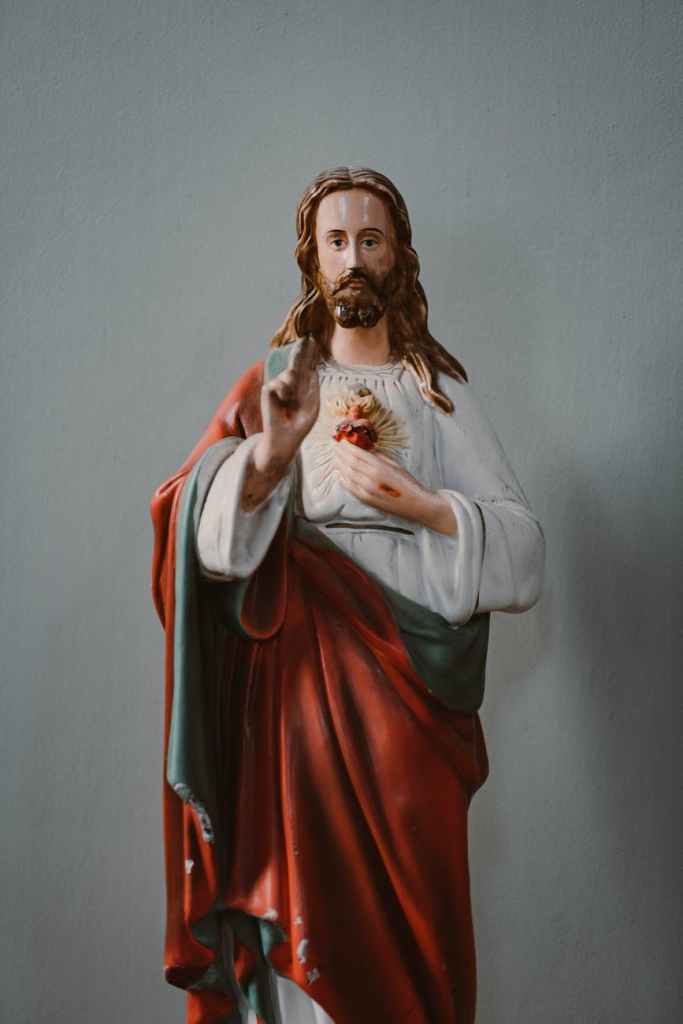
Photo by Francesco Paggiaro on Pexels.com

And He could have chosen differently. He was perfectly innocent, perfectly authorized to defend Himself, capable of calling all the Hosts of Heaven to testify on His behalf, and perfectly powerful enough to come down off the cross at any time and send all of His accusers and tormenters to oblivion! That Friday wasn’t just “one of those” days. It was not something that took Him by surprise, nor was it something He “deserved.” He chose to go through that day…it was part of His perfect plan. That day. That death. That stunning humiliation and “defeat.”

But Holy Week doesn’t end in insult, injury, defeat, or despair–because God’s ways are perfect, Jesus turned everything to Glory! We will celebrate next Friday– “Good” Friday– because only God can triumph over death, and transform horror into hope, despair into deliverance, and shame into salvation.

Even on “one of those” days, we can find peace and practice praise as we pray to the one who took “one of those” days and turned it into the greatest miracle!

Celebrate Life

My husband has celebrated his birthday this week, and it reminded me of some of the many ways we celebrate life. Before a baby is even born, we share special moments of excitement–sonograms, gender reveal parties, baby showers, picking out names, feeling little “kicks” and movements in the womb. We give gifts and blessings when the baby arrives. We take baby photos and commemorate all the “firsts”– first tooth, first steps, first words, etc. And each year, we remember. We send cards and other birthday greetings; we give gifts and have parties with special cakes and songs and party hats. We invite others to celebrate, as well.

Photo by Jonathan Borba on Pexels.com

Not everyone celebrates birthdays, and some people make a mockery of their advancing age, but most of us think birthdays are a big deal, and worth celebrating. LIFE is a big deal. Life is a sacred gift, and we should cherish every moment of it. We celebrate the events of life– achievements, milestones, graduations, new jobs, promotions, relocations, marriages, anniversaries, retirements, and much more. Celebrating life is an industry– cards, balloons, T-shirts, reception halls, catering, special clothing (wedding dresses, tuxes, caps and gowns, etc.), special foods, party favors, confetti, gift items– we spend a lot of time, energy, money, and even “life” celebrating our lives.

Photo by Anna Shvets on Pexels.com

And we also celebrate life at its end. Even as we grieve the loss of loved ones, we seek to memorialize their lives. We hold funerals, publish obituaries and memorials, erect tombstones, build monuments, and write tributes and biographies. We celebrate the achievements, memories, and legacies of those who pass on. Their lives mattered. They don’t cease to matter when death comes. For the Christian, there is a special reason to celebrate the end of life– because it is NOT the end! Imagine the celebration of Life that will never end–the celebration of eternity with the Author, Giver, Redeemer, and Sustainer of Life!

Photo by nappy on Pexels.com

Many people have wished my husband an happy birthday this week, and they’ve offered prayers and good wishes. Today, I will be praying for many people who are celebrating a birthday. I will offer up a thanksgiving for their life, and celebrate the One who created each unique person on today’s list.

We’re going through a journey that has focused on worldwide death– fear of death and disease, despair, anger, desperation, and hopelessness. We shouldn’t ignore the reality of death around us, but we mustn’t let it overwhelm the life that is within us. Life is worth celebrating–ALWAYS!

Blog at WordPress.com.

Up ↑