Full Disclosure

I like to know things–I like to solve puzzles, figure out mysteries, learn trivial facts.  I want answers.  So when I go before God in prayer, I often ask questions.  Why is this person suffering?  When will their suffering end, and how?  Where were you in this disaster (as though God had stepped out for a minute and wasn’t aware of what happened)?

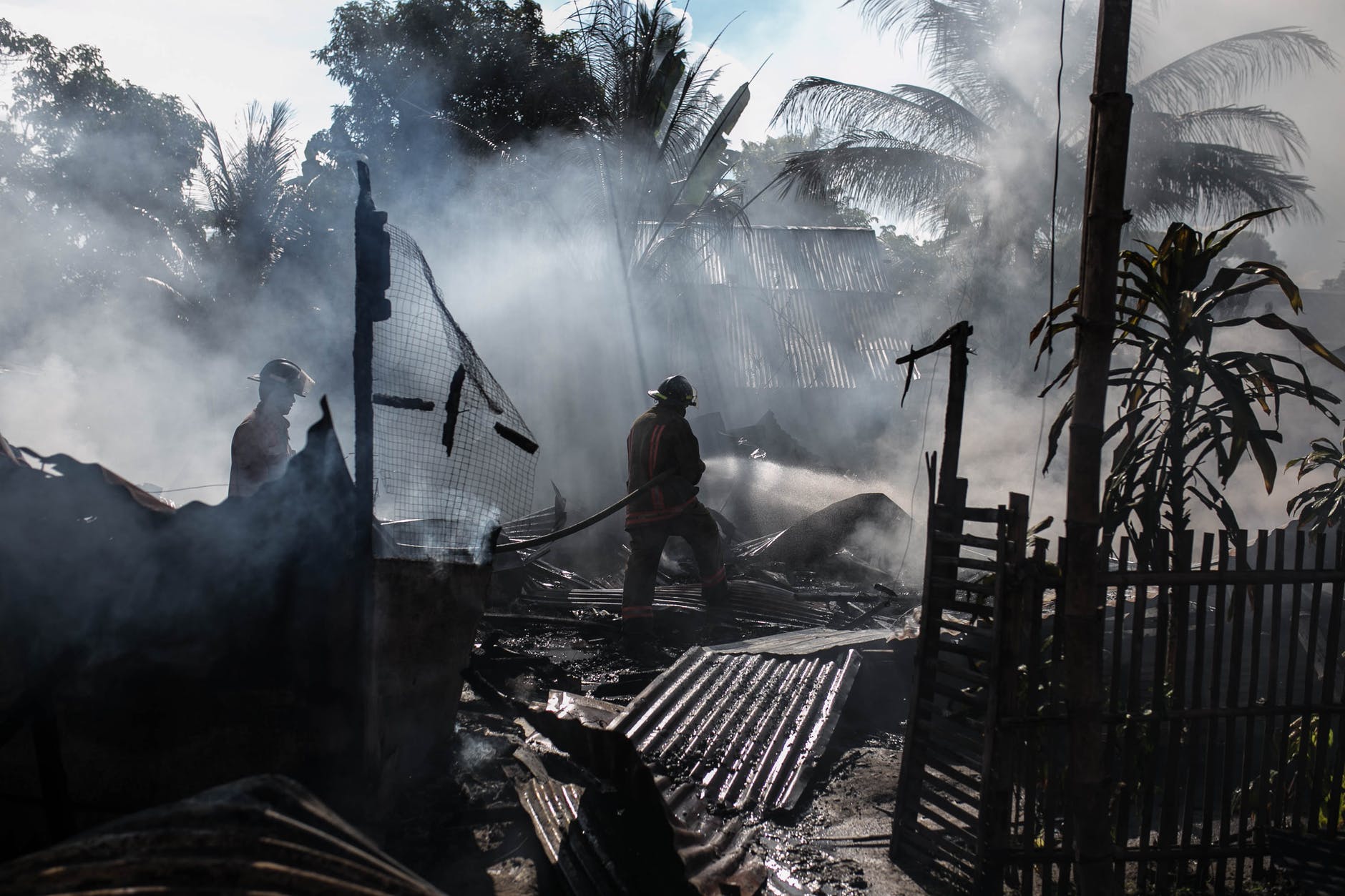
silhouette of fireman holding hose

God stays silent.

I can grow frustrated in the silence or I can learn to trust.  That doesn’t mean that I no longer want answers; just that I am willing to wait on God’s sovereign timing.  It also means that I am need to more about God’s nature–God doesn’t keep secrets or withhold knowledge because He wants to torment me, or frustrate me, or play some cosmic mind game (though some people accuse Him of doing just that).  God withholds full disclosure of His plans, His reasoning, and His nature out of love and compassion.  Suppose I could see into the future, even give out warnings, but had no power to stop disaster from coming.  Not only would I be haunted by the disaster itself, but by the full knowledge of its coming.  Suppose I could see a miracle in advance; know when and how it would unfold.  There would still be joy, but it would be muted by the foreknowledge– of course there would be a happy ending; of course there would be a miracle– I saw it all from afar off.

photo of person holding ball

The Apostle Paul touches on this in 1 Corinthians, chapter 13.  This is commonly known as the “Love Chapter”, and the first half is frequently quoted at weddings and church sermons.  But the end of the chapter is a wonderful message of hope and faith, ending with Paul’s triumphant statement about all three:

1 Corinthians 13:8-13 English Standard Version (ESV)

Love never ends. As for prophecies, they will pass away; as for tongues, they will cease; as for knowledge, it will pass away. For we know in part and we prophesy in part, 10 but when the perfect comes, the partial will pass away. 11 When I was a child, I spoke like a child, I thought like a child, I reasoned like a child. When I became a man, I gave up childish ways. 12 For now we see in a mirror dimly, but then face to face. Now I know in part; then I shall know fully, even as I have been fully known.

13 So now faith, hope, and love abide, these three; but the greatest of these is love.

monochrome photography of a man looking in front of mirror

God loves us with a perfect love.  Because of that, I can trust Him, and have hope in the midst of my questioning.  So when I pray with questions, I can know that God has “filed them away”– He is fully aware of my situation, questions and all, and He is fully faithful to answer them all in His perfect wisdom and timing.  Someday, I will know– not only all that I don’t know now, but why I had to wait.

God will provide full disclosure. with compassion, love, and wisdom that only He can give.

What if?

What if–
I say the wrong thing, and ruin someone’s day?
Or perhaps I get lost and lose my way?

What if–
I get bad news about my health
Or suddenly lose all my worldly wealth?

What if–
Friends turn to foes this week?
What if I can’t find the peace that I seek?

But

What if–
I take it to the Lord in prayer?
Bring Him every question and care?

What if–
God prevented that unseen wreck;
Stopped me from falling and breaking my neck?

What if–
God saw the looming temptation
And removed me from the situation?

How many times had God stepped in
And quietly saved me from the effects of Sin?

And when He hasn’t–do I really know
If my life would be better if God never said, “No!”

What if–
I trusted and always gave praise
When God’s answers reveal His mysterious ways?

What if–
I ask and seek and knock,
Knowing my God is the Eternal Rock?
Knowing that God hears, and cares, and sees
Much more than I do when I’m down on my knees.

“..casting all your anxieties on him, because he cares for you.” 1 Peter 5:7 (ESV)

Do I Serve or “Deserve?”

It struck me just the other day how similar these two words are in English. To serve is to work for; to perform a duty; to labor on behalf of someone else. A servant performs duties for a master; a worker serves his or her employer; I serve my customers as they visit my shop. To “deserve” is to work in such a way, or to show such qualities as to merit reward (or punishment).

Much of our Christian life here on earth is centered around service. I serve at church; “I serve a risen Savior;” even this blog is a way of serving– sharing the Gospel and what I continue to learn about prayer. Praying for others is a way of serving them.

But much of our culture centers around what we “deserve.” Even our service is often qualified and judged as being more or less worthy than other service. If I serve on a board of directors, it is considered more worthy, more deserving of respect, than if I serve as a janitor, a junior clerk, or a night watchman. If I serve in a public capacity as an elected official or an ambassador, I am considered more deserving than if I serve as a humble citizen. We see some positions as deserving of more money, more power, more respect, and more worth.

But that is NOT the way God sees our service. God gives good gifts, not because we “deserve” them, but because it is His nature to give. God sends the sunshine and the rain to everyone, regardless of whether they have “earned” a sunny day or “deserve” lovely flowers to grow in their garden. Similarly, when God allows for natural disasters, they affect both “good” and “bad” people in a region. Occasionally, God will show His divine favor by sparing a group, as He did with the Israelites in Egypt. The Egyptians were victims of ten plagues, while the Israelites, living in the land of Goshen, were spared. But that wasn’t because the Israelites “deserved” to be spared, nor that every Egyptian was “deserving” of punishment. Rather, the horror of slavery and oppression of the Israelites caused God to show His righteousness and His power to save those who were being unjustly treated. (A lesson our world has yet to fully learn!) And God promised Abraham, Isaac, and Jacob that He would be with their descendants forever, saving them from those who would oppress them. But in daily life around us, innocent people often struggle, while “bad” people seem to prosper. Why doesn’t God give us what we “deserve?”

What we “deserve” in this life is the consequence of our sin and rebellion against God’s holiness–and that is DEATH. A God without any mercy would simply allow for those consequences to take effect without any opportunity to repent or to experience His Blessing. God does NOT give us what we “deserve” here on earth. However, He notices our “service”– our desire and capacity to do good–at every level. He does not give higher value to those who serve in positions of power or authority– in fact, Jesus taught just the opposite:

25 But Jesus called them to him and said, “You know that the rulers of the Gentiles lord it over them, and their great ones exercise authority over them. 26 It shall not be so among you. But whoever would be great among you must be your servant,27 and whoever would be first among you must be your slave,  28 even as the Son of Man came not to be served but to serve, and to give his life as a ransom for many.” Matthew 20:25-28 ESV

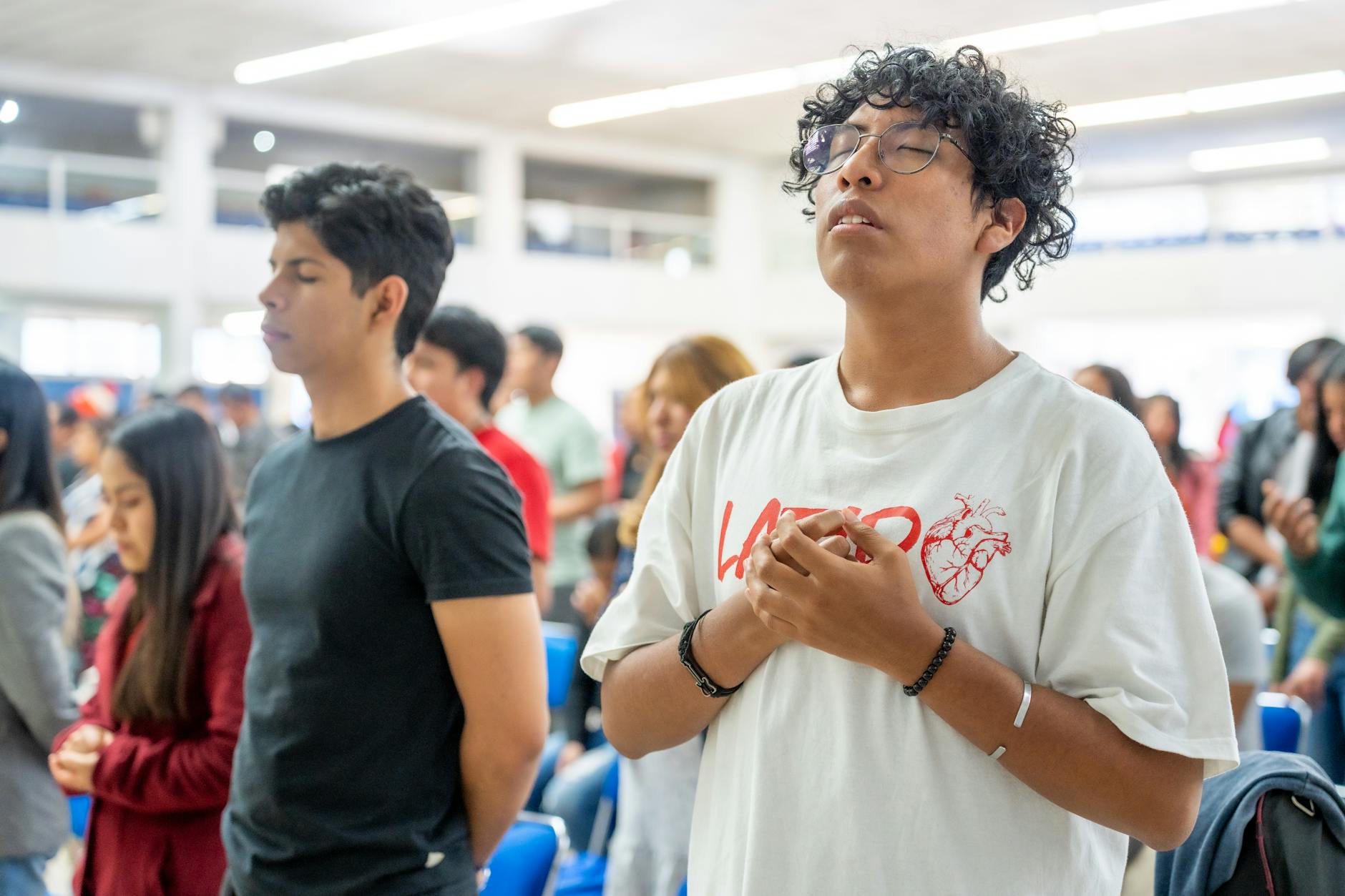
Prayer often seems like a humble service– we often pray alone or in small groups. Very few people are praised for being “prayer warriors,” and many pray without anyone even knowing about it. Except God knows. He hears and He delights in our prayers. We don’t pray in order to “earn” God’s favor, or anyone else’s approval. But we pray to a God who gives us far more than we “deserve.” And we serve a God who delights in even the humble acts we do for others. A God who has promised us Eternal life with Him in Heaven! Not as a reward for our service; not based on our worthiness or self-righteousness, but based on the worthiness of Jesus! Heaven is our reward for His great sacrifice. We don’t “deserve” it, but we can rejoice in it, even as we serve quietly and humbly here on earth.

It’s Not Enough!

Often, when there is a disaster– especially one that seems preventable and senseless, like a mass shooting or a horrible crash–thousands of people reach out with “thoughts and prayers” for the victims and their families. And, predictably, others will angrily comment that thoughts and prayers are “not enough.” What good are thoughts and prayers in the face of senseless violence or preventable dangers? Shouldn’t we be driven to action? Shouldn’t we focus our efforts on justice or working to guarantee that such disasters can never happen again?

Such anger is natural, and such sentiments may seem more virtuous than offering nebulous emotional support. What, after all, can thoughts and prayers really DO in the face of evil, injustice, pain, and grief?

Well, I can’t speak for “thoughts”, but I have studied prayer for most of my life. I would offer the following words about the effects of prayer:

  • First, prayer reminds me that I am NOT in control of my circumstances– only my reaction to them. I cannot control what happens, what HAS happened, or what WILL happen. And my anger will not change what has already happened, nor will it prevent future disasters from happening. And while I may not be able to prove to others that prayer CAN prevent future disasters or heal present grief, I have known it to do both in my life and in the lives of others.
  • Second, prayer reminds me that there is Someone Bigger than me– Someone Bigger than my circumstances– who has the wisdom and the power to do what even thousands of well-meaning people cannot. Thousands of people coming together can make a difference over time, but God can do miraculously more than we can imagine!
  • Third, praying for others is something I CAN DO— anywhere, anytime– across distances, cultures, time zones, and circumstances. Prayer doesn’t cost anything. It doesn’t require that I have specialized skills or access to physical resources. It may not seem very active, like ranting or screaming, marching or protesting, but it isn’t the same as inaction or apathy.
  • Lastly, praying for others is a first step in helping others. My prayer alone may not seem like “enough”, but prayers have a way of multiplying, and inspiring, and intensifying in positive and impactful ways.

But more than just talking about the effectiveness of prayer, I’d like to pose a couple of questions for those who dismiss prayer as “not enough.”

  • What are you offering (instead of prayers)? Will your thoughts, plans, and actions have immediate or eternal results? Do you have the solution to all the world’s problems? Will you be able to control what happens in the future, or make sense of what has happened in the past? Will your solutions be perfect– no unintended consequences or necessary casualties?
  • If you are so angry about others praying, why waste your energy complaining about it? Go ahead with your own solution/reaction/plan.
  • Is your solution “enough?” Is your anger “enough?” Are your good intentions “enough?” Ultimately, you must wrestle with the existence of evil and injustice in this world. Senseless things happen. Good people suffer, and guilty people enjoy “success.” And nothing we offer is ever “enough” to change the world around us.

Our efforts and actions will never be “enough.” But prayer taps into the reality that God IS ENOUGH. His Grace is sufficient; His Love endures forever; His wisdom is higher than ours, and His power is boundless. He doesn’t always remove us from the chaos and suffering of this world, but He redeems us, and He enters into the circumstances of our own suffering and grief. He gives us courage, strength, hope, and a sense of purpose that goes beyond what we can find in ourselves.

All Things New

Every year, I try to read the Bible from cover to cover…a little each day, beginning with Genesis on January 1, and ending with the last of Revelation on December 31. So yesterday, I finished the last verse of Revelation 22– AMEN! And today’s reading begins with “In the beginning…”

Once again, I will read the Bible as a cycle– “beginning” to “AMEN.” But the Bible, like most other books doesn’t really have a beginning and an end. Things happen “before” the beginning, and things happen after “the end.” The Bible tells us of the beginning and the end of our created earth. But where Genesis begins with darkness and void, Revelation ends with light and joy and victory! ”They all lived happily ever after…”

And I am reminded that God’s character shines through every page of His Word. He makes all things new! He creates! He redeems! He Blesses!

Photo by Munmun Singh on Pexels.com

As we go into a new year, we can take great encouragement from the message of the Bible. Every year– every day, and even every moment–is filled with God’s presence and His promise of eventual renewal and redemption. We face an uncertain year in terms of human achievement and “progress.” War, famine, economic collapse, natural disasters, disease, heartbreak, and death– all are possibilities and even probabilities in our fallen world. But the Bible teaches that our problems, as enormous as they seem to us, are not outside of God’s power to redeem and redress. 

His plan is to recreate, rejuvenate, and replenish. All our relationships; all our ambitions; all the landscapes of all our dreams– will one day be reshaped. All the terrors and tribulations of Sin and Death will be vanquished. There will be no more need for fear or distrust or even cautious optimism. It will be NEW– not just “new and improved”, but new and perfected! Whatever we pray for in the coming year, we can know that God will bring situations full circle from tragedy to eventual triumph. It may not happen today; it may not happen this year or even in this lifetime. But God keeps His promises from “the beginning” to the Final “AMEN!”

And on this first day of a New Year–let’s rejoice that God is the God of all New Things; the Maker of All Good and Perfect Gifts; the God who is able to do exceedingly abundantly above all that we ask or imagine (see Ephesians 3:20-21)!

How Firm a Foundation

  1. How firm a foundation, ye saints of the Lord,
    Is laid for your faith in His excellent word!
    What more can He say than to you He hath said—
    To you who for refuge to Jesus have fled?
  2. “Fear not, I am with thee, oh, be not dismayed,
    For I am thy God, and will still give thee aid;
    I’ll strengthen thee, help thee, and cause thee to stand,
    Upheld by My gracious, omnipotent hand.
  3. “When through the deep waters I call thee to go,
    The rivers of sorrow shall not overflow;
    For I will be with thee thy trouble to bless,
    And sanctify to thee thy deepest distress.
  4. “When through fiery trials thy pathway shall lie,
    My grace, all-sufficient, shall be thy supply;
    The flame shall not harm thee; I only design
    Thy dross to consume and thy gold to refine.
  5. “The soul that on Jesus doth lean for repose,
    I will not, I will not, desert to his foes;
    That soul, though all hell should endeavor to shake,
    I’ll never, no never, no never forsake.”
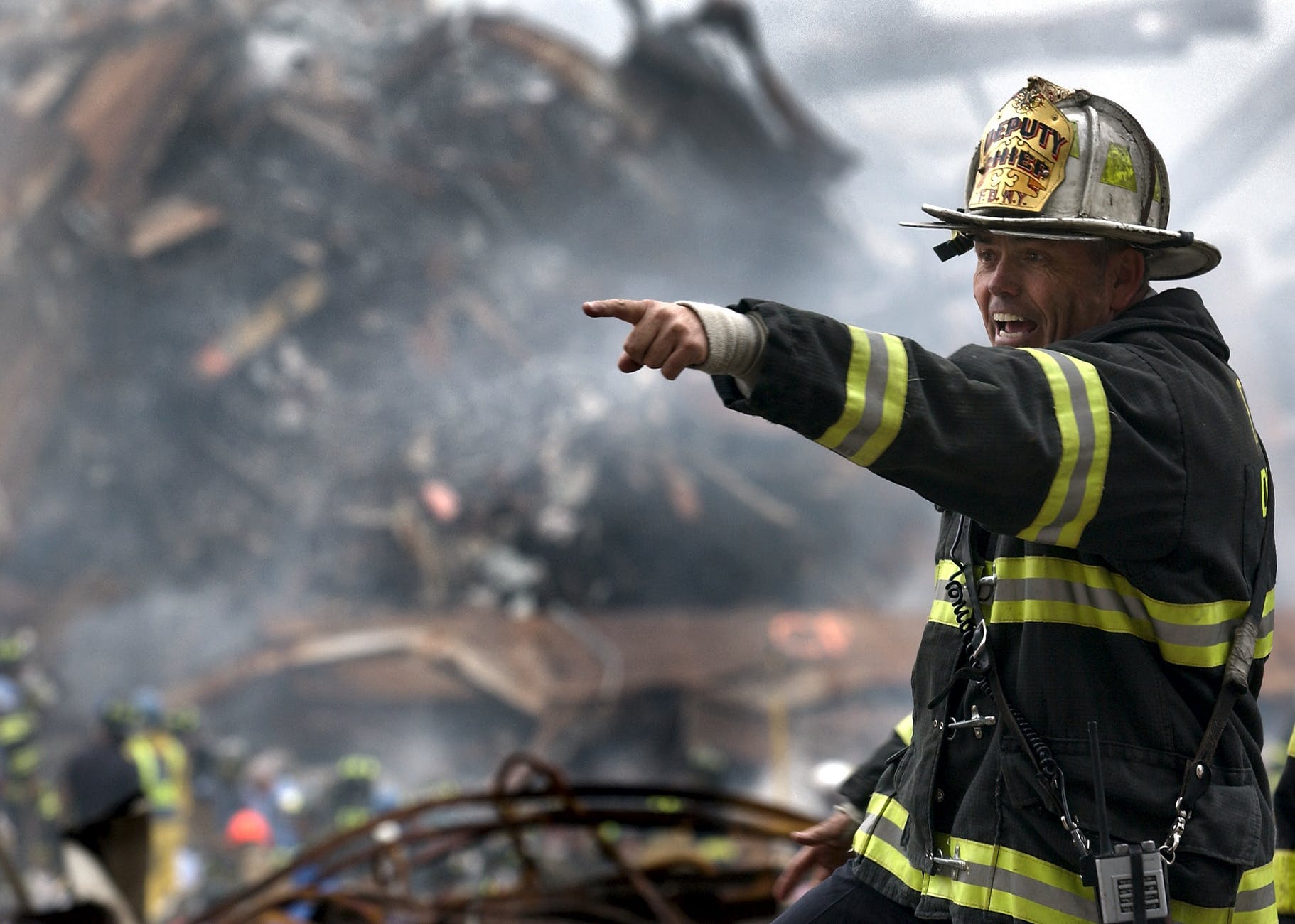
fire fighter wearing black and yellow uniform pointing for something

“How can you believe in a God who lets bad things happen?”
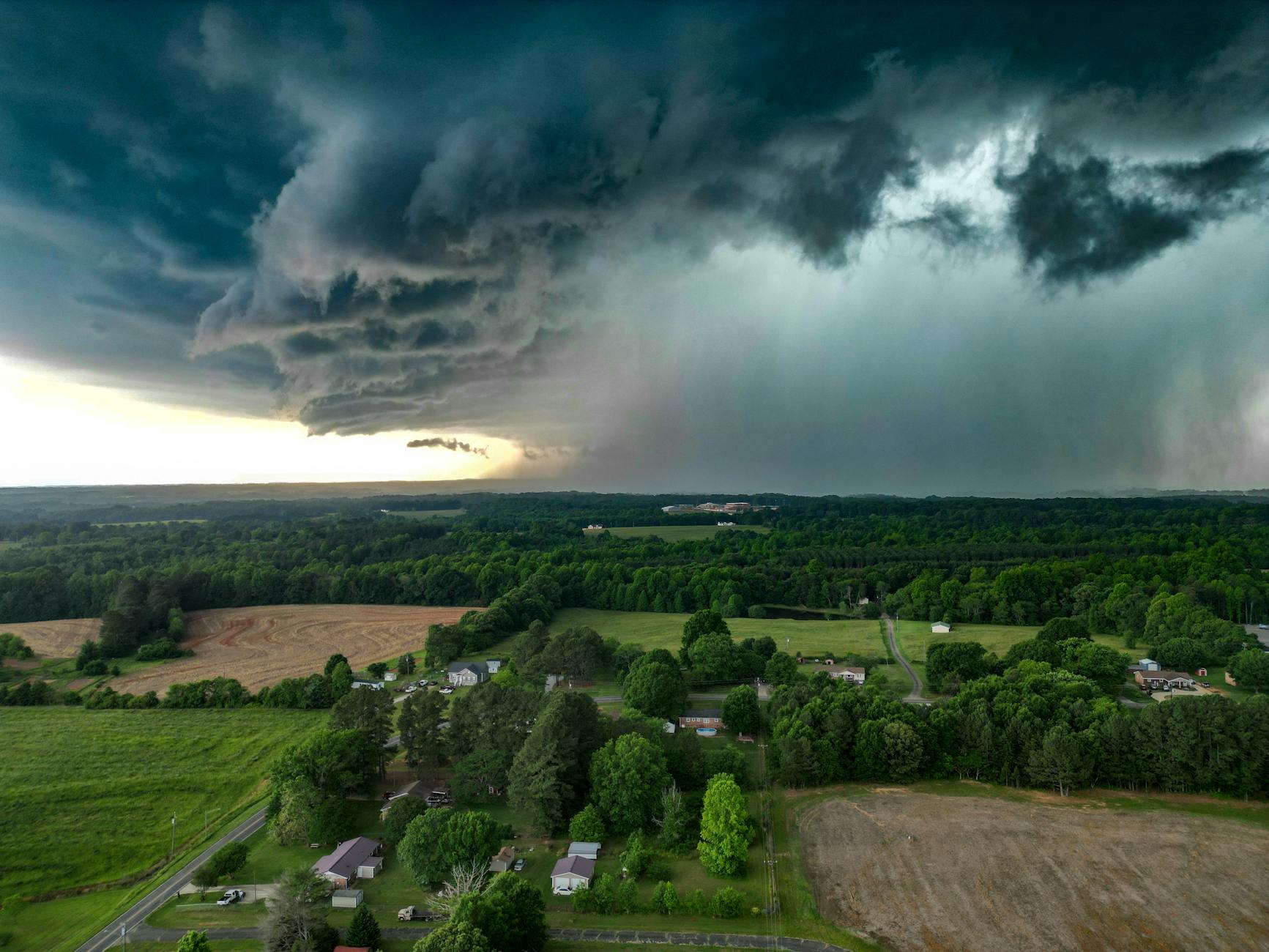
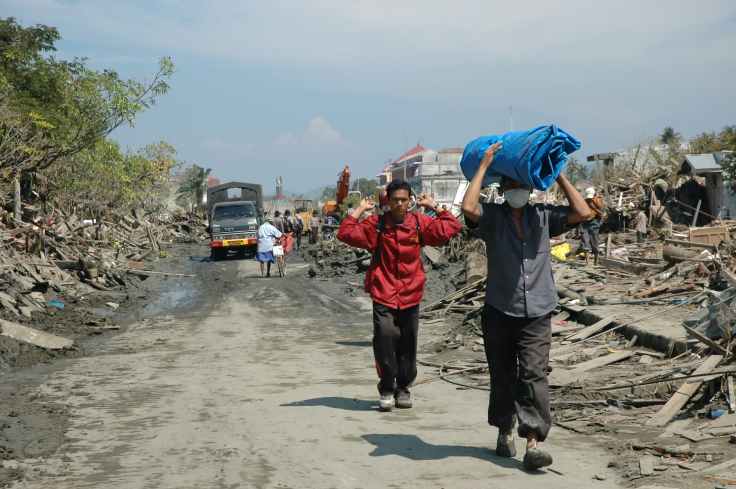
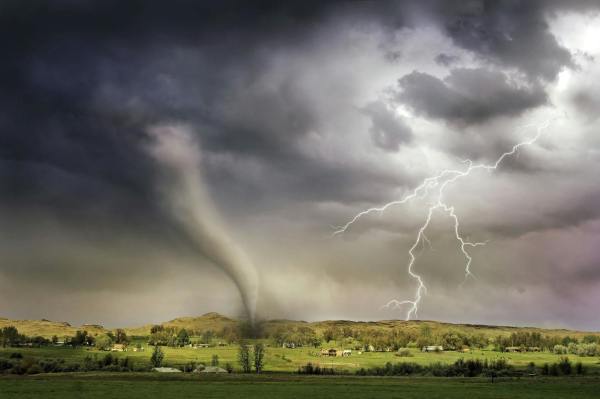
We live in perilous times; dangerous times.  Fires have swept through Canada and Hawaii (and elsewhere); massive heat waves have caused drought and death in many parts of the world; hurricanes have hit California and and the Caribbean, and another threatens Florida even as I write this. Wars rage in Ukraine and elsewhere; crime seems rampant in major cities on every continent. Diseases– even those we considered eradicated or “tamed” are making a comeback. Waste and pollution devastate our oceans, rivers, woodlands, and even the air we breathe. Often, it seems as if God is absent or powerless–sitting on the sidelines and letting bad things happen.  Those of us who claim faith in an omnipotent, loving, and gracious God are mocked and challenged.  How can we believe in the face of such evil, disaster, and injustice?  How can we offer the empty comfort of prayers and assurances?

It can be very difficult to face such challenges– there are no easy answers and “mic-drop” moments for us in this world.  But that doesn’t mean that there are no answers or that our faith is “blind” or without merit.

The Bible is filled with examples of people who followed God in extraordinary circumstances, often in the face of great evil and with little logical expectation of God’s blessing or help.  Abraham traded a wealthy, safe, and honorable life in his native land to live as a stranger and a nomad among foreigners.  Even after God seemed to fulfill the promise of a son, he tested Abraham’s faith, asking him to sacrifice his only son Read the complete story here...  Many people see this story as a horrific example of injustice and cruelty– and if Abraham had been required to go through with the sacrifice, it might seem even more unjust and cruel.  However, there are two points to consider:

  1. God clearly planned to rescue Isaac–there was a ram in the thicket all ready and waiting.  Abraham may not have known God’s purpose in asking such a thing, but he had faith that “God will provide for himself the lamb…”  God may have been “testing” Abraham, but he already knew the outcome.  The “test” was not for God–perhaps not even for Abraham–the test was for Isaac and all who would follow and experience the blessings that came through this amazing act of faith.
  2. The story of Abraham, like so many others, is given to illustrate difficult truths– sometimes about God’s character, or OUR character, or the nature and consequences of Sin.  These stories also often form patterns of allegory, foreshadowing, or illustrations of key principles and events.  Abraham was told to sacrifice his only and very beloved son– a horrible prospect for any father.  But God provided a substitute sacrifice– a lamb– allowing Isaac to live and become the father of many nations.  God’s plan for the salvation of the world was built on the same pattern.  God sent his only and very beloved “son” to be the substitutionary sacrifice for the sins of all mankind– a horrible prospect for a loving Heavenly Father.  And this time, the son willingly gave His life to become the fulfillment of the promise acted out in Abraham’s story.
shallow focus photography of sheep

And, of course, there are hundreds of other stories– throughout the Bible, and throughout history– that demonstrate the blessings that come through radical and even tiny acts of faith in God.

Hebrews, chapter 11 lists several examples.  And a key verse in the chapter points out:

13 These all died in faith, not having received the promises, but having seen them afar off, and were persuaded of them, and embraced them, and confessed that they were strangers and pilgrims on the earth.

Hebrews 11:13 (KJV)

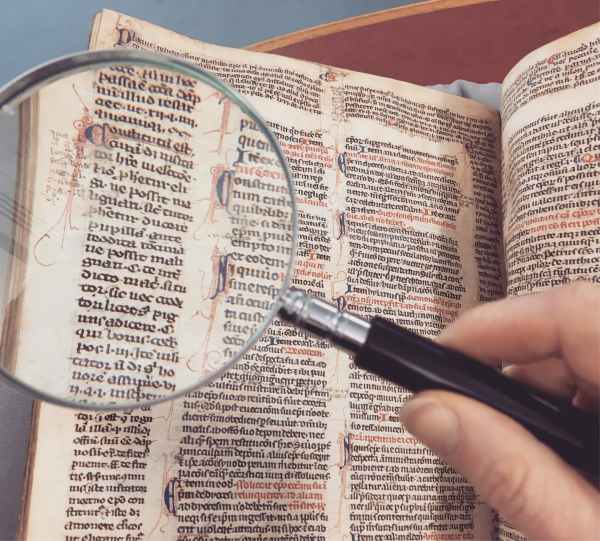
These great examples of faith died without seeing the end results..but the end results are there for US to see!  Faith in humanity– faith in Science– faith in ourselves– these are doomed to end in disappointment.  Not because we don’t believe enough; not because these things are “bad”– but because faith needs an unshakeable, immovable, solid, and eternal foundation.  Our faith in Christ is not a blind faith, an empty faith, or a desperate faith– it is a Faith that is firmly rooted in history, in observable facts, and in revealed truth.  And even in the fiercest storms, the worst of disasters, and the overwhelming flood of hatred and evil in the world, our faith stands firm and sure– not because it is “our faith”, but because it is built on Him who is before and above all things–yesterday, today, and forevermore.

man holding sheep statuette

Our very firm foundation may seem invisible to the world, but that doesn’t change its reality or its power. We pray to the ONE who calms storms, who tears down and builds up kingdoms, and who holds all of eternity, including our future, in His hands. Fires, floods, trials, and terrors cannot overwhelm those who put their trust in Jesus. We may still get wet, singed, singled out, persecuted, and knocked down, but we will never be abandoned or defeated, or forsaken. Even if it seems like God is holding a knife to our neck– remember how the story ends! There is a lamb who has taken our place. God will not put an end to our hope. Even death cannot separate us from His Love and His Purpose for eternity. It’s all there– in His Excellent Word!

Blog at WordPress.com.

Up ↑