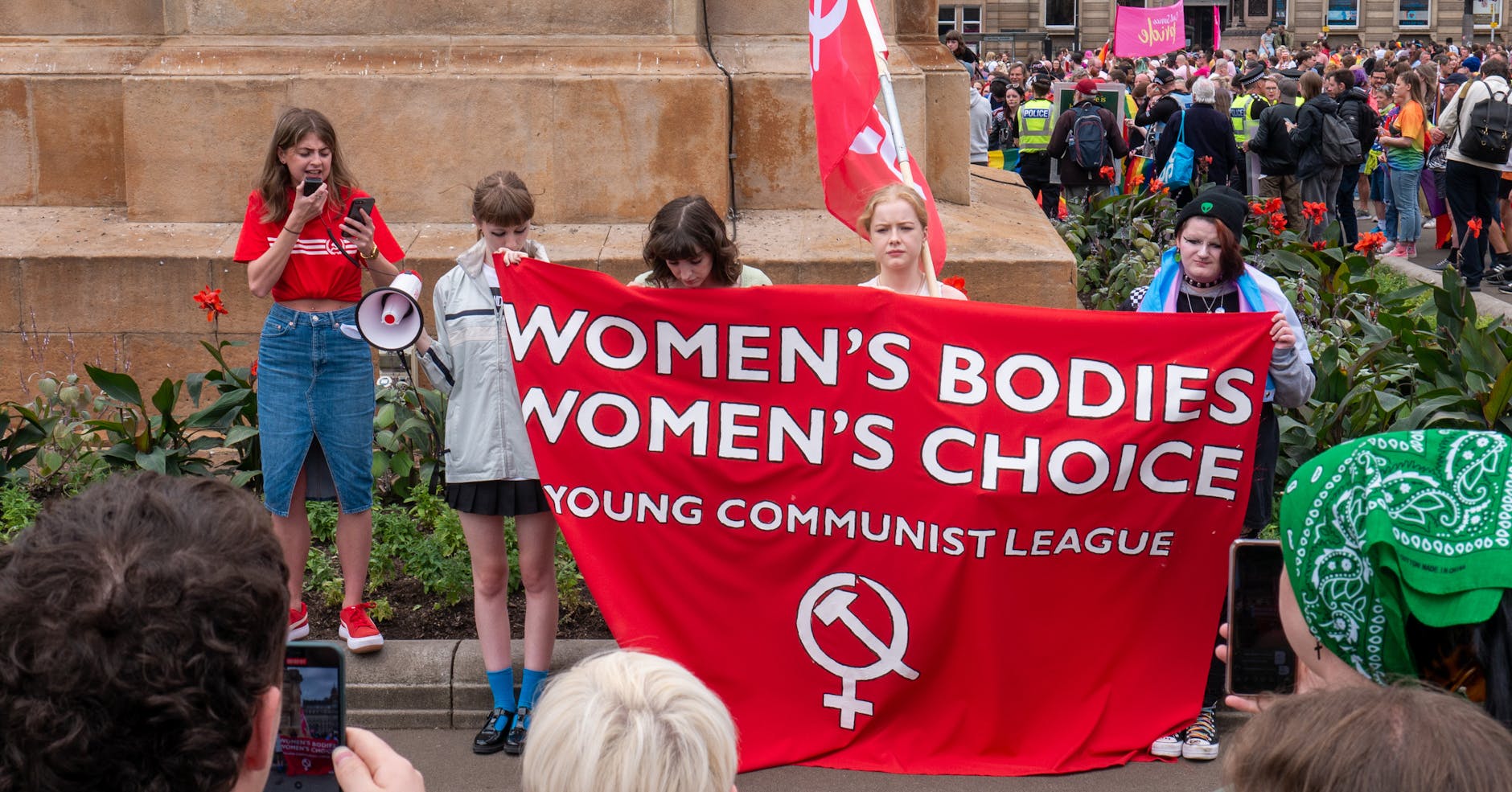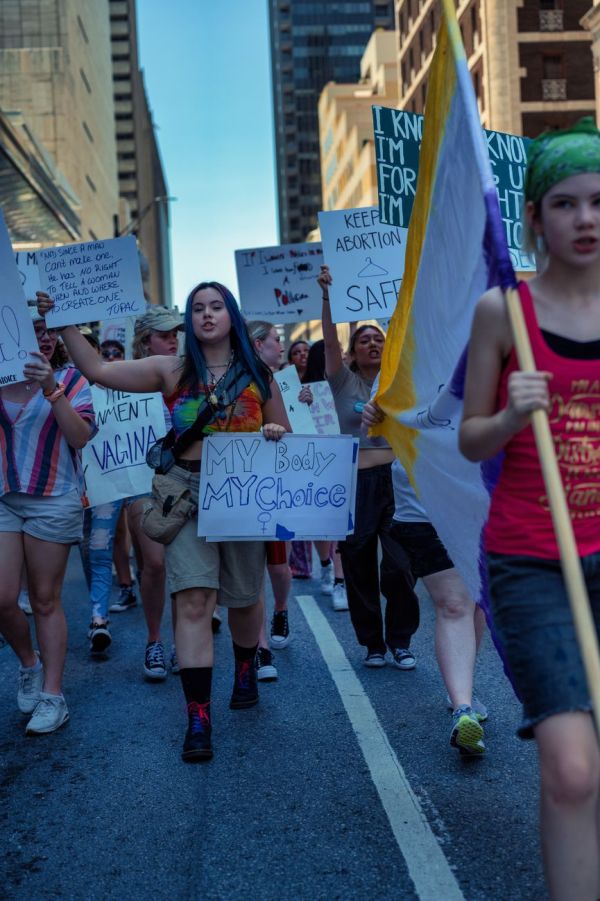
My Body, My Choice?

The news is constantly filled with stories about women (and men and children) who want to have complete control over their bodies– they want to choose their gender, dramatically change their appearance, and determine when (or if) they will have children, commit to relationships, or accept the responsibility that comes with having a body.

In many ways, “my body, my choice” seems reasonable and even fair. No one wants other people to have control over their life and death, or their health and welfare, with no say and no choice. But often, this phrase is twisted into a fantasy that every person can do whatever s/he wants with their body, without accepting the consequences or responsibilities that come with their behavior or their natural abilities.

I once saw an online argument in which a young and earnest writer boldly claimed that “bodily autonomy is a ‘thing.'” They went on to argue that ‘bodily autonomy’ gave them the right to government-funded abortion on demand, access to puberty blockers, the right to identify as whatever gender (or species) they felt like, all without restriction or ‘judgment’ by anyone else. What? “Bodily Autonomy” is a phrase, suggesting that a person has the right to control or “own” their own body, and not answerable to any other authority, law, or limitation. But being a ‘thing’ doesn’t make ‘bodily autonomy’ a reality. I can make many choices about my body– but there are many realities over which I have no “choice”– no control or authority or resources to accomplish.

I’m short. I cannot suddenly become tall. I am a woman. No matter how many hormones I pump into my body, no matter how many surgeries I could have to make me look or sound like a man, or “function” somewhat like a man, I will never have a man’s body or a man’s DNA. I am barren. The idea that pregnancy was always a “choice” for me denies the very real emotional struggle I went through in accepting my body’s limitations. I recently lost a sister-in-law to cancer. What a mockery to chant “my body, my choice!’ to someone who is dying of cancer or who was born with cystic fibrosis or is battling ALS or multiple sclerosis. And sometimes, other people violate our bodies– we may struggle, but we cannot prevent someone else from abusing us physically or sexually. So, although bodily autonomy may be a “thing” or an ideal, it is not a guarantee. And if the choices we make in our body end up abusing, hurting, or killing another living being, that is not autonomy– it’s unjust and predatory.
But what does the Bible say? Does God give us choices about our bodies?

There is nothing specific in the Bible about gender dysphoria, or plastic surgery. There is no mention of third trimester abortion or modern feminism, or queer lifestyles. But there are many teachings about our bodies AND our choices. And surprisingly, the Bible does NOT say that we have no control or “rights” over our own bodies. Instead, the Bible tells us the following:

  • God is the creator of all life. Life is a gift from God, not a random accident. And no one– NO ONE– can spontaneously come into being. So, the idea of “bodily autonomy” cannot be true of anyone who has ever depended on someone else to be born or to grow up or to become pregnant. God’s word makes it clear that “autonomy” is NOT the goal of creation. God’s purpose for us is to connect– with Him and with each other. He created men and women different, yet complementary. He created families to live and work together– the old teaching the young, as the young care for the old–sharing and building a legacy. Sin corrupts God’s design– it seeks to subvert it and destroy it, replacing it with a twisted independence that leads to isolation and loneliness, distrust, anger, pride and hatred.
  • God doesn’t make mistakes. He doesn’t delight in our struggles, our limitations, or our diseases. But Sin corrupts– right down into our DNA. God does not wipe out the consequences of Sin in our world– not yet. Someday, He will bring an end to all the causes of suffering, confusion, and grief. But in the meantime, He promises to be present WITH us THROUGH the struggle. We may not understand fully how our bodies work or why they do (or don’t do) what we might like. We may wonder why we look the way we do, or why our nose is “too small” or our body is shaped like a pear, when we want it to be an hourglass, or our hair in impossible to keep tamed, or we face a family history of oversized ears. We may struggle with diabetes, asthma, epilepsy, hypothyroidism, and even gender dysphoria. But God isn’t sitting in the wings, laughing at our circumstances. He promises to be both “present” and “sufficient,” even in the midst of our pain and uncertainty.
  • God calls us to take care of the bodies He gave us to the best of our ability. That means it is sinful to have indiscriminate sex with unknown partners who may be carrying venereal diseases– and also to overeat or starve ourselves with fad diets, or to pierce ourselves with unclean needles, whether getting a tattoo from an unlicensed and unclean parlor, or shooting up with heroin. Sexual and gender issues grab headlines and make for great political fodder, but we can make the mistake of thinking that such sins are “bigger” than lying or gossip or greed or pride, or that they are unforgiveable– they are NOT! God can remove the stain of abortion, rebellion, gossip, addiction, lying, drunkenness, body shaming, and judgmentalism.
  • God HAS given us the power of choice– we can choose our behaviors, our lifestyle, our morals, and our relationships. He has also given us governments to create laws and punishments for those who break them. But a law doesn’t actually prevent you from doing an act– it merely outlines the negative consequences for breaking that law. Laws can’t prevent people from committing murder, rape, theft, arson, etc., but laws provide a framework for responsibility and punishment to discourage certain behaviors and affirm the rights of even the most vulnerable among us. In other words, a law can’t prevent you from having an abortion or a sex change– but it can limit your ability to do so by forcing you to face negative consequences– jail time, higher fees, fewer practitioners willing to make such decisions “easy” and socially acceptable. God has given us His law in the Bible to show us how far we have fallen away from His standards and His character. On our own, we will never fulfill the entire law. But that is the heart of the Gospel– Jesus came to free us from both the power of Sin and the condemnation that comes from yielding to it. The Holy Spirit can give us the power to make Godly choices, knowing that Christ’s atoning sacrifice has paid the price for our sinful choices of the past.
  • Our choices come with consequences. We are ‘free’ to make bad choices, but we (and others!) are not free of the consequences of our choices. “My body, my choice” is an anthem of entitlement– of rights without responsibilities. Many of our choices carry great risks. Abortion is not a risk-free solution to a “problem.” Just as pregnancy presents risks, so does the medical procedure to end one. Clinics can minimize the risks, but there is no such thing as a guaranteed “safe escape” from an unplanned pregnancy. Sex change operations are even riskier, with complications that can be profound, chronic, and extremely painful. Risky health and sex habits don’t become any less risky just because they are legal or socially accepted. Experimenting with drugs can end in tragic death or lifelong damage to the heart or brain, as well as the horrors of addiction. Eating or drinking in excess will still lead to health problems, even if there is a new miracle fad drug that masks the early symptoms.
  • Sin has consequences that are often NOT of our making or choosing. It is not fair, it is not just, and it is not your fault. Punishing an innocent person will not take away that fact. It only spreads the consequences of Sin to someone else– someone who will be another innocent victim– YOUR victim. Cutting off family and friends because they don’t “affirm” your new lifestyle will not change them. It will hurt them. It will hurt you. It will not make your lifestyle any more acceptable to them. Aborting a baby will not change the circumstances of the pregnancy or make the abuse or memories of a rape disappear. Someday, God will restore justice, reward hope, and remove all grief and pain for those who learn to trust Him.
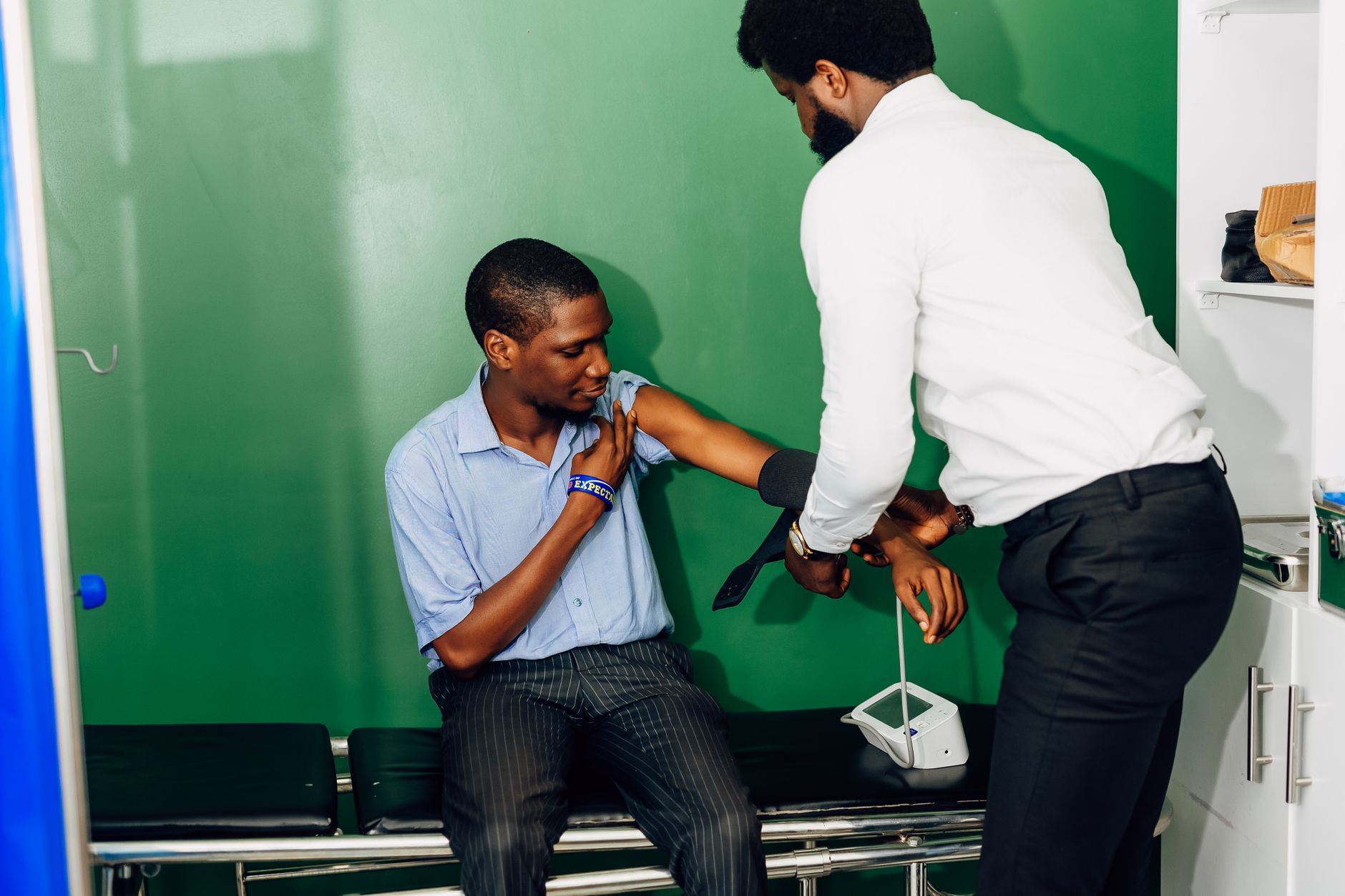
In the end, God has given you “your” body, and He has given you “your” choice. But He also warns you of the consequences of making selfish, dangerous choices that can result in death, heartbreak, regrets, and long-term damage for short-term benefits. He also promises the blessings of recognizing that “your” soul was made to have a relationship with a Holy and Perfect God, and that your “choice” to follow Him will bring eternal and glorious benefits, including a new and sinless “body” in Heaven. I pray that I will make good choices to take care of “my body” today. And I pray that eyes and minds will be opened to the wonder of God’s gift of life, and His plan for every “body” around me.

Choices

I like having choices. When I go to a restaurant, I get a menu, with several choices– appetizers, entrees, beverages, desserts. I have choices at the grocery store– brand X cereal or brand Y, different sizes of laundry detergent, which cucumber to put in a produce bag– sometimes even a choice between paper and plastic and reusable bags! I have a choice to buy or rent a house or apartment/condo. I have a choice about the car I drive or the choice not to drive, but to walk or take public transportation. I choose which church to attend, or not to attend at all. I choose when I get up in the morning and when I go to sleep. I choose what to wear each day. I choose to obey the law, including speed limits on the highway and slowing down in school zones, paying whatever taxes are due, and registering for the census, voting, and other civic duties.

Many of these choices seem benign. It doesn’t really matter to anyone else which brand of cereal I buy or when I eat it, or even if I decide not to eat it, but end up throwing it out. It doesn’t matter to most people where I live, or go to church, or what I am wearing. It doesn’t hurt anyone else if I drive a couple of miles faster than the speed limit on a back road somewhere.

But some choices DO matter– they matter a lot. If I choose to drive at high speed through a school zone, I might end up accidentally killing a student or school worker. If I live in a house or apartment I cannot afford, or if I refuse to maintain my house or apartment, I may end up evicted or homeless. If I choose to use drugs– even prescription drugs– in an unwise manner, I may end up in the hospital or in the cemetery! And I may hurt others around me in the process.

I live in a nation that prizes “freedom” and “freedom to choose.” But in the past century, more and more voices are being raised in an effort to make all choices “equal.” And they are not. Many of our “choices” are in direct contradiction to the Word of God, to traditional values, and even to common sense! Our choices have consequences– some benign, and some catastrophic. Voices are shouting about their “right to choose” even as they are also raised in righteous indignation about others’ rights and choices.

I could speak to this for days on end, defending my own choices, and pointing out which “choices” break my heart or offend me. But I feel compelled to point out just three things to consider about individual choices:

  1. How does this choice honor God? I think it is easy to focus on “big” choices when we think of this, but I have been challenged lately to see how even my “easy” and “little” choices honor Him. Does it really matter which brand of cereal I eat in the morning? Probably not. But what about brands and manufacturers that support causes that do not honor God? Most of the time, I am unaware of such considerations. But the money I spend on my favorite sugary breakfast treat may help sponsor evil. And if I am aware of which manufacturers are giving large donations to causes I despise, but I am still buying their products every week, I am helping to sponsor that evil.
  2. How does this choice impact others? We DO have the freedom to choose our actions, but we do NOT have freedom from the consequences of those actions. “My Body, My Choice” looks good on posters and banners, but things like abortion or gender reassignment have an impact beyond a single person. Abortion always ends with the death of a second “body”– one without any choice in the matter. Gender reassignment impacts more than just one person– it impacts their present and future relationships, as well as impacting their future physical health and reproductive system. It is also important to establish whether my choices are made to try to please or influence others. It’s easy to blame others after the fact, citing “peer pressure” or claiming “I didn’t have another choice,” but is that really true, or was one choice just a lot easier or more popular than another? That same group that pressured you make certain choices– will they be there for you afterward? No matter the consequences? Will they still be your friends if you make a different choice?
  3. Does this choice help me grow into a better person? Many of our choices come from wanting to be a happier, wealthier, or more popular person– NOT a healthier, more mature, or wiser person. And most of our choices focus on immediate gratification, rather than long-term growth. Doing something because you have the “right to choose” is not the same as “doing the right thing.” Doing the right thing often involves sacrifice and even a season of suffering. Our present choices–even the small ones– will impact our future circumstances, and our development as an individual. Eating a donut today may be tasty, but eating donuts every day may lead to obesity, diabetes or heart disease, and even a lessening of enjoyment for donuts– they’re no longer a tasty treat, but a habitual threat to my health!
  4. Am I angry and defensive about my “choice?” Years ago, I was stopped for speeding on my way to work. Of course, I had been running a little late, and being stopped made me even later. I had to explain my tardiness to my boss, who dismissed the whole incident with a sly “next time, don’t get caught..” But one of my co-workers self-righteously handed me a two-page pamphlet on the evils of driving over the speed limit. At that time, I was indignant and offended. (I still would be a bit miffed– I don’t agree with either of the reactions I got that day, but that’s another post…) As I have grown older, however, I have come to value the three questions above– and it changes my perspective. I KNOW it’s “wrong” to drive over the speed limit. I know many people do it anyway and get away with it. But the bottom line is this–speeding does not honor God. It does not help anyone else, and could potentially harm someone. And it does not grow my character. I don’t automatically become a “good” person if I DON’T speed– let me be clear about that. But I do grow in character when my choices are made out of a heart that prioritizes God and others over my own selfishness (and procrastination!) When I find myself getting angry and defensive, I need to consider whether or not it is really guilt. If I wasn’t speeding that day, I wouldn’t have had any reason to be angry with my co-worker or ashamed of being “caught.” If someone is angry and defensive about his or her behavior, it is often brought about by guilt, shame, and a rebellious spirit, tired of defending what everyone else (and sometimes their own conscience) tells them is “wrong.”

We make choices every day– some benign, some “good,” some “bad.” Let’s pray for wisdom to make the best choices, confess the “wrong” choices, and offer encouragement and truth, rather than judgment, to those around us.

Today, I’m praying about the “choice” of abortion and its impact on my nation (as well as worldwide). In the 50+ years since Roe v. Wade attempted to make abortion “legal” in all 50 of the United States, over 60 million abortions have been reported in the U.S. during those years.* This figure does not include other nations, unreported (back alley or non-clinical) abortions, or natural miscarriages. Not only does this represent the “choice” to end the lives of over 60 million precious individuals, it represents millions of women (along with men and other family members) who have been impacted by the deceptive offer of “freedom” and the increasing pressure to make this “choice” seem both normal and healthy. For my friends, family, and others who have made this choice– my heart aches for what you have been through, and I rejoice with those of you who have found Grace and renewed hope through Jesus. God loves you– YOU, not your past choices– and welcomes you to choose Him today and every day. For those who have not been in a position to be tempted by this “choice”– I pray that we live with compassion, and that we stand up for and speak up for TRUTH and LIFE– not self-righteousness and fear.
* A more conservative estimate still places the number at well over 40 million
https://www.pewresearch.org/short-reads/2024/03/25/what-the-data-says-about-abortion-in-the-us/
https://www.statista.com/statistics/185274/number-of-legal-abortions-in-the-us-since-2000/

The Offer of Life or Death

11 Now what I am commanding you today is not too difficult for you or beyond your reach. 12 It is not up in heaven, so that you have to ask, “Who will ascend into heaven to get it and proclaim it to us so we may obey it?” 13 Nor is it beyond the sea, so that you have to ask, “Who will cross the sea to get it and proclaim it to us so we may obey it?” 14 No, the word is very near you; it is in your mouth and in your heart so you may obey it. 15 See, I set before you today life and prosperity, death and destruction. 16 For I command you today to love the Lord your God, to walk in obedience to him, and to keep his commands, decrees and laws; then you will live and increase, and the Lord your God will bless you in the land you are entering to possess. 17 But if your heart turns away and you are not obedient, and if you are drawn away to bow down to other gods and worship them, 18 I declare to you this day that you will certainly be destroyed. You will not live long in the land you are crossing the Jordan to enter and possess. 19 This day I call the heavens and the earth as witnesses against you that I have set before you life and death, blessings and curses. Now choose life, so that you and your children may live 20 and that you may love the Lord your God, listen to his voice, and hold fast to him. For the Lord is your life, and he will give you many years in the land he swore to give to your fathers, Abraham, Isaac and Jacob.
Deuteronomy 30: 11-20 (NIV)

2 At dawn he appeared again in the temple courts, where all the people gathered around him, and he sat down to teach them. 3 The teachers of the law and the Pharisees brought in a woman caught in adultery. They made her stand before the group 4 and said to Jesus, “Teacher, this woman was caught in the act of adultery. 5 In the Law Moses commanded us to stone such women. Now what do you say?” 6 They were using this question as a trap, in order to have a basis for accusing him.
But Jesus bent down and started to write on the ground with his finger. 7 When they kept on questioning him, he straightened up and said to them, “Let any one of you who is without sin be the first to throw a stone at her.” 8 Again he stooped down and wrote on the ground.
9 At this, those who heard began to go away one at a time, the older ones first, until only Jesus was left, with the woman still standing there. 10 Jesus straightened up and asked her, “Woman, where are they? Has no one condemned you?”|
11 “No one, sir,” she said.
“Then neither do I condemn you,” Jesus declared. “Go now and leave your life of sin.”
St. John 8:2-11

Blog at WordPress.com.

Up ↑