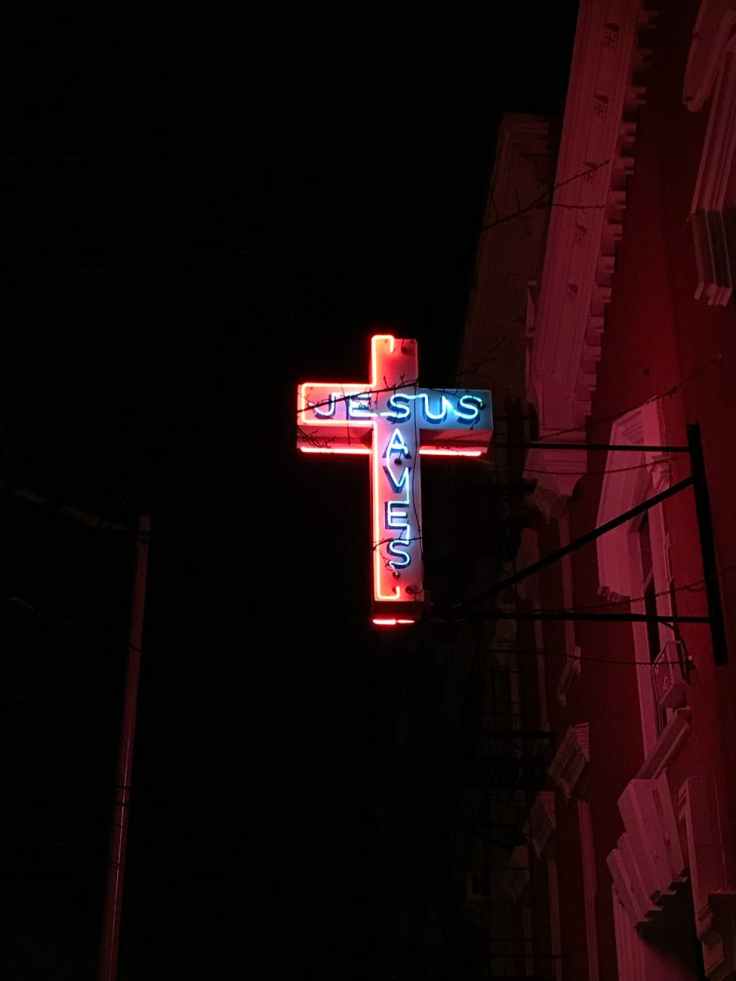
Faith, Faithfulness, and Moving Forward

Now faith is confidence in what we hope for and assurance about what we do not see. This is what the ancients were commended for.By faith we understand that the universe was formed at God’s command, so that what is seen was not made out of what was visible… And without faith it is impossible to please God, because anyone who comes to him must believe that he exists and that he rewards those who earnestly seek him.

Hebrews 11:1-3; 6 (NIV) taken from http://www.biblegateway.com

Faith is essential to prayer. Not only is it essential that we know the truth, we must depend on it. Those who lift up general prayers to some unknown “force” in the universe have no real hope that their prayers will be heard, instead of bouncing around among the planets in silent expectation. We pray to a God who sees, hears, loves, and works among us. And He will answer our prayers– in His way, in His time, and to our ultimate benefit.

That does’t mean that we must blindly believe everything we hear about God, or that we must agree exactly with everyone else who claims to believe. None of us has ever seen God face-to-face, nor can we claim perfect knowledge. But there are certain truths that do not change– God is GOD; creator, ruler, unchanging and Holy. God is who He says He is, not who someone speculates or imagines Him to be. God is mysterious, but He is “Knowable”–we see His character in the natural world, and we can see His reflection in the people around us who are all created in His image. Most of all, we have the testimony of Jesus Christ and of all who have followed Him and been transformed by Him. To all who earnestly seek Him, He has given us His Word, and His Spirit to guide us. And God is Good. Even though nature (and human nature) has been tainted and twisted by sin, God remains true to His own goodness. Even in the hard times, when God seems distant–especially when He seems distant–faith looks beyond our present circumstances, and the taunts of our enemies, to remind us of God’s providence, His Power, and His promises. Our present trials and calamities are not beyond His ability or His willingness to turn to good purpose, and they do not compare to the promises God has given.

Faith is essential to prayer, but so is faithfulness. Prayer is part of a growing relationship with our Maker. And like any relationship, it must be maintained. God is eternally faithful, but we are not–not in our own power or in our own will. And our faith, without faithfulness (in prayer, in devotion, in our everyday thoughts and actions) will wither and die. The same thirst we have for prayer in the valleys of life should be present when we reach the mountaintops. The same need we have to cry out for help should be the need we feel to cry out in praise. This will not happen without discipline, developed by daily seeking His face.

As we approach a new year, we can make many plans and resolutions– let one of them be to strive for faithfulness, especially in our pursuit of prayer. We know it is the right thing to do. And our faithfulness is not just for us. It blesses the heart of the One who was faithful even unto death. And it shines as an example to those around us– inspiring some to faith, and others to renewed faithfulness.

Finally, let’s also resolve to move forward a step each day, remembering that
“The steadfast love of the Lord never ceases;
    his mercies never come to an end;
23 they are new every morning;
    great is your faithfulness. (Lamentations 3:22-23 ESV)

God’s mercies are new every morning. And our resolve should be renewed every morning. It is God’s faithfulness that allows us to work toward greater faithfulness. We will not keep our resolutions in our own power, nor will we keep them by remaining stuck in our past failures.

Let’s embrace the coming new year as an opportunity to stretch our faith muscles, grow in faithfulness, and move forward in mercy!

God Is Not Dead, Nor Doth He Sleep..

It was almost 160 years ago, during the darkest days of America’s Civil War, that Henry Wadsworth Longfellow wrote a poem “Christmas Bells” that would become the Christmas Hymn, “I Heard the Bells on Christmas Day.” His son had been badly wounded in battle; his wife had died just a few years earlier, and the nation was in ruins and chaos. No one knew how much longer the war would continue or what the final outcome would be; Longfellow did not know if his son would live, or if he would be paralyzed for life. As he listened to the bells of Christmas ringing from church towers, he poured out all his doubts and fears in verse. Yet he concluded, “The Wrong shall fail, the Right prevail, with peace on earth, good-will to men.”

Christmas is not just a celebration of “comfort and joy” that comes from tinsel and lights, cozy fires, or gifts under brightly lit trees. Christmas is about Hope in times of darkness. It is about promises kept; prophesies fulfilled, victory assured, even when it looks as though the Enemy has the upper hand.

It is horribly tempting in troubled times to wonder and question God’s ways– does He hear? Does He see? Is He asleep? Does He exist? How can a “good” God allow such suffering and pain? And like Longfellow, we listen to our circumstances, and they seem to drown out the message of Christmas– “For Hate is strong, and mocks the song of peace on earth, good-will to men.” The cannons of yesteryear may have been replaced with 24-hour news cycles or Facebook news feeds, with protests and terrorist attacks; war and political corruption; social tensions and economic turmoil, but the noise is still the same. There is hatred, deceit, destruction, and doubt in our world–it was present during the Civil War; it was present during the Roman occupation at the time of Christ’s birth. But that birth brought a singular hope– one that has become so familiar, and so casual as to be almost forgotten amidst the immediate urgent noises of the day.

Photo by Perchek Industrie on Pexels.com

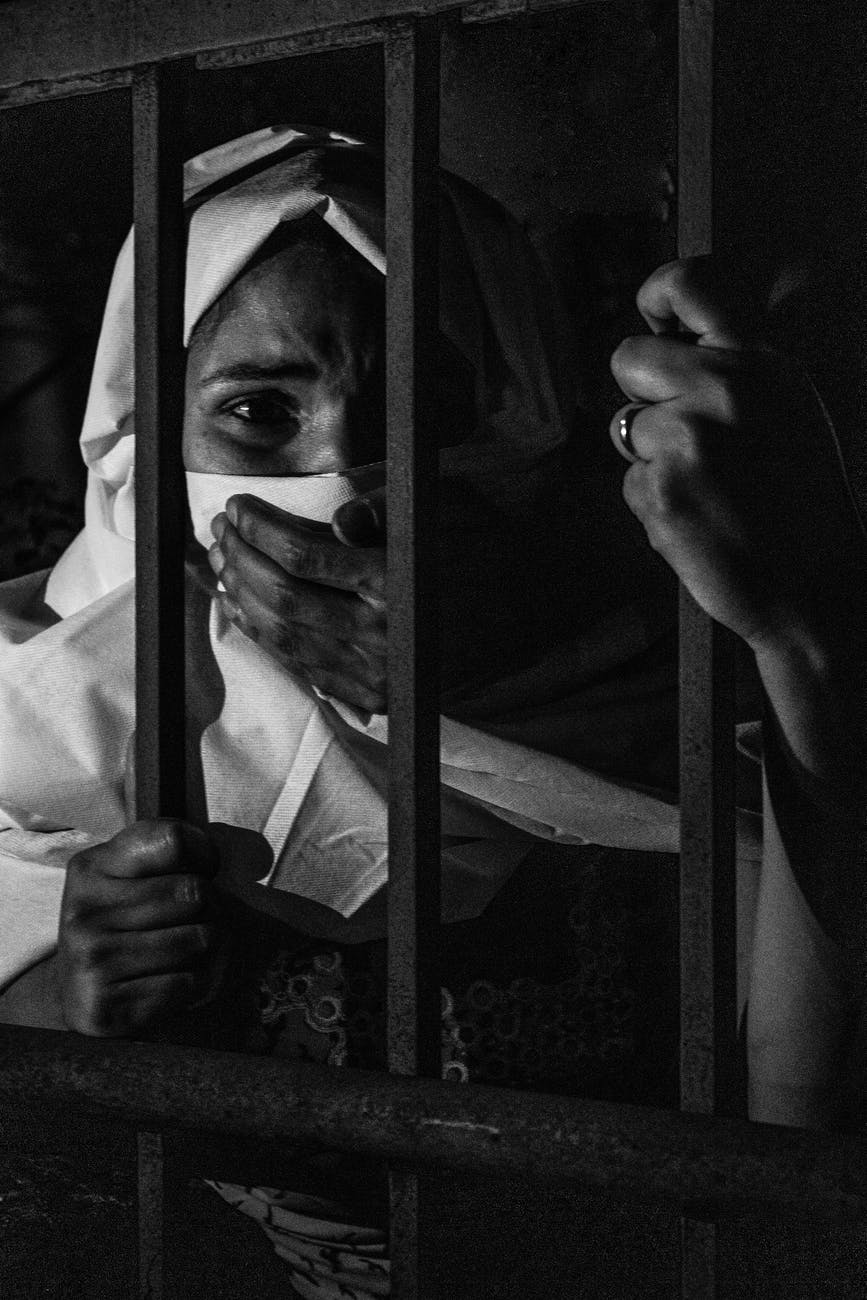
The trappings of Christmas sometimes hide the very Glory of Christ’s Advent. God CAME. He LIVED AMONG US. He was humble. He felt the cold and heat of long days and nights; his feet got dirty from walking. He laughed and cried. And, He DIED. He felt agony and shame and fear as he gasped for breath, naked and bloody and facing sneers and anger from the crowd. But God IS NOT DEAD–He conquered death; He rose again victorious. And He did it so that our suffering is not in vain– our suffering is not the end of our story.

GOD IS NOT DEAD. Hope is not in vain. Nor does He sleep–even in the silence of our lonely nights, even in the noisy chaos of life in 2023–God has not stepped off His throne; He has not turned His back on mankind. “The Wrong shall fail–” though it may seem strong and strut arrogantly through the streets, shouting and threatening–God is the final authority. Nothing is hidden from Him. He sees every injustice, every secret sin; He hears every lie, every twisted truth, every deceit. And He has no favorites– there is no excuse, no “religious” exemption– ALL have sinned, and all will be held to account.

EXCEPT– because of that one birth and death and resurrection–the debt is already paid. “The Right (shall) prevail with peace on earth, good-will to men.” For those who listen beyond the noise of battle, the bells of Christmas ring “more loud and deep” with the hope and joy and strength that overcome our pain and struggle. Longfellow found that truth– and I’m so glad he shared it. I hope his words will continue to remind us to listen through this season for the true message of Christmas.

Photo by Pixabay on Pexels.com

Give Thanks!

At least once each month, I want to share some practical thoughts about pursuing a life of prayer. Since we are in the Thanksgiving season, I thought I would share some ideas about giving thanks.

It’s easy enough to say, “Thank You!” when we receive a gift or someone does something special for us. After all, it’s just two small words, and they are (usually) welcome words at that. But what are some practical ways to grow in our expression of thankfulness and gratitude this season?

  • Of course, we can make a list– “Count Your Blessings”– of all the things we have to be grateful for. But what do we do with the list AFTER we write or type it out? What are some ways to keep a running list of blessings? In what ways can you keep a list visible and interactive? Keep a special journal. Challenge yourself to fill it with all the things you have (tangible and intangible). Keep a whiteboard where the family can add things each week. Can your family fill the white board? Can you fill an entire notebook?
  • Make thankfulness shareable each day. Thank the cashier at the grocery store. Thank your children when they go above and beyond (and see if it doesn’t happen more often!) with their chores. Thank your parents. Thank your spouse. Thank your pastor. Point out to others when there are things that make you grateful– a beautiful day, a favorite sweater, a good meal at a restaurant (or at home!) It will naturally grow thankfulness in your prayer life if you are growing thankfulness in your other relationships– and vise versa!
  • Demonstrate thankfulness– practice random acts of kindness. Be an encourager. Give compliments freely. Donate. Volunteer. Take positive action. You might give OTHERS a reason to be thankful, as well.
  • Seek out gratitude. On days when it seems hard to give thanks, look for it. Look backward– remember better days, and God’s faithfulness in other hard times. Look forward– look at the promises of God for the future. Look sideways– rejoice with those who rejoice. Instead of comparing your lot with others, join in their happiness. Look for ways to be glad for others, just as you would want them to join in your happiness. This is easier to write than to put into practice, but practice will make it easier to do.
  • Practice starting prayer with praise and thanksgiving. It is so tempting, especially when we are facing trials and an unknown future, to start our prayers ASKING, instead of ADORING. It won’t change your situation, but it will change your attitude when you begin with THANKS!
  • Break down your big “thank yous” into little ones. “Thank you for my house..” can become “Thank you for the floors and the roof and the bedroom and the kitchen and the dishes in my kitchen and the tub in the bathroom and for running water…” You get the idea. It will amaze you how detailed God is in meeting ALL our needs!
  • Practice the art of “letting go” of what you do NOT need, and keeping what you will actually use. How much of your clutter can help others? How much stress comes from hanging on to things we no longer need or use? There are many websites and books on this topic; some from a Buddhist perspective, but the idea is valid for all faiths. Jesus said, “Where your treasure is, there will your heart be also.” Matthew 6:21 “Seek first the kingdom of God and His righteousness, and all these things will be added to you.” Matthew 6:33 It is possible to have TOO MUCH to be thankful for! And it is possible to be more thankful for less!
  • Break the complaining habit! Whenever you find yourself complaining, try to stop and replace your complaint with a thank you for something else in your life. Having a bad hair day? Thank God for comfy shoes! Having a difficult day with a teenage child? Thank God that you survived your own teenage years!

Thanksgiving is so much more than just a holiday. It is a way of life– a pursuit that relates very directly to the pursuit of Prayer!

Now I Lay Me Down to Sleep..

Now I lay me down to sleep;
I pray the Lord my soul to keep.
If I should die before I wake,
I pray the Lord my soul to take.

I learned this prayer as a child. It seemed very grim, and pessimistic. As a child, I spent very little time (as little as possible) thinking of my own mortality, or the state of my soul after a day of playing with dolls or running around outside. I was blessed with a safe and easy childhood. Of course, I had days of sickness, a bout of chicken pox, the loss of a pet, news of neighbors who had died in war, fallen to cancer, or been killed in accidents–moments that caused me to reflect a bit more. But I didn’t want to think about serious things. I wanted peace and happiness.

As a younger adult, I came to the conclusion that prayers like this were old-fashioned, and designed to scare vulnerable children into a false faith based on fear and gloom. Shouldn’t children learn about the Love of Jesus and the Mercy of the Father, instead of worrying about death and eternal doom of their soul? Prayers like this would be “bad” for young children; traumatic and disturbing. Better to teach them prayers that were sweet and light, and full of only the goodness of God.

Lately, however, I remember things a bit differently. Yes, there is gloom and doom in this old children’s prayer, but there is also comfort, Love, and Mercy. As a child, I could “lay me down” to sleep in peace, knowing that God would, indeed, keep my soul from harm. I didn’t expect to die, but when I woke up dreaming of monsters, or suddenly became aware of mortality, I didn’t have to stay fearful. God is bigger than any monster; bigger then Death. I could not trust anyone better, mightier, or more capable than the Lord to keep my soul, or to “take” it safely to its final destination. I learned about the Goodness of God, but I also learned about stark realities– the persecuted Church, war, famine, injustice–things that God wants me to confront, and endure, and lift to Him in prayer. And for every “gloomy” reality, there are stories of victory and joy, faith and resilience, love and grace– because God is standing by, ready to rescue and reassure and redeem.

Bedtime prayers are a great comfort to me now. And they are also important prayers in my Christian Walk. It is at bedtime that I can reflect on God’s goodness throughout the day. I can be thankful for all the blessings God has given me, and for all the ways He has guided me and protected me– often without my knowledge and in spite of myself! Instead of worrying, tossing and turning, trying to “figure out” tomorrow, I can lift my burdens to God, knowing that I won’t face anything tomorrow alone! I can reflect on all the times I thought I couldn’t make it, but God made a way! And I can confidently rest in the hope that nothing can separate me from God’s loving care. Not yesterday’s guilt, nor today’s failures, nor tomorrow’s unknown (or imagined) trials– not even death!

I am old enough now that mortality plays a bigger role in my thoughts. I have lost my parents, my grandparents, aunts and uncles, classmates, co-workers, neighbors, and friends. I’ve experienced both great joy and great sorrow. But I need not be afraid of disease, dilemmas, or death. I need not worry about the state of my soul. I may have griefs, aches and pains, and worries about tomorrow. But I can “lay me down” in peace and patience, knowing I have a Good, Good Father whose love has surrounded me for over half a century. I can “Hush” all my fears, and sleep like a baby, knowing my God is always standing right by my side.

My Father’s Heart

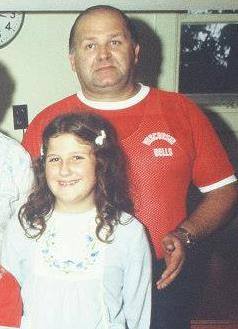
I can still remember as a small child of 3 or 4, after my Dad came in from mowing the lawn, climbing up and snuggling close to his chest to listen to the beat of his heart. Dad smelled of new-mown grass and honest sweat, and his heart was beating—thumpity, THUMP-Thump, thumpity THUMP-thump–I could almost feel it beating through his chest. It would start out racing, and gradually slow to a steady Thump-thump Thump-thump.

Looking back, I marvel at my Dad’s patience. Here he was, fresh from working on the lawn, hot, sweat-covered, and exhausted, only to be met with a wiggly child, intent on chattering, and interrupting his precious “relaxation” time. But as I wiggled, Dad’s tender arms would come around me, and both of us would become quiet and just enjoy being together, listening to the beat of his heart. They were precious moments.

My dad worked long hours at a mind-numbingly boring job. He worked for a large pharmaceutical company, but he wasn’t a chemist, or an engineer. He was a “bagger.” His company produced anhydrous citric acid for industrial and commercial use. As the name implies, citric acid is caustic, even in powder form, and Dad had to wear special gloves and shoes, plastic glasses with side shields, and other gear to protect his skin, hair, and eyes from the possibility of burns. He worked, sometimes 16-18 hour shifts (overtime, or time-and-a-half) at a station in a small, hot room. His job was to fit a bag to the end of a chute, push a button, and stand there as 50 or 100 pounds of citric acid filled the bag. He then carefully took the bag off the end of the chute and moved it to another machine, where the top edge would be stitched closed. Finally, he would lift and carry the full bag to a conveyer belt, so it could travel to the shipping room to be loaded on to skids and sent all over the world. Sometimes, he would cover someone else’s shift in the shipping room, loading the bags onto the skids or even loading the skids onto trucks or train cars, but most of the time, he was alone in a drab, overheated, powder-filled room.

I once asked my father how he could stand to do what he did every day. It was hot, heavy, boring, and mostly thankless work. Fit the bag, push a button, move the bag, push a button, move the bag again, and start all over. Always on his feet, always lifting his arms. No one to talk to; nothing to watch or listen to but the machinery around him. But my dad was content. He didn’t find his identity in his work, although he was proud to have a good-paying, steady job. He was thankful for his ability to be consistent and productive. He was proud of his good attendance record and his dedication. But he wasn’t married to his work, and he wasn’t working for money or fame or status. He was a Christian first, and a husband and father next. He was as steady as his heartbeat. Always reliable, even-tempered, trustworthy– solid.

My father worked at the same company for over 28 years (in fact, the company changed names twice while my dad worked there!). When he retired, we threw him a surprise birthday party/retirement party. But Dad’s heart was wearing out. All those years of work were taking their toll Dad spent two years of retirement enjoying some travel and relaxation, but his last two years were spent in and out of the hospital with surgeries and complications, physical limitations, and chronic pain.

Finally, the day came when Dad’s heart broke. He had been in the hospital overnight, and the surgeons had done all they could. They had “zapped” dad with the defibrillator. They had done compressions until his breastbone was broken and each compression was pressing shards of bone into his chest and close to his lungs. One last time, I stood, with my mom and sister, watching Dad’s heartbeat on the monitor. It was steady, but so, so weak. Dad’s once-solid arms were too weak to reach up from the bed; his blue eyes were dim, and he struggled to breathe. We said a last prayer and told Dad that all was ready for him to go Home at last. And his heartbeat faded to a straight line on the monitor.

Dad’s heart was huge in life– steady and strong, patient and solid. His faithfulness gave us all a glimpse of our Father’s heart in Heaven. Dad was a humble man. He was a man who sacrificed the life he could have lived to take on a thankless, boring, demanding job so we could have nice things and opportunities as his children. He also took the job so that, after those long hours, he would have time off during the week, so he could come to some of our school programs, and take family day-trips, and just “hang out” with friends and neighbors in the community. He mowed our lawn, but he also mowed lawns all around the neighborhood– for shut-ins, elderly couples, and those who were sick or didn’t have a mower. His heart was not only strong, it was incredibly tender. Dad cared about the little things…he loved children and animals; he cried for the National Anthem, and at prayer meetings. When I read about Jesus welcoming little children, it made perfect sense, because it is exactly what my own father would have done and said.

Dad wasn’t perfect, of course. He was only human. He made mistakes. And he died. But he made a profound impact on those who knew him, and he lived a life that drew people to Faith and Hope in Jesus. The Bible doesn’t make clear whether or not we will have “hearts” like our present human hearts when we are with the Father in eternity. But I know my Father’s Heart. It’s even better than my Dad’s. Some days, even here on earth, I can hear its steadfast, solid rhythm in the greetings of neighbors, in birdsong, or on the wind. And I can stop wiggling, and just be held in His tender arms.

Building Blocks of Healthy Prayer

When I was in elementary school, we learned about nutrition. Back then, we were taught that there were four basic food groups (nutrition education has gone through several “cycles” since then– food pyramid, healthy plate, “eating the rainbow”, etc.). Eating a healthy balance of foods is essential to good health. If I only eat meat, or only sweets, I will not be healthy. If I just eat whatever or whenever I feel like it, my body won’t get all the necessary nutrients to grow, fight off diseases, and stay strong.

Pursuing a healthy prayer life includes essential “building blocks” or nutrients, as well. Over the course of many years, I have seen various guidelines and acronyms to help include different building blocks in prayer. I want to share a couple of them again today. These guidelines are just that– guidelines. But they can help balance our prayer life, and help it grow.

The first acronym I learned, and the one I have used for decades, is ACTS. Here’s how it works:

  • Adoration/Acknowledgement– begin each prayer by acknowledging God’s Sovereignty, His Holiness, His Goodness, and other qualities worth worshipping. This helps put you in the right frame of mind when talking to God. I am not just talking to a neighbor or a “good buddy”– I am speaking with the One who holds all of Creation in His hands! And He WANTS a relationship with me! He is all-powerful: there is nothing I can ask that He cannot do! His is all-loving: there is nothing I can ask that He won’t filter through His loving wisdom and will. Even if I don’t know what to ask for; even if I ask for the “wrong” thing– God will only allow those things that He can use for good. God is beyond space and time: He knows all that has happened– all the triumphs and tragedies of my life so far, and all that is to come. He is LORD: He is in control– now and forevermore. Whatever seemingly impossible circumstances I face, they are nothing compared to the eternal, almighty plans of God.
  • Confession–This doesn’t mean an endless repetition of all my failures and sins from six months ago, or raking myself over the coals for not being “holy enough.” This is an honest assessment of who I am in relation to God. God is Holy and perfect. I am not. If I acknowledge God’s goodness, I must also acknowledge that I fall short. I don’t know everything. I don’t always act with the right motives. I NEED the Holy Spirit’s guidance, and I DEPEND on Christ’s finished work on Calvary for my Salvation. This should naturally lead to
  • Thanksgiving/Trust– I can trust God to save me, NOT because of who I am, but because of what He has done. I can see God’s hand working in and around and through me as I yield to His Spirit in me. I can recall, and acknowledge so many of the ways that God has blessed me and others around me. Once I have these building blocks in place, I can bring burdens to God through
  • Supplication– this is just a fancy term for asking God to work His will in specific areas– healing, guidance, encouragement, strength, understanding, submitting to His will, and following Him. I can ask for personal help, or lift up family members, neighbors, friends, and yes, even enemies! I can pray about situations great and small–from wars and famines to lost keys and short tempers.

I learned about ACTS when I was in college, and I have found it to be a great guideline. While I don’t use it for every prayer– sometimes an issue calls for immediate and direct supplication, for instance– I find that using this in daily prayer helps me grow in faith, patience, endurance, and hope. When I come to God in panic or stress, and I haven’t built up a healthy, consistent practice of prayer, my words can be anemic– lacking in faith and based on my fear or anger. I pray with my focus on problems, rather than on God’s power to overcome any circumstance. Using ACTS helps me remember that it is GOD who “acts,” and always for the best!

The second acronym I have used is PRAY. It is very similar to ACTS, but the end focus is slightly different:

  • Praise/Adoration– once again, it begins with praising the God who is worthy; the God who hears me, sees me, loves me, and knows what is best. I cannot live victoriously without remembering the source of hope and victory, and putting my heart in HIS hands.
  • Repentance– as with Confession above, this is not an act of groveling and rehearsing past shame. It is acknowledging anything that I might be holding on to that gets in the way of my worship of and submission to God’. E.M. Blaiklock, the Christian apologist from New Zealand once said: “God alone knows how to humble us without humiliating us and how to exalt us without flattering us.”  Repentance is not about humiliation or holding on to guilt, but rather about staying humble and honest about our need for God’s Grace and Power. And turning from anything that might get in the way of following Jesus Christ.
  • Ask– once we have a right view of who God is, and who we are, we are free to ask Him whatever is on our mind, and share our questions, fears, burdens, etc., with the One who has all the answers!
  • Yield/ “Yes, LORD!”– The final step is making sure we are ready to listen and respond to God as we expect His answer. No matter what God’s answer may be, we should trust and obey His wisdom above our own.

I have come to value PRAY as a wonderful tool to help in my pursuit of prayer, and in my broader pursuit of Christlikeness. Both ACTS and PRAY help me pray “better.” It’s not that God grades my prayers or listens more or responds differently: but it helps me to better appreciate the power of prayer, and the power behind prayer. Individual prayers can change circumstances, but the pursuit of prayer is meant to change US as well. Prayer that shapes us, helps us grow– if that isn’t at least part of our pursuit of prayer, we are missing out on what God wants to do through us, and not just for us.

It is important, just as with nutrition, that we have a healthy balance in our prayer life. That balance consists of worship, repentance, sharing our burdens, showing gratitude, and offering ourselves in humble service. Prayer is too important to just “wing it.” We need to pursue it with the same (or better!) dedication that we give to our physical health.

Over There…

Over there, over there,
Send the word, send the word over there,
That the Yanks are coming, the Yanks are coming,
The drums rum-tumming everywhere.
So prepare, say a prayer,
Send the word, send the word to beware,
We’ll be over, we’re coming over,
And we won’t come back till it’s over over there.

“Over There” by George M. Cohan, 1917

In 1917, as war was raging in Europe, songwriter George M. Cohan wrote a song urging young men in America to take up arms and fight in a war that seemed remote and unconnected with American interests (at that time). Americans were reading about the atrocities and massive numbers of dead and dying in the fields and trenches of France, Germany, Belgium, and Russia (among other places), and they were moved to do something bold and dramatic. Little could they imagine the true horror that awaited them in the mud- and blood-covered lands across the sea. Driven by emotion, rage, and a certain optimism that came from being an emerging “world power,” the “Yanks” swept into Europe, and they fought and died to bring an end to “the war to end all wars.”

Of course, they didn’t abolish war– less than a generation later, Europe and Asia were engulfed in World War II. Wars have been almost constant– somewhere in the world– throughout history. Violence, vengeance, terror, torture, oppression and lawlessness well up and spill over all the time. Just over the past weekend, terrorists carried out vicious attacks on Israel, and Israel has responded with vicious retaliation.

The soldiers who went “over there” in WWI and WWII were no safer or braver or smarter than the many thousands who had already died. They arrived, and they were forced to march through mud, suffer through trench warfare, breathe in deadly mustard gas, and risk dying in order to bring peace–just like their European counterparts. Many of them died within days, never knowing the outcome of their sacrifice. And many of them were too young to remember first-hand stories of our own horrible Civil War and the devastation in our own land, or the full-scale destruction of the Napoleonic, Germanic, and Crimean wars of the nineteenth century.

I have seen memes and posts, sent from Americans, asking for prayers for Israel, prayers for Gaza, prayers for Palestine, and prayers for peace in the Middle East. We are moved and horrified by what we see and hear on TV or over the internet. Some of us are moved to pray; some are moved to seek governmental or even military intervention. And this is natural– we can only imagine what horrors have already taken place, and what others await as the violence continues to escalate.

But, in another sense, it is all happening– “Over There.” We see footage of atrocities– families being ripped apart or slaughtered in front of cameras– many recorded precisely to amplify the terror of their actions. But we sit in comfort and safety. We imagine that such viciousness would not happen in our own neighborhood; would not affect our own families–not that it NEVER could; but that it would not– not here; only “over there.” The Middle East, or central Africa, or Eastern Europe.

Among American Christians, there is a dangerous mindset that such atrocities might not happen here because we are a “Christian” nation, or just because of our geographical distance from some of the current “hot spots.” But God has no sacred contract with the United States. There is nothing sacred about the North American continent that God will not allow terror to overwhelm us (We should know this from 9/11)! He does not “owe” us His sovereign protection; we do not “deserve” a pass on hard times, violent conflict, or upheaval. And we must resist the urge to “explain” away such horror. “Oh, they’ve always had conflict in the Middle East.” “Well, if ________(event) hadn’t happened, this wouldn’t have been necessary.” There were many here in America who tried to rationalize the wars of the 20th century by referring to colonialism and reparations– as though war and violence, genocide and massive destruction are rational acts.

We SHOULD be praying for the region of Israel and Gaza– as well as the conflicts going on elsewhere around the world. We should speak out against the horrors and atrocities of terrorism and war– wherever we find them. But we must do so with the humility and humanity that recognizes the following:

  • God is still sovereign– these attacks and retaliations have not taken God by surprise. The chaos and bloodshed break His heart– but they do not change His plans, or alter His Holiness, or nullify His mercy. We can pray with hope and confidence in His timing and judgment, but we cannot pray in our own “righteous” opinions or knowledge. He is God– We are NOT.
  • God sends rain and sunshine on both the “righteous” and the “wicked.” We can take sides in any conflict, but we cannot know God’s full plan or His purposes in letting conflict arise, or letting it continue. Our prayers should reflect that, even as we pray for peace.
  • God’s message to us is the same as always– Trust Him and Obey His Word. Go, and preach the Gospel; make disciples, and BE disciples. Whether we are called to fight, to provide help and support, or even to wait in silence, we need to seek God’s wisdom, not our own.
  • God Loves Israel with an everlasting covenant–that does not mean that God does not love other nations and peoples, but it should cause us to remember that His covenant is with the descendants of Abraham and Isaac– not because they are holier or more worthy of His love, but because God chose them to be an example of His Mercy and His Wrath.
  • God is omnipresent– He is WITH all those who are suffering during this time. He is not willing that any should perish, not willing that any should succumb to hatred and destruction. Yet He is willing to allow for free will and giving people a chance to repent and turn from the path of violence and death. And, if such horrors rise up “over here,” God will still be the same God, the same all-knowing, all-seeing, all-powerful, and all-gracious God He is now, and always has been.

I’m a Believer!

When I was much younger, I was a huge fan of the Monkees. I loved their TV show, and their songs. One of my favorites was called “I’m a Believer!” It’s a catchy tune about instant infatuation– “Then I saw her face; now I’m a believer!”

YouTube video of “I’m a Believer!” (Written by Neil Diamond; performed by The Monkees)

Years after it was a hit song on the radio, it was used in the soundtrack of the movie “Shrek!”, where it found another generation of listeners. The tune is over fifty years old now, but I still think the tune is catchy, and I love to sing along when I get the chance. However, when I hear the phrase “I’m a Believer!” it means something immeasurably more than just a great pop hit..

It can be very easy to fall into the thinking behind this song. We all are looking for something positive to believe in– Love, music, friendship, success, religion. We all want to be believers in “something” beyond the mundane and the present. And we want a belief that will uplift us, sustain us, and make us want to sing along.

But singing about belief and having a real, sustaining Faith are not the same. The singer of the song claims that he wouldn’t leave– couldn’t leave– the object of his affection. Yet most infatuations are temporary. This love hasn’t matured and been tested by hardship and trials. We can feel good about new “love” in the moment, but we can also be disappointed and betrayed by it. Believing in romance and happily-ever-after can make us feel like singing, but the feeling cannot sustain us through grief and pain. Songs and movies may have a sappy, happy ending, but real life is a struggle.

Faith– real faith in a real and Loving God–is different. We may still be inspired to sing and worship, but we will also be inspired to serve and persevere in good times and bad. It brings strength and lasting peace. And it doesn’t depend on seeing God’s face– it is knowing that He is present, even in the darkest moments; knowing that our lives are in His hands, in spite of our circumstances or surroundings. True faith doesn’t even depend on the strength of our will to believe. It will survive momentary doubts and struggles, until there is “no doubt in my mind” that can triumph! And we can rest assured that God will keep HIS promise never to leave us. That’s what brings me hope and joy when I say, “I’m a Believer!”

It’s fun to sing along with The Monkees, or dance along with the characters in Shrek, but genuine Faith sounds more like this:

How Can You?!

14 But even if you should suffer for righteousness’ sake, you will be blessed. Have no fear of them, nor be troubled, 15 but in your hearts honor Christ the Lord as holy, always being prepared to make a defense to anyone who asks you for a reason for the hope that is in you; yet do it with gentleness and respect, 16 having a good conscience, so that, when you are slandered, those who revile your good behavior in Christ may be put to shame.

1 Peter 3:14-16 (ESV) via biblegateway.com

I was approached years ago by an angry non-believer, who asked me in disdainful tones how I could possibly believe in God, Jesus Christ, heaven and hell, and other Biblical tenets. At the time, I was taken aback by the vehemence and anger. I stammered an answer, heart-felt and, I hoped, theologically “correct”–I think I quoted scripture and gave a short version of my personal testimony. The other person was not impressed or convinced. I felt like I had failed. The other person sneered at my belief–and at God!

I spent weeks going over in my mind what else I might have said. I came up with clever arguments, gripping counter-questions, self-deprecating “homey” zingers, I read books on apologetics, and studied the words of great thinkers…I would be ready next time. I would not be left looking or sounding naive and unprepared. I would have the tools to “win” the argument, and God would be proud of me.

But in the years since, I have done more thinking (and reading, and praying!) And this past month, as I’ve been reading through the Old Testament prophets, I have found a new perspective. Prophets like Isaiah, Habakkuk, Amos, and Malachi spoke the very words of God to people around them. They spoke to ordinary people, and to the religious and political leaders of their day. And almost none of them listened! In fact, the prophets were hated, sneered at, smeared, imprisoned– some of them were even killed.

These prophets were prepared. They were not being ambushed with “gotcha” questions, because they were the ones presenting and challenging people with the truth. The truths they spoke were often harsh and offensive. They were truths about coming judgment and destruction, followed by restoration and revival. There was nothing “welcoming” or attractive about their message. But the people remained stubborn, sinful, and unimpressed.

We live in the post-Resurrection age. Our message contains warnings about judgment and destruction– but unlike the prophets of old, we have a message of immediate and eternal Hope and Salvation. We have centuries of prophecies that have been fulfilled; of testimonies to the power of a risen Christ and the Holy Spirit. Yet even Jesus warned us that “..in the world (you) will have tribulation. But take heart; I have overcome the world.” (John 16:33b ESV)

We often feel that if we cannot “win over” those who challenge us–if we cannot prove to their satisfaction that we are “right” in our beliefs–that we have failed. Yet we have so many examples of faithful witnesses who suffered and died without seeing the results of their faithfulness. God does not ask us to “win” every battle in convincing and decisive fashion. That’s HIS job! What He does ask is that we should be prepared to give an answer– and that we do it with gentleness and respect.

I don’t have to silence the critics. I don’t have to have “mic-drop” moments. I don’t have to “win” every debate. God calls me to be faithful, honest, and humble. My words may not change someone else’s mind. But my changed life and God-honoring attitude may plant a seed that someone else’s words and life, and the power of the Holy Spirit will cause to grow into faith– even if I never live to see it!

In answer to the question, “How can you believe?” The answer often lies, not only in what we say about our belief, but how we live it out!

No More Goodbyes

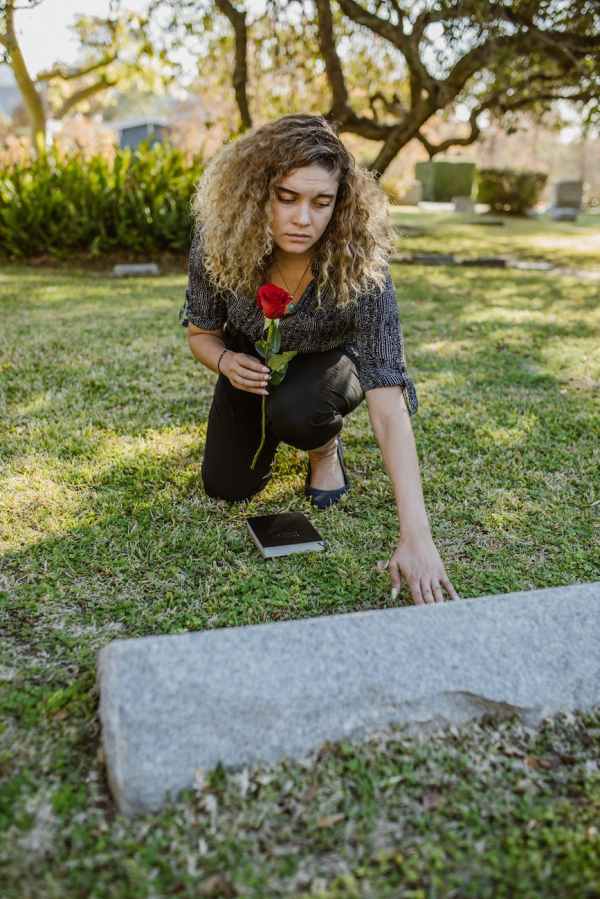
Today marks 25 years since I said “goodbye” to my father. My mother, sister, and I stood by his bedside at the hospital. The doctors had tried numerous times to re-start his heart. In the process, they had broken his sternum, and each new effort was causing additional pain and putting his lungs in danger of being punctured by bone fragments. His time was running out. We were allowed to come in and say our last words to him, before his worn-out heart finally stopped for good. I held his hand one last time, whispered that I loved him and that I would help take care of Mom. I kissed his forehead, and said a prayer. Mom and my sister did the same.

Earlier this year, I had to say goodbye to Mom as well. My sister and I were with her, and had read her mail aloud to her, as she had fallen into a coma. I was preparing to return home. I said, “goodbye;” I held her hand, kissed her cheek and turned to my sister. When I turned back around, Mom was gone–her oxygen machine was still running, but her heart had stopped beating, and she was peaceful and still. In that moment, I became an orphan.


Death is part of the curse of a fallen world. God is the source of all Life. In a fallen world, we are cut off from our life-source. Our mortal bodies must taste death. It is the consequence of Sin– our sin, and the sins of others. Disease, violence, aging, disasters, grieving, work, abuse– all conspire to drain the life out of our bodies. Life is a gift– we can’t “earn” it, and we can’t “hold on” to it indefinitely. Nor can we hold on to the lives of others–even those we love. Some day, I will lose my sister. Or she will lose me. Some day, I will lose, or be lost to my husband, my brother, my step-children, mother-in-law, grandchildren, cousins, friends, and neighbors.


And, just like leaves on the trees later this month, all of us will grow old, be changed, and fall into decay. Some will fall gently; others will be torn away by the winds of war, or crime, or cancer, or accidents. Some will fall early; others will cling to life until the last moment, but all will eventually die. More goodbyes. More grieving. More death.


But. God is the author of Life, not Death.


Death is not the end for those who have trusted their souls to God. Our bodies must still taste death. We must still say, “Goodbye” to those we love on earth. But our goodbyes are tempered with the promise that the One who conquered Death did so for US. Because Jesus was willing to die and able to rise again, we will also live again. And THIS life will be untainted and eternal. No more goodbyes. No more grieving and separation. No more fear of an unknown future that includes death. No more waiting. No more living without a father. Our Heavenly Father will never leave, never die, never suffer the ravages of age or disease, never fall. In fact, Jesus never said “Goodbye” to His disciples– it wasn’t in His vocabulary! He said that He would “Go to prepare a place…(John 14:2-3)”, and He charged His disciples to “Go into all the world…(Mark 16:15)” But He never said, “Goodbye!”

I had to say, “Goodbye,” to my wonderful parents. And I have the joy of knowing that our “goodbyes” are temporary. That I will see them again, even as I will see my Heavenly Father someday. So, while today holds in it the sadness of watching my Dad suffer in his last minutes of earthly life, it also holds the promise of reunion and restoration. My Dad will never again have to suffer; neither will my Mom. My future probably holds a few more “goodbyes.” But it also holds “Hello!” “Welcome Home!” and “I’m so happy to see you again!”

Photo by Polina Zimmerman on Pexels.com

I thank God for the lives of both my parents– for their testimonies of faith, for their good examples, and for the wisdom, laughter, and love they shared. And I thank God that their deaths were not the end of that love and joy. In fact, it will be even better to share someday what we could never have here on earth–eternal peace and freedom from grief and loss.

Twenty-five years seems like a long time, but it is a drop in the bucket of time, and nothing in light of eternity. That truth brings me great comfort as I face today. I hope you will be encouraged and comforted as well. Heaven is a place with no more “goodbyes.” And that radically changes the way I say “Goodbye” here on earth!

Blog at WordPress.com.

Up ↑