When God Asks a Question…

We often fear questions. We are afraid to ask questions; we are afraid of being questioned; we are afraid of asking the wrong questions or not asking the right ones. And we are often afraid of the answers, too.

Photo by samer daboul on Pexels.com

God is not afraid of our questions. In fact, He wants us to ask, to seek, and to knock (Matthew 7:7, Jeremiah 33:3, and others). God knows the answers to our questions– He even knows our motives in asking them! God may not give us the answers we expect, or answer in the manner or time we expect. But God encourages us to ask anyway, and to trust in His ability and His desire to give us what we need in the moment we most need it.

Photo by Munmun Singh on Pexels.com

God also asks questions–not because He doesn’t already know the answers, but because we can learn from the questions He asks, and the answers we give. Some of God’s questions seem self-evident; others are probing. Some are rhetorical; others are anguished. Let’s take a look at just a few, and see what we might be able to learn from them:

  • In Genesis 3, God asks some very obvious questions of Adam and Eve after they hide from him. “Where are you?” Adam and Eve had not successfully hidden from God. He knew exactly where they were and even why they were hiding. But instead of storming into the Garden of Eden with condemnation and instant judgment, God asked a simple question, giving them both the opportunity to confess, and a clear reminder of their broken relationship. There had never been a need (on either side) to ask “Where are you?” After Adam responds with the excuse of being naked and ashamed, God asks his second question, “Who told you that you were naked?” God knew the answer to this, as well, but He added a third question that forced Adam to get to the heart of the matter and tell Him the truth– “Have you eaten from the tree…?” God could have asked condemning questions– “How could you disobey me like this?” “Do you have any idea what you’ve done?!” But God isn’t asking questions to overwhelm Adam and Eve with their guilt and shame. He’s asking for truthful acknowledgment of their disobedience, so their broken relationship can begin to be repaired. God assigns punishment, but He does not bring additional questions and condemnation

Photo by Chinmay Singh on Pexels.com
  • In the very next chapter, God asks Cain a probing question, “Why are you angry? (And why has your countenance fallen?)” God knows the answer. He knows how Cain feels and what Cain is thinking. God knows it so well, that He challenges Cain to master his anger and turn his face upward (i.e. seek God’s counsel over his own emotions). We don’t like probing questions, because they reveal our selfish motives and dark impulses. But God actually WANTS us to be aware of our own tendencies–and our need for His wisdom and grace! God is not afraid of our darkest thought– He doesn’t want to expose them for our shame, but enlighten us for our own good!
  • In Genesis chapter 18, the Lord asks a rhetorical question, “Shall I hide from Abraham what I am about to do…” (concerning the destruction of the cities of Sodom and Gomorrah). God had already determined that they should be destroyed; He had no need to share this information with Abraham. But in asking the rhetorical question, God gave us a glimpse into His character (as well as a window into Abraham’s character!) God does everything with purpose. He is not willing to hide information we need, nor to waste time or energy on useless information. Imagine if we knew everything–everything!- that would happen to us for the next year? If we knew about that near miss at the intersection on May 22, or the toothache on June 2, or the “surprise” birthday party in October? But when God does choose to open a window, He gives us a chance to respond. Abraham did not choose to argue that Sodom and Gomorrah were not wicked cities, or that God had no business destroying them. His heart was driven to discover if God would destroy the innocent with the wicked. He got his answer (several times over!) And even when God did not find ten innocent people in the cities, He still offered rescue for Abraham’s nephew, Lot, and his family.
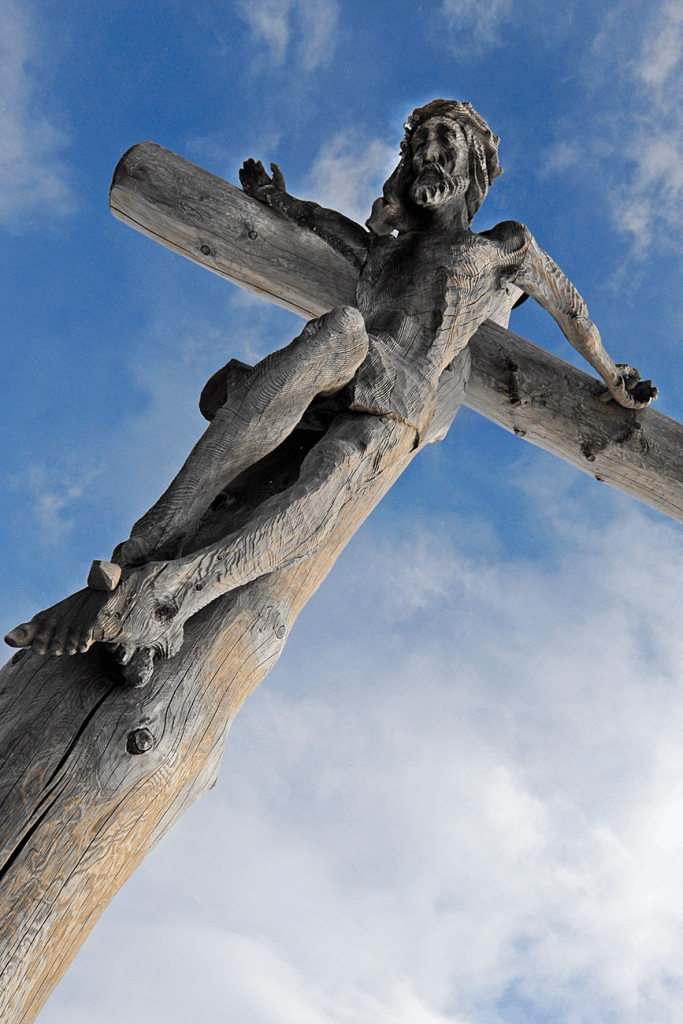
Photo by Pixabay on Pexels.com

  • It isn’t only God the father who asks questions. Jesus the son asked two agonizing questions in the New Testament. While He was dying on the cross, He asked the Father, “My God, My God, why hast Thou forsaken Me?” (Matthew 27:46). Jesus knew, intellectually and spiritually, why God had forsaken him; but His question echoed the one found all the way back in the Garden of Eden– “Where ARE you?” The ultimate anguish of being separated from God’s presence was felt by God himself! The agony of loneliness that comes from sin and shame and guilt– God knows it intimately from both sides!
  • Jesus also asked and anguished question of Saul of Tarsus– “Saul, Saul, why are you persecuting Me?” (Acts 9:4) Just as God asked Cain to look carefully at his motives and emotions, so Jesus challenges Saul to reexamine his activities and ambitions. Jesus knew, of course, why Saul was hunting down those who were preaching the Good News. He knew Saul’s ambition and his zeal for the Law. He knew that it had blinded him to the truth. And in Saul’s physical blindness, Jesus could “open his eyes” to a greater ambition and zeal–to preach this same Good News to the Gentiles– the same Gospel that is opening eyes around the world to this day to see the Awesome, Eternal, Victorious, and All-Encompassing Love of God.

Today, may we ask, seek, search out, study, cry out, knock on doors, and pursue this truth–God wants to meet with us! He wants to talk to us, to listen to us, to share closeness, to increase our Joy and be joined to us in our Grief, to lift up our countenance, end our isolation, and be the ultimate answer to our questions.


Photo by Saulo Zayas on Pexels.com

Sometimes, It’s the Little Things…

The other day started out frustrating. I went to the pharmacy to drop off a medicine container for a refill. There was a line. The man in front of me had a dozen questions, and demanded to speak to a specific staff member. By the time I reached the front of the line, I felt as though I was already running late for the rest of the day. I said I would pick up the refill later in the day as I didn’t have time to wait. Then, I went to buy a birthday card for my nephew. When I went to check out, there was no one at the regular counter– I had to use the self-check machine. It asked if I had a “rewards member” number. I entered it, but the machine didn’t register the number. A staff member (who could have checked me out at the regular counter!) helped me re-enter the number. Instead of discounting the price of the card, the machine ADDED to the amount, “rounding up” for a particular charity. I asked the staff member why this happened, and she said that I must have agreed to round up my total. I said, “No,” I hadn’t done so, but she said I must have done so some time in the past, and the machine automatically rounds up every time I make a purchase.

Photo by Alex Green on Pexels.com

It’s not that I want to be parsimonious–I like to think I am a generous person. But if I hadn’t typed in my “reward member” number, I would have saved a little money. To be more exact, I would have saved three cents! Now I know that sounds really petty, but sometimes, it’s the little things that really sting. After waiting (not all that patiently) at the pharmacy, this hidden consequence of a past act of generosity, coupled with the inconvenience of using the self-check, really made me angry.

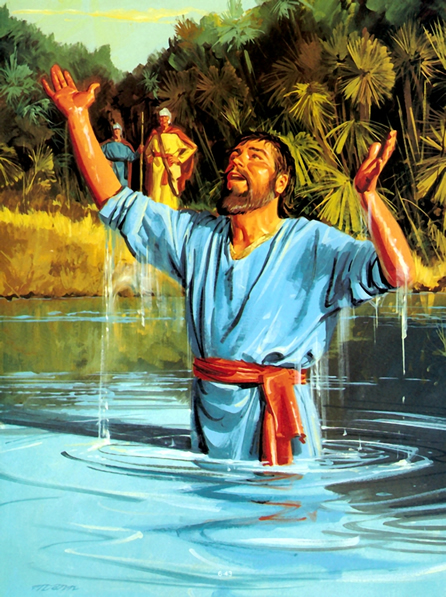
I am reminded of a story in the book of 2 Kings 5 about a man called Naaman. Naaman was the commander of the Syrian army under the powerful king Ben-Hadad. But Naaman had a big problem. He had contracted leprosy. Not only would leprosy destroy his skin and extremities, but it would make him an outcast and a pariah, and ruin his legacy. When he heard that there was a prophet from Israel who could heal him, he pulled out all the stops and went to see him. But Elisha did not come to the door. Instead, he sent Naaman instructions through his servant, and told him to wash seven times in the Jordan River.

Naaman felt insulted and infuriated. Why? It was such a simple solution– no drastic diet, no expensive and painful treatments–just take a bath in the river! But the Jordan River was considered dirty. That’s where the poor and destitute bathed, and where animals drank. Naaman almost lost his opportunity to be cured through pride over such a little thing. Thankfully, he was talked into doing what Elisha had asked, and he was completely healed. He was so grateful, that he asked for some dirt (!) so he could build an altar to the God of Israel who had provided his healing!

So often, God uses the little things to point out what really matters. After my less-than-gracious reaction to a couple of minor inconveniences, I had to step back and take a look at my morning from God’s perspective. The line of people at the pharmacy all had needs, and, like the man ahead of me with questions, each one had a right to service. It wasn’t their fault I was impatient or feeling “late”– and, it turned out, I wasn’t really behind schedule after all. I just didn’t like waiting! And my anger over the self-check machine was out of proportion. I still found a birthday card for my nephew, and I had the ability to go to the store, pick out the card, pay for the card, and I got to spend time with my nephew later that day. And some worthy charity got a whopping three cents!

Sometimes we fail to see the importance of the “little” things in life. And we allow “little” problems to grow all out of proportion. We allow petty injustices to fester; we withhold forgiveness; we get angry over perceived slights, and hand on to pride or envy. We forget to lift up “little” burdens and requests; we are blind to the “ordinary” blessings that fill our lives; we lose opportunities to do the simple things that can help others–a smile, a word of encouragement, a helping hand–we miss out on the miracles that hide among the “little” inconveniences of our day.

Photo by Andrea Piacquadio on Pexels.com

My prayer today is that God will open our eyes to the “little” things in our lives– opportunities, mercies, blessings in disguise– and that we, like Naaman, will find healing and joy where we least expect it!

For more on Naaman, you can check out these links: https://www.logos.com/grow/important-detail-forget-story-naaman/ https://www.biblestudytools.com/bible-study/topical-studies/tackling-the-sickness-of-pride-like-naaman.html

Flee!

As we bid goodbye to September and enter October, we are entering the season of Halloween and horror movies. I’m not too fond of this cultural phenomenon–I don’t like horror movies, and, while I don’t mind handing out candy to kids dressed up in clever costumes, I’m not thrilled about kids and adults “celebrating” witches, vampires, zombies, etc..

Photo by Yaroslav Shuraev on Pexels.com

While I don’t watch horror movies, or read horror novels, I have noted what others have told me about them. One of the strangest phenomena they report is the seeming inability of innocent people to escape the horror stalking them. This is sometimes part of the horror and the plot, but often, the “victim” has many chances of running away– but never does! (Or they wait until it is too late.) In fact, movie-goers often report the audience will sometimes yell at the characters to, “Run!” But they simply stand, fascinated or paralyzed by fear, waiting for their doom to catch up to them. Of course, this adds to the suspense of a fictional scenario, but it sets a terrible example for real life.

Photo by Trinity Kubassek on Pexels.com

Recently, I heard an interesting and disturbing parallel in reports about real “victims” from a public safety official. He said that in various crime scenes, like those involving a violent confrontation or an active shooter, many people who could reach safety, don’t. This is because they continue to watch the horror unfolding around them. They do nothing to stop it; nothing to avoid it; nothing to protect themselves. In fact, some of them take out their phones and start filming it–creating their own “real-life” horror movie. Instead of taking common sense precautions, they seem more interested in watching the “story” unfold, as if it had no power to touch them. Normally compassionate people will watch someone else being bullied, tortured, harassed, and even killed without calling for help or protecting themselves or others who could be pulled into the violence.

Photo by cottonbro on Pexels.com

There is nothing “entertaining” about violence and evil. There may be something instructive about watching evil being defeated, or violence being stopped, but there is greater wisdom in avoiding evil and violence in the first place. Evil should not make us curious– it should repulse us, and make us want to flee. Seeing a rattlesnake coiled and hissing should not cause us to reach out and try to pet it! Watching someone waving a loaded gun around should not cause us to whip out our phone and record it for later viewing.

Photo by Daniel Reche on Pexels.com

As Christians, we are warned to “flee from temptation” in the same way we are urged to flee from danger and horror. When we know something is evil, harmful, unwholesome, corrupt, poisonous, and unholy, we are to have nothing to do with it. This is not because we feel powerless in the face of evil. God is with us in any situation. But we are to stay away from situations and relationships that threaten our ability to do what we know to be honest, compassionate, and “right.” Jesus warned His disciples to “watch and pray, that you may not enter into temptation. The spirit indeed is willing, but the flesh is weak.” (Matthew 26:41 ESV) And in The Lord’s Prayer, He prayed that we would not be led into temptation, but delivered from evil. (Matthew 6:13) Jesus wasn’t saying that we should live in perpetual fear; rather that we should make it a priority to avoid ANYTHING that would draw us away from the goodness and mercy of God. Even in our prayers, we should ask God to keep us on the path of righteousness and keep us away from temptation and failure. Common sense alone will not keep us from dangerous behaviors like flirting with sin or dabbling in danger. God will provide a way out (1 Corinthians 10:13), but how much better to avoid the need for constant rescue!

Photo by Guy Kawasaki on Pexels.com

As this season approaches, I pray that God would keep me far from the path of evil. I don’t want to be like the “victim” in a horror film, paralyzed by fear or fascination, while sin and death come stalking. Nor do I want to be the bystander, filming someone else’s pain and torture instead of seeking help and protection. The spirit indeed is willing– willing to fight against evil; willing to grapple with it; willing to learn more about it; willing even to flirt with it. But the flesh is weak and vulnerable to deception, traps, and failure.

We are not to follow after the empty promises of temptation–“thrills and chills,” titillation, “secret” knowledge, “spine tingles,” etc.. Instead, we are to seek the sure promises of a Loving God– His guiding presence, His joy, His eternal Love, and His abundant Life.

Photo by Patricia McCarty on Pexels.com

Flee temptation; Run to Jesus!

The Greatest of These…

5-9 So don’t lose a minute in building on what you’ve been given, complementing your basic faith with good character, spiritual understanding, alert discipline, passionate patience, reverent wonder, warm friendliness, and generous love, each dimension fitting into and developing the others. With these qualities active and growing in your lives, no grass will grow under your feet, no day will pass without its reward as you mature in your experience of our Master Jesus. Without these qualities you can’t see what’s right before you, oblivious that your old sinful life has been wiped off the books.

2 Peter 1:5-9 (The Message)
Photo by Pixabay on Pexels.com

Love is patient, love is kind. It does not envy, it does not boast, it is not proud. It does not dishonor others, it is not self-seeking, it is not easily angered, it keeps no record of wrongs. Love does not delight in evil but rejoices with the truth. It always protects, always trusts, always hopes, always perseveres…
13 And now these three remain: faith, hope and love. But the greatest of these is love.

1 Corinthians 13:4-8;13 (NIV)
Photo by Pixabay on Pexels.com

In 2 Peter, the Apostle gives us a list of character traits that we should develop as believers in and followers of Christ. The last two seem similar, but there is a reason both are there, and both at the end. As we follow in Christ’s footsteps, we should develop traits that mark growth in our relationship with God– faith, patience, hope, etc. But we should also show growth in our relationships with other people. We should interact with others as God interacts with us– we should show compassion, forgiveness, concern, generosity, and selfless Love for others. “Brotherly kindness” is what we should be ready to show to everyone– neighbors, strangers, and even enemies, included. “Generous Love” is not just a feeling of deep affection or even good will. The Love we should develop is selfless and giving beyond what we can offer in our own hearts. It is the culmination of all the other characteristics we are developing as we seek to become more Christlike.

Photo by Inna Lesyk on Pexels.com

“We love Him, because He first Loved us.” 1 John 4:19– It is Christ’s example of Love, coming from Himself (Father, Son, and Spirit) that teaches us what Love really is, and causes us to be able to love in truth and fullness. Christ came to serve–He did not live for His own whims and gratifications. He gave audaciously, loved lavishly, forgave freely, and lived humbly. The Apostle Paul underlines what Peter says in his letter to the Corinthians, chapter 13. We should learn to have faith and hope, but in the end, Love is the greatest characteristic we can develop.

Photo by Pixabay on Pexels.com

My one-time choir director once asked us to do this exercise: Write out 1 Corinthians 13: 4-8. Now substitute the word “Jesus” for each instance of the word, “Love.” Because God is Love (1 John 4:8) this is a valid substitution. “Jesus is patient. Jesus is kind. He does not envy,” etc… Think about how Jesus demonstrated what Love is as He interacted with His disciples– including Peter’s denial and Judas’s betrayal– and with those in the crowds. This is our model, and our assignment– this is how we should Love. Now comes the real test…substitute Your name to see how closely your life and actions resemble those of Our Savior. Can you say that your are patient and kind? That you don’t hold grudges or become easily angered? That you always hope? Always persevere? Of course, there will be instances when we don’t live up to Christ’s example– but are we becoming more Christlike? Are we growing in Love? Type this passage out three times– in its original text, with Jesus’s name, and with your name. Print it out and hang it somewhere where you will be reminded, convicted, and encouraged to live out Christ’s Love. If someone else reads it, they should be challenged, as well.

Photo by Luis Quintero on Pexels.com

Bringing this Bible Study back around to prayer– are we praying through these characteristics? Do we come with faith, obedience, understanding and discipline, patience, wonder, compassion and love? Do we expect God to do OUR will, or are we eager to see His will be done? Do we believe that God rewards those who earnestly seek Him (Hebrews 11:6)? Do we rejoice in the truth, and always hope, even in the moments of pain and injustice? Our prayer life will follow our growth in all these areas. I pray that we are all growing more like Christ each day. Let today be the next step in that growth– turn from yesterday, let God take care of tomorrow, and grow in this moment.

Brotherly Kindness

5-9 So don’t lose a minute in building on what you’ve been given, complementing your basic faith with good character, spiritual understanding, alert discipline, passionate patience, reverent wonder, warm friendliness, and generous love, each dimension fitting into and developing the others. With these qualities active and growing in your lives, no grass will grow under your feet, no day will pass without its reward as you mature in your experience of our Master Jesus. Without these qualities you can’t see what’s right before you, oblivious that your old sinful life has been wiped off the books.

2 Peter 1:5-9 (The Message)
Photo by Daka on Pexels.com

I’ve been taking some time to contemplate the encouragement given by the Apostle Peter in this passage. Today, I’m looking at the phrase “warm friendliness.” It is also translated as brotherly affection, or brotherly kindness. If we want to pursue Godliness (of which the pursuit of prayer is an essential part) we must look at these characteristics, and put them into practice. Last time, I looked at reverent wonder, which would seem like the acme of such a list…after all, what could be better or more important in following Christ than to live in constant awe of God’s Holiness, Majesty, and Power? Peter answers this question with the last two characteristics– brotherly kindness/warm(th)/friendliness, and generous/selfless love.

Photo by RODNAE Productions on Pexels.com

We cannot claim to follow Christ and fail to follow His example in our interactions with others. Jesus Christ was a friend of the friendless. He radiated kindness and integrity and brotherhood– even to those who despised Him. Kindness and friendship, on the surface, don’t seem to be characteristics that require faith, spiritual understanding, or deep reverence. We can be kind to animals, we can have a lot of friends, and not be a Christian– or even be particularly spiritual. But this passage is talking about a different level of warmth and friendship. It doesn’t just happen because we like interact with someone who is likable, or worthy of warmth and friendship. It comes because we have had an encounter with the author of warmth and friendship– and Love. Jesus drew others to himself by His gentle warmth, His generous spirit, His genuine good will and compassion. Those who disliked Him were often upset at His treatment of the lowly, the marginalized, the “others.” Didn’t Jesus realize how sinful or despicable they were? Didn’t He care that they had leprosy, or that they were “unclean?” But that was the point…Jesus DID know. He knew them better and more intimately than anyone. And He wanted them to know that they were loved; they were worth dying for! Not because they were “clean” or “righteous;” simply because they were created in His image and the objects of His eternal passionate love.

Once we have matured and developed the fundamental characteristics of faith and patience, understanding and reverence, it should become more natural for us to radiate kindness, gentleness, warmth, loyalty, integrity, and friendship toward others. That is not to say that we become people-pleasers, or compromise our Spiritual Understanding and Faith. Instead, it means that we speak the truth in love; that we forgive easily; that we are eager to show compassion, strength, wisdom, and encouragement–especially where they may be in short supply.

Photo by Liza Summer on Pexels.com

This world needs more warm friendship and brotherly kindness– more positive encouragement and less cold criticism; more open arms and fewer closed fists; more hope and less despair; more earnest help, and fewer patronizing handouts; more honest conversations, and fewer dismissive “easy answers.”

We know the source of the greatest warmth, friendship, help, and hope in the universe! Let’s not “lose a minute” in making it part of our day, today! Pray for your neighbors, your co-workers, your families, your enemies, and all those who need a friend. Reach out to someone with hope and affection–be the arms and hands (and feet and smile) of God to someone today. It’s the next logical expression of the awe and reverence we owe to our Creator and Savior– to embrace those He Loves so dearly!

Holy, Majestic, Awesome God!

5-9 So don’t lose a minute in building on what you’ve been given, complementing your basic faith with good character, spiritual understanding, alert discipline, passionate patience, reverent wonder, warm friendliness, and generous love, each dimension fitting into and developing the others. With these qualities active and growing in your lives, no grass will grow under your feet, no day will pass without its reward as you mature in your experience of our Master Jesus. Without these qualities you can’t see what’s right before you, oblivious that your old sinful life has been wiped off the books.

2 Peter 1:5-9 (The Message) (emphasis added)
Photo by cottonbro on Pexels.com

I think one of the hallmarks of a Christian is not knowledge about God, but personal experience of God. And one of the signs of such experience is a reverent wonder– an overwhelming AWE– of God. Of who He is and how He works, what He has done, and what He has promised to do. As we grow in faith, good character, understanding, discipline, and patience, we are ready to absorb the absolute WONDER of this majestic, mighty, amazing God we serve. We revel in our own personal experience of Salvation, but we also begin to see the magnitude of God’s Grace, His Power, His Wisdom and His Holiness.

Photo by Min An on Pexels.com

Many of the ancient prophets tried to describe their encounters with God’s presence. Daniel and the Apostle John were paralyzed and prostrate when visited by angels. Paul was blinded by the light. Moses’ face had to be covered after being in God’s presence. because his face was so radiant. Isaiah was struck dumb. The list goes on… We may not experience the presence of angels or receive prophecies like they did, but we can experience a sense of ecstasy in contemplating our marvelous Lord and Savior.

One prophet who had such an experience was Habakkuk. Habakkuk lived in perilous and evil times. His nation was in rebellion toward God’s law, and its citizens, from the leaders and priests to the farmers and townspeople, were paying lip-service to God while prostrating themselves to foreign gods and foreign countries. The leaders lived in splendor, while many of their own people starved, or were sold into slavery. Habakkuk, in frustration, prayed to God, pleading for relief from evil, and judgment for the righteous. He had faith, was of good character, understood the law, had developed discipline, and had a passionate patience– but his patience was mixed with frustration. “How long must I wait to see justice and reform?” “How long will my people keep seeking help from wicked foreigners?” “When will we be free of oppression?”

Photo by Wallace Chuck on Pexels.com

Habakkuk was not just whining. He had a heart for his own people, and wanted to see what God would do. God’s answer was not what Habakkuk was expecting. God promised justice and redemption– but only after invasion, more oppression, and exile! God was sending a vast and merciless army to crush not only His own people, but all the wicked nations in whom they had placed their trust. God was going to “pull the rug out” from under the entire region. But then, He would punish the invaders, wiping out their power and restoring His people to their own land.

What was Habakkuk’s reaction to such news? At first, he was stunned; then confused. But in a very short time, his horror turned to worship. He resolved to stand at his watch; to station himself on the ramparts to see God at work. And as he waited, his perspective changed. God DID see the injustice and wickedness; the violence, lies, and betrayal. God had a plan– a plan so much grander and glorious in scope– a plan that had been in place from long before Habakkuk was born; long before his complaint. It was a plan that would not leave wickedness unpunished, but would bring justice in its proper time, and allow for redemption, restoration and renewal.

Photo by Frank Cone on Pexels.com

Habakkuk’s prayer (chapter 3) is a marvel of praise and worship:
“His glory covered the heavens, and his praise filled the earth. His splendor was like the sunrise; rays flashed from his hand where his power was hidden…” (v. 3b-4)
“You split the earth with rivers; the mountains saw you and writhed. Torrents of water swept by; the deep roared and lifted its waves on high. Sun and moon stood still in the heavens at the glint of your flying arrows, at the lightning of your flashing spear… (v.9b-11)
“I heard and my heart pounded; my lips quivered at the sound; decay crept into my bones, and my legs trembled. Yet I will wait patiently for the day of calamity to come on the nation invading us. Though the fig tree does not bud, and there are no grapes on the vines; though the olive crop fails, and the fields produce no food; though there are no sheep in the pen and no cattle in the stalls, yet I will rejoice in the Lord. I will be joyful in God my Savior. The Sovereign Lord is my strength; he makes my feet like the feet of a deer; he enables me to go on the heights.” (v. 16-19a NIV)

Photo by Orlando Vera on Pexels.com

How often does my heart pound and my lips quiver as I contemplate our Awesome God? How often am I joyful in God my Savior– especially in the midst of expected hardship and continuing evil around me? How often do I limit my sight to what is immediately before my eyes, instead of looking up at the one who holds every moment of the past and future; who controls the vastness of millions of galaxies, yet also sees each individual hair on 7 billions human heads, knows every grain of sand in the desert, and every drop of water in all the oceans; who tracks every molecule in the universe, but knows me by name?!

Photo by Snapwire on Pexels.com

May today be a day filled with reverent wonder, as we consider the Holy, Majestic, and Awesome God who has the power to redeem, inspire, and strengthen us for whatever lies ahead.

Passionate Patience

5-9 So don’t lose a minute in building on what you’ve been given, complementing your basic faith with good character, spiritual understanding, alert discipline, passionate patience, reverent wonder, warm friendliness, and generous love, each dimension fitting into and developing the others. With these qualities active and growing in your lives, no grass will grow under your feet, no day will pass without its reward as you mature in your experience of our Master Jesus. Without these qualities you can’t see what’s right before you, oblivious that your old sinful life has been wiped off the books.

2 Peter 1:5-9 (The Message– emphasis added)
Photo by Ana M. on Pexels.com

I’ve seen lots of posts recently about the “-ber” months–September, October, November, December–and the excitement for some as this season comes ’round. September in Michigan is filled with ripening fruits and changing colors. October brings pumpkins, apple cider, and frosty mornings. November is often spent thinking of and planning for Thanksgiving– bountiful feasts and time with family. And December brings the Christmas season– snow, caroling, giving and receiving gifts, and families gathered around trees and fireplaces, sharing old memories and making new ones.

Photo by Any Lane on Pexels.com

Part of this season of summer morphing into autumn and “falling” into winter is anticipation. The first apple harvest; the first frost; the first snowfall; those eager moments of wondering what will be under the Christmas Tree…we know they will come, but when, and how?

Photo by Vlada Karpovich on Pexels.com

My birthday is at the end of November, and as a child, I always loved Thanksgiving. It meant that family would gather, and at some point, they would sing “Happy Birthday” and there would be a cake among all the wonderful Thanksgiving desserts with my name on it! Four weeks later, Christmas would come, and the same excitement filled the house. It was difficult to be patient, but I learned that everything special was worth waiting for. In fact, sometimes, the anticipation is part of what makes such times more wonderful. There is no fun in rushing through precious moments or “ruining” the surprise of what is to come; nor is there any virtue in losing passion for what is possible, just because we can’t see the outcome, yet.

The Apostle Peter gave early Christians a list of attributes and spiritual traits that they should be developing in increasing measure. One of these attributes is “passionate patience.” In other translations, it is also called “perseverance,” “endurance,” “patience,” and “strength to keep going.” I like this wording, “passionate patience,” because it reminds us that patience isn’t just passive and meek. Especially as we work on building our spiritual understanding and alert discipline, patience becomes a powerful trait– one that distinguishes Christians from those around them. Some people are marked by impatience, anger, and dissatisfaction. Others are marked with complacency and resignation. Christians are asked to be passionately patient! Our faith and hope should radiate, even as we endure trials and anticipate God’s movement in the world around us.

Photo by Ivan Samkov on Pexels.com

Jesus modeled “passionate patience” in His ministry on earth. Peter was witness to Jesus’ endurance in the face of rejection, unbelief, misunderstanding, and injustice– both to those around Him, and personal injustices. Jesus remained faithful, passionate for the truth, and compassionate toward others. He did not give in to despair, or waste His energy in anger or revenge. He did not make excuses for inaction, but He did not “burn out” in useless activities, either. He confidently did what the Father told Him to do– no more and no less.

Photo by mohsen AMERI on Pexels.com

How do I reflect “passionate patience?” When I look around me and see injustice, do I explode in anger? Do I shrug my shoulders in resignation? Do I lose faith and passion? Or do I remain positive and faithful in doing what I know to be right and speaking up for the truth? Do I spread compassion or consternation? Antipathy, anger, or aspiration? When my life circumstances are filled with pain or hardship, do I endure? Do I persevere? Do I thrive? Or do I complain? Do I remain passionately hopeful, or give in to anxiety or despair? Do I wait for God’s strength and wisdom, or do I try to “fix” things in my own power? Do I accept help and guidance when I need it, or resent others’ efforts? Do I spread hope and healing? Or do I spread doubt and gloom? Do I grow bitter or better? I’d love to say that I respond with the kind of endurance, patience, and fortitude that Peter spoke of. And sometimes, with God’s help, I have. But I have much to learn, and room to grow!

Photo by Engin Akyurt on Pexels.com

I pray that God’s spirit will help me grow in “passionate patience,” as I actively seek to follow Christ and reflect His love today.

Be Ready!

5-9 So don’t lose a minute in building on what you’ve been given, complementing your basic faith with good character, spiritual understanding, alert discipline, passionate patience, reverent wonder, warm friendliness, and generous love, each dimension fitting into and developing the others. With these qualities active and growing in your lives, no grass will grow under your feet, no day will pass without its reward as you mature in your experience of our Master Jesus. Without these qualities you can’t see what’s right before you, oblivious that your old sinful life has been wiped off the books.

2 Peter 1:5-9 (The Message–emphasis added)
Photo by Syed Qaarif Andrabi on Pexels.com

Do you plan for emergencies? Most people have some basic idea or plan for expected circumstances; a first-aid kit for home accidents; a small store of food or water; perhaps a generator in case of a power outage… But how many of us have a plan for the unexpected? Not just a vague idea of “what if…” but a plan. Some people have a stock of toilet paper and bottled water for their house or apartment, but no plan for what to do if they need to evacuate or relocate due to a flood or hurricane, or if they lose electricity for more than three days due to a storm, or if their building should catch fire.

Photo by Roger Brown on Pexels.com

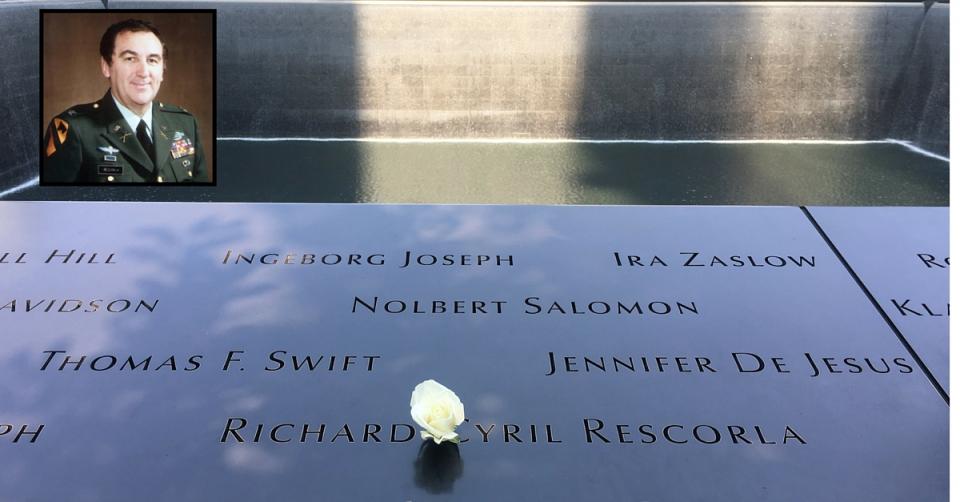
On September 11, 2001, when airplanes flew into the Twin Towers in New York City, several thousand people had to be quickly evacuated from the burning buildings. There were some plans in place; most had been misplaced or forgotten. And the chaos and confusion led to mixed messages– “stay put and wait for help…”,” don’t use the elevators…”,”get out as quickly as possible…”,” the stairways are unsafe…” But the vice president for corporate security at Dean Witter/Morgan Stanley, Richard Cyril Rescorla, was prepared for the worst. He had been planning and rehearsing for years after the failed attacks in 1993. He quickly implemented his detailed plans, ushering hundreds out of offices and into the stairwells, where they descended to safety in spite of the smoke and panic. He went back several times, checking to see who else needed help and guidance. Regardless of where they worked or who they were, Rescorla came with calm reassurance and authority, sending them into the path of rescue workers who could then offer greater assistance. Rescorla himself never made it safety– as he kept going up to get others out, he became trapped and perished when the towers fell. However, his years of planning, and his dedicated efforts on that fateful day saved the lives of hundreds, if not thousands of people. (See more here: https://www.911memorial.org/connect/blog/recognizing-war-hero-who-led-wtc-survivors-safety-911 )

We may not be called on to face another disastrous day like 9/11, but we are called to be alert and ready as we follow Christ. Those who followed Christ during His earthly ministry were called disciples. The name comes from the same root as discipline. They literally “walked” with Christ. They went where He went; they ate what He ate; they slept where He slept; they did whatever He asked them to do. If we seek to follow Christ, we must be ready to live lives of alert discipline. This comes after we take our first steps of Faith, and build on our character and understanding of God’s will. Our actions should not just be spontaneously “good” in the short-term, but patterned on the need to be prepared for the kind of challenges and trials we should expect to face. Just as Jesus was prepared for those who came to challenge Him with trick questions and false accusations, we need to be prepared to be challenged, rejected, and subjected to persecution. And we need to be prepared to respond, not with haughty complacency, outraged panic, or defensive tantrums, but with calm confidence and compassion.

The Apostle Peter, earlier in his letters, urges believers to be ready to give an answer (or a reason) for the hope that they have in Christ. (1 Peter 3:15) And this should not be a knee-jerk reaction to being challenged, or a snide commentary on doctrinal matters. We should be ready to be witnesses for the Majesty, Power, Grace, and Love of God as it has been experienced in our life and the lives of those around us. God never asked us to be His defense lawyers. He asks us to be faithful witnesses–not just of the facts about Him, but about our relationship WITH Him.

Photo by Andrea Piacquadio on Pexels.com

We also need to be prepared to be relocated or evacuated from lives of comfort, complacency, and expectation, in order to GO into the world and spread the Gospel. We will not all be called to be “missionaries” in the traditional understanding of the word, but we ARE all called to be on mission– to be ready to share our hope, our resources, our time, and our love– with others, near and far.

Photo by Porapak Apichodilok on Pexels.com

Today, I pray that God would continue to teach me as I live in obedience…that I would be alert and ready to speak, to walk, and to serve where and when and how HE sends. May I be ready to usher many others to safety as I share and live out the Gospel of Christ!

Spiritual Understanding

5-9 So don’t lose a minute in building on what you’ve been given, complementing your basic faith with good character, spiritual understanding, alert discipline, passionate patience, reverent wonder, warm friendliness, and generous love, each dimension fitting into and developing the others. With these qualities active and growing in your lives, no grass will grow under your feet, no day will pass without its reward as you mature in your experience of our Master Jesus. Without these qualities you can’t see what’s right before you, oblivious that your old sinful life has been wiped off the books.

2 Peter 1:5-9 (The Message– emphasis added)
Photo by Tobias Bju00f8rkli on Pexels.com

“For my thoughts are not your thoughts,
and your ways are not my ways.”
This is the Lord’s declaration.
“For as heaven is higher than earth,
so my ways are higher than your ways,
and my thoughts than your thoughts.

Isaiah 55:8-9 (Christian Standard Bible)

I do not understand God’s ways. If I try to work it out with human understanding, I will never make sense of how God works. I don’t have His wisdom or omniscience; I don’t have His eternal perspective or omnipotence. God will never answer all of my questions; He will never reveal all of His plans or reasoning to me. He calls me to walk in Faith, not by sight (2 Corinthians 5:7) This is a stumbling block to many. It is especially frustrating for those who think they already DO know (almost) everything, and believe that they should be able to speak to God as a peer, even to be able to consult Him! I knew of a man (a convicted felon) who refused to repent of his actions. He admitted that he had done wrong, and that his prison sentence was deserved, but when challenged with how he would answer before God, he simply said–“God and I will come to an understanding.” He simply felt that if he explained “his side of the story,” God would change his immutable commandments and make an exception.

Photo by Armin Rimoldi on Pexels.com

God doesn’t need anyone to “explain” anything to Him. Nor does He “owe” any of His creation an explanation for His actions or seeming inactions. I will never understand why certain injustices are allowed to happen, and seem to go unpunished in my lifetime. I don’t understand God’s timing in my life– why my father died when he did, or why I had to wait so long to be married. But I am learning to trust that God knows every injustice, every need, every situation we face, and that He WILL make all things “right” in HIS time and in His perfect way.

Photo by Munmun Singh on Pexels.com

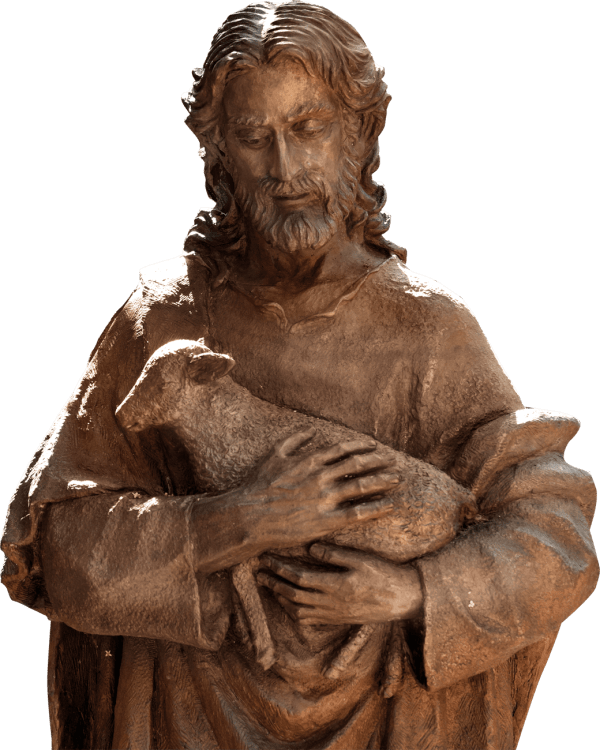
Spiritual Understanding has to come from the Spirit. It cannot come through our own wisdom or learning. It has to be built, not just on Faith, but on acting in Faith and walking humbly in conformity to our Good Shepherd’s example. We must become, not just “fans” of Christ, or even just students of Christ, but disciples of Christ, if we want to begin to have greater understanding. Like the apprentice, who must learn by doing, so we must learn through practice of God’s Word. We must also ASK for wisdom and understanding. (James 1:5) They are gifts, just like Salvation. We don’t earn understanding; we are granted it as we walk in obedience and faith.

Photo by Keenan Constance on Pexels.com

Today, my prayer is that I would receive insight as I learn to trust, and I would trust that God will give the wisdom I need for the day ahead– no more or less, and not a moment too late or too soon. And experience confirms that He is faithful to do just that!

For Goodness’ Sake!

5-9 So don’t lose a minute in building on what you’ve been given, complementing your basic faith with good character, spiritual understanding, alert discipline, passionate patience, reverent wonder, warm friendliness, and generous love, each dimension fitting into and developing the others. With these qualities active and growing in your lives, no grass will grow under your feet, no day will pass without its reward as you mature in your experience of our Master Jesus. Without these qualities you can’t see what’s right before you, oblivious that your old sinful life has been wiped off the books.

2 Peter 1:5-9 (The Message)
Photo by Lukas on Pexels.com

What does it mean to be “good?” This is a question that Jesus posed to the Rich Young Ruler in Luke 18:

18 A certain ruler asked him, “Good teacher, what must I do to inherit eternal life?” 19 “Why do you call me good?” Jesus answered. “No one is good—except God alone. 

Luke 18:18-19 (NIV)
Photo by The Lazy Artist Gallery on Pexels.com

Jesus went on to list several Biblical commandments– you shall not commit adultery, you shall not murder, you shall not steal, etc.., but even when the young man answers with confidence that he has kept all these commandments, Jesus says, “you still lack one thing. Sell everything you have and give to the poor, and you will have treasure in Heaven. Then come, follow me.” (v. 22)

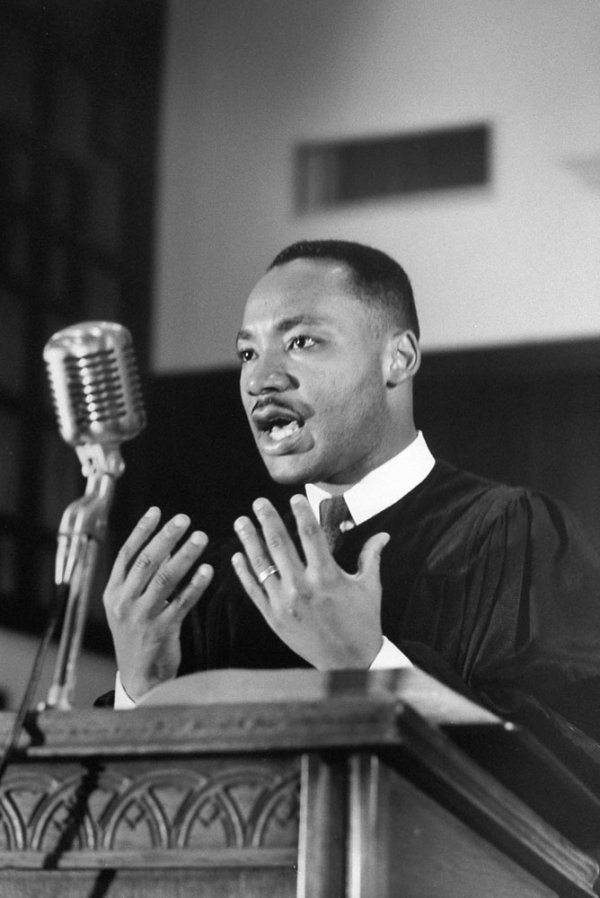
Civil Rights activist Rev. Dr. Martin Luther King Jr. gesturing during sermon at Ebenezer Baptist Church. (Photo by Donald Uhrbrock//Time Life Pictures/Getty Images)

Being “good” is not a matter of avoiding evil. It is more than being “correct” in our principles, and upright in our actions. Martin Luther King, Jr., in his famous address in 1963 said that he dreamed of a day when his children… would not be judged by the color of their skin but by the “content of their character.” Character, and more specifically the “good character” mentioned by Peter in the above passage, includes thoughts, principles, actions, and habits by which we are judged. I may never commit murder in the literal sense, but I will be judged wanting in character if my words and actions are vicious, snide, malicious, sarcastic, and brutal. I may never be convicted of theft, but I may be judged harshly for being ungenerous or miserly toward those in need. Dr. King wanted his children to be judged–positively–for their character, not for something as superficial and arbitrary as skin color, nor for whatever they hadn’t done.

Photo by HASSAN YAR JANJUA on Pexels.com

The young ruler in Luke’s story, not willing to give away his possessions, went away disappointed. But he missed the more important calling– “Then come, follow me.” Jesus wasn’t being self-effacing when He asked, “Why do you call me good?” Far from it! Jesus WAS good– He was (and is) the embodiment of Goodness! It is not through ritualistically following the commandments that anyone becomes “good.” It isn’t even in the self-sacrificing act of giving away one’s possessions. It is in the humble act of following the Master! To follow Christ is to step out in faith, and to walk in goodness.

Photo by Taryn Elliott on Pexels.com

Peter makes the natural connection that James also makes in his epistle– that Faith, while fundamental, must build good character through our actions, words, and habits. Faith, without works, is dead. (James 2:14-26) So the next building block is developing a good (or Godly) character. Our lives should reflect the Goodness of Christ. We won’t be perfect. But we will be given strength and guidance by the Holy Spirit to walk in Goodness. And as we walk, we will build on that foundation with the next step…Spiritual Understanding. (More about that next time.)

Today, I pray that God will show me how, and His Spirit empower me, to develop in goodness; that I would become more like the “Good Teacher” who is also my savior and Lord. For Goodness’ Sake!

Blog at WordPress.com.

Up ↑