Orphan Train

Across from our shop, there is a mural that tells the story of the first “Orphan Train.” In October of 1854, 45 children– some orphaned, others abandoned–arrived in southwest Michigan from New York City. Conditions for such children in the large cities were dangerous. Floods of immigrants included children who had lost their parents on the voyage to America, or who had been separated from their families upon arrival. There were very few orphanages, and almost no resources dedicated to child welfare. Hunger, disease, crime, and exposure to the elements meant that many children never lived to maturity. Most of them lived on the streets; ignored, preyed upon, or simply forgotten. A group called the Children’s Aid Society, founded in 1853, had tried helping children– especially boys–but their limited resources were overwhelmed within the first year.

Section of the Orphan Train Mural, Dowagiac, Michigan (Ruth Andrews)

It was the idea of a man named Charles Loring Brace that large numbers of these children could escape the dangerous environs of the city and find safety and hope in the expanding “West.” With the help of the new railroads, groups of children could travel west, where kind-hearted families could adopt them. Food, shelter, education, fresh air, opportunity, and a loving family- this was the promise of the orphan train. For some children, it was the start of a wonderful new life. For some, it was trading a hard life in the city for a hard life on the frontier.

I can only imagine how frightening it must have been for the first train-load of orphans to travel here. Few people had ever traveled by train in those days. Some of the children had never traveled more than a few blocks from where they had been born– had never seen a farm or a forest. Part of their journey was on a steamboat. The journey would not have been comfortable, but it would have been exciting and even terrifying at times. They had no guarantee of finding homes or families who would be willing to take care of them– only the hope that someone might.

What does this have to do with prayer? Well, the obvious connection would be that everyone involved with this venture must have prayed diligently. All 45 children were placed with local families in that first journey. And the success of this first placement encouraged future endeavors. The “orphan trains” ran for 75 years, and carried nearly a quarter of a million children to new homes throughout the growing United States. And while not every child found a “happy ending” with their new family, most of them survived to create a new life as adults–an opportunity many other orphans had been denied.

Orphan Train Mural, Dowagiac, Michigan (Ruth Andrews)

But it struck me today, as I was looking at the mural and thinking about the fate of these children, that we are or were all in a similar situation. I am so thankful to be able to pray to my Loving Father– but there was a time when I was lost and without hope. There was a time when Sin had made me an orphan. I was alone and frightened and helpless to save myself. Like the orphans in first part of the mural, I was sick and sad, my best intentions were no more than tattered rags. Even as they line up to board the train, their faces show fear and pain.

It can be frightening to call out to God– frightening to leave the life we know, even when it is dangerous and unhealthy. God’s way takes us to uncomfortable and unfamiliar places–we can’t see the road ahead, and we don’t know what our “new” life will be like.

As I gaze once again at the mural, the last section shows an idealized version of the “new life” experienced by the riders of the “Orphan Train.” It shows a groups of children in a circle, holding hands and playing in the sunshine among grass and trees, while a bird flutters nearby. It is a heavenly place– the children’s clothes are clean, and they look healthy and happy. And while this is an ideal, rather than the reality for some of the children, it is a reminder of the contrast with the life they left behind.

Thanks be to God for His Grace that rescues us from the ravages of Sin. He offers us an escape to a new life– complete with a new family and a glorious hope of Heaven. He offers full adoption– guaranteed by the blood of His own Son– for those who will choose to leave their old life of Sin behind and travel as an orphan on His own “Orphan Train.”

I mean that the heir, as long as he is a child, is no different from a slave, though he is the owner of everything, but he is under guardians and managers until the date set by his father. In the same way we also, when we were children, were enslaved to the elementary principles of the world. But when the fullness of time had come, God sent forth his Son, born of woman, born under the law, to redeem those who were under the law, so that we might receive adoption as sons. And because you are sons, God has sent the Spirit of his Son into our hearts, crying, “Abba! Father!”

Galatians 4:1-6 ESV (via biblegateway.com)

https://www.desiringgod.org/messages/adoption-the-heart-of-the-gospel

Prepare Him Room

“Let every heart prepare Him room,
And Heaven and Nature sing!”

from “Joy to the World”, by Isaac Watts

I cleared a space in my living room for a tree.
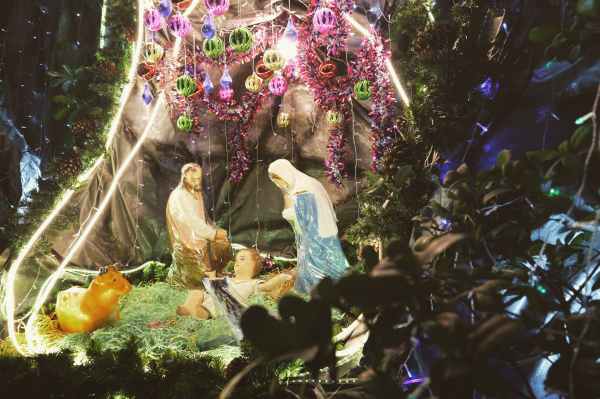
I placed a Nativity set on our newly-cleaned mantle place.

I found a cozy nook to wrap all the Christmas gifts,
And I used candles and decorations to fill all the empty space.

I cashed in my Christmas club money to buy the gifts
For friends and family.

I set aside money to buy stamps for Christmas cards
And to give to charity.

I cleared my schedule and made time for
All the extra running this Holiday season.

For parties and shopping with friends;
For Church and family–all excellent reasons!

But it wasn’t until I made time and space for the Babe–
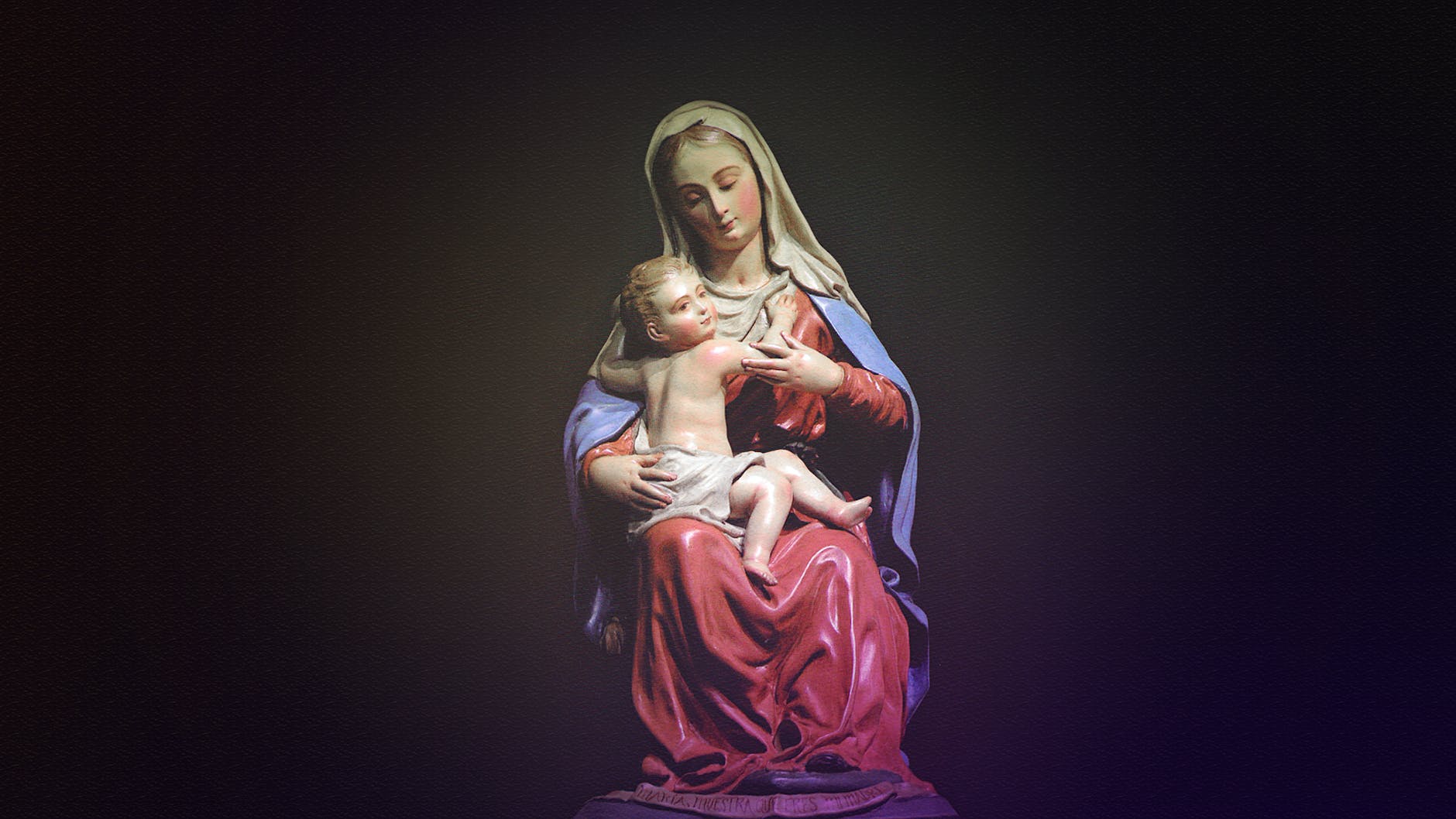
God come to Earth as a baby Boy–

It wasn’t until I let go of all of “it” for “HIM,”
That my heart was transformed with Unspeakable Joy!

Christmas has room for bells and lights,
For carols, and cookies, and festive nights.

Christmas has room for laughter and presents.
But it isn’t really Christmas without HIS PRESENCE.

“Let every heart prepare Him room” this year.
Let every heart be filled with true cheer.

Let us Adore Him–far and wide–
This Savior who was born; who died

And rose victorious over the tomb!
Who entered our world in a Virgin’s womb,

The one who came to save the human race;
The one who is filled with “redeeming Grace!”

May Christmas Day, and ALL our days
Be filled with Wonder, Joy, and Praise!

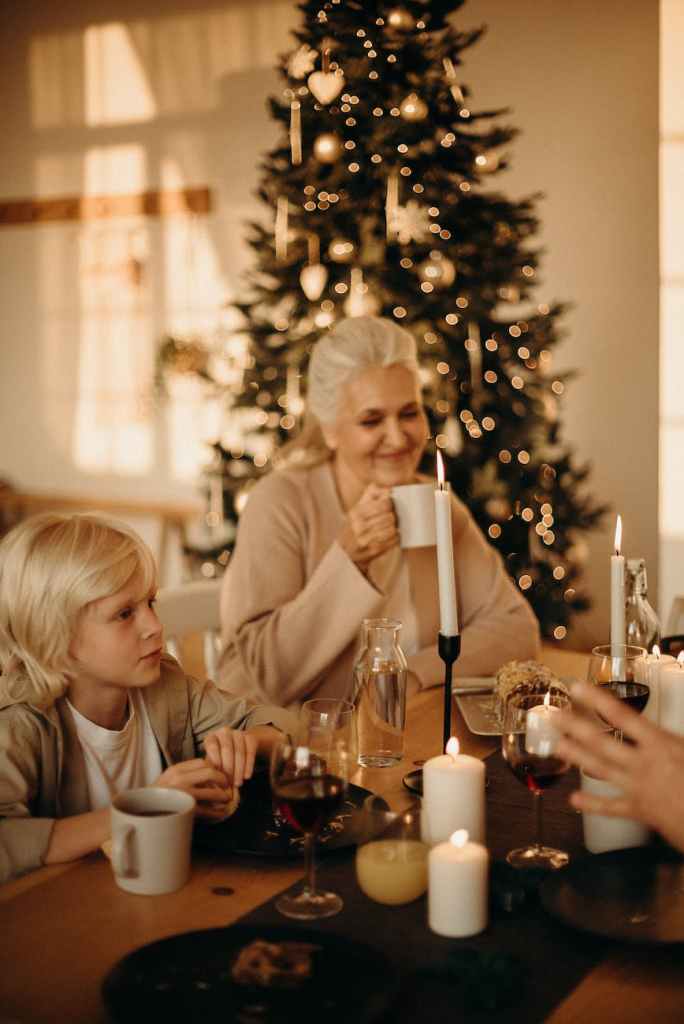
Today, as we celebrate the coming of Jesus Christ into the world, let us remember that He came into a world that wasn’t prepared. There was no room in the inn. There was no baby shower, anticipating the arrival of a long-expected birth. In fact, His birth came without all the trappings that we have added to the Holiday. I love all the wonder of the Christmas Season– all the lights and songs; gathering with family, and friends, Advent services and Christmas Eve candlelight vigils, gifts and cookies, Christmas movies and Christmas cards– I could go on for pages!

But the heart of Christmas comes quietly and simply; when we step back from all the glitter and activity and take in the absolute wonder that the God of the Universe stepped into all the limitations of His Creation– a world of time and space, dirt and disease, broken hearts and broken bodies–and He did it for YOU and for ME. He had to be fed and changed–the ruler of Nations!–and placed in a manger to lie in all the helplessness of infancy. He had to walk wherever He wanted to go. He had to eat and sleep and wait in lines and wash away the dirt and sweat of His exertions. He had to listen to the foolish arguments and explain Himself to critics whose very souls He had lovingly created. And He let them condemn Him unfairly and kill Him in the most painful and humiliating way they could dream up.

Christmas is about Joy bursting into a world that was NOT prepared for it. It is about the inextricable link between suffering and celebration; between seeking and being sought out; between salvation and sacrifice.

Our Joy at Christmas cannot be manufactured by songs or gifts or entertainments. It can’t even be found in rituals and traditions. But when Jesus finds room in our meditations, our relationships, and our lives, Joy is the overflow.

May we all find Joy this Christmas– whether or not we prepared in advance; whether or not we checked off all the items on our “to-do” lists; whether we can afford all the trimmings and decorations; even if we are crying out in the darkness– may the Joy of Christmas burst upon us, just as Jesus burst upon a weary world so long ago! 

“Joy to the world! The Lord has Come!”

Ugly Christmas Sweaters

It’s that season of the year, when several companies have their annual “Christmas Parties.” Some companies, in an effort not to offend any of their employees, investors, etc., have stopped calling them “Christmas” parties– they are “holiday” parties or “year-end” celebrations. In fact, at one place I worked, they stopped having any parties for the employees, claiming it was a “bad look” to “waste” money on such nonsense! Bah, Humbug!

But company Christmas/Holiday parties have a tendency toward the silliest and least meaningful ways of celebrating what this season and its holidays are all about. Often, the festivities involve a cash (or open) bar, some sort of anonymous gift exchange– white elephant or “secret Santa” with a spending limit of $5 or $10 dollars, and an ugly sweater contest.

And there is an entire industry predicated on the modern tradition of the “ugly” holiday sweater. Garish, loud, often bedecked with pom-poms, tinsel, or even battery-operated flashing lights, such sweaters can cost a minor fortune. They get worn once a year (twice if you have to go to a second party with a spouse, friend, or as a chaperone). And, while I don’t want them banned, I think they represent some of the worst excesses of our modern first world. They serve no higher purpose than to draw attention to bad taste and mock the core values of Christmas, Hanukkah, and other seasonal holidays. They are about tacky and fleeting entertainment, at the expense of higher virtues. 

I’m not trying to be a Scrooge or a Grinch. The holidays should be a time of joy and laughter. But is a tacky sweater really the best we can come up with? Is it in the top ten best ways to enjoy a season of miracles, love, light, giving, and hope? (I feel the same way about the focus on drinking– waking up hungover and sick; not being able to remember the end of the party– how is this “fun?”)

In our effort to have “Christmas” without “Christ” or Hanukkah without miracles; in our efforts to erase God from the celebrations of HIS goodness, we have created a level of fake celebration that echoes the story of “The Emperor’s New Clothes.” We’re walking around with ugly sweaters, each more elaborately ugly than the one before, considering it a triumph to be the biggest fool in a forest of foolishness.

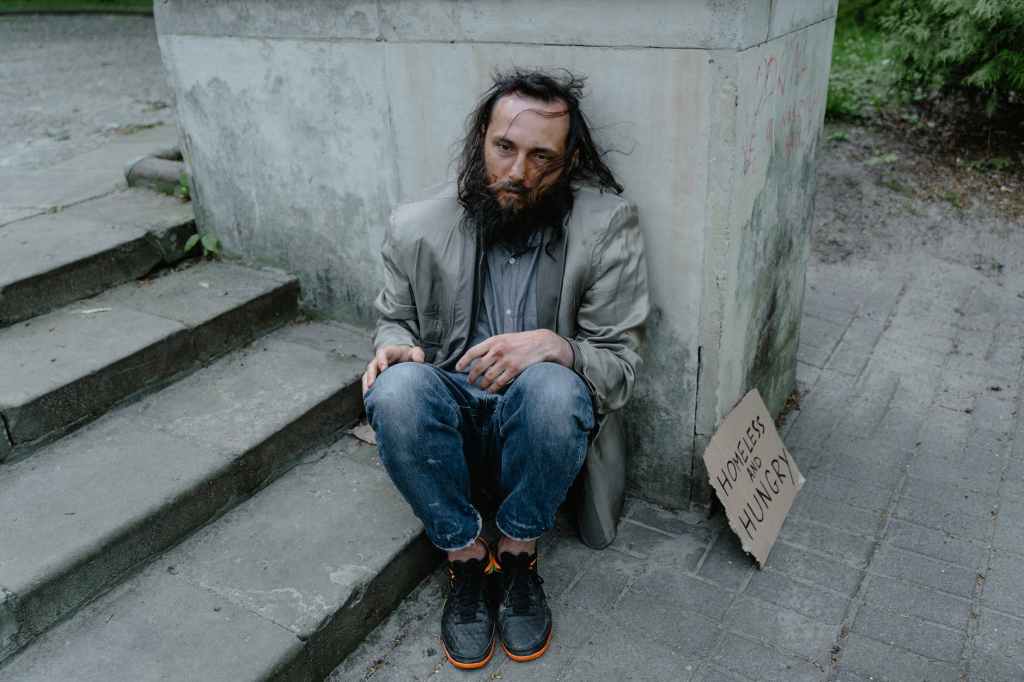
Imagine giving that ugly Christmas sweater to someone who was homeless and had no warm clothes. Would it make you laugh to see someone in those circumstances wearing your once-a-year indulgence? Would your ugly sweater bring hope and healing to those who are refugees this season? Do you wear it when no one else can see it? The sweater isn’t about the season. It really has nothing to do with the meaning of the Holidays. It’s about impressing people with your willingness to stand out; your ingenuity in finding an uglier sweater than anyone else; it’s about YOU.

What would happen if, instead of an ugly sweater contest, seeing who can drink the most before passing out, or a white elephant exchange of worthless gifts, companies celebrated with worthwhile activities– building community ties, honoring achievements, or maybe even reflecting on miracles in our midst? What if our celebrations were less about empty amusements and more about reflecting on what is genuinely worth celebrating–health, friendships, family, hope, and purpose? They might be less amusing, but they might also be more memorable and meaningful.

There’s nothing “wicked” about ugly sweaters or white elephants– but they are becoming symbols of the kind of “Christ-less” Christmas that offers mild entertainment, but no hope for the dark days of a long winter. They are some of the symbols of excessive economic wealth in the midst of emotional and moral poverty. Naked and empty entertainment, pretending to offer light and satisfaction, but settling for glitter and gluttony.

Today, I’m going to wear a sweatshirt to keep warm, and I’m going to spend some time with my family– building memories that will last much longer than last season’s ugly sweater! And I will spend some time thanking God for the sweatshirt, my grandkids, and for the incredible gift of His Son–the real meaning of this season of love, gifts, miracles and hope–our real reason for celebrating Christ-mas!

What If HE’D Never Been Born?

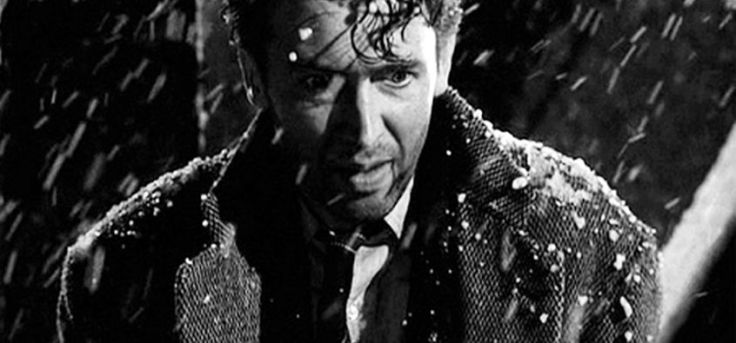
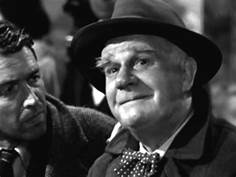
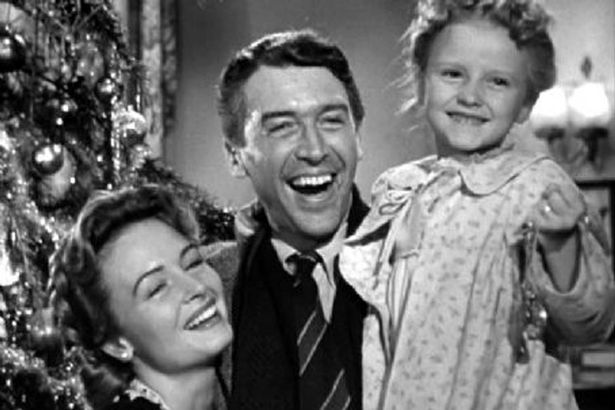
One of my favorite Christmas movies has always been “It’s a Wonderful Life.” The movie tells the story of a man who finds himself desperate, sad, frustrated, angry, and suicidal on Christmas Eve –sounds like a real winner, huh? But before he gets to that point, Heaven is preparing an angel to come to his rescue. Through the eyes of the angel, the viewer “gets to know” George Bailey– his family, his friends, his struggles and his joys–and gets to see his life in perspective. The angel, Clarence, decides to give George an unusual gift– the chance to see what the world would be like, not just if he were to commit suicide, but what it would be like if he, George Bailey, had never existed. George is astounded and horrified to see the effects of his absence, and he learns to value his life, his family, and his friends as never before.

The dramatic effect of one person’s life cannot be overstated, but this is especially true of the life of Christ! Can we dare to imagine what life would be like today if Jesus had never been born?

Of course, the most obvious and tragic consequence is that there would be no Salvation by Grace. For a more complete discussion on this, there are several other essays and even books, including “What if Jesus Had Never Been Born” by D. James Kennedy and Jerry Newcombe. (Full disclosure: I have not read this book– I just found out about it as I was writing this, but I trust it is a good resource.) And all speculation on this subject is just that– the Bible is clear that it was always God’s plan for Jesus to come, to live, to die, and to defeat death, just as He did, just when He did. Any alternative vision is not from God, but from our own imaginations. But what other “ripples” do we take for granted in our world, that would not have happened (or would have happened very differently) if Jesus had never been born, or had not completed the work of His life, death, and resurrection?

  • There would be no Christmas. Not just the Christian celebration of Christmas, but much of what we call “secular” Christmas. While some cultures might have a local festival for winter solstice, there would be no worldwide celebration such as we know.
  • There would be no “Santa Claus,” no “St. Nick,” no “Father Christmas,” no “Papa Noel”, etc. The model for our modern Santa Claus, St. Nicholas, wouldn’t have been a Christian Bishop in Asia Minor, because there would have been no Christians there, or anywhere else.
  • No Christmas Cartoons– no story about Rudoph the Red-Nosed Reindeer; no singing elves and jolly Mrs. Santa Claus; no Heat Miser and Snow Miser (if you know some of the other Rankin-Bass productions..) Hours of childhood memories erased.
  • No other Christmas stories and movies– no Scrooge and Marley; no MIracle on 34th Street; no “Yes, Virginia, There is a Santa Claus”; no “Santa Clause” (and its successors) no “Christmas Story” or “Christmas Vacation”; not even Hans Gruber falling from the Nakatomi Tower. Millions of DVDs, books, VHS tapes, local theater productions– never existed.
  • We can kiss Frosty the Snowman goodbye, as well. Without the magical snowfall of Christmas, the story never takes shape– literally.
  • No Christmas Carols or Christmas music. I know of at least three local radio stations that are playing Christmas music exclusively right now. They started the day after Thanksgiving, and they will continue through the end of the month. Thousands of Christmas songs– from favorites like “O, Come All Ye Faithful,” and “O, Holy Night,” to annual disasters, like “Last Christmas,” and “Santa, Baby”– all wiped out.
  • No Christmas cards. Millions of cards are sent out each year, connecting family and friends around the world. Except there wouldn’t be any if Christ had never been born.
  • No Christmas Lights.
  • No Christmas shopping. (And while that may seem like a good thing for my personal budget, have you ever looked at what the Christmas season means for most Western economies?) No Christmas wrapping; no Christmas ornaments; no Christmas sweaters or socks; no Christmas candy or cookies…
  • No Salvation Army bell ringers at the stores– no Salvation Army; no reason to ring bells…
  • No Christian charities– not just the Salvation Army, but every other charity that was founded on Christian principles, or for Christian outreach…no downtown rescue missions, no soup kitchens, no international Christian efforts to rescue hurting children or provide relief for families. I by no means want to suggest that ONLY Christians are charitable, or that NO charities would exist without Christ. Charities are a mainstay of most religions, and always have been. The distinction I would make is that more Christian charities have been developed and have thrived in the last 2,000 years, than charities started by other religious and secular organizations, and there is evidence that they do more efficient and more broad-based work than their counterparts. https://www.christianpost.com/news/christian-charities-more-reliable-than-others-according-to-forbes.html
  • No Christian colleges or universities– Are you a fan of Notre Dame Football? Sorry. Notre Dame doesn’t exist. Neither do Harvard, Yale, Princeton, Cambridge, Oxford, Saint Andrews, Georgetown, and several other colleges and universities throughout Europe, North America, and elsewhere. Even universities that are completely secular today were once founded on the idea that education was a Christian virtue. This doesn’t mean that there would be no places of higher learning– there would just be far fewer than we know today.
  • No “Christian” books– and this includes books that introduce Christian concepts, allegories, and allusions. No “Pilgrim’s Progress,” no “Jane Eyre.” no “Lord of the Rings…”
  • No Churches– no cathedrals, no picturesque country chapels, no strip mall fellowships, no megachurches…
  • None of the Christian Memes; Promises; favorite verses… no Beatitudes; no Fruit of the Spirit; no “Golden Rule,” no Romans 8:28 or John 3:16 or Philippians 4:13…
  • No Twenty-First Century! Our calendar is literally based in part on the assumed birth of Christ. And while there are other calendars– Chinese, Aztec, Hebrew, etc., that are numbered differently, most of the world uses the Roman/Julian/Gregorian Calendar, which splits time into B. C. or B.C.E. — literally “Before Christ” or “Before the Christian Era”, and A.D. (Anno Domini– year of our Lord!) or C.E. “Christian Era.”

It paints a pretty bleak picture. Our world, as we know it, would be vastly different if Christ had never been born. That is not to say that the innovations, inventions, or achievements of the past centuries might NOT have happened at all– but they would have happened without the same purpose and effect. Many of the events of the past two millennia were inspired by, undertaken by, and driven by the message of the Christ– His birth, death, resurrection, and promised return! We hear about some of the negative things of the Church– wars and excesses, scandals and failures. But what about the successes– the transformation of violent cultures and conflicts into peaceful resolution, the drive to end slavery, cure illnesses, eradicate hunger–so many of the blessings we enjoy here on earth are the result of work done by those who long to love their neighbors as themselves and to see God’s will done “on earth as it is in Heaven!” The Joy and Generosity of the Christmas season cannot be separated from its central cause. The Wonder, the sense of the Miraculous and Holy, the sense that there is something “More” beyond a crisp winter morning or a day off work or a genial meal with friends–it all MEANS something. It doesn’t just come from nowhere, or a human desire to be kinder this one day each year. The character of George Bailey exemplifies an ordinary life that has meaning and purpose. His sense of purpose has gotten lost in the crush of bills, obligations, disappointments, and injustices. His prayer is one of quiet desperation; he is completely unaware that it is part of a vast chorus of prayers. But God hears it– and God sends Clarence!

There is a reason that George is visited by an Angel on Christmas Eve. Clarence may not be suave and sophisticated; he may not have intellectual arguments that can help George comprehend all of life’s wonder and purpose. But just like the angels at the first Christmas, Clarence comes from Heaven. He is God’s chosen messenger. He brings Heaven’s perspective and truth into a dark world, showing George what IS and HAS BEEN and what CAN BE– all because George was born– because CHRIST was born! It IS a WONDERFUL Life– not because of our circumstances, but because God’s Greatest Gift redefines our circumstances and transforms our perspective!

4-7 But when the time arrived that was set by God the Father, God sent his Son, born among us of a woman, born under the conditions of the law so that he might redeem those of us who have been kidnapped by the law. Thus we have been set free to experience our rightful heritage. You can tell for sure that you are now fully adopted as his own children because God sent the Spirit of his Son into our lives crying out, “Papa! Father!” Doesn’t that privilege of intimate conversation with God make it plain that you are not a slave, but a child? And if you are a child, you’re also an heir, with complete access to the inheritance.

Galatians 4:4-7 (The Message)

George emerges from his nightmare experience to find he is, in fact, “the richest man in town.” Oh, that we would wake up this Christmas morning fully aware of the rich heritage that is ours– because WE were born. Because HE was born! Because we can be BORN AGAIN!

Give Thanks!

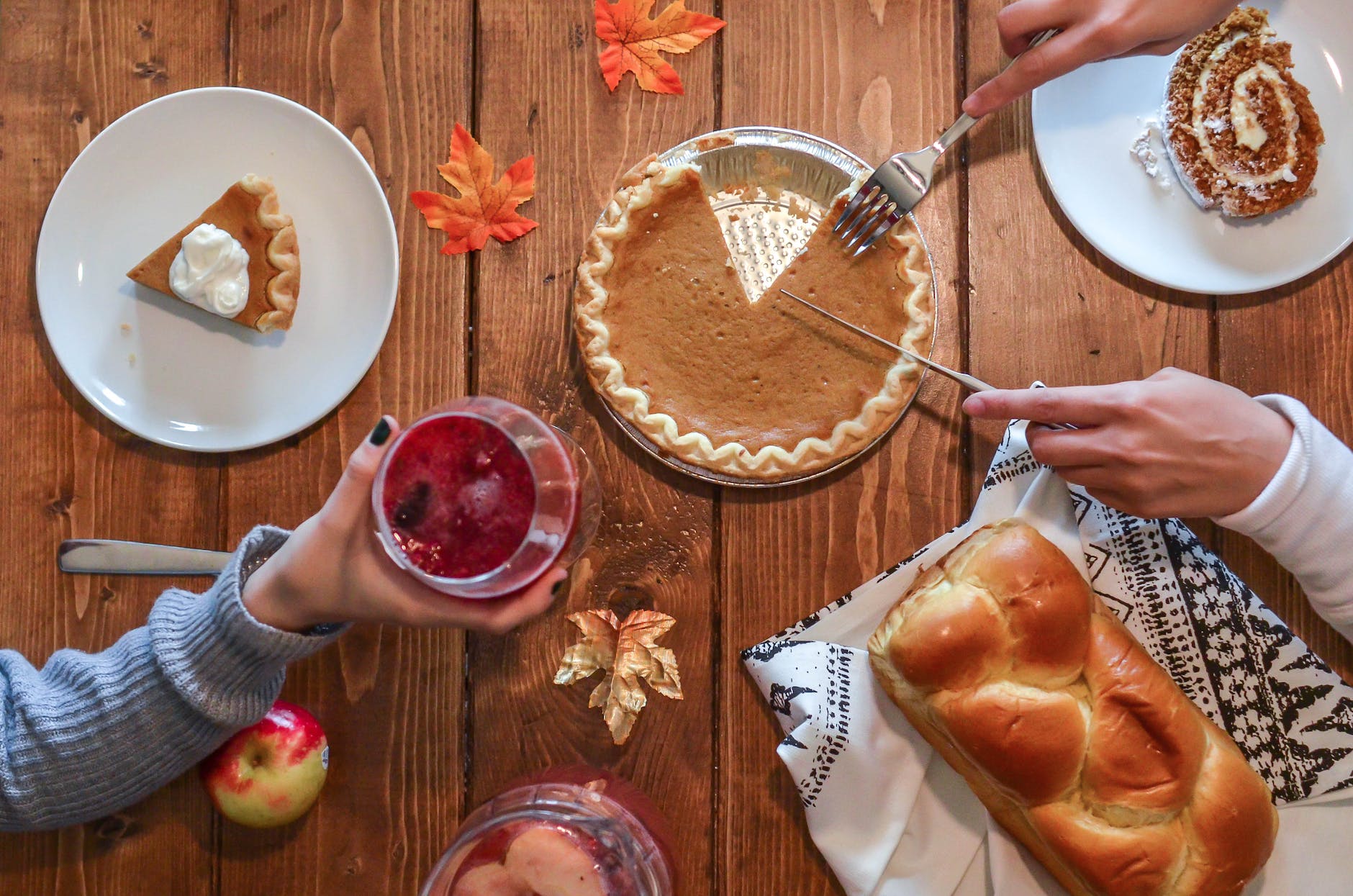
At least once each month, I want to share some practical thoughts about pursuing a life of prayer. Since we are in the Thanksgiving season, I thought I would share some ideas about giving thanks.

It’s easy enough to say, “Thank You!” when we receive a gift or someone does something special for us. After all, it’s just two small words, and they are (usually) welcome words at that. But what are some practical ways to grow in our expression of thankfulness and gratitude this season?

  • Of course, we can make a list– “Count Your Blessings”– of all the things we have to be grateful for. But what do we do with the list AFTER we write or type it out? What are some ways to keep a running list of blessings? In what ways can you keep a list visible and interactive? Keep a special journal. Challenge yourself to fill it with all the things you have (tangible and intangible). Keep a whiteboard where the family can add things each week. Can your family fill the white board? Can you fill an entire notebook?
  • Make thankfulness shareable each day. Thank the cashier at the grocery store. Thank your children when they go above and beyond (and see if it doesn’t happen more often!) with their chores. Thank your parents. Thank your spouse. Thank your pastor. Point out to others when there are things that make you grateful– a beautiful day, a favorite sweater, a good meal at a restaurant (or at home!) It will naturally grow thankfulness in your prayer life if you are growing thankfulness in your other relationships– and vise versa!
  • Demonstrate thankfulness– practice random acts of kindness. Be an encourager. Give compliments freely. Donate. Volunteer. Take positive action. You might give OTHERS a reason to be thankful, as well.
  • Seek out gratitude. On days when it seems hard to give thanks, look for it. Look backward– remember better days, and God’s faithfulness in other hard times. Look forward– look at the promises of God for the future. Look sideways– rejoice with those who rejoice. Instead of comparing your lot with others, join in their happiness. Look for ways to be glad for others, just as you would want them to join in your happiness. This is easier to write than to put into practice, but practice will make it easier to do.
  • Practice starting prayer with praise and thanksgiving. It is so tempting, especially when we are facing trials and an unknown future, to start our prayers ASKING, instead of ADORING. It won’t change your situation, but it will change your attitude when you begin with THANKS!
  • Break down your big “thank yous” into little ones. “Thank you for my house..” can become “Thank you for the floors and the roof and the bedroom and the kitchen and the dishes in my kitchen and the tub in the bathroom and for running water…” You get the idea. It will amaze you how detailed God is in meeting ALL our needs!
  • Practice the art of “letting go” of what you do NOT need, and keeping what you will actually use. How much of your clutter can help others? How much stress comes from hanging on to things we no longer need or use? There are many websites and books on this topic; some from a Buddhist perspective, but the idea is valid for all faiths. Jesus said, “Where your treasure is, there will your heart be also.” Matthew 6:21 “Seek first the kingdom of God and His righteousness, and all these things will be added to you.” Matthew 6:33 It is possible to have TOO MUCH to be thankful for! And it is possible to be more thankful for less!
  • Break the complaining habit! Whenever you find yourself complaining, try to stop and replace your complaint with a thank you for something else in your life. Having a bad hair day? Thank God for comfy shoes! Having a difficult day with a teenage child? Thank God that you survived your own teenage years!

Thanksgiving is so much more than just a holiday. It is a way of life– a pursuit that relates very directly to the pursuit of Prayer!

“Losing” a Loved One

Our family had a funeral this week. One of my mom’s cousins passed away. We are a close family– distance-wise, as well as emotionally close. So the funeral was huge…hundreds of people coming to pay their last respects. And most of us spouting the same old phrases and platitudes: “So sorry for your loss.” “She will be greatly missed.” “At least she’s not in pain anymore.” “It’s so hard to lose a loved one.”

Except– she’s not lost! She hasn’t gone missing. She died. And, because she is a believer, she is HOME! Yes, WE experience a sense of loss. We grieve and mourn her absence from us. And the pain and grief is very real. I still find myself grieving the “loss” of my dad after 25 years, and the more recent death of my mom earlier this year. But sorrow and grieving for us as Christians is tempered with hope, comfort, peace, and even joy and amazement. Linda, Mom, Dad, Grandma and Grandpa, and so many other precious believers are not Lost. They are not the victims of Death. In fact, as part of the funeral service, we were reminded of the words of the Apostle Paul in 1 Corinthians:

54 When the perishable has been clothed with the imperishable, and the mortal with immortality, then the saying that is written will come true: “Death has been swallowed up in victory.”
55 “Where, O death, is your victory?
    Where, O death, is your sting?”
56 The sting of death is sin, and the power of sin is the law. 57 But thanks be to God! He gives us the victory through our Lord Jesus Christ. 58 Therefore, my dear brothers and sisters, stand firm. Let nothing move you. Always give yourselves fully to the work of the Lord, because you know that your labor in the Lord is not in vain.

1 Corinthians 15:54-58

Yet Death does claim victims, and there are people who are “Lost,” who will be “greatly missed.” They are the ones who have died without hope, without peace, and without eternal life. In fact, many of them are still walking around– the living dead– the unsaved. I shed far more tears over those who are forever lost– those who will not accept the free gift of eternal life– than I will for those loved ones who have died in Christ. God welcomes us to be “found” in Him. He went to great lengths to defeat the power of Death, to bring true justice, and to shower us with Grace beyond our wildest imaginings. It is His gift to anyone who will trust Him. Yes, we will still taste death– and suffer pain and injustice, heartbreak and grief in this life. But these are the shadows. What comes after is the Light!

We shed some tears at the funeral this week, but we also laughed, hugged, sang, and said, “AMEN!” Linda ran the race, and she did not die (or live) in vain. She left a legacy of love and kindness that was celebrated this week. Heaven “gained” a loved one. And, while it hurts us not to be able to see her or laugh or sing with her right now, we know we will be reunited. And she is reunited with loved ones who have passed on before. But most of all, she is united with her Creator, her Redeemer, the Lover of her Soul, and her Lord. And ten thousand years from now, Linda will still be singing His praises!

The Power of Pictures

When my Mom died back in February, she left a house full of memories, and also a house full of papers and empty containers, old clothes and books, and worn furniture and broken appliances. Mom was a hoarder, and it has taken months to begin sorting through all that Mom treasured. Yesterday, I was sorting through a tub of old photos. Mom took thousands of photos over the years, and we gathered up over 25 tubs of them. They are in random order, so one group of photos may be from the late sixties, while the next might have been taken just a few years ago.

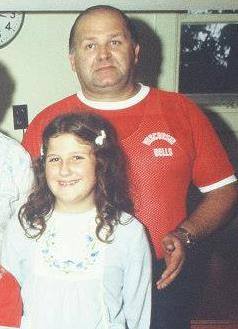
It’s been both frustrating and entertaining to go through batches of photos. Seeing my face at age 6 with missing front teeth; seeing my nephew holding his newborn daughter; seeing my Dad in his work uniform; seeing long-lost relatives when they were both alive and younger than I am now! It can be jarring. I found a photo of my favorite pair of sneakers from childhood– they were bright yellow with black stripes and white treads. I loved those sneakers and I finally wore them out. But there they were, staring up at me from an old photo– brand new– and I felt the same sense of excitement I had when I was 10 years old. I also found an old photo of a cousin who recently passed away. There she was, fifty years younger at a family reunion, a young mother with two sons (another son and daughter were yet to be born!) It was a sharp stab to know how much her family is grieving right now. And yet, it was a beautiful reminder that she is NOT gone; she is raised to life, and grief will be turned to joy as we have an eternal “Family Reunion” in heaven!


Mom took a lot of wonderful pictures that mean so much to us now. But Mom also took a lot of “dud” pictures– pictures that were out of focus; pictures of old clothes, or faded flowers. Several pictures of the same thing from different angles. Pictures of people eating–their mouths wide open and gaping angrily. There are no labels telling why such pictures were taken, or what they might mean. Years later, they leave us confused and frustrated– and ready to throw them out!

They say a picture is worth a thousand words. And I have been living that lately, as I sort through old memories. But the pictures are reminding me of other memories– other “pictures” that are even more powerful.

God reveals Himself to us in so many ways– and in so many “pictures.” The Bible is full of parables, metaphors, proverbs, and histories that provide us with word pictures of His character. In Genesis, we read the story of Abraham and Isaac, which illustrates the great sacrifice God would make for our Salvation. Abraham was willing to give his son– the son God had promised– believing that God could raise him from the dead. Isaac didn’t die. He didn’t even know what was coming. But Jesus DID. God’s promises never fail. Unlike Isaac, Jesus KNEW what awaited Him at Calvary. He knew there would be no last-minute, substitute ram. HE was the lamb who would be slain. And He would rise victorious!

In Exodus, God provides another parallel; another word picture to show what He would do. He sent ten plagues on Egypt to prove His power, both to the Egyptians AND to the nation of Israel. But the tenth plague was much more than just a display of power. It was a metaphor for the Cross. In order to escape the Angel of Death, the Israelites were to use hyssop and the blood of the Passover lamb to “paint” the top and sides of their doorframes. Using the hyssop, they “whipped” blood onto the wooden doorframe, causing it to “bleed”– at the top, and on each side. The blood would drip down, creating a similar pattern to the blood on the cross–blood from the wounds on Jesus’ head and outstretched hands. There would even be a pool of blood on the ground, suggesting where His feet would be nailed to a wooden cross. It is a stark picture– a gruesome picture of pain and suffering. But it is a powerful picture that shows us how Jesus’ pain and suffering led to our Salvation. Death holds no power over the Cross! We can rest, knowing that God’s plan is for our rescue, not our destruction.

In the New Testament, Jesus used metaphors and explained how ancient stories foretold His arrival, as well as His death and resurrection. He used the story of Jonah to explain that He would be in the grave for three days. He used the prophets to remind His listeners of God’s many promises. His disciples recorded the stories. The Apostles continued to use the ancient scriptures to “show” that Jesus was the Messiah and that His life and death fulfilled the promises and prophecies.

Time after time, Jesus told parables– stories that were meant to “show” the character of His Father. And WE are also meant to reflect Our Father to the world! WE are to be pictures of God’s Love, His Grace and Mercy, His Faithfulness, and His Holiness. Whatever we do, wherever we go today, we WILL be like a photograph, showing others who we are inside– what we value, what we believe, who we trust, how we love and how we live. We can be powerful witnesses to God’s Love by the way we go about our daily activities. But we can also be “duds”– pictures of people pursuing worthless activities, or looking at the world from a dozen skewed perspectives.

I pray that my “photo” today will reflect God’s character, challenge assumptions, encourage others, and stir powerful reactions for HIS Glory!

He Knows MY Name

My first name, Lila, is not unique, but it is uncommon. Last week, when my husband and I got away for a few days for our anniversary, we visited a gift shop. I was excited to see a magnet with my name on it, so I bought it (though we don’t need any more kitchen magnets, and it was more than I would normally spend on such a trinket). My husband, David, on the other hand, has the opposite experience. He can be in a room with 20 people, and if someone calls out, “Hey, Dave,” sometimes three people will answer! He can find trinkets that say, “David,” “Dave,” and “Davey” almost anywhere.

Names can be funny that way. Almost everyone knows how to pronounce my husband’s name. And spell it. It’s a good name, a strong name– that’s one reason it’s so popular. My name is shorter by one letter, but almost no one spells it correctly– I’ve seen it spelled Lyla, Lilah, Laila, Leila, and Lily; and I’ve heard it pronounced Lee-la, Lay-la, Lill-a, as well as just misread completely as Lisa, Lilian, Lina, Lenore, Delilah, Lora, Mila…

Both David and I were named after other members of our families, and we have nieces, nephews, and cousins named David or Lila, as well. Our names have personal and family importance beyond just the normal meanings. Still, somewhere in the world, there are dozens of people who bear the same name (first, middle, and last) as my husband, while there may be one other who bears my same name.

God knows my name. He never misspells it, never mangles the pronunciation or gets me confused with someone else. And he knows “my” David, and never gets him confused with someone else or lumps him in with a group of other “Davids”. God knows why David and I were named as we were, and He knew the family members after whom we were named. He knows the names of our yet-unborn great-great-great grandchildren!

Jesus had twelve disciples. The Bible records that two of them were named James, two were named Simon, and two others were possibly named Judas. Jesus gave one of the “Simons” the new name of Peter’ the other was also known as “Simon the Zealot”. The two James were distinguished as “the elder” and “the younger” or “James the brother of John, and son of Zebedee” and “James the son of Alpheus.” Judas Iscariot was the disciple who betrayed Jesus to the authorities; there was another disciple, who went by the name Jude, or Thaddeus, or Judas the brother of James. Historians know little about “the other Judas”, and even the authors of the Gospels give different lists of names for the twelve disciples, given that some of them went by more than one name. However, Jesus knew each one from before they were even born.

Of course, God knows far more than just our names. He knows our every thought– before we even think it! God “gets” us–for better or worse. He knows our quirks and our capabilities. He knows our deepest shame, and our deepest fear; our greatest accomplishment and our most secret desire. Even more, God knows our future; He knows all that we could be and all that we will become (or fail to become). He knows “what might have been” if we had been born in a different time or place. He knows exactly how our decisions have affected us for good or ill, and how others’ actions have impacted our character.

There are nearly 8 billion people alive on this planet at the current time (7.9 billion estimated as of September 2021). God knows the name and dreams and histories of each and every one! And when we pray, we are not praying to someone whose knowledge of us is limited or determined by our relation to someone He knows “better.” Imagine God having 8 billion kitchen magnets with names on each one–even if there were 100,000,000 of them with the name “David,” God would know exactly which one belonged to “my” David. And God would not confuse mine with any of the millions of similar magnets saying Lily, Lisa, Lylah, Lola, Laura, or even “Lila.”

What an amazing God! What a privilege to call on HIS Name, knowing that He knows us so intimately and loves us so thoroughly!

No More Goodbyes

Today marks 25 years since I said “goodbye” to my father. My mother, sister, and I stood by his bedside at the hospital. The doctors had tried numerous times to re-start his heart. In the process, they had broken his sternum, and each new effort was causing additional pain and putting his lungs in danger of being punctured by bone fragments. His time was running out. We were allowed to come in and say our last words to him, before his worn-out heart finally stopped for good. I held his hand one last time, whispered that I loved him and that I would help take care of Mom. I kissed his forehead, and said a prayer. Mom and my sister did the same.

Earlier this year, I had to say goodbye to Mom as well. My sister and I were with her, and had read her mail aloud to her, as she had fallen into a coma. I was preparing to return home. I said, “goodbye;” I held her hand, kissed her cheek and turned to my sister. When I turned back around, Mom was gone–her oxygen machine was still running, but her heart had stopped beating, and she was peaceful and still. In that moment, I became an orphan.


Death is part of the curse of a fallen world. God is the source of all Life. In a fallen world, we are cut off from our life-source. Our mortal bodies must taste death. It is the consequence of Sin– our sin, and the sins of others. Disease, violence, aging, disasters, grieving, work, abuse– all conspire to drain the life out of our bodies. Life is a gift– we can’t “earn” it, and we can’t “hold on” to it indefinitely. Nor can we hold on to the lives of others–even those we love. Some day, I will lose my sister. Or she will lose me. Some day, I will lose, or be lost to my husband, my brother, my step-children, mother-in-law, grandchildren, cousins, friends, and neighbors.


And, just like leaves on the trees later this month, all of us will grow old, be changed, and fall into decay. Some will fall gently; others will be torn away by the winds of war, or crime, or cancer, or accidents. Some will fall early; others will cling to life until the last moment, but all will eventually die. More goodbyes. More grieving. More death.


But. God is the author of Life, not Death.


Death is not the end for those who have trusted their souls to God. Our bodies must still taste death. We must still say, “Goodbye” to those we love on earth. But our goodbyes are tempered with the promise that the One who conquered Death did so for US. Because Jesus was willing to die and able to rise again, we will also live again. And THIS life will be untainted and eternal. No more goodbyes. No more grieving and separation. No more fear of an unknown future that includes death. No more waiting. No more living without a father. Our Heavenly Father will never leave, never die, never suffer the ravages of age or disease, never fall. In fact, Jesus never said “Goodbye” to His disciples– it wasn’t in His vocabulary! He said that He would “Go to prepare a place…(John 14:2-3)”, and He charged His disciples to “Go into all the world…(Mark 16:15)” But He never said, “Goodbye!”

I had to say, “Goodbye,” to my wonderful parents. And I have the joy of knowing that our “goodbyes” are temporary. That I will see them again, even as I will see my Heavenly Father someday. So, while today holds in it the sadness of watching my Dad suffer in his last minutes of earthly life, it also holds the promise of reunion and restoration. My Dad will never again have to suffer; neither will my Mom. My future probably holds a few more “goodbyes.” But it also holds “Hello!” “Welcome Home!” and “I’m so happy to see you again!”

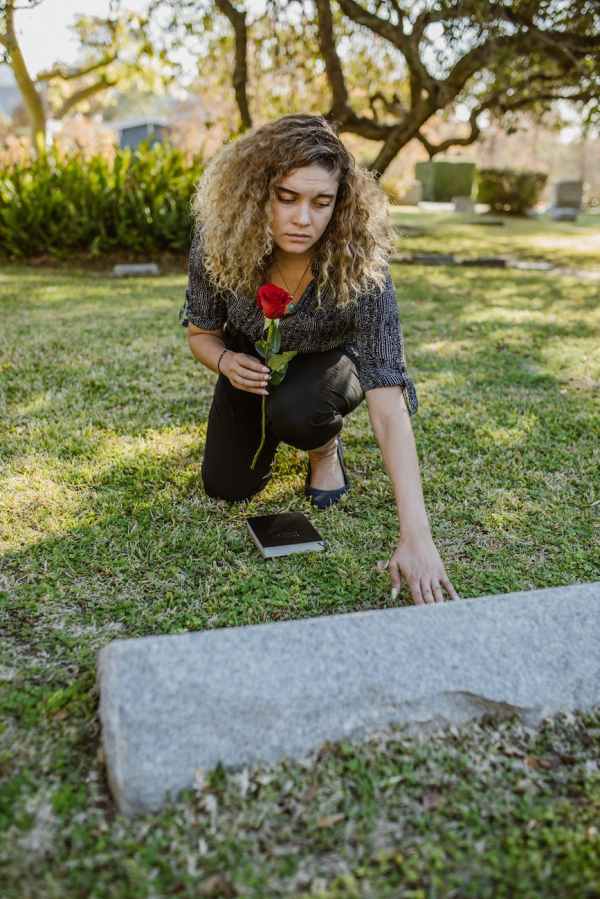
Photo by Polina Zimmerman on Pexels.com

I thank God for the lives of both my parents– for their testimonies of faith, for their good examples, and for the wisdom, laughter, and love they shared. And I thank God that their deaths were not the end of that love and joy. In fact, it will be even better to share someday what we could never have here on earth–eternal peace and freedom from grief and loss.

Twenty-five years seems like a long time, but it is a drop in the bucket of time, and nothing in light of eternity. That truth brings me great comfort as I face today. I hope you will be encouraged and comforted as well. Heaven is a place with no more “goodbyes.” And that radically changes the way I say “Goodbye” here on earth!

What We Keep…

I’ve been posting a lot lately about going through my Mom’s “stuff.” Mom was a saver– a pack rat– a hoarder, really. She kept boxes and piles of useless things. But she also kept things that have value to those she left behind. My siblings and I have found old photographs, momentos, letters, documents, etc., that bring the past alive again..not just our past, but our family roots going back generations.

My mother with her mom and younger sister c. 1944

What prompts us to keep such memories; to hold tightly to faded papers, worn objects, shadows of days gone by? Sometimes, it is an unhealthy focus on past memories– good and bad– that keep us in the grip of “glory days” or old and festering wounds. But there IS a value to keeping a record of the past.

When I was young, we had dozens of books around the house, including Bible Story books. The stories of Abraham and Sarah, Isaac, Moses, Samson and Samuel, King David, Queen Esther, Elijah, and then Jesus, his disciples, the Apostle Paul…they were mesmerizing– and very instructive! God didn’t just give us Ten Commandments and a list of rules to follow. He left us with a rich tapestry of stories of real people, and their very real adventures. He has given us Parables, and Psalms, Prophets and Promises– the Bible is a living book that speaks to each new generation with timeless truths. I learned about the Faithfulness of God, His Holiness, and His Mercy in those pages.

The stories and photos that get passed down in families can also be instructive. I now have a baby picture of the grandfather I never got to meet, as well as a photo of him as a young man, and another candid shot of him wearing a milk bucket on his head (He was a dairy farmer)! I can see and sense his humor and love of family in new ways, and appreciate the way his life and early death helped shaped my own dad’s life. I have letters my great-grandparents wrote to each other when they were first married and starting their family. I have some of Mom’s letters when she was struggling as a single mother on a limited income. Many of these items I will keep–not only as a reminder of the past that shaped me, but to pass on to future generations. Other photos, letters, and objects have been given to certain other family members– it is part of the legacy THEY will pass on. Still other items I will let go– they have served their purpose and other items will take their place.

The little country church I attended as a child.

It has been tempting, with the amount of “stuff” that my Mom kept, to just throw everything out. Much of it has to be cleaned off, sorted, identified– and room must be found to keep it! So I also have to look around at what I have been hanging on to, and ask, “Why?” What lessons to I want to pass on? What objects tell an instructive story about my life? What impact will I have on others in the years to come?

One of the most difficult things to go through are the photos and letters my Mother kept. She kept nearly every letter and greeting card she ever received. They meant that much to her. Not the actual cards and paper– the thoughts, the love and connection–the people they represent were her greatest treasures on this earth. And I can’t keep them all. I don’t have space, and many of the people are strangers to me– her elementary classmates, co-workers from years gone by, great-aunts–people long since dead and, with my mom’s passing, forgotten by most. But I will keep some, because they are a testament to Mom’s love of others– her deep and abiding love for everyone who touched her life, and allowed her to touch theirs. I have thrown out, recycled, or given away many of Mom’s clothes and books, and I’m working to give away the thousands of unused greeting cards she had stockpiled but never sent. But most of all, I will keep the stories– stories of God’s faithfulness in her life; stories of how He worked in and through her life to touch hundreds of others; stories of how God’s Love blooms in the simple acts of kindness and baby steps of Faith; in the ordinary joys and tears and minor miracles of daily life.

And I will hold tightly to the stories of my childhood– of Moses and the Burning Bush; of Jesus the Good Shepherd; of David trusting God to face Goliath; of the women finding an empty tomb on the first Easter Morning. One of the pictures I inherited is a print of Jesus on the Road to Emmaus. Two men are walking along, talking to a third man. Such a simple act. Such an ordinary occurrence. But this is no ordinary walk– the man in the middle is the Risen Christ–the One who conquered death to bring eternal life to the two unsuspecting travelers. The print hangs on my wall now. The print itself is not of much material value– but the story! That is worth my life– to keep, to share, to cherish, to proclaim to those yet to come!

Blog at WordPress.com.

Up ↑