8,000,000,000 Cousins

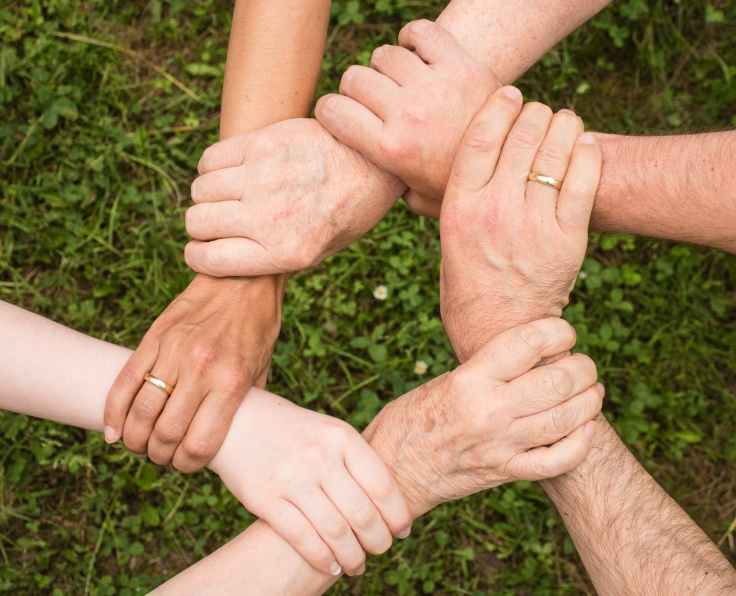
I wrote a couple of weeks ago about what I call, “Prayer Points.” Each day of the week, I make a “point” of spending some of my prayer time on a particular issue– one day a week, I focus on the community; another day on global issues like poverty, war, and the environment. The other day, I was focused on “family and friends,” when I realized something, or rather, remembered something. I began by focusing on immediate family– my husband, our kids and grandkids. Then I spread the focus a little wider–our moms, siblings, and their families. Then aunts, uncles, and cousins…and their families! Pretty soon, I was thinking about second cousins and third cousins– the ones I see at family reunions, or catch up with on Facebook every once in awhile.

Photo by Quang Nguyen Vinh on Pexels.com

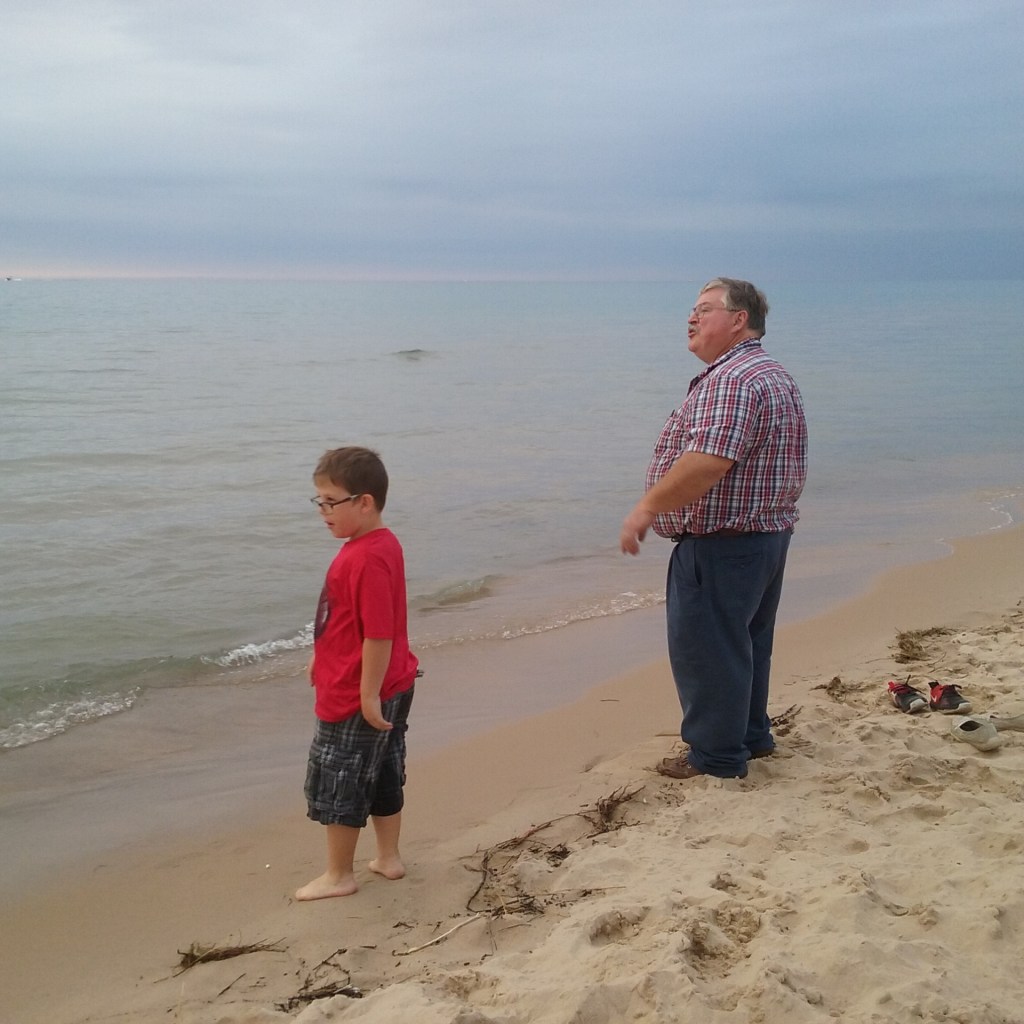
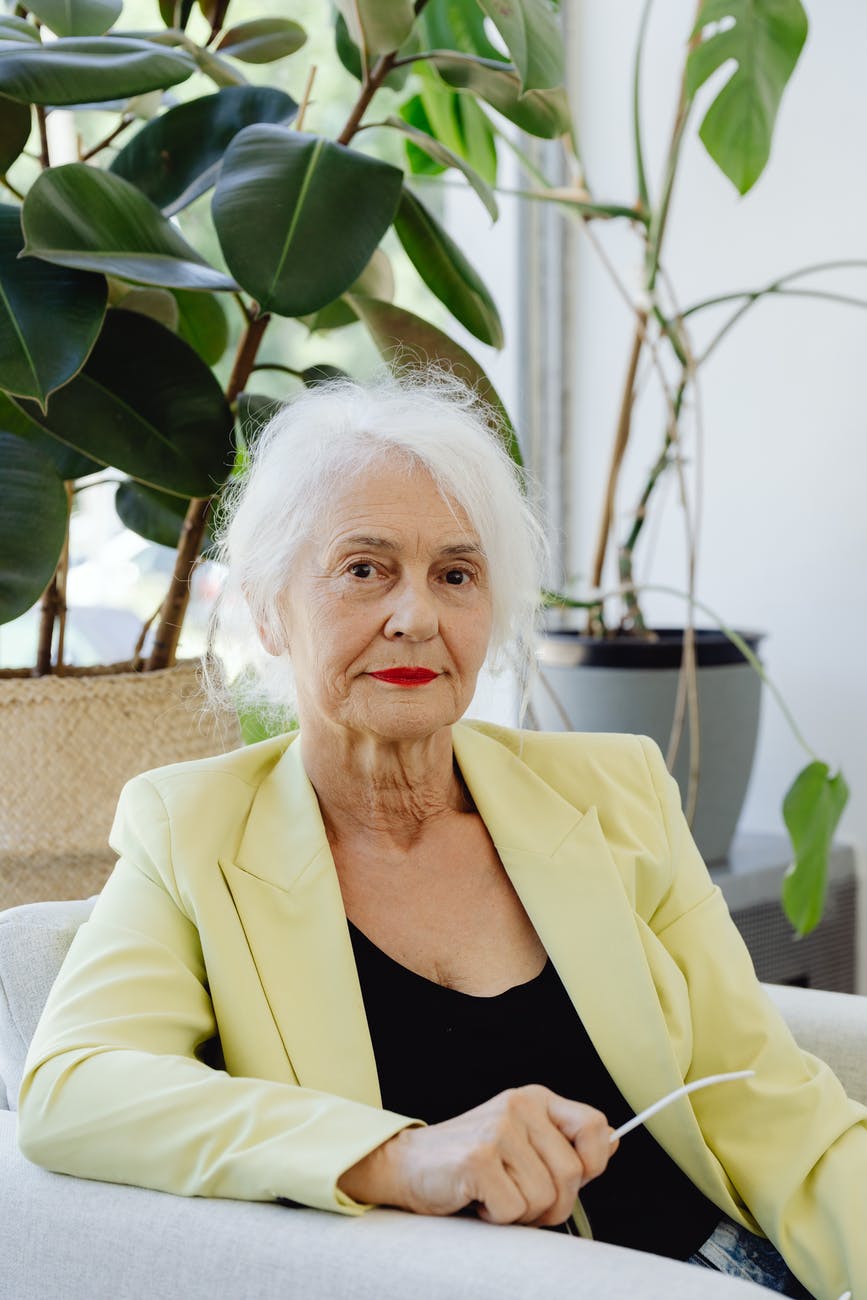
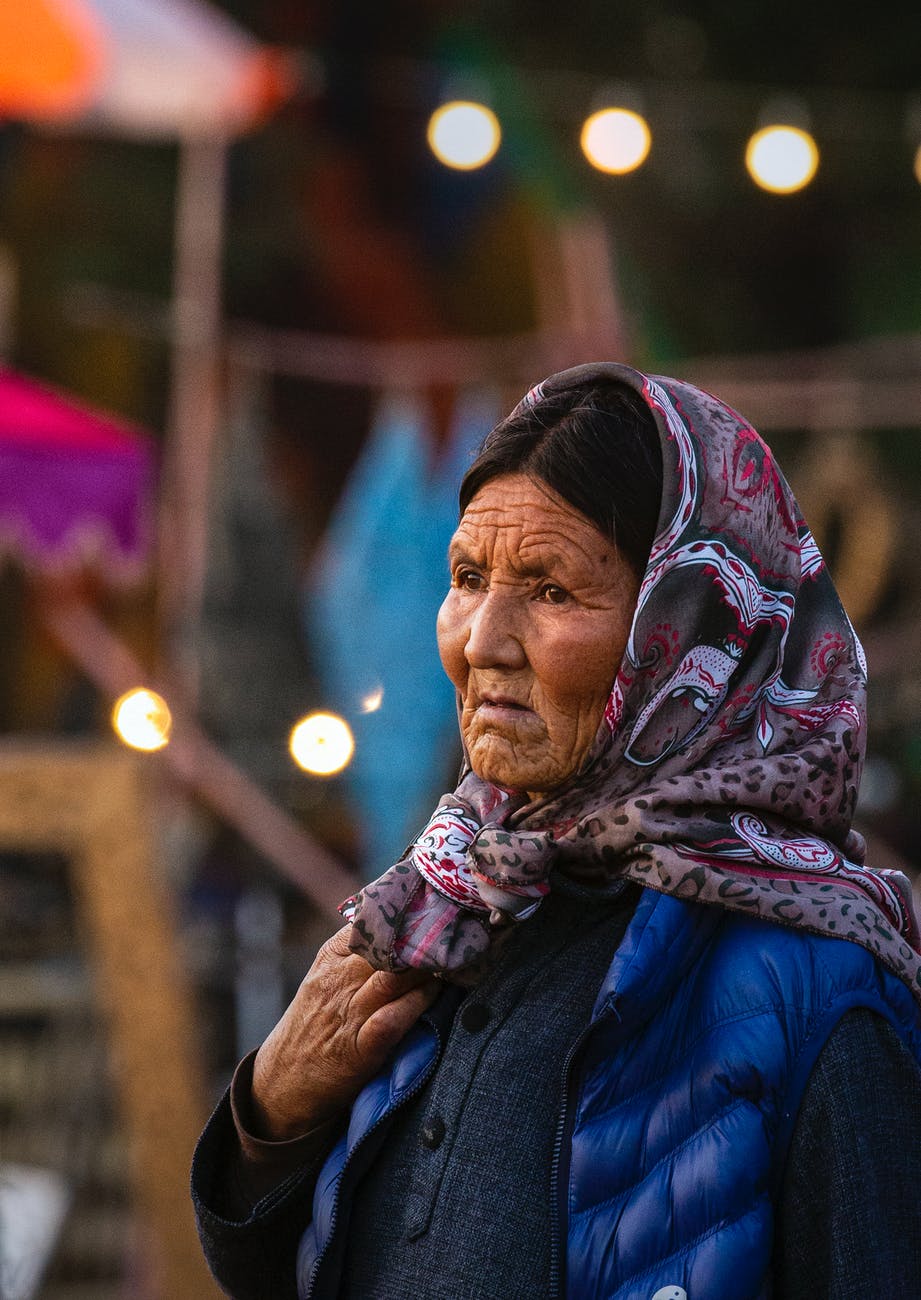
And that got me thinking about my family tree. I research and work on genealogy for my family. My family tree stretches back several generations, and “branches” out several times over. There are nearly 28,000 names in my family tree, and I’ve only scratched the surface! My family tree is a tiny drop in the world population of nearly 8,000,000,000 people (7.96 billion as of this month, and growing). But it represents an incredible mix of people. Some of my family are of European origin; some are Native American; some are of African descent, or Asian. Many of us are a mixture of races, ethnicities, and native languages. Some of us are rich; some are barely getting by. Some of us are tall; others are short. Some are healthy; others have health or developmental issues. But we are all family.

Photo by fauxels on Pexels.com
Photo by Cameron Casey on Pexels.com

And, by extension, we are ALL family– all nearly 8 billion of us! We are all God’s children, and when we pray for “family and friends,” we can include anyone! That’s a mind-blowing thought, and I was really excited to be reminded of the fact. But it’s also a sobering thought. I certainly don’t know all of the living people I’ve included in my family tree– most of the information has come from public records and other family’s research, rather than personal knowledge. No one can possibly know 7.96 billion people– we’re lucky if we can remember the names and faces of more than 5 thousand in a lifetime. We could not possibly pray for them all.

But far more sobering is the thought that there are people I do know for whom I might not WANT to pray– people who have hurt me, or people I have judged unworthy of my time or effort. Yet are they not also “my family?” What difference does it make in the way I pray when I remember that I have, not 50 cousins, or 500 or even 5,000 cousins, but almost 8 billion? That the next person I meet on the street or at the post office, or at church–she or he is not just my neighbor, or my friend (or enemy), but my cousin? Shouldn’t I consider how I can pray for them– even a quick prayer? Shouldn’t I listen better, look closer, and seek out opportunities to show love for another of God’s children?

Photo by RODNAE Productions on Pexels.com

It’s easy to speak in “relative” terms, but it can be a challenge to really live as “family.” Praying– sincerely and thankfully–for others can be a start.

The Blessings of a Faithful Grandmother

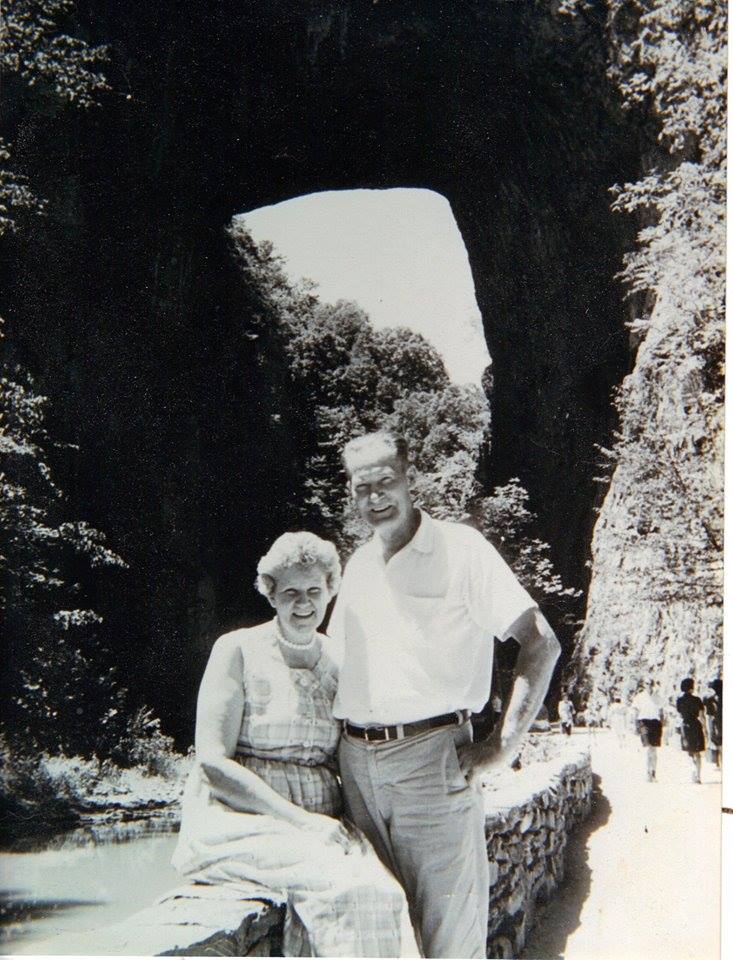
Yesterday, my wonderful maternal grandmother would have celebrated her 110th earthly birthday. I have so many happy memories of times spent with her– of shared laughter and tears, walking barefoot through many yards and gardens, “overnights,” looking through her button tin, or her old jewelry box, helping her make homemade egg noodles, or cherry pie… But more than all these, I remember the feelings of peace, joy, and unconditional love whenever she was near.

My Grandmother, Beulah B.

Gram was one of the wisest persons I ever knew. She was patient and kind with everyone. I cannot remember ever hearing her say a spiteful or sarcastic word. She had a quiet sense of humor, and made everyone feel welcome and valuable. She was generous– not just with gifts, but with time and attention, especially for children. She was a hard worker, but she never seemed to look frenzied or “overworked.”

She and my grandfather were married for almost 63 years. She lived with him through many difficult times– during the Great Depression, there were many times when they could not be sure where they would live or what they would eat. Many nights were spent sleeping in spare rooms with family members. Grandad went to war in 1942, and Gram “held down the home front”– taking care of two little girls, and working the night shift as a riveter, while living with her parents. Things were better financially after the war, but Gram kept working– this time as a secretary. She and Grandad still moved around a lot–rented homes, apartments, mobile homes–each time making it look and feel better than it had ever been, or ever would be again. Gram planted flowers everywhere; Grandad collected animals. At the time of her death, Gram and Grandad were living in a rented house– the very house where Gram had been born 82 years earlier!

Gram’s given name was Beulah, named for her paternal grandmother. Her name means “married.” And Gram lived up to her name, and all it suggests. She was faithful, fruitful, and a wonderful companion and champion in her marriage. When she died, my grandfather was lost without her. We nearly lost him that very day. He only lived another four months after she passed.

If I had to choose a word to describe Gram, above all others, it would be faithful. She was faithful in everything she did– faithful to her marriage, faithful to her children and extended family, faithful at work, and faithful to God. Gram’s Bible was worn, and old, but she lived out its pages every day. Her trust in God was absolute– and it had been tested through all the hard times she had experienced. She KNEW she could trust in God’s provision and timing, because she had experienced it first hand. She did not make a fuss about her deep faith, nor did she ever deny the source of her peace and strength. Her life was not easy, but it was bountiful!

Today, as I reflect on her legacy, I am so grateful for her quiet example in my own life, and in the lives of others. I pray that I may leave such an impression before I pass on– that someone will be inspired to a lasting faith and find joy in their life’s journey because I have been faithful. Below is one of her favorite hymns: (I especially enjoy the piano in this clip, because it is close to how my Gram would have played it!)

No Greater Love…

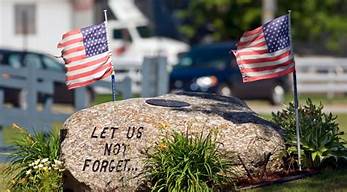
This coming Monday we will be celebrating Memorial Day in the U.S. It is a day to remember those who gave their lives in battle, defending our nation, our people, and our way of life over the course of almost 250 years. We decorate the graves of fallen soldiers with flowers and flags and plaques honoring their sacrifices. It is a strange sort of “holiday.” We don’t like to think of wars and battles– we ache for those who are terrorized by wars in the current days. We don’t celebrate war and violence– our highest goal is to achieve and preserve peace and safety. And it can seem somewhat morbid to “celebrate” the fallen soldiers of bygone days.

Photo by RODNAE Productions on Pexels.com

But we are not celebrating their deaths. We are celebrating the causes for which they fought and died. We celebrate freedom, and justice; the rights of individuals to pursue liberty and fulfill their dreams. These are causes worth fighting for, and yes, even dying for. We mourn the loss of life, and we grieve the necessity of fighting and struggling to preserve basic rights. But we are grateful for and humbled by the examples of those who have shown the courage and strength to give their all. We honor these sacrifices when we decorate the graves of fallen soldiers, or hold services and memorials at cemeteries. It is not meant to be a time of joyful celebration, but a time of solemn reflection and humble gratitude.

Photo by Pixabay on Pexels.com

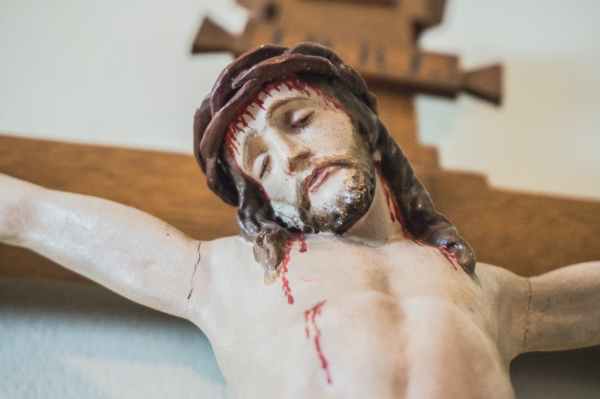
But Memorial Day can also be a time of reflecting on an empty grave– that of Jesus Christ, who gave His all for a cause even greater than liberty and justice in a particular nation or time or for a particular group of people. Jesus gave His life to reconcile an unholy human race with a Holy and Righteous God. He fought against Sin and Death, and conquered them both. And we cannot decorate a grave to honor His sacrifice, because, unlike all the soldiers we honor next week, Jesus did not just preserve a cause or a way of life– He became Life for us. His grave is empty as a symbol of Death’s defeat!

It was Jesus Himself who said, “Greater love has no one than this, that one lay down his life for his friends.” (John 15:13 NASB) Soldiers who lay down their lives often do so to save the lives of their comrades at arms– their friends and fellow warriors– as well as their countrymen and women, their neighbors, and their families. And it isn’t just soldiers who give their lives. Recent news stories tell of teachers, police officers, and other individuals who have sacrificed their lives for the sake of innocent shoppers, students, and neighbors. Such sacrifices are tragic, but they are also heroic, and deserving of our acknowledgement.

We take time to honor those who died for a cause. How much more should we honor the One who died to bring eternal freedom and life to each one of us! And how much more should we be willing to give our lives for the sake His Kingdom! There is no greater love that we can show.

Photo by RODNAE Productions on Pexels.com

Be Reconciled

23 So if you are offering your gift at the altar and there remember that your brother has something against you, 24 leave your gift there before the altar and go. First be reconciled to your brother, and then come and offer your gift.

Matthew 5:23-24 (ESV)
Photo by RF._.studio on Pexels.com

Why do we find it so difficult to be reconciled? We crave God’s forgiveness, but we withhold our own toward our neighbors, or family members. We let anger and bitterness keep us apart. We let pride keep us from doing what we know is right in God’s eyes.

I speak from conviction. I have been estranged from a cousin of mine. Years have passed since we’ve spoken. We argued about something, and simply stopped talking. I tell myself that I have nothing for which to apologize–that’s just the way things ended. And my life is far less stressful since we’ve stopped talking. I do not “hate” my cousin, or feel bitter toward her. In fact, I tell myself that I only wish her the best– I just don’t want to be involved in her life, or have her involved in mine.

Photo by Josh Sorenson on Pexels.com

I know this is not what God wants. I know I should get in touch, and reassure her that “we’re okay”. Yet I am afraid to reach out and re-establish contact. Not because she poses any sort of physical threat, but she threatens my pride and my comfort. I find her difficult to talk to; difficult to understand. We have different ideas about boundaries and expectations–I find her “needy,” and she finds me “aloof.” I don’t think time will have made our relationship “easier.”

Photo by Liza Summer on Pexels.com

But God finds her precious in His sight– and worthy of my effort to reconcile our relationship. That doesn’t mean that I must allow her to manipulate me or abuse my emotions, or that I must demand that she be someone she is not to make me more comfortable. But it does mean that I may be embarrassed or inconvenienced at times. I need to be willing to listen, even when it is difficult, and so speak, even when it seems like I’ve said the same thing before. And it means that I must learn to set healthy boundaries and insist on them– not to shut her out as I have been doing, but to keep our relationship balanced and safe for both of us.

God puts a great premium on our willingness to be reconciled to one another. So much so, that Jesus told His listeners in the Sermon on the Mount, that if they were ready to bring an offering, and they remembered that someone had something against them, that they should leave their offering– unoffered– and go be reconciled first. Being at odds with others puts us at odds with their Creator and the One who loves them. Whenever possible, we should seek to reconcile. Broken relationships are sometimes a reflection of our relationship with Him. It hinders our prayer life, as well as our witness to the Power of God to redeem and reconcile the world around us.
Photo by Timur Weber on Pexels.com

God is aware that we are sinful people. And there are some relationships that are absolutely toxic. Reconciliation and forgiveness are NEVER about allowing another person to continue to abuse or manipulate you. Especially if this involves physical or sexual abuse. Forgiveness is not the same as accepting someone else’s manipulation or abuse. God, and only God, can redeem us and make us a new creation. Some relationships cannot be fully “reconciled” in this life. But “letting go” is not the same as “locking out” or “running away.” We must let others know that God can do what we cannot–He can restore broken relationships. He can make all things new.

Of Broken Femurs, Hearts, and Toilets

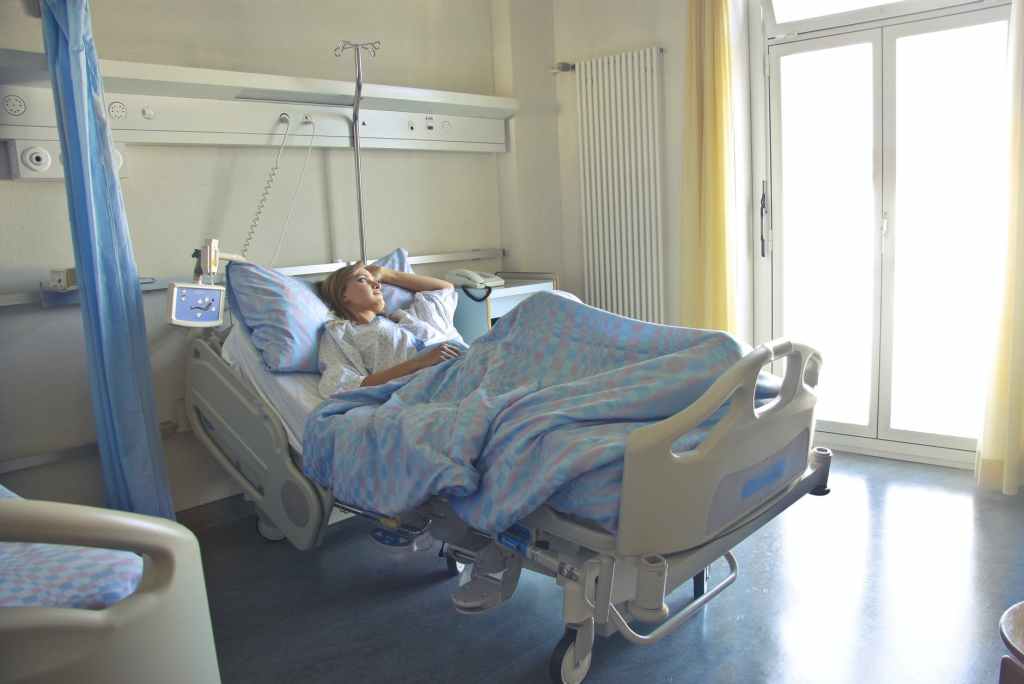
The past two weeks have been just a bit chaotic for our families. My mother fell and broke her femur, near her hip–not the hip she broke over a year ago, but the other one! Less than twenty-four hours later, my mother-in-law fell–and broke her femur. Each mom ended up in a different hospital for surgery, and in a different rehabilitation facility, located nearly fifty miles apart. Last week, two members of our extended family died on the same day in the same city; their funerals were a day apart in two different parts of the city, but handled by the same funeral home. On the day of the first funeral, we found out that another member of the family died. That same night, our toilet broke. Water poured into our upstairs bathroom, soaking the floor, running into the next room, and dripping down to the floor below. In the middle of all this, I slipped on the ice, fell hard, and bruised my ribs.

Photo by Liza Summer on Pexels.com

Where was God in all this? He was right there in every situation. God doesn’t disappear when the going gets tough– He is steady, sure, and faithful.

  • Neither of our moms suffered a concussion or any other major damage from their falls. They were able to get treatment and surgery, and they are receiving care and therapy. And, while this is something we might have taken for granted at one time, it is something for which we praise God, because it could have been much more tragic in both cases.
  • We live close enough to both moms that we have been able to help and visit (where we can because of continuing COVID restrictions). Though the facilities are fifty miles from each other, neither is fifty miles from our home. Also, both moms are able to receive phone calls, and we are able to receive updates from the staff at each place.
  • We have close families, and wonderful neighbors and friends– we are not alone in caring for our moms or grieving our loved ones, and there is a network of prayer, support and concern that staggers my imagination! I cannot imagine trying to navigate this without help– again, this is something we might take for granted, but God has been in the details long before any of this happened. Our families, friends, and neighbors represent dozens of church bodies from around the country and the world, as well as a significant group close to home– how marvelous that God allows us to work together as a body in every situation.
Photo by Pixabay on Pexels.com
  • Though we have lost three family members in rapid succession, all three were believers! All three left a legacy of faith, love, and hope. We mourn their loss, but we also celebrate their lives with joy and not regret.
  • David HATES plumbing, but he knew what to do to fix the toilet. The damage from the flooding was minimal, all of our towels are freshly laundered, and the toilet works again!
  • My fall could have resulted in ANOTHER broken femur– or a broken arm, concussion, etc.. While it hurts to sneeze or yawn or blow my nose, at least it doesn’t hurt to breathe, and I can move and go about my day, cautiously, but normally.

God allows difficult things to come into our lives– and I don’t have any definitive answer for WHY we have been experiencing so many trials all at once. But I can say this:

Photo by Andrea Piacquadio on Pexels.com
  • Trials make us stop and look and question– and that can be a good thing. God is big enough, wise enough, and sovereign “enough” to handle our tears, our fears, our weakness, and our momentary doubts. In fact, it is in recognizing our limitations that we can focus more on God’s limitless grace and boundless love!
  • Trials bring us closer to each other. Our chaotic couple of weeks are just a drop in the bucket among all the other problems of the world, but so many wonderful people have called or sent messages of hope and encouragement over the past two weeks, my heart is bursting– not with the pain, but with joy and gratitude.
  • Trials teach us patience (see my post on “Be Careful What You Pray For.”) The toilet breaking was my low point this past week– even though it did not directly touch on our health or a loved one. But God sent friends and angels to remind me that this was a very minor problem– even among all the others– and that God was “flushing” away some unnecessary angst if I would just let it go!

There is nothing that takes God by surprise– nothing that causes Him to pause and wonder, “what happens next.” I can praise God in the hospital as I watch my mom cry in pain. I can praise God when my husband finds his mother “alive” (when he couldn’t be sure). I can praise God when I’m flat on my face on the ice, winded and sore. I can praise God when toilet water is soaking my socks. I can praise God when I hug cousins who have lost their parents to cancer or dementia, or age, knowing that God is with us every moment, in every tear, every hug, every shared memory, and every hope that our loved ones now experience what we will also know someday.

I’m ready for 2022 to calm down a little bit. But if it doesn’t, I’m also ready to be broken again– whether through broken legs, broken toilets, or broken hearts. God is in the business of repairing and restoring broken things and broken people. And no one does it better!

Holiday Poison

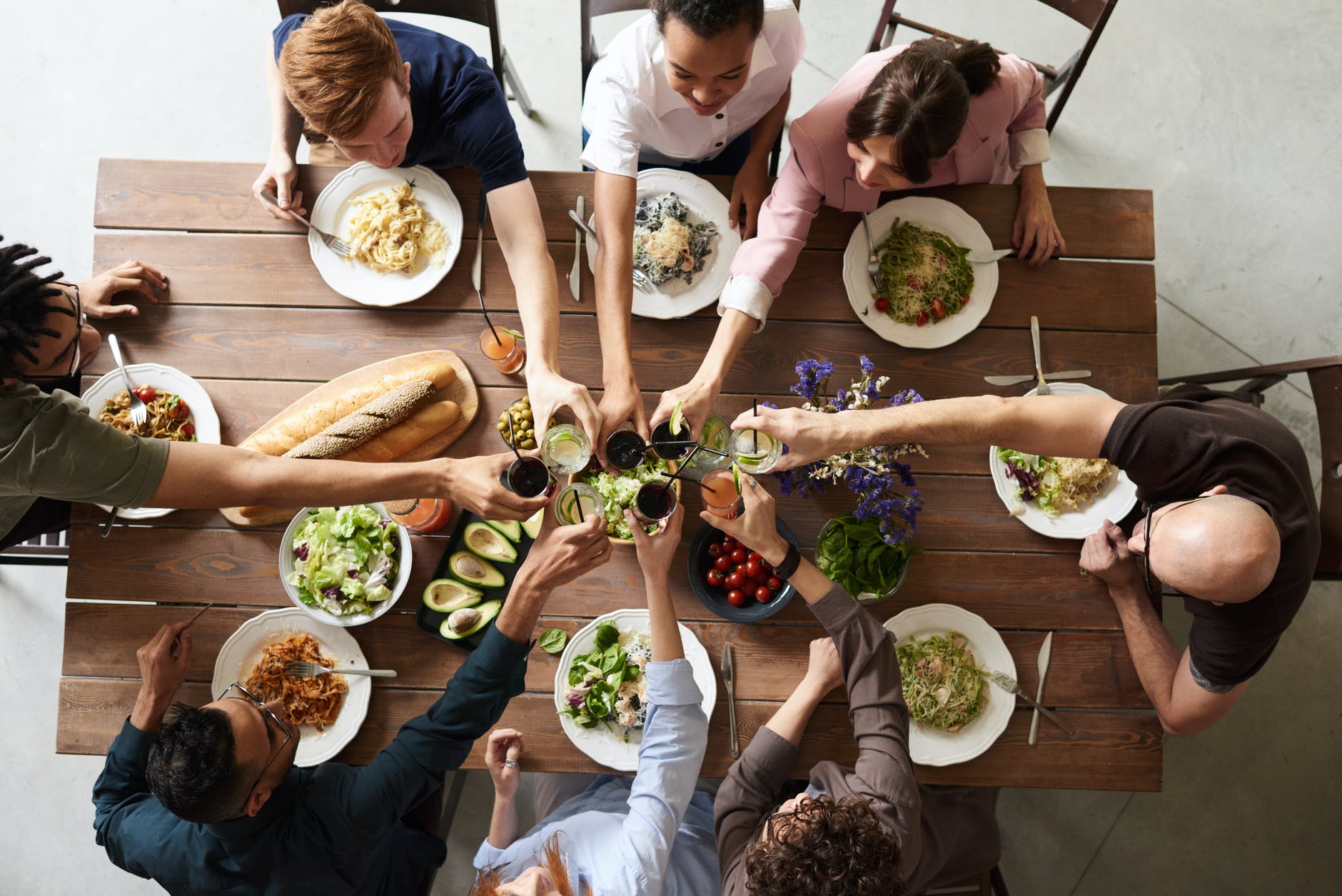
Yesterday was Thanksgiving across the U.S. Many families enjoyed a large dinner, surrounded by family or friends. Traditionally, this dinner might include turkey (or ham or both!), vegetables and fruits (potatoes, sweet potatoes, green beans, baked beans, corn, squash or some kind of greens, cranberries or cranberry sauce, apples or fruit salad), dressing, stuffing, rolls, and/or bread, and some dessert, such as pumpkin pie, pumpkin roll, apple pie, or cake. It’s a holiday which focuses heavily on food and eating.

Photo by Craig Adderley on Pexels.com

Because of this, it is also a holiday that carries the risk of food poisoning. Turkey and other meats, if not cooked properly or long enough, can make people sick. So can leftovers that are left out too long or not stored properly after the big meal.

Photo by Sora Shimazaki on Pexels.com

But there is another kind of poison that can ruin Thanksgiving. It may not make us immediately physically ill, but it is not less dangerous. It is the poison of ingratitude. Like salmonella or other types of bacteria, ingratitude can be invisible. It can hide, waiting to attack without warning, causing everything to have a bitter aftertaste. It may cause violent reactions, such as rage, or lie dormant, causing depression, apathy, or a general dissatisfaction. And just like food poisoning ruining a holiday built around food, ingratitude is a natural problem to have during a time set aside for thankfulness.

Photo by fauxels on Pexels.com

One of the most insidious forms of this holiday poison comes through comparisons–we gather to be near family we love, only to compare ourselves with them. Which one is happier? Wealthier? More popular? More intelligent? Better looking? Is the host’s house nicer than mine (or is my house “good enough”)? Did I work harder? Did my contribution to the meal taste “better”(or was it passed by– again)? Why am I still sitting at “the kids’ table?” The list is endless of the petty grievances that we allow to overwhelm our intentions to be thankful and live in peace. Someone says something to “push our buttons,” or they seem to ignore us completely.

Photo by Ketut Subiyanto on Pexels.com

Another form of holiday poison spreads from person to person–complaining, venting, sounding off, moralizing, criticizing, blaming…what began as a thankful, joyful gathering becomes a snake pit of biting, poisonous talk. And we react. We take the bait, become defensive, get sucked into that political discussion we vowed to avoid, or we revisit old wounds we thought we had put behind us.

Photo by Ken Ozuna on Pexels.com

But unlike food poisoning, bitterness and ingratitude are choices. We can’t always choose our circumstances, nor can we choose what others say or do. But we DO choose our reactions and our attitudes. I can blame someone else’s anger or selfishness for my bitterness, but they didn’t MAKE me succumb to their poison. I can compare myself to others and feel arrogant or inept, but no one forces me to live someone else’s life or measure up to their circumstances.

God has given each of us life and breath, and a purpose. Some of His gifts to us are universal and exactly the same for each person. He has given us each 24 hours in each day; He gives sunshine and rain, day and night, and air to breathe. But some of his gifts are unique to each individual. Our response should be to open our unique gifts, so we can enjoy them and use them, NOT waste time coveting someone else’s gift when we have neglected even to open our own.

Photo by Karolina Grabowska on Pexels.com

I wish I could say that “holiday poison” was easy to avoid– it’s not. It is human nature to grumble and whine and wish for what we do not have. But it IS possible to get healing. It starts with humble confession. We DO wish for what we do not have–and the more we deny and try to bury our failings, the more susceptible we are to the poison they can bring. If we confess our feelings of inadequacy, our desire to have “more” or “better” in life, we can turn to God freely and let Him give us a better perspective. Suddenly, we “see” blessings where we used to see burdens, we can see hope where once there was only grief, and we see opportunities where we only saw obstacles before.

Photo by Nicholas Githiri on Pexels.com

And God’s power to transform our attitude is just one more wonderful thing to be thankful for!

About My Refrigerator

I am very thankful for my refrigerator. It’s used…we picked it up at a garage sale a couple of years ago. It still works well, except for the ice maker and water dispenser. But it has plenty of space, and it keeps things cold and/or frozen, as needed. Right now, we have some milk and plenty of eggs, cheese, and some leftovers, a jug of water getting chilled, some celery, and some fish thawing out for dinner later this week. There are also some random jars of condiments– catsup, mustard, mayonnaise, horseradish sauce, some diced garlic, a few pickles, and some jam. There are things that probably wouldn’t need to be refrigerated, but there they sit, nice and cold, ready if we need them. There are even a few leftovers that need to be taken out of the fridge and thrown out. Even the refrigerator can only preserve food for so long. There is a freezer, as well. It contains meat and veggies, and some blueberries I froze from earlier this summer. It is nearly full, and that’s another thing to be thankful for.

Photo by Kindel Media on Pexels.com

For the past few weeks, I’ve been going through notes left by my great-grandmother. She was born before people had such luxuries. She started her married life with a cellar. Later, she had an icebox. Before she died, they had gotten an electric refrigerator, but it didn’t look much like mine. It was small, and had a small freezer, but it had to be defrosted regularly, and it didn’t have special drawers for vegetables or meat. Reading about her life has made me conscious of how easy my life is in comparison. I’m grateful for modern appliances, and conveniences– even as I often take them for granted. The stove, the microwave, the slow cooker (Crock Pot), the rice steamer, a food processor; they all save time and effort as I work in the kitchen. I still wash the dishes by hand, but even that is made easier with non-stick fry pans and plenty of hot water from the tap. My great-grandmother had to pump her water from the well and heat it over the fire!

Photo by Alexander Zvir on Pexels.com

I’m not only thankful for what is IN my refrigerator, though. I am thankful for what’s ON it. I have dozens of magnets– some homemade, others souvenirs from various travels– here in Michigan, out West in Washington and Oregon, from the Dominican Republic, etc.. And each magnet holds something precious– photos of my grandkids, of nieces and nephews, of families serving on the mission field; drawings, Bible verses, business cards from favorite restaurants, memo pads, and inspirational quotes. It’s almost impossible to find the original surface of the fridge under all those important reminders! This is deliberate. The Bible tells us to keep His word in our hearts– to memorize it, and talk about it daily with our family.

Hear, O Israel: The Lord our God, the Lord is one. Love the Lord your God with all your heart and with all your soul and with all your strength. These commandments that I give you today are to be on your hearts. Impress them on your children. Talk about them when you sit at home and when you walk along the road, when you lie down and when you get up. Tie them as symbols on your hands and bind them on your foreheads. Write them on the doorframes of your houses and on your gates.

Deuteronomy 6:4-9
Photo by Helena Lopes on Pexels.com

It’s “just” a refrigerator. But it is also a place of worship and thanksgiving and remembrance. Every time I open the door, I can be reminded of God’s power, love, and mercy; how much God has done for our family, and how we’ve been blessed. I am reminded of dear people, and reminded to lift them up in prayer. I am convicted of my need to be a better steward of the food and other resources we have been given. And I fill its shelves and drawers with love in the form of good food to share with my husband, and with our friends and neighbors. That refrigerator has been the repository of pies and deviled eggs, of fruit salads and 7-layer salads, of barbecued chicken and leftover corn pudding, and a hundred other dishes meant for family meals, potlucks, and simple dinners with my husband. At times, the shelves have been a little bare, but never empty. God provides! He blesses! He sustains!

Photo by August de Richelieu on Pexels.com

God can speak through something as simple as a kitchen appliance. Sometimes, we just have to take a moment to look and listen.

The Unchanging God

Photo by Designecologist on Pexels.com

As I look out the window today, I see an array of autumn colors–yellow, red, orange, green, brown, and even purple leaves against a vibrant blue sky. Autumn is full of changes; changing leaves, changing temperatures, changing wardrobes. I love living in an area where the seasons change dramatically. I don’t always like the drama, however. We’ve had warm days, wet days, cold days– sometimes all three in the same day! But I do like the variety– snow in the winter, colorful leaves in the fall, new life in spring, and summer trips to the beach or the shady woods.

It isn’t only the weather or the trees that change. The times are changing– literally–we will be turning our clocks back this weekend, “falling back” to conventional time after several months of “daylight savings time. Our neighborhood is changing–the bank down the street just changed its name, and a couple of new businesses are opening, as a couple others close. We are experiencing life changes. My husband and I are in the “autumn” of life– feeling the slow creep of age, in good ways and bad. We enjoy spending time with our kids and grandkids, nieces and nephews, as they embark on new adventures and challenges of “becoming.” We don’t enjoy the aches and pains and slower pace we now find ourselves adopting, but we appreciate the wisdom of life lived and learned. We have aging parents who are facing their own decisions, many of which will involve us in one way or another.

God watches over all these changes. He sees them, orders them, anticipates them. God is the master of renewal, redemption, and restoration. God can move mountains, heal diseases, restore relationships, and raise the dead! And, unless we allow God to change our very nature and give us new birth through His Son, we will miss the greatest change of all.

Photo by Jonathan Petersson on Pexels.com

But God never changes. The same God who formed me in my mother’s womb is the God who will be with me as I take my last earthly breath. The same God who formed the oceans and spoke galaxies into being is the God who whispered frost onto the grass this morning. This God is faithful through every season of the year and every season of life. I will not wake up tomorrow to find that there will be no more winter or spring seasons, or that the grass has all turned purple, or that God’s word is no longer true and powerful. And there will never be a time when I cannot trust God’s Sovereignty, His Mercy, or His Love. God’s promises are eternally sure; His Faithfulness is everlasting; and His power is limitless. God will never quit; He will never grow tired; He will never be “confused” about the road ahead; He will never resort to “plan B.”

Photo by Pixabay on Pexels.com

Very soon, the colorful leaves will fall, the morning frost will be replaced with snow and ice, and my fall jacket will have to give way to my winter coat and gloves. In time, my gray hair will turn white, and my wrinkles will multiply. Someday, my great-grandchildren may find my name carved on a stone and wonder what I sounded like or what kind of person I was. But God will still be the same as He was in the days of Noah, and King Solomon; the same God who watched the fall of the Roman Empire, the horrors of the Holocaust, and the first Moon landing. That’s the God who hears my prayers– and yours. He can be trusted. He is faithful.

The steadfast love of the Lord never ceases; his mercies never come to an end; they are new every morning; great is your faithfulness. “The Lord is my portion,” says my soul, “therefore I will hope in him.”

Lamentations 3:22-24 (ESV)

We Like Us

Photo by Askar Abayev on Pexels.com

I’ve been very blessed with a large extended family–in-laws, cousins, step-cousins, half-cousins, aunts and uncles, nieces and nephews, second cousins–well over 600! (and counting). I’ve spent a lot of time recently attending family events, and each one has been happy, encouraging, and invigorating. I know that is not always the case in families. Some families argue; some won’t even speak to each other. And there is not perfect harmony, even in the best of human families. We’ve had divorces and divides, too; but mostly, as my one cousin is fond of saying, “We like us.” We like belonging to a family, but even more, we like belonging to our family. As our family grows, it is becoming more diverse, and we like that, too. Many years ago, most of our family members were farmers from a small area in southwestern Michigan. Now, our family includes truck drivers, mechanics, teachers, architects, coaches, doctors, office managers, car salesmen, nurses, dispatchers, accountants, chefs, shopkeepers, ministers, photographers, cosmetologists, pet groomers, medical transcriptionists, cinematographers, artists, dancers, contractors, factory workers, and yes, some farmers, too. We have family members with varying skin tones and ethnic backgrounds, and differing physical and mental abilities. And we LIKE “us.”

Photo by RODNAE Productions on Pexels.com

Jesus likened the Kingdom of Heaven to a family– it is made up of many members, but we are all brothers and sisters “in Christ.” And, like a family, we are supposed to like “us.” More than that, we are supposed to LOVE one another! We are to be there for each other, in good times and bad; in mourning and in rejoicing. “For better, for worse, richer or poorer, in sickness and in health..” It shouldn’t matter if our brothers and sisters live close by or halfway around the world; whether they belong to our local congregation of “that other church across town.” And it SHOULD matter when we see some of our family members being persecuted or facing hardship while others live in comfortable apathy.

Photo by Denniz Futalan on Pexels.com

But Jesus went even further. We are to love those who are not “US.” We are to show love and mercy to those who don’t “belong.” We are to reach out to those who dislike, despise, and even persecute us. The way we treat each other as “family” and the way we treat those “outside” will either attract or repel others, and it will show whether or not we have learned to love as Jesus did.

Photo by Keira Burton on Pexels.com

God “Likes” us. He wants to share life with us –any of us who will respond to His call. And God LOVES us. He treats us with the same compassion and love, regardless of who we are or what we’ve done, or how we’ve responded (or failed to respond) to His outreach.

Photo by kelvin octa on Pexels.com

Clearly, there are those who do not like us; who do not wish us well. And God does not call us to be victims, dupes, and doormats for abusive relatives or strangers. We are to Love– but wisely, and with the strength of God. Liking someone does not obligate us to betray our conscience, or enable abusive and immoral behavior in others. Loving someone may mean setting boundaries where they are needed. But it also may involve tearing down false walls of fear and “inconvenience” that we’ve been using to excuse action.

Photo by Karolina Grabowska on Pexels.com

Who can we reach out to this week, extending the kind of welcome and acceptance we give our family? How can we begin seeing more of “us” in the people we meet, and less of “them?” And, if there are family members (either our birth families, or our church families) with whom we have a broken relationship, are there ways we can make a move to try to mend fences? How can we set wise boundaries, while tearing down false ones? One sure way is to begin praying– pray for those we meet, whether or not we consider them “family.” Pray for those who have hurt us– and those we have hurt. Pray for those who seem different and hard to understand or accept. Pray for God to bless them, encourage them, meet their needs– Pray that God will give us wisdom, opportunities, and strength to reach out.

How Will You Be Remembered?

Today would have been my paternal grandmother’s 118th birthday. I have many memories of my grandmother, and I wish more of them were pleasant.

I remember dreading time spent at Grandma’s house. She wasn’t a horrible woman, but she was not peaceful or kind or warm. Her house was small and dark, with cobwebs and dust bunnies in the corners and under furniture. There were very few toys, and most of them broken. Grandma always wanted my sister and I to be still and silent, and I always had the feeling that she dreaded our visits as much as we did. I had a cousin who loved it when we came over, because she was just a bit older and an only child. If the weather was nice, Grandma would send us all outside, and my cousin would dare us to climb trees, or jump over a pit or some other physical (usually dirty and dangerous, too) activity. When we came in, Grandma would frown and comment on how dirty and sweaty and noisy and un-ladylike we all were.

Photo by Anna Shvets on Pexels.com

Growing up, I didn’t think of Grandma as someone who had ever been young, and noisy, or happy and excitable, or awkward and easily hurt. She seemed to have been perpetually old and cranky and bitter. In hindsight, I can see how circumstances– being the middle child of seven living on a farm; starting her married life living in with a bossy sister-in-law and verbally abusive father-in-law; losing her husband when he was only 50–had been allowed to shape her character in negative ways.

Photo by Karolina Grabowska on Pexels.com

There are some pleasant memories, and I cherish them. Grandma was a good cook. She made wonderful chicken dinners, and a strange candy out of mashed potatoes and peanut butter. She always had cold tea on a hot day. I knew that she loved my dad, and that she could be proud of us, in her own way. I was sorry when she died. Sorry that I hadn’t made more of an effort to know her better. Sorry that she had chosen bitterness, and that I had chosen to stay distant from her.

I write all this, difficult as it is, to say that Grandma–both her good and bad qualities–lives on in my memory as someone I would not choose to be. I don’t want to grow old like her. I don’t want my family members to dread spending time with me while I live, and dig deep to remember something good about me when I’m gone, or justify my bitterness and negativity.

Photo by Nishant Aneja on Pexels.com

My grandmother claimed to be a woman of faith. And it is not my place to be her judge. But I saw very little evidence of faith in her daily life. I cannot remember ever hearing her pray. She did not attend church. She had a Bible, but I never saw her reading it. Her better qualities, and her walk with Christ were overshadowed by rancor, bitterness, anger, hurt, and pettiness. I do not want that to be my legacy. I want people to know, not just from my words, but in my actions and choices, that God’s love lives in me, brighter and stronger than memories of Grandma.

Photo by Andrea Piacquadio on Pexels.com

Shortly before her death, I ended up spending an afternoon with Grandma– just the two of us. She had moved into a small apartment in town, and somehow, it transpired that I had to be in town on Saturday morning for a school event, and no one could pick me up until that evening. We were forced to keep company. It began awkwardly, but as we talked, Grandma opened up about her childhood, her love of music, and more; she asked about my time at school and my love of history. It is the single most pleasant memory I have of her, and I wish there had been more afternoons like it; more afternoons to bond; more afternoons to cherish, rather than dread.

After her death, I learned a couple of things about my grandmother– things I wish I had known earlier. I found an old copy of her high school yearbook, which contained a story she had written. Grandma’s story was full of wonderful details and imaginative characters. She was a writer– and I never knew! I also found out that Grandma not only loved music, she was a singer– an alto, just like me. At some point in her life, she stopped writing, and she stopped singing. I hope that, even if I never saw it or heard it, that she never stopped praying. And I hope that when I’m gone, those who remember me will never have to wonder if I sang, or wrote, or prayed.

Photo by Edu Carvalho on Pexels.com

Blog at WordPress.com.

Up ↑