Forgetting the Names of God

My given name is Lila June. I was named after my great-grandmother, Lila, and my aunt, Ila June. I have never used a nickname or my middle name, but my Aunt June rarely used her given name of Ila. In fact, she used it so seldom that she forgot it. Not literally forgot that it was her name but forgot that anyone might use it to refer to her. She and her husband lived on a series of Army bases, and when she went to the doctor’s office, they used the name on her official paperwork. A nurse would come out and call for Ila to come back to see the doctor. Startled at first, she looked around the waiting room to see who else could possibly have the same unusual name– only to hear the nurse call for Ila Mellinger! SHE was the Ila being called. But it took her a few moments to respond.

I was reminded of my aunt, and her name, this week. On my Facebook feed, there was a short video by a pastor. In the video he was lamenting that, in his view, the modern Christian church is so focused on practical Christian living– on good deeds and kind words; on outreach programs and building projects– that we have lost sight of WHO GOD IS! We serve the church; we serve the community; we serve our own notion of what makes us “good people,” but we do not serve God, because we don’t really know Him.
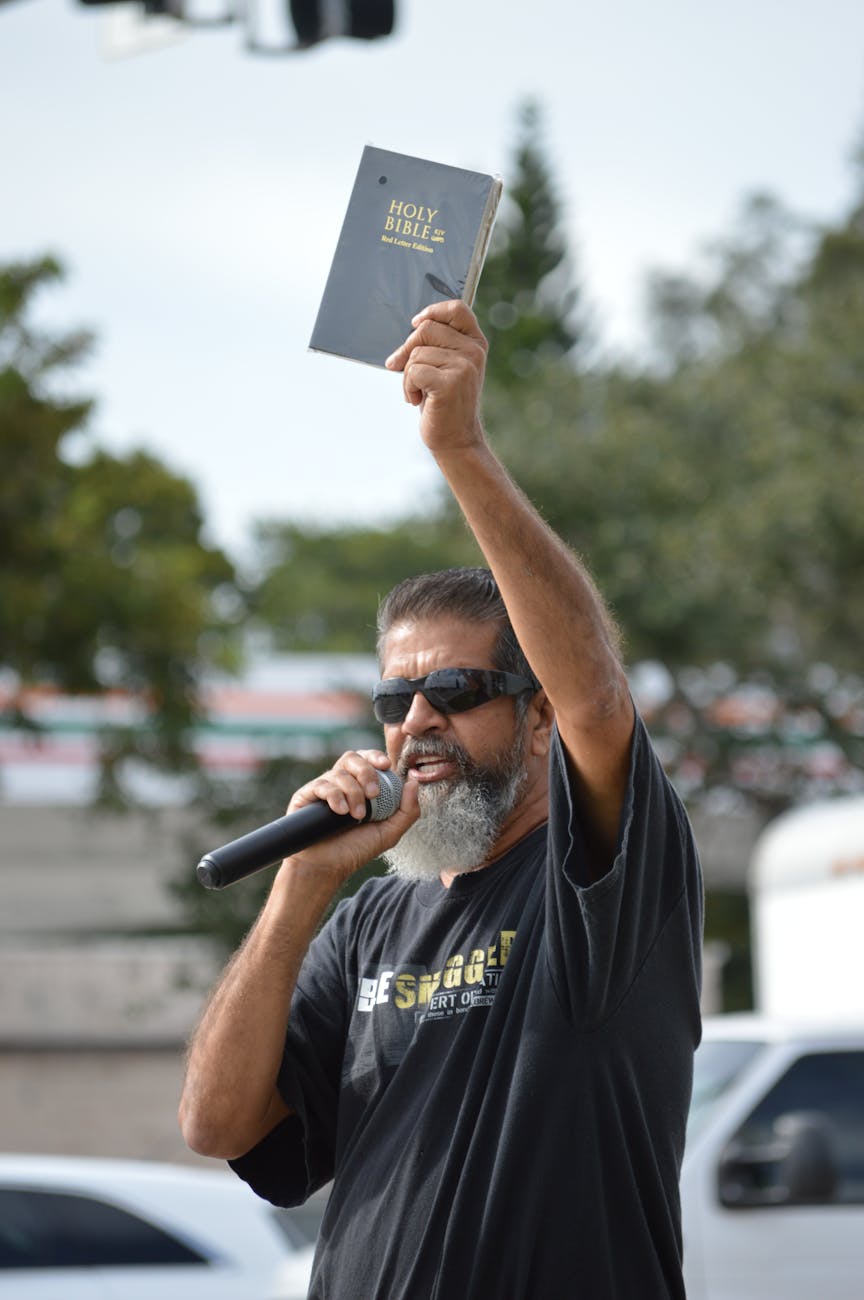
He was placing much of the blame for this on other pastors and institutional leaders– saying that they were at fault for not teaching the names of God. I’m not sure I totally agree with him. I think there is some merit in what he said, but ultimately, when I stand before the throne of judgment, I’m not going to be asked whether my pastor taught me the names of God. I will not be asked how much I knew ABOUT God. I won’t even be asked whether or not I know God–I will either hear that my name is in the Lamb’s Book of Life, or it isn’t! My pastors might face judgment for how true they were in teaching the Gospel, but my mission is to know God experientially. It is MY job to learn who God is, and to follow Him— to trust and obey Him.

But I DO agree that modern churches spend less time on this subject than I remember in my church growing up. Not because we spent so much time on the list of individual “names” of God, but we spent more time in worshipping God for WHO HE IS, and not for what he’s done for me, or what I can be doing for Him, saying about Him, or “identifying” as a Christian, a Christ-follower, or a Believer (and all the tiny differences in meaning that those terms might have).

Part of that comes from the habit of studying the Bible as a narrative. We used to study the “patriarchs” of the Old Testament, the “red letter” words of Jesus Christ, and the letters and “acts” of the Apostles. In fact, it is no longer politically correct to even use words like “patriarchs,” and out of fashion to teach the Bible as historical fact. But there is a value in studying this way– not because the characters are mostly men, or even because they are “heroes of the Faith.” It is important to study them precisely because they are so flawed and broken and in need of a Savior– just as we are! And as they encountered God or walked with Jesus, they saw Him– and NAMED Him– for all of His attributes.
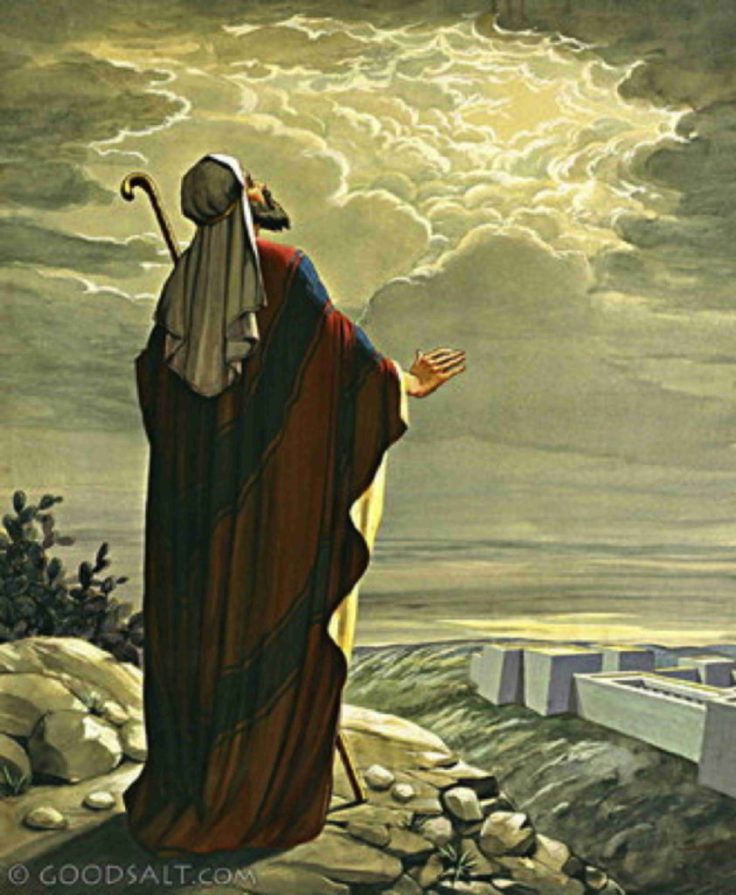
In the Old Testament, He is Yahweh, Jehovah, the LORD. He is Almighty. He is the God who sees, the God who hears, the God who saves, the God who provides, the God who saves, the All-sufficient One, the Lord (who) is my Shepherd, the Most High God, the One whose name is a Strong Tower, the Everlasting God and the Lord of Hosts, among others. Jesus, the promised Messiah, also has a host of names, including Wonderful Counselor, Mighty God, Everlasting Father, Prince of Peace, Lion of Judah, Son of God, Son of Man, Emmanuel, Light of the World, the Living Word of God, Savior, Master, Redeemer, Rabboni, the Bread of Life, the Living Water, the Lamb of God, the Risen Lord, the Alpha and Omega, and many more. What a rich picture of God we get from His Names!

I also remember the old hymns and worship songs doing a better job of helping us to see the God of the Bible. I know we have modern worship songs that include God’s many names and attributes, but others seem to concentrate, not on who GOD is, but who I AM because of God–I’m forgiven, I’m a Child of God, etc. I miss the old hymns that remind me that God is a Mighty Fortress, He is my Vision, my Blessed Redeemer, the Rock of Ages, whose grace is Amazing, and whose Love is “greater far than tongue or pen could ever tell!”

I don’t want to “forget” any of the many titles and attributes of my Father, His Son, or the Holy Spirit. When I lose track of them, I am less likely to worship, less likely to obey, and less likely to turn to Him first in every situation. As we close in on Easter this year, I want to spend some time looking at some of His many Names. But for today, I want to take a deep breath, and worship the one who is “worthy, O LORD, to receive Glory and Honor and Power” (Revelation 4:11).


An Old Prayer for a New Year

Our Father,
Who art in Heaven,
Hallowed be Thy Name.
Thy Kingdom come.
Thy will be done
In Earth as it is in Heaven.
Give us this day our daily bread,
And forgive us our trespasses
As we forgive those who trespass against us.
And lead us not into temptation,
But deliver us from evil.
For Thine is the kingdom,
The power, and the glory,
Forever and ever,
Amen

Jesus taught His disciples to pray when He was on Earth. It is a simple prayer, and it is meant to be used as a guideline.

As we enter a new year, we discard many of the “old” things in our lives, but I’d like to take a close look at how this “old” prayer can breathe newness and vitality into 2025.

Our Father— When we pray, we are praying to a very personal God; one who loves us each intimately. But we are also praying to the God who loves our neighbor, and our “enemy.” He is OUR Father. We can, indeed we must pray for others as we would pray for ourselves. And we must see God as our Father– the one who has both Love for us AND Authority over us. He is not removed from us, but He is not listening for us to dictate to Him what He should do.

Who art in Heaven–Yes, Heaven seems far removed from Earth, and God remains removed from us in the sense that we cannot see him with our eyes or hear him with our ears. But God IS in Heaven– He sits on the throne; He reigns; He rules, now and forevermore. God is not trapped here on Earth; he’s not just passing through on His way to some other galaxy; some other reality. He IS and will always be accessible, glorious, all-knowing, and all-powerful over all that we can ask or imagine (see Ephesians 3:19-20)

Hallowed be Thy Name–The very first three of the Ten Commandments all deal with the Holiness of God and the Sacredness of His Name. When we lose sight of WHO HE IS– when we think of Him as “the man upstairs,” or any other image that fails to acknowledge HIS awesome and majestic Holiness, we lose the very power of prayer. Prayer is not powerful because of WHAT we pray or who we pray for, or even in relation to who WE are in relation to God–it is powerful because of His Name, and His Character, and His Authority.

Thy kingdom come–We have a tendency to pray for the kingdom WE want; the outcomes we want; the visions that we have. Prayer is about more than that– it is about being willing and eager to listen for the outcomes GOD has planned, for HIS kingdom, HIS plans, HIS timing, HIS justice, HIS healing, HIS mercy, and HIS final word.

Thy will be done in Earth as it is in Heaven— Earth, and all the systems we know on earth, are broken and tainted by Sin. When we pray, we pray for something we have not ever experienced fully– that we would know God’s perfect peace; perfect fulfillment; perfect righteousness. Often our prayers are limited by what we know, including the brokenness of our own visions and desires. Prayer should take us beyond those limitations. We need to be open to what HE can do, even when it doesn’t match our expectations.

Give us this day our daily bread— What if we were content to let God give us, not what we want, or wish, but what we NEED for each day? Just enough strength and healing to get through one day of Chemo treatments; just enough peace to deal with the uncertainties we face in the next 24 hours; just enough grace to witness to our co-worker, without expecting an immediate positive response? At the same time, what if we are open to God providing enough “daily bread” to feed 5,000! God is sovereign to give us according to the NEED He sees.

And forgive us our trespasses as we forgive those who trespass against us. When we pray this– REALLY pray this– we must examine our motives for prayer and our actions toward others. Do we want God to forgive us in the same manner and to the same degree that we forgive others? This should be a transformative prayer every time we say it.

And lead us not into temptation but deliver us from evil— Jesus never said that God tempts us, such that we should have to ask Him not to. But we are likely to walk straight into temptation if left to our own devices. We need God to lead us away from temptation and protect us– deliver us– from the evil that we will encounter in this broken world. There is a deeper prayer here, as well. We tend to think of temptation and evil coming from various people that we encounter. The prayer here is not to protect us from other people, or the influence of others, but to lead us away from our own desires and protect us from Evil. It may help us with forgiveness (above) when we remember that our true enemy is not an individual person, but the Evil working in them.

For Thine is the Kingdom, and the Power, and the Glory Forever and Ever— We must be careful not to pray for our own kingdom (selfish desires) our own power (separate from God), or our own glory. God wants to know what is in our heart, and He wants to see our heart being discipled and shaped into an accurate reflection of His humility, His mercy, and His Love– that how His Kingdom operates!

AMEN!–“May it be so.” Our prayers, like our lives, are not perfect. We have not achieved or imagined all that we “should” pray for. God’s Grace is sufficient to cover when we ask for more (or less) than God has planned for us. Our spirit should trust that God will continue the work He is doing to make us more like Him as we pursue His will and His Kingdom (see Philippians 1:6)

This year, we will be tempted to try many “new” things. Some will be good for us; others may not be in our best interest. I hope that this year, we will grow in our pursuit of prayer– that we may find new ways to draw close to God in prayer. But let us not abandon the fundamentals that are included in this “old” and dear prayer of our Lord Jesus.

My Father

One of my hobbies is genealogy. I have been tracing my ancestry (along with that of my husband and my in-laws) for many years. I am fortunate, in that I know who my parents, grandparents, and even great-grandparents were, when and where they were born, and when and where they died. Most my ancestors lived in the same area for at least five generations, some for seven or eight generations.

My great grandfather and his cousin, c. 1885

I know many others who struggle with genealogy, or have lost interest in “finding their roots.” Some are adopted, or their parents were adopted. The records have been sealed, or worse, lost, and they cannot find out even the name of a parent or grandparent to trace. Others have a murky and mysterious family history– someone in their family was illegitimate or born out of wedlock and no biological father can be confirmed.

Almost everyone who works on genealogy has, as one point, “hit a wall.” There are some people whose history is lost. They moved frequently, or they lived in a city or town where records were destroyed by fire or flood; some changed their name to avoid persecution or prosecution–some where enslaved and their names erased against their will; some lived at the edge of the wilderness, where few records were kept, and fewer still survived; some died young; some were illiterate, and left no written records. Many families have boxes or albums filled with unidentified (and unidentifiable) photos.

Some genealogists “hit gold.” They find in their family history a famous person from the past– a king or queen, military hero, chieftain, statesman, scientist, artist– some person of note. Often, however, these “finds” turn out to be red herrings. Early in my research, I thought I had stumbled on to a line of descent from one of the passengers on the Mayflower. How exciting! Except I had followed the wrong line. Two men of the same name in the same town had been born just two years apart. I had found the “right” name in a book about the Mayflower descendants, but it wasn’t actually the “right” one. A similar thing happened with the name of a signer of the Declaration of Independence. I even had a cousin who insisted that this signer was our direct ancestor. But it turned out to be incorrect. We WERE related to the signer, but not descended from him. It turns out he was a great-granduncle of our ancestor.

Human genealogy can be a rewarding pursuit, or a frustrating one. But our spiritual genealogy can be crystal clear, and is full of exciting news! Our Father is the King of Kings! We don’t have to wonder who He is or whether we will be accepted and listed as a family member. His grace extends to everyone who believes on Him– and it comes with the fullness of being His Children for all eternity.

My dad

When I pray to My Father, that is not just a polite or wishful phrase. God IS my father– just like my human father, only eternal and omnipotent! I have inherited various traits from both my fathers–creativity, wonder, curiosity, a sense of purpose and responsibility, love for others and for the world around me, love of music and nature, and a love of puns(!)–and I am an heir to all the riches of my Heavenly Father’s mercy and grace. I am a descendant of all the heroes of the Faith– not physically through human birth, but by spiritual re-birth– a daughter of Abraham, Isaac, and Jacob. All that God promised to them, He shares with me. Not because I deserve them, or could ever earn them; because He has made it so.

Father’s Day is coming up this Sunday. And it can be a time of reflection on our earthly fathers– their strengths, weakness, failures, and relationships. Father’s Day can bring many poignant memories, or waves of bitterness or regret. And looking into our long family history– if we can find it– may result in finding patterns of behavior that have led to pain or progress. But whatever your genealogy today–whether you know it, or take pride in it, or despair of it–you can live in the awe of being a beloved and privileged child of the King! And He wants to chat with you today! We have much to celebrate on Father’s Day if we reflect on our wonderful Heavenly Father!

My Father’s Heart

I can still remember as a small child of 3 or 4, after my Dad came in from mowing the lawn, climbing up and snuggling close to his chest to listen to the beat of his heart. Dad smelled of new-mown grass and honest sweat, and his heart was beating—thumpity, THUMP-Thump, thumpity THUMP-thump–I could almost feel it beating through his chest. It would start out racing, and gradually slow to a steady Thump-thump Thump-thump.

Looking back, I marvel at my Dad’s patience. Here he was, fresh from working on the lawn, hot, sweat-covered, and exhausted, only to be met with a wiggly child, intent on chattering, and interrupting his precious “relaxation” time. But as I wiggled, Dad’s tender arms would come around me, and both of us would become quiet and just enjoy being together, listening to the beat of his heart. They were precious moments.

My dad worked long hours at a mind-numbingly boring job. He worked for a large pharmaceutical company, but he wasn’t a chemist, or an engineer. He was a “bagger.” His company produced anhydrous citric acid for industrial and commercial use. As the name implies, citric acid is caustic, even in powder form, and Dad had to wear special gloves and shoes, plastic glasses with side shields, and other gear to protect his skin, hair, and eyes from the possibility of burns. He worked, sometimes 16-18 hour shifts (overtime, or time-and-a-half) at a station in a small, hot room. His job was to fit a bag to the end of a chute, push a button, and stand there as 50 or 100 pounds of citric acid filled the bag. He then carefully took the bag off the end of the chute and moved it to another machine, where the top edge would be stitched closed. Finally, he would lift and carry the full bag to a conveyer belt, so it could travel to the shipping room to be loaded on to skids and sent all over the world. Sometimes, he would cover someone else’s shift in the shipping room, loading the bags onto the skids or even loading the skids onto trucks or train cars, but most of the time, he was alone in a drab, overheated, powder-filled room.

I once asked my father how he could stand to do what he did every day. It was hot, heavy, boring, and mostly thankless work. Fit the bag, push a button, move the bag, push a button, move the bag again, and start all over. Always on his feet, always lifting his arms. No one to talk to; nothing to watch or listen to but the machinery around him. But my dad was content. He didn’t find his identity in his work, although he was proud to have a good-paying, steady job. He was thankful for his ability to be consistent and productive. He was proud of his good attendance record and his dedication. But he wasn’t married to his work, and he wasn’t working for money or fame or status. He was a Christian first, and a husband and father next. He was as steady as his heartbeat. Always reliable, even-tempered, trustworthy– solid.

My father worked at the same company for over 28 years (in fact, the company changed names twice while my dad worked there!). When he retired, we threw him a surprise birthday party/retirement party. But Dad’s heart was wearing out. All those years of work were taking their toll Dad spent two years of retirement enjoying some travel and relaxation, but his last two years were spent in and out of the hospital with surgeries and complications, physical limitations, and chronic pain.

Finally, the day came when Dad’s heart broke. He had been in the hospital overnight, and the surgeons had done all they could. They had “zapped” dad with the defibrillator. They had done compressions until his breastbone was broken and each compression was pressing shards of bone into his chest and close to his lungs. One last time, I stood, with my mom and sister, watching Dad’s heartbeat on the monitor. It was steady, but so, so weak. Dad’s once-solid arms were too weak to reach up from the bed; his blue eyes were dim, and he struggled to breathe. We said a last prayer and told Dad that all was ready for him to go Home at last. And his heartbeat faded to a straight line on the monitor.

Dad’s heart was huge in life– steady and strong, patient and solid. His faithfulness gave us all a glimpse of our Father’s heart in Heaven. Dad was a humble man. He was a man who sacrificed the life he could have lived to take on a thankless, boring, demanding job so we could have nice things and opportunities as his children. He also took the job so that, after those long hours, he would have time off during the week, so he could come to some of our school programs, and take family day-trips, and just “hang out” with friends and neighbors in the community. He mowed our lawn, but he also mowed lawns all around the neighborhood– for shut-ins, elderly couples, and those who were sick or didn’t have a mower. His heart was not only strong, it was incredibly tender. Dad cared about the little things…he loved children and animals; he cried for the National Anthem, and at prayer meetings. When I read about Jesus welcoming little children, it made perfect sense, because it is exactly what my own father would have done and said.

Dad wasn’t perfect, of course. He was only human. He made mistakes. And he died. But he made a profound impact on those who knew him, and he lived a life that drew people to Faith and Hope in Jesus. The Bible doesn’t make clear whether or not we will have “hearts” like our present human hearts when we are with the Father in eternity. But I know my Father’s Heart. It’s even better than my Dad’s. Some days, even here on earth, I can hear its steadfast, solid rhythm in the greetings of neighbors, in birdsong, or on the wind. And I can stop wiggling, and just be held in His tender arms.

A Prayer For Fathers

Photo by Pixabay on Pexels.com

We are approaching Father’s Day. It is a day of celebration for many people, but it can also be a day of sadness for others. This year will be a milestone for our family, as my father passed away 25 years ago; and yet–we are preparing to celebrate the birth of my grand-nephew’s first child. This will make him a father, my nephew will become a grandfather, and my brother will become a great-grandfather! My husband is a father and grandfather, and so are three of his brothers. We also have brothers, brothers-in-law, nephews and cousins who are great dads. So we really have a lot to celebrate!

Fatherhood– the kind we celebrate– is more than just contributing genetic material to a new life, or claiming a child on an income tax statement, or showing up once in awhile for major events. Fatherhood involves sacrifice. It requires wisdom and patience. It involves ongoing commitments, and the tough love that says, “No” because it’s the right thing, rather than the easy thing to say. Fatherhood requires a man to be a teacher, provider, protector, defender, coach, and disciplinarian. It also requires humility, and grace, encouragement and sometimes tears. In addition, fatherhood requires prayer. No father is perfect, and no father can do all that he needs to in his own power. Fathers need our support and encouragement, our grace, and our prayers.

Photo by Kaysha on Pexels.com

It is tempting to label our fathers. I have known “good” fathers. And I have known fathers who have abandoned or even abused their responsibilities, causing trauma, anguish, and hurt to their families, lasting for generations. My own father wasn’t perfect, but he was a “good” father. He was a man of humor and integrity, faithful, honest, loving and humble; a man of faith, and a man of honor. My father-in-law was the same. They left wonderful legacies of wisdom, hard work, and quiet strength. But I know of other fathers who have ruined the lives of their children (as well as their own lives) through fear, selfishness, addictions, abuse, anger, greed, and pride. Father’s Day can cause regret, envy, and bitterness in the hearts of many fathers and children alike. Many people would like to forget about their fathers on Father’s Day. Some don’t even know how to celebrate– they’ve never seen or heard from their father; some don’t even know his name!

Photo by Ketut Subiyanto on Pexels.com

But Father’s Day is not only for “good” fathers. It is a time to honor those who have been faithful, but it is also a time to reach out to those who need help. Good fathers are needed! And “bad” fathers need to be called out– not indulged or ignored, but held, guided, rehabilitated, or even incarcerated, for the good of their children. Hurting boys often grow up to be hurtful fathers. Hurting girls often end up in hurtful relationships. Hurtful fathers often struggle with their own baggage of hurt and disappointment from past generations, without knowing how to change. Fathers need more than a “day”, a cook-out, or another tie. They need a mission and a purpose; they need respect and forgiveness; they need encouragement and accountability.

My prayer today is that this Father’s Day can be a day of honor AND of healing for fathers and their children. I pray that struggling fathers will be encouraged and strengthened; that hard-working, faithful fathers will see the rewards of their efforts and find hope to keep going; that absent and apathetic fathers will wake up to the challenge and the gift of fatherhood; that broken fathers will find help and healing for themselves AND for their families; that hurting sons and daughters will find the grace to move beyond the pain of unmet expectations and abuse to become better men and women.

Photo by Anna Shvets on Pexels.com

All that I pray for is made possible because we have a Heavenly Father– a perfect, loving, eternally wise Father– who loves us through our struggles and our pain. He knows our every need, sees our every tear, and hears our every prayer. He is ready to be our coach, our provider, our healer, our disciplinarian, and our protector. No matter our experiences or how we feel about our earthly fathers, or about being a father, we can trust Him to be all that we need. Our Heavenly Father will never abandon us, reject us, abuse us, or despise us. He will comfort, encourage, uplift, and guide us– now and forever. All we need to do is pray and accept Him for all that He is!

Everyone is Asking For You

I went to a weekly prayer meeting the other day. We started with a reading from scripture. It was just a short passage from Mark (chapter 1, verses 29-39) about Jesus’ early ministry. But I was so excited about the insight we got, that I want to share it here.

Photo by Tima Miroshnichenko on Pexels.com

29-30 Then, leaving the synagogue, he and his disciples went over to Simon and Andrew’s home, where they found Simon’s mother-in-law sick in bed with a high fever. They told Jesus about her right away. 31 He went to her bedside, and as he took her by the hand and helped her to sit up, the fever suddenly left, and she got up and prepared dinner for them!

32-33 By sunset the courtyard was filled with the sick and demon-possessed, brought to him for healing; and a huge crowd of people from all over the city of Capernaum gathered outside the door to watch. 34 So Jesus healed great numbers of sick folk that evening and ordered many demons to come out of their victims. (But he refused to allow the demons to speak, because they knew who he was.)

35 The next morning he was up long before daybreak and went out alone into the wilderness to pray.

36-37 Later, Simon and the others went out to find him, and told him, “Everyone is asking for you.”

38 But he replied, “We must go on to other towns as well, and give my message to them too, for that is why I came.”

39 So he traveled throughout the province of Galilee, preaching in the synagogues and releasing many from the power of demons.

Mark 1:29-39 The Living Bible

The first thing we noticed was the timing. Jesus had just been at the Synagogue, so this was likely on the Sabbath– the day of rest! Jesus and the disciples walked to the house where Simon Peter and Andrew lived. This would be close to the Synagogue, since travel was curtailed on the Sabbath. But instead of being able to rest, Jesus ended up healing Simon’s mother-in-law. Then people start flooding in, before and after sunset, begging to be healed. After sunset, even more people could come from a farther distance, and many were there just to watch. Jesus worked far into the night, healing and casting out demons.

Photo by Ivan Samkov on Pexels.com

But look what happens in verse 35. “The next morning, he was up before daybreak and went out alone into the wilderness to pray.” Jesus might have been tempted to sleep in. He might have decided to wake up and find a quiet corner of the house to say a quick prayer for the morning. He might have done many things. But He chose to wake up before dawn, even after an eventful evening, and go off into a solitary place to spend time with His Father.

Prayer was a priority with Jesus. Not sleep. Not comfort. Not convenience.

But later, Simon and the others tracked Him down and asked Him to come back. The response to His healing of the day before had been phenomenal. People were asking for Him, waiting to see more of His miracles and hear more of His teaching! Surely this was success!

But Jesus didn’t come to have a popular ministry. He didn’t come to do command performances and His miracles were not meant primarily to impress and astonish people, or to draw vast crowds. Jesus came to do His Father’s Will. And so He dismissed the opportunity to do an “encore.” Instead, He was focused on His true mission– to preach the Kingdom to the other towns as well. Some of these towns would be eager to hear the message and receive the blessings and healings that Jesus brought. Others would mock Him and urge Him to leave their village or city. But His mission was clear– He would travel where the Father led Him, and preach the message the Father gave Him. Even at the expense of His own popularity; even at the expense of the temporary success of his ministry.

What did Jesus and His Father speak of during that early morning encounter? Did Jesus talk about how tired He was from the day (and night) before? Did He share with the Father the success of His healing, and the great need in that village? What advice did He seek from the Father?

We know only that Jesus got up from Prayer and was immediately obedient to the Father’s Will. Though His trusted friends and companions were encouraging Him to return and repeat the success of yesterday, Jesus walked into the unknown, following the Voice of His Father. “For that is why I came.” Jesus could have done much good by staying put and continuing the success He had on the Sabbath. But that wasn’t why He had come. He didn’t just come to do “good.” He came for much more! Sometimes “good” can be the enemy of the “best.” It takes discipline, humility, and obedience to follow God into the unknown– especially when we are tempted to continue in our own power to do what others deem as “important” and “good.”

Photo by Ian Panelo on Pexels.com

What voices are speaking to us today? Have you taken the time today to speak to the Father and seek His direction? Have you submitted yourself to His Will? Are there people “looking for you” to do good; to replicate a good performance from yesterday? What if God is calling you to move on? What if He has something better in mind? Maybe He is calling you to go out into a solitary place, where you can better hear His voice over the noise of the crowds or even the pleas of your friends.

Photo by Michelle Leman on Pexels.com

My prayer today is that I will find the discipline to meet with God early, listen intently to His voice above the others, and obey! May I do not just what is “good” in the short-term, but what is “best” in the long-term. Even if “everyone” is looking for me– I want to be looking for God first and foremost! Don’t you?!

“Hallowed Be Thy Name…”

Christians have a lot of confusing “jargon”.  If you grew up in the church, there are certain words and phrases that are supposed to be intuitively understood.  If you didn’t grew up in the Bible Belt, or in an old-time church, you may feel like you’ve been dropped into a parallel universe where people speak the King’s English– but it’s King James’ English!  Words that would fit neatly into a Shakespearean monologue are flung at you:  “Thou shalt not,” “graven images”, “begat”, “beseecheth”, “whosoever believeth,” “Hallowed be Thy Name.”

As a child, I used to think the phrase was “hollow-ed be thy name”– it was confusing.  Why would God want his name emptied and hollow?  Why would I do that?  Of course, it was explained to me that “hallowed” meant holy, or honored, or revered.  That made more sense, but I think in some ways we have done more “hollow-ing” and less “hallow-ing” of God’s name in our churches lately.

church-bank-wood-benches-161060.jpeg

And it’s not just the argument I hear a lot about actual language usage.  I hear some people complain about those who pray to “Daddy God” or “Papa God” or those who use “OMG” when they text, or “Jeesh!”  To me, these are “splinter” arguments (another Christian jargon term, referring to Jesus’ example of someone trying to pick a splinter out of someone else’s eye when they have a plank in their own!).  That’s not to say that we shouldn’t be careful about the words and names we choose, especially around those who do not know Jesus personally. But the core issue isn’t the vocabulary, but the attitude. The real trend I see is that we are losing our attitude of AWE in God’s presence.  We use words, and carry attitudes that devalue the one who is most worthy of our absolute best.  Or, we try to put ourselves, our own efforts, and our own attitudes in His place. God IS our Father. He is not “the man upstairs,” or “the Big Guy,” or “Daddy-O.” He is not our “pal” in the sense of any other human acquaintance. He is the Lord of the Universe! But we can call Him “Lord, Lord” and still not have a relationship with Him (see Matthew 7:21-23). Using “religious” sounding language doesn’t make us any closer to God in our heart, and it certainly doesn’t fool Him!

arrogant

God wants a relationship with us; he loves us with an extravagant, boundless, and everlasting love.  He doesn’t want us to run from him in fear or hide from him behind big, empty, but important-sounding words.  In fact, in his time on Earth, Jesus walked side by side with his disciples, he ate with people, embraced his friends and family, danced, burped, wiped his nose,  held children on his lap, laughed, and lived among us.  But he is eternally GOD.  Yahweh– the LORD–I AM.  Almighty, all-powerful, omniscient and completely HOLY.  And his Name is to be revered.

When we say that we follow Christ;  when we call ourselves Christians, we bear that name– we take on that Hallowed name–we strive to be ambassadors and representatives of the name which is above all names.  This isn’t just about saying his name, “Jesus”, “Father”, “Savior”, “Heavenly Father” in a less-than-honorable fashion.  It’s about how we represent His Name as his ambassadors.

girl-praying-hands-eyelashes-41942.jpeg

We’re not perfect; we will not always live up to the Name we carry– that’s part of the Gospel message–Jesus came to show us how we ought to live, and to give us victory over the reality that we can’t do it in our own flawed state.  But in praying “Hallowed be thy Name,” we are not asking for God’s name to become more honorable.  We are asking God to give us the wisdom, the power, and the desire to bring him the honor and worship he so rightly deserves.  And that only happens when we live transparently, humbly, and in a manner worthy of His Name.

“Our Father, who art in Heaven, Hallowed be Thy Name…”

Who’s Your Daddy?

When I was growing up, I knew three important things about my father:
I knew he loved me–and the rest of our family–faithfully and truly.
I knew he loved God–He was a man of faith, prayer, integrity, and obedience to the Word.
I knew he would do anything to protect and provide for our family.

But I also knew that my Daddy wasn’t perfect. He was not the strongest man in the neighborhood; or the fastest, or richest, or most respected. He wasn’t the tallest, or most athletic. He wasn’t a leader in local politics or a chamber group or fraternal organization. He didn’t have a string of degrees, or a fleet of fancy cars. He didn’t even have a lot of hair, or perfect teeth. But he had a gentle laugh, a deep wisdom, and a hug that made me feel safe and precious. He had a enormous heart– one that was easily touched, but firmly committed. He was humble and kind; he was loyal and brave and joyful.

Photo by August de Richelieu on Pexels.com
Photo by Abdel Rahman Abu Baker on Pexels.com

I was blessed to have such a Dad. I know people whose earthly fathers were distant, disapproving, absent, or even abusive. Earthly dads, even one like mine, are still human. They make mistakes and bad choices; they carry baggage from their own childhoods; they carry fears and failures; they fall short of our expectations, and their own hopes and dreams. And yet, we long to have a father we can trust; a father who won’t fail us, even in the little things; a father who will perfectly understand us, provide for our needs, and protect us. No matter how old we are, or how successful we may be, our need for a father’s love and approval never end.

Our mental and emotional picture of God is often shaped by our relationship with our earthly fathers. Especially if our father was abusive, it can be difficult to believe that God really loves us. After all, if God loves me, why did He give me an abusive Dad? If God can protect me, why did He allow me to go through a journey with Cancer? Or poverty? Our fallen world leads us into circumstances that cause us to doubt God’s goodness and His ability to redeem our broken past. But, while God sees our painful circumstances, He also sees things that we can’t. He sees the pain that our fathers feel in their own brokenness and inability to “fix” their own past. He sees the kind of growth and compassion that we can learn in our difficulties– lessons that we would not learn in ease and apathy.

God is a different kind of Father. He is eternally sovereign; the King of Kings, and the Creator of the Universe. There is no comparing Him with anyone else’s father– because He is the Ruler and Father of all! Yet, He wants a close loving relationship with each one of us– with me! With you! He is not just committed to doing His best to provide and protect some of us– He is fully capable of providing ALL our needs and protecting us against ALL enemies, including sin and death! For those who have grown up with a distant or abusive father, it can be difficult to hear of God as our “Father” and feel the kind of comfort and trust that we are meant to have. Yet God invites us into His very presence– ALL the time; ANYTIME. He is everything that the word “Father” was meant to be!

Photo by Juhasz Imre on Pexels.com

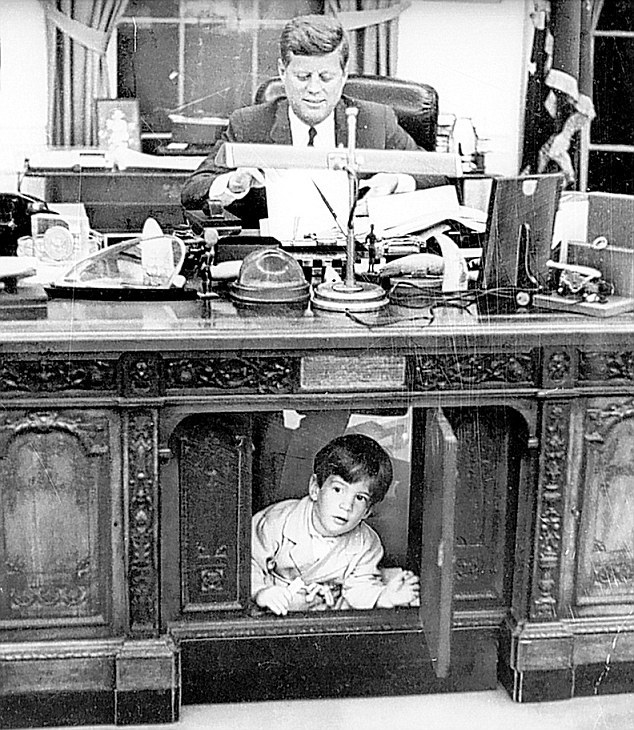
Someone once used the analogy of President John F. Kennedy to describe how we can relate to God as “Father.”. As President, JFK was arguably the most powerful man in the world– the leader of the most powerful nation on earth. At his command, soldiers, sailors, pilots, and even nuclear missiles, could be deployed. The stroke of his pen could sign bills into law, grant pardons, and appoint powerful positions. To enter the Oval Office and have an audience with the President was an honor reserved for rulers and generals and authorities– and his children.

There is a picture of JFK, Jr. as a small boy, peeking out of the Resolute Desk, as his father sits behind the desk conducting the business of the nation. The son had complete access to his father’s presence– access to the most powerful man on earth–his Daddy. He may not have fully understood what his father was doing, or even how important his father was– but he knew that he could spend time with his Dad.

Of course, President Kennedy was not God. He was fallible, and terribly mortal, as the nation learned to its grief. But the idea that God is distant and uncaring, or even vindictive and petty, is belied by the many Psalms and hymns and prayers throughout the ages. And the idea that God is just another “pal”, or “the man upstairs”–someone who loves us, but has no real power to command our obedience or rescue us from our enemies–is also belied by the many miracles and examples of His power in nature and in history. And unlike the exclusive nature of the relationship between JFK and his biological children, God invites ANYONE who calls on Him through His Son to be adopted as a son/daughter with the same intimate privilege of total access. https://www.biblegateway.com/passage/?search=John%201:11-13&version=HCSB (John 1:12)

So when I pray today, I’m not praying to my “Daddy” in any earthly sense. As much as my earthly Dad loved me, I am praying to someone who loves me more, and better, and perfectly. I am praying to the King of Kings, who also invites me to call him, “Abba”– “Dad.”

The ACTS of Prayer

It’s another new year, and many of us are resolved to pray– pray more, pray better, pray longer, etc. That’s a good resolution, but without a plan, it can fizzle out as the year goes on. It’s not that we stop praying altogether; it’s just that we end up praying the same old way or about the same old things, and our pursuit of prayer becomes another routine.

This year, I want to present several “How-to’s” of prayer– at least one every month– to keep things fresh. Today is ACTS. ACTS is an acronym that stands for Adoration, Confession, Thanksgiving, and Supplication. I learned this method way back in college, and our Wednesday morning prayer team at church still uses it each week.

Photo by Luis Quintero on Pexels.com

Start by coming to God in worship and ADORATION:
List some of the Names of God–Father, Creator, El Shaddai, LORD, King of Kings, etc., OR
List the attributes of God–Merciful, Mighty, Humble, Everlasting…
Pray one of the Psalms…
Sing or recite the words of a worship hymn or praise chorus…
Think of creative ways to spend some time expressing God’s Worth and Majesty.

This may be difficult the first time; it may feel awkward at other times. Don’t be discouraged. God inhabits the praise of His People, whenever, wherever, and however we make the effort!

Photo by Karolina Grabowska on Pexels.com

Second, spend some time in CONFESSION:
Ask God to examine your heart to see if there is any wickedness that has gone unacknowledged..(Psalm 139:23-24)
Confess specific sins as you think of them…
Confess your need for God’s forgiveness and His Guidance..
Resolve to take action– either action to seek forgiveness from those you have wronged, or action to change course in the future, or action to let go of past resentment..

Sometimes, you may need to stop and take the action NOW before you continue in prayer. Sometimes, you may need to let go of your own lingering guilt and shame over past actions for which you have already confessed. Remember, God removes our Sin as far as the East is from the West, (Psalm 103:12) and He will remember it no more– so we must trust in His forgiveness and move forward; not stay stuck in the past!

Photo by Tima Miroshnichenko on Pexels.com

Next, THANK God–for His provision, and for His Mercy:
Thank God for His daily provision of life, health, strength, and unfailing Love!
Thank Him for the people in your life– those who encourage as well as those who challenge you!
Thank God for His Mercies that are new every morning (Lamentations 2:22-23)
Thank Him for His forgiveness and cleansing (1 John 1:9)
Thank Him for His eternal presence (Hebrews 13:5; Deuteronomy 31:6)

Don’t confuse this with step one–ADORATION is about Who God IS. Thanksgiving is about What God has Done for YOU. It is easy to recite a verse about what God has done for others– take time to make it personal, especially in light of whatever you have just confessed!

Photo by Luis Quintero on Pexels.com

Last, bring your petitions and requests in SUPPLICATION to the Father:
Bring your heart-cry for lost friends and relatives…
Ask for God to work in situations that have you frustrated..
Plead for Justice and Righteousness to be done in the world around you..

Pray for leaders, elected officials, and church leaders..(1 Timothy 2:1-4)
Ask for the strength to resist temptation, stand firm, and run the race that is set before you.. (1 Corinthians 10:13, 1 Corinthians 16:13, 1 Corinthians 9:24, more..)

It isn’t that this is the least important step, but it works better when it follows the other three steps. NOW you are in the right frame of mind to present requests. They can be seen in their proper perspective. Instead of a giant wish list of things you hope God might do for you, you can present requests that you KNOW God already knows about, cares about, and for which He already has a plan! You can come in confidence, knowing that you have peace with God because He has forgiven your sins and restored your relationship as His son or daughter– nothing stands in the way! And you have just rehearsed (and said Thank You!) for all the ways God has been faithfully working in your life!

Does this sound like a lot of time and energy? It is. But it doesn’t have to be for every prayer you pray. This is for special time set aside for deep prayer. OR, you can break it up throughout the day: Wake up with praise and adoration (it will make an immediate difference!), spend some time at the end of the work day confessing (when it’s still fresh!), and end the day with thanksgiving and supplication (what a way to find peaceful rest– give all your cares over to God who has done so much for you (1 Peter 5:7)!

However you choose to do it– consider trying the ACTS method this week. Do it during your quiet time, or try it with a group. Develop a habit of coming to prayer in this order.

Keep watching this space for more ideas to stimulate your prayer life. Let’s pursue prayer together in 2023!

Blog at WordPress.com.

Up ↑