Our Father

Dad.  Daddy.  Pops.  Papi.  Da.  Father.

During my youngest years, I called my father “Daddy.”  Daddy was someone to hold me when I was tired, or frightened, or just in need of a hug.  Daddy had all the answers; he could turn my tears into giggles, my pouts into apologies.  His stern word could melt away rebellion; his smile could fill my heart to bursting.

As I grew older, he became “Dad.”  Dad was wise.  Dad gave good advise– even when I didn’t always take it.  Dad listened and showed interest in what I said.  Dad challenged me to do better, think deeper, try harder, and work smarter.  Dad didn’t pick me up and carry me, but he was there beside me when I needed someone to lean on or lend a hand.  Dad was my coach and advocate.

grace1

As an adult, Dad sometimes became “Pa.”  Pa was someone who had “been there”.  He had experience, and wisdom.  He had patience and compassion.  But his days of coaching and propping me up were fewer; his days of sharing his own faults, his unfulfilled dreams, his regrets–commiserating rather than commanding– grew more and became more precious to me.  He was still my father, but he was also my friend– a fellow traveler on this road; one I knew well and loved dearly.  One I respected and trusted, even though he was not perfect.

I was blessed to have a father who was good and kind; a man of integrity and humor; a man who loved his family more than life, loved his neighbors, his community, music, nature, animals, and good food.  Most of all, he loved God.  Not with fire and brimstone fanaticism, but with humble astonishment that God would send his son to die for him.  He lived in the wonder of that truth– that “whosoever believeth (in him) should not perish, but have eternal life” included him.

I say all this, not just to honor my earthly father, or to thank my heavenly father for that relationship, but to point out how prayer is often a reflection of how we view fatherhood.  Some people have a difficult time praying and trusting God because they have never known an earthly father; or they’ve only known earthly fathers who were distant, unapproachable, or abusive.  If this is the case for you, may I encourage you to ask God to reveal himself in a fresh way, with a name and vision that is personal and distinct from the earthly father you have known.  Some people view God as “Daddy”–someone who fixes everything, holds us close, and keeps us safe.  And he is all those things.  But he is also “Dad” who wants to challenge us and coach us to grow and develop our character.  He is “Abba”, and “Senor”, “Lord,” and “Father” and “Papa”.  He is not “Pa” in the sense I knew my father, in that we are not his peers when we reach adulthood.  He has no faults to share, no regrets.  But he wants to share that precious intimacy that comes with time and familiarity–he wants us to develop trust and love as we get to know him better, however we call him.

superdad

There is one clear difference between God and any of our earthly parents– God is GOD– he is the creator and ruler of galaxies, and of microcosms,  omnipotent and omniscient, omnipresent and eternal, holy and sovereign.

And when I pray, I pray to him– almighty King of Kings– and my Father!

What God Didn’t Give Me

I’m very grateful for all the many blessings that God has given me– for Salvation, most of all. But God has blessed me with family, health, freedom, and so many other wonderful things. But there are several things God didn’t give me. Some of them are things I wanted (or thought I needed!) Others are things I never even imagined.

God didn’t give me a pony when I was younger. God didn’t give me blonde hair. God didn’t give me the genetics to be 5’9″ tall, athletic, and thin– I never became a ballerina or a model. God didn’t make it possible for me to study in France my junior year of college like I had wanted. God didn’t see fit to make “Mr. Right” fall in love with me in high school or college. God didn’t give me children to raise. God didn’t let my father live long enough to walk me down the aisle when I finally got married. And I never won the lottery (probably because I don’t play!– but still…)

It’s very human to look around and see what others have that we might desire– things that God did not choose to give us; even things that God has taken from us–and feel resentment, envy, and even anger. But we rarely look at those things others have that we would NOT desire. And we rarely look back and see how things we thought we wanted would not have been good for us, or how God removed things from our lives–even good things–for a better purpose. Sometimes, we cannot know or understand such things this side of heaven. But it might be a good practice once in awhile to look back and see what God DIDN’T give us– and thank Him for His wisdom and provision!

God allowed me to get chicken pox as a child– but He didn’t let me get Polio, or Diphtheria, Scarlet Fever or Whooping Cough. God didn’t give me blue eyes like my dad– but He didn’t give me Dad’s color-blindness, either. God prevented me from going on a date with one cute and popular boy who asked me out in high school. And the one in college. And the one I worked with. But God delivered me to my husband a virgin, and free of the guilt and shame of a string of failed relationships. God took my father at age 68. But He healed my father after a heart attack at age 50 (the reason I never got to study in France). We had and “extra” 18 years with Dad, and while Dad was sick most of the last years of his life, we didn’t have to see him suffer years of pain, misery, and helplessness. And about that semester in France? Some of my friends went that year– and they were plagued by injuries, nationwide strikes, and other issues. God knew what I wanted in each case; He also knew what was best for me.

A couple of years ago, I was diagnosed with Diabetes. God did not “give” me Diabetes. (That’s another mistake we often make.) God gives good gifts. (James 1:17) But we live in a fallen and imperfect world. Disease, injustice, pain, and heartache are part of this world. Someday, God will redeem the world and put an end to all of these, but for now, there is no guarantee that God will keep us in perfect health or happiness. So, I’m Diabetic. I’m not grateful because I have the disease, but I am grateful for so many things related to it. I am grateful that I live in a time when treatments are both available and accessible. I am grateful that I was diagnosed, rather than suffering a coma or dying without help. I am grateful that I have access to healthful foods and the ability to exercise– two things necessary to keep the Diabetes under control. I am grateful that I lived for so many years without the disease. I am grateful for a supportive husband and family members who help keep me motivated. And I am grateful that nothing about having Diabetes changes IN ANY WAY God’s love for me, and His plans to give me eternal life in Him!

Are there things, people, or situations in your life that God DIDN’T give you? Healing that was denied, or blessings withheld? Hurtful things that He allowed to happen in your life? That He took away from your life? God doesn’t want us to pretend that all is perfect in our world. He knows the pain of NOT getting what we wanted, and the agony of losing what we did want. But He also knows the joy that we haven’t yet experienced– the joy of renewal; the joy of restoration; and the joy of completion.

God didn’t give me a pony– nor the hard work of caring for it, or the heartbreak of losing it. God didn’t let me date the popular boy– but He gave me a man of gentleness and integrity. God didn’t give me children to raise, but He gave me grown children, and grandchildren to love. God didn’t “give” me the semester in France, but He did give me opportunities to meet people from France. He gave me opportunities to use the French language I studied– in Florida, Texas, and even the Dominican Republic! God didn’t let my father walk me down the aisle at my wedding. But He allowed Dad and David to meet and even know each other– years before we were married. God didn’t give me perfect health here on Earth– but there will be no disease or death in Heaven.

Thank you, God, for all that you have given me– even Diabetes–and for all that you have allowed to shape my life. Help me see You in every detail of my life– the pleasant, the painful, the difficult, and the mysterious– and to praise You in every circumstance. Thank you for today, and for all the plans you have for it, and for me. Thank You for being You!

Just 10 Percent

Bible teacher and author Chuck Swindoll is credited with saying, “I am convinced that life is 10 percent what happens to me and 90 percent of how I react to it. And so it is with you. We are in charge of our attitudes.” When I was younger, I liked this quote, but I quibbled with the numbers. Surely, we are in control of our reactions and attitudes. And our circumstances don’t determine our lives completely. But just 10%?! What about those whose circumstances are overwhelmingly tragic?

I thought of some of my father’s experiences, and it seemed as though what happened to him in four short years should have had a greater impact on his life. During the four short years that my father was in high school (1945-1948), his family experienced at least three tragedies. Dad grew up on a farm. His dad was a dairy farmer, as was his grandfather. Dad grew up expecting that he would, along with his father and brothers, spend the rest of his life as a farmer. But then, everything changed. First, Dad’s oldest brother was drafted into the Army at the very end of World War 2. Though my uncle was not in combat, he was badly wounded in Germany, as his unit was sent in to find unexploded bombs and land mines, and ordered to clear out rubble. Dad had lost one cousin in the war, and several others had come home wounded or changed, but my uncle’s situation was post-war, and unexpected. It meant more work for my grandfather and the two younger sons, even as they were still in school. It meant uncertainty, as they waited for word from thousands of miles away over several months.

Uncle Jack recovered and returned to the farm. But then, on Christmas Eve, there was a house fire. While the family escaped without major injuries, the house was a total loss. Furniture, clothes, pictures, heirlooms, farm records and financial papers– all gone. Dad moved in with his aunt and uncle to continue his education. But two weeks before graduation, his father died suddenly from complications from emergency gall bladder surgery. My father’s world had been turned upside-down in just a few short years and at a critical juncture in his life.

Photo by Pixabay on Pexels.com

However, as I’ve matured and thought about it over the years, those events, among other tragedies and triumphs in Dad’s life, really DID only amount to a small percentage of his life. Even numerically/chronologically, those four years were less than ten percent of Dad’s time on earth. Dad couldn’t control the events of those years. He couldn’t have predicted them, and he couldn’t erase them or go back and undo them. But he chose how to respond and react to those events. He learned from them.

Circumstances in our lives, whether tragic or terrific, present us with choices. Will we turn to God, or away from Him? Will we become better, or bitter? Will we seek to assign blame, or seek solutions? My dad and his brothers were not able to continue the dairy farm their father had built up. Without the records and registration papers for the various cows, without their father’s experience and acumen, without money to upgrade their facilities and equipment, they had to sell most of what their father had built up. Uncle Jack kept the farm land, but he took a second job. Dad was drafted and sent to Korea for his own post-war odyssey, and came home to work at the local feed mill, and later in a factory job. He passed away several years ago, partly as a result of complications from gall bladder surgeries.

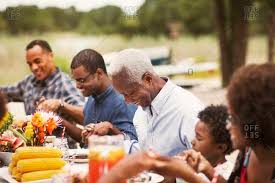
My dad’s life was impacted and shaped in part by tragic circumstances. But Pastor Swindoll is right– at least 90 percent of my dad’s LIFE was shaped by his attitude and character. My father was a man of faith and integrity. He cherished his family and his role as a father– partly because of the loss of his own dad; but also because of the lasting legacy his father had passed on. He spoke often of his wonderful memories growing up on the farm. He lost out on his dream of being a farmer. But he also made wonderful memories with the life he chose to pursue off the farm– picnics and vacations, family reunions, family devotions, watching baseball (live or on TV), sharing laughter and tears, and making sure we knew we were loved and protected. He ministered to people in the community, mowing lawns for widows, or visiting shut-ins. He taught us to love music, baseball, and animals. He taught us the value of prayer, reading the Bible, and living a life of faith. Dad could have been bitter. He could have chosen to wallow in self-pity or anger. He could have become obsessed with rebuilding the life he “lost” to circumstances. He could have decided that God had “robbed” him of the future he had expected to have. But he chose to believe that God had a plan for his life; one that was bigger than his boyhood dreams and bigger than his expectations. Dad didn’t rise to great wealth and power. In the world’s view, his life was not a great success. He never became rich or famous; he wasn’t powerful or important in politics or business. But the memories he treasured and the relationships he developed were far more than 10% of his life!

As I get older, and look back on the circumstances of my own past, I am encouraged and challenged to think that they represent only a small fraction of my life. I can’t control many of my circumstances– health setbacks, financial struggles, accidents and tragedies. But I can control my attitude and my response. I wanted to marry young and have children and raise a family. But that never happened. I married late, I was barren, and my step-children were already grown. I wanted to live in a big farmhouse; instead I live in a small apartment. But I would not go back and undo the circumstances that have shaped my life. I have marvelous step-children and grandchildren. I have had opportunities that were only possible because I was single for so long and because I was childless. I have a better appreciation for the family I have– including nieces and nephews and cousins– than I might have had if I had been wrapped up in my own smaller family. Dad taught me to trust God’s plans for my tomorrows. That’s what he did. And I choose to do the same– after all, God controls 100% of my future!

God Is Not Color-blind

My father was color-blind. He could distinguish the color red, but all other colors registered as shades of gray. Certain forms of colorblindness are treatable today, but Dad went through his whole life not seeing most colors. He knew the sky as light or dark, not piercing blue or deep blue or sunset indigo. He even told people his eyes were brown, because he couldn’t see how startlingly, wonderfully blue they were. He was cautious about getting dressed for events and such, worried that he would “clash.” He generally preferred neutrals. He liked that his company provided uniforms– it was much easier that way.

As I write this, I am looking out the window at a cornucopia of colors on the autumn trees– glowing shades of orange, deep reds, bright yellows, a few dark browns, and even some leaves still vibrant green. Autumn has come late this year, and the cold weather will bleed all the colors and cause the leaves to fall into a single great carpet (except where rakes gather them up into piles). It is marvelous to see so much variety in the individual trees; so much color and life, and beauty. God loves color! He loves to dazzle with surprising touches of unique shades, designs, and combinations. Towering trees with golden leaves, shorter, squat bushes with fiery reds, evergreens providing contrast. And in a few weeks, it will all be a memory, as leaves give way to snow-covered branches, and ice-trimmed bushes.

It made me think of the marvelous variety of people in our world. Each one unique, beautiful, and precious in God’s eyes. We tend to waste so much of our time comparing ourselves to others. Sometimes we wish we were like “them”– taller or darker, blue-eyed, or thinner, with hair that is curlier or blonder or just different from what God created. We feel that our bodies are “not good enough,” or not “right.” We long to be something else; someone else. At other times, we judge others by similarly narrow standards. “They” don’t look like us; they are “not good enough,” or “inferior” in some way. Of course, we don’t like to admit to any hint of bigotry or prejudice. We like to say that we are “color-blind” when it comes to people.

But God is not color-blind. He is deeply away of all the genetic differences in our skin and eyes and hair; all the high cheekbones and stubby fingers and freckles that are passed from generation to generation in some of our families. And God approves! God loves us all the same– lavishly, intimately, eternally! Just like the colors on the trees, God delights in our variety and differences– our “crooked” teeth; our “large” noses, our “mousey” brown hair, our “wide” hips. After all– He planned each one! He designed each of us to be who we are–from our bodies to our talents to our personalities. And someday, in Heaven, we will all be as one–not divided or obsessed with our “deficiencies” or differences, but united in our love and worship as never before– a great carpet of redeemed souls, spread around the Throne of God!

God isn’t color-blind; and neither should we be. We should celebrate each other, encourage each other, and love each other for who God made us to be. Sometimes, that can be difficult in our fallen world. Hurting people, fearful people, angry people– they may not be easy to love. They may judge us, reject us, even persecute us unfairly. But that’s not God’s original intention or purpose. We were meant to add our own unique beauty to an equally beautiful world.

Let’s pray that God would teach us how to show our “true colors” to the world, and reflect the beauty He planted in each one of us today!

A Prayer For Fathers

Photo by Pixabay on Pexels.com

We are approaching Father’s Day. It is a day of celebration for many people, but it can also be a day of sadness for others. This year will be a milestone for our family, as my father passed away 25 years ago; and yet–we are preparing to celebrate the birth of my grand-nephew’s first child. This will make him a father, my nephew will become a grandfather, and my brother will become a great-grandfather! My husband is a father and grandfather, and so are three of his brothers. We also have brothers, brothers-in-law, nephews and cousins who are great dads. So we really have a lot to celebrate!

Fatherhood– the kind we celebrate– is more than just contributing genetic material to a new life, or claiming a child on an income tax statement, or showing up once in awhile for major events. Fatherhood involves sacrifice. It requires wisdom and patience. It involves ongoing commitments, and the tough love that says, “No” because it’s the right thing, rather than the easy thing to say. Fatherhood requires a man to be a teacher, provider, protector, defender, coach, and disciplinarian. It also requires humility, and grace, encouragement and sometimes tears. In addition, fatherhood requires prayer. No father is perfect, and no father can do all that he needs to in his own power. Fathers need our support and encouragement, our grace, and our prayers.

Photo by Kaysha on Pexels.com

It is tempting to label our fathers. I have known “good” fathers. And I have known fathers who have abandoned or even abused their responsibilities, causing trauma, anguish, and hurt to their families, lasting for generations. My own father wasn’t perfect, but he was a “good” father. He was a man of humor and integrity, faithful, honest, loving and humble; a man of faith, and a man of honor. My father-in-law was the same. They left wonderful legacies of wisdom, hard work, and quiet strength. But I know of other fathers who have ruined the lives of their children (as well as their own lives) through fear, selfishness, addictions, abuse, anger, greed, and pride. Father’s Day can cause regret, envy, and bitterness in the hearts of many fathers and children alike. Many people would like to forget about their fathers on Father’s Day. Some don’t even know how to celebrate– they’ve never seen or heard from their father; some don’t even know his name!

Photo by Ketut Subiyanto on Pexels.com

But Father’s Day is not only for “good” fathers. It is a time to honor those who have been faithful, but it is also a time to reach out to those who need help. Good fathers are needed! And “bad” fathers need to be called out– not indulged or ignored, but held, guided, rehabilitated, or even incarcerated, for the good of their children. Hurting boys often grow up to be hurtful fathers. Hurting girls often end up in hurtful relationships. Hurtful fathers often struggle with their own baggage of hurt and disappointment from past generations, without knowing how to change. Fathers need more than a “day”, a cook-out, or another tie. They need a mission and a purpose; they need respect and forgiveness; they need encouragement and accountability.

My prayer today is that this Father’s Day can be a day of honor AND of healing for fathers and their children. I pray that struggling fathers will be encouraged and strengthened; that hard-working, faithful fathers will see the rewards of their efforts and find hope to keep going; that absent and apathetic fathers will wake up to the challenge and the gift of fatherhood; that broken fathers will find help and healing for themselves AND for their families; that hurting sons and daughters will find the grace to move beyond the pain of unmet expectations and abuse to become better men and women.

Photo by Anna Shvets on Pexels.com

All that I pray for is made possible because we have a Heavenly Father– a perfect, loving, eternally wise Father– who loves us through our struggles and our pain. He knows our every need, sees our every tear, and hears our every prayer. He is ready to be our coach, our provider, our healer, our disciplinarian, and our protector. No matter our experiences or how we feel about our earthly fathers, or about being a father, we can trust Him to be all that we need. Our Heavenly Father will never abandon us, reject us, abuse us, or despise us. He will comfort, encourage, uplift, and guide us– now and forever. All we need to do is pray and accept Him for all that He is!

“Hallowed Be Thy Name…”

Christians have a lot of confusing “jargon”.  If you grew up in the church, there are certain words and phrases that are supposed to be intuitively understood.  If you didn’t grew up in the Bible Belt, or in an old-time church, you may feel like you’ve been dropped into a parallel universe where people speak the King’s English– but it’s King James’ English!  Words that would fit neatly into a Shakespearean monologue are flung at you:  “Thou shalt not,” “graven images”, “begat”, “beseecheth”, “whosoever believeth,” “Hallowed be Thy Name.”

As a child, I used to think the phrase was “hollow-ed be thy name”– it was confusing.  Why would God want his name emptied and hollow?  Why would I do that?  Of course, it was explained to me that “hallowed” meant holy, or honored, or revered.  That made more sense, but I think in some ways we have done more “hollow-ing” and less “hallow-ing” of God’s name in our churches lately.

church-bank-wood-benches-161060.jpeg

And it’s not just the argument I hear a lot about actual language usage.  I hear some people complain about those who pray to “Daddy God” or “Papa God” or those who use “OMG” when they text, or “Jeesh!”  To me, these are “splinter” arguments (another Christian jargon term, referring to Jesus’ example of someone trying to pick a splinter out of someone else’s eye when they have a plank in their own!).  That’s not to say that we shouldn’t be careful about the words and names we choose, especially around those who do not know Jesus personally. But the core issue isn’t the vocabulary, but the attitude. The real trend I see is that we are losing our attitude of AWE in God’s presence.  We use words, and carry attitudes that devalue the one who is most worthy of our absolute best.  Or, we try to put ourselves, our own efforts, and our own attitudes in His place. God IS our Father. He is not “the man upstairs,” or “the Big Guy,” or “Daddy-O.” He is not our “pal” in the sense of any other human acquaintance. He is the Lord of the Universe! But we can call Him “Lord, Lord” and still not have a relationship with Him (see Matthew 7:21-23). Using “religious” sounding language doesn’t make us any closer to God in our heart, and it certainly doesn’t fool Him!

arrogant

God wants a relationship with us; he loves us with an extravagant, boundless, and everlasting love.  He doesn’t want us to run from him in fear or hide from him behind big, empty, but important-sounding words.  In fact, in his time on Earth, Jesus walked side by side with his disciples, he ate with people, embraced his friends and family, danced, burped, wiped his nose,  held children on his lap, laughed, and lived among us.  But he is eternally GOD.  Yahweh– the LORD–I AM.  Almighty, all-powerful, omniscient and completely HOLY.  And his Name is to be revered.

When we say that we follow Christ;  when we call ourselves Christians, we bear that name– we take on that Hallowed name–we strive to be ambassadors and representatives of the name which is above all names.  This isn’t just about saying his name, “Jesus”, “Father”, “Savior”, “Heavenly Father” in a less-than-honorable fashion.  It’s about how we represent His Name as his ambassadors.

girl-praying-hands-eyelashes-41942.jpeg

We’re not perfect; we will not always live up to the Name we carry– that’s part of the Gospel message–Jesus came to show us how we ought to live, and to give us victory over the reality that we can’t do it in our own flawed state.  But in praying “Hallowed be thy Name,” we are not asking for God’s name to become more honorable.  We are asking God to give us the wisdom, the power, and the desire to bring him the honor and worship he so rightly deserves.  And that only happens when we live transparently, humbly, and in a manner worthy of His Name.

“Our Father, who art in Heaven, Hallowed be Thy Name…”

Our Father

Yesterday was Father’s Day. It can be a very difficult day for many people– a day of loss, of regret, of anger, and bitterness. There is an epidemic of people growing up with no fathers, absentee fathers, temporary fathers, or abusive fathers. And it can give us a very distorted view of Our Heavenly Father.

Photo by Lgh_9 on Pexels.com

They say that our earthly fathers often become the model of how we see God. If my father was passive, I may see God as apathetic or distant. If my father was demanding, I may see God as just, but not merciful. If my father was moody and unpredictable, I may see God as capricious and unfair. I grew up with a loving, gentle, and wise earthly father. But that doesn’t make me immune to distorted views of God. Dad was honest, a steady worker, a faithful husband, and a humble man of faith. But Dad wasn’t perfect– no father is.

Photo by Andrea Piacquadio on Pexels.com

My husband’s father was another terrific Dad. He was a great storyteller, a diligent worker, a man of great faith, wisdom, and gentle humor. And, although he was a great Dad and worthy of respect, he wasn’t perfect, either. Both fathers reflected aspects of God’s love to our families, and I’m so grateful for their legacies.

Our tendency to view God through the lens of our earthly experiences can distort our view of who God is, but it can also distort our view of who WE are to God. David and I each grew up confident of our earthly fathers’ love and care, but that doesn’t mean that God somehow loved us more than my neighbor whose father died when he was just a child, or more that his friend whose father was cold and distant, or our friend whose father was a respected minister. God’s love doesn’t depend on how we view Him, or how we view our family circumstances. God’s love comes from who He is. And He desires a close, eternally loving relationship with each of us– one that transcends human shortcomings and limitations.

Photo by Josh Willink on Pexels.com

My mom was once asked if she had a “favorite” child. And her answer was, “I love them all the same, and I love them all differently.” God’s love for us as a father is the same. His love for each of us is eternal, incomprehensible, and constant. But it is also uniquely demonstrated in the way He guides us, disciplines us, and shows His compassion for us. We may never know the love of our earthly fathers; we may only know their failures, or their memory, or the emptiness where they should have been. But God is the ultimate Good, Good Father– the one we can always look up to; the one who always has our back.

As much as I loved my Dads, and miss their advice and laughter, steady guidance, and examples, they cannot compare to the incredible love and wisdom of Our Father. No matter what legacy our earthly fathers have left us, God’s love is better, wider, deeper, and more powerful.

Praying For My Children From Another Mother

(Dedicated to all those who are step-mothers, adoptive mothers, foster mothers, or in other ways entrusted with children not of their womb.)

I did not give birth to them, Father. They are not the children of my womb; they are still the children of my heart.

Photo by Ketut Subiyanto on Pexels.com

And I know you love them more than I do. That they are YOUR children first, last, and foremost.

God, Thank You for giving me the privilege of letting me be part of their lives; for allowing me to share their hopes and dreams, their failures and their struggles; their smiles and their tears. Thank you for their unique interests and personalities. Thank you for their laughter, and their questions. Thank you for their hugs, and their pouts, and more questions…

Photo by cottonbro on Pexels.com

Father, help me to see them with your eyes– not through the lens of my own hopes or expectations; or my inadequacies and fears–help me to see who they are, and who you created them to be. Help me to help them to see how special they are in your eyes.

Help me to honor these children by not dishonoring the mother who gave them birth. May I never cause her children to despise her–or themselves– because of what I say about her. But help me to protect these precious children from anyone–anyone– who would hurt, abuse, exploit, or endanger them. May our home be a safe place to learn love and forgiveness and healing in a world of broken families.

Photo by Migs Reyes on Pexels.com

Help me to honor my husband as the leader in our home. Help me to model how to be a true “help-mate” and partner– not a nag; nor a dishrag–a strong, compassionate, supportive, and respectful team player.

Help me to foster good relationships among all the children of this household– to love them each differently, and yet the same. To be fair to each individual, giving them guidance and “space” according to their needs. To do and say all in my power to help each child feel secure in our love and secure in their “place” as part of this family.

Help me to forgive and ask forgiveness freely– through outbursts, baggage, fears, and tantrums– theirs and mine!

Most of all, help me to introduce each one to Your all-encompassing love, Your wisdom, and Your eternal care. May they see you in the things I say and do; in the way we love and forgive as a family; in the way we seek the best together.

Photo by Pixabay on Pexels.com

In the name of Jesus, whose earthly father was entrusted with a similar gift,

Amen

Our Father…

I have known some excellent fathers– including my own father and my husband. Fathers who do their best to provide for, pray for, protect, and prepare their families. Fathers who show patience, perseverance, wisdom, and selflessness.

But I know this isn’t the case for everyone. I have also known some wicked fathers– fathers who are physically, verbally, and mentally abusive toward their wives and children. Fathers who abandon their responsibilities, and leave behind a legacy of need, chaos, anger, and despair.

Photo by Pixabay on Pexels.com

Throughout the Bible, God is portrayed as a Father. Not as a “man”– Jesus took on flesh and became a man– but the Triune God exists as Father, Son, and Spirit. God has all the characteristics of a perfect father. God also embodies all the characteristics of a good mother. But there is something about Fatherhood that God particularly wants us to learn and understand.

Photo by Pixabay on Pexels.com

When God chose Abram for His special covenant, Abram’s name meant “exalted father.” But Abram was childless. God chose someone whose name had no meaning (or an ironic meaning), and changed it– not a lot–he added an “ah”, so that Abraham’s name meant “father of many” or “father of multitudes.” I don’t think it was any accident that God chose a man named “Abram,” or that He changed his name only slightly. God chose Abraham, not because he was a father, but so that he could become a father– to many! It was as a father (to Isaac, but also to Ishmael and all his other sons and descendants) that Abraham was exalted and revered.

Photo by Luis Quintero on Pexels.com

But Abraham was not a perfect father– far from it! God gave us the story of Abraham, and drew attention to Abraham to help us learn the importance of GOD as our Father. Abraham was willing to give up his heir– the son of God’s promise– because Abraham was a “son” of God before he was a father to Isaac. https://www.biblegateway.com/passage/?search=Genesis+22&version=NIV

Even though I have known some excellent fathers, I know of only one who is perfect. And He isn’t someone else’s father, that I should be envious, or discouraged. He isn’t only “my” father, that I should be smug. He isn’t my father by birth, that I should make little of His sacrifices or His promises– they are not given out of duty or a sense of genetic obligation. He is OUR Father– He invites all of us to become His children. He lavishes love and grace, sheds tears and aches, sacrifices and pursues, rejoices and grieves– for and with every soul.

Photo by Josh Willink on Pexels.com

When Jesus taught His disciples to pray, He wasn’t giving them a rote prayer to memorize, but a pattern. https://www.crosswalk.com/faith/prayer/the-lords-prayer-be-encouraged-and-strengthened.html If you look through the Gospels at Jesus’ other prayers you will see it–He always begins by addressing His Father. For the group of disciples, He began with “Our Father.” Jesus, who could have claimed sole son-ship, made it clear that He (as Son with the Father and Spirit) desires this amazing relationship– more than power, more than honor, more than life! And God the Father is not a man or a mere mortal– He is Holy, Perfect, Eternally Loving and Eternally Sovereign!

Photo by Lgh_9 on Pexels.com

What a wonderful thought for Father’s Day this year– no matter what kind of earthly father(s) we have known!

The Legacy of a Praying Father

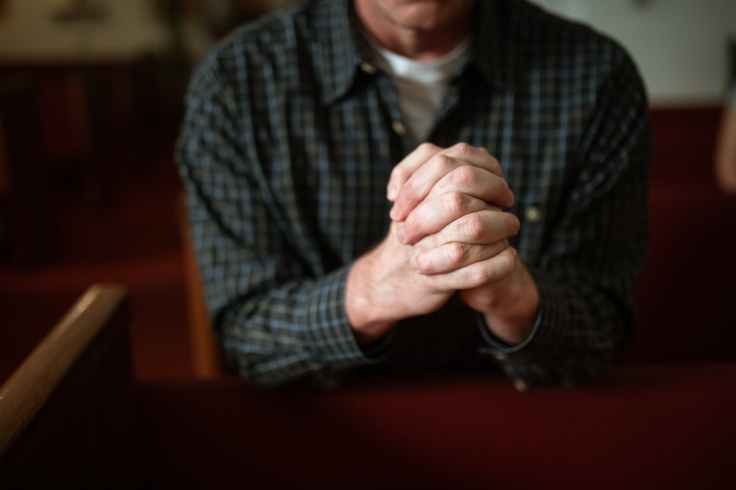
My father was a quiet man.  He loved music, and jokes, and animals, and peaceful summer nights listening to crickets and sipping tea on the front porch.  My father was not a man of lengthy, eloquent prayers.  His prayers were often short, and sometimes punctuated with emotional tears.  But my father prayed.  He led our family in prayer and devotions; he prayed in church on Sunday mornings and Wednesday evenings.  He spent much time, head bowed, talking silently with his Savior.

belief bible book business
Photo by Pixabay on Pexels.com

I spoke of a mother’s prayers last month, and they are important.  But fathers play a different role.  My mother’s prayers always seemed to wrap me in a cozy blanket of affection and hope.  My father prayers were more like an umbrella– spreading out over our family to seek God’s protection and grace.  Even if Dad’s voice wavered in prayer, his vocabulary was bold, filled with a rock-solid faith, and a deep sense of God’s power and wisdom ready to be poured out on our family.

Dadmegreenreunion

But the most lasting impression I have of my father’s prayers is that of Dad’s reverence for God.  I never, EVER, heard my father take the Lord’s name in vain.  (Not even when his favorite baseball team was losing– again!)  I never heard him express doubt of God’s care, His provision, or His wisdom.  He approached the throne of grace with awe and deep gratitude.  He never lost his sense of wonder at God’s creation, or his sense of awareness of and need for God’s mercy.

green grass field during sunset
Photo by David Jakab on Pexels.com

We need men of prayer.  I am so grateful for a husband who prays– regularly, fervently, compassionately, and boldly.  What would happen in our world if more men prayed daily in the quiet of their homes or places of work?  Our society makes fun of men who pray on public platforms, praising themselves as much or more than they praise God.  It denigrates prayer as weakness and hypocrisy, but what if more men of faith led their families in daily prayer?  What if, with trembling voices, more men sought out wisdom and strength to meet the challenges they face, instead of putting on a brave but false face of independence and self-sufficiency?  What if, instead of excusing vulgarity and cursing, more men took the challenge to clean up their language and set better examples.

grace1


If you know men of faith– take some time this weekend to let them know how much their good example means.  Encourage them to finish the race, to keep going, and to leave the kind of legacy that matters most.  And don’t forget to lift them up in prayer!

Blog at WordPress.com.

Up ↑