The Christian life is often one of paradox–We are “in” the world, but not “of” the world; we “die to the flesh”, even as we continue to breathe and walk and eat in our fleshly bodies. Prayer is part of that paradox– we dare to present ourselves before the throne of Almighty God, yet we are told to call him “Our Father”, and to come boldly. We call on one who is unseen, unknowable, and sovereign, and we’re told to ask for anything in Jesus’ name, and it will be done.
This can lead to problems, as we try to resolve the paradox– sometimes we dare too much; other times, we ask too little. I want to take a peek at how this works, especially as I have a problem with the latter.
Why do I feel it is a presumption to ask God for help? Why do I ask God to do the least that I might expect from Him, when He offers miracles for the asking? Why do I wait to bring my requests to God, hoping that I can solve them myself and not “bother” him? Do I not trust him? Do I not trust him enough? Why do I get discouraged when my prayers are not answered “my way?” Immediately! When hardship comes, why do I assume that it is an accident–a miscarriage of justice–and call out to God as though he is unaware of my dilemma?
I think we come to prayer with a few faulty assumptions about God:
- we believe that God doesn’t know– that he is unaware of our needs or our circumstances, , our sense of urgency, or the depth of our despair; that he will be embarrassed by our lack of obedience or the simplicity of our request
- we believe that God doesn’t care– we fear that God will be distant, disapproving, or even disdainful; unwilling to help us until we “clean up our act.” Or we believe that he delights in testing us, watching us struggle, withholding help until we are properly humbled and abject in our obedience. Perhaps we believe that “God helps those who help themselves,” and therefore, he is waiting for us to work ourselves to the limit before we bother him with our troubles. We believe that “if God really cared” he would give us what we want, when we want it, and how we want it
- we believe that God is unable– that we have messed up so badly, even God can’t fix our mistakes; that what we are asking is stretching God to do what is beyond his plan or purpose; that our request is too broad in its scope for God to attend to it
- we believe that God isn’t really GOD–we have doubts about his existence, his reality, his presence, and his power over all our circumstances
We also come with assumptions about ourselves:
- we believe that we are unworthy of God’s love, care, time, power, concern, or attention
- we believe that we are worthy–worthy of special treatment and privileges denied to others because of who we are or what we’ve done; worthy of a life devoid of pain, stress, hardship, or struggle
- we believe that we know better than God how to meet our needs; we believe that we have all the answers, and God’s job is to do our bidding
- we believe that coming to God in prayer is a sign of weakness, laziness, or neediness that brands us as “less” than others who live life on “their terms”
- we believe that our wants and needs are not important; that our dreams and desires must be squashed in order to serve God
If we assume any (or all) of these things, our prayers will swing wildly from wimpy hand-wringing and grudging worship to impatient demands and selfish complaints.
God knows– he sees everything; he knows your very thoughts before you think them! God cares– he loves each of us with an eternal, limitless love– a perfect love that casts out fear and bids us to draw near to him, but doesn’t spoil us, indulge our selfishness, or set us up for failure.
God is able–just because we don’t see the answer we want in our current situation doesn’t mean that answer isn’t on its way. Look back at the ways God has been faithful in the past–Can’t He Do It!
We are unworthy–in our own power–but we are also cherished by God, who makes us worthy through faith in the finished work of Jesus Christ. Our privilege of coming to and communing with Almighty God is not a presumption in itself– it is a gift given by him in the moment that the veil was torn from top to bottom in the temple– the very moment Christ fulfilled the law, the barriers were removed, and God made it possible to come into his very presence.
We know only in part, and we see only in part– God sees the whole; the end from the beginning. He knows what is best, not only for us, but for all of creation.
When we come to God, it is a sign of submission– not weakness. It is a sign that we recognize God’s right to be God, and our privilege to live and work and commune with him, instead of acting and living in rebellion against him.
Because he knows our every thought, and he loves us completely, he cares about our every need. When we trust in him– in his goodness, his faithfulness, his timing, and his sovereignty, he doesn’t promise us a life without hardship; but he does promise peace that passes all understanding as we go through those hardships.
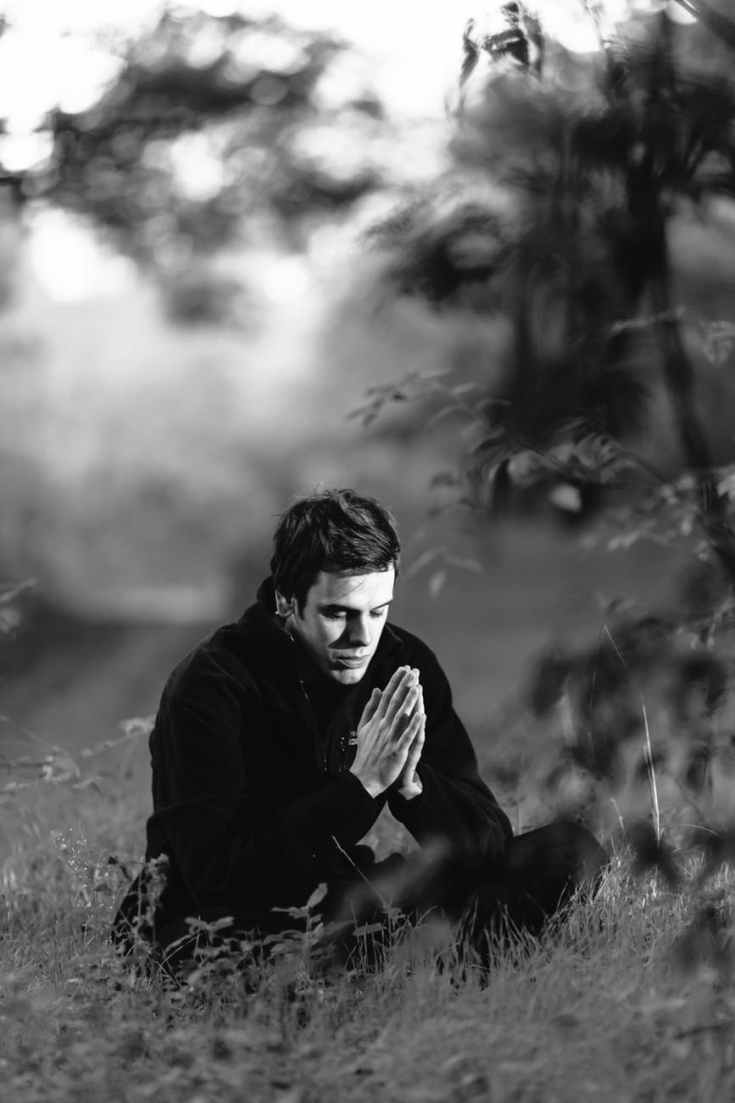
In the end, our faulty assumptions come from making ourselves too big– taking pride in our own worthiness, strength, and intelligence; or exaggerating our faults, mistakes, and unmet expectations– and making God too small to meet our needs or understand our hearts.
God wants us to presume on his Goodness and Might– not on our own wisdom and worthiness.




 Pursuing Prayer