Declaration of Dependence

Today, America marks the 249th anniversary of the signing of the Declaration of Independence. In it, colonial leaders listed several reasons why they no longer held allegiance to the British Crown. Many of their reasons involved abuses by the King or by Parliament in relating to their colonial citizens. Taxation without representation; passing unjust laws; requiring people to quarter (feed and house) soldiers who often harmed and cheated them; refusing to hold the soldiers accountable for their offenses– even murder; refusing to allow the colonials to trade with other nations, etc. But there was something more.

We hold these truths to be self-evident, that all men are created equal, that they are endowed by their Creator with certain unalienable Rights, that among these are Life, Liberty and the pursuit of Happiness.–That to secure these rights, Governments are instituted among Men, deriving their just powers from the consent of the governed, –That whenever any Form of Government becomes destructive of these ends, it is the Right of the People to alter or to abolish it, and to institute new Government, laying its foundation on such principles and organizing its powers in such form, as to them shall seem most likely to effect their Safety and Happiness.

In drafting and ratifying these words, the founders of the United States did something unique. They did not just establish an independent government; they established a model for both independence and dependence IN government. Government is not independent of certain inalienable rights, nor of the Creator of those rights. Governments are not the highest authority in the land. Governments are instituted and derive their power, not by their own actions and decisions, but from the consent of the governed. Governments DEPEND on their ability and willingness to serve the people.

Of course, there are wicked and improper governments, and Britain’s rule in 1776 was not the worst example of tyranny or despotism the world had ever seen. The United States has not always lived up to the ideals and principles of the Declaration of Independence. Less than a century after the Declaration was adopted, the United States was engulfed in a war that tested its ideals. The nation was divided by the issue of slavery. Nearly half of the states still practiced slavery, meaning that hundreds of thousands of people were being treated far worse than the “rebellious” colonists of previous generations. Our nation as a whole was not delivering on its promised declaration that “all men are created equal” or that they were endowed by their creator with rights to “life, liberty and the pursuit of happiness”.
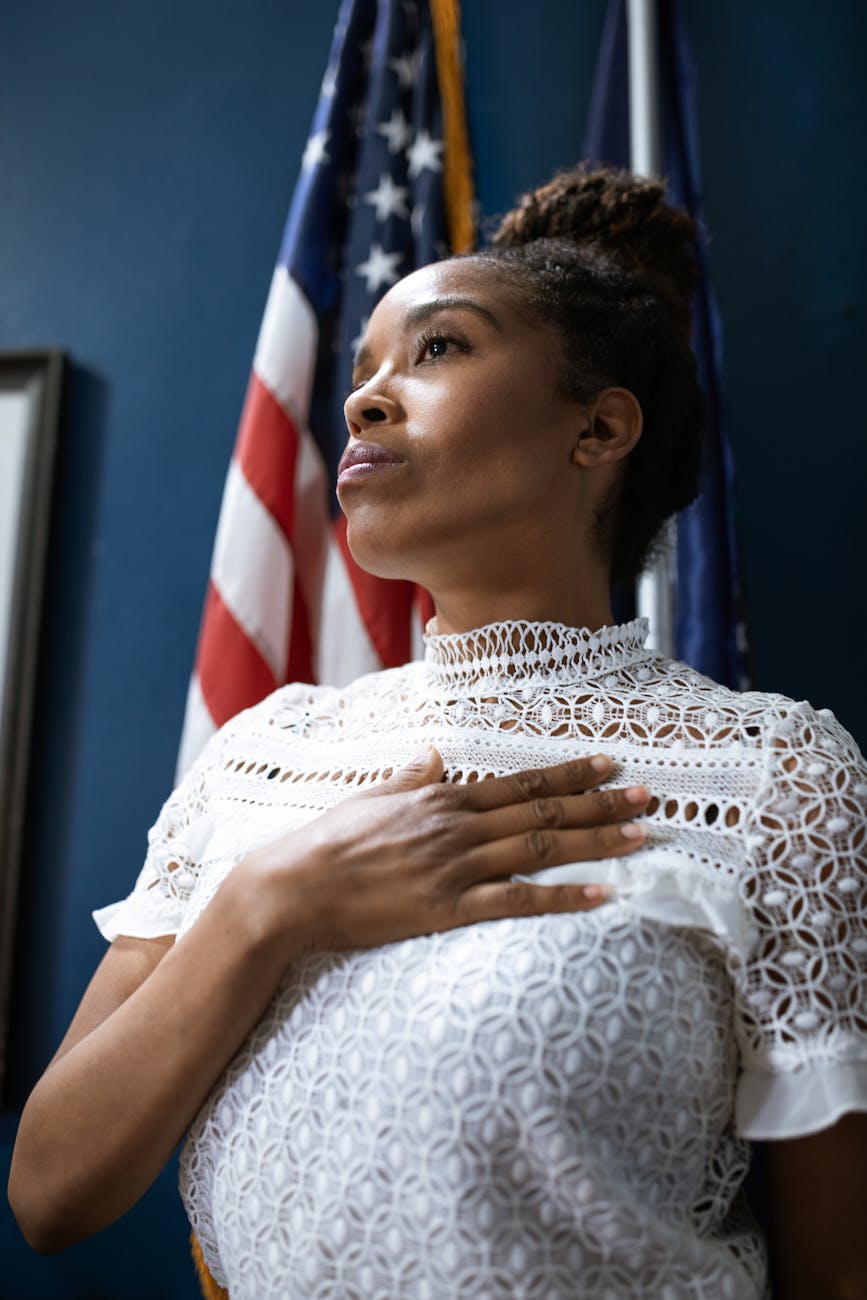
But when our nation has remembered its Dependence– our need for God and our need to care for the safety and opportunity for those under our jurisdiction–remarkable things have happened. The union was “saved.” Voting rights were not just extended but enshrined in our Constitution. Americans joined the fight in Europe and around the world on more than one occasion to secure rights for people who were being oppressed, tortured, and even exterminated. The “Promise of America” draws people from diverse nations and cultures and stands as a model for the rest of the world.

Sadly, today, many here in the United States want Independence from America. Our culture has devalued life, exchanged liberty for conformity, and traded the pursuit of happiness for indulgence and selfishness. We want to be independent of responsibility– to our families, to our neighbors, to our nation, and to God. We do not want a government that protects those rights that are endowed; instead, we want a government to give us assumed “rights” that are really permissions to defy God’s laws. We want to be free to redefine morality, escape the consequences of our own poor choices, and feel virtuous without pursuing virtue.

What will happen to our country if this trend continues? On the eve of celebrating our 250th year, we may be on the brink of falling apart. Issues like abortion, immigration, health care mandates, and transgenderism threaten to divide our country, just as slavery did over 150 years ago. Americans are divided on political, economic, religious, and cultural issues. We can’t seem to agree on what we mean by “rights, ” “freedom,” or “pursuit of happiness.” We can’t even seem to define what a “woman” is or decide how many genders to fight for. Everyone wants to speak out, but no one seems willing to listen– except to find another point of disagreement. We are no longer “united” states– we are warring factions in a series of culture wars.

But what happens when American Christians declare our Dependence on God and on His Word? Many around us have declared their independence from God’s laws–even to the point of denying His existence. Many people live in a self-imposed despotism; they are enthralled by a false “freedom” from morality, reverence, and even common sense. But Christians– wherever they live– are called to submit to the authority of Christ above all. We depend on Him– not on our customs, not on our history, not even on the words of the Declaration of Independence. And we are to lean on God, not on our own understanding or our superior morality or our ability to shout louder than the next person! Our Freedom comes through Christ alone!

True “freedom” comes from dependence, not independence. When we depend on Christ’s finished work on the Cross, we are free from the weight of Sin and the power of Death. When we depend on God’s wisdom, we find understanding. When we depend on God’s guidance and discipline, we gain freedom from guilt and shame. When we depend on God’s power to channel our emotions and energy, we find purpose and joy.

Today, I declare my utter dependence on God– on the Salvation He provided through Jesus Christ, and on the power of His Holy Spirit to lead me through this life. I am glad to be an American, but my ultimate citizenship is in Heaven. The “promise of America” is a good thing: the promise of Heaven is glorious and life-changing!

Free to Forgive

“Forgive us our trespasses as we forgive those who trespass against us.” (Matthew 6:12)

Imagine being a prisoner and being told that you were free to leave! Now imagine someone refusing to leave their prison cell, and choosing to stay locked up! Why would anyone do such a thing? And yet, there are stories of prisoners who have been freed– some of them found innocent of the crimes for which they were being held–who cannot seem to adjust to freedom.

For some, the issue is legal. Even though they have been exonerated, or have served out their sentence, they still face legal consequences–even if their conviction was overturned, or their sentence fulfilled, they still wear the tag of “convicted felon.” Their record, even if legally overturned, still hangs over their head when they apply for jobs, try to register to vote, or attempt to establish credit. For most, however, the issue is psychological. They still wear the imaginary label, “guilty.” “Not fit for freedom.” “Incorrigible.” And often, society does nothing to remove those labels, but rather reinforces the idea that once found guilty, a person can never redeem their life or legacy.

As Christians, we have been given a full pardon for our sins– regardless of whether we have spent time in a physical prison or not. We are free! But we can continue to live as though we are in prison– and worse, we can continue to put ourselves in a prison of unforgiveness toward others.

“If we confess our sins, He is faithful and just to forgive us our sins, and to cleanse us from all unrighteousness.” (1 John 1:9) God does not keep us in a prison of guilt and shame. He is faithful to forgive us, redeem us, and renew our mind and spirit. But part of that cleansing involves letting go of our “right” to hold grudges and cling to old hurts and bitterness toward others. God is faithful to forgive US; He is also faithful to act with justice on our behalf. In forgiving others, we are not denying the justice we deserve. And in forgiving us, God does not deny justice to those whom we have hurt!

God wants to give us true freedom– freedom from guilt and freedom from the burden of injustice. HIS shoulders are big enough to offer both– perfect freedom, and perfect justice. We are allowed to be free of both burdens when we trust God to take care of it all. And we are allowed to walk out of the prison of guilt, shame, bitterness, anger, vengeance, pride, self-righteousness, and self-loathing.

Let’s face it– we have all sinned. All of us have said or done things that have hurt others. We may not know the extent of the damage our words and actions have done, just as others may not be aware of how they have hurt us. And “hurting” people often hurt others in reaction. Jesus paid the price for our sins when He offered Himself on Calvary. His sacrifice stops the cycle of “unavenged” hurt.

Sin still continues to hurt us. Forgiveness doesn’t seek to pretend that what happened never happened, or that it didn’t matter, or that our hurt isn’t real and tragic. But forgiveness allows us to walk out of the prison of living with the label “victim” or “convict” that Sin slaps on our forehead or in our heart. It allows us to breathe the free air of God’s grace and the hope of a joyful, productive, courageous future!

Where is God When…?

A priest, a Baptist minister and a rabbit go to a pub for lunch. The hostess meets them at the door with a message. “Today, we are helping a local blood bank. Your lunch is free if you donate a pint of blood.” All three agree to donate blood in exchange for a free lunch. The hostess asks each one in turn for his blood type. The priest says, “I believe my blood type is A negative. The minister says, “It’s been a long time, but I seem to remember that I am AB positive.” Finally, she turns to the rabbit. “I was supposed to be a Rabbi, so I must be a Type O!”

I love puns, and like many puns, the humor in this one comes from a grammatical or spelling error. Something in the story is almost, but not quite, as it should be. It is a good thing to be able to laugh at small mistakes. But what happens when things are terribly wrong? It’s not funny at all. It’s devastating, confusing, and frightening. We want answers. We want the situation “fixed.” We want to find out what went wrong, why it went wrong, and who is responsible.

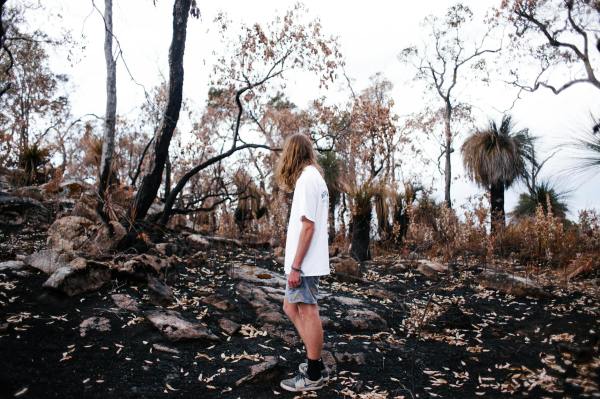
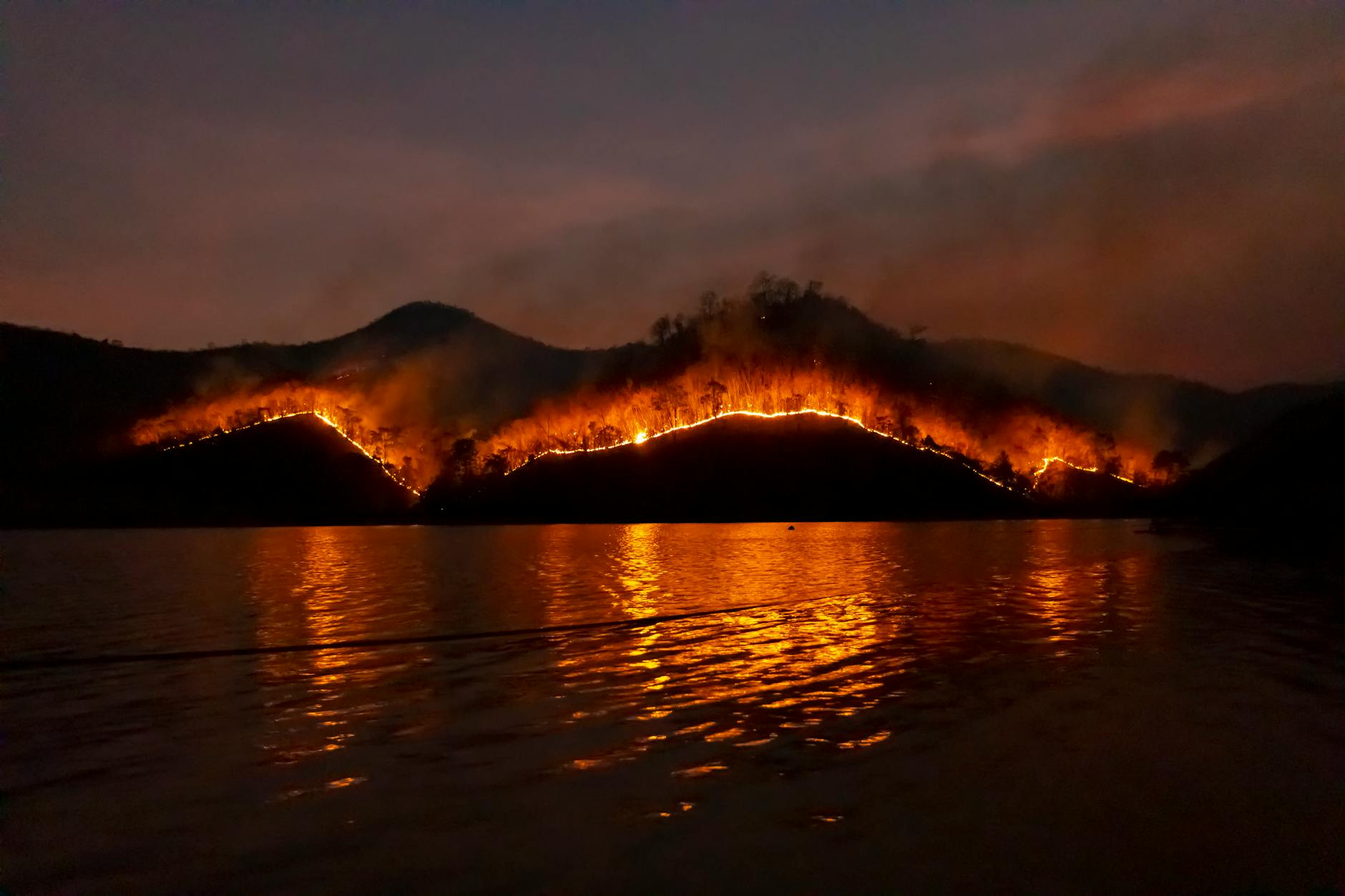
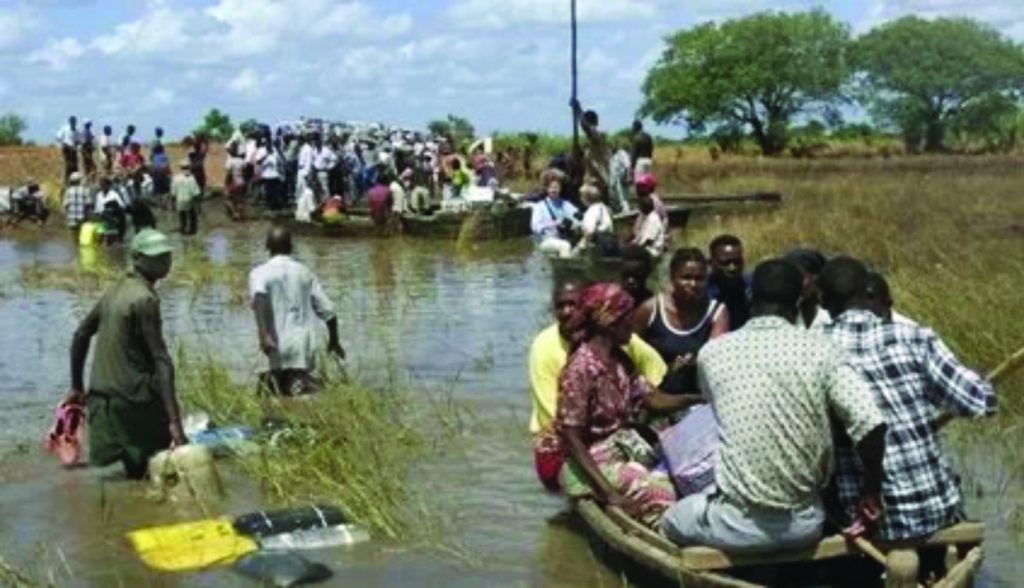
California is burning as I write this. Thousands of acres destroyed; hundreds of homes and businesses reduced to ashes; thousands of people left homeless. Where is God in these fires? When an innocent child is abducted, raped, mutilated and left for dead, where is God? Where is God amid the unrest in Mozambique, where typhoons and political unrest have caused so much havoc? Where was God when the hurricane and storm surge displaced tens of thousands of people in North Carolina, Tennessee, and Georgia less than six months ago? Where is God in the war-torn regions of the world, where innocent families are being terrorized by bombing raids and invading armies? Where was God when millions were dying of COVID just a few short years ago?

I’d love to say that I have an answer. One that is comfortable, unassailable, logical and easy to understand. But I don’t. The “glib” answer is that God is on His Throne, omnipotent and all-wise. And He is. He is not to “blame” for personal tragedies or for sweeping disasters. Sometimes, God intervenes in miraculous ways to “save” us from certain death, “accidents,” or even attacks. But often, He chooses not to do so. And I have no explanation, no all-encompassing, deeply soothing answer for those who are left suffering.

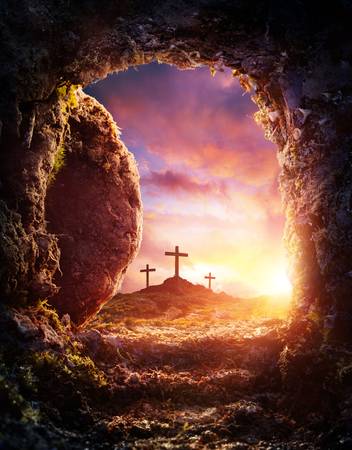
What I do know is this: God is a redeeming God. He is a God who can and often will turn tragedy into triumph. And even if, in such cases, the triumph is often bitter-sweet. This is a God who created mankind, knowing we would reject His goodness and go our own way. This is a God who took a single faithful man (Abraham) and made him the father of many nations– some of whom are still at war to this very day. This is a God who did not spare His Only Begotten Son, but allowed Him to go through a sham trial, be falsely convicted, and die a painful, publicly humiliating death. And then, Christ arose!

What does that mean for someone whose son or daughter is still dead after five (or 25) years of grieving? For someone who lives every day with the trauma of having been raped or abused as a child. It does not give immediate comfort. It does not take away the sting of injustice, pain, and questioning. But it is the promise of redemption– that just as Christ rose victorious, He will cause the pain and grief of the past to disappear in the Joy and Wonder of Eternity with Him. He WILL bring ultimate and complete justice, and it will be perfectly overwhelmed with mercy, grace, and freedom from the past.

It may seem slow and painful, but it WILL happen. Those who have suffered; they will laugh again. Those who are drowning in the senselessness of their own sorrow will experience healing and have answers to their questions. Those areas of the world where suffering is so great in the present– they will recover. Trees and gardens will grow again. Houses will be rebuilt. And yes, there will still be disasters and devastation in our lifetime, and in the years to come– UNTIL THAT DAY. That day when Christ returns to make all things new. Whatever hurts and griefs we carry now, they will be overtaken by joy and healing. No more fires, no more floods, no more war, no more disease, no more “mistakes.”

I don’t know why God allows us to suffer now. I’ve heard some philosophers try to explain, and they have many “good” reasons:

Suffering often leads to growth and necessary change.
Suffering produces resilience and develops character.
Suffering teaches us that there are consequences to our selfish and sinful actions.
Suffering often brings people closer together and brings out the best in us as we offer help and hope and encouragement.
Suffering teaches us to be compassionate toward others in their suffering and grief.
Suffering contrasts with joy, helping us to appreciate what is truly good in our lives.

These are not bad answers. But they are not complete. They are not “enough.” And I think that’s part of God’s plan. God doesn’t want us to live life on autopilot. He doesn’t give us “easy” answers– just like He doesn’t give us a life without any purpose or challenge. He doesn’t want us to focus on having all the answers. He wants us to learn from each other, depend on one another, and ultimately to trust that He knows best. It’s not an easy lesson to learn. But if we stay in pursuit of Prayer, and closeness to God, it’s a lesson well worth struggling through.

And sometimes, we can learn to laugh at life’s “typos” and other little mistakes as we travel this life.

Fuzzy Socks

Every year at about this time, people come up with lists of “Things For Which I Am Thankful.” Some lists are elaborate. Some are short. Some are earnest; others are tongue-in-cheek– “Thanks for nothing.”

A few years back, one of my former students started posting on Facebook about her “thanks” list. She started on November first and listed one thing for every day of the month. I liked the idea, so I began doing the same. I’ve done it for a few years now. It’s not really difficult to find things to be thankful for– but it can be frustrating trying to come up with 30 different things that don’t end up overlapping or repeating. I could list individual family members on different days, but if I’ve already listed “Family” or “Grandkids” (as I did this year), it seems repetitive to list them separately. Also, what if I list some family members and leave others out? Won’t someone be hurt?

I began to realize, as well, that posting every day can become somewhat self-indulgent. What about those who are alone in the world? My rhapsodizing about family, good food, good health– isn’t that really just a subtle way of bragging about my blessings? The real goal of Thanksgiving shouldn’t be about WHAT, but about WHO? WHO is the source of all these blessings? WHO deserves to be thanked for any of the wonderful people, things, and situations in my life?

In the middle of all this second-guessing and self-righteous reflection one year, I was suddenly struck with a strange and ridiculous thought. I am really thankful for fuzzy socks! I used to run around barefoot every chance I got. But in the past few years, I’ve developed neuropathy in my feet from diabetes. My feet are often numb and cold. They aren’t so painful that I can’t walk, but sometimes the least little thing on the rug or floor can suddenly feel painful to my bare feet. Fuzzy socks are a treasure to me. They keep my feet warm, and cushion against some of the tiny antagonists– the pile of the carpet, the mote of dust on the floor, or the early morning temperature of the bathroom tile.

And it hit me. Thanksgiving is not just about the “important” things in life– though it’s wonderful to take the time to evaluate how much God has given me, and how many “big” things I often take for granted. But Thanksgiving is also about the little things– like fuzzy socks– that touch our lives. God cares about my neuropathy. He cares about my likes and dislikes, my comforts and my aches and pains.

And Thanksgiving is not just about “fun” or “pleasant” things. I am thankful for the times when God has disciplined me; when I have had to struggle to find the answers, when I have had to ask for help. I am thankful that God is with me in every situation. I am grateful to remember how much He REALLY cares about me. And in remembering all this, I want to share with as many people as I can reach how truly thank-full we ALL can be for the Love, Mercy, and Grace that is showered on us by God every day. Even when we are not aware; even when it involves something as simple as “fuzzy socks.”

So, I still post about 30 things every November. I discuss my thankfulness for family and friends, for vision and mobility, for a roof over my head, and for transportation, and the freedom to come and go. I list “Godly” things like prayer and my Bible or my Church. But I also list “fuzzy socks.” And pizza, and crossword puzzles, bird song, snowflakes, and books. Such things truly make me grateful.

Choosing to Pray

Yesterday, I voted in a primary election. In a few months, I will vote in a general election for President. I live in a nation of choices. I can choose to vote for any of the listed candidates, or I can write in a name. I can choose not to vote at all. I can choose how to spend my money– I can invest, purchase, pay my bills (or not), gamble it away, or give the money to charity. I choose what to do with my time– I can sleep all day, go to work on time or arrive late, I can spend all my time on-line, or I can binge-watch movies or TV shows. I can keep a consistent schedule, or I can take each day’s time as it comes. I can choose where to go– I can stay indoors in my apartment, I can walk all over town, or I can get in my car and drive to another city. I can choose my attitude and outlook; I can choose my political and social stands, and I can choose my beliefs. Others may apply pressure and coercion, but they can’t take away my right to choose.,. For better or for worse!

However, my choices have consequences. If I choose to act against the law of the land, it is very likely that I will be caught and punished. I may be fined, or jailed. I may face a trial. In many countries, I may be executed for doing things that would be allowed in my home country. If I choose not to pay my bills or not to go to work, I may face economic hardship as a result– late fees, loss of a job, and a difficult time finding future employment. If I choose to eat only junk food, or no food at all, I will experience health issues. The choices I made today in the voting booth, and the choices I will make in November will have consequences– most of which I cannot predict with any accuracy. I think I know what will happen– and others may predict dire consequences if I don’t vote “their” way– and my one small vote may not seem consequential, but it counts! Even my small actions have a ripple effect on the rest of my life, and the way in which I conduct it. I will either “show up” or I will “stand back.” I will either accept responsibility in the small things and large, or I will try to blame others. I will practice self-control and discipline, or I will drift through life at the whim of emotions, influences, peer pressure, and deceptions.

When it comes to prayer, I also have choices. There are times when I feel “compelled” to pray– circumstances beyond my understanding or control will cause me to want to cry out for divine help. Hearing about others’ needs make me want to ask God to work in their circumstances. Sometimes, I feel waves of gratitude and worship that cause me to sing and praise God for His character, His faithfulness, and the blessings He has poured out in my life. But I am not required to pray. I choose to pray. Sometimes, my choice to pray is simple, natural, and automatic. At other times, it is a sacrifice to pray. Prayer is more than just “an option” in my life. It really is a pursuit. I choose to keep a prayer journal. I choose to focus on prayer every day– both in practice and in testimony (as in this blog entry).

So today, I will join with others this morning in corporate prayer. I will pray alone at home. I will pray throughout the day for my community, and for individuals as they come to mind or show up in my prayer journal. And some of the prayers will come naturally; others will require me to dig deep, to confess my own failures, and admit my need for God’s Grace, His Wisdom, and His Strength.

And the consequences? Well, I can’t predict how my prayers may impact my own life or the lives of others. I don’t know how God will choose to answer my prayers. I don’t pray because God always does what I want– I trust Him to do what is BEST; and I have learned that His timing and His ways ARE the best!–but I pray because I know it is the best and first action I should take in any situation. I’m not perfect in prayer. I don’t always pray first. I don’t always listen for God’s answer when I DO pray. And I also know the consequences of NOT praying– worry, confusion, anger, restlessness, disappointment, and more. Oh, I may not experience all of these things instantly. But eventually, my choices and their consequences lead to frustration when they are not coupled with prayer, trust, and obedience.

I hope you are praying, trusting, and following God today. I hope that is your choice every day. God will not force you to come to Him. But He is ALWAYS right there when you do! Your choice to pray may not change the world instantly, but it WILL have consequences!

When I voted yesterday, I got a sticker, proclaiming to everyone that I had made the choice to vote. What might happen if Christians (myself included) were bold enough to proclaim our choice to pray every day and in all circumstances!?

Prayer and Freedom

Tomorrow, we will celebrate Independence Day, in America. Much will be made of the freedoms we enjoy here. Many are freedoms we take for granted; others are freedoms that have been twisted or abused by our citizens, residents, and visitors.

I am very grateful for the freedoms of America. As a citizen of the U.S., I enjoy Freedom of Speech and Assembly; Freedom of Religious practice; the Right to Bear Arms; the Right to a Jury Trial with representation; the Right to Vote and participate in the democratic process; the freedom to move freely and do business across state lines, and so much more that I take for granted. But I want to be very careful to keep a proper perspective on civil and national freedoms, and citizenship in the United States. My citizenship here comes with many opportunities and freedoms, but it is not perfect. It is also not eternal– my perfect and eternal citizenship is in Heaven.

The founders of the United States, in their Declaration of Independence, listed three “unalienable” rights– “Life, Liberty, and the Pursuit of Happiness.” But they were clear about where those rights come from; not from a government, or a king, but from The Creator. Only God can give “unalienable” rights and freedoms. Governments can topple; Kings can be deposed; Laws and Constitutions can be overturned. The rights and freedoms we will celebrate this week were written on parchment, not stone. Even now, many forces are at work to “redefine” our freedoms; to alter the Constitution and the Bill of Rights– people say they are outdated, or too restrictive (or not restrictive enough!). Many want the government to have more power to define, create, and alter the rights granted in the original Constitution.

When I pray, I don’t pray to a government–even one founded on solid principles and good intentions. As much as I love my country, and support the principles of its founders, I recognize that any government can be corrupted. I may not always enjoy the freedoms I currently cherish. But even a corrupt government cannot take away my freedom in Christ to call on My Creator. I cherish the freedom I have to attend worship service, and to pray with my husband in public, or meet with other believers to share prayer requests openly. But even if those freedoms were curtailed by a corrupt government, I could still commune with God– there is no prison, or dark corner, or hospital bed, or place of exile where God cannot meet with me, hear my heart, and answer my requests.

And it is THIS freedom that I fear I take for granted most of all– that I can freely and confidently approach the very Throne of the Almighty, Sovereign God, and expect to be heard and even welcomed. I don’t have to apply for permission from a priest or the angels to pray. I don’t have to bribe someone to allow me to speak to God. I don’t have to fear that my very act of prayer will cause God to cut me off from His blessings or His presence. The Ruler of the Universe, who has the authority over not only my life and death, but my eternal existence, wants me to seek Him and talk to Him. The one who has the authority to force my obedience wants me to choose to listen to Him and follow Him.

This incredible Freedom is available to every person, regardless of their nationality. As an American, I have the freedom to speak and write, and otherwise tell about and show others about this much greater Freedom. Am I using my civil freedom to point others to eternal Freedom? Am I using this incredible Freedom to seek God’s wisdom and grace to follow Him?

Onward!

Today is Memorial Day in the U.S.– a day when we honor those who have fallen in battle and given their lives for our country. It is also a day on which we often decorate the gravestones of ancestors and relatives who have passed on. There may seem to be little connection between soldiers of war and civilian great-grannies or uncles, but Memorial Day can stretch to both– especially to Christians. Here’s how I see it:

  • Soldiers who gave their lives never lived to see the fruits of their sacrifice. They died, never knowing if their sacrifice was in vain. Our ancestors, similarly, poured their efforts into rearing children and living lives of integrity, little knowing how their efforts would be carried on by the next generation. There is a risk in battle– whether a war-time conflict, or just daily survival–a risk that all our hard work and all the perils we face will end in failure. We memorialize those whose efforts did NOT fail. We honor those whose sacrifices made a difference in our lives and in the lives of others. They lived (and died) for a purpose– and we honor that purpose, as well as the individual lives.
  • All of us are fighting a battle– a spiritual battle– in which our very lives are on the line. Some of us will lose our lives, literally, through imprisonment, persecution, torture, or disastrous choices we make to surrender to the enemy. Others will lose our lives figuratively, giving up our time and our own dreams to a greater cause. We honor those who went before us in this fight. We honor the good examples and the fallen heroes.
  • Soldiers go where they are sent. They often die and are buried far from their homes, on the battlefield. They may or may not have graves with the rest of their families. Many in our family were immigrants and pioneers, moving far from “home” to start a new life. Some of them moved as the result of war coming to their ancestral home and pushing them to relocate.

Memorials– whether gravestones, statues, monuments, or stories passed down to the next generation– serve as reminders of our priorities– freedom, family, and Faith. God’s people throughout the years have raised memorials to commemorate God’s faithfulness, as well as the high cost of fighting against Sin and its effects.

Dr. Martin Luther King, Jr. Memorial

I pray that on this Memorial Day, we will take time to remember, and give thanks for those who have fought the “good fight” in the name of freedom, and in the name of Faith. But more than that, I pray that we will be inspired to carry on the fight– knowing the risks and weighing the costs–to preserve those things that are most important. Let’s pause to remember– and then let’s move Onward!

So Close…

I’ve been reading in the book of Numbers this week. Numbers is not the most exciting book of the Bible. Many of the chapters are about the census, or about further rules and regulations concerning sacrificial offerings, etc.. But the chapters from 11-15 detail a series of rebellions– grumblings against Moses and efforts to return to Egypt. These rebellions happen after over two years after God had led the people out of Egypt. For two years, they have been protected, fed, sustained, and instructed by God himself. His spirit has appeared as a pillar of cloud by day and a pillar of fire by night throughout their journey. They have had manna and quail to eat, water from the rock to drink, and they have seen the vast army of Egypt drowned in a matter of minutes, while they were led through the sea on dry land! 

And now, they are so close to the “finish line.” They are on the very doorstep of the land of Canaan; the land God had promised to GIVE them. All that is left is for Moses to send out some scouts to bring back a report about the land– its cities and farmland, its people and its produce. Those two years must have seemed like a lifetime, but now it would be coming to an end. God would provide a homeland; a place to build houses, raise crops, rear their children, and settle into lives of peace and prosperity.

So what happened? The scouts brought back a factual report. The land had fortified cities, and lush farmland. It was already planted with plenty of fruit trees and vineyards. And there were ancient people groups with mighty warriors. Israel had just taken a census. They also had mighty warriors, and a lot of them! Moreover, they had God’s promise that the land would be GIVEN to them as their inheritance.

They were so close! Victory, rest, and prosperity were so close they should have been able to taste them. Instead, their warriors moaned and wailed like infants. The same people who had vowed to follow the Lord at Mount Sinai, now planned to walk away from His promised prize. They decided to turn around and go back to slavery in Egypt–the same Egypt that God had decimated two years earlier by sending plagues and destroying its army.

Two years of camping and living “on the road,” lost in two hours of grumbling and fear-mongering. And the punishment? Forty years of needless wandering–time to realize what had been thrown away in petty worrying and imagining the worst. Time to regret their reaction and their failure to trust God. Time for God to show them, once again, His ability to keep them safe and sound in the desert places.

And the learning curve would be a steep one. Almost immediately, a group decided that they would “prove” to God that they were ready to conquer Canaan– on their own. But it didn’t work. Then a group decided that Moses was to blame for their misfortune. But they were “swallowed up.” In the forty extra years of wandering, group after group would challenge Moses (and God) and be destroyed from within.  Moses, who had already lived forty years in the wilderness tending sheep, would have to repeat the task, shepherding the entire nation of Israel for forty long and difficult years. And even he would fall victim to his own frustrations, calling water from another rock, but doing it “his” way. Even Moses would fall in the wilderness, never getting to enter the promised land.

How many times have you noticed that the closer we get to a goal, the more likely we are to fall short. We sabotage our own efforts, or we rebel against good instruction. Sometimes we just give up a few yards short of the finish. We are just over half-way through the month of February. What goals or resolutions did you make for this year? How many of them have you stuck with?

Here are three things I take away from the lessons of Numbers 11-15:

  • Look Beyond. Don’t take your eyes off the prize! The scouts’ report was not all bad. Yes, the cities were walled and the warriors were big and fierce. But the walls of Jericho were eventually brought down without a single battering ram, siege ramp, or arrow! Don’t ignore the trials ahead, but don’t let them blind you to the blessings beyond them!
  • Look ahead, not behind. Don’t waste time living in past comforts or running from past mistakes. God has something better than whatever we’re going through now. But God isn’t waiting on the other side. He is beside us, around us, WITH us right now. He is patient with us. It may take us two years (or forty-two!) to reach a goal, but if we learn to follow God, we will never be forsaken.
  • Look UP! God’s spirit didn’t appear on the ground around the Israelite camp. He appeared as a pillar. God called Moses UP on Mount Sinai. We need to stop looking back at our past, or around, comparing ourselves to others, and look at God’s promises. In relation to our goals and dreams, we need to LIFT them up in prayer! Daily!

We are so close! Let’s keep going in the right direction towards God’s promises.

As Far as the East is From the West..

In blogging about prayer and in keeping a prayer journal, there is one type of prayer I don’t dwell on very often.  Prayers of confession and repentance are very important, but I don’t  include them in my journal and I don’t spend much time analyzing them.  It’s not that I want to ignore them or that I want to give a false impression that I don’t say them.

arrogant

I’m a saint–but only in the sense that Christ’s blood is my atonement and my only hope of salvation.  He who started the work is still working, and there’s a lot of work yet to be done.  So, while I include prayers of confession and repentance in my practice of pursuing prayer, I don’t write them down or share them publicly.

Photo by Mikhail Nilov on Pexels.com

Here are some of the reasons I don’t spend more time talking about confession:

trueconfessions
  • Confession is not meant to be a public spectacle.  It is generally private and very personal between an individual and God.  Apologies may be public, and repentance may include public atonement or recompense, but those are not prayer; rather they are the actions taken in conjunction with  and as a result of prayer and confession.
  • Confession is fundamental– it’s not a prayer option, or a stylistic preference–every one of us has sinned, and we all need to admit to our sins, bring them before the throne of God’s grace, and ask for his forgiveness.  Hiding sins, denying sins, or lying about them will get in the way of all our other prayers.
  • Writing about past sins keeps them alive and keeps the focus on me and on my faults, rather than on God and on His Grace.
  • Making confession public has a tendency to devolve into gossip and self-justification.  Descriptions of my sinful actions will necessarily be from my incomplete and very biased point of view.  Other people can be misrepresented and hurt.
  • But the last reason is my favorite– I don’t waste time writing down and discussing past sins because GOD HAS FORGOTTEN THEM!  Writing them down, rehearsing them, analyzing them–even analyzing how I might approach confession won’t change God’s response:

10 he does not treat us as our sins deserve
    or repay us according to our iniquities.
11 For as high as the heavens are above the earth,
    so great is his love for those who fear him;
12 as far as the east is from the west,
    so far has he removed our transgressions from us.

Psalm 103:10-12 New International Version (NIV)
  • The key is that we DO confess– humbly, consistently, and with a heart of true repentance.  What follows is a free and forgiven conscience, no longer weighted down or pulled off focus by guilt and doubt.
pexels-photo-941693.jpeg

Greater Love Hath No Man…

One hundred four years ago today, on the 11th hour of the 11th day of the 11th month or 1918, the warring nations of Europe and the World fell silent as an Armistice was signed ending the “Great War” (later known as World War I). The War had been devastating in its scope and violence. Millions of people lost their lives; millions more were wounded and permanently scarred by the fighting. Entire cities had been leveled; farms and villages had been ravaged, and economies would take decades to recover.

“The War to End All Wars” did not. It was a failure in almost every regard. Bitterness built up in the decades between 1918 and 1938, spilling into another devastating war. All the noble efforts to promote peace and unity broke down. All those lives sacrificed in the hope of bringing lasting peace were lost, seemingly in vain. And for the soldier who survived, there was continued hardship, struggle, and often, life-long pain and suffering.

Photo by Sharefaith on Pexels.com

Today, we honor those who have risked their lives to serve their county/countries. Soldiers, medics, chaplains, and innocent civilians who risk their lives do so for a reason. Often, we lose sight of the reasons after so many years, but the primary reason for most soldiers is the protection of loved ones back home and fellow soldiers in the fight. Many of us live lives of comfort and safety, little knowing the dangers of war, famine, and extreme hardship. But soldiers know a life of privation, courage in the face of fear, and the searing loss of violent death. And most of them know this life as a voluntary sacrifice. They willingly lay down their lives, both figuratively and sometimes literally, to save, protect, and improve the lives of others. It is fitting and right to honor such commitment and sacrifice.

Photo by Pixabay on Pexels.com

Jesus, when speaking to His disciples at the Last Supper, said,  â€œThis is my commandment, that you love one another as I have loved you. Greater love has no one than this, that someone lay down his life for his friends. You are my friends if you do what I command you.” (John 15:12-14 ESV) After all these years, many of us look at these verses as a moral principle, but not as a commandment. Jesus did not say, “I would really like it if you would love each other sacrificially,” or “I would prefer if you treated each other the way I treated you.” He gave it as a command that we love as Jesus loved.

So that begs the question, “How did Jesus love His disciples?” Ultimately, He DID lay down His life, paying for their sins (and ours) through His death on the cross. There has never been a greater sacrifice, not on the battlefield, not in public service, nowhere in Heaven or on Earth. But Jesus also gave us several examples of “sacrifice” in His life with the disciples. He served. He forgave. He loved. He nurtured and taught. He listened.

It used to be popular to compare Christians to soldiers– to promote service, sacrifice, and discipline in the Christian walk. This has largely fallen out of fashion, as society has diminished the role of the soldier, and the respect it used to give them. But the Apostle Paul used the comparison often, even listing the Christian’s “armor” in Ephesians 6:10-18. We should put on the belt of Truth, the breastplate of Righteousness, the shoes of the Gospel of Peace, the shield of Faith, the helmet of Salvation, and the Sword of the Spirit, which is the Word of God. Of course, we are not commanded to kill, main, or promote warfare and destruction. But we ARE called to be prepared to die for– and LIVE for– the cause of Christ. We are to train, prepare, and stand firm in the Faith. More that that, we are commanded to serve– even sacrificially– our brothers and sisters; we are to be willing to lay down our lives for others.

Today, as we reflect on the sacrifices made in the past, let us renew our commitment to love like Jesus, to serve like soldiers, and to stand firm in our commitment to the One who paid the ultimate sacrifice for us. And, especially in a world that does not know peace, let us pray for those who are touched by war, famine, hardship, violence, and loss. Let us work to bring peace, forgiveness, and practical help to those around us who suffer.

Blog at WordPress.com.

Up ↑