
Be Not Afraid

Have you ever anticipated something so wonderful, that, when the time came, you were almost afraid of it? Afraid that the anticipation would exceed the wonder of the actual event? Afraid that the wonder would be eclipsed by some unforeseen tragedy? Afraid that your dreams were too big? That you could never deserve such happiness or blessing?

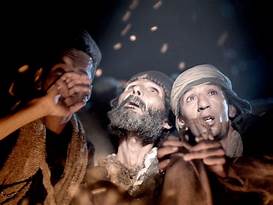
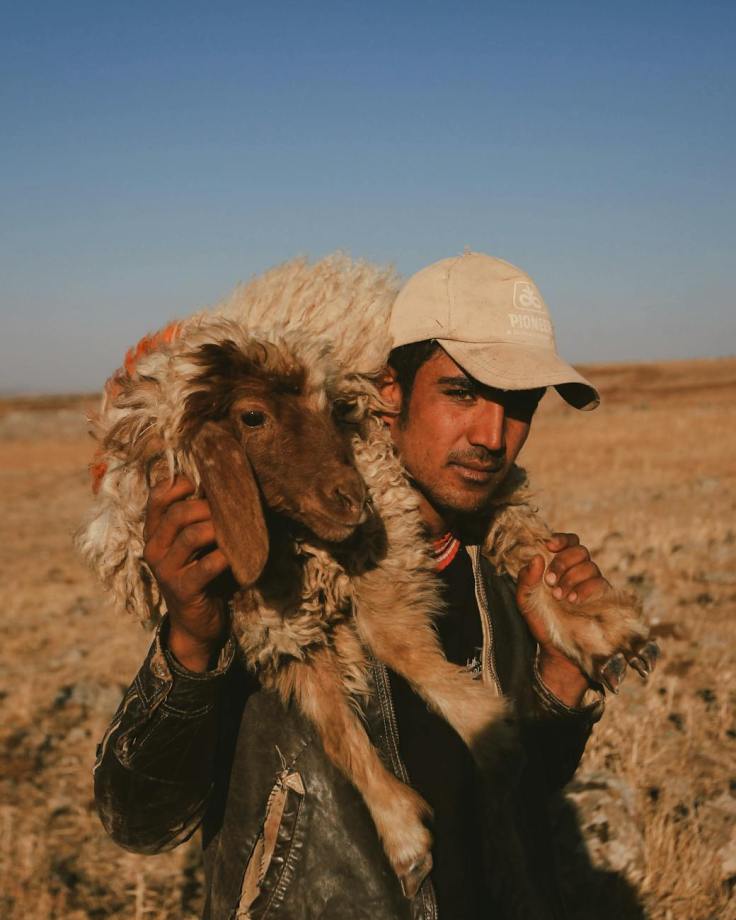
 That night there were shepherds staying in the fields nearby, guarding their flocks of sheep.  Suddenly, an angel of the Lord appeared among them, and the radiance of the Lord’s glory surrounded them. They were terrified– but the angel reassured them. “Don’t be afraid!” he said. “I bring you good news that will bring great joy to all people. The Savior—yes, the Messiah, the Lord—has been born today in Bethlehem, the city of David!  And you will recognize him by this sign: You will find a baby wrapped snugly in strips of cloth, lying in a manger.” Suddenly, the angel was joined by a vast host of others—the armies of heaven—praising God and saying

 “Glory to God in highest heaven,
    and peace on earth to those with whom God is pleased.”
When the angels had returned to heaven, the shepherds said to each other, “Let’s go to Bethlehem! Let’s see this thing that has happened, which the Lord has told us about.” 
They hurried to the village and found Mary and Joseph. And there was the baby, lying in the manger. After seeing him, the shepherds told everyone what had happened and what the angel had said to them about this child. All who heard the shepherds’ story were astonished, but Mary kept all these things in her heart and thought about them often. The shepherds went back to their flocks, glorifying and praising God for all they had heard and seen. It was just as the angel had told them.” Luke 2:8-20 NLT (Emphasis added)

The shepherds on that first Christmas were terrified– their ordinary night had been shattered by the appearance of an angel of the LORD. And that was only the beginning! The angel announced the birth of Messiah– Christ, the LORD– in the nearby village of Bethlehem. And then an angelic host– a vast army– of angelic beings chose to worship in the skies that, just moments before, had been dark, still, and lonely.
“Fear not!” “Be not afraid!” Through the terror and overwhelming glorious radiance came a calm voice. “I bring good tidings of great joy!” “..shall be to ALL people…” “PEACE on earth!” “Christ is Born!”

The fulfillment of centuries of longing was finally here. The central hope of the entire nation of Israel had arrived. And the angel left no doubt that the shepherds were welcome, even commanded, to GO and see this miracle with their own eyes. The Biblical account says that they did go– but it also says they stopped to discuss it first. They talked it over and decided to face the mixture of thrilling joy and weak-kneed trembling. Could it really be?! The Messiah! Here and now! But…a babe? Wrapped, not in robes of glory, but in swaddling cloths? And…lying in a manger? Surrounded by sheep and donkeys? What if this was a cosmic hoax? What if there was a mistake? Would they be disappointed? Ashamed? Turned away because of their lowly status?

“Be Not Afraid!” The shepherds talked it over. How could they NOT go and see? What if the news was true?! And in going, they became the first ordinary witnesses of the most extraordinary birth in history! They came. They saw. They believed! And they worshipped.

And then, they shared their experience with others. They went back. They probably shared the news first with the sheep, rehearsing how they would spread the fantastic tale to those who still lay sleeping. But they may also have shouted it in the streets, waking up all the neighbors with the joyous news. The Bible doesn’t give us details. But it does tell us that they went back with joy and gladness. And conviction–“It was just as the angel had told them.” Nowhere in the Bible story did they show any more fear. They had no doubt. The wonder of Christ’s birth was everything they had been told to expect, and more!

This Christmas, we look back at the shepherds, and we try to recapture the wonder of that Holy Night, and the visit of the angels, and the discovery of a tiny Savior in a manger. And we will have the opportunity to celebrate, just as the shepherds did.

What will be our response to His coming? Will we spend this season glorifying a praising God? Will we “astonish” our neighbors as we tell about the Savior’s birth, and His subsequent death and resurrection? Will we heed the angel’s calming tones to “Be Not Afraid” as we encounter the Messiah? As we go “back to (our) flocks” and fields and daily life?

I pray that we will “consider well” this Christmas how “our good God” gave us His “beloved Son”– born in a humble manger, willing to die a humiliating death He did not deserve so that we could be free from the curse of Sin and Death. And may we pray for the courage and conviction to live out and speak out the Joy and Glory of His coming!

An Old Prayer for a New Year

Our Father,
Who art in Heaven,
Hallowed be Thy Name.
Thy Kingdom come.
Thy will be done
In Earth as it is in Heaven.
Give us this day our daily bread,
And forgive us our trespasses
As we forgive those who trespass against us.
And lead us not into temptation,
But deliver us from evil.
For Thine is the kingdom,
The power, and the glory,
Forever and ever,
Amen

Jesus taught His disciples to pray when He was on Earth. It is a simple prayer, and it is meant to be used as a guideline.

As we enter a new year, we discard many of the “old” things in our lives, but I’d like to take a close look at how this “old” prayer can breathe newness and vitality into 2025.

Our Father— When we pray, we are praying to a very personal God; one who loves us each intimately. But we are also praying to the God who loves our neighbor, and our “enemy.” He is OUR Father. We can, indeed we must pray for others as we would pray for ourselves. And we must see God as our Father– the one who has both Love for us AND Authority over us. He is not removed from us, but He is not listening for us to dictate to Him what He should do.

Who art in Heaven–Yes, Heaven seems far removed from Earth, and God remains removed from us in the sense that we cannot see him with our eyes or hear him with our ears. But God IS in Heaven– He sits on the throne; He reigns; He rules, now and forevermore. God is not trapped here on Earth; he’s not just passing through on His way to some other galaxy; some other reality. He IS and will always be accessible, glorious, all-knowing, and all-powerful over all that we can ask or imagine (see Ephesians 3:19-20)

Hallowed be Thy Name–The very first three of the Ten Commandments all deal with the Holiness of God and the Sacredness of His Name. When we lose sight of WHO HE IS– when we think of Him as “the man upstairs,” or any other image that fails to acknowledge HIS awesome and majestic Holiness, we lose the very power of prayer. Prayer is not powerful because of WHAT we pray or who we pray for, or even in relation to who WE are in relation to God–it is powerful because of His Name, and His Character, and His Authority.

Thy kingdom come–We have a tendency to pray for the kingdom WE want; the outcomes we want; the visions that we have. Prayer is about more than that– it is about being willing and eager to listen for the outcomes GOD has planned, for HIS kingdom, HIS plans, HIS timing, HIS justice, HIS healing, HIS mercy, and HIS final word.

Thy will be done in Earth as it is in Heaven— Earth, and all the systems we know on earth, are broken and tainted by Sin. When we pray, we pray for something we have not ever experienced fully– that we would know God’s perfect peace; perfect fulfillment; perfect righteousness. Often our prayers are limited by what we know, including the brokenness of our own visions and desires. Prayer should take us beyond those limitations. We need to be open to what HE can do, even when it doesn’t match our expectations.

Give us this day our daily bread— What if we were content to let God give us, not what we want, or wish, but what we NEED for each day? Just enough strength and healing to get through one day of Chemo treatments; just enough peace to deal with the uncertainties we face in the next 24 hours; just enough grace to witness to our co-worker, without expecting an immediate positive response? At the same time, what if we are open to God providing enough “daily bread” to feed 5,000! God is sovereign to give us according to the NEED He sees.

And forgive us our trespasses as we forgive those who trespass against us. When we pray this– REALLY pray this– we must examine our motives for prayer and our actions toward others. Do we want God to forgive us in the same manner and to the same degree that we forgive others? This should be a transformative prayer every time we say it.

And lead us not into temptation but deliver us from evil— Jesus never said that God tempts us, such that we should have to ask Him not to. But we are likely to walk straight into temptation if left to our own devices. We need God to lead us away from temptation and protect us– deliver us– from the evil that we will encounter in this broken world. There is a deeper prayer here, as well. We tend to think of temptation and evil coming from various people that we encounter. The prayer here is not to protect us from other people, or the influence of others, but to lead us away from our own desires and protect us from Evil. It may help us with forgiveness (above) when we remember that our true enemy is not an individual person, but the Evil working in them.

For Thine is the Kingdom, and the Power, and the Glory Forever and Ever— We must be careful not to pray for our own kingdom (selfish desires) our own power (separate from God), or our own glory. God wants to know what is in our heart, and He wants to see our heart being discipled and shaped into an accurate reflection of His humility, His mercy, and His Love– that how His Kingdom operates!

AMEN!–“May it be so.” Our prayers, like our lives, are not perfect. We have not achieved or imagined all that we “should” pray for. God’s Grace is sufficient to cover when we ask for more (or less) than God has planned for us. Our spirit should trust that God will continue the work He is doing to make us more like Him as we pursue His will and His Kingdom (see Philippians 1:6)

This year, we will be tempted to try many “new” things. Some will be good for us; others may not be in our best interest. I hope that this year, we will grow in our pursuit of prayer– that we may find new ways to draw close to God in prayer. But let us not abandon the fundamentals that are included in this “old” and dear prayer of our Lord Jesus.

The Sweetest Frame…

I have several friends who are really great at photography– some have made it their profession. One of the hallmarks of a great photograph is “framing.” I’m not talking about choosing a frame for a printed photograph, but choosing natural elements that draw the eye to a focal point. It include perspective, focus, lighting, and even composition– which elements make it into the picture, and which ones are excluded. After all, photos, by their very nature, only show part of the whole reality. Even a panoramic picture cannot show everything at once, and the photographer chooses where s/he wants to place the focus and framing.

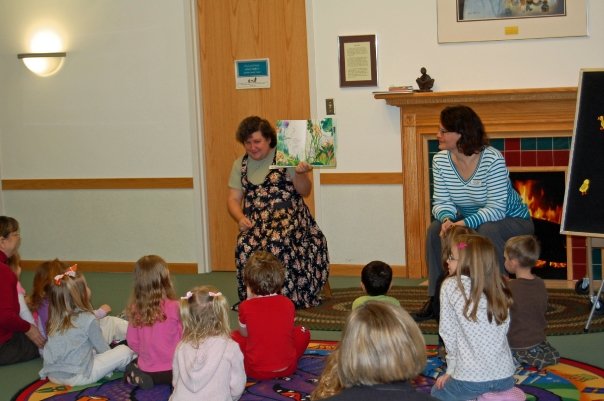
We have a tendency to “frame” our lives in a similar way. We focus on only part of the whole reality of life. We choose to “frame” our present situations, our past memories, and our future hopes– even when they are out of focus! We can do this in both positive and negative ways. At one point in my life, I felt I had found “the perfect job” as a youth services librarian at a local public library. It was pleasant work that made use of my skills, talents, and interests. It included a mixture of social interaction and self-directed projects. I loved the job, my co-workers, our patrons, the work environment–it was a pleasure and an honor to work there.

Library Story Time

But I was viewing my job (and myself in that job) through a frame. There was more happening in the wider picture of my life and development. After more than a dozen years there, things had changed. I still loved the work, and while some co-workers retired or moved, and the staff changed a bit, the work environment was still mostly peaceful and friendly. I still found the job challenging and rewarding, and I had gotten to know people in the community over the years who truly felt like family. But, as my role changed, so did some of the relationships. As new leadership came, so did new directions and new priorities. And I had become “comfortable”– and somewhat complacent as well.

In time, it became clear that my “perfect” job was not only not perfect, but becoming a source of frustration, stress, and unhappiness. And there were other things happening that demanded my focus. I was preparing to become a wife and move to a new community. My mother’s health was deteriorating, demanding more of my time and energy. My future husband wanted to open a shop– someone would have to work there, and we couldn’t afford to hire anyone, even part-time. That meant working a second job at the shop while trying to maintain my efforts at the library.

As the “frame” of my life shifted, I felt confused, even angry, with God. Why would He allow something so good to turn sour? Why did I feel like I was losing myself? Didn’t He want me to be happy and fulfilled? Didn’t He want me to use my talents to help others?

Now, after a few years’ perspective, I can see some of the “rest” of the picture. I had begun to see myself through the lens of my job, and I was depending on that vision, rather than focusing on what God was doing in, around, and through my life. There was nothing “wrong” with my job, per se, but God needed me to be willing to let go and move in new directions. Now I am preparing for another change, as we have decided to close our shop, and I will look for the next step– a new job, new opportunities, new challenges.

My nation just went through a contentious election. Many people are upset at the outcome, while others are relieved. But just as it happened with my job, I need to be careful NOT to depend on politics and governments to be “saviors.” No political party or platform or policy can “fix” sin and brokenness. The “system” isn’t the root of the problem. As individuals, we need to submit ourselves to the authority of those in government, but only AFTER we submit to the authority of God. HE is the King of Kings, the Lord of Lords, and His power exceeds that of Presidents, Cabinets, Congresses. Our nation must prepare for new challenges, as well as new opportunities.

I write all this, knowing that there are people going through much more traumatic “shifts” in their lives– the changing of a government administration, with its unknown power and potential can be worrying; the loss of a job, and a change of career is a disappointment. But it is not the same as the loss of a spouse or child, the sudden loss of a home to fire, or an unexpected diagnosis of cancer or other health issue. But the principle is not so different. God’s ways are eternal. Sometimes, we see the uncertainty and trauma in front of us, or surrounding us, and it becomes a frame for all of our thinking and emotions. But the “picture” is much bigger than just our immediate situation. God calls us to trust Him in all circumstances, knowing that His love for us is not just for this life, but for all eternity. Whatever we (or our loved ones) go through here is but a snapshot– one of millions that God will put together in a Glorious and Perfect collage.

Moreover, God gives us the privilege of listening to us when we call out to Him. We need not be afraid to ask, “Why this?” or “Why now?” or even “Why me?” But when we ask, we need to be willing to shift our focus, and remember where our Hope is Built– On Christ the Solid Rock. Even the sweetest “frame”– our career, our relationships, our identity, our politics, our happiness in this life– cannot compare with His faithfulness and eternal Sovereignty.

Driven to Pray?

I met up with an old schoolmate last week, and he asked a question that made me think a lot. He wondered whether our generation– specifically our classmates and friends, were “driven.” His observation was that many of his nieces and nephews seem to have a lot of drive and ambition that he doesn’t remember seeing (or experiencing) in our youth. He noted that few of our friends have gone on to become lawyers or doctors, engineers or CEOs.

I wasn’t sure how to answer his observation. I started, but didn’t complete, a master’s degree. I know several of our friends who are teachers, paralegals, and business owners. Many have what most people would consider at least moderately “successful” lives– happy families, rewarding careers, the respect of others in their communities. And yet very few have distinguished themselves on the national or international front– aside, perhaps, from him! He is a tenured professor, with several published books, and has studied and/or taught at several universities around the world. If HE can’t remember being driven or ambitious, how does he explain his own “success?”

But the observation struck a nerve with me on a personal level. I know that many of my former classmates and long-time friends may find it odd that I have “settled” for the life I live. I own a business, but it is a modest one. I have taught and worked in libraries, but I could have chosen to become a professor or administrator or library director; I could have taken any of a number of more “important” or lucrative positions over the years. But I wasn’t driven to “succeed” in that way. Did I waste my potential? Was I lazy or fearful of success? Did I not have the potential, or did I not have the drive to become “more” than what I am?

Ultimately, I am driven (I hope) by the Holy Spirit. Not to become a “successful” person by the world’s standards, or even by my own ambitions, but to become the person God made me to be– a person who reflects His character and His priorities. I hope that I am becoming a “successful” follower of Christ– no matter what that looks like on the surface to classmates, neighbors, or family. I don’t need to be rich, famous, popular, or “important.” I DO need to be developing Love, Joy, Peace, Patience, Kindness, Goodness, Faithfulness, Gentleness, and Self-Control (Galatians 5:22-23)

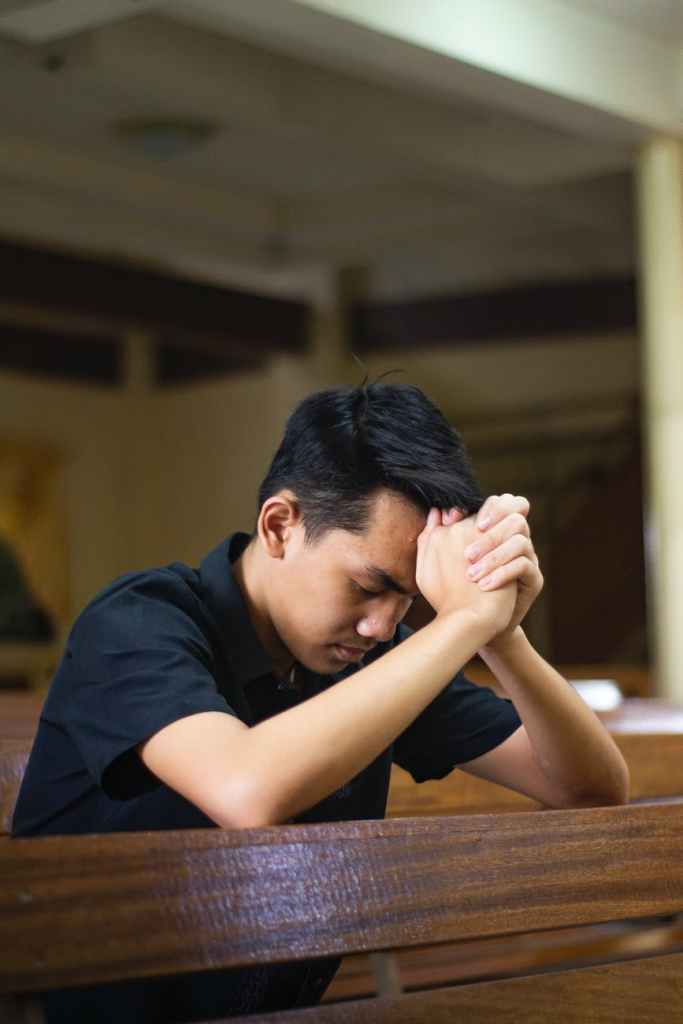
This week, as I have been meditating on the idea of “drive” and ambition and “success,” I started thinking about how it relates to prayer. I am driven to become more like Christ, and that includes being driven to live a life of prayer. But what really drives my prayer life? Because my pursuit of prayer and my practice of prayer may be “driven” by something other than pure motives:

  • Am I driven to pray because I believe that I am “ticking a box?” Have I read the Bible today? Check. Have I prayed some kind of prayer at some point? Check. Have I done a random act of kindness? Check. This is not really a spiritual pursuit of prayer. In fact, it can become idolatry– I can pray because I believe the act of praying makes me “better” or “good enough” to deserve God’s forgiveness or mercy. This drive comes from my own desire to control my growth and behavior. It is not “wrong” to set goals or make lists and stick to them. (After all, we are to be developing discipline and self-control!) But we must be careful not to shift our priorities from God’s discipline to our own lists and habits.
  • Am I driven to pray when/because others are watching? Am I seeking their approval more than I am seeking God’s face? Am I seeking to be “important” or pious, when God is asking me to be humble and obedient?
  • Perhaps I am praying out of fear, worry, or doubt. I am driven to pray in the same way that others are driven to consult a horoscope or carry a “lucky charm.” God wants me to trust Him. He knows that I will not always be perfect in Faith, but my prayers should not be double-minded (see James chapter one). I should not be using prayer to “hedge my bets” when faced with adversity. It is good to call out to God if we are frightened or uncertain, but we must develop Faith over fear. And in the end, God also wants us to be joyful in remembering and trusting in His promises
  • Am I driven by guilt or shame? It is good to confess our sins. But we also have to remember that IF we confess our sins, He is faithful and just to forgive us, and to cleanse us (1 John 1:9). If I am still confessing the same sins over and over, is it because I didn’t really trust God to forgive me, or because I didn’t really want to repent and change my ways– I just wanted a “free pass” to keep sinning, but not feel guilty for the consequences?
  • Maybe I am driven to pray for others because I think MY prayers can save them, or influence their life. Again, this can become idolatry. We have been given the amazing opportunity to pray for others. God already knows their needs– better than we can! And God can do miracles without any input from us. Yet He chooses to give us the privilege of praying and participating in His work! Again, it is commanded that we pray for one another, but we must remember to Whom we are praying. Our prayers for others are part of a circle– God’s Spirit moves us to compassion and concern– we take that compassion and lift up others before His throne. He knows what is best; He will do what is best. He wants us to participate, not to dictate!
  • Sometimes, I may be driven to “dictate” a particular outcome in my own life. My own ambition may be to become what I want, rather than what God wants for me. This can be a tricky concept. There are ambitions that God lays on our hearts– they are not wrong, but God’s timing may not match ours. I prayed for years to be married; to “find” the “right” mate, and to “be” the right mate. I even prayed that God would change my heart if my ambition was “wrong.” God’s timing was certainly not my timing. The ambition was not wrong, but my patience and trust needed to be developed.
  • Perhaps I am NOT driven to pray…maybe I lack the focus or lack the drive in my walk with Christ because I am drifting away from my first Love. I am driven to seek after something other than intimacy with my Creator. Maybe I am so content with my life “as it is” that I am not seeking direction and correction from the Holy Spirit. Perhaps I do not have the compassion and drive to pray for others because I do not see them fully as God sees them. Perhaps I do not trust God fully with the “little” things in my life because I do not see my need for His guidance.

I think it is not a bad thing to wrestle periodically with questions like this. Maybe today is the right time to ask, “Am I driven to pray? What drives me to my knees? What should be driving me there?”

The Measure of Success

My senior year of high school, I was voted “Most Likely to Succeed.” I’m not sure what that meant to most of my classmates, but it was both an honor and a burden to carry. While I was honored by my classmates’ faith in my ability to become some sort of “success,” I was also daunted by the mantle I felt I had to bear. Would I become famous? Wealthy? Important in public affairs or business? My immediate and modest goal was to become a teacher. But I had visions of becoming a well-known author. I also dreamed of becoming a wife and mother; of having a loving, happy family, and a nice home.

Photo by Scott Webb on Pexels.com

God’s plans are not our plans. God has placed many opportunities in my path– opportunities to serve myself and “get ahead,” and opportunities to serve others. I can say from experience that serving others brings more satisfaction in the long run, but it doesn’t feel like “success” as defined by most of our society. I’ve never achieved what most would consider “success.”

Photo by ROMAN ODINTSOV on Pexels.com

Some days, I feel wistful and even a bit resentful about some of life’s circumstances– children I was never able to have, or jobs I might have pursued with more ambition. But then, I think of all I might have missed– friendships, victories over certain struggles, lessons learned. My life isn’t finished– God may yet give me the opportunity to do “great things.” But already, He has given me the privilege of doing small things for Him over the course of many years. And it is more than enough.

Photo by Pixabay on Pexels.com

One of the greatest measures of true success is to look at the life of Christ. After all, His life, death, and resurrection changed the entire course of history! Time is measured by His arrival on this planet– everything happened either before or after His birth. Billions of people have called themselves “Christians” after Him, and lived their lives in His service. But what did He actually accomplish in human terms? He was not a ruler or political powerhouse. He never owned a house, let alone villas and mansions. He never wrote a book (even though thousands of books have been written about Him). He didn’t invent anything, or found a corporation, or make a monumental scientific discovery. He never led an army. He healed several people, but He didn’t cure cancer or wipe out leprosy, or put an end to blindness. He didn’t rid the world of poverty, hatred, greed, or injustice. At the time of His death, He owned only the clothes on His back– and they were taken from Him! His friends deserted Him as hundreds shouted for Him to be crucified. He was nailed to a cross between two nameless malefactors, and died. He was placed in a borrowed grave. People who had expected great things of this Messiah ended up turning on Him and thinking Him a failure and a blasphemer.

Photo by Francesco Paggiaro on Pexels.com

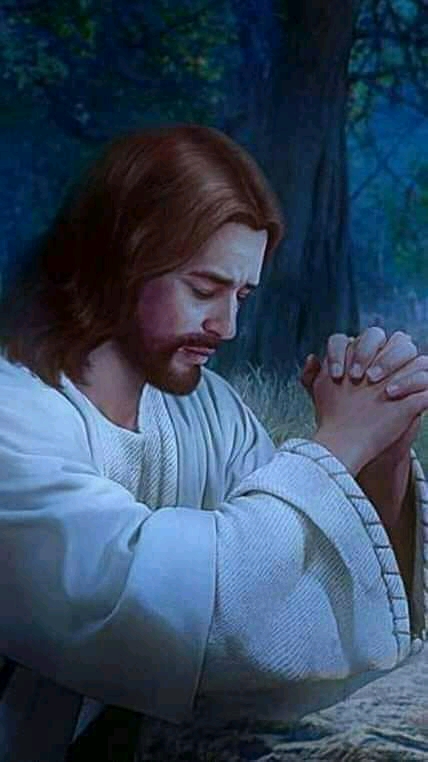
Jesus did not pursue worldly success. He told parables. He dined with sinners and saints alike. He laughed. He cried. He prayed. Jesus served others, and yet He challenged authorities. He drew crowds, and performed miracles, but He died alone. Jesus did not come to show us how to “get ahead.” He came to show us how to live more abundantly, not more successfully. (See John 10:10)

 So if there is any encouragement in Christ, any comfort from love, any participation in the Spirit, any affection and sympathy, complete my joy by being of the same mind, having the same love, being in full accord and of one mind. Do nothing from selfish ambition or conceit, but in humility count others more significant than yourselves. Let each of you look not only to his own interests, but also to the interests of others. Have this mind among yourselves, which is yours in Christ Jesus,who, though he was in the form of God, did not count equality with God a thing to be grasped,but emptied himself, by taking the form of a servant, being born in the likeness of men. And being found in human form, he humbled himself by becoming obedient to the point of death, even death on a cross. Therefore God has highly exalted him and bestowed on him the name that is above every name, 10 so that at the name of Jesus every knee should bow, in heaven and on earth and under the earth, 11 and every tongue confess that Jesus Christ is Lord, to the glory of God the Father.

Philippians 2: 1-11
Photo by Ian Panelo on Pexels.com

God can use our worldly success, if we achieve any. But He delights in our humble prayers, our small acts of service, and our obedience. Jesus lived a humble life. He could have done anything He wanted, fulfilled the loftiest of ambitions, and crowned Himself King of the universe. But His success came from the unlikeliest of lives, and the most humiliating death. He lived the perfect and abundant life He offers us.

I don’t live a perfectly humble life. I chafe at my own weakness, sometimes. Yet it is when I stop chasing “success” and perfection that I find it –in Christ.

My prayer today is that someone reading this will be encouraged. If life feels like a series of missed opportunities to find success and fulfillment; if you feel like your life has let you down, and that God cannot use you for some great purpose– take heart! He loves to pour His love and holiness into broken vessels and exalt those who are humble and weary and “not enough.”

Missing Pieces

My husband and I run a shop. He sells new and used amateur radios and supplies; I sell antiques, collectibles, and resale items. The nature of our business means that we often get merchandise that is “incomplete.” We have used radios– occasionally, there is a knob missing, or a component that needs to be replaced or repaired. We have used games and jigsaw puzzles, packs of playing cards, sets of dominoes, old silverware and buttons and dishes–mismatched, incomplete, and sometimes damaged or chipped. I spend many of my days surrounded by items that some would consider “junk.”

Photo by Quoc Nguyen on Pexels.com

But what some would consider junk, others consider treasure. Collectors come in looking for specific items– old tobacco tins, embroidery samplers, antique kitchen tools, wooden toys, fishing rods, or costume jewelry. Crafters come in looking for old buttons, clothespins, linens, or keys. Some people come in to browse, and end up finding an old book, or a doll that catches their eye. And most items create conversations, spark memories, or inspire curiosity.

Photo by Madison Inouye on Pexels.com

Ours is not a busy shop. We don’t sell convenience foods or new shoes or cell phones. We don’t offer fancy coffees or tea “bombs,” or expensive hand lotion. We don’t sell sporting goods (other than really old skis or the occasional tennis racket). We sell a few new batteries and antennas, and we offer a few local packaged food items (honey and maple syrup, craft sodas, etc.). We don’t make a lot of money at our shop–but we’ve made some friendships, and we’ve had the joy of seeing our customers find unique and useful items. We’re part of something bigger than just making a sale: like so many others with small businesses, we’re making a difference.

Photo by rawpixel.com on Pexels.com

God created each of us to interact– to be part of something bigger than ourselves. Each of us has a need to find “missing pieces”– friendships, experiences, conversations, ideas, even old chipped dishes– that help us discover where we “fit” into a larger picture. As we interact, we make a difference, for better or for worse. We smile or we scream, we create unity or division, we spread hope or we spread hatred, we destroy or we build up. And we search for meaning and fulfillment. Ultimately, we are searching for God, who has promised to make all things new and bring wholeness, completion, and life to our “used” world. There will be no “junk;” no missing pieces or chipped plates or broken antennas in God’s perfect plan. Each of us is treasured by our creator. Even if others see us as filthy, broken, rusted, or worn out, God can says we are priceless and worth redemption. He has a place for us.

Photo by Artem Beliaikin on Pexels.com

10 For if, while we were God’s enemies, we were reconciled to him through the death of his Son, how much more, having been reconciled, shall we be saved through his life!

(Romans 5:10 via biblestudytools.com)
Colossians 1:20-22 NIV

I Can Do All Things..

I know many Christians who cite Philippians 4:13 as their favorite verse: “I can do all things through Christ who gives me strength.” And while this is a powerful verse, and holds great promise, I think it has been misused and taken out of context too often in recent years.

The Apostle Paul wrote this– from a prison cell as he awaited trial and a likely sentence of death! And this thought is a summary statement. It follows a list of circumstances in which Paul had experienced needs, and questions, and setbacks, and lack of provision.

Photo by Nandhu Kumar on Pexels.com

In this season of “sheltering in place,” I have a new appreciation for Paul’s letter. I am not in jail, but there are many restrictions (temporary, but seemingly endless) on where I can go and what activities I can pursue in light of the COVID-19 pandemic. I cannot “do all things” in any normal sense. My family could not gather for Mother’s Day this year. We cannot have friends over for a meal, or take our grandchildren to the movies, or meet together for a traditional church service on Sundays. I cannot open my little shop to customers. I can’t go and get a haircut or hang out at the bakery or coffee shop.

Photo by Cliff Booth on Pexels.com

And there are others who are struggling, not just with restrictions, but with increased expectations. They cannot “do all things” to help a dying patient, or stop the spread of infection in their nursing home or hospital ward. They cannot answer frenzied questions about timelines and protocols. They cannot work effectively from home and still be available to their children as both parent and surrogate teacher. Or, they cannot meet the needs of their students without face-to-face interaction.

But Paul is not talking about the mere completion of a worldly task, or achieving a personal goal. Paul isn’t suggesting that he (or anyone else) can do anything and everything he might want to do or that others might wish him to do. He has just finished talking about times of lack, of wants and needs and facing uncertainties. Paul did not (even with Christ’s help) skip lightly around Asia Minor, making friends and influencing people.

Photo by Ylanite Koppens on Pexels.com

So what DID he do? What did he mean by “all things?”

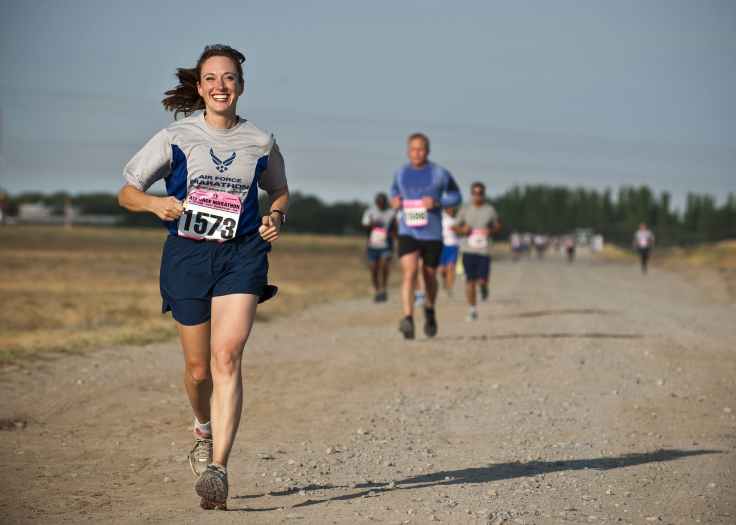
Paul speaks often throughout his letter of “running a race.” Paul learned that in all circumstances, with whatever resources, whatever restrictions, and whatever obstacles, he could “run” his race. Under persecution or in times of great success; in times of plenty, or in times of hunger; in prison or on the road (or seas); in Jewish synagogues or Greek amphitheaters; alone or in crowds– Paul could worship God. He could proclaim the Gospel. He could spread the love and grace of Christ Jesus. If he couldn’t travel, he could still speak. If he couldn’t speak, he could write. If he couldn’t write, he could pray. He could do “all things” that were necessary to accomplish his one goal– to run the race; to finish strong; to live a life of purpose and worship.

Photo by Pixabay on Pexels.com

May we do the same today, through Christ, who gives us strength. I may not be able to gather with friends, but I have the blessing of being able to call, or e-mail, or IM, or send encouragement. I can still write this blog. I can still pray– in fact I have more time to do so! I can do “all things” that will fulfill my purpose and bring honor to God. And so can you. What a privilege–no matter where we are or what our circumstances!

Photo by Porapak Apichodilok on Pexels.com

Blog at WordPress.com.

Up ↑