What Can I Give Him?

In the Bleak Midwinter

words by Christina Rossetti


1 In the bleak midwinter, frosty wind made moan, 
earth stood hard as iron, water like a stone; 
snow had fallen, snow on snow, snow on snow, 
in the bleak midwinter, long ago.

2 Our God, heaven cannot hold him, nor earth sustain; 
heaven and earth shall flee away when he comes to reign. 
In the bleak midwinter a stable place sufficed 
the Lord God Almighty, Jesus Christ. 

3 Angels and archangels may have gathered there, 
cherubim and seraphim thronged the air; 
but his mother only, in her maiden bliss, 
worshiped the beloved with a kiss. 

4 What can I give him, poor as I am? 
If I were a shepherd, I would bring a lamb; 
if I were a Wise Man, I would do my part; 
yet what I can I give him: give my heart.


United Methodist Hymnal, 1989

I love this Christmas Hymn, though it creates a picture that is likely very false.  Historically, we have no reason to believe that Jesus’ birth occurred on the 25th of December, or even in the winter at all.  And even if it was December, it is very unlikely that the Middle-Eastern countryside was experiencing frosty moaning winds or icy waters on the night of Christ’s birth.
In addition to Mary, the Bible tells us of others who came to worship that night– the shepherds in the nearby hills.  The wise men likely came days, weeks, or even months later to bring their gifts.  And Joseph would certainly have been there, as well.

The song is still lovely, and the last verse is the key.  Christ poured out all that He was; taking on the form of a helpless baby, He lived among those who rejected and mocked Him.  He served those whom He had created, healing their wounds, forgiving their sins, providing for their eternal redemption.  He died, betrayed and despised by His own chosen people, and dismissed by the rulers and authorities of the day.  He never owned a home, built monuments, carved his name in stone, or wrote books to preserve his legacy.  He had no dynasty or even children to carry on his name; at the time of his death, all his friends and followers had abandoned him– all but one disciple and his mother.  Yet his birth (the actual date of which has been obscured by history) is synonymous with generous gifting, rejoicing, singing, worship, and renewed hope.  So what could any of us possibly give that could even begin to match what His life, death, and resurrection gave us?

He asks for only one thing– everything we have: all the failures, mistakes, good intentions, bad choices, selfish desires, and hurts of the past–and in return, He gives us everything beyond our wildest imaginations: eternity with Him; all the riches of His Glory; all His holiness and majesty imputed to us; peace with Him; rest and restoration in Him; and His Spirit to guide and sustain us!

The bleakness of midwinter may not have been the physical setting of Christ’s birth, but it represents the spiritual setting of our lives without Him.  In that sense, Christ comes in the bleak midwinter of our rebellion, our despair, and our isolation, and offers to give us everlasting light, hope, peace, and joy!

That’s worth celebrating every day throughout eternity!

Sacrificial Prayer

I call this blog “Pursuing Prayer.” I believe prayer is a pursuit; a discipline that one can learn from, grow into, and practice faithfully in life. But prayer is also a sacrifice. It involves giving of time, space, and honest reflection.

Sometimes, prayer is a willing and joyful sacrifice. I want to come and spend time with My Father in praise and worship, adoration, and even asking for His guidance and wisdom. But sometimes, the sacrifice is hard. I may dread coming to God when I know I have been dishonest or unfaithful. Like any relationship, I cherish the easy times, the relaxing times, and the expectations of challenges met and conquered. I don’t look forward to the hard work, the waiting, or the corrections that God may have for me.

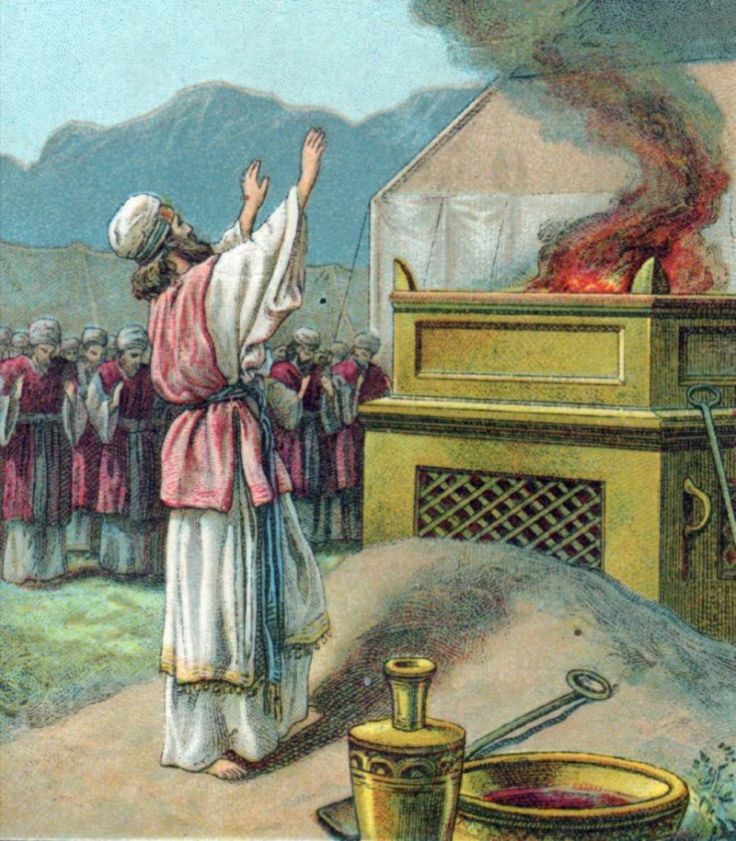
One type of sacrifice that doesn’t belong in the prayer of a believer is the Sin sacrifice. As described in the Old Testament books, the sin sacrifice had to be given to cover over the sins of individuals, priests and even the entire nation. The Israelites even had to give a sin offering for unintentional or accidental sins!

Unfortunately, I sometimes make the mistake of thinking that I must make a similar “sin sacrifice” in my prayer life– that I have to rehearse and recount all my past sins before God will hear me or act on my behalf. And that is NOT Biblical. If we are truly trusting in Jesus’ finished work on the cross, we are not obligated to offer token sacrifices as a means of covering over our past. Christ’s blood IS sufficient! (See 1 John 2:2, 2 Corinthians 5:21,1 Peter 2:24, and Romans 5:9 among others)

So when I talk about prayer of confession, I’m not talking about pouring out long laundry lists of sins I committed last week or thirty years ago. God already knows– in fact He knew about them before they happened!–and He has already forgiven me. That doesn’t mean that He wants me to pretend they never happened or that He doesn’t want me to feel the regret or understand the consequences of what I have done. Instead, He wants me to understand and rejoice in His overwhelming Mercy and Grace! My sacrifice, when I confess my sins, is a sacrifice of praise for God’s willingness to offer what I can never earn or deserve or atone for– complete forgiveness and restoration! I am agreeing with God about who I am and what I’ve done, AND about what He has done for me!

There are other times when prayer can be a difficult sacrifice. Sometimes, I am compelled to pray for those who have hurt me, or those whose actions have hurt others. I am commanded to pray for leaders– that may include church leaders who have sinned, or national leaders who have broken their promises or caused great damage. I am commanded to love my enemies, even if they never repent for things they have done.

Once again, I should be reminded of the sufficiency of Christ’s sacrifice for our sins. He didn’t just die for my Sin; He died for the sins that were committed against me. I may still feel the pain and consequences of that Sin for as long as I live on this earth. But I can trust and be confident that God has dealt with it. And that causes me to rejoice, because I can’t turn back time; I can’t undo the bad things that have happened; I can’t create perfect justice to punish my enemy. But I can let go of the burden of trying to make things “as they should be.” God will do it; He has promised! I can stop wallowing in the “what ifs” or the “what-could-have-beens;” the endless “whys” and “why me’s” that take up so much of my time and focus. Instead, I can leave them as a sacrifice on the altar of prayer, pledging my trust in the Almighty to heal and help me forgive as I have been forgiven.

We don’t practice the old animal sacrifices of the Old Testament. And we don’t have to! But sacrifice is more than just bleeding sheep and burning incense. Sacrifice is offering all of who we are to the One who created us, sustains us, forgives us, and gives us abundant life!

All I Want for Christmas…

Children are busily writing letters to Santa and making lists for their parents– “I want…” We’re listening to “Christmas Classics” on the radio– “All I Want for Christmas is My Two Front Teeth.” “All I Want for Christmas is You,” “I’ll be home for Christmas…Please have snow and mistletoe and presents on the tree…” “Christmas, Christmas time is here; time for toys and time for cheer. We’ve been good but we can’t last– Hurry, Christmas. Hurry fast!”

Advent is a time of expectation and hope. But it can also be a time of selfishness and greed. “I want…” “I’m dreaming…” Even if the things we want and wish for are not ‘bad’ things, we can get so caught up in the wanting and wishing, that we forget the deeper meaning and purpose– not just of Christmas, but of life! Life isn’t about getting things– even good or nice things. And Christmas, while it is a season of gifts, is primarily a season of giving.

Turning the radio to a Christian station, I can hear old familiar carols reminding me of the real reason for this season. “O Come, O Come, Emanuel!” “Joy to the World!” “Hark, the Herald Angels Sing–Glory to the Newborn King!” “What Can I Give Him, Poor As I Am?” “Yet In Thy Dark Streets Shineth the Everlasting Light…” “This, this is Christ the King; whom shepherds guard and angels sing.”

Even so, it is tempting to spend time this Advent season thinking and praying about all the things we want– noble things like Peace on Earth, Good Will to Men, and good things like health and happiness for our loved ones, and even selfish things, like a new toaster or a new pair of gloves. But what about what GOD wants this Christmas?

Photo by Wolf Art on Pexels.com

God wants us to enjoy the blessings He sends our way. But He also wants us to be grateful for the blessings we already have; the ones we have enjoyed (and even taken for granted) all year long. He wants us to take time in this busy season to reach out, not just with gifts and cookies and lights and greeting cards, but with compassion, warmth of heart, a willingness to listen, an invitation to share tears as well as joys, and efforts to heal old wounds and make peace right in our own families and neighborhoods. Christmas isn’t just about the baby in the manger– it’s about the Christ of the Cross, and the Return of Christ the Triumphant. And this is Our Advent season– awaiting and preparing for His Return!

There are many good things to “want” this Christmas. But all I really want is to be ready for His Coming– ready to receive His Grace, His Hope, His Joy, and to point others to “Thy Glorious Light!”

“Fruit-ful” Prayers

Our church has been presenting a series of sermons on being a BLESSing to our neighbors. BLESS is an acronym for Begin with Prayer; Listen with Care; Eat Together; Serve like Jesus; and Share Stories. We were challenged the first week to choose four close neighbors. We were to pray for them, and if we didn’t know them well, to reach out and make contact. This has been a true challenge for David and I, because we live in an apartment above our shop. Most of our neighbors are not residential, but commercial! Nevertheless, we decided on a couple of commercial “neighbors” and a couple of non-traditional “neighbors.” We started praying– praying for opportunities to get to know our neighbors a little better, and praying for their health, well-being, etc. We’re getting to know some of the workers at the two commercial locations, and getting to know our chosen “families” a little better. We’ve been more intentional about stopping to visit or chat, and making sure we listen and respond sincerely– this is not just a short-term “project” but an opportunity to build closer relationships. And we’ve been praying for opportunities to develop closer friendships.

So this week was the sermon I’ve been dreading– “Eat together.” You might wonder why this is so fearsome–doesn’t everyone like to eat? And I love meeting over a nice meal. I love to cook, as well. The problem? Our apartment is tiny and upstairs– NOT conducive to inviting people over for a warm, comfortable meal shared around a large table. We have two mismatched chairs around a small table in our tiny kitchen, and two more mismatched armchairs in the living room. No couches, no designated dining room, no space to “entertain” guests. I want to serve others. I want to grow friendships. But I’m not a hostess. Not in a cracker-box-sized apartment upstairs. I know this seems petty– I’ve known amazing hostesses who live in shacks and invite guests to sit on a dirt floor. I know. But I still struggle with the idea of entertaining others in my current circumstances.

I knew it was coming– we looked at all the examples in the Bible of good and even sacred things happening around the table and/or involving food– Passover Seders, Communion, the Wedding Feast of the Lamb (among others)… “But Lord,” I prayed, “I can’t invite the entire staff next door to my home for a meal. And some of the “residential” neighbors we are praying for are elderly and can’t manage the stairs to our apartment even if we had the room to host a meal. And it’s too expensive to invite some of the families or staff to a restaurant. How are we going to be able to bless others and “Eat” together?”

But God isn’t bound by conventional ideas– even when it comes to hospitality. At the end of the service, we were surprised by an announcement from our pastor– one of the families in our church owns a fruit farm. Last year, they had a bumper crop of apples, and they donated several bags of the apples to the church. There were enough apples for each family to take several bags to “BLESS” our neighbors! No meal to fix. No apologizing for the smallness and shabbiness of our living space. But a chance to share FOOD with my neighbors and bless them with wonderful apples! Thank you, God!

David and I wasted no time– we delivered most of the apples yesterday afternoon! And we had so many apples, we were able to bless more than just the four locations we had decided on earlier in the series. We were able to bless at least 13 different families/ businesses with at least one full bag of apples! We blessed families with small children, a retired couple; a single person on a fixed income; an extended family of four generations; we blessed people who go to another church; we blessed people who don’t attend church at all. We blessed the staffs at a couple of local businesses, and shared laughter (and concerns) with several friends, old and new.

Not everyone wanted the free apples. One family turned down our offer. Some people are suspicious of free gifts; some are too proud to accept food as a gift; some are simply not interested, or too busy. It is the same with the Good News. Some people do not want what we have to offer in Christ. Some are suspicious; some are too proud or even too ashamed to believe that God has Good News for them. Some are too caught up in their problems or their ambitions. We must not be discouraged, though. God has not given us such a precious gift without also giving us the opportunity share it with others. And we will see how God continues to work in mysterious ways. Some people were surprised and confused by the concept of “apples of blessing.” They wondered what we might ask for in return. We smiled and said there were no strings attached– we just wanted to share our blessing with them! Some people took more apples than we had planned to give them– that’s ok, too. Others wanted to bless us in return– we received over two dozen eggs in gratitude for a couple of bags of apples! Today, I’ll be delivering the last few bags to businesses that were closed yesterday (to share with their staff). I’m excited to share this gift–and I’m reminded of how good it is to share the free gift of the Gospel!

God didn’t change the circumstances of our apartment. I worried that I would be asked to host an elaborate meal, or that I would miss out on blessing others because of our circumstances. But in God’s economy, we can show hospitality, love, generosity, and compassion on the street. We can share food in a way that opens up opportunities to make memories, share stories, communicate prayer requests and concerns, serve others’ needs, and make new friends. There are dozens of ways we can open our hearts and our lives to our neighbors, serve them, and pray for them…

We kept one bag of apples– maybe someone in our neighborhood would like a pan of apple crisp! And now, David and I have a few extra eggs! Anyone interested?

At the Impulse of Thy Love

Sometimes, I am impulsive. I blurt out my thoughts and emotions; I end up buying a candy bar as I finish checking out my groceries; I decide to turn left at the intersection instead of going straight. Generally, impulsive actions are frowned upon. They can be foolish, wasteful, even dangerous. God does not call on us to be foolish or thoughtless, but there are times when He wants us to act on HIS impulse– to obey without stopping to weigh the pros and cons, without stopping to consider how we will appear to others or how obedience might “mess up” our carefully planned day.

Have you ever felt the “impulse” of God’s love moving you to an unexpected action? Maybe you had a sudden urge to speak to a stranger on a train, or get in touch with an old friend. Maybe you felt compelled to give a gift to someone or stop and offer to help carry a load for them. Maybe you saw a news story and it caused you to pray– and to remember someone’s need and pray some more!

Our own selfish impulses can get us into a lot of trouble. But God’s impulses can lead to blessing beyond our understanding. Just remember:

  • God’s impulses will never cause you to act contrary to His word. Buying things you know you can’t afford (especially for yourself!), or blurting out judgmental and hurtful comments– such impulses are NOT Godly. “Speaking the truth in Love” is not the same as spewing finger-pointing condemnation and self-righteous justification. Trusting that “God will provide” is not the same as assuming He wants you to have everything you desire.
  • Delayed obedience is the same as disobedience. God’s impulses are meant to be spontaneous moments of joyful service– not grudging acceptance of an imposition. That doesn’t mean that we can’t take a split second to discern God’s voice (see above) and respond appropriately. But God wants our “moments” as well as our “days”–He knows our plans. But He also knows His plans are better. If we are not willing for our plans to be redirected, then God is not really our Lord.
  • God’s impulses almost always involve others. God is LOVE. His impulses, therefore, are all about showing love–HIS LOVE–giving, serving, listening, helping, sharing, encouraging! God’s impulses will be directed outward, either toward others or toward God on the behalf of others. Amazingly, in God’s economy, we often reap a residual reward when we put aside our own plans. Sometimes the reward is not immediate or obvious–we may seem to meet with rejection, or even failure at first. Our actions may be misunderstood; our offers to help may fall flat; our prayers may seem to go unheard. But the love we show is not empty or worthless. We may never see the fruit of our actions or prayers, but we can still plant the seeds and water them!
  • God is a God of Grace and Mercy. Did you fail to act on a Godly impulse today? Stop. Take a moment to repent. Learn from today. Ask for wisdom to do better at the next opportunity!

I’m always amazed at the miraculous opportunities God has given me to bless others, and to learn more about His amazing Love. From unexpected encounters in faraway places, to reminders and prayer requests on Facebook or local news stories, to a sudden urge to do a random act of kindness– God’s impulses give us the opportunity to participate in His miracles!

God’s Economy

“Times are tough!” I hear many people complaining about the economy lately. And they have good reason– gas prices, food prices, housing prices, taxes– everything is getting more expensive, and wages or other sources of income just aren’t keeping up.

While we may worry about the current economic conditions, we need to step back and look at a different economy– God’s economy.

This weekend, I wrote out checks and paid bills. I even put some money in the offering at church. But God doesn’t look at the amount of money I paid or gave away, how much I spent or saved, earned or invested. He’s aware, of course, of such things, but God looks at a different “bottom line.” God cares how I spend or save money, whether it’s pennies or thousands of dollars. But He also cares how I spend my time and energy. And my life is “richer” than just the money in my bank account or the things in my house.

God doesn’t give us everything we want– He loves us too much for that. Life isn’t about having the most “toys;” it isn’t about having the easiest or most entertaining experiences. It isn’t about “winning” and having “more.”

I have noticed that the happiest people are often those who have had to struggle the hardest. In God’s economy, it is His pleasure to give more than we can ask or imagine– but often in ways we would never expect. (see Ephesians 3:20-21) In God’s economy, I am rich. Not because of anything that I have done, or earned, or because I was born to a wealthy family or because I won the lottery. I am rich because of what God has done. And if I am tempted to doubt that, I can begin listing all the blessings of God– and I will run out of space and time!

God has given me life. I didn’t choose to be born. I did not have the power to create myself. But God made me unique among all the people who have ever lived. He gave me a body, a mind, a soul, and a spirit. He gave me thoughts and dreams and opportunities to grow and enjoy life.

God gives me hope and purpose and a reason to live. Life can be difficult. It can be painful. It can be tempting to see only the darkness, the grief, the regrets. But it can be beautiful. It can be almost painfully beautiful, sometimes. What a gift. And what a gift God offers in each new day. A new chance to hope. A new chance to strive. A new chance to make a difference.

God has given me family and friends. And sometimes, that can be a struggle! We aren’t perfect, and we don’t always see eye to eye. We step on the toes or we step on the feelings of others. But we also make each other laugh. We make each other stronger. We help each other grow. We enrich the lives of others, and others enrich our lives in return.

God has given me His word– His promises; His love-letter; His wisdom; His counsel; His power to shape my story. And yours! The Bible is not just a collection of stories or words. It is Truth. It is Grace. It is how we can KNOW the riches God has for each of us.

God has given me His Salvation. No matter what today brings; no matter what has happened in my past– whether things I have done, or things that have been done to me–God sees me as His child. And if I believe in Him; if I trust Him to be who He says He is– my Father, my Savior, my Lord–He will throw my past and my guilt “as far as the east is from the west”(see Psalm 103:12). I am debt-free! And I will inherit all that God will share with His children throughout eternity!

And God has given my His Presence. I am never alone. I am never forsaken or forgotten. NEVER. (Hebrews 13:5) If I am sitting in despair on an ash heap, seeing no hope and no future, God is sitting there with me, waiting for me to see Him, and accept that He is more than “enough” to get me through.

And with such riches, I can follow God’s lead and be generous in return. I don’t have the power to give life, but I can celebrate it, advocate for it, protect it, and remind others of its beauty and promise.

I can encourage others– with acts of service, with a smile, by faithfully lifting them up in prayer. What if we thought about hugs as endowments? What if, in God’s economy, every hug you give is worth $2,000? What if every prayer is like investing in a bank account? What if your smile is worth a fortune to someone today? I can be a friend to someone who feels unseen or unheard. I can share a conversation with someone who feels lonely. I can share a burden for someone who just needs a helping hand.

I can share God’s promises. I can share His wisdom. I can share His compassion. I can share His Mercy and Grace with those who least expect or “deserve” it. I can share my hope and my joy. I can help someone look up and look beyond a bad day. And where there is suffering and pain– I can share that, too, knowing it is part of God’s good economy. And maybe, as I offer my presence, I can help someone else see the presence of God sitting there with us both!

You may not feel very rich today. And in this world’s economy, you may be in great need. God may not shower you with cash or assets in the present moment. But God has promised to give you everything you truly need for life and Godliness (2 Peter 1:3-4)

With the Poor, and Mean, and Lowly..

During this season, many of us spend time decorating–we add lights, candles, sparkling ornaments, and fragrant trees–we make our houses and yards festive and bright. And it is appropriate to do so, as we are preparing to celebrate the Light of the World, and the joy of Immanuel– God With Us.

But it is also good to remember that God did not enter a world cleaned up, decorated, adorned, and prepared for Him. Jesus was born in a stable. Angels celebrated; prophets dreamed; the faithful waited and watched; but the rest of the world was distracted by a census, crowded streets, rude and grumpy neighbors, taxes, cold nights and endless bad news. There was no Advent preparation for Jesus’ birth– no candles or Christmas carols, no glittering lights or shiny tinsel, no shopping sprees or holiday parties. In fact, Jesus arrived in a world that was much like what we see on the news– chaotic, messy, frustrated, angry, and sad.

This season, some of us will put up elaborate mangers with beautiful figurines–robed Wise Men, earnest Shepherds, and the Holy Family; a few animals, and an angel or two– all clean and shiny and serene. In reality, it was likely crowded, noisy, dirty, smelly, and cold. The Shepherds and Wise Men were not there at the same time, and the angels were not present at the stable.

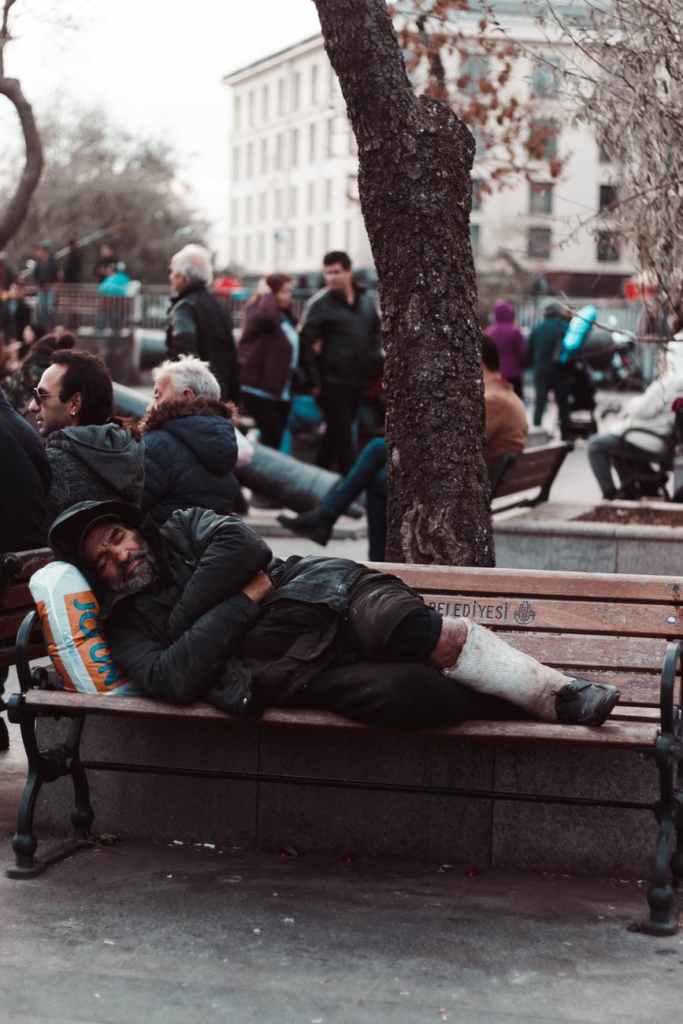
It seems obvious to say, but it’s important to remind ourselves that Jesus himself never celebrated Christmas. He never sang carols about His own birth; He never counted down the days on an Advent Calendar; He never decorated a Christmas Tree, or enjoyed a plate of Christmas cookies. Instead, He spent His life among the poor, the mean, and the lowly. He entered the lives of beggars and lepers and outcasts–and He brought light into their world. The Lord of all creation, who created galaxies of glittering stars, who commanded armies of angelic hosts–walked on dusty roads and had no home to decorate. He fed the hungry, healed the sick, and showed compassion to those who were possessed by demons.

This Advent season, as we decorate and prepare our homes for a warm and merry Christmas, may we remember to live among the poor, the mean, and the lowly. This year, it may seem difficult, but it is not impossible to share hope and joy with those who need it so desperately. May we prepare our hearts as well as our hearths to accept the Light of the World. And may we reflect it into the world around us– more than ever!

Holy God, you came in humility and compassion. You lived to serve, and you died to save. Show me how to love and serve in this season of darkness and fear, just as You did so long ago, that those living in darkness may experience more than just holiday tinsel and glitter. Amen.

O, Christmas Tree

As I look out my window today, the sun is shining on hundreds of bare branches. The sky is blue-gray, and the branches are brown and mostly lifeless. Occasionally, a breeze will stir the thin upper branches, or the very last of the dead-looking leaves. When the snows come, the branches and twigs will glisten and stand out against the white-covered ground and slate-gray skies above.

But elsewhere in town, and in the forests and woods just outside of town, there are evergreens! Their green needles and sturdy, squat shapes may go unnoticed in spring and fall, when the other trees show off their glorious changing colors and elegant branches. Soon it will be their time to stand out. Their low branches help break the snow drifts, and increase visibility. Their greenery reminds us that life endures and continues.

I hesitated to write about Christmas Trees. There are no Christmas Trees in the Bible story of the Nativity. Decorated trees have a connection with pagan rituals from long ago. It wasn’t until the first half of the 19th century that Christmas Trees really became a tradition throughout most of Europe and spread to America. What connection do they really have with pursuing a Christian Walk? Only the ones we choose to apply…

  • Evergreen trees are a symbol of eternal faithfulness. They stay green year-round. They do not lose “leaves” like other trees (though they drop needles and cones). This can be a reminder to us of God’s faithfulness and His unchanging nature.
  • Evergreen trees are generally the “newest” trees. After a fire, for instance, pine and fir trees will be the first trees to spring up. Hardwoods take longer to recover and regenerate after a disaster. Just as the birth of Jesus represented the coming of new life and hope, an evergreen tree can symbolize new, fresh growth.
  • While there is no “Christmas” Tree in the birth of Christ, there is a tree in His death on a wooden cross. Hidden in the greenery and lushness of a Christmas Tree is the solid trunk that symbolizes the Cross that Jesus bore, and the Cross that bore Him. Even the needles on the tree call to mind the crown of thorns– sharp, painful, prickly. Jesus came to serve; He came to bear the shame and humiliation, the pain and suffering that WE deserve.
  • Christmas Trees “point” upwards. Unlike many other trees, they get narrower as you look up, and are broad near the bottom. This is a reminder that here on earth, we are to spread out–spread the Gospel, spread the Love of Christ to as many as we can. And our focus should be drawn up to God in Heaven. That is why we traditionally “crown” our trees with stars or angels– to remind us that Heaven should be our “top” focus.

This year, if you are putting up a Christmas Tree, I pray that your focus would not be on the tree itself. It may be real or artificial; green or white or some other metallic color. It may be decorated with glass bulbs, funky home-made crafts, expensive, individualized ornaments, chains of cranberries or popcorn, bright ribbons or twinkle-lights, paper chains, or even photos of loved ones. But all that can be distracting from the true meaning of a Christmas Tree and WHO it represents. And I pray that your focus would not be on the gifts placed in or around the tree, but that those gifts would truly remind us of the greatest Gift of all– Jesus! I pray that the tree would be another wonderful reminder of the one who created trees, knowing He would one day die on one! I pray that you would be encouraged to share new and enduring life and growth to others. I pray that you would be encouraged that God’s plans are eternal, and His Promises faithful and sure.

Give Thanks!

At least once each month, I want to share some practical thoughts about pursuing a life of prayer. Since we are in the Thanksgiving season, I thought I would share some ideas about giving thanks.

It’s easy enough to say, “Thank You!” when we receive a gift or someone does something special for us. After all, it’s just two small words, and they are (usually) welcome words at that. But what are some practical ways to grow in our expression of thankfulness and gratitude this season?

  • Of course, we can make a list– “Count Your Blessings”– of all the things we have to be grateful for. But what do we do with the list AFTER we write or type it out? What are some ways to keep a running list of blessings? In what ways can you keep a list visible and interactive? Keep a special journal. Challenge yourself to fill it with all the things you have (tangible and intangible). Keep a whiteboard where the family can add things each week. Can your family fill the white board? Can you fill an entire notebook?
  • Make thankfulness shareable each day. Thank the cashier at the grocery store. Thank your children when they go above and beyond (and see if it doesn’t happen more often!) with their chores. Thank your parents. Thank your spouse. Thank your pastor. Point out to others when there are things that make you grateful– a beautiful day, a favorite sweater, a good meal at a restaurant (or at home!) It will naturally grow thankfulness in your prayer life if you are growing thankfulness in your other relationships– and vise versa!
  • Demonstrate thankfulness– practice random acts of kindness. Be an encourager. Give compliments freely. Donate. Volunteer. Take positive action. You might give OTHERS a reason to be thankful, as well.
  • Seek out gratitude. On days when it seems hard to give thanks, look for it. Look backward– remember better days, and God’s faithfulness in other hard times. Look forward– look at the promises of God for the future. Look sideways– rejoice with those who rejoice. Instead of comparing your lot with others, join in their happiness. Look for ways to be glad for others, just as you would want them to join in your happiness. This is easier to write than to put into practice, but practice will make it easier to do.
  • Practice starting prayer with praise and thanksgiving. It is so tempting, especially when we are facing trials and an unknown future, to start our prayers ASKING, instead of ADORING. It won’t change your situation, but it will change your attitude when you begin with THANKS!
  • Break down your big “thank yous” into little ones. “Thank you for my house..” can become “Thank you for the floors and the roof and the bedroom and the kitchen and the dishes in my kitchen and the tub in the bathroom and for running water…” You get the idea. It will amaze you how detailed God is in meeting ALL our needs!
  • Practice the art of “letting go” of what you do NOT need, and keeping what you will actually use. How much of your clutter can help others? How much stress comes from hanging on to things we no longer need or use? There are many websites and books on this topic; some from a Buddhist perspective, but the idea is valid for all faiths. Jesus said, “Where your treasure is, there will your heart be also.” Matthew 6:21 “Seek first the kingdom of God and His righteousness, and all these things will be added to you.” Matthew 6:33 It is possible to have TOO MUCH to be thankful for! And it is possible to be more thankful for less!
  • Break the complaining habit! Whenever you find yourself complaining, try to stop and replace your complaint with a thank you for something else in your life. Having a bad hair day? Thank God for comfy shoes! Having a difficult day with a teenage child? Thank God that you survived your own teenage years!

Thanksgiving is so much more than just a holiday. It is a way of life– a pursuit that relates very directly to the pursuit of Prayer!

..And Love Your Neighbor as Yourself

How can I please God? What does He require of me? I’ve been exploring the most basic answer to this question by looking at Jesus’ answer to the related question, “What is the greatest of all the commandments?” (See Matthew 22: 34-40) Jesus quoted from Deuteronomy (6:5) as He gave His two-part answer– Love God with all your heart, soul, and mind, and Love your neighbor as yourself! He went on to say that ALL of the commandments and laws hang on these two concepts.

So today, I want to look closer at the last of these– Love your neighbor as yourself. In another gospel, we see that Jesus is challenged to clarify, “Who is my neighbor?” https://www.biblegateway.com/passage/?search=Luke%2010%3A25-37&version=NIV When we want to justify ourselves, or narrow the letter of the law, we often stall obedience by seeking to “clarify” God’s commands. Jesus’ words are broad, but perfectly clear– Love your neighbor as yourself–love the next person you meet; the person closest to you, as if they were YOU.

This doesn’t give us room to reject anyone or exclude anyone from our love, compassion, or respect as a child of God. Nor does it give us the right to live someone else’s life, or take away their God-given free will to think and act for themselves. I have been guilty of both offenses, and I don’t think I am alone.

Two of the great mistakes we make in failing to “love our neighbor” come through fear and pride. In the story of the “Good Samaritan,” we see two examples of a priest and a Levite, who fail to show love to their fellow Jew. They act in fear– fear of being the next victim, perhaps, but also fear of being inconvenienced or pulled away from their plans and purposes, and fear of being “defiled.” How many times do I let fear keep me from reaching out? How often do I fear that people, even God, will think less of me for associating with those who need help? Yet Jesus was known for interacting with sinners, lepers, and other outcasts. How can I act differently, and please God more than His own son?

The other great mistake I have made is to “love” out of pride. Sometimes, I think I have more wisdom, or more material wealth, or greater skills, and that it is my right to “help” my neighbor in my own way and at my own convenience. I think I know how they should live, what they should do, and what they need– more than they do; sometimes even more than God knows! But I cannot love where I am not willing to be humble. This is true with God, and it is equally true with others.

That doesn’t mean that I love others best when I let them take advantage to my harm or to their own harm. And it doesn’t mean that I must agree with them completely or deny what I know to be right. But it means that I must value their well-being and worth in God’s eyes as equal to (and often greater) than my own. It makes me feel good to “fix” someone else by fixing their circumstances, or demanding that they accept my help, but their greater need may be to take control of their own circumstances and attitudes. My need to be “right” or “righteous” or “charitable” needs to take a back seat to whatever their greater need may be. I need to listen more than I speak; wait when I would rather act (or vice versa); to take direction rather than give it; and to give advice rather than orders.

The Apostle Paul spoke at length about love:

13 If I speak in the tongues of men or of angels, but do not have love, I am only a resounding gong or a clanging cymbal. If I have the gift of prophecy and can fathom all mysteries and all knowledge, and if I have a faith that can move mountains, but do not have love, I am nothing. If I give all I possess to the poor and give over my body to hardship that I may boast, but do not have love, I gain nothing. Love is patient, love is kind. It does not envy, it does not boast, it is not proud. It does not dishonor others, it is not self-seeking, it is not easily angered, it keeps no record of wrongs. Love does not delight in evil but rejoices with the truth. It always protects, always trusts, always hopes, always perseveres.

1 Corinthians 13: 1-7 NIV (via biblegateway.com)

I can “care” about others; I can be generous; I can be knowledgeable; I can volunteer, and make sacrifices; I can “feel” deeply, and empathize with others– and still NOT love them. Conversely, I can disagree with them about a number of things, including their life choices, political views, and spending habits, and still love them as Christ loves them. I can love those who like me, or ignore me; those who hate me, as well as those who love me back. But I cannot do this in pride or in my own emotions and thoughts. This kind of love can only be sustained by the source of true Love– God Himself.

This is why it is so important to learn from Jesus’ example. His perfect Love casts out fear and pride, and allows us to see others (and ourselves!) in the proper perspective.

Blog at WordPress.com.

Up ↑