Many industries rely on charts. Health care workers chart vital signs, fluid levels, symptoms and reactions to medication. Publishers of books and music chart sales by category, age of audience, geographical region, and more. Transport and shipping companies chart routes, weather, road construction, and fuel efficiency.
Keeping charts, graphs, and records can improve performance, solve mysteries, and increase understanding. It is good to keep charts in our Christian walk, as well. Charting scripture can show us where we have or have not studied God’s promises, warnings, and wisdom. Charting our prayer life can show us patterns in our communication with God, and help us see when and how God has answered our prayers.
I keep a prayer journal. Each day of the year has its own page, with lists of people to pray for in general, a geographical region, and more immediate special requests. But the back of each page has blank space. This way, as God answers prayers in these areas, I can record them. I’ve been using this journal for three years now, so the back sides are beginning to get filled up.
But that is not the most amazing part of what I wanted to share today. The most amazing part is that I have had to revisit some of the answers because God keeps answering them! Here’s a case in point: About two years ago, I wrote in a request for a friend who was looking for a job. There was a promising interview, and many friends were praying for a “positive” outcome. The job seemed like a perfect fit. But it didn’t happen. More prayers led to other opportunities and one of them seemed to be working out. I wrote the “answer” in my journal. But when I came across it again this year, I realized that God used both the previous opportunities to prepare my friend for something even better: a job that no one imagined two years ago! We prayed, expecting God to answer with something good. When the first answer was “no,” we trusted God to bring about something else. And He did. But I’m glad that I had charted this request, because I almost missed seeing how God used prayer to prepare for more than we had asked!
Another friend was going through grief and distress just a little over a year ago, and I was reminded of how God answered prayers for strength, peace, and rest. But I was also reminded to lift my friend up again on a painful anniversary, and to offer thanks for the ongoing healing I’ve seen– not just for my friend, but for her entire family.
If you don’t do it already, I highly recommend making a prayer diary or journal. It doesn’t have to be elaborate or complicated– I use wire-bound theme books and write in them daily. But you could use an actual bound journal, or a simple memo pad or old address book. Don’t worry if you miss a day or two– no one is keeping score or grading you–the main thing is to make it a habit to record prayers and answers. You will gain insight, remember God’s answers and promises kept, and be encouraged in the wait for other answers to come.
When tragedy happens, words are not enough to bring justice, resolution, and immediate peace to the situation. “I’m so sorry,” or “I’m here for you,” or “I’m praying for you…” In themselves, the words have no power to change circumstances. Words cannot bring back a lost loved one or undo a fire or earthquake or violent attack.
Yet, when we say that we are sorry, or that we are “here,” or that we are praying, we are offering more than just the words we speak. We are offering to share someone’s grief; to help in practical ways that can ease even some of the suffering; to call attention to God’s presence in every situation, no matter how dire.
Prayers are more than just the words we speak. In Romans 8:26, the Apostle Paul says, “We do not know what we ought to pray for, but the Spirit himself intercedes for us through wordless groans.” Prayer often involves our entire being– body, soul, mind, and spirit–as we bow our heads or lift our hands, sweat, groan, go through a range of emotions from grief to praise, and try to express our heart cry in muddled words.
But prayer is not about US. It is not about our words or our emotions or even our desires. Prayer is about staying connected to God. In ourselves, we will always be insufficient. We may be able to take actions that will help others (or ourselves) achieve some measure of relief or understanding when things go terribly wrong. But we cannot bring complete justice; we cannot reverse what has already happened; we cannot guarantee outcomes. In prayer, we give outcomes and justice to the Only One who can bring true healing, justice, and peace out of our tragedies. We give up on the idea that our own thoughts and actions can overcome all the things that are beyond our control. And we lift up our questions, our fears, and our deepest hurts, with whatever measure of Faith we have, to the one we trust to make all things right. And we relinquish the idea that God MUST give us what we desire in the moment to believe that He gives us what is best according to His eternal plan.
Prayer isn’t simple. It isn’t a “cop-out.” It is a sacrifice. God may never answer our desire for an explanation, or for revenge in this life, or for a re-instatement of all that we think we deserve. But prayer connects us to the Sovereign Heart of God. Prayer doesn’t change our circumstances. It changes the way we respond to them. It changes the way we see ourselves and our own limited power. It changes the way we see others– even those who would harm (or have harmed) us.
Words are not enough– but Prayer taps into the all-sufficiency of God. That is more than enough. And the more we pursue and practice Prayer, the more we will understand its power and sufficiency.
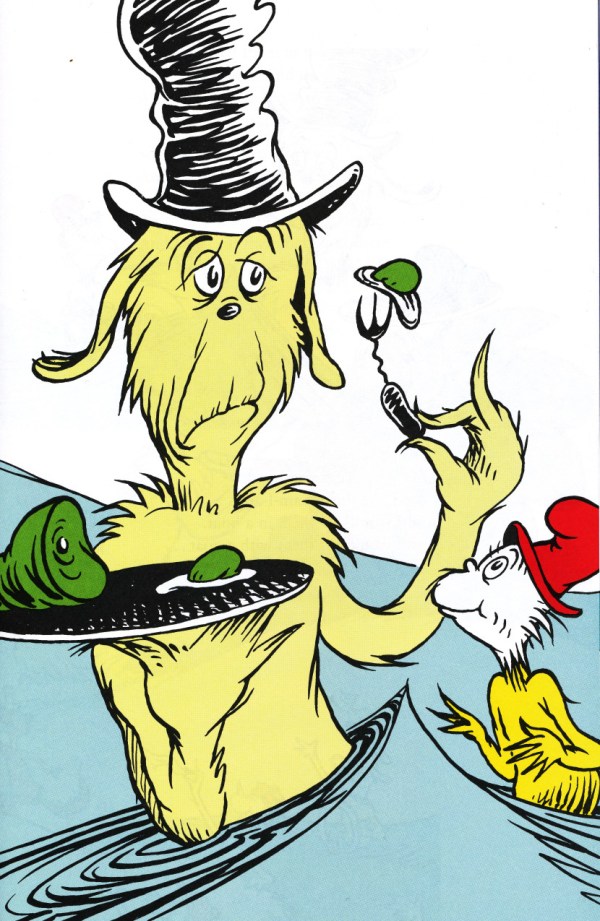
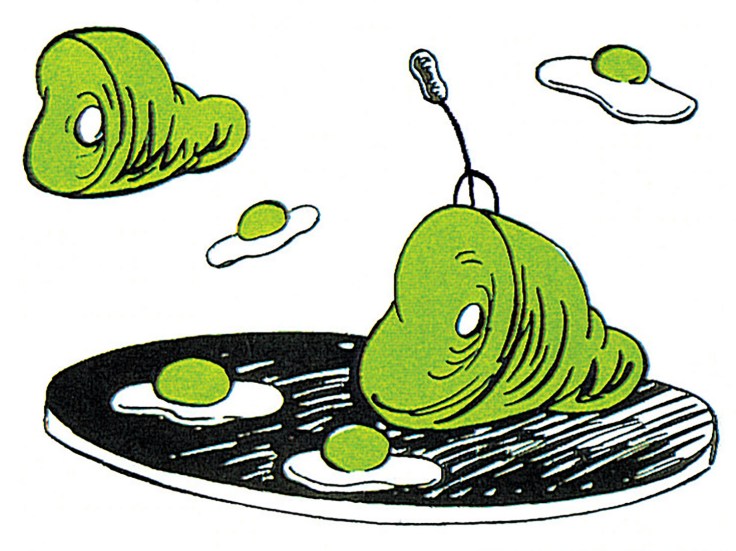
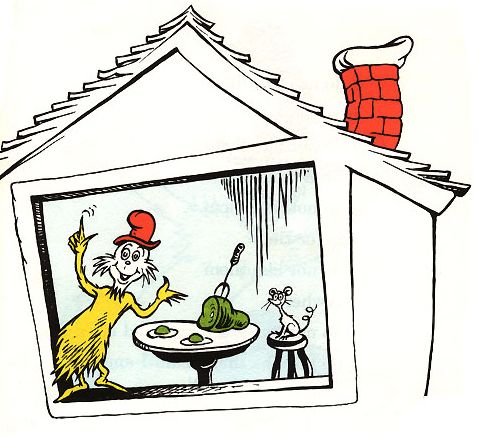
Have you ever read the Dr. Seuss classic, “Green Eggs and Ham”? In this early childhood reader, the narrator (nameless) is accosted by an enthusiastic character named Sam (Sam I Am), who wants him to try a dish called green eggs and ham. But the narrator refuses. Sam keeps offering, but the narrator continues to refuse, saying he does not like green eggs and ham, and will not try them under a variety of circumstances (in a box, with a fox, on a train, in the rain, etc..) offered by the optimistic Sam.
Finally, Sam’s persistence wears down the narrator’s resistance, and he agrees to try the dish. To his surprise, he LOVES them. In his newfound enthusiasm, he declares he WILL eat them in a box, with a fox, in a tree, in a boat, with a goat, on a train, in the rain, here or there…in fact, he WILL eat them anywhere! He ends by thanking Sam.
So what does a children’s book have to do with prayer?
Well, I believe that the pursuit of prayer as an integral part of living a Christ-like lifestyle is kind of like green eggs and ham. Most people who dismiss the power of prayer have never really pursued it. They have seen it, heard about it– maybe even gotten a whiff of it. They may have “sampled” prayer many years ago as a child or in a single moment of desperation. And the result was disappointment or confusion. Prayer didn’t solve all their problems in an instant. They didn’t get the miracle they hoped for. They didn’t get the bike for Christmas. Their neighbor’s leukemia wasn’t cured. Their situation at work got even worse. Their wife still left and filed for divorce. “Prayer” left a bad taste in their mouth. And they have heard others dismiss prayer and faith as obsolete, ignorant practices, designed for backward and unenlightened people. Like the slightly nauseating color of green eggs and ham, prayer has been deemed unappetizing and best avoided.
And now, when someone mentions a lifestyle of prayer– when someone talks about praying as a daily habit, or a natural part of their worship–the reaction is scorn and suspicion. Prayer doesn’t look powerful. It doesn’t look appetizing. How can something so simple and tame have any effect? Why is the world still suffering so much injustice and evil if there are people out there praying every day? And why do Christians (and others with a prayer tradition) cling to prayer as though it will solve life’s problems?
But prayer, like eggs, can have a bad reputation. For years, we were told that eggs were awful for you– high in protein, yes, but also high in cholesterol, and likely to contribute to diabetes and colon cancer. Recent studies contradict each other, but many now say that eggs are actually good for you. Similarly, during times of crises or disasters, prayer is often derided as inactive and ineffective, and we get mixed messages about people who offer to pray for victims and their families.
Recently, I was challenged about my pursuit of prayer. What good does my prayer do in the face of injustice and disease, death and suffering that people experience? Why do I pray to a God that allows bad things to happen? I have been challenged before, and my answer remains the same. I pray because I have known the peace that comes from trusting God’s wisdom, HIS timing, and His Love for each of us. I don’t have answers for all the “what-ifs” or the “whys.” But I continue to trust that God DOES! And daily prayer is not about “me,” or my questions or what I wish for. It’s about communing with the God who has been faithful all my life and continues to be faithful in every season. The God I love, and the God who knows the end from the beginning.
So what if more of us prayed daily– not just as a reaction to disasters– but pro-actively? What if we prayed, not in anger or bitterness, not transactionally, expecting a particular outcome, but with gratitude for who God is, what He has already done, and what He will choose to do in His loving sovereignty? What if we prayed with open minds and hearts, trusting that we are talking to a God who loves us and knows what is best, not just in the temporary, but in the eternal scope of our lives? We would still see evil in this fallen world, but what if our prayers DO make a difference– we just don’t see the whole scope of what God has provided, or the evil He has NOT allowed to touch us?
I speak as one who has pursued prayer for more than half a century. I’m not perfect. Sometimes, I get frustrated when my desires don’t align with God’s answers. But that’s not the fault of Prayer. Prayer DOES change things– maybe not instantly, and maybe not in the ways I imagine in the short term– but I have seen and experienced the power of prayer. I have felt it in my own life, and I have seen in in studying history and talking to people whose lives were radically transformed by their prayers and the prayers of others.
In every situation, we can pray. So, to paraphrase Sam I Am, I WILL pray here and there! I will pray most anywhere (except I won’t close my eyes if I am driving!) So to end:
“I’ll be praying in a boat, I could be praying with a goat. I may be praying in the rain. Or in the dark. Or on a train.
And in a car (eyes open of course). And in a tree. Because Prayer, it is so good, you see!
So I would still pray in a box. And I would still pray with a fox. I will pray inside my house. And I will pray beside a mouse.
And I will write “Pursuing Prayer” Because I serve a Lord who Cares!
What if we all had the same enthusiasm for prayer as Sam had about Green Eggs and Ham? What if we keep praying “without ceasing” (1 Thessalonians 5:17) and with confidence (1 John 5:14-15) each day?
I pray every day. But why? There are short, glib answers– “Prayer works,” or “The Bible tells me to.” Or I could say that it’s just a “good” habit, or that it “does something” for me. But prayer is more complex than that. I can give a lot of generic reasons for someone to pray. I can list (and have listed) many benefits of regular prayer. But what are my personal reasons for praying?
Prayer does “do something” for me– lots of somethings. Not every time; not always in the same measure, but prayer can:
Put me in a better mindset; it changes my focus and my attitude. When I pray, the world around me shrinks, along with all the worries and distractions it presents. Instead, I begin to focus on “God” things– the metaphysical reality that I am not the center of the universe, and my limited understanding is not enough to navigate life in its fullest sense. Jesus offers “abundant life” (See John 10:10)– life to the full. And prayer ignites that, taps into that, and lifts me from futility and confusion to meet with One who sees the end from the beginning.
“Recharge my batteries.” Prayer, meditation, “quiet time”– they are all similar, and they all have a physical benefit. Spending time in prayer can lower blood pressure, promote clearer thinking, and increase a person’s ability to withstand stress. Prayer can improve mood, but it can also improve the body’s ability to fight off depression, infection, and other stress-related issues. This is very personal for me, because I have struggled with stress and depression at various times in my life, and prayer can calm me, help me to change negative thought patterns, and endure hardship better than anything else. (Please note this does not mean that I don’t also need to do other things– proper diet, plenty of sleep, hydration are all necessary. Some people may require medication– prayer is not a substitute for good health advice, rather it is an integral part of being physically and spiritually healthy.)
Deepen my faith. God doesn’t always give immediate and clear answers to my prayers. In fact, it may feel sometimes as though He has forgotten me. So why continue to pray? Because God DOES answer prayer. Often, He answers in surprising and unexpected ways. Sometimes His answers come so slowly, so subtly, that I might miss them– if I weren’t keeping track. This is one of the great benefits of keeping a prayer journal or diary…I will often see an old entry, one that I had given up on or forgotten, and realize that God answered it weeks ago without any startling revelation or dramatic rescue. If I only pray when I expect God to do the impossible immediately, I may miss the development of something even more amazing that I imagined!
Become a vital part of my discipleship. Being a disciple literally involves discipline…I can’t say that I follow Christ part-time. Ignoring daily habits, like prayer and Bible study; failing to make time for fellowship with others; depending on my feelings instead of God’s Truth to guide my life– is hypocritical. Also, prayer should open my heart and mind to others who need to BE discipled. And this leads me to another benefit…Prayer can
Help me develop empathy for others. As I pray for others, I learn more about the struggles they face; I learn about their deeper needs. For instance, I may begin praying for someone with a chronic illness to be healed. And that is good. But as I pray for them daily, I learn that along with healing, they desire help with everyday chores that they can no longer do, or they need support and encouragement. Maybe they need rides to doctor appointments and tests. If I am praying for someone struggling with past mistakes or addictions, I learn to see with eyes of compassion and encouragement, rather than judgment and self-righteousness. It’s not just about praying for the “big” needs but learning to pray for (and find ways to help with!) intermediate needs as well. Finally, prayer can…
Remind me that I am never alone! I don’t pray to a brick wall, nor do I pray in a vacuum. I LOVE meeting with our local prayer group every week. I love hearing the others pray. I love being reminded that God listens to my prayers– The Father listens; The Son is my intercessor; The Spirit translates even my groans and mumbles–God delights in hearing from me! (See Zechariah 3:17; Hebrews 13:5; others)
So, Yes, I would say that “Prayer works.” But not in the sense that I can show that God has answered my requests exactly how or when I wanted. There are prayers I have prayed for most of my life that have not been answered “my way” yet. Reckoning with hurtful words and deeds from my past; family members who still haven’t accepted Christ; friends who are still facing the consequences of sinful life choices; situations and circumstances that I would like to see changed. And I don’t have any jaw-dropping evidence that my prayers can cure cancer or end world hunger or make my life problem-free. Quite the opposite. But I DO have evidence that Prayer has made a difference in my life; that I HAVE seen lives changed in ways that are impossible to explain away; that prayer is worth pursuing.
“They sow the wind, and reap the whirlwind…” Hosea 8:7
Hosea was a prophet who foretold the destruction (and eventual restoration) of his people. God was pouring out his judgment against an unfaithful nation, and he used the tragic family life of Hosea as a living example of his dealings with Israel. Hosea married a prostitute; an unfaithful and unloving spouse who chased after men with ready money and cheap gifts. But when her activities resulted in slavery, shame, and despair, Hosea redeemed her and restored her as his wife. In the same way, God had made a promise to the people of Israel, but they had broken their covenant and followed their own rules, chasing after the surrounding cultures, with their foreign gods and their hedonistic rituals, including human sacrifice, temple prostitutes, and divination. There are many metaphors used throughout this book, but one that often stands out is the short phrase found in chapter eight. In it, God is talking about the unfaithful priests and leaders of Israel, who have not only betrayed God in their rebellion and idolatry, but have led others astray. God says of them that they have sown the wind, and are reaping/will reap the whirlwind.
How does this relate to us today in our pursuit of prayer?
I believe that many of us are sowing the wind– we do it in our careless words, gossip, rumor-mongering, complaining, babbling, prattling, and yes, in our half-hearted obedience, and our tepid prayers. We often come to God, not eager to commune with him, or to hear his voice, not in humble adoration and open confession, but to complain, wheedle, and boast. We pay lip service to his Holiness, while refusing to give up that bad habit that “isn’t really all that bad.” We thank him for his Grace, but harbor resentment against a neighbor or family member who slighted us. We ask for him to bring us success in our plans and ventures without really making sure if they line up with his will. We excuse our lack of attendance at church, and our failure to spend time in God’s word. We make rash promises to do “better” if God just gets us through this week. We ask for his blessing, and thank him for the riches he has bestowed on us, but we turn our noses at those in our backyard who are in need. We are bold about posting “Christian” sayings on Facebook, X, Pinterest, and Instagram–almost as bold as posting about our favorite new Brew Pub or Spa trip or “almost inappropriate” joke, or latest political rant. Except that our “Christian” posts are less entertaining and more critical of others. (They’re usually really pretty, though– pictures of flowers or mountain streams or desert sunsets–it’s really easy to “like” and “share” a sunset!.) We cheapen the Gospel, we cheapen the Christian walk, we cheapen prayer, when we pursue it as a hobby or a social habit. Bur prayer is not something we do only because (or only when) it makes us feel “good” or “better”– it is something we pursue because it brings us life and peace for eternity, and it brings glory and joy to the King of Kings.
“They sow the wind, and reap the whirlwind…” There is a price for this shallow, careless pursuit of something that looks and feels vaguely like Godliness. It is the whirlwind…being tossed about by “every wind of doctrine” as Paul warns against in Ephesians 4. It is being caught up in doubts and half-truths, compromises, hypocrisy, division, scandal, and shame. It is having to face the onslaught of detractors and persecution that come as a result of so many of us abusing and misrepresenting the very Gospel of the one whose name we carry. “Oh, what peace we often forfeit; Oh, what needless pain we bear; All because we do not carry everything to God in prayer.” The words of that old hymn are no less true today– when we trifle with prayer, carrying only our selfish needs, our petty complaints, and our flimsy agendas to God in prayer, we pay a huge price.
There is another metaphor, this one in the Gospel of John, that I think helps us combat this tendency to “sow the wind”– Jesus says of himself in John 15 that he is the vine, and we are the branches. If we are faithful, we remain in him– we draw our life and strength from him– and we are fruitful. Remaining in him, we are grounded– he provides the roots that keep us from blowing every which way. And he provides the nourishment, and strength to grow and produce more fruit.
I say “we” because I too am guilty of having sown the wind. The great news, in Hosea and in the Gospel of John, is that God is eager to restore us– to graft us in–to welcome us home after our storm-tossed wanderings. Let’s get serious about abiding in God, instead of scattering the latest “feel-good” religious spam. God, forgive me for the times I have cheapened your precious gift of prayer. Help me to abide in you, and refrain from careless words to you, about you, and about others.
Of course, I DO pray. I pray a lot. I write a blog about prayer. But there are times when I find it hard to pray; times when my prayers seem feeble or awkward; times when I just don’t pray. So how does this happen, and why?
Well, there are many reasons why our prayer life can go through a dry season:
“I’m just too busy.” Sometimes, I let busyness and distractions keep me from spending quality time in prayer. I like to pray first thing in the morning, and last thing at night. But I’m not naturally a morning person, and sometimes, the night seems to get away from me. And my prayer life can suffer.
“I’d rather worry about it.” This may sound like a strange statement, but sometimes, praying about a situation seems like I’m giving up “agency” over the problem. Trusting God and letting go are easier said than done. Worrying about a problem, imagining all the things I “should” be doing, or that others should be doing to fix it gives me a sense of ownership over my circumstances.
“I don’t really want to talk to God about ‘that’.” God already knows my heart and my mind, but I want to hold on to the illusion that God loves me because I’m so good, not acknowledging that God’s love is His gift, not my reward. God wants to hear the ugly parts of my life. Yes, I stand justified by the work of Christ on the cross. I don’t have to wallow in my mistakes or beat myself up over all the ways I “fall short of the Glory of God”. But the more I try to pretend I am someone I’m not, the harder it is to remember why God loves me– He loves me because He IS Love!
“God isn’t interested in this little thing.” OR “God is tired of hearing about this chronic problem.” I can stop praying about something because I expect God to respond like a person– maybe even like me. I get tired of listening to the same things over and over. I get tired of wrestling with the same issues. I want to come to God with a problem and have it solved– quickly, easily, and permanently. But God’s ways are not my ways. And God wants me to trust Him, regardless of the situation.
“I’m not so sure about God right now. I feel let down, abandoned, or unheard.” Doubts and emotions can be so strong– if we let them take over, we will isolate, even from God. Praying during such times can even feel like hypocrisy.
There are many reasons and excuses that can cause us not to pray. I know, because I have fallen victim to them. But ultimately, they boil down to one thing– a choice.
Choosing to pray can be difficult. It involves discipline, faith, humility, and a burning desire to spend time with our Heavenly Father– even when our emotions and circumstances get in the way. It is helpful to remember why I DO pray:
God wants to hear from me. I may not always FEEL this, but the Bible is clear about it– God WANTS a relationship with me, with you, with each one of His children.
God knows the human heart. He knows our weaknesses, and He knows our hurts and how we have hurt others. And He will not turn His back on those who seek Him. There is nothing I can say to Him in prayer that will cause Him to withhold His love, His forgiveness, and His mercy. He is in the business of redemption!
God’s ways are not my ways. If I feel that God is distant because I don’t see Him clearly, or hear Him directly, that doesn’t mean He is not there. Often, I don’t want to rely on Faith– I want proof of God’s favor; I want proof of God’s protection; I want to be able to “prove” God to others, and to justify myself. Prayer in the midst of doubt and pain is the very act of dying to that need and talking to God “anyway.”
There are still times when I don’t pray as often or as earnestly as I feel I should. But, like anything else worth pursuing, it’s worth the journey and the occasional struggle. It doesn’t get “easy”– but it does get easier, and richer, and more fulfilling.
If you haven’t been praying lately, or if prayer has become dry– DON’T GIVE UP. Don’t beat yourself up. Get up, dust yourself off, and keep on in the struggle. And if prayer has been wonderful and refreshing lately, WONDERFUL! But don’t trust in the feeling of powerful prayer– trust in the One to whom you are praying! He alone makes the pursuit worth it all.
I like having choices. When I go to a restaurant, I get a menu, with several choices– appetizers, entrees, beverages, desserts. I have choices at the grocery store– brand X cereal or brand Y, different sizes of laundry detergent, which cucumber to put in a produce bag– sometimes even a choice between paper and plastic and reusable bags! I have a choice to buy or rent a house or apartment/condo. I have a choice about the car I drive or the choice not to drive, but to walk or take public transportation. I choose which church to attend, or not to attend at all. I choose when I get up in the morning and when I go to sleep. I choose what to wear each day. I choose to obey the law, including speed limits on the highway and slowing down in school zones, paying whatever taxes are due, and registering for the census, voting, and other civic duties.
Many of these choices seem benign. It doesn’t really matter to anyone else which brand of cereal I buy or when I eat it, or even if I decide not to eat it, but end up throwing it out. It doesn’t matter to most people where I live, or go to church, or what I am wearing. It doesn’t hurt anyone else if I drive a couple of miles faster than the speed limit on a back road somewhere.
But some choices DO matter– they matter a lot. If I choose to drive at high speed through a school zone, I might end up accidentally killing a student or school worker. If I live in a house or apartment I cannot afford, or if I refuse to maintain my house or apartment, I may end up evicted or homeless. If I choose to use drugs– even prescription drugs– in an unwise manner, I may end up in the hospital or in the cemetery! And I may hurt others around me in the process.
I live in a nation that prizes “freedom” and “freedom to choose.” But in the past century, more and more voices are being raised in an effort to make all choices “equal.” And they are not. Many of our “choices” are in direct contradiction to the Word of God, to traditional values, and even to common sense! Our choices have consequences– some benign, and some catastrophic. Voices are shouting about their “right to choose” even as they are also raised in righteous indignation about others’ rights and choices.
I could speak to this for days on end, defending my own choices, and pointing out which “choices” break my heart or offend me. But I feel compelled to point out just three things to consider about individual choices:
How does this choice honor God? I think it is easy to focus on “big” choices when we think of this, but I have been challenged lately to see how even my “easy” and “little” choices honor Him. Does it really matter which brand of cereal I eat in the morning? Probably not. But what about brands and manufacturers that support causes that do not honor God? Most of the time, I am unaware of such considerations. But the money I spend on my favorite sugary breakfast treat may help sponsor evil. And if I am aware of which manufacturers are giving large donations to causes I despise, but I am still buying their products every week, I am helping to sponsor that evil.
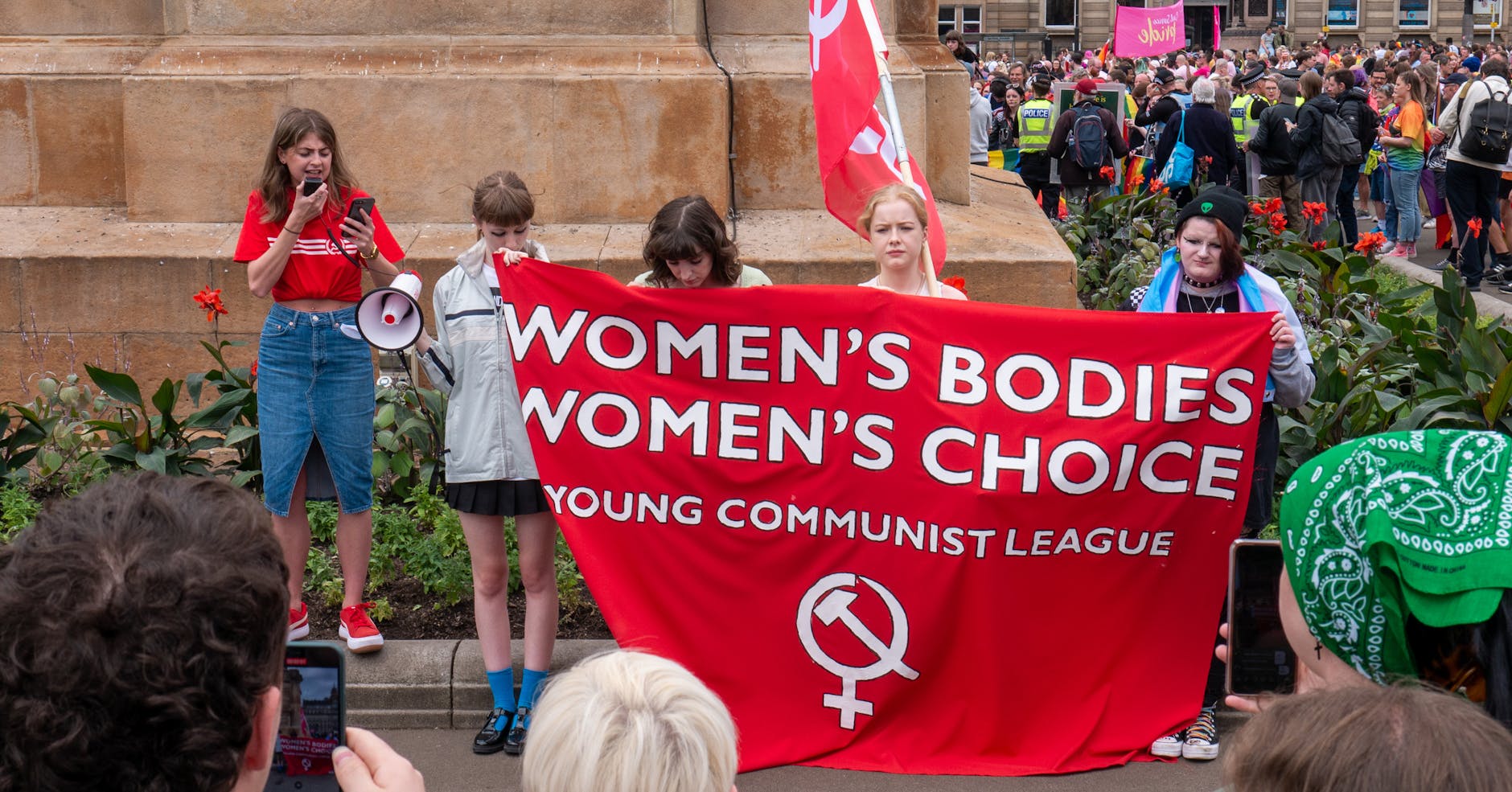
How does this choice impact others? We DO have the freedom to choose our actions, but we do NOT have freedom from the consequences of those actions. “My Body, My Choice” looks good on posters and banners, but things like abortion or gender reassignment have an impact beyond a single person. Abortion always ends with the death of a second “body”– one without any choice in the matter. Gender reassignment impacts more than just one person– it impacts their present and future relationships, as well as impacting their future physical health and reproductive system. It is also important to establish whether my choices are made to try to please or influence others. It’s easy to blame others after the fact, citing “peer pressure” or claiming “I didn’t have another choice,” but is that really true, or was one choice just a lot easier or more popular than another? That same group that pressured you make certain choices– will they be there for you afterward? No matter the consequences? Will they still be your friends if you make a different choice?
Does this choice help me grow into a better person? Many of our choices come from wanting to be a happier, wealthier, or more popular person– NOT a healthier, more mature, or wiser person. And most of our choices focus on immediate gratification, rather than long-term growth. Doing something because you have the “right to choose” is not the same as “doing the right thing.” Doing the right thing often involves sacrifice and even a season of suffering. Our present choices–even the small ones– will impact our future circumstances, and our development as an individual. Eating a donut today may be tasty, but eating donuts every day may lead to obesity, diabetes or heart disease, and even a lessening of enjoyment for donuts– they’re no longer a tasty treat, but a habitual threat to my health!
Am I angry and defensive about my “choice?” Years ago, I was stopped for speeding on my way to work. Of course, I had been running a little late, and being stopped made me even later. I had to explain my tardiness to my boss, who dismissed the whole incident with a sly “next time, don’t get caught..” But one of my co-workers self-righteously handed me a two-page pamphlet on the evils of driving over the speed limit. At that time, I was indignant and offended. (I still would be a bit miffed– I don’t agree with either of the reactions I got that day, but that’s another post…) As I have grown older, however, I have come to value the three questions above– and it changes my perspective. I KNOW it’s “wrong” to drive over the speed limit. I know many people do it anyway and get away with it. But the bottom line is this–speeding does not honor God. It does not help anyone else, and could potentially harm someone. And it does not grow my character. I don’t automatically become a “good” person if I DON’T speed– let me be clear about that. But I do grow in character when my choices are made out of a heart that prioritizes God and others over my own selfishness (and procrastination!) When I find myself getting angry and defensive, I need to consider whether or not it is really guilt. If I wasn’t speeding that day, I wouldn’t have had any reason to be angry with my co-worker or ashamed of being “caught.” If someone is angry and defensive about his or her behavior, it is often brought about by guilt, shame, and a rebellious spirit, tired of defending what everyone else (and sometimes their own conscience) tells them is “wrong.”
We make choices every day– some benign, some “good,” some “bad.” Let’s pray for wisdom to make the best choices, confess the “wrong” choices, and offer encouragement and truth, rather than judgment, to those around us.
Today, I’m praying about the “choice” of abortion and its impact on my nation (as well as worldwide). In the 50+ years since Roe v. Wade attempted to make abortion “legal” in all 50 of the United States, over 60 million abortions have been reported in the U.S. during those years.* This figure does not include other nations, unreported (back alley or non-clinical) abortions, or natural miscarriages. Not only does this represent the “choice” to end the lives of over 60 million precious individuals, it represents millions of women (along with men and other family members) who have been impacted by the deceptive offer of “freedom” and the increasing pressure to make this “choice” seem both normal and healthy. For my friends, family, and others who have made this choice– my heart aches for what you have been through, and I rejoice with those of you who have found Grace and renewed hope through Jesus. God loves you– YOU, not your past choices– and welcomes you to choose Him today and every day. For those who have not been in a position to be tempted by this “choice”– I pray that we live with compassion, and that we stand up for and speak up for TRUTH and LIFE– not self-righteousness and fear. * A more conservative estimate still places the number at well over 40 million https://www.pewresearch.org/short-reads/2024/03/25/what-the-data-says-about-abortion-in-the-us/ https://www.statista.com/statistics/185274/number-of-legal-abortions-in-the-us-since-2000/
The Offer of Life or Death
11 Now what I am commanding you today is not too difficult for you or beyond your reach. 12 It is not up in heaven, so that you have to ask, “Who will ascend into heaven to get it and proclaim it to us so we may obey it?” 13 Nor is it beyond the sea, so that you have to ask, “Who will cross the sea to get it and proclaim it to us so we may obey it?” 14 No, the word is very near you; it is in your mouth and in your heart so you may obey it. 15 See, I set before you today life and prosperity, death and destruction. 16 For I command you today to love the Lord your God, to walk in obedience to him, and to keep his commands, decrees and laws; then you will live and increase, and the Lord your God will bless you in the land you are entering to possess. 17 But if your heart turns away and you are not obedient, and if you are drawn away to bow down to other gods and worship them, 18 I declare to you this day that you will certainly be destroyed. You will not live long in the land you are crossing the Jordan to enter and possess. 19 This day I call the heavens and the earth as witnesses against you that I have set before you life and death, blessings and curses. Now choose life, so that you and your children may live 20 and that you may love the Lord your God, listen to his voice, and hold fast to him. For the Lord is your life, and he will give you many years in the land he swore to give to your fathers, Abraham, Isaac and Jacob. Deuteronomy 30: 11-20 (NIV)
2 At dawn he appeared again in the temple courts, where all the people gathered around him, and he sat down to teach them.3 The teachers of the law and the Pharisees brought in a woman caught in adultery. They made her stand before the group4 and said to Jesus, “Teacher, this woman was caught in the act of adultery.5 In the Law Moses commanded us to stone such women.Now what do you say?”6 They were using this question as a trap,in order to have a basis for accusing him. But Jesus bent down and started to write on the ground with his finger.7 When they kept on questioning him, he straightened up and said to them, “Let any one of you who is without sin be the first to throw a stoneat her.”8 Again he stooped down and wrote on the ground. 9 At this, those who heard began to go away one at a time, the older ones first, until only Jesus was left, with the woman still standing there.10 Jesus straightened up and asked her, “Woman, where are they? Has no one condemned you?”| 11 “No one, sir,” she said. “Then neither do I condemn you,”Jesus declared. “Go now and leave your life of sin.” St. John 8:2-11
I spend a lot of time on this blog “talking”– writing about how to talk to God, why I talk to God, when or where to talk to God, etc.. But today, I want to focus on listening.
Prayer shouldn’t just be about talking. After all, prayer is a conversation. It just makes sense that we need to practice both the speaking and listening elements of communication. And yet, we rarely get a direct spoken “answer” to any of our prayers. So how do we listen for God’s response? How do we know when God is “speaking” to us? Or are we merely fooling ourselves with wishful thinking?
I think there are several key ways that we can listen for God’s response, and several ways that we can learn to recognize God’s “voice.”
First, we should spend some time actually being quiet! Find some time each day or several times a week to meditate. It doesn’t have to be a long time, and it doesn’t have to be formalized or systematic. But make time for quiet reflection. It is in moments like this that God often grabs our attention– away from the competing noise of our surroundings, distractions, other voices, and even our own racing thoughts.
Spend time in God’s Word! God has already spoken wisdom, warning, encouragement, and hope in the Scriptures. God’s Word is active and relevant–if we are open to reading, understanding, and absorbing it. I can’t count the number of times I’ve read a familiar passage of scripture and suddenly realized its connection to my current circumstances or gained new wisdom from it.
Another way is to listen to solid and trustworthy advice. God often chooses to speak through others– others who have shared life experiences, or wisdom gained from many years of living. Listen without interrupting or pre-judging. Listen to those whose lives reflect the peace and joy of life with Christ.
Seek truth! Seek it in God’s word, seek it from your critics and detractors as well as your friends and encouragers. You may realize that you have been listening to lies– either convenient half-truths that lull you into complacency, or negative lies that have bound you in fear and inactivity. God’s voice will convict, reassure, and confirm, but it will always be TRUE. God will never contradict what is in His Word, and He will not flatter you or “flatten” you when He speaks.
Listen for confirmation. Just because you hear what sounds “good” doesn’t mean it is from God. Just because you hear what sounds difficult, doesn’t mean that God won’t be with you. But if we only listen for what we want to hear, or if we stop listening to what seems difficult, we may miss out or even drown out what God is really saying.
Be consistent in obedience. Often, we are listening for wisdom when we face large decisions or unexpected circumstances. But wisdom comes easier when we not only listen for it but follow it in our habits, routines, and everyday practices. I may not know what God is “saying” about taking a new job, moving to a new area, or facing a major life change. But I DO know what God says about integrity, worship, loving my neighbor, etc.. Jesus taught His disciples to FOLLOW Him. We can learn a lot, and even hear the voice of God, and still miss the point!
Don’t give up praying. Don’t stop speaking to God. Pour out your heart and soul to Him. But don’t stop listening for His still, small voice! Let’s listen, learn, and live out our Faith today!
Yesterday, I voted in a primary election. In a few months, I will vote in a general election for President. I live in a nation of choices. I can choose to vote for any of the listed candidates, or I can write in a name. I can choose not to vote at all. I can choose how to spend my money– I can invest, purchase, pay my bills (or not), gamble it away, or give the money to charity. I choose what to do with my time– I can sleep all day, go to work on time or arrive late, I can spend all my time on-line, or I can binge-watch movies or TV shows. I can keep a consistent schedule, or I can take each day’s time as it comes. I can choose where to go– I can stay indoors in my apartment, I can walk all over town, or I can get in my car and drive to another city. I can choose my attitude and outlook; I can choose my political and social stands, and I can choose my beliefs. Others may apply pressure and coercion, but they can’t take away my right to choose.,. For better or for worse!
However, my choices have consequences. If I choose to act against the law of the land, it is very likely that I will be caught and punished. I may be fined, or jailed. I may face a trial. In many countries, I may be executed for doing things that would be allowed in my home country. If I choose not to pay my bills or not to go to work, I may face economic hardship as a result– late fees, loss of a job, and a difficult time finding future employment. If I choose to eat only junk food, or no food at all, I will experience health issues. The choices I made today in the voting booth, and the choices I will make in November will have consequences– most of which I cannot predict with any accuracy. I think I know what will happen– and others may predict dire consequences if I don’t vote “their” way– and my one small vote may not seem consequential, but it counts! Even my small actions have a ripple effect on the rest of my life, and the way in which I conduct it. I will either “show up” or I will “stand back.” I will either accept responsibility in the small things and large, or I will try to blame others. I will practice self-control and discipline, or I will drift through life at the whim of emotions, influences, peer pressure, and deceptions.
When it comes to prayer, I also have choices. There are times when I feel “compelled” to pray– circumstances beyond my understanding or control will cause me to want to cry out for divine help. Hearing about others’ needs make me want to ask God to work in their circumstances. Sometimes, I feel waves of gratitude and worship that cause me to sing and praise God for His character, His faithfulness, and the blessings He has poured out in my life. But I am not required to pray. I choose to pray. Sometimes, my choice to pray is simple, natural, and automatic. At other times, it is a sacrifice to pray. Prayer is more than just “an option” in my life. It really is a pursuit. I choose to keep a prayer journal. I choose to focus on prayer every day– both in practice and in testimony (as in this blog entry).
So today, I will join with others this morning in corporate prayer. I will pray alone at home. I will pray throughout the day for my community, and for individuals as they come to mind or show up in my prayer journal. And some of the prayers will come naturally; others will require me to dig deep, to confess my own failures, and admit my need for God’s Grace, His Wisdom, and His Strength.
And the consequences? Well, I can’t predict how my prayers may impact my own life or the lives of others. I don’t know how God will choose to answer my prayers. I don’t pray because God always does what I want– I trust Him to do what is BEST; and I have learned that His timing and His ways ARE the best!–but I pray because I know it is the best and first action I should take in any situation. I’m not perfect in prayer. I don’t always pray first. I don’t always listen for God’s answer when I DO pray. And I also know the consequences of NOT praying– worry, confusion, anger, restlessness, disappointment, and more. Oh, I may not experience all of these things instantly. But eventually, my choices and their consequences lead to frustration when they are not coupled with prayer, trust, and obedience.
I hope you are praying, trusting, and following God today. I hope that is your choice every day. God will not force you to come to Him. But He is ALWAYS right there when you do! Your choice to pray may not change the world instantly, but it WILL have consequences!
When I voted yesterday, I got a sticker, proclaiming to everyone that I had made the choice to vote. What might happen if Christians (myself included) were bold enough to proclaim our choice to pray every day and in all circumstances!?
I have a song that Jesus gave me, It was sent from Heaven above; There never was a sweeter melody, ‘Tis a melody of love.
I love the Christ who died on Calvary, For He washed my sins away; He put within my heart a melody, And I know it’s there to stay.
‘Twill be my endless theme in Glory; With the angels I will sing; ‘Twill be a song with glorious harmony, When the courts of Heaven ring!
In my heart there rings a melody, There rings a melody with Heaven’s harmony; In my heart there rings a melody; There rings a melody of Love.
Hymn by Elton M. Roth (1891-1951)
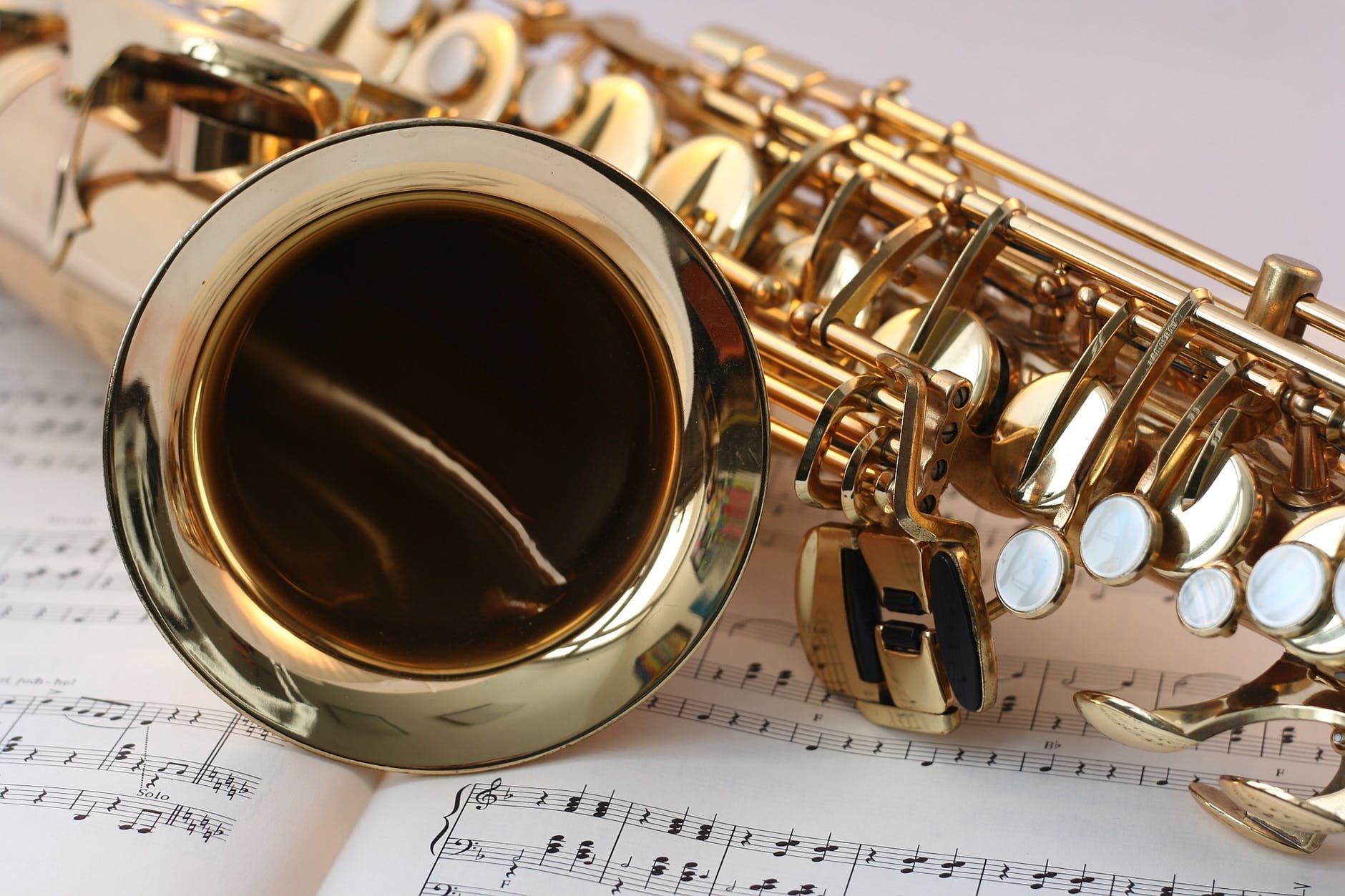
My grandfather had perfect pitch–he could hear a musical note and tell you what the note was or whether it was “in tune”. He loved music and taught himself to play several musical instruments, including trombone, ukulele, auto harp, thumb harp, saxophone, violin, flute, banjo, dulcimer, trumpet, penny whistle, ocarina, and harmonica. My grandmother played piano, organ, and a host of percussion instruments.
My grandfather could hear perfect pitch, but he rarely sang. He could make wonderful music with instruments, but not with his own voice. He might have done so, but he never bothered to practice. In fact, while he could play a multitude of instruments, he never became proficient on any of them.
Prayer is accessible to anyone, as is music, but tuning and practice are required if we want to pursue prayer as a discipline and a means to develop a more harmonious relationship with God. Prayers that are out of tune can be sharp– nagging, complaining attempts to bargain with God; or they can be flat– lifeless and empty of trust and affection. Prayers that lead to growth, healing, and change are those that are “attuned” to the heart of God. What a sweet song of praise when we live in harmony with God and others– working, growing, sharing, and singing together.
I don’t have perfect pitch– I can usually hear if my voice or my flute seems out of tune with another instrument or other voices, but sometimes I need help. The same is true of my pursuit of prayer. I need help to keep in tune– a prayer journal is one tool I use. But it also helps to have a prayer group or prayer partner, a prayer list, or a book of prayer. For more ideas, see: Proactive Prayer Points and Prayer Journal.




































 Pursuing Prayer