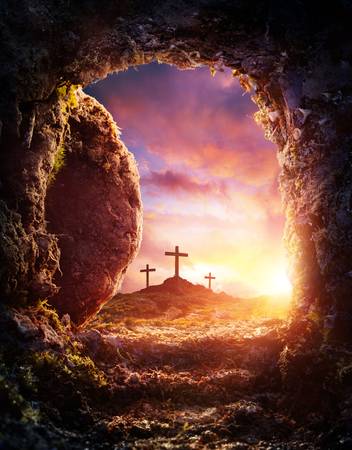
Anywhere…

Anywhere! Anywhere!
Fear I cannot know;
Anywhere with Jesus I can safely go!

I was reading in the Psalms the other day, and I fell on one of my favorites, Psalm 139:

 O Lord, you have searched me and known me!
You know when I sit down and when I rise up;
    you discern my thoughts from afar.
You search out my path and my lying down
    and are acquainted with all my ways.
Even before a word is on my tongue,
    behold, O Lord, you know it altogether.
You hem me in, behind and before,
    and lay your hand upon me.
Such knowledge is too wonderful for me;
    it is high; I cannot attain it.

Where shall I go from your Spirit?
    Or where shall I flee from your presence?
If I ascend to heaven, you are there!
    If I make my bed in Sheol, you are there!
If I take the wings of the morning
    and dwell in the uttermost parts of the sea,
10 even there your hand shall lead me,
    and your right hand shall hold me.
11 If I say, “Surely the darkness shall cover me,
    and the light about me be night,”
12 even the darkness is not dark to you;
    the night is bright as the day,
    for darkness is as light with you.

Psalm 139: 1-12 (ESV)

This portion of the Psalm speaks of God’s Omnipresence. But often, when I read it, I read it from a negative viewpoint. It speaks of hiding from the Lord…it is impossible to escape the Lord’s presence and His omnipotence. I cannot hide my thoughts or deeds or feelings from God’s all-seeing, all-knowing presence. And this is a good thing in the end. But what about when I am not trying to escape from God, but some other threat– guilt, pain, heartbreak, or even death?
God’s omnipresence is also a metaphysical reality in a very positive sense. I cannot stray outside of God’s presence. He will not remove it from me; He will not hide from me. He will never send me into ANY situation where He is NOT already there, and where He will NOT be with me.

I know this. But I needed a reminder today. God will be with me on my best days, and on my worst. He will be with me in sickness or depression, or celebration and strength. He will be with me whether I am “alone” or surrounded by strangers. He will be with me in the darkness where I can’t see anything, as well as in the blinding bright lights of an operating room, or the eerie haze of a foggy morning.

Wherever I am, God is figuratively holding my hand; He is hemming me in all around. I am protected and supported by His Almighty Right Hand. When I am tempted to doubt– He is there! When I am distracted by the din of other voices– He is there! When I have turned my back on Him– He is STILL there; waiting for me to turn back!

I don’t know where I will have to go today. It may be to the grocery store; it may be halfway across the world…I may be called to do unexpected things, to go in an unexpected direction, to turn a frightening corner or face an unknown foe. But I can go anywhere with confidence– not in MY wisdom or abilities or strength– God is WITH me. God goes BEFORE me and BEHIND me. God is OVER me and UNDER me, and all AROUND me.

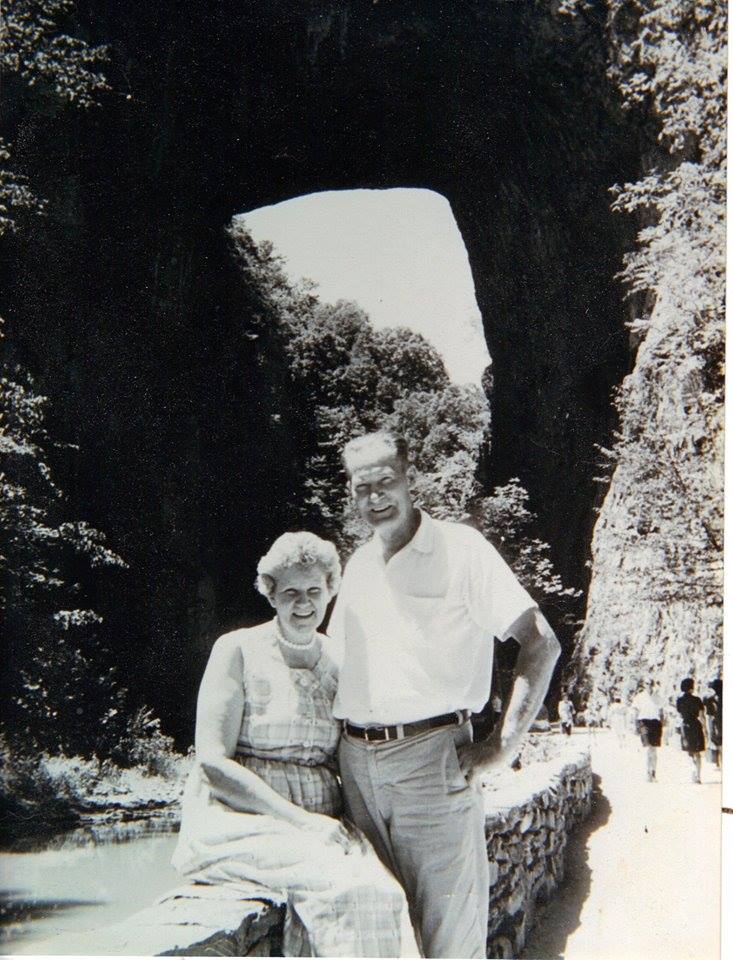
Recently, there was a news story about a submarine with passengers who were going to visit the wreck of the Titanic. Tragically, the submarine failed and their lives were lost. Just like the passengers over 100 years earlier, they were far from any human help. But God was there. I don’t know if any of the passengers were believers, but if they were, they could face their last earthly hours in confidence and peace that passes human understanding– God was there. Even though their bodies were not saved from this tragedy, their spirits were never out of God’s reach; their hearts were never lost to God’s loving gaze.

May we rest in that assurance today. There is no place on Earth– or in or over or under the Earth!– where God does not watch over us. The going may not be pleasant. It may be dangerous or even deadly. But we– our soul; our spirit– can go anywhere without fear. We can face the transition from life to death with calm assurance. We can face the empty threats of Death and the Grave without flinching. We can face our fears, and defeat them, when we trust that God’s presence in constant and completely sufficient.

When God Is In the Shadows

(SPOILER ALERT)– this post is about The Lord of the Rings and contains many references to plot devices. If you have not read the books or seen the movies, you will be confused and the narrative will be spoiled..

It’s no secret that I am a big fan of the Lord of the Rings by J.R.R.Tolkein. I’ve read through the trilogy several times, and I love to watch the movie version, as well. Even though it is a fantasy story, many of the situations and lessons are “true.” We may not face orcs or dragons or undead ring-wraiths, but we do face difficult challenges, such as war, grief, confusion, and oppression. We WILL face difficulties in life; we need to face them with resolve, courage, wisdom, and action. We may not have to destroy the Ring of Power, but we may have to battle addictions, habits, and relationships that threaten to destroy us.

One of the elements of the Lord of the Rings that captured my imagination from the very first readings was the “fall” of the wizards, Gandalf and Saruman. Saruman, who is introduced as one of the council of “good” wizards, and a mentor/friend of Gandalf, seems like someone who will be able to help the Fellowship in their quest to destroy the Ring of Power. But Saruman has “fallen” under the thrall of the evil Sauron. Using one of the “seeing stones,” Saruman has seen into the Dark Lord’s plans, and has decided that his own wisdom and power are enough to equal those of Sauron. His “fall” is one of self-delusion and arrogance. And his fall is described in terms of color. Where once he was called Saruman the White (the color of light when all the colors come together), Saruman becomes a prism, reflecting all the colors, but broken up, diffused, and no longer giving a true light.

Gandalf’s “fall” in the chasm as he battles the demonic Balrog is both dramatic and unexpected. Coming on the heels of Saruman’s betrayal, it sends shockwaves through all of Middle Earth. It left me devastated. After all, Gandalf is wise, good, and powerful. Having read The Hobbit, it was comforting to have a familiar guiding force to lead this new “adventure.” It is his knowledge and encouragement that has provided leadership and stability for the Fellowship of the Ring. His sudden and tragic absence leaves a gaping hole and many questions. His is a literal “fall.” He falls into blackness– fire and shadow and utter silence.

It strikes me that the wizards of The Lord of the Rings are not unlike the gods and heroes we make for ourselves. We imagine God (and often human heroes, including pastors and other religious figures) as being benign old men, walking among us, offering just enough wisdom, power, and “magic” to entertain, enlighten, and encourage us. We listen for good advice (whether or not we actually take it!), and we take comfort in the fact that they seem to know all that is going to happen. Of course, the wizards in the books are not REALLY gods–they know many things, but they cannot see all ends; they have great power, but they cannot defeat Sauron on their own (nor successfully challenge him, as Saruman learns); they are not always where they say they will be when they said they would be there.

“You’re late, Gandalf!”
“A wizards is never late, Frodo Baggins. Nor is he early. He arrives precisely when he means to.”
(From the Fellowship of the Ring)

Not only is Gandalf “late” for Bilbo’s special party (according to Frodo), but he completely misses his meeting with Frodo and the other hobbits in Bree, due to circumstances beyond his control. And, when the company seems to need him most, he falls into the great chasm and they must flee to the Elves at Imladris. Galadriel offers some encouragement, but it is tinged with dire warnings. Saruman’s “fall” highlights his shortcomings– he can only “see” victory through compromise, deception, and the machinery of war. Everything about him becomes twisted and sullied. In the books, he ends up being a two-bit tyrant, defeated in his attempt to take over the Shire. In the movies, he “falls” from his tower of Orthanc and sinks into the stinking pools festering around his ruined ambitions.

What about our visions and expectations of God? Sometimes, it seems as though He is “late” or “absent” in the midst of our difficulties. We want Him to come in and save the day– tell us exactly what to do next, or make an obstacle disappear, or bring a host of warriors to fight our battles. Other times, it seems as though our vision of God is seen through a prism…if God is really good, how could He let _______ happen? If God is really just, why is there still so much injustice around us? And what about others who follow a different “God.” Which one is real? Which one is “Right?” How can we know? In fact, those who follow Christ are following a God who faced betrayal and death– and He seemed to be defeated. And sometimes, it seems as though He has left us to the mercy of the evil that surrounds us.

God sometimes seems to be “fallen into shadow.” He seems to be absent. Or at least distant and silent. Just as in The Lord of the Rings, we can be left like the Fellowship– shocked, dismayed, left feeling lost and hopeless. Where is God in those moments?

But when I re-read the books, or when I sit down to binge-watch the movies –again– I find myself seeing things from a different perspective. Gandalf and Saruman both “fall” before even the middle of the story. Saruman’s betrayal seems not just tragic, but nearly insurmountable. Gandalf’s absence leads (indirectly) to the breaking up of the Fellowship into smaller, leaderless factions. But here’s what I see clearly in reflection– the Shadows that seem to swirl around the wizards are just that. They are shadows. There is darkness in the Land of Mordor. But Frodo and the rest of the Fellowship carry their own light. (Frodo, in fact, carries a literal light in his gift from Galadriel). They stay true to one another and true to their quest. As Sam points out at Osgiliath, they have had many chances of turning back and giving up, but they hold on to the hope that Good will win over Darkness, and Truth will defeat oppression and deceit, and yes, even the Ring of Power. Gandalf’s absence, while shocking and discouraging, is not permanent, nor is it devastating. It only seems so in the shadow of uncertainty and the chaos of war and suffering. The other members of the Fellowship actually develop their character, their strengths, and their gifts when Gandalf isn’t there to make things easier. He has already given them the wisdom they need– even if they don’t realize it. Gimli and Legolas become a team as their unlikely friendship develops. Merry and Pippin mature into warriors and diplomats. Aragorn becomes the King he was always destined to be. Frodo and Sam–unaware of Gandalf’s victory until the very end, still face all their dangers, including betrayal by Gollum, and save all of Middle Earth!

And so it is with our difficulties. We are looking around for help, wondering how we will continue if God is in the shadows; if God remains silent. We want to see His hand moving the chess pieces, or hear His voice calling out our next step. When we don’t hear it, we can make bad choices– we can give up hope, compromise with the enemy, or trust in our own power to see us through–or we can stay true to His Word and keep running the good race (see 2 Timothy 4:7-8) God does not abandon us– unlike the wizards, He is omniscient and omnipresent– but sometimes He stays in the shadows, knowing that it is for our development and maturity. I don’t have certainty about my choices and my actions, but I have the Bible and I have the Holy Spirit.. I have prayer. And I have the people God sends into my life to give advice and encouragement. I may not know if I can trust even the advice of religious leaders, but I can compare their advice with what I read in God’s Word and what I see in their actions. When I read the Bible, I read about promises God made to the nation of Israel– promises He kept. I read in Ezekiel, and Daniel, and again in Matthew and Revelation about His promises for the end of the ages.

It may look dark for the characters in The Lord of the Rings as they battle their way through Middle Earth. But I DO know how the story ends! I know that Gandalf does not stay in the shadows– he comes back more powerful than ever! And Saruman’s army of orcs is defeated; Saruman’s poisonous plot to usurp the mind and will of King Theoden is discovered and the king restored to health. And the Fellowship (excepting Boromir) is reunited after Frodo and Sam are successful in destroying the Ring. And I may not know the next step in my own story, but I know how my story will end! God may seem to be AWOL or “in the shadows” during my current circumstances– in my grieving, struggling, and pain. I may not see justice and peace in my near future– I may not see them in my lifetime– but I can KNOW that God is never late. He is never too early. He will arrive precisely when He means to. No shadow will be able to hide Him; no darkness will be able to comprehend Him. He will come in the blazing light of His Glory– and He will come to make all things new!

Making the Most of Every Opportunity

4-5 Celebrate God all day, every day. I mean, revel in him! Make it as clear as you can to all you meet that you’re on their side, working with them and not against them. Help them see that the Master is about to arrive. He could show up any minute!
6-7 Don’t fret or worry. Instead of worrying, pray. Let petitions and praises shape your worries into prayers, letting God know your concerns. Before you know it, a sense of God’s wholeness, everything coming together for good, will come and settle you down. It’s wonderful what happens when Christ displaces worry at the center of your life.
8-9 Summing it all up, friends, I’d say you’ll do best by filling your minds and meditating on things true, noble, reputable, authentic, compelling, gracious—the best, not the worst; the beautiful, not the ugly; things to praise, not things to curse. Put into practice what you learned from me, what you heard and saw and realized. Do that, and God, who makes everything work together, will work you into his most excellent harmonies.
10-14 I’m glad in God, far happier than you would ever guess—happy that you’re again showing such strong concern for me. Not that you ever quit praying and thinking about me. You just had no chance to show it. Actually, I don’t have a sense of needing anything personally. I’ve learned by now to be quite content whatever my circumstances. I’m just as happy with little as with much, with much as with little. I’ve found the recipe for being happy whether full or hungry, hands full or hands empty. Whatever I have, wherever I am, I can make it through anything in the One who makes me who I am. I don’t mean that your help didn’t mean a lot to me—it did. It was a beautiful thing that you came alongside me in my troubles.

Philippians 4:4-22 (The Message)

I have been blessed with the opportunity to do a couple of short-term mission trips. I am not a “Missionary” in the traditional sense. I have not left friends and family behind to move to a new culture or live among strangers for years to spread the gospel. I basically took some working vacations, met dozens of wonderful new friends, learned about the work they are doing in their community, and joined in helping them with a couple of small projects (painting, sorting donated clothes and shoes, working in the school, helping organize a library, putting together scrapbooks, etc.) I was able to go back and visit five times over a dozen years and watch as the children grew up, the school added on, the staff changed, and the mission work focus became broader and more community-focused.

Two things about visiting the mission field– you meet amazing people and you hear amazing stories. Some people will become life-long friends. Some people teach you and touch you in unexpected ways, even if they cross your path only on a single day. Some stories make you re-evaluate all the things you take for granted. Some stories leave you laughing or crying along with your new friends. Some just leave you speechless.

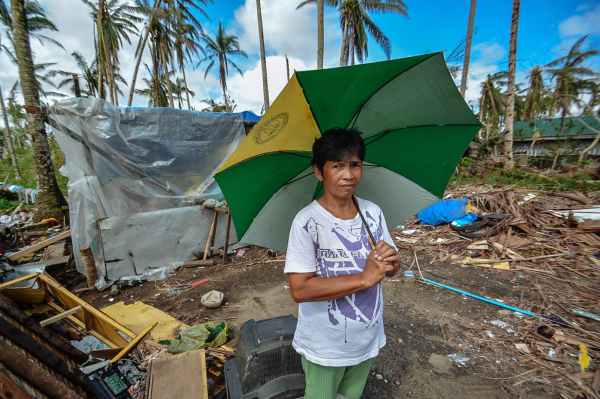
One such story happened on my first visit. We went on a “field trip” to see a developing community not too far from the border between the Dominican Republic and Haiti. Hundreds of Haitian refugees had flooded into the D.R., and at least two mission groups from the U.S. and Canada were working to provide housing, healthcare, and schooling for homeless families. Several teams of workers had already started building small cinder-block houses, a couple of bath houses/bathroom facilities, etc. in an area that used to be a sugar cane field. The houses were serviceable, and had basic electricity and running water. However, the water was only good for washing, not for drinking. The houses were close together, with very small plots for gardening, but the land was rocky and dusty. There was a centralized “administration” building, with a small clinic and other basic community services, a small elementary school, and a small chapel. Most of the homes had an electric light bulb hanging from the ceiling, but no other appliances. Meals were still cooked over a small open fire in the main room of the house. Cots or bed rolls took up most of the other room. The bathrooms were in the communal bath houses.

Not the actual location, but this is not too different from what the first houses were like– very basic.

I set the scene above so the circumstances are clear. These families were happy to be alive, and to have any shelter at all, but they were not living in luxury, nor were they moping and in despair about their condition. Part of our visit was to bring awareness to what efforts were already underway, and what needs were still outstanding. Medicine was scarce; many of the families had at least one person who was HIV positive, and many of the others had issues resulting from malnutrition and untreated childhood diseases. Jobs were hard to come by– the sugar cane plantations and rum factories had a history of exploiting their workers, and very few other jobs were open to Haitians who either didn’t speak the language or had no work permit/official identification. The mission organizations were not set up to provide jobs, income, or food and water. They were surviving on donations, which were sporadic and usually consisted of non-perishable items like clothes and hygiene items (toothpaste and soap).

Into this scene, the mission had received a princely donation of several hundred pairs of flip-flops. One of the bigger department store chains in the states and an overstock of black and white flip-flops– different sizes, but all the same style and colors. There were enough that everyone in the community could have a new pair of shoes! However, after the shoes were distributed, the administrators noticed that people were still going around barefoot. Very few of the people were wearing the new shoes. Finally someone asked if there was a problem with the shoes.

The answer they received is the heart of the story, and a lesson I have never forgotten. The people were very grateful for the shoes. But their greater need wasn’t for shoes. God had heard their prayers and supplied their need. Several enterprising members of the community had bundled dozens of pairs of flip-flops, carried them nearly eight miles into the nearest beach-front town, and found a spot along the beach where they sold the shoes to foreign tourists. Other groups did the same thing. Using the money from the sale of the flip-flops, they bought bottled water and produce at other roadside stands, carried them back to the community. This way, such items would be readily available while they waited for crops to grow in their gardens or a closer source of drinking water could be found.

On a later trip, we visited this community again. There were flowers, gardens, and two or three “colmados” (Dominican-style corner markets), which had grown out of two or three houses being torn down and reassembled. The community was flourishing. The “administration” center was still used mostly as a clinic and community meeting center, but some of the community members were administrators there. The school and church had grown, and there was now an arts and crafts center; community members were making candles, necklaces, wood carvings, and other items for sale at the beach, where they now had an established booth. God had used hundreds of unwanted, discarded shoes to supply an opportunity for people to work together and build a thriving community. There are still issues– health issues, domestic issues, economic issues– plaguing this settlement. But it is now “home” to hundreds of families who once had nowhere to go, and it is a beacon to surrounding communities, giving hope to hundreds more in the area. And, while some of the community members still go barefoot, most have shoes– shoes they chose and bought and paid for with their own money!

I’ve told this story before, because it is such a strong lesson in looking for and making use of every opportunity. God’s gifts are never wasted on us IF we choose to see them as gifts. Even our abundance– our “leftovers” and “overstocks” can benefit others in ways we might never imagine. And our efforts– even small ones taken in the midst of struggles– will pay dividends when we trust in God to supply our true needs.

Afraid to Call?

Some fears are understandable. Some fears are even logical. Some are not. I wouldn’t say that I am “afraid” of most things. I don’t spend hours of my life being afraid of unlikely events, like being struck by lightning or choking to death on a cracker. I have a healthy fear of electricity and fire. I don’t tempt fate by walking along the edge of cliffs or hanging out of thirty-story windows (both of which are rare where I come from, anyway) . But I have two phobias– irrational fears–that plague me. The first is my fear of snakes. My fear of snakes has not ruined my life, but it has caused me to limit activities– mostly nature walks– where I might be exposed to seeing a snake. I avoid the reptile house at the zoo; I avoid visiting places where snakes are more common. I don’t like to see pictures of them; I don’t watch “snake” movies.

Photo by NEOSiAM 2020 on Pexels.com

The second fear is more irrational and causes more problems in my daily life. I am afraid of phones. This doesn’t mean that I cannot make a phone call, or ever answer the phone. But if anyone asks about the best way to contact me, I always suggest e-mail, texts, or other forms of communication. I don’t like hearing the phone ring. I don’t like making calls. I don’t like answering calls. And it has little to do with who is on the other end. It has much more to do with the medium. I can’t see the other person’s face; I can’t predict whether or not the other person is busy or distracted; whether they want a quick answer or a lengthy talk; whether the conversation will end well or leave one (or both) of us at a loss. People call at their convenience–not at the convenience of the person at the other end. Are they in the middle of cooking dinner? Taking a shower? Having an important conversation with a spouse or child?

Photo by Vlada Karpovich on Pexels.com

But if I determine never to make or receive a phone call, I will miss other important conversations– family members who live far away; business that cannot be conducted in person; appointments that need to be set up; news about births, deaths, hospitalizations, even prayers and prayer requests.

Photo by Ric Rodrigues on Pexels.com

I say all this because I knew there are some people who have a phobia about prayer. They are afraid to pray– not just in public, but even privately. They fear that they will say the wrong thing, or that they will “bother” God with their petitions. Some fear that God will not hear their prayer or that they will not get an answer. Some are afraid that they will “get what they pray for”– that God will hear their prayer and answer it, but that the answer will involve change, hardship, or pain that they were hoping to avoid. Some fear that their prayers will not be “good enough;” that God will misunderstand their motives or be offended by their words or their lack of knowledge. Some people are afraid of God– that He will reject them and their prayers because of something they have done or the way they have lived in the past.

Photo by Ken Ozuna on Pexels.com

Prayer is not meant to be intimidating or difficult. It is healthy to have awe for God. Even “fear” of God– He holds the power of life and death; He cannot be fooled or mocked or bargained with; He knows everything about us, including our thoughts and our past–God is not to be trifled with, even in prayer. But God invites us to pray. He calls us to come to Him; He seeks our fellowship, no matter what we’ve done or what words we string together. There is no magical “prayer formula”– no phrases or special “religious” words or a certain ritual or routine– that we must use to be heard. God– who formed the universe and keeps it running– is never too busy or too distracted to listen to us. Even groans and whimpers are important to Him.

Don’t be “afraid to pray.” And don’t let a fear keep you from praying. Pray through the fear– draw near to God– and He has promised to draw near to you.

Photo by mentatdgt on Pexels.com

Many years ago, I prayed to God, that He would increase my patience. I had well-meaning people– even pastors and other Christians– who told me not to do it. They were afraid that God’s answer to such a prayer would bring difficulty– that God would answer my prayer by making me go through hard times to learn patience. And He did just that. I wanted to be married and have a family–and I spent nearly 30 years waiting and learning patience! But I would not go back and undo those years. God answered my prayer and He gave me a wonderful husband and family– in His time. Sometimes in those decades of wondering and hurting, I had pain. But I also had many blessings in singleness–opportunities I had never planned on, changes in perspective, unforeseen experiences and relationships that, I think, prepared me to be a better person and a better wife than I would have been at age 18 or 20.

My prayer for patience was something I felt strongly about– and patience is a Godly thing; it is an aspect of the fruit of the spirit (Galatians 5:22-23). I wasn’t praying for money or fame or a life without struggles. In fact– I wasn’t praying that God would “make me” patient. People who believe that my years of waiting for a husband were the direct result of my prayer for increased patience assume that God changed the circumstances of my life to force me to learn a lesson. But what if God changed my desires to match my circumstances? What if, knowing that I would marry after age 45, God put that prayer in my young and impatient heart? If I hadn’t asked for patience, would I have taken matters into my own hands and tried to “make” a family in my way and my time? Would I have experienced more pain– and brought pain to others– if I hadn’t learned patience?

Photo by Juan Pablo Serrano Arenas on Pexels.com

God knows what we need. He knows that there WILL be trouble and hardship in our lives. And He knows that we can survive, and even thrive, in times of trouble, because He will be there with us. Nothing about prayer should make us afraid. Nothing about God’s answers should cause us not to seek His face. He loves us extravagantly; He knows us intimately; He controls and safeguards our future with perfect power.

Photo by Jonas Ferlin on Pexels.com

And we don’t need to use a phone to call on Him!

When I Can’t Do “All Things…”

10-14 I’m glad in God, far happier than you would ever guess—happy that you’re again showing such strong concern for me. Not that you ever quit praying and thinking about me. You just had no chance to show it. Actually, I don’t have a sense of needing anything personally. I’ve learned by now to be quite content whatever my circumstances. I’m just as happy with little as with much, with much as with little. I’ve found the recipe for being happy whether full or hungry, hands full or hands empty. Whatever I have, wherever I am, I can make it through anything in the One who makes me who I am. I don’t mean that your help didn’t mean a lot to me—it did. It was a beautiful thing that you came alongside me in my troubles.

Philippians 4:10-14 (The Message)

I know many Christians who quote Philippians 4:13–generally in the King James or New King James versions: “I can do all things through Christ, who strengthens (strengtheneth) me.” It is a powerful verse, but taken out of context, it can become twisted and lead to unrealistic expectations. In context, Paul is not talking about achievement, but about endurance. “I can endure all things…” or “I can cope with all circumstances…” is a better understanding, which is why I chose to quote from The Message, instead of another translation. Many times, however, we co-opt this familiar verse to fill our calendar with busy plans for our own achievements, trusting in God to give us the strength to multi-task our way past exhaustion. We end up frustrated, disappointed, and even questioning our faith.

God never meant for any of us to do “all things..” In fact, He wants us to trust Him to direct our paths– even when He directs us away from achievement and into rest or even need. Paul was a doer. He loved to be on the road, preaching and teaching, building up churches, and making new converts. But the letter to the Philippian believers was written from a jail cell. Paul could not be there to minister to them, but they had ministered to him, instead! Paul was thanking his friends for the help they gave him, not because he was abandoned or starving, but because their gifts reminded him of their care for him, and of God’s care for all of us. God had given Paul a season of rest from the road– imposed rest, but rest that gave him time to reflect on God’s goodness in solitude.

When we set ourselves up to “do all things,” it usually means “all the things I think I can or ought to do,” or “all the things I am asked or expected to do as a volunteer or a friend or neighbor or parent…” God is more concerned with our “being” than our “doing.” He wants us to be seeking after righteousness, not self-righteousness. He wants us to be growing in our love for others– even if we can’t “do it all.” He wants us to follow Him, not impress Him!

Photo by Karolina Grabowska on Pexels.com

I’m in a season of “can’t” right now. It’s not that I can’t do anything, but I can’t do “all things.” That’s not a result of my lacking faith or having a wrong view of God– God CAN do anything and “everything.” But I can’t. And God’s plan isn’t to empower me to be autonomous, self-sustaining, or self-righteous. I NEED others! And I NEED Him! What I CAN do, is trust in His timing and His resources to be sufficient for my daily needs. I can get “enough” done today, with God’s wisdom and strength. I can do “enough” to overcome anxiety or depression– with the help that God provides. That may mean allowing someone else to do simple tasks that I can’t do today. It may mean accepting medical help. It may mean changing my schedule or my expectations for today. But I can endure all the setbacks, and the moments of grief or weakness that keep me from “doing” what I had planned. I can weather it all in the power of Christ. And so can you! If you are finding yourself in a season of “can’t,” don’t skim over Philippians 4– study it. Claim it! Christ’s power isn’t for those who “can.” It’s for those who ask!

Photo by Luis Quintero on Pexels.com

It’s a great thing to have a “can-do” attitude. But sometimes, we need a season of “can’t do” in order to step back and see what we “can BE” in the power of Christ!

Greater Love Hath No Man…

One hundred four years ago today, on the 11th hour of the 11th day of the 11th month or 1918, the warring nations of Europe and the World fell silent as an Armistice was signed ending the “Great War” (later known as World War I). The War had been devastating in its scope and violence. Millions of people lost their lives; millions more were wounded and permanently scarred by the fighting. Entire cities had been leveled; farms and villages had been ravaged, and economies would take decades to recover.

“The War to End All Wars” did not. It was a failure in almost every regard. Bitterness built up in the decades between 1918 and 1938, spilling into another devastating war. All the noble efforts to promote peace and unity broke down. All those lives sacrificed in the hope of bringing lasting peace were lost, seemingly in vain. And for the soldier who survived, there was continued hardship, struggle, and often, life-long pain and suffering.

Photo by Sharefaith on Pexels.com

Today, we honor those who have risked their lives to serve their county/countries. Soldiers, medics, chaplains, and innocent civilians who risk their lives do so for a reason. Often, we lose sight of the reasons after so many years, but the primary reason for most soldiers is the protection of loved ones back home and fellow soldiers in the fight. Many of us live lives of comfort and safety, little knowing the dangers of war, famine, and extreme hardship. But soldiers know a life of privation, courage in the face of fear, and the searing loss of violent death. And most of them know this life as a voluntary sacrifice. They willingly lay down their lives, both figuratively and sometimes literally, to save, protect, and improve the lives of others. It is fitting and right to honor such commitment and sacrifice.

Photo by Pixabay on Pexels.com

Jesus, when speaking to His disciples at the Last Supper, said,  “This is my commandment, that you love one another as I have loved you. Greater love has no one than this, that someone lay down his life for his friends. You are my friends if you do what I command you.” (John 15:12-14 ESV) After all these years, many of us look at these verses as a moral principle, but not as a commandment. Jesus did not say, “I would really like it if you would love each other sacrificially,” or “I would prefer if you treated each other the way I treated you.” He gave it as a command that we love as Jesus loved.

So that begs the question, “How did Jesus love His disciples?” Ultimately, He DID lay down His life, paying for their sins (and ours) through His death on the cross. There has never been a greater sacrifice, not on the battlefield, not in public service, nowhere in Heaven or on Earth. But Jesus also gave us several examples of “sacrifice” in His life with the disciples. He served. He forgave. He loved. He nurtured and taught. He listened.

It used to be popular to compare Christians to soldiers– to promote service, sacrifice, and discipline in the Christian walk. This has largely fallen out of fashion, as society has diminished the role of the soldier, and the respect it used to give them. But the Apostle Paul used the comparison often, even listing the Christian’s “armor” in Ephesians 6:10-18. We should put on the belt of Truth, the breastplate of Righteousness, the shoes of the Gospel of Peace, the shield of Faith, the helmet of Salvation, and the Sword of the Spirit, which is the Word of God. Of course, we are not commanded to kill, main, or promote warfare and destruction. But we ARE called to be prepared to die for– and LIVE for– the cause of Christ. We are to train, prepare, and stand firm in the Faith. More that that, we are commanded to serve– even sacrificially– our brothers and sisters; we are to be willing to lay down our lives for others.

Today, as we reflect on the sacrifices made in the past, let us renew our commitment to love like Jesus, to serve like soldiers, and to stand firm in our commitment to the One who paid the ultimate sacrifice for us. And, especially in a world that does not know peace, let us pray for those who are touched by war, famine, hardship, violence, and loss. Let us work to bring peace, forgiveness, and practical help to those around us who suffer.

The Blessings of a Faithful Grandmother

Yesterday, my wonderful maternal grandmother would have celebrated her 110th earthly birthday. I have so many happy memories of times spent with her– of shared laughter and tears, walking barefoot through many yards and gardens, “overnights,” looking through her button tin, or her old jewelry box, helping her make homemade egg noodles, or cherry pie… But more than all these, I remember the feelings of peace, joy, and unconditional love whenever she was near.

My Grandmother, Beulah B.

Gram was one of the wisest persons I ever knew. She was patient and kind with everyone. I cannot remember ever hearing her say a spiteful or sarcastic word. She had a quiet sense of humor, and made everyone feel welcome and valuable. She was generous– not just with gifts, but with time and attention, especially for children. She was a hard worker, but she never seemed to look frenzied or “overworked.”

She and my grandfather were married for almost 63 years. She lived with him through many difficult times– during the Great Depression, there were many times when they could not be sure where they would live or what they would eat. Many nights were spent sleeping in spare rooms with family members. Grandad went to war in 1942, and Gram “held down the home front”– taking care of two little girls, and working the night shift as a riveter, while living with her parents. Things were better financially after the war, but Gram kept working– this time as a secretary. She and Grandad still moved around a lot–rented homes, apartments, mobile homes–each time making it look and feel better than it had ever been, or ever would be again. Gram planted flowers everywhere; Grandad collected animals. At the time of her death, Gram and Grandad were living in a rented house– the very house where Gram had been born 82 years earlier!

Gram’s given name was Beulah, named for her paternal grandmother. Her name means “married.” And Gram lived up to her name, and all it suggests. She was faithful, fruitful, and a wonderful companion and champion in her marriage. When she died, my grandfather was lost without her. We nearly lost him that very day. He only lived another four months after she passed.

If I had to choose a word to describe Gram, above all others, it would be faithful. She was faithful in everything she did– faithful to her marriage, faithful to her children and extended family, faithful at work, and faithful to God. Gram’s Bible was worn, and old, but she lived out its pages every day. Her trust in God was absolute– and it had been tested through all the hard times she had experienced. She KNEW she could trust in God’s provision and timing, because she had experienced it first hand. She did not make a fuss about her deep faith, nor did she ever deny the source of her peace and strength. Her life was not easy, but it was bountiful!

Today, as I reflect on her legacy, I am so grateful for her quiet example in my own life, and in the lives of others. I pray that I may leave such an impression before I pass on– that someone will be inspired to a lasting faith and find joy in their life’s journey because I have been faithful. Below is one of her favorite hymns: (I especially enjoy the piano in this clip, because it is close to how my Gram would have played it!)

“He Didn’t Come For Me…”

I’ve mentioned several times on this blog how much I love the book/movie, “The Princess Bride.”

At one point in this fractured fairy tale, the title character, Buttercup– THE princess bride, is waiting to be rescued by her true love, Westley. She has supreme confidence that he will rescue her from having to marry the evil Prince Humperdink. But Humperdink is equally confident that Westley will NOT come– because he knows that the wicked Count Rugen has (supposedly) killed him! As the stuffy archbishop pronounces Buttercup and Humperdink ,”man and wife,” Buttercup is stunned. She keeps repeating, “He didn’t come for me.” She cannot imagine a future in which Westley does not show up and save the day. Her hopes are shattered, and she walks in a fog to the bridal suite, where she prepares to kill herself in despair.

I don’t want to give away everything, but Buttercup’s plans take an unexpected and miraculous turn before the end of the story.

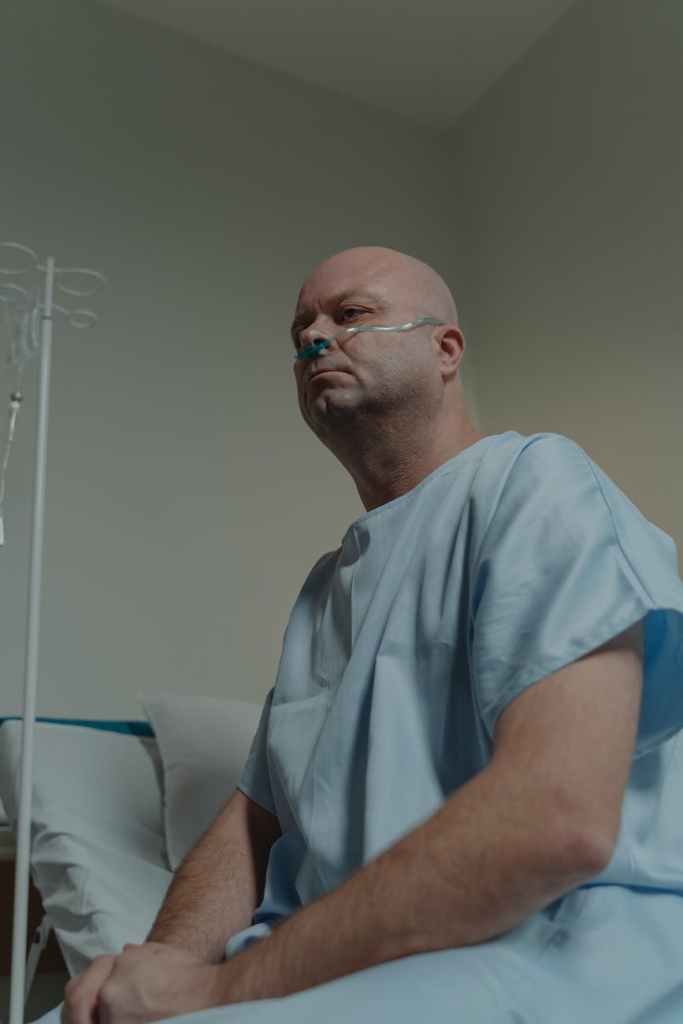
I was reminded of “The Princess Bride” yesterday morning as I sat with my husband, trying to figure out what was happening with his blood pressure. He and I have been battling COVID, and he spent a week in the hospital. He has been home for several days now, and has been improving steadily, until early Sunday morning, when his blood pressure started rising. There were no other symptoms, and we consulted a doctor, who talked us through a course of action, but there was little to nothing they could do for him at the emergency room, unless he had chest pain, paralysis, or a splitting headache, which would indicate possible heart attack or stroke. We increased his oxygen intake level, kept his legs elevated, and his blood pressure came down.

Photo by Tima Miroshnichenko on Pexels.com

Then, last night, it happened again. No warning; no other symptoms. We made sure he had plenty of oxygen, elevated his legs, continued doing what we had done in the morning. Slowly, the blood pressure reading came back down– still high, but not dangerously so. We’ve prayed for healing– dozens of other family and friends have prayed for healing. Everything seemed to be going fine– why this? Why now?

Photo by Andrew Neel on Pexels.com

It is so tempting to imagine our story will be smooth and predictable– even when we have a struggle or set-back– to believe that better days and easier times are just around the next corner. And when it doesn’t happen the way we hope or expect, we want to question God– “Why didn’t you come?” “Why did you delay?” “Why didn’t you send word that I would have to go through this?”

But God HAS sent word– there are dozens of examples in which God delays, or simply does not send a swift and easy rescue. God promised Abraham and Sarah a son– and then delayed 25 years! On top of that, God asked Abraham to take Isaac, the son of the Promise, to be a sacrifice! God showed up–just as Abraham was about to sacrifice his only son. God rescued Abraham and Isaac from their ordeal, but it was a nail-biter! (See Genesis 12-22)

Photo by Pixabay on Pexels.com

God rescued His people from their slavery in Egypt, and led them straight into a trap! Caught between the Egyptian army and the Red Sea, the Israelites seemed to be sitting ducks. How could they have imagined that God would open the sea so they could cross on dry land? Having been rescued in such a miraculous way, the Israelites should have had absolute confidence in God– but instead, they complained about food, complained about the leadership, complained about the weather–even as they could see God’s presence in a pillar of cloud by day and a pillar of fire by night! God rescued them over and over again in the midst of their struggle (and their lack of faith!). (See the books of Exodus, Numbers, and Deuteronomy)

Photo by Frans Van Heerden on Pexels.com

Daniel was taken into exile as a teenager– over fifty years later, after God had protected him and put him in a place of great power and prestige, Daniel was set up by his enemies and condemned to be eaten by lions. God did not rescue him by removing the lions or overturning Daniel’s sentence. Daniel had no reason to know that God would rescue him at all. But God’s ways are not our ways. God’s way was to shut the mouths of the lions– something ONLY God could do–proving to Darius, to Daniel’s enemies, and to all who heard about it that God was more powerful and more loving than even our wildest imagination. God rescued Daniel through his harrowing experience– and even brought judgment on Daniel’s enemies in the process.(See Daniel 6)

Photo by Skitterphoto on Pexels.com

And the list goes on– Jacob, Joseph, Ruth, Shadrach, Meschach, and Abednego, the prophets Elijah, Jeremiah, Ezekiel, and others, kings like David and Hezekiah, the exiles of Israel, the Apostle Paul, Queen Esther, Simon Peter, Jesus’ friend Lazarus, the martyr Stephen. Many of these people went through famine, disease, prison, death threats, and even death itself! Yet God preserved their stories for OUR benefit. God reassures us that He is the God of the living and the dead– death cannot stop true love (another of my favorite lines from The Princess Bride)! Nothing can separate us from God’s loving and wise and perfect care!

I don’t know what today will bring for David and me. I don’t know if we will have to return to the hospital, or if they can help restore his blood pressure to “normal.” I don’t know if I will have a sudden relapse or complications from COVID. I don’t know what future changes, adjustments, or griefs we will have to bear. But I do know this– God is with us!

Photo by John Ray Ebora on Pexels.com

Sometimes, God rescues us FROM a situation; sometimes He rescues us IN a situation; and sometimes He rescues us THROUGH a situation. We don’t know how God plans to show up and work in our lives over the next weeks. But we know we can trust Him to do what only God can do, and faithfully see us through the rest of our lives.

Photo by Tomas Anunziata on Pexels.com

I pray that if you are facing unexpected difficulties today, that God will cause you to be strengthened and reassured. He loves you. He sees you. He knows where you are, and, better yet, He knows the road ahead!

The Lord Has Taken Away…

20 Then Job arose and tore his robe and shaved his head and fell on the ground and worshiped. 21 And he said, “Naked I came from my mother’s womb, and naked shall I return. The Lord gave, and the Lord has taken away; blessed be the name of the Lord.”

Job 1:20-21 ESV (via biblegateway.com)
Photo by Pixabay on Pexels.com

The book of Job presents us with a startling picture. Job is a godly man; a righteous man; a man of faith and good works. And yet, God allows him to experience loss upon loss– Job loses everything, short of his life and his nagging, bitter wife. His first response is praise and worship! But as the losses sink in; as the pain and agony and grief continue, Job questions God’s justice and wisdom. Job, like us, wants answers that make sense. He is willing to suffer– even greatly–IF he can see the purpose of his suffering, and justify it to himself.

Photo by RODNAE Productions on Pexels.com

We are getting ready to celebrate Thanksgiving tomorrow in the U.S.– a day when we celebrate what God has given us. We normally celebrate family, health, good food, material blessings, etc. We celebrate abundance and comfort; peace and plenty; family and freedom. But his year, our celebration will be quite different. The Lord has taken away…

Photo by Karolina Grabowska on Pexels.com

Some of us have lost jobs, or we’ve lost our good health to COVID or related factors, or we’ve lost loved ones, often without the chance to say our final “goodbyes”. Millions of us have lost the ability to move about freely and conduct “normal” errands and activities. Schools and businesses are closed or operating from a distance. Families and friends have been kept apart. Much that gave us comfort and happiness has been “taken away” this year. And God has allowed it all to unfold. He has not “taken away” this disease or its consequences. He has not “taken away” floods, or fires, or hurricanes. He has not given us answers or explanations.

Photo by Collis on Pexels.com

Job’s initial praise turns to questioning. While he does not “curse God and die,” as his wife suggests, Job spends his time wondering, “Why me?” His friends try to find answers– “you must have done something to deserve this, Job.” Because God does not “punish” the righteous. It isn’t logical; it isn’t fair; it isn’t just.

Photo by Alem Su00e1nchez on Pexels.com

Except that God laid on His own Son– on Himself– the guilt and punishment for all those who are unrighteous. What Job went through–unknown and unseen to him and his friends–was a glimpse into what God Himself would suffer. Christ lost everything–INCLUDING his life– in order to bring salvation to all those who are willing to believe and receive it. Christ was willing to give away His dignity, His power, His friends and family, and His life. And the Lord allowed it all to be taken.

Photo by Andrea Piacquadio on Pexels.com

Many people read the story of Job– his loss and all his questions and complaints–and conclude that God is not fair or just. They find Him to be capricious and unwilling to ease Job’s suffering or answer his questions. They conclude that God is wicked and unworthy of Job’s praise or trust.

But to do so is to ignore the end of the story– God DOES “answer” Job; He gives Job a chance to justify himself and bring his case. And more than that– He gives Job more than he had before. Job ends up with more children to love, renewed health, and even more wealth than he lost. https://www.biblegateway.com/passage/?search=Job+42&version=CSB And the same is true of Jesus Christ. Because of His “loss,” the world has gained the priceless gift of Salvation by Grace. Christ has become the first of millions to taste victory over death and enter into eternal life. https://www.biblegateway.com/passage/?search=1+Corinthians+15%3A20-23&version=NIV

Loss and grief still exist in this world; disease and suffering and hardship still plague us this year. But we have SO much to celebrate at Thanksgiving. When the Lord “takes away,” it is not because He is capricious, or jealous of our wealth or happiness. It is not because He is unkind or uncaring. At just the right time, and forever more, the Lord will Give without end– lavishly, extravagantly, abundantly. Nothing He takes away in this life– even a cherished love one–is beyond all hope of comfort, redemption, or restoration. Our losses cannot compare to the riches of His Grace and Love. This is a great mystery, but as Job discovered, God WILL DO IT!

Photo by mentatdgt on Pexels.com

Blessed be the name of the Lord! Let us Thank and Praise His Holy Name!

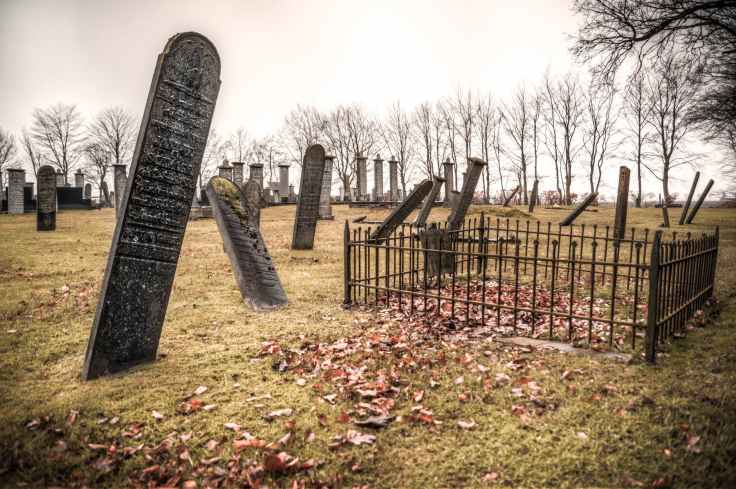
Death Cannot Stop True Love

I’ve spent the past few days revisiting one of my favorite movies, The Princess Bride. The movie is based on a “fractured” fairy tale, written by William Goldman. In it, a spoiled young farm girl falls in love with a lowly farm hand. When he leaves to make his fortune, the girl promises to wait for his return. When word comes back that he has been killed, she swears that she will never love again, and becomes a pawn of a wicked prince.

** SPOILER ALERT**

Of course, her true love, Westley, has not been killed, and when he finally finds Buttercup, she has agreed to marry the wicked prince, who has had her kidnapped and plans to kill her. “Why didn’t you wait for me?, ” Westley asks. “Well..you were dead,” replies Buttercup. “Death cannot stop true love. All it can do is delay it a while, ” says the intrepid Westley, to which Buttercup replies, “I will never doubt again.”

In true fairy-tale fashion, Westley and Buttercup must face many obstacles, including all the dangers of the “fire swamp,”capture, torture, a fake marriage ceremony, and Westley being “mostly dead”– again– before they can have their happy ending. But in the end, “true love” wins over all trials and obstacles, and Westley and Buttercup “live happily ever after.”

We live in a post-modern age, where people tend to sneer at notions like fairy tales, true love, and “happily ever after.” We are more likely to echo the words of the bitter Dread Pirate Roberts, who tells Princess Buttercup that “life is pain, highness, and anyone who tells you differently is selling something.” Ironically, the Dread Pirate Roberts is really Westley in disguise. His life is filled with painful trials, and “inconceivable” obstacles, but he perseveres, and his “happily ever after” makes all that came before fade from memory. Because, in the end, death CANNOT stop true love. It may take a few miracles, and lots of patience, forgiveness, and faith, but true love “bears all things, believes all things, hopes all things, endures all things” (1 Corinthians 13:7 ESV)

God’s love is true– it is sure and enduring. God’s presence goes with us even into the valley of the shadow of death–even if the shadows and darkness block our sight; even if death seems sure to win. His rod and staff are not tools of torture and dread, but reminders that He is there to guide us, even if we cannot see His face in the gloom.

Photo by Francesco Ungaro on Pexels.com

Life is filled with pain–and Westley was right; anyone who tells you differently is selling you something. God doesn’t promise that our path will always be on smooth ground in sunny pastures. We may face separation from loved ones, flame spurts and quicksand, betrayal by friends, battles with giants, wicked rulers, even rodents of unusual size. But in each of these situations, we have God’s very presence to comfort us and help us endure to the end. And the “happily ever after?” It is eternal and glorious like nothing we have ever known or even imagined.

Photo by Sachin C Nair on Pexels.com

Fairy tales are not real– but God’s word is. The very reason such tales and myths and legends endure is because they echo what we know to be true– Truth, and Love, and Justice, and Honor, and Hope, and Faith–they are eternally enduring and strong. We recognize the truth that “Death cannot stop true love– all it can do is delay it for a while.” https://www.biblegateway.com/passage/?search=Romans+8%3A31-39&version=ESV

Blog at WordPress.com.

Up ↑