Have you ever noticed in reading through the Bible how often God shows up, not on the occasion of fanfare and praise, but on the occasion of a whimper? When all hope seems lost, and a heart is so broken it can no longer call out– when words are useless and all that is left is a dull, exhausted moaning?
God “inhabits the praise of His people” (Psalm 22:3), but He is also “close to the brokenhearted” (Psalm 34:18). We work so hard to get close to the heart of God, but sometimes, we need to be broken to actually get there. We need to experience the God who finds us in our failures and rescues us from disasters– even those of our own making. God loves us enough to come to us in our brokenness– and He loves us too much to leave us there. God is not a “fairy godfather” who will magically make our circumstances comfortable and painless. But He is a true Father, who will provide comfort and strength to get back up and face the future with hope and courage.
Long ago, a woman named Hagar was despondent. She was a slave who was told by her mistress to sleep with the master so he could have a son. Hagar got pregnant when her mistress couldn’t, and she became proud and disdainful toward her mistress. When she was punished for her arrogance, she ran away into the desert–a foolish and impulsive act, as she had nowhere to go and no one to support her or her unborn son. An angel found her by a spring of water and told her to return and submit to her mistress. Several years later, she and her son, Ishmael, were sent into the desert because of Ishmael’s contempt for his brother. Ishmael was near death, and his mother in despair. Not being able to watch her son die, she moved a short distance away and began to sob. But another angel came and showed Hagar a well of water. He reminded her that God had seen her the first time she ran to the desert, and He had heard her crying this time, too. Hagar was not a queen; she was not a warrior princess or the daughter of a noble. She was not righteous or innocent. She was a rebellious slave; the victim of a sinful scheme, but headstrong and rash. God did not stop her from running away; He did not give her victory over her mistress. But God rescued Hagar and Ishmael. And He blessed them both– on the occasion of a whimper. (See Genesis 16 and Genesis 21)
Today, don’t be afraid to whimper. Don’t pretend that everything is under your control– it isn’t. But be willing to look and listen for the ways that God will show himself. It may be in the words of a stranger; it may be in the beauty of a sunset; it may even be that song on the radio, or a cool drink of water in the middle of a desert. God doesn’t always rescue us from sorrow and pain. Sometimes He rescues us through it.
Hannah is a Bible heroine. Her story is an inspiration to many women who suffer, whether from infertility, depression, or being misunderstood. Hannah is a popular girl’s name. Peninnah, on the other hand, is a name you rarely hear today. No one wants to name their child after a bully, and a rival to a Biblical matriarch.
As we read through the story in 1 Samuel, https://www.biblegateway.com/passage/?search=1+Samuel+1&version=NIV it seems hard enough that Hannah is barren. Especially as it is revealed that God is responsible for her condition. It seems unfair and harsh. But her trouble doesn’t end there. She has a rival–Elkanah’s other wife– who provokes, irritates, and taunts her, making her cry and keeping her in a state of anguish and stress. Peninnah has many children. She has reason to be joyful and proud. Yet she spends her time harassing and hurting Hannah, a woman who is already “beneath” her in society.
Rivalries tend to bring out the worst in us. Catfights, gossip, taunting, undermining others–books, movies, and even TV series have been built on such pettiness. Whether rivals at school, rivals in romantic relationships, rivals in business, or rivals in our own inflated egos, we allow our world to be narrowed to focus on two people who don’t even exist! We magnify our rival’s faults, twist her motives, and hold grudges over what she “probably” meant when she said “that.” And we justify our overreactions, our grievances, and our tendency to see ourselves as innocent victims.
In the case of Hannah and Peninnah, their world was already small. They were sharing a husband and a household, and likely somewhat isolated from the kind of society with which we are familiar. We live in societies where polygamy is illegal and wives do not (generally) live together. Our families tend to live in single units of husband, wife, and children. However, we also live in a society where fidelity is becoming more rare. Marriages break down, couple break up, and “sharing” a husband, if not a household, is more common than we might admit. Even in divorce and remarriage, we may find a rival in our husband’s ex-wife, or our ex-husband’s new partner, or our partner’s ex-mother-in-law (or our current mother-in-law) or among our step-children.
Elkanah is not an innocent bystander in all this. We don’t know why he has two wives, and the Bible doesn’t say that Elkanah did NOT love Peninnah, but it makes a point of saying that Elkanah DID love Hannah (suggesting that he might have been indifferent to his other wife). Also, the Bible is silent about whether or not Elkanah was aware of the rivalry going on under his roof. He seems totally oblivious and largely absent. Even though he loves Hannah, he doesn’t take care to protect her from Peninnah’s spite. Once again, we find parallels in our own situations– husbands who feel overwhelmed or blind-sided by the rivalries going on around them; husbands who ignore the firestorms; even men who revel in being the focus of so much attention.
But, before we label Peninnah the great villain of this story (or turn our anger on Elkanah for letting their rivalry continue), let’s be careful not to rush to judgment. The Bible doesn’t call Peninnah a villain, merely a rival. It says that she provoked Hannah, and taunted her, and even made her cry. However, the story is focused on Hannah. Her reaction to this taunting was to do what so many of us do– to let it heap up on her and push her down into anguish. Hannah doesn’t fight back. But neither does she stand up to her rival. If Peninnah is trying to make Hannah feel worthless and depressed, she succeeds because Hannah allows herself to believe it.
I think there are several key lessons here, and I think God tells us the whole story because He wants us to see these lessons:
Rivalries and conflicts WILL arise in our lives. We shouldn’t pretend otherwise or refuse to deal with them. If you have a rival in your life at this moment, stop and think of ways you can seek peace. Pray, reach out, seek help. This is especially important where children are involved. If you have a rivalry with in-laws, ex-spouses, your children’s step-parents, it WILL impact all your relationships. It will be the way your children learn to relate to others. Whether you are the “bully” or the “middle man” or the “doormat”, you have a responsibility to make an effort to restore harmony. You cannot change the other person, but you can (with God’s help) change the way you build your legacy. And God can change everyone involved.
While Hannah did well not to react to Peninnah with her own spite and malice, she let her rival “win” by saying and doing nothing. Jesus teaches us that we are not to ignore those who hate or despise us, but to love them and pray for them. Hannah could have offered to reach out to Peninnah and her children, but she remained isolated. Maybe that was because of Peninnah’s actions or bitterness, but the Bible doesn’t say that Hannah made any effort to end this rivalry, either. She didn’t seek help from her loving husband, and she didn’t seek help from her loving God until she was at the end of her rope.
Spite, malice, bitterness, or even self-righteousness (or whatever else may have prompted Peninnah’s nastiness) not only hurts others, it hurts us and blinds us to the opportunity to do good. Peninnah had many children and lived in the same household with Hannah. Instead of taunting her and causing her grief, she could have opened up her heart to allow for a happy, unified family. Peninnah’s hurtful actions are her legacy to every generation that reads this story. She may have been a wonderful mom, a talented women, a real beauty– but she will always be known as the rival who made Hannah miserable. Our actions, even in our own household, have eternal consequences. Small acts of pettiness and spite can follow us for the rest of our lives, destroying our reputations, and blotting out all our other “good works”.
Our abilities, skills, talents, status, or fertility DO NOT define our worth. God closed Hannah’s womb– he never closed His heart toward her. He gave her a husband who loved her and provided for her. He kept his eyes on her until the time was right to bless her in a supernatural way. God had opened Peninnah’s womb, but she kept her heart closed, and bragged about her children as though she alone were responsible for them. God had provided Peninnah with a husband who provided for her and created a family with her. She had children and a secure home, and reason to sacrifice to God with thanksgiving, yet her focus, even during her visit to the tabernacle, seems to have stayed on destroying her rival.
What makes Hannah a heroine in this story is NOT the way she bears up under bullying. Even though she didn’t get sucked into anger and malice, she fell victim to despair and depression. Hannah’s victory comes ONLY after she turns everything over to God in prayer. Peninnah’s pettiness is crushed by God’s miraculous provision.
We should also learn from Peninnah’s actions. Peninnah, even though she has been blessed with children, watches as her husband gives a double portion to his “other” wife– because he loves her. The Bible doesn’t say that he loves Hannah more or better than Peninnah, but Peninnah seems to be resentful of whatever love he gives to anyone else. How often am I envious of someone without considering the pain or grief they may be experiencing? How often do I provoke others by “showing off” my blessings or rubbing in what I perceive to be God’s favor? God loved Peninnah. He blessed her with a loving husband and children. But she seems to be ungracious and mean-spirited. Am I a secret “bully” to others, instead of seeing them as precious and loved by our Heavenly Father?
God’s love can change relationships and rivalries. God’s blessings are “enough.” And when we focus on God’s provision, instead of our rivals’ provocation, we will experience peace and productivity. That’s what happened for Hannah. May this be true in our lives, too– That we would turn to God, and replace bitterness, pettiness, pain and rivalry with His joy, fulfillment, and grace.
God always hears our prayers. He always has an answer. But it isn’t always the answer we expect. Sometimes, God answers, “No,” or “Not yet.” Sometimes, He answers in ways that seem confusing and mysterious, and even ironic.
I remember as a young teen praying for a woman in the community who had lymphoma. In treating her condition, the doctors, trying a new experimental treatment, did permanent damage to certain muscles, leading to a progressively debilitating condition. She died a slow and painful death, unrelated to her original condition. Where was God? How could He listen to our prayers and give such a cold, cruel answer?
But God sees a bigger picture than we do. This precious woman had incredible faith and grit. She had spent years working diligently to help others and teach God’s Word. She continued her work, even in the midst of her health struggles almost to the end of her life. What might have caused some people to turn their backs on God made her more dependent on His Grace. She faced her pain and weakness with grit, strength, and hope in God’s eternal healing. God’s answer wasn’t to rescue her from the suffering, but to be present in it with her. And her example lives on to this day.
Some people would read about this and be dismissive. What a cop-out! What a delusion! But there is much more to her story than her own condition or even her response. One of the men in our church really struggled with God’s seeming indifference. He wrestled with his own faith for many months while watching her get weaker and weaker. But through his struggle, he grew in his conviction that God was present in every situation. He was inspired to do short-term mission work, partly as a result of this growth. Knowing that God would be with him, he threw himself into loving people from a different culture–different climate, different language, different work ethic– and helped build churches and other facilities for those in need. Many people were helped, inspired, and encouraged because of his dependence on God– a dependence enhanced by facing his own questions and doubts.
Family members and community members, watching her struggles, were inspired to pick up where she left off– working and teaching and reaching out to others with zeal and joy–following her marvelous example. Today, some of her family members are leaders in their churches, raising the next generations of witnesses to God’s mercy and power. Doctors, having failed in her treatment, learned from it– a difficult lesson for all, but a lesson, nonetheless. Her joyful attitude (before and during her struggles) inspired me to direct the Vacation Bible School program at our church for a few years, and to teach Sunday School when I moved to a new location. And those are just a few of the ways I have “seen” God’s answers to our prayers. God did not give our friend the physical healing we wanted. But her struggles– and her response of faith and perseverance–inspired a ripple effect far beyond her own pain and disappointment. And she has received the ultimate healing! Her pain, intense and unjust as it was, was only temporary. Her life, her legacy, her joy– they all live on!
How often do we look at a situation and think we know what is “best?” How often do we feel that God’s answers are “wrong?” Wrong timing, wrong outcome, full of hardship or pain– how can this be God’s “perfect” will for us? There was nothing about this woman’s situation that was comfortable; no reason to see a good outcome for her or her immediate family. She died. She experienced pain, with no earthly justice. Her suffering was undeserved and unmitigated. She refused to sue the hospital or the doctors– she wanted them to be able to continue to learn from her experience so they could help others NOT to suffer in the future. But her life was shortened and made grueling in the process, and she received no payout, no financial compensation, no symbolic reparation for her sacrifice. We received no “miraculous” answer to our prayers. It seemed at the time that the more we prayed for healing, the worse her condition became. We continued to pray anyway, knowing that God DID hear us, and God’s ways were not our ways– they are always better. Even when His ways seem like silence.
This all happened several decades ago, and many of the “answers” from our urgent prayers are still hidden from our eyes. Many of our questions remain unanswered. But God’s will is still active, even in these tragic circumstances. Someday in Heaven, it may be revealed to us exactly how God used this woman’s life and struggles to bring about blessings to hundreds of other people– causing them to grow strong through her weakness, drawing them to His healing and wisdom in a world of pain and confusion.
I have lost many friends to cancer. I pray for each one, and the outcomes are never exactly the same. Some go into remission, only to have the cancer return three or four years later. Others get amazing healing– surgeons are astonished and perplexed by the rapid or miraculous disappearance of cancer cells. Some go into fast decline and die almost immediately after their diagnoses. And each situation impacts people in different ways, showing God’s power and presence for those who are willing to look for them. Prayer isn’t a magic formula for immediate and total healing. Prayer is lifting up a situation that is beyond our control or understanding and trusting that God has a perfect plan beyond what we can see or understand. Cancer cannot take God by surprise. Death cannot outwit or overpower God. We live in a world where Evil can overwhelm us; our bodies can betray us; our future can be lost in the fog of uncertainty and suffering. But God is present– not only IN our suffering, but ABOVE and BEYOND our suffering.
We don’t pray for our friends and loved ones to suffer. We want them to be healed, to be free of pain and grief; to be at ease and blessed with abundance. This is normal; it is good. God wants to bless us. It doesn’t bring Him joy to watch us suffer. But He also wants us to see the blessing of His presence, His wisdom, and His power. Sometimes, we can’t see that as we look around. Sometimes, we need to look up! Even from a hospital bed (see John, chapter 9). Even from the flames of suffering (see Daniel, chapter 3). Or from the belly of a whale (see Jonah, chapter 2). And we will find that God is there.
When tragedy happens, words are not enough to bring justice, resolution, and immediate peace to the situation. “I’m so sorry,” or “I’m here for you,” or “I’m praying for you…” In themselves, the words have no power to change circumstances. Words cannot bring back a lost loved one or undo a fire or earthquake or violent attack.
Yet, when we say that we are sorry, or that we are “here,” or that we are praying, we are offering more than just the words we speak. We are offering to share someone’s grief; to help in practical ways that can ease even some of the suffering; to call attention to God’s presence in every situation, no matter how dire.
Prayers are more than just the words we speak. In Romans 8:26, the Apostle Paul says, “We do not know what we ought to pray for, but the Spirit himself intercedes for us through wordless groans.” Prayer often involves our entire being– body, soul, mind, and spirit–as we bow our heads or lift our hands, sweat, groan, go through a range of emotions from grief to praise, and try to express our heart cry in muddled words.
But prayer is not about US. It is not about our words or our emotions or even our desires. Prayer is about staying connected to God. In ourselves, we will always be insufficient. We may be able to take actions that will help others (or ourselves) achieve some measure of relief or understanding when things go terribly wrong. But we cannot bring complete justice; we cannot reverse what has already happened; we cannot guarantee outcomes. In prayer, we give outcomes and justice to the Only One who can bring true healing, justice, and peace out of our tragedies. We give up on the idea that our own thoughts and actions can overcome all the things that are beyond our control. And we lift up our questions, our fears, and our deepest hurts, with whatever measure of Faith we have, to the one we trust to make all things right. And we relinquish the idea that God MUST give us what we desire in the moment to believe that He gives us what is best according to His eternal plan.
Prayer isn’t simple. It isn’t a “cop-out.” It is a sacrifice. God may never answer our desire for an explanation, or for revenge in this life, or for a re-instatement of all that we think we deserve. But prayer connects us to the Sovereign Heart of God. Prayer doesn’t change our circumstances. It changes the way we respond to them. It changes the way we see ourselves and our own limited power. It changes the way we see others– even those who would harm (or have harmed) us.
Words are not enough– but Prayer taps into the all-sufficiency of God. That is more than enough. And the more we pursue and practice Prayer, the more we will understand its power and sufficiency.
I pray every day. But why? There are short, glib answers– “Prayer works,” or “The Bible tells me to.” Or I could say that it’s just a “good” habit, or that it “does something” for me. But prayer is more complex than that. I can give a lot of generic reasons for someone to pray. I can list (and have listed) many benefits of regular prayer. But what are my personal reasons for praying?
Prayer does “do something” for me– lots of somethings. Not every time; not always in the same measure, but prayer can:
Put me in a better mindset; it changes my focus and my attitude. When I pray, the world around me shrinks, along with all the worries and distractions it presents. Instead, I begin to focus on “God” things– the metaphysical reality that I am not the center of the universe, and my limited understanding is not enough to navigate life in its fullest sense. Jesus offers “abundant life” (See John 10:10)– life to the full. And prayer ignites that, taps into that, and lifts me from futility and confusion to meet with One who sees the end from the beginning.
“Recharge my batteries.” Prayer, meditation, “quiet time”– they are all similar, and they all have a physical benefit. Spending time in prayer can lower blood pressure, promote clearer thinking, and increase a person’s ability to withstand stress. Prayer can improve mood, but it can also improve the body’s ability to fight off depression, infection, and other stress-related issues. This is very personal for me, because I have struggled with stress and depression at various times in my life, and prayer can calm me, help me to change negative thought patterns, and endure hardship better than anything else. (Please note this does not mean that I don’t also need to do other things– proper diet, plenty of sleep, hydration are all necessary. Some people may require medication– prayer is not a substitute for good health advice, rather it is an integral part of being physically and spiritually healthy.)
Deepen my faith. God doesn’t always give immediate and clear answers to my prayers. In fact, it may feel sometimes as though He has forgotten me. So why continue to pray? Because God DOES answer prayer. Often, He answers in surprising and unexpected ways. Sometimes His answers come so slowly, so subtly, that I might miss them– if I weren’t keeping track. This is one of the great benefits of keeping a prayer journal or diary…I will often see an old entry, one that I had given up on or forgotten, and realize that God answered it weeks ago without any startling revelation or dramatic rescue. If I only pray when I expect God to do the impossible immediately, I may miss the development of something even more amazing that I imagined!
Become a vital part of my discipleship. Being a disciple literally involves discipline…I can’t say that I follow Christ part-time. Ignoring daily habits, like prayer and Bible study; failing to make time for fellowship with others; depending on my feelings instead of God’s Truth to guide my life– is hypocritical. Also, prayer should open my heart and mind to others who need to BE discipled. And this leads me to another benefit…Prayer can
Help me develop empathy for others. As I pray for others, I learn more about the struggles they face; I learn about their deeper needs. For instance, I may begin praying for someone with a chronic illness to be healed. And that is good. But as I pray for them daily, I learn that along with healing, they desire help with everyday chores that they can no longer do, or they need support and encouragement. Maybe they need rides to doctor appointments and tests. If I am praying for someone struggling with past mistakes or addictions, I learn to see with eyes of compassion and encouragement, rather than judgment and self-righteousness. It’s not just about praying for the “big” needs but learning to pray for (and find ways to help with!) intermediate needs as well. Finally, prayer can…
Remind me that I am never alone! I don’t pray to a brick wall, nor do I pray in a vacuum. I LOVE meeting with our local prayer group every week. I love hearing the others pray. I love being reminded that God listens to my prayers– The Father listens; The Son is my intercessor; The Spirit translates even my groans and mumbles–God delights in hearing from me! (See Zechariah 3:17; Hebrews 13:5; others)
So, Yes, I would say that “Prayer works.” But not in the sense that I can show that God has answered my requests exactly how or when I wanted. There are prayers I have prayed for most of my life that have not been answered “my way” yet. Reckoning with hurtful words and deeds from my past; family members who still haven’t accepted Christ; friends who are still facing the consequences of sinful life choices; situations and circumstances that I would like to see changed. And I don’t have any jaw-dropping evidence that my prayers can cure cancer or end world hunger or make my life problem-free. Quite the opposite. But I DO have evidence that Prayer has made a difference in my life; that I HAVE seen lives changed in ways that are impossible to explain away; that prayer is worth pursuing.
Everybody has enemies. And when I use the term “enemies”, I’m mosl referring to two types of people. There are the people who are your enemies– they hate you. They are scheming to hurt or destroy you; people who defame or slander you; people who betray you; people who cheat and lie to and steal from and abuse you or those closest to you. Then there are the people for whom you are an enemy– you don’t like them, you don’t trust them, you don’t respect them; you probably defame or gossip about them, and you hurt them, even if it is unintentional. Some enemies fall into both categories, but not all.
And then there are existential “enemies”– not personal enemies, but those who live in opposition to our way of life, or our beliefs, or our nation. There are enemies within and enemies without– those who argue in the street, and enemies who plan catastrophic destruction to entire groups of people. And sometimes, those enemies can include “us.” “Us” v. “Them.”
I would love to say that I have no enemies–of any type. But, alas, they exist. God calls on us to love our enemies, to pray for them, to show them kindness, and to bless them! In our own power, we can’t do this. We can make the attempt to forgive the unforgivable, to love the unlovable, and reconcile the impossible, but we fall short in our attempts: the betrayal is too deep; the hurt is too overwhelming; the damage is irreversible, and the impossible is just…well…impossible.
Loving our enemies is one of the proofs of God’s existence, his goodness, his power, his own boundless love at work through our imperfect words and efforts. Praying for our enemies, showing kindness and grace in the face of hatred and betrayal–these are miracles that defy explanation. That is one good reason to keep praying for the enemies in our lives– God can work through us to effect reconciliation, healing, and peace. And this includes those enemies who want to do is immeasurable harm. We don’t have to pray for their triumph at our expense– but we should be praying for their salvation; for their safety; for their good! Yes, even “those” enemies. God can change even the most horrific situation.
Another good reason is that prayer changes US. Praying for our enemies is difficult. It is humbling. It breaks our pride and forces us to let go of the bitterness and recognize God’s rightful place as judge, avenger, and healer. It reminds us that God’s love, being boundless and eternal, stretches to those people who don’t deserve it, whether that is the hurtful person you don’t want to forgive, or the hurtful YOU who needs to be forgiven. God even loves those who seek our destruction. God loves those who hate HIM! God prayed for those who crucified Him– while He was dying. Can we say that we follow Him and do any less?
But praying for our enemies isn’t just about bringing peace and harmony or transforming us into better versions of ourselves. No amount of willpower, or good intention, or logic, or internal fortitude, or peaceful meditation, or persuasive rhetoric, or even powerful prayer will be enough to eliminate our enemies or make us perfect in love. Our prayers may stop neighborhood chaos or family feuds. They may even cause wars to cease. But they may NOT. Jesus is the Prince of Peace– not me. My job is to recognize that I cannot bring peace, but I can live in the Peace that passes all understanding– even in the midst of chaos and turmoil. And I can show love, even as I stand up for truth and hold fast to God’s Word. Love doesn’t mean that I will compromise. But I will respond with compassion– even in conflict.
We pray FOR our enemies, but not all of our enemies. There are two enemies we need to pray AGAINST– Sin and Satan. They are the true enemies, trying to destroy both sinner and sinned-against. They are not just our enemies, but enemies of God. Both are defeated. Their power is illusory, and their damage, while intensely painful, is temporary. And when we refuse to pray for our human “enemies” we serve their destructive purposes. When we follow our own fears, hurts, and feelings of outrage, instead of God’s wisdom in showing love to our enemies, they gain a temporary victory. And we end up on the losing end!
Are any of you suffering hardships? You should pray. Are any of you happy? You should sing praises. Are any of you sick? You should call for the elders of the church to come and pray over you, anointing you with oil in the name of the Lord.Such a prayer offered in faith will heal the sick, and the Lord will make you well. And if you have committed any sins, you will be forgiven. Confess your sins to each other and pray for each other so that you may be healed. The earnest prayer of a righteous person has great power and produces wonderful results. Elijah was as human as we are, and yet when he prayed earnestly that no rain would fall, none fell for three and a half years! Then, when he prayed again, the sky sent down rain and the earth began to yield its crops. James 5:13-18 (NLT)
I heard someone the other day claim that a friend of ours “has a direct line to God.” The implication was that our friend’s prayers are more powerful and more effective, because she has an “in” with God that others just don’t have. The friend in question was quick to point out that God does not have “favorites.” He loves us all the same, and He listens to all our prayers with the same loving care and goodness.
There are, however, some prayers that are more “powerful” than others. There is an oft-quoted verse from James, chapter five that says, “The earnest prayer of a righteous person has great power and produces wonderful results.” James goes on to present the example of the great prophet, Elijah, whose prayers caused God to stop the rain for three and a half years and then caused the rain to fall again. Unfortunately, the lesson we often take from this passage is that Elijah was a powerful pray-er. If we were a great prophet like him, maybe we would pray powerful prayers as well. But James is clear– “Elijah was as human as we are”–in fact, this same Elijah, after his “powerful” prayer that brought the rain back, ran and hid in a cave and begged God to let him die!
There are two things that make prayer powerful, and neither of them have to do with WHO is speaking! The first is that prayer has to be earnest. Prayers that are sincere, heartfelt, and consistent with God’s will are powerful– regardless of the words used, the length of time the speaker has been following Jesus, or the “importance” of the subject. God looks at the heart; He sees (and hears) right through the words! He sees the motives. And if our motives are impure or selfish, our prayers will still be heard and answered, but perhaps not with the miraculous flourish that we expected.
Secondly, powerful prayers are lifted up by “a righteous person.” And this is where many people miss the blessing of this verse. Who, exactly, is “a righteous person”? NO ONE! At least, not on our own. If we think that our prayers will be powerful because of who we are, what we have (or haven’t) done in the past, or how religious we claim to be, our prayers will actually be LESS effective. Like so many things in the Christian Life, this concept is counter-intuitive and counter-cultural. Powerful prayers are not the ones delivered by those who think they are powerful. Powerful prayers come from those who accept that all power, and all righteousness as well, comes from Christ alone. Such people know they are not innately “righteous.” Their righteousness comes from Christ– through His death and resurrection– alone. And such prayers reflect a wholehearted trust that God knows best and will answer in His own loving and wise way.
Truly powerful prayers come from anyone who is fully trusting in God– not because of who they are, but because of who GOD is. My friend does have a “direct line to God”– but so does anyone who trusts Him completely! You don’t have to be an Elijah to have a powerful prayer life. And that’s a great comfort, because even Elijah wasn’t always a mighty prophet. Sometimes, he was frightened, defeated, and depressed. Sometimes, he was hurt and sullen. Sometimes, he was just plain worn to a frazzle! But God still heard him and used him to inspire a nation.
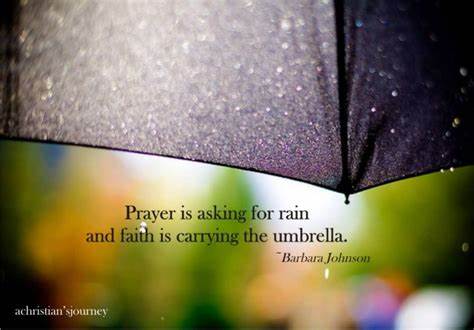
Often when I am praying, I’m asking for something– “Bless this food,” “bring healing to _______,” “help the victims of (insert recent natural disaster) to find shelter, food, water, etc.,”..
God is a provider. He is the owner of everything, yet He chooses to share good things with us. He provides for the birds of the air and the flowers of the field. He provides for insects and elephants. He provides water and sunlight for all the plants– whether in the rain forest or the desert. He provides air for us to breathe and provides plants to recycle what we breathe out. He provides for the orphan and the widow, the homeless and the dispossessed. And for those who seem to “have it all”– God is the ultimate source of their riches, too.
In the book of Job, we meet a man who seemed to “have it all.” He was wealthy, healthy, respected, and surrounded by family. And when it all disappeared in a flash, his response was very telling. He said, ” Naked I came from my mother’s womb, and naked I will leave this life. The Lord gives, and the Lord takes away. Blessed be the name of the Lord.” (Job 1:21 CSB). Job had learned that in good times or bad, God was his provider. And Job’s faith in God’s provision and His faithfulness gave him hope, even in the worst of his troubles.
The first time we hear of Jehovah (or Yahweh) Jireh is in the story of Abraham and Isaac and the sacrifice at Mount Moriah. God asks Abraham to take his son– the son of the promise; the son for whom he had waited so long– and give him as a sacrifice. Nowhere else in the Bible does God ask for a human sacrifice– in fact, God says He detests the practices of the nations and religions who sacrifice their children to Molech or other gods. Yet, when Abraham obeys, in spite of whatever fear or horror is conjured up by the command, God stops him and provides a ram as an alternate sacrifice. Abraham names Him Jehovah Jireh– the LORD who will provide–as a result of that experience. (See Genesis 22)
But Jehovah Jireh means more than just God providing what we need in the moment or what we ask for in prayer. It also means, “the LORD who perceives, or experiences.” God does not just stand removed from our situation and write a blank check for us to cash when or how we see fit. God is with us (Emmanuel) and sees our deepest and most profound needs. He also sees our daily and even seemingly silly needs. He knows, He cares, and He provides good gifts. God did not send Abraham and Isaac alone on their perilous mission. He was right there, ready to step in and provide what was needed. What an amazing turn-around for Abraham. He went from anguish to absolute joy in those precious moments, and learned to know God in a personal, experiential, and powerful way.
Sometimes, we lose sight of that. Sometimes, it seems as though God is far away and indifferent, or even cruel. When Job accepted the loss of his wealth, his health, his status, and all of his children, it was not easy for him to say, “Blessed be the name of the LORD.” God had taken away nearly everything– in fact, the only things Job had left were some unhelpful finger-pointing friends and a complaining wife! But God restored everything that Job had lost, and then some! God does take away. And it hurts. He doesn’t stop us from experiencing heartache and grief. But even then, He is Jehovah Jireh– the LORD who experiences; the LORD who perceives. He does not leave us without hope or comfort, if we seek His face. As the Psalmist says: “The nights of crying your eyes out give way to days of laughter.” (Psalm 30: 5b The Message)
The story of Abraham and Isaac; the story of Job and his losses– each points us to another truth about how God is our provider. He provided His own Son to be our sacrifice– to pay the debt for our Sin, and to give us Eternal Life (see John 3:16). God experienced all the anguish and loss of death so that we would only have to taste it once. Jesus lost everything to gain our redemption. And He rose victorious over death, so we can have hope and joy in this life and in the life to come!
Recently, I was worried about finances– not because we had no money, but we had unexpected bills. I asked the LORD to provide, knowing that He could, but expecting that we would have to raid our “rainy day” fund to get through the week. But God had an amazing surprise– an unexpected gift of $100! Just when we needed it. God could have provided ten dollars, or a thousand dollars. He could have allowed us to dip into the “rainy day” fund and provided some unexpected money the following week. But I believe God saw, not just our monetary need, but my need to be reminded of His loving care and faithfulness. God knew what we needed. He provided what we needed. And He shared in our experience of dependence on Him and joy in His creative answer.
I don’t know where I will be today or tomorrow. I don’t know what needs are on the horizon. And I don’t know how or what God will provide. He may not provide healing for a disease, but strength for the fight. He may not provide a cash gift for our material needs, but He may provide opportunities to trade with neighbors or earn extra money when we need it next. Whatever God chooses to do– whatever He gives or takes away– He is my provider of abundant life. “Blessed be the Name of the LORD!”
A priest, a Baptist minister and a rabbit go to a pub for lunch. The hostess meets them at the door with a message. “Today, we are helping a local blood bank. Your lunch is free if you donate a pint of blood.” All three agree to donate blood in exchange for a free lunch. The hostess asks each one in turn for his blood type. The priest says, “I believe my blood type is A negative. The minister says, “It’s been a long time, but I seem to remember that I am AB positive.” Finally, she turns to the rabbit. “I was supposed to be a Rabbi, so I must be a Type O!”
I love puns, and like many puns, the humor in this one comes from a grammatical or spelling error. Something in the story is almost, but not quite, as it should be. It is a good thing to be able to laugh at small mistakes. But what happens when things are terribly wrong? It’s not funny at all. It’s devastating, confusing, and frightening. We want answers. We want the situation “fixed.” We want to find out what went wrong, why it went wrong, and who is responsible.
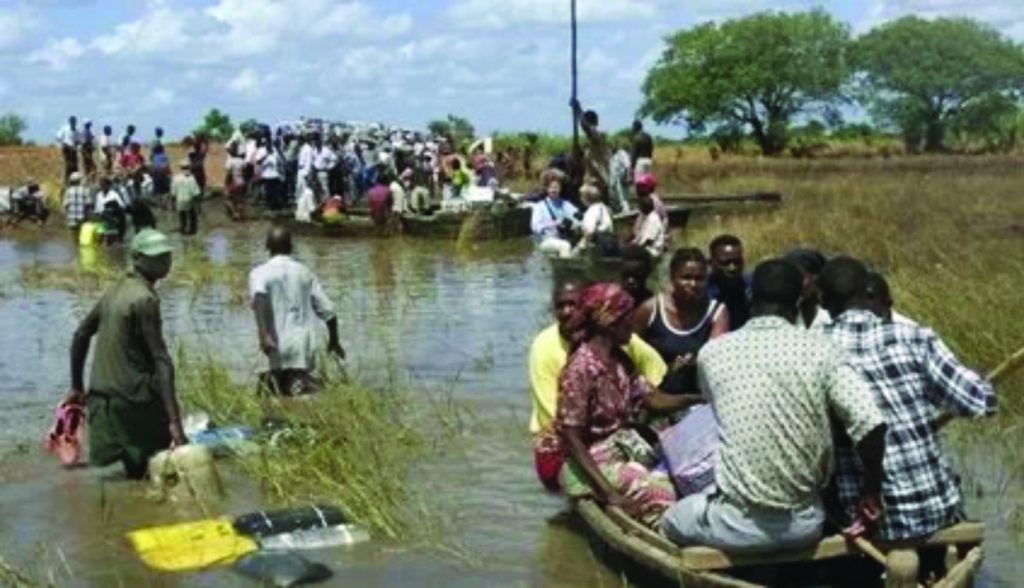
California is burning as I write this. Thousands of acres destroyed; hundreds of homes and businesses reduced to ashes; thousands of people left homeless. Where is God in these fires? When an innocent child is abducted, raped, mutilated and left for dead, where is God? Where is God amid the unrest in Mozambique, where typhoons and political unrest have caused so much havoc? Where was God when the hurricane and storm surge displaced tens of thousands of people in North Carolina, Tennessee, and Georgia less than six months ago? Where is God in the war-torn regions of the world, where innocent families are being terrorized by bombing raids and invading armies? Where was God when millions were dying of COVID just a few short years ago?
I’d love to say that I have an answer. One that is comfortable, unassailable, logical and easy to understand. But I don’t. The “glib” answer is that God is on His Throne, omnipotent and all-wise. And He is. He is not to “blame” for personal tragedies or for sweeping disasters. Sometimes, God intervenes in miraculous ways to “save” us from certain death, “accidents,” or even attacks. But often, He chooses not to do so. And I have no explanation, no all-encompassing, deeply soothing answer for those who are left suffering.
What I do know is this: God is a redeeming God. He is a God who can and often will turn tragedy into triumph. And even if, in such cases, the triumph is often bitter-sweet. This is a God who created mankind, knowing we would reject His goodness and go our own way. This is a God who took a single faithful man (Abraham) and made him the father of many nations– some of whom are still at war to this very day. This is a God who did not spare His Only Begotten Son, but allowed Him to go through a sham trial, be falsely convicted, and die a painful, publicly humiliating death. And then, Christ arose!
What does that mean for someone whose son or daughter is still dead after five (or 25) years of grieving? For someone who lives every day with the trauma of having been raped or abused as a child. It does not give immediate comfort. It does not take away the sting of injustice, pain, and questioning. But it is the promise of redemption– that just as Christ rose victorious, He will cause the pain and grief of the past to disappear in the Joy and Wonder of Eternity with Him. He WILL bring ultimate and complete justice, and it will be perfectly overwhelmed with mercy, grace, and freedom from the past.
It may seem slow and painful, but it WILL happen. Those who have suffered; they will laugh again. Those who are drowning in the senselessness of their own sorrow will experience healing and have answers to their questions. Those areas of the world where suffering is so great in the present– they will recover. Trees and gardens will grow again. Houses will be rebuilt. And yes, there will still be disasters and devastation in our lifetime, and in the years to come– UNTIL THAT DAY. That day when Christ returns to make all things new. Whatever hurts and griefs we carry now, they will be overtaken by joy and healing. No more fires, no more floods, no more war, no more disease, no more “mistakes.”
I don’t know why God allows us to suffer now. I’ve heard some philosophers try to explain, and they have many “good” reasons:
Suffering often leads to growth and necessary change. Suffering produces resilience and develops character. Suffering teaches us that there are consequences to our selfish and sinful actions. Suffering often brings people closer together and brings out the best in us as we offer help and hope and encouragement. Suffering teaches us to be compassionate toward others in their suffering and grief. Suffering contrasts with joy, helping us to appreciate what is truly good in our lives.
These are not bad answers. But they are not complete. They are not “enough.” And I think that’s part of God’s plan. God doesn’t want us to live life on autopilot. He doesn’t give us “easy” answers– just like He doesn’t give us a life without any purpose or challenge. He doesn’t want us to focus on having all the answers. He wants us to learn from each other, depend on one another, and ultimately to trust that He knows best. It’s not an easy lesson to learn. But if we stay in pursuit of Prayer, and closeness to God, it’s a lesson well worth struggling through.
And sometimes, we can learn to laugh at life’s “typos” and other little mistakes as we travel this life.
Our country has recently weathered (pun intended!) two major hurricanes which caused devastation and chaos. It seems like an unlikely connection, but I was thinking the other day about the movie, “Forrest Gump.” In it, a bitter, beaten, and angry character begins arguing with God– in the midst of a hurricane!
“Lieutenant Dan” was an able soldier, fighting in Vietnam and in charge of a small unit, which included the simple-minded Forrest Gump. When their unit was ambushed, Dan was badly injured and lost the use of his legs. Meanwhile, Forrest Gump received only a small flesh wound, and managed to save several of his fellow soldiers, receiving a medal for bravery. One of the soldiers rescued by Forrest, Dan resented his situation– disabled and ignored– while Forrest went on to become successful and celebrated.
Worse, in the years after the war, Forrest found Dan, homeless and dejected, and offered him a job and a home– on his shrimping boat. Forrest knew next to nothing about shrimping, and Dan, torn between bitterness and gratitude, gave Forrest a hard time. Dan’s life had gone nowhere, and Forrest seemed to dodge every bullet (literally), finding success in spite of his naivete and seemingly stupid choices.
It is a very relatable situation. We all know someone who seems to sail through life, while others seem to have nothing but bad luck and hardship. The class clown who ends up “making it big”– they spend money like it’s going out of style, and yet it keeps flooding in, seemingly without any effort. The neighbor who loses his job, and then his house catches on fire. And that person whose entire life seems to be lived under a cloud of misery and bitterness.
Gary Sinise as “Lieutenant Dan” in the movie Forrest Gump.
When the two men find themselves in the middle of a hurricane, Dan can take it no longer. He lashes out– not at Forrest this time, but at God. How could a loving God allow Dan to go through trial after trial– the loss of his legs and so many of the men under his command, the loss of his dignity and productivity, the loss of his independence, and now, another deadly situation beyond his control. He yells at God–“Come and get me!” He challenges God to just kill him; just finish him off–or leave him alone.
But God is silent– and soon, so is the hurricane. Forrest and Dan have survived. In fact, Forrest’s decision to be out of the harbor means their boat is the only one to survive–suddenly, they can’t catch the shrimp fast enough! Forrest becomes a millionaire and hires a fleet of fishing boats. But what about Dan?
Somewhere in the middle of the storm, Dan’s heart is pierced by a simple and life-changing thought. God has not been the one “ruining” Dan’s life– He is the one who has been preserving it! God brought him through war, disability, injustice, loneliness, frustration, and the raging sea. God was not a cosmic bully. God was not singling out Dan for punishment– after all, thousands of others had been wounded and killed in the war; millions of people knew what it was like to be hungry, homeless, and lonely; and hundreds had been devastated by the hurricane– even while they were safely evacuated or hunkered down on land. Forrest had not dodged every “bullet.” He had lost his best friend in battle; he had been rejected (time after time) by the woman he loved; he had been teased, bullied, and cheated dozens of times, and he had been tossed about by the same waves and winds Dan had survived. Dan ends up leaving Forrest, and setting off on his own, having found a peace that transcends his pain and bitterness. He swims off with a smile, leaving behind the opportunity to remain with Forrest and make millions.
Arguing with the Almighty is very tempting when we face difficult circumstances– and when we focus on our own lot, and not on the bigger picture. God is bigger than any of the troubles we face. And He is not unaware or unconcerned about whatever we are going through. Just as Lieutenant Dan challenged God, the biblical character of Job challenged God to vindicate him as he went through trials and pain. God finally answered, and Job realized that God was far bigger than anything Job had ever known or experienced. And in the end, God restored Job– giving him a new family, and even more material wealth than he had before!
Sometimes, God allows us to go through periods of pain and struggle– not because He is punishing us or because He is a tyrant, but because He is more interested in our ultimate salvation than He is in our immediate comfort. We moan and complain that God “doesn’t want us to be happy,” as if our momentary happiness is more important than our character development, than the happiness of those around us, or than God’s design for the world.
Near the end of the movie, Lieutenant Dan visits Forrest. He is transformed. No longer angry and bitter, he is quiet, self-assured, and standing! He has “new legs” made of titanium, and he has found joy, love, and success of his own.
Of course, many of us, regardless of our situations, have tried arguing with God at certain times of our lives. The loss of a loved one; the breakup of a marriage; a diagnosis of cancer; a miscarriage of justice and the loss of a reputation– it is natural to be angry, hurt, and confused. And God is more than big enough to “take it” when we ask “WHY?!!” But we will never “win” such arguments– not because God is a tyrant who won’t let us have what we want– but because God is GOD, and we are not. He alone knows how our story ends, and what trials– and blessings– await us. He alone knows what is “right” in the scope of eternity– not just for us, but for our loved ones, our neighbors, our nation, and our times. God can see that we get, not just “new legs,” but a new heart, and a new mind!
Hurricanes happen– so do hurts and hurdles. We can choose to see God’s hand–and believe that it is raised in anger, or reaching out to hold us. That choice is yours. That choice is mine. Every day.


















































 Pursuing Prayer