Why Say Grace?

When I was growing up, we always said grace before our meals. It wasn’t an afterthought; it wasn’t an affectation. It was just part of the meal. We sat down, said grace, and started eating. Sometimes, Dad did the honors; sometimes, it was Mom. And sometimes, my sister or I were asked to say it. It was usually something simple, though it wasn’t always the same. We would say grace at home, around our own table, and we would say grace at restaurants– wherever and whenever our family was together for a meal.

Today, my husband and I have the same tradition. We don’t have children in the house, but he and I take turns saying grace, and if one of the grandkids happens to visit, they know they may be asked to take a turn, as well. If David and I are eating out, we still take a quiet moment to hold hands, close our eyes, and say grace. Some times, other diners or wait staff will stare (or glare) or comment, but most of the time, they don’t even notice.

So why do we do it? Is it no more than force of habit? Are we just “holier” than other diners? Do we really think it impresses God if we say grace, or that God will be angry if we don’t say it?

No. But we believe saying grace is important. Here are some reasons why:

  • Grace is about gratitude. In our busy lives, it can be tempting to take things for granted– even things like food and family. We are BLESSED to have food to eat, and family with whom to share it. We are blessed when we go out to eat to have others cook and clean up for us. We are blessed whenever our family or neighbors can share a meal with us. God is a loving and gracious God, and grace is a time to remember our blessings.
  • Grace slows us down for just a minute to REMEMBER who we are, and who God is! All our blessings– including food and family and time to share them– come from God. Grace reminds us to be humble as well as thankful. It reminds us to see God’s hand at work in even the smallest and most mundane happenings in our lives. And it reminds us that God is faithful in all things, big and small.

  • Grace also helps us to remember to thank the people involved in our meals– the ability to buy groceries; the work it takes to prepare our food; friends and family who share our meals; neighbors who have given or traded with us for food; the cooks and wait staff that serve us at restaurants. Saying grace helps us SEE how we are interconnected; how we depend on God and on others in every area of our lives.
  • Grace gives us the opportunity to lift up our immediate worries and give them to God, instead of holding on to them. Grace is more than just a quick word about food. It is a time for us as a couple (or a family) to pray together about worries that are on our minds. Then, instead of being stressed as we eat, we can stay “in the moment” with each other, and enjoy mealtime together! It’s also a great way to share our thoughts, feelings, and concerns in a safe and informal environment. How much better mealtime is when stress and frustration are diminished, and joy and peace are given a seat at the table, instead!

Saying grace is much more than just a quaint habit from a bygone era. It is a vital part of our growth as individual Christians, and as a Christian couple. I believe it is a simple and quiet witness to others. I believe it has benefits for our digestion, our attitudes, and our emotions, as well.

Grace– not just the mealtime prayer, but the concept of Grace– is not loud or showy. It is, however, consistent, lovely, and powerful. May we say grace; may we show grace; may we live in the power of Grace today!

Thirst

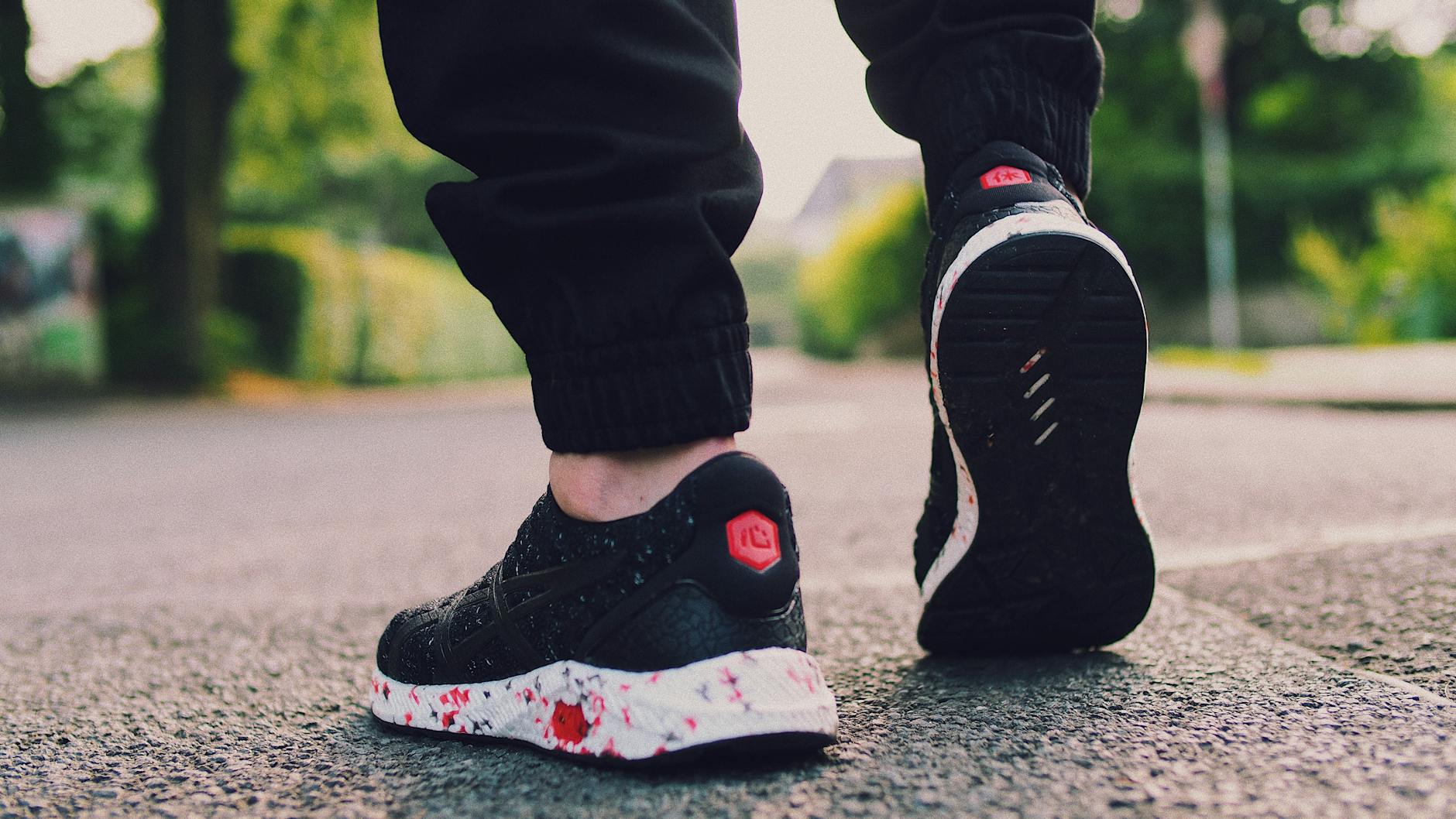
My church is offering several fitness challenges this month. I’m working on two of them, walking, and “water.” Walking seems self-explanatory–the challenge is to walk more, with more focus, etc.. We get daily updates with great tips on walking safely, facts on the benefits of walking (as opposed to running or strength-training), and additional challenges for focus, finding a walking partner, and more. My job is largely sedentary, so even though I try to walk around somewhat at work, I enjoy the challenge of finding ways to get more steps/more time spent walking each day.

The “water” challenge seems a bit harder to explain. In fact, when I signed up, I got a message saying something like, “Congratulations! You signed up for the one fitness challenge that doesn’t involve fitness!” But I am finding the water challenge to be both physically and spiritually enriching. The challenge is to drink “enough” water. Seems easy, right? But it turns out that I haven’t been drinking enough water each day. And the effects are subtle, but dangerous– everything from dry skin to constipation; damage to the kidney and liver (who knew?), sluggishness and fatigue, weight gain, “brain fog,” irritability, muscle cramps, and more, https://steptohealth.com/consequences-drinking-little-water/#google_vignette Of course, all of these symptoms can be caused by other factors, but drinking more water can help alleviate many of them without medications or more extreme treatments. It IS possible to drink too MUCH water during the day, but most of us have the opposite problem. Why are we depriving ourselves of something so crucial to our health?

In my case, one of the leading reasons I wasn’t drinking enough water is that I simply wasn’t thirsty. I work indoors in a temperature-controlled environment. I don’t do heavy manual labor. I don’t work up a sweat. And it simply didn’t occur to me to drink at regular intervals. I would drink water or sugary drinks with meals, or when I “felt” thirsty, and when I developed diabetes, I cut out the sugary drinks– without replacing them with the same amount of water!

I have been challenged this month to drink eight ounces of water each hour for eight hours of my day– a total of 64 ounces, or a half-gallon! I make sure at least some of the water contains electrolytes, which help keep me from deficiencies in key minerals like potassium and magnesium (see more info here: https://microsoftstart.msn.com/en-us/health/ask-professionals/in-expert-answers-on-Electrolytes/in-Electrolytes?questionid=9toqf9mo&type=condition&source=bing_expertqna_ac ) It may sound easy, but I have to remind myself to drink, even if I don’t feel thirsty; even if I’m “busy” with something else. At first, there were “uncomfortable” side effects– I had to use the restroom more often, for starters. And I didn’t feel the positive side effects right away. But over two weeks in, I’m seeing some real benefits. I still use the bathroom more frequently during the day, but less frequently at night! I wasn’t expecting that! And I’m developing a rhythm in my water intake that keeps me from feeling “empty” in the mid-afternoons, when I am tempted to snack, which has helped me lose a little weight–by drinking more! Combined with the walking challenge, I am finding myself with more energy and a brighter outlook, especially in the mornings.

So what does all this have to do with Pursuing Prayer?

Well, the Bible talks a lot about water– a LOT– and about thirst. Not just a thirst for water, but a spiritual “thirst.”

Blessed are those who hunger and thirst for righteousness, for they will be filled. (Matthew 5:6)

Behold, the days are coming, declares the Lord GOD, when I will send a famine on the land— not a famine of bread or a thirst for water, but a famine of hearing the words of the LORD. (Amos 8:11)

Just as we can fall into the bad habit of ignoring our body’s need for water, we can ignore our soul’s need for communion with God. We can neglect reading Scripture, or spending time in prayer and meditation, and it can lead to serious side effects.

I don’t always “feel” like praying. I don’t always have a natural “thirst” for reading the Bible (I fell asleep this morning reading in 1 Chronicles…) But when I DON’T take time to read or pray, I have even less “thirst” for it– even though my need is still as great or greater!

We can’t spend all our lives on our knees and ignoring our daily tasks. We can’t always carve out hours or days to spend in meditation and Bible study. There are seasons of life where we will remain “thirsty” for a while. But let’s be vigilant to create habits that help us stay both physically and spiritually healthy.

One of the ways we were challenged in the first week of the month was simply add one glass of water to our routine each day. Even if we weren’t drinking a lot of water, just one glass more would help. Let me offer a similar challenge to pray “one more prayer” each day. If you normally pray in the morning or evening, add a “prayer break” to your afternoon. Treat it just like a coffee break (or water break?!) Add a prayer of thanks as you pull in the drive after the work day or after a trip to the grocery store. Write out a prayer request and tape it to the bathroom mirror to remind you to lift up one extra prayer today.

Let’s get thirsty! After all, Jesus Himself is the “Living Water.” He will satisfy!

Blog at WordPress.com.

Up ↑