When Sorrows Like Sea-Billows Roll..


November 10th marks the 50th anniversary of the wreck of the Edmund Fitzgerald, an iron freighter that sank in Lake Superior. The gale-force winds tossed the ship (carrying over 26,000 tons of iron) in waves of over 35 feet. All 29 sailors aboard the ship were lost. The event has been memorialized in song and stories, and in at least one museum display at Whitefish Point Michigan, near where the wreck occurred. The bell tolled 29 times, once for every life lost in the storm. Fifty years later, families are still haunted by the tragedy– a continuing reminder of the fragility of life, and the power and destructive force of winds and waves.

Some days, the hits just keep coming– an unexpected expense, a misunderstanding at work, a fender-bender during the commute, a plumbing nightmare, a migraine, the phone call with bad news.  Each new pain rolls over us, throwing us off balance, and trying to drag us under like a storm-tossed ship.

pexels-photo-355288.jpeg

“Even so, it is well with my soul.”  The story of this favorite hymn has been told many times, but it bears repeating. ( It Is Will With My Soul. wikipedia.org )  The author of these words had lost everything– his only son had died; shortly afterward, he lost almost all his money and property in the Great Chicago Fire of 1871.  A friend, knowing of his troubles invited him to bring his family to England for an evangelistic campaign.  Mr. Spafford (the above-mentioned author of the hymn) had to stay behind and sent his wife and four daughters ahead.  Their ship, the Ville du Havre, was struck by another vessel and sank.  All four of the daughters were drowned, and only his wife survived to send him news of the tragedy.  As he made the heartbreaking voyage to rejoin his wife, he passed the place where his daughters had most likely gone down.  At that moment, Mr. Spafford felt a welling of peace and hope beyond human understanding, which led him to pen the words that have given comfort to so many in the years since:

When peace, like a river, attendeth my way,
When sorrows like sea billows roll;
Whatever my lot, thou hast taught me to say,
It is well, it is well with my soul.

Nothing can prepare us for the sorrows that sweep over us at unexpected moments.  Nothing can stop them, and though we know they will come, no one knows how high they will rise, or when they will crest and break around us.  No one except the one who set the boundaries of the sea, the one who has walked on its waters, and the one who can calm the storm.

pexels-photo-127160.jpeg

God doesn’t remove the sorrows or tragedies from our life or prevent them from washing around and over us.  But for those who trust in him, there is a promise that we will not be consumed. We may be in a storm-tossed boat in the middle of a raging sea, but at our faintest cry, Jesus will walk on choppy waves to be by our side and bring comfort.  He will teach us to be in awe of him as he commands the winds and waves to obey him.  He will teach us to trust him in the good times and the bad.  He will teach us to say, “It is well with my soul!”

35 Who can separate us from the love of Christ?
Can affliction or anguish or persecution
or famine or nakedness or danger or sword?
36 As it is written:
Because of You
we are being put to death all day long;
we are counted as sheep to be slaughtered.[a]
37 No, in all these things we are more than victorious
through Him who loved us.
38 For I am persuaded that not even death or life,
angels or rulers,
things present or things to come, hostile powers,
39 height or depth, or any other created thing
will have the power to separate us
from the love of God that is in Christ Jesus our Lord!
Romans 8:35-39 (HCSB)

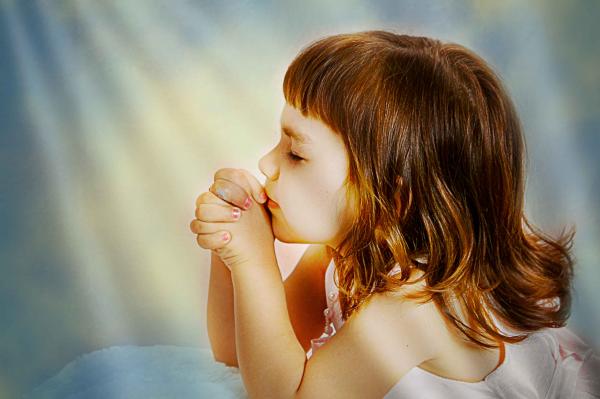
Solitary Prayer?

So often when I pray, I do so in isolation, and I think of it as a solitary activity.  I am communicating with God– often silently–it is a private conversation.  Or is it?

At any given moment on any given day, millions of prayers are ascending to Heaven.  Consider the arithmetic of prayer– millions of prayers, millions of pray-ers, and God is part of each one–twice the number of participants.  But God is triune– so now there are four participants in every “personal” prayer, and four participants for every one in a group prayer!  It’s mind-blowing to think of all the spiritual investment that is happening through prayer at this very instant around the world.  And in heaven?  Our prayers ascend; God likens our prayers to incense– a pleasing aroma.  If I light a scented candle, or burn incense, the aroma is not personal– it permeates the air, penetrates my clothing, clings to my hair, lingers and touches on all who are nearby.  This doesn’t diminish the intimacy of prayer, but transcends it, and transforms it.  God is relational– from the intimacy of private prayer to the glory of his kingdom– he wants us to belong, to share, and to love.  Love doesn’t happen in a vacuum.  It is not a solitary activity, nor one in which anyone is “just a number.”

I think we are often deceived and intimidated by numbers and statistics.  We sometimes feel very small and powerless and alone.  We measure our prayers by their duration or the number of our words, or how small our perceived influence.  We pray alone or in a tiny group, or seem to get swallowed in a crowd, and we think our prayers travel a linear path to God’s ears and they are ended.  May our eyes be opened to the reality that we are never alone, never helpless, and never unimportant to God–that our prayers, like incense, linger, radiate, and echo as they ascend.

fog-dawn-landscape-morgenstimmung-163323.jpeg

God uses the small and humble things in life to confound those who think they are wise and powerful and important.  He is the God who changes our suffering into sufficiency, and our abiding into abundance.  He multiplies our faith, and increases our joy; he divides our sorrows and cancels out our sin.  He hears our every sigh.  He dries our every tear.  He knows our every thought.  He inhabits the praises of his people– let that sink in as we pray today.


The Road to Hell…

I started down the boulevard,
Freshly paved, smooth and gleaming,
Its lanes clearly marked and a gentle rise
Toward a glorious horizon.

New construction sites caught my eye;
Here was progress– here was the future!
I drove on, excited in my new course,
Dreaming of destiny and fulfillment.

view of city street
Photo by IKRAM shaari on Pexels.com

Gradually, the scenery changed.
Construction gave way to abandoned projects:
Half-finished high-rises, silent storefronts,
Driveways leading nowhere, weedy parking lots.

Now the road, so smooth at the beginning,
Twisted and turned without purpose.
Gravel and broken pavement lined with
Abandoned cars and broken glass.

white and black house painting
Photo by Pixabay on Pexels.com

Frightening thoughts intruded–
I had seen no open stores, no gas stations,
No houses, or other cars for miles.  I was alone.
There were no crossroads; no places to turn around.

The road that had begun with so much promise
Was now a rutted path going nowhere.

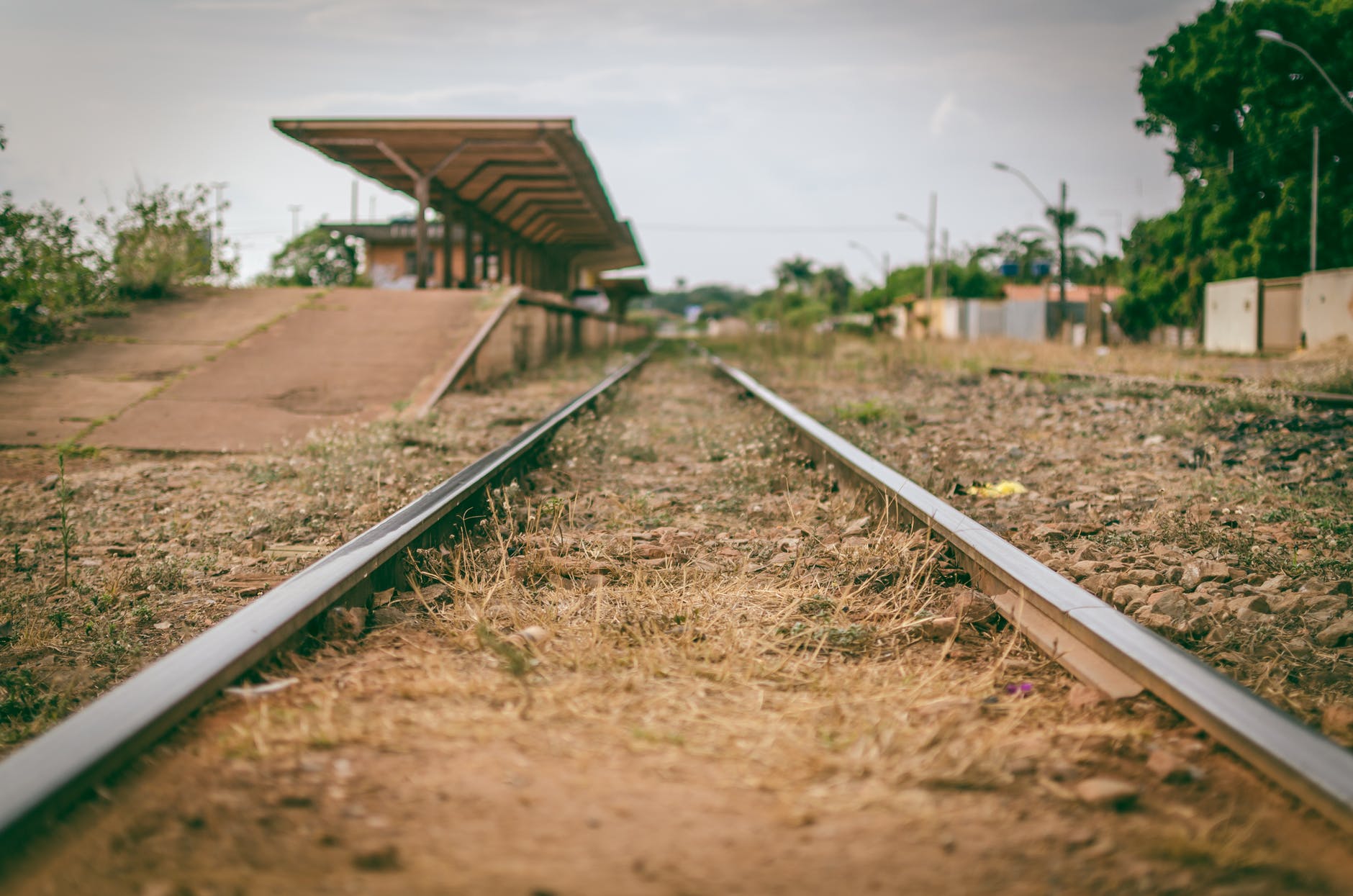
photography of railway
Photo by MESSALA CIULLA on Pexels.com

I woke up in a cold sweat– it had been a dream.
More– it had been a warning.

I had “good intentions” for my journey.
But the easy road, the appearance of future success
Had lured me away from the path marked with suffering
And paved with ancient truths.

I had packed no maps, ignored the GPS, and trusted to “instinct”
To lead me, not to a fixed destination, but to “discovery.”

I drifted back to sleep, and dreamed that I was back at the beginning.
Roads branched out all around me.
The gleaming new boulevard no longer held any appeal.
But now I studied the other roads.

aerial photo of buildings and roads
Photo by Aleksejs Bergmanis on Pexels.com

There were so many; roads leading to “enlightenment”;
Roads offering “fame” and “immortality”;
Narrow paths promising “mysticism”;
Superhighways advertising “happiness.”

Off to the right, there was a tiny filling station–
The old fashioned kind, with a service man.
He offered to fill my tank, but then he said,
“They all end up in the same place, you know.”

abandoned business classic dirty
Photo by Pixabay on Pexels.com

I looked up into his eyes–eyes that held in them
The wisdom of the ages and boundless love.
“Enter in at the narrow gate…”
“I am the way, the truth, and the life…”
“This is the way, walk ye in it…”

He turned and walked through the back door
And I followed him down a sunlit path,
Up a small rise, and into glory.

landscape photo of pathway between green leaf trees
Photo by Skitterphoto on Pexels.com

Declaration of Dependence

Today, America marks the 249th anniversary of the signing of the Declaration of Independence. In it, colonial leaders listed several reasons why they no longer held allegiance to the British Crown. Many of their reasons involved abuses by the King or by Parliament in relating to their colonial citizens. Taxation without representation; passing unjust laws; requiring people to quarter (feed and house) soldiers who often harmed and cheated them; refusing to hold the soldiers accountable for their offenses– even murder; refusing to allow the colonials to trade with other nations, etc. But there was something more.

We hold these truths to be self-evident, that all men are created equal, that they are endowed by their Creator with certain unalienable Rights, that among these are Life, Liberty and the pursuit of Happiness.–That to secure these rights, Governments are instituted among Men, deriving their just powers from the consent of the governed, –That whenever any Form of Government becomes destructive of these ends, it is the Right of the People to alter or to abolish it, and to institute new Government, laying its foundation on such principles and organizing its powers in such form, as to them shall seem most likely to effect their Safety and Happiness.

In drafting and ratifying these words, the founders of the United States did something unique. They did not just establish an independent government; they established a model for both independence and dependence IN government. Government is not independent of certain inalienable rights, nor of the Creator of those rights. Governments are not the highest authority in the land. Governments are instituted and derive their power, not by their own actions and decisions, but from the consent of the governed. Governments DEPEND on their ability and willingness to serve the people.

Of course, there are wicked and improper governments, and Britain’s rule in 1776 was not the worst example of tyranny or despotism the world had ever seen. The United States has not always lived up to the ideals and principles of the Declaration of Independence. Less than a century after the Declaration was adopted, the United States was engulfed in a war that tested its ideals. The nation was divided by the issue of slavery. Nearly half of the states still practiced slavery, meaning that hundreds of thousands of people were being treated far worse than the “rebellious” colonists of previous generations. Our nation as a whole was not delivering on its promised declaration that “all men are created equal” or that they were endowed by their creator with rights to “life, liberty and the pursuit of happiness”.

But when our nation has remembered its Dependence– our need for God and our need to care for the safety and opportunity for those under our jurisdiction–remarkable things have happened. The union was “saved.” Voting rights were not just extended but enshrined in our Constitution. Americans joined the fight in Europe and around the world on more than one occasion to secure rights for people who were being oppressed, tortured, and even exterminated. The “Promise of America” draws people from diverse nations and cultures and stands as a model for the rest of the world.

Sadly, today, many here in the United States want Independence from America. Our culture has devalued life, exchanged liberty for conformity, and traded the pursuit of happiness for indulgence and selfishness. We want to be independent of responsibility– to our families, to our neighbors, to our nation, and to God. We do not want a government that protects those rights that are endowed; instead, we want a government to give us assumed “rights” that are really permissions to defy God’s laws. We want to be free to redefine morality, escape the consequences of our own poor choices, and feel virtuous without pursuing virtue.

What will happen to our country if this trend continues? On the eve of celebrating our 250th year, we may be on the brink of falling apart. Issues like abortion, immigration, health care mandates, and transgenderism threaten to divide our country, just as slavery did over 150 years ago. Americans are divided on political, economic, religious, and cultural issues. We can’t seem to agree on what we mean by “rights, ” “freedom,” or “pursuit of happiness.” We can’t even seem to define what a “woman” is or decide how many genders to fight for. Everyone wants to speak out, but no one seems willing to listen– except to find another point of disagreement. We are no longer “united” states– we are warring factions in a series of culture wars.

But what happens when American Christians declare our Dependence on God and on His Word? Many around us have declared their independence from God’s laws–even to the point of denying His existence. Many people live in a self-imposed despotism; they are enthralled by a false “freedom” from morality, reverence, and even common sense. But Christians– wherever they live– are called to submit to the authority of Christ above all. We depend on Him– not on our customs, not on our history, not even on the words of the Declaration of Independence. And we are to lean on God, not on our own understanding or our superior morality or our ability to shout louder than the next person! Our Freedom comes through Christ alone!

True “freedom” comes from dependence, not independence. When we depend on Christ’s finished work on the Cross, we are free from the weight of Sin and the power of Death. When we depend on God’s wisdom, we find understanding. When we depend on God’s guidance and discipline, we gain freedom from guilt and shame. When we depend on God’s power to channel our emotions and energy, we find purpose and joy.

Today, I declare my utter dependence on God– on the Salvation He provided through Jesus Christ, and on the power of His Holy Spirit to lead me through this life. I am glad to be an American, but my ultimate citizenship is in Heaven. The “promise of America” is a good thing: the promise of Heaven is glorious and life-changing!

Ask, Seek, Knock

God knows our innermost thoughts, wishes, and needs.  So why do we pray?  We’re not telling God something he doesn’t already know.  He asks us to seek him, though he is omnipresent.  He tells us to knock, and the door will be opened, yet he also says he stands and the door and knocks.  Is this another Bible mystery?  An oxymoronic enigma?

I don’t think so– I think it is a case of God laying out some ground rules of relationships– his with us, us with him, and even us with each other.  God is spirit, but he ask us to build dwelling places where he can meet with us– temples, tabernacles, churches.  He wants to abide, to live in relationship and companionship.  Ultimately, he offers to dwell in each of us.  But he has created each of us as a unique being. And just like a unique building, we have walls and windows and doors.  When we reach our eternal dwelling place, this will still be so.  We will be changed, purified, sanctified, and glorified, but our souls will not be subsumed or merged into a single temple or a single “soul.”   Heaven is not like Nirvana.  God is eternally God and we are eternally his creation.  Living in communion is not the same as merging or evolving into something not ourselves.  We remain uniquely individual, and as such, we need to learn to take initiative to open our doors and windows– to interact, to serve, and to honor each other.

pexels-photo-813870.jpeg

Have you ever been blindsided by someone who expected you to read their mind?  You know they are hurt and angry, but you find out later (sometimes much later!) that they wanted you to comment on their new hairstyle, or they expected you to ask them out for coffee.  Maybe you know the pain of being on the other end– wishing someone would notice your weight loss or ask about your day.  God wants us to learn to reach out, to ask, seek, and knock, instead of isolating ourselves behind locked doors.  We are to be active, not passive, about noticing others, sharing with and including others, and serving others.  But we are to do it in love and humility– with grace and mercy and love, not with bullhorns, fists, or combat boots.

God is the Almighty one– yet he stands at the door and knocks.  He could barge through our stubbornness and rebellion, and drag us kicking and screaming to the altar.  He could tear down the walls of isolation and storm crush our pretentious justifications and excuses.  But he stands, waiting for us to open the door, and seek his face.  The one who spoke the universe into being waits for us to begin the conversation!

Holy!

Not so much a name of God as a description of His Character, the word Holy means “sacred, separate or set apart, morally blameless; complete; whole; lacking nothing; worthy of worship.” God is Holy. There is no force, no person, no entity who can rival God or be a peer of God. Satan is not God’s equal. Sin, death, evil, none of these can successfully oppose God, or cause Him to stumble or challenge Him. God is Supreme– Alone in His Power and Glory and Sovereignty.

I pray to a Holy God. I pray with the guidance of His Holy Spirit. I follow Christ, who demonstrated Holiness in human form during His time on earth. Sinless perfection, He walked among sinful men and women, healing, teaching, and showing perfect Love and Mercy.

We live in a world that constantly questions this aspect of God. How can a Holy God allow people to suffer injustice, doubts and struggles, and even death? Surely, this is a mistake! God must have failed at some point, or we would live in a perfect world.

God doesn’t make mistakes! And sometimes, that is a concept that can be difficult to fully comprehend. Yes, we know God is “good.” And we know He is powerful. But He is so much more than that. He is without guilt, without doubt, without confusion, without failure. When I see and experience injustice or disease, disappointment, misunderstanding, exhaustion, grief–these are not from God. They come from a fallen world in rebellion against our perfect maker.

Except we once did! Adam and Eve lived in the Garden of Eden, and God provided for their every need. They didn’t need clothing– it never got cold, and the insects, animals, and plants posed no threats. They didn’t need the Law, because they walked with God and knew only good. They didn’t need jobs or houses, money or banks, governments, medicine, dictionaries, alarm clocks or Wikipedia. God didn’t sin– they did. And God didn’t get caught by surprise by the Fall– He already had planned for mankind’s redemption. God didn’t fail. He was, is, and will always be Holy.

This also means He is always “wholly” sufficient for our every need. Even the needs to be understood and to be rescued from our own failures. God, who is Holy, sent His Holy Son to live IN our fallen world– to taste OUR failure, and to set things right. Whatever we suffer now is not God’s “fault,” and it has already been made right in His perfect plan. He understands our temporary pain and suffering differently than we do, because He sees the finished product– our renewal, redemption, and “perfection” in Him!

So I am very thankful today for the Holiness of God. It is something I cannot fully understand until I experience it first-hand, but I can trust in it, put my hope in it, and LIVE in the promise of it, even when I stumble, fail, and struggle.

For more on the Holiness of God, see https://www.whatchristianswanttoknow.com/what-is-the-biblical-definition-of-holy/#:~:text=If%20you%20think%20God%20is%20concerned https://www.biblestudytools.com/bible-study/topical-studies/what-does-it-mean-to-be-holy.html

All Creation Sings His Praise

Tigers and turtles; flamingos and fleas; whales and warthogs; skinks and skunks; rocks and rosebuds; Eskimos and Ecuadorians–God’s world is filled with variety.  Chirping birds and thundering herds; roaring seas and buzzing bees.  Colors, sounds, smells, and sensations– we are surrounded by glimpses of glory, echoes of eternity, and hints of Heaven.

daylight forest glossy lake
cascade creek environment fern

Often, we take for granted the beauty of God’s creation– we don’t stop seeing it, we just stop marveling at it.  Instead of drinking it in, we drown it out.  We criticize, analyze, and theorize…why did God make rats?  how does He exist outside of time?  when will He change the seasons this year (will we have spring?  how long will winter last)?  what is the purpose of dust?  why are some animals (or rocks or plants) colorful, or noisy, or deadly, or smelly, or slow?   And we miss the forest for the trees– we get caught up in the amazing details and infinite variety in creation, and miss the majesty of the creator– His sense of the ridiculous in things like tumbleweeds and walking sticks, dust devils and platypuses, or His artistry in butterfly wings, dew on spiderwebs, and cascading waterfalls– in geodes and dimples and mewling kittens.  We miss the elegant design in a bees knees, or galaxies, or a banyan tree.

God creates– it is an element of His character.  And we are made in His image– we long to create.  From drafting sentences to making a pie to shaping a piece of wood into something sturdy and useful– we long to produce, to concoct, to cause growth, to heal, to nurture, and to effect change.  We are also created with a deep appreciation of creation– the wisdom and the work it takes to set planets spinning, and ecosystems cooperating, and to unfold a new sunrise every morning.

sunset sunrise nature field

If you haven’t already, take a few minutes asking God to open your eyes and ears to the song and dance of creation today–from dandelions to darting dragonflies to the amazing variety of people dodging traffic or making conversation around you.  Join in!

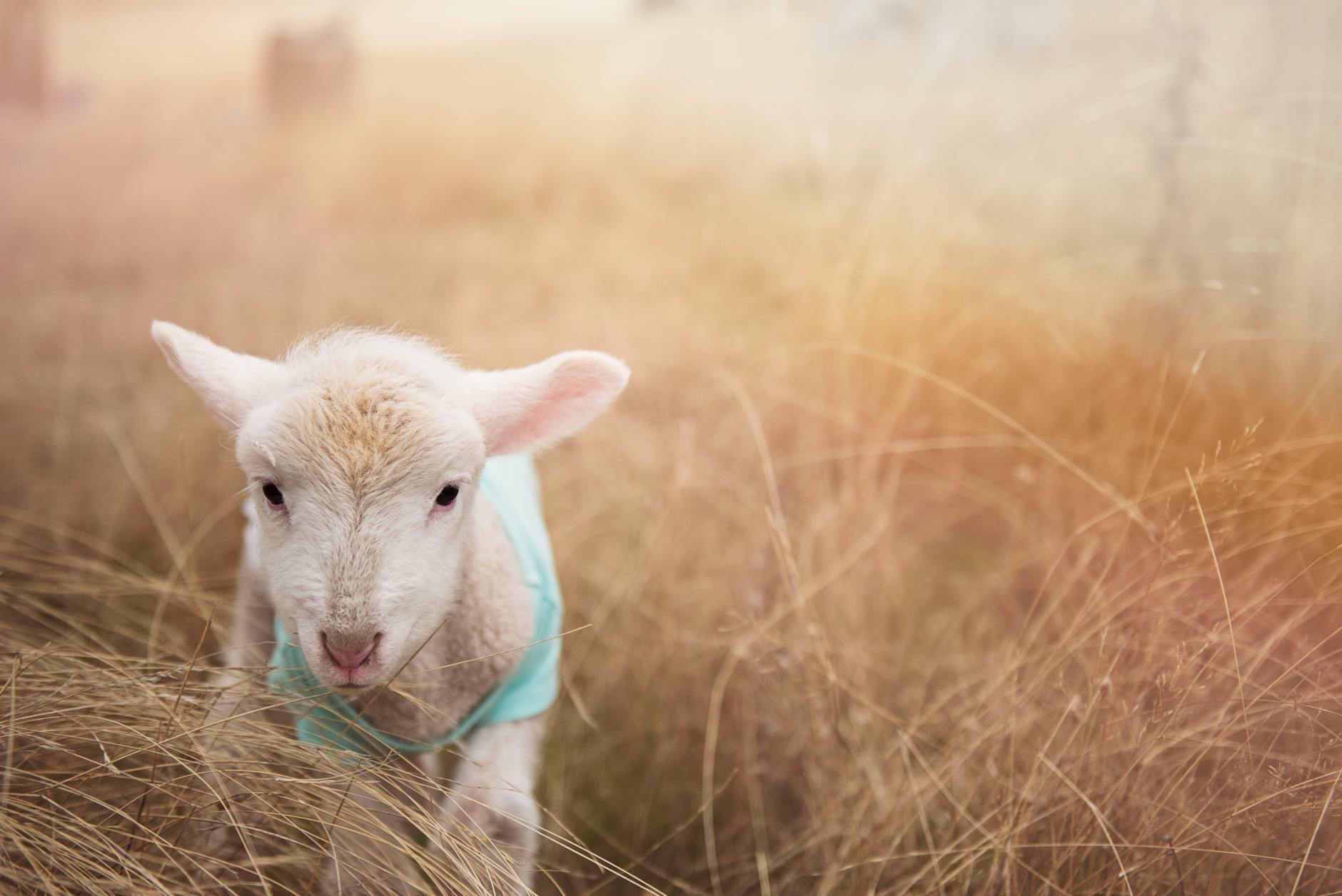
Lamb of God

Abraham put the wood on Isaac’s shoulder, but he carried the hot coals and the knife. As the two of them walked along, Isaac said, “Father, we have the coals and the wood, but where is the lamb for the sacrifice?”
“My son,” Abraham answered, “God will provide the lamb.”
(Genesis 22:6-8 Contemporary English Version)

The next day John saw Jesus coming toward him and said, “Look, the Lamb of God, who takes away the sin of the world!  (John 1:29 NIV)

After this I looked, and there before me was a great multitude that no one could count, from every nation, tribe, people and language, standing before the throne and before the Lamb. They were wearing white robes and were holding palm branches in their hands. 10 And they cried out in a loud voice:
“Salvation belongs to our God,
who sits on the throne,
and to the Lamb.”
(Revelation 7:9-10 NIV)

In my last post, I spoke of Jesus being “The Good Shepherd.” But He is also the Lamb– the Lamb of God, who takes away the sin of the world! This image may seem to contrast with the previous Names of God– names full of authority, power, might, wisdom, and strength. A lamb is powerless and has no authority. So, what can this name possibly tell us about God?

From the beginning, God used a lamb to represent innocence and sacrifice. Cain and Abel brought sacrifices to God– Cain brought crops he had grown; Abel brought a lamb. God was pleased with Abel’s sacrifice, more than Cain’s. The Bible doesn’t spell out exactly why, but I think the context of the rest of the Bible gives us a clue. When God gave His laws and regulations to the nation of Israel, He specified that the sacrifice for sin, for guilt, for peace, and for worship were to be animals–pure and innocent– their blood the factor that would bring atonement and peace. The innocent lambs would be killed, their blood poured out on the ground, their meat sacrificed on the altar, and the rest of their bodies (skin, bones, offal, etc.,) taken outside of the camp and destroyed. Vegetables, bread, herbs, wine– these could all be offered as free-will offerings, but they were not to be used for sacrifice. And the lambs (or other animals) had to be spotless and free of disease or disfigurement– perfect.

Sin is death– it doesn’t just bring disruption– it is fatal. Because God is HOLY, He cannot dismiss Sin with a shrug and say, “humans will be humans…”, or “it’s ok this once…” or “at least you learned your lesson.” But because the world is infected with Sin, even lambs and goats are not good enough to fully remove the stain and sentence of Sin. Only Holiness could do that.

Jesus is the Lamb of God. Just as Abel offered a lamb for a sacrifice; just as Abraham was ready and willing to offer his beloved son of the promise, God offered His only begotten Son as the only possible perfect sacrifice for Sin. Jesus came as a helpless, powerless babe. He lived a humble and obedient life of service and sacrifice. And He became the ultimate Sacrifice on the Cross.

Jesus is also the victorious Lamb of Revelation, worthy of all praise and adoration! God’s Might and Power are equaled only by His Grace and Lovingkindness. He is both Shepherd and warrior– fiercely protective of His people– and the sacrificial Servant Lamb who humbly serves both God and mankind. He is NOT a lamb without power or authority. But He willingly lays aside all the trappings of authority in order to teach us how to obey and follow Him.

He is God ALMIGHTY, and Ruler of All– but He is also gentle and humble. I do not pray to a God who is far off, aloof, distant, or unfeeling. I pray to the Lamb of God who was wounded for me, who willingly offered to become the sacrifice for my sins, and who died the death I deserved. And I pray to the Lamb who rose victorious, making what should have been the darkest day of history Good Friday!

Alpha and Omega

What does it mean when I pray to “the Alpha and the Omega?”

“I am the Alpha and the Omega,” says the Lord God, “who is, and who was, and who is to come, the Almighty.” Revelation 1:8 (NIV)

God exists. He is not bound by space or time. He was, and is, and will always be. And He is LORD of all that is, or was, or is to come. He is the source of all things, and they do not exist before or after or beyond Him.

As that relates to prayer– there is NOTHING that can take God by surprise; nothing that can exhaust His energy or His resources; nothing He has begun that won’t be completed; nothing lost that cannot be recovered or renewed. I can pray to Him about the most hopeless situation, knowing that God has already seen it from beginning to end.

He is Alpha– “The Beginning”–Except that God has no beginning or end. We do, and we understand time as a linear function. Everything else that we experience has a beginning, a middle, and an end in time. Dawn signals the beginning of the day; sunset marks the end of the day. Weeks, months, and years all have a beginning and an end. Our life cycle has a beginning and an end– we are conceived and born; we live; and we die. But we have a God-given curiosity to know “beyond” our own beginning. We study to see what came before us– history, genealogy, archaeology, paleontology– we want to know where we came from. And this is distinctly human. Cats don’t wonder about their lineage; dolphins don’t scour the seabed looking for bones and shells that may tell them about their ancestors. Humans, created in the image of God, want to understand and experience eternity past. And that is what God is– He was before the beginning. He is the source of our beginning. The Apostle John sums it up:

In the beginning was the Word, and the Word was with God, and the Word was God. He was in the beginning with God. All things were created through Him, and without Him nothing was created that was created. In Him was life, and the life was the light of mankind. The light shines in darkness, but the darkness has not overcome it. John 1:1-5 (Modern English Version)

He is Omega–“The Ending”–God has no end. But we do (at least our earthly life does). We do not want to think of death as the “end.” Scientists are constantly trying to explain what happens “after” death. And in spite of those who claim that there is “nothing,” most people have a hope (or dread) of what comes next. Even those who do not “know” God have a sense of immortality and eternity. We obsess about our “impact” our “legacy” on earth. How will we be remembered by those who come after? How long will our name still be part of someone’s memory or history? What is our ultimate destiny? Our ultimate “end” is to be with God. It is our purpose. It is how our earthly lives will be judged to have had real meaning. Was God our beginning and our end? Was He our first and last priority? Our best and highest thought? Heaven awaits us. There will be an “end” to life as we know it. But for those who trust in Jesus, there will be no endless darkness or soulless existence:

No longer will there be any curse. The throne of God and of the Lamb will be in the city, and his servants will serve him. They will see his face, and his name will be on their foreheads. There will be no more night. They will not need the light of a lamp or the light of the sun, for the Lord God will give them light. And they will reign for ever and ever. Revelation 22:3-5 (NIV)

When I pray to God, I’m not praying to the God of the Old Testament, the God of Ages Past, or the God of my parents– well, I AM– but more than that, I am praying to the God who always was, who surrounds me every second of NOW, and who will always be exactly as He always has been– Almighty, All-Knowing, Holy, Abundant, Gracious, Loving, Trustworthy, and All-Sufficient.

“…Lose All Their Guilty Stains!”

“There is a fountain filled with blood
Drawn from Immanuel’s veins;
And sinners plunged beneath that flood
Lose all their guilty stains.”
William Cowper

I love old hymns. So often, they express Biblical truths in simple purity, or in soaring poetry, that captures both the imagination and the memory.

Recently, I was listening to a radio broadcast of a sermon about mercy. It was a wonderful sermon, and the pastor talked about the richness and wideness of God’s mercy and lovingkindness in various situations– when we face injustice, pain, loss and grieving, guilt, and even when we are unaware of it throughout our life (Psalm 139:16-17) From the womb to the tomb, we live in the Mercy of God– God extends His Mercy and Grace for as long as we are alive to call out for it, accept it, and receive it. More than that, His Mercy and Lovingkindness endures forever (Psalm 136).

Later that day, I was doing housework– I had dirty dishes to wash and laundry to do. And there were stains! I have plastic dishes that I used to heat up leftovers in the microwave, and some of those leftovers had tomato-based sauce or cinnamon or turmeric. The dishes have a film of red or brown or yellow that didn’t come out, even when I washed and soaked them. A few of the stains will eventually fade away, but some of them will never come out. I also have clothes that are stained. David and I still wear them around the house, but there are paint stains, ink stains, oily stains, and mustard stains that didn’t come out the first time I washed (or the second or third time!)

As humans, we all have stains of one type or another. We try to hide them; we try to scrub them; we try to cover them up. Some of our stains are external and visible– scars or blemishes, imperfections and disabilities, worn or tattered “second-hand” clothes, missing teeth, poor posture, obesity, being “too” short or tall–things that people notice right away. Other stains are deep inside– guilt, shame, fear, anger, hatred, bigotry, envy, arrogance, hopelessness, depression, broken-heartedness, loneliness– we try to hide them by isolating, covering up, pretending that all is well, or denying the extent of our brokenness.

I was touched by the sermon about how God’s Mercy reaches us in all of these circumstances. The Bible is full of examples of God’s Mercy and its transforming power. But the words of this old hymn came to my mind, and a deeper realization swelled as I sang them quietly in my own heart: “And sinners plunged beneath that flood LOSE ALL THEIR GUILTY STAINS!”

I spend time washing and scrubbing at stains– silly mistakes, accidents, upsets– and even if I am successful, I can often point out where the stains were or find the last vestiges of them on an old shirt or a white plastic bowl. But I don’t “LOSE” stains. I don’t have the power to make stains totally disappear– especially stubborn ones like ink and oil. But the stains I worry about most– guilt, pain from my past, worry about how others might judge me– these stains are all in my doubting mind. In God’s Mercy, THEY DON’T EXIST! That doesn’t mean that others WON’T still judge me, or that I won’t still remember old hurts. But God WON’T! Their power is broken. God has removed them as far as the east is from the west (Psalm 103:12-14)

Sin leaves stains in our lives– even if the sin wasn’t ours to begin with. That person who bullied me in third grade– that left a stain. The way I reacted– that probably left a stain, too. When I nearly died as an infant– that wasn’t my sin, or even my parent’ sin. But it left a stain because I was born into a world where we have disease, defects, and disasters. I have Diabetes. Part of that “stain” can be blamed on things I ate, and lifestyle choices I made. Part of that is genetic. There are people who live with abuse, injustice, chronic pain, and lasting heartaches. And God’s Mercy didn’t stop any of that from staining their lives.

But the “fountain…drawn from Immanuel’s veins” is powerful enough, and God’s Mercy is amazing enough to make those stains disappear. In this life, I still have to deal with diabetes, fatigue, misunderstandings, and my own sinful lapses. People still struggle with cancer, poverty, war, and doubt. But the stains won’t follow Christians into eternity. There won’t be any vestiges of uncleanness; there won’t be any memory of the hurts and losses we suffered during this lifetime. Christ’s blood is powerful enough, and His Mercy vast enough to make the effects of sin DISAPPEAR!

Blog at WordPress.com.

Up ↑