

Recently, a group of churches in our area have begun praying strategically for our communities. And many of the participants have asked for structure and guidance. What should I pray? How do I pray for specific needs if I don’t know all of the people involved? I know my own town, but what about the towns five or ten miles away?
There are many on-line or printed guidelines available, but let me just list a few that I have used over the years, as well as some tips I’ve picked up recently.
First, ask God for guidance! There is no “wrong” way to pray for others, but God can help direct your thoughts, your memory, and your heart in ways no person or list can.

Second, try to start with broad categories, and then narrow your focus. You can pray for:
- The spiritual well-being of the community– churches, missions, groups of unsaved neighbors, protection from Satan’s attacks, etc.
- The physical well-being of individuals (even if their names are not known to you). Think of cancer patients, newborns, those with heart issues, those with chronic diseases, the elderly, those recovering from surgery, those whose work involves danger or high stress, etc.
- Mental and emotional well-being– those who suffer from mental illnesses, depression, suicidal thoughts, bi-polar, those who grieve a recent loss, the lonely, and those who are confused or tormented by their thoughts and feelings.
- Pray for families! Families are under attack. Pray for those who are recently married, those who are facing divorce, those who are tempted to break their vows, children who are unruly or rebellious, parents who have been abusive or have placed their children in danger. Pray for families who struggle to stay together, and for those who are struggling to be reunited or reconciled.
- Education– pray for local schools and for teachers. Pray for students– especially those who are struggling to learn or to continue their education and face barriers.
- The Economy– pray for those who struggle to meet basic needs, as well as those who have been careless or wasteful with resources. Pray for growth and stability in the local community– for small businesses, and local employers.
- The Government– local authorities and laws. Pray for your leaders and law enforcement– that they will make just laws and follow them. Pray for the safety and security of your neighborhood, and for each resident to be a good citizen– obedient to the law and respectful of their neighbors and authorities.
Can you think of other areas? Culture? Weather/seasons? Infrastructure?
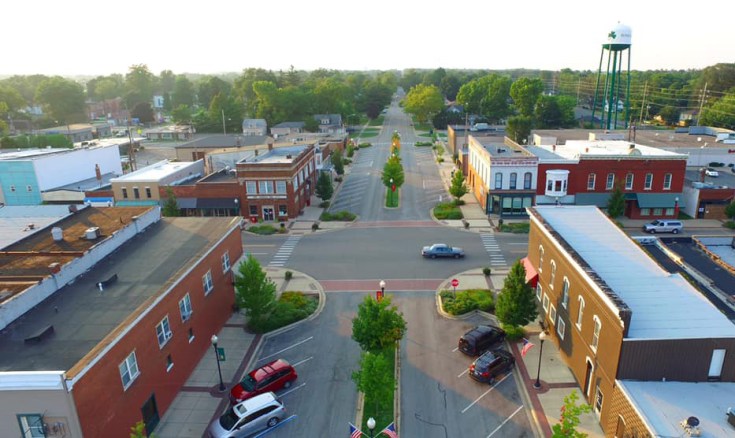
Third, get to know your neighborhood and community better! Take a walk or drive around your community. Introduce yourself to people you haven’t met or invite someone to tea or dinner. Get to know the friends of your children or your spouse’s co-workers. Consider meeting with other believers and building a community of local churches. Volunteer for a local charity or organization. Look for needs that you can help meet (and pray for!) Does your community have an online presence? Get to know your local officials or the men and women who patrol your neighborhood. Build positive relationships and ask others if you can pray for them or offer to listen and help.
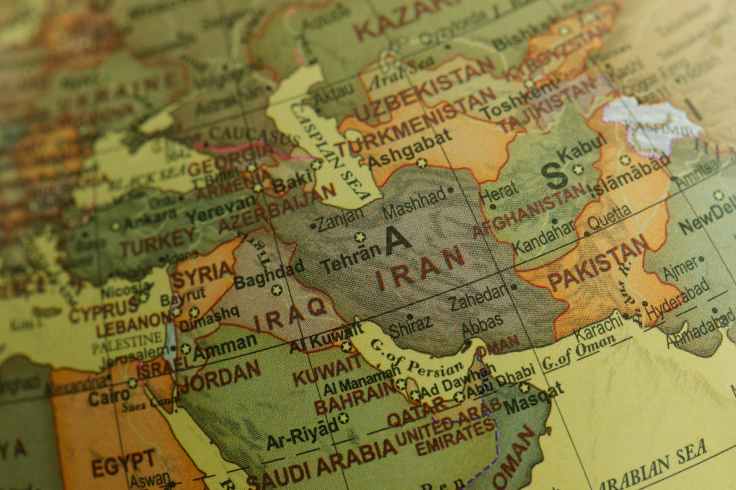
There are also great opportunities to pray globally. Using some of the same strategies and categories above you can:
Pray for churches and missions around the globe– pray for the persecuted church, and for the churches that are in danger of falling asleep!
Pray for health crises around the world– COVID, AIDS, diseases, medical research, etc.
Pray for those in danger from War, Famine, and Oppression.
Pray for those who suffer from mental and emotional torment– demon possessions, mental illness, depression, moral confusion, dysphoria, and trauma.
Pray for families!
Pray for economic stability around the world– pray for nations and regions that are experiencing economic hardship, especially due to war, famine, corruption, etc.
Pray for Peace among the nations!
Get to know more about other countries and regions around the world. This will help you pray more strategically and with greater confidence.
Ask God to give you wisdom as you pray for your community AND your world!






































 Pursuing Prayer