…And the Word Was With God…

We get excited about Christmas coming–we put up trees and decorations, and often a manger scene or Creche, with Mary and Joseph and the baby Jesus in the manger. But Jesus didn’t start as a baby. Long before He ever came to Bethlehem, Jesus was one with the Father. He ruled from the heights of Heaven. He saw the first dawn of the first day on Earth. He walked in the Garden with Adam and Eve. He was a witness to all the events leading up to His own birth.

Photo by Pixabay on Pexels.com

We like to picture Jesus as a baby. We like to picture Him as a man. We like to think of Him as a good teacher. And these are all correct. But we miss the full picture if we never imagine Jesus with God before He ascended to Heaven. The Ascension was Jesus returning to His rightful place, after the work of Salvation was accomplished in chronological, Earthly time. Jesus walked with His disciples. He ate with them, He laughed and talked with them. But He spent His earthly life talking and walking and relating with His Father, too. Nothing separated them, until that moment when Jesus became Sin for us so that we could be restored to a relationship with the Father.


Photo by RFA on Pexels.com
Photo by Ivan Samkov on Pexels.com

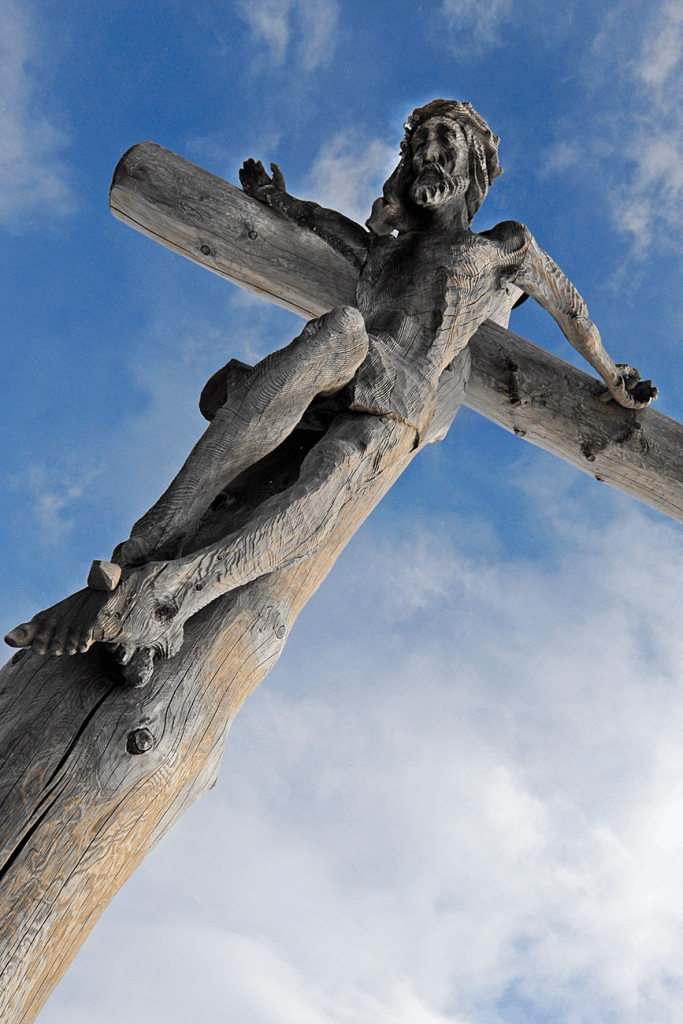
On the Cross, Jesus cried out, “My God, My God, why have you forsaken ME?”(Matthew 27:46 or Mark 15:34). God was not just “sending” His son as an emissary or a benign sacrifice to demonstrate how much He could love us. Jesus came, fully intending to be a living sacrifice. He endured the “imposed” separation of a human body, bound by time and place, separated physically from the glories of Heaven. But this separation– this knowledge of being forsaken, banished to Hell and Death–was what Jesus came to take upon Himself. The one who had eternally existed in loving harmony with the Father and the Spirit, had to be ripped away from Himself, forsaken by the Father and Spirit as one condemned. The one who had lived a perfect life of obedience had to be shunned as one who was unclean and unworthy of life, so that WE could have the right to be adopted as sons and daughters of God. We can be “with God” because He chose to endure the inconceivable pain of the rejection that we deserved. But there is another miracle of the Birth of Jesus that we overlook.

At the moment of Jesus’ birth, He was Emmanuel– God with US. Just by entering into a human existence, God already fulfilled His promise to bring us to Himself. When Jesus ate with His disciples, God was eating with them. When He laughed with them and walked side by side with them, the fullness of God was there. By His death, He continued “with us” to the grave and beyond. There is not a single moment of life –or death– that God, through Jesus, has not experienced and shared with us. In His resurrection, Jesus broke the power of Sin and death to separate us from God. Even the power of God’s justice cannot condemn those who put their trust in the finished work of Jesus, because Jesus has paid the debt in full. There is NOTHING that can ever separate us from God’s love and His loving presence. The Word was with God– and that same Word was with us. That same Word lives with, and in, and through us throughout our days on earth. And, if we have put our faith in this same Emmanuel, we will be “with God” throughout eternity.

Photo by Marcelo Moreira on Pexels.com

I need to meditate on this truth today. Even in the Holiday season, I can feel very separated from God–surrounded by stress and worries; focused on my own struggles and goals; chasing after a temporary joy in the busyness of preparations. Jesus has not forsaken me to return to Heaven– He is no less “with me” for being once again “with God.” No, He doesn’t physically walk beside me and eat with me, or talk audibly to me. But His presence is constant, steady, and promised.

Photo by Alena Shekhovtcova on Pexels.com

The Word– the same Word that spoke galaxies into being; the same Word that conquered Death and Sin–is “with us!” Today. Every moment! We will never have to cry out, “My God, my God, why have You forsaken me?” And we know this because Jesus CAME! He didn’t just “say” it. He gave us “His Word.”

Author and Perfecter…

12 Therefore, since we are surrounded by so great a cloud of witnesses [who by faith have testified to the truth of God’s absolute faithfulness], stripping off every unnecessary weight and the sin which so easily and cleverly entangles us, let us run with endurance and active persistence the race that is set before us, [looking away from all that will distract us and] focusing our eyes on Jesus, who is the Author and Perfecter of faith [the first incentive for our belief and the One who brings our faith to maturity], who for the joy [of accomplishing the goal] set before Him endured the cross, disregarding the shame, and sat down at the right hand of the throne of God [revealing His deity, His authority, and the completion of His work].

Hebrews 12:1-2 (The Amplified Bible, via biblegateway.com)
Photo by Andrea Piacquadio on Pexels.com

My first job out of college was in an advertising/public relations firm. I was not a copywriter or an executive. I was a proofreader. It was not my job to write ad copy, or even edit it. But it was my job to see that the end product was perfect– no spelling or typographical errors, no missing punctuation or wrong spacing, no missing or “covered” text near the graphics.

Photo by Vlada Karpovich on Pexels.com

Most publishers don’t use proofreaders anymore. In this age of spellcheck and computer grammar programs, they no longer feel the need to hire a person to do such a mundane job. And it wasn’t a thrilling job. It was boring and repetitive to look over the same copy several times to make corrections or to sign off on corrected copy. Sometimes, I would look at the same few lines of text five or six times–a misspelling here, a missed comma there, or a client wanted to change the word order or the font, so I had to check if the typography matched the written specifications, and if the font change made any difference in the spacing and word divisions at the ends of lines.

One day, a mistake got by me, and made it into the final product. It was a “small job,” one that I had looked at near the end of a busy day. I looked at the changed copy, but not the entire text. I was distracted, and I signed off on it without giving it a complete study. The client caught the new mistake, and brought it to my boss’s attention. Suddenly, my obscure little corner of the office was a hot spot. The initial mistake wasn’t mine, but because I had not caught it, the print run would have to be destroyed and a new print run ordered at the company’s expense– a $14,000 mistake! I was not fired, but I was given a chewing-out, and I lost my chance at a raise and a promotion. Just one little mistake, but it ruined the message our client wanted to create!


Photo by August de Richelieu on Pexels.com

In Hebrews 12:2, we are told to “fix our eyes on Jesus, the author and perfecter of our faith.” (emphasis added) Instead of fixing our eyes on imperfect text, or being distracted by what we see going on around us, we are to study the life and words of Jesus– to be “proofreaders” of His perfect words. As we listen to, and read, and live out His words and follow His example, we will see– and become– “proof” of His wisdom and righteousness. As we study His perfection, we will also see how many of the world’s “answers” fall short.

Photo by Andrea Piacquadio on Pexels.com

Jesus is the author of our faith– not us. We cannot write our own story of obedience and faithfulness without falling short. We cannot live a perfect life; nor can we “perfect” the life we have already lived. We cannot undo our own mistakes; nor can we undo the wrongs that have been done to us. Finally, we do not have the authority or the power to create life, or establish the principles needed to have abundant or eternal life. We cannot create purpose or arrange circumstances to give our life meaning and perfection. Jesus writes the story; Jesus, by His blood and power, edits our story.

Photo by Magda Ehlers on Pexels.com

Jesus is also the perfecter of our faith– He gives us wisdom, and helps us build self-control, perseverance, goodness, patience, and love for others. He brings us through trials and sufferings, and allows us to see His faithfulness in the midst of even our worst pain. He redeems us, transforms us, and gives us the power to grow more like Him in Holiness. He sanctifies us, and readies us for our future life with Him in Glory. We can’t do any of this in our own power or strength of will. We still have a role to play in living out our own story, and our own faith–but the power and the results come from God’s work through our lives.

Photo by Vinu00edcius Vieira ft on Pexels.com

God doesn’t make mistakes. God never needs an editor. He doesn’t “need” a proofreader. But WE need to see the “proof” of God’s promises, His provisions, and His perfection. God sent His WORD to live among us– that is what we celebrate throughout this Advent season– God’s WORD is sufficient; it is perfect; it is true. And it is for ALL who believe!

Anticipation…

Yesterday was the first Sunday of Advent. Four weeks later, we will have Christmas Day. For some, the time will pass in a frenzy of shopping and wrapping– the time will fly by! For some, the time will pass in meditation and reflection– it may seem to crawl. For some, the time will pass with no difference from any other time of year. For most of us, there is a sense of anticipation…we are waiting for something: the “Christmas Spirit,” the festivals and events, the time spent with loved ones far and near…

Photo by Any Lane on Pexels.com

Christmas, more than any other day, brings this sense of expectation. We sing songs, listen to stories, reach out to friends and neighbors– all in anticipation of a single day. And sometimes, the anticipation and expectation exceed the realities of the day. We feel disappointed in the gifts, or the weather, or the circumstances. But our anticipation shouldn’t be about the single day on the calendar. Christmas is so much more than just a day, or even just the “spirit” of the day.

Photo by Any Lane on Pexels.com
Photo by Ivan Samkov on Pexels.com

We don’t know the actual, historical day when Christ entered human history as a baby. As the Gospel of John relates– “In the beginning was the Word, and the Word was with God, and the Word WAS God.” (John 1:1) But this Word, this Only Begotten Son of the Father, this second person of the Trinity, DID enter human history as a member of the human race. He came and dwelt among us, His creation. He walked and talked, ate and slept, worked and wept, lived and died as a man. The Lord of All Creation tasted freshly baked bread and felt the first raindrops of Springtime. The King of the Universe wiggled His toes in the sand, and wiped sweat from His brow. The Lamb of God shared belly-laughs with His friends over a shared joke. The Lion of Judah wept over the death of His friend. The Author of Life knew what it was to die, abandoned and betrayed.
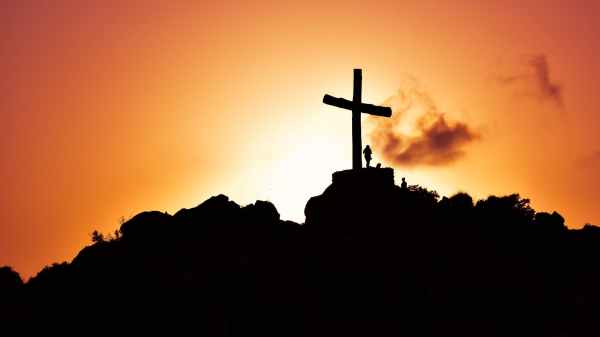
None of this is anticipation for us, as it was for the prophets of old. It is history. Christ has already come. He already lived a life of compassion and grace, wonder and weariness, agony and anticipation, and, most of all, Love. “For God so loved the world that He gave His only begotten Son, that Whosoever believeth in Him should not perish, but have everlasting Life.” John 3:16 Christmas for us is not about anticipating Christ’s arrival. Christmas is the celebration of what that arrival means for us all these years later and forevermore. And we can celebrate all the wonder of Christ on any day of the calendar year. But there IS real anticipation at Christmas– the anticipation of Eternal Life and Christ’s triumphant return. Just like the prophets waited and wondered, we wait in Hope of a glorious reunion.

Christmas, December 25, 2022, may be a disappointing day–it may be dreary, gloomy, lonely, or disappointing in its circumstances. It may bring us bad news, or heartache. But it will also bring us another opportunity to rejoice– to rise above whatever circumstance brings to focus our thoughts forward and upward, where Christ, who once came as a baby, now reigns and rules and waits– anticipating the same reunion that brings us hope and healing.

Photo by Bich Tran on Pexels.com

When God Uses a “Wasted” Opportunity

God’s ways are NOT our ways. And often, we can become discouraged by things that have happened in our past or things that seem like obstacles in the present. But our vision is limited by both time and space. We can’t see things from the outside looking in, and we can’t see things unfolding before they happen. Instead, we use our imagination, which can give us a vision that is wildly out of perspective.

Photo by cottonbro studio on Pexels.com

Take the case of Jonah (see Jonah 1-4). Jonah was given a clear mission from God– go to the great city of Nineveh and give them a message of judgment. Jonah could not “see” the outcome, but he could imagine a lot of things that made him run in the opposite direction! Nineveh was the capital city of his arch-enemies. The Assyrian armies had swept through Jonah’s land, and had very likely killed several of his family members. They were notoriously violent and Jonah must have presumed that there would be great danger involved in traveling into Nineveh, let alone proclaiming a message of certain doom!

Photo by Alex Andrews on Pexels.com
Photo by Guillaume Soucy on Pexels.com

Jonah didn’t just ignore God’s command– he went as far as he could in the opposite direction. He wasted the opportunity to see what God had planned, choosing instead to run away. He boarded a ship for Tarshish. He probably thought that God would have to use someone else, or that He would bring judgment upon Nineveh without any warning. At least he, Jonah, would be safe. But God’s ways were not Jonah’s ways. God brought a fierce storm that threatened to sink the ship. The sailors were terrified, but Jonah felt the weight of his guilt. He told the sailors to throw him into the sea, and God would save them from the storm. Though the sailors probably felt they were sending Jonah to his doom, they obeyed. And they were amazed as the storm disappeared! Nothing about Jonah’s words or actions caused these sailors to see God’s glory, but see it, they did. And they worshipped

Jonah missed the opportunity to see how God worked “around” him to amaze the sailors– instead, he got another lesson in how God’s ways were not Jonah’s ways. Jonah may have expected to drown, but God sent a big fish to swallow him, instead. Jonah spent three days inside the fish, being saved from the icy waters of the sea, and transported back to land, where the obedient fish “spit” him out onto the shore.

God did not find someone else to send the message. God did not change His plans. God simply changed Jonah’s situation and gave him a second chance. This time, Jonah obeyed. And God performed another miracle. Instead of killing Jonah or ignoring his warning message from the Lord, the Ninevites believed. And they repented– from the King down to the lowest citizen. God relented and showed mercy in the face of such repentance. Jonah had the opportunity to see God’s mercy and wisdom.

Photo by Luis Quintero on Pexels.com

But Jonah wasted this opportunity, as well. Instead of seeing the gracious hand of God at work to change the hearts of his enemies, Jonah only saw that God had not acted with vengeance and harsh judgment. (Later, when the Ninevites returned to their old ways of life, God DID send destruction, but Jonah missed that, too.) In fact, Jonah was angry with God, and threw a temper tantrum as the Ninevites celebrated God’s kindness and mercy. Jonah was a prophet– he very likely had a long career doing God’s work. He probably had many successes, but the Biblical account we have of him tells only of his failure. In spite of that, we can see in the story of Jonah how God can use even failure to bring salvation and redemption to the lost. God’s ways are not our ways!

Photo by Daka on Pexels.com

Today, I want to be encouraged by Jonah’s story. So often, I get bogged down in the mistakes of my past–missed opportunities and failures, things left unsaid, or actions that can’t be undone. It is important that we acknowledge our sins and mistakes; that we do what we can to make amends, and that we repent. But we must also acknowledge God’s power to make all things work together for good (Romans 8:28) and remember that “He who began a good work in you will be faithful to complete it.” (Philippians 1:6) Know too, that God knows the plans He has for you (Jeremiah 29:11) even though you and I cannot see the end of the story. God’s ways are not our ways (Isaiah 55:8); they are higher and Holier. His wisdom and power are infinite, and His plans are ultimately for our Good.

“Wasted” opportunities need not lead to years of guilt and self-torture. Instead, they should be learning experiences that lead us to greater faith, quicker obedience, and greater joy!

Trusting in Chariots

Some trust in chariots and some in horses,
but we trust in the name of the Lord our God.

Psalm 20:7 (NIV)

King David wrote this verse..one that I learned at Vacation Bible School as a child.  Taken out of context, it reminds us that the Name of the Lord is powerful and trust-worthy.  It is better to trust in the Lord than to place our trust in even the might of an army.  Military might, political power, wealth, popularity, social influence– all are fickle.  God is Sovereign and will do what He says He will do.

In context, David is not just recounting a principle; he is speaking from the experience of being God’s anointed King.  In the verse just before this, David says:

Now this I know:
The Lord gives victory to his anointed.
He answers him from his heavenly sanctuary
with the victorious power of his right hand.

See full text of Psalm 20 here

David knew God’s saving power– he had experienced protection, blessing, and victory from the hand of his Creator.  He had also known exile, hardship, and danger.

silhouette of man holding rifle riding on horse
Photo by Pixabay on Pexels.com

It is interesting to note that King David did not come up with the image of horses and chariots– God had already spoken to the people of Israel, warning them NOT to put their trust in such things.  David was proclaiming his adherence to God’s command several hundred years before:

sand desert blue sky egypt
Photo by David McEachan on Pexels.com

Appointing a King

14 When you have come into the land which the Lord your God gives you and possess it and dwell there and then say, “I will set a king over me just like all the nations that are around me,” 15 you must set a king over you whom the Lord your God will choose. You must select a king over you who is from among your brothers. You may not select a foreigner over you who is not your countryman. 16 What is more, he shall not accumulate horses for himself or cause the people to return to Egypt in order that he accumulate horses, for as the Lord has said to you, “You must not go back that way ever again.” 17 He shall not acquire many wives for himself, lest his heart turn away; nor shall he acquire for himself excess silver and gold.

18 It must be, when he sits on the throne of his kingdom, that he shall write a copy of this law for himself on a scroll before the priests, the Levites. 19 It must be with him, and he must read it all the days of his life so that he may learn to fear the Lord his God, and carefully observe all the words of this law and these statutes, and do them, 20 that his heart will not be lifted up above his brothers and so that he may not turn aside from the commandment, to the right or to the left, to the end, so that he may prolong his days in his kingdom, he and his children, in the midst of Israel.

Deuteronomy 17:14-20 (ESV)

Photo by cottonbro studio on Pexels.com

David did NOT adhere to all of God’s commands for a king.  He had many wives, and family troubles plagued his house for generations to come.  Tragically, his son Solomon, for all his wisdom in other areas, failed in his kingship because he failed to put his full trust in God.  He accumulated wives, horses, chariots, and wealth, but he lost the opportunity to establish his father’s house and his family’s dynasty by trusting in the very blessings of wealth and wisdom that God had given to him.

God blessed both King David and King Solomon with peace and prosperity.  Neither one followed God absolutely, but David understood something his son never fully grasped.  God’s blessings are abundant; they are rich and glorious.  God showers blessings upon both the just and the unjust.  They are not always a mark of God’s favor– frequently, they become a stumbling block and a substitute for the worship that belongs to God alone.  Solomon began his reign by trusting the God of his father, King David.  But in the end, he put his trust in his wealth and honor, and turned his back on God.

bullion gold gold bars golden
Photo by Pixabay on Pexels.com

25 Solomon had four thousand stalls for horses and chariots and twelve thousand horses, and he put them in designated cities and with him in Jerusalem. 26 He ruled over all the kings from the River to the land of the Philistines and to the border of Egypt. 27 So the king made silver in Jerusalem as abundant as stones and cedar as plentiful as sycamore trees in the lowlands of the Shephelah. 28 The horses of Solomon were imported from Egypt and from all other lands.

2 Chronicles 9:25-28 (ESV)

In fact, he did exactly what God had warned against during the days of Moses– importing horses from Egypt.  Without context, it seems like such an ordinary thing–kings accumulate might and power, and they import the best this world has to offer.  What’s wrong with that?  Solomon’s own father had the answer; the answer was written into the laws of Moses(the very ones Solomon was commanded to keep with him at all times!),  but Solomon turned away and crossed the line between gratitude for God’s blessings to placing his trust and identity in those very blessings.

animal animals backlit beach
Photo by Pixabay on Pexels.com

Some (people) trust in chariots and some in horses;
Some trust in their jobs or their homes;
Some trust in governments or politics;
Some trust in their bank accounts or their popularity–

Where is my trust today?

When God Asks a Question…

We often fear questions. We are afraid to ask questions; we are afraid of being questioned; we are afraid of asking the wrong questions or not asking the right ones. And we are often afraid of the answers, too.

Photo by samer daboul on Pexels.com

God is not afraid of our questions. In fact, He wants us to ask, to seek, and to knock (Matthew 7:7, Jeremiah 33:3, and others). God knows the answers to our questions– He even knows our motives in asking them! God may not give us the answers we expect, or answer in the manner or time we expect. But God encourages us to ask anyway, and to trust in His ability and His desire to give us what we need in the moment we most need it.

Photo by Munmun Singh on Pexels.com

God also asks questions–not because He doesn’t already know the answers, but because we can learn from the questions He asks, and the answers we give. Some of God’s questions seem self-evident; others are probing. Some are rhetorical; others are anguished. Let’s take a look at just a few, and see what we might be able to learn from them:

  • In Genesis 3, God asks some very obvious questions of Adam and Eve after they hide from him. “Where are you?” Adam and Eve had not successfully hidden from God. He knew exactly where they were and even why they were hiding. But instead of storming into the Garden of Eden with condemnation and instant judgment, God asked a simple question, giving them both the opportunity to confess, and a clear reminder of their broken relationship. There had never been a need (on either side) to ask “Where are you?” After Adam responds with the excuse of being naked and ashamed, God asks his second question, “Who told you that you were naked?” God knew the answer to this, as well, but He added a third question that forced Adam to get to the heart of the matter and tell Him the truth– “Have you eaten from the tree…?” God could have asked condemning questions– “How could you disobey me like this?” “Do you have any idea what you’ve done?!” But God isn’t asking questions to overwhelm Adam and Eve with their guilt and shame. He’s asking for truthful acknowledgment of their disobedience, so their broken relationship can begin to be repaired. God assigns punishment, but He does not bring additional questions and condemnation
Photo by Chinmay Singh on Pexels.com
  • In the very next chapter, God asks Cain a probing question, “Why are you angry? (And why has your countenance fallen?)” God knows the answer. He knows how Cain feels and what Cain is thinking. God knows it so well, that He challenges Cain to master his anger and turn his face upward (i.e. seek God’s counsel over his own emotions). We don’t like probing questions, because they reveal our selfish motives and dark impulses. But God actually WANTS us to be aware of our own tendencies–and our need for His wisdom and grace! God is not afraid of our darkest thought– He doesn’t want to expose them for our shame, but enlighten us for our own good!
  • In Genesis chapter 18, the Lord asks a rhetorical question, “Shall I hide from Abraham what I am about to do…” (concerning the destruction of the cities of Sodom and Gomorrah). God had already determined that they should be destroyed; He had no need to share this information with Abraham. But in asking the rhetorical question, God gave us a glimpse into His character (as well as a window into Abraham’s character!) God does everything with purpose. He is not willing to hide information we need, nor to waste time or energy on useless information. Imagine if we knew everything–everything!- that would happen to us for the next year? If we knew about that near miss at the intersection on May 22, or the toothache on June 2, or the “surprise” birthday party in October? But when God does choose to open a window, He gives us a chance to respond. Abraham did not choose to argue that Sodom and Gomorrah were not wicked cities, or that God had no business destroying them. His heart was driven to discover if God would destroy the innocent with the wicked. He got his answer (several times over!) And even when God did not find ten innocent people in the cities, He still offered rescue for Abraham’s nephew, Lot, and his family.
Photo by Pixabay on Pexels.com

  • It isn’t only God the father who asks questions. Jesus the son asked two agonizing questions in the New Testament. While He was dying on the cross, He asked the Father, “My God, My God, why hast Thou forsaken Me?” (Matthew 27:46). Jesus knew, intellectually and spiritually, why God had forsaken him; but His question echoed the one found all the way back in the Garden of Eden– “Where ARE you?” The ultimate anguish of being separated from God’s presence was felt by God himself! The agony of loneliness that comes from sin and shame and guilt– God knows it intimately from both sides!
  • Jesus also asked and anguished question of Saul of Tarsus– “Saul, Saul, why are you persecuting Me?” (Acts 9:4) Just as God asked Cain to look carefully at his motives and emotions, so Jesus challenges Saul to reexamine his activities and ambitions. Jesus knew, of course, why Saul was hunting down those who were preaching the Good News. He knew Saul’s ambition and his zeal for the Law. He knew that it had blinded him to the truth. And in Saul’s physical blindness, Jesus could “open his eyes” to a greater ambition and zeal–to preach this same Good News to the Gentiles– the same Gospel that is opening eyes around the world to this day to see the Awesome, Eternal, Victorious, and All-Encompassing Love of God.

Today, may we ask, seek, search out, study, cry out, knock on doors, and pursue this truth–God wants to meet with us! He wants to talk to us, to listen to us, to share closeness, to increase our Joy and be joined to us in our Grief, to lift up our countenance, end our isolation, and be the ultimate answer to our questions.

Photo by Saulo Zayas on Pexels.com

What a Waste!

(The following is an updated post from a couple of years ago..)

The author of Ecclesiastes (presumed to be King Solomon) was a wise man. Yet he concluded that almost every aspect of life was meaningless– nothing more than “chasing after the wind.” Health, wealth, learning, entertainment, popularity, achievement– they can give pleasure and temporary satisfaction. But in the end, everyone dies, and their health is gone, their wealth goes to someone else, their learning is lost, their name and accomplishments are all forgotten and/ or destroyed.

In chapter 3, the author states that there is a time for “everything”– all the seemingly important activities of life–building, and tearing down, war and peace, living and dying…https://www.biblegateway.com/passage/?search=Ecclesiastes+3&version=NIV And then he makes a curious statement in verse 11: “He has made everything beautiful in its time. He has also set eternity in the human heart; yet no one can fathom what God has done from beginning to end.” Solomon describes this as a burden– mankind can sense eternity, but only lives to see a brief span of it. What a waste! What a tragedy!

Photo by u00darsula Madariaga on Pexels.com

So what are we to do?

First, we need to make an important distinction– Solomon explores the pursuits of life and finds them all meaningless. At no point does he say that life itself is without meaning. Life itself is not a waste– but the things we do can waste the precious (and brief!) life we have been given. Nor does he say there is no difference between wisdom and foolishness, honest labor and laziness, or self-indulgence and connectedness. I know some people who, after a quick reading through Ecclesiastes, use it to justify a hedonistic lifestyle. “Nothing matters,” they say. But that’s not what this book actually promotes. It isn’t that “nothing” matters. Rather, it is that none of our personal pursuits produce meaning in and of themselves or beyond our own limitations.

Photo by Harrison Haines on Pexels.com

Next, we should be wise in light of the eternity that God has placed in our hearts. Even if our pursuits seem trivial and temporary, they have consequences that ripple through time– long after we are gone. We may not be able to see the future, but we CAN see the effects of wisdom and foolishness in the lives of others, and we can heed the advice of those who have come before us. Most of all, we have the wisdom that comes from God. Solomon’s wisdom, though incredible among humans, was limited to his own experience and learning. His frustration and despair came from knowing how limited it was!

Photo by freestocks.org on Pexels.com

Finally, we must read Ecclesiastes in context. Solomon was wise, but he seems to have lacked the vision of his father, David, to fully anticipate the coming of Messiah. Solomon’s ambitions were for the span of his own earthly life. He did not have his hope firmly rooted in a resurrection and an eternal life shared with his Creator. For all his wisdom, he was found lacking in his faith. After writing such wisdom (not just in Ecclesiastes, but throughout the Proverbs), Solomon ended his life in a foolish pursuit of relativism and compromise that ruined much of the strength and prosperity he had brought to Israel in earlier years.

Photo by Simon Matzinger on Pexels.com

Solomon reaches a final conclusion. One thing remains– to fear God and follow His commands. God is eternal–and all that is done for Him and by Him and through Him will never be wasted. Solomon’s life may have ended with failure, but his words and wisdom live on. Our lives may be short; we may have wasted precious time in meaningless pursuits–but God has promised that “all things work together for the good of those who love God, who are called according to his purpose” (Romans 8:28 CSB) and that “he who began a good work in you will carry it on to completion until the day of Christ Jesus.” (Philippians 1:6 NIV)

My prayer today is that we would not waste a single minute! And that we would see that even in the wasted moments and foolish mistakes of our past, there is redemption, hope, and renewal. In God’s economy, nothing is wasted!

Mercy There Was Great, and Grace Was Free…

How big is God’s forgiveness? I know the Biblical answer: “As far as the East is from the West, so far does He remove our transgressions from us” (Psalm 103:12 ESV); but sometimes, I add subconscious limits to God’s Grace. Sure, I know He can forgive my sins. And your sins. And even sins that make me shudder. I know that He offers forgiveness to all who call on His name in Faith. But sometimes, I question. I add qualifications–“if only..”–because sometimes, it’s overwhelming to think about the enormity and scope and freedom of God’s Grace.

Often, we see God as the great Judge– and He is–the only one with final authority to judge what is right and wrong; who “deserves” punishment or reward. But Jesus came, not only to be the perfect sacrifice for our Sin, but to demonstrate how much God desires to have us be reconciled to Him.

Photo by RFA on Pexels.com

The Cross is a stumbling block to many. I have some friends who find the cross offensive. They say that if God were truly merciful, He would simply forgive our sins without Christ’s sacrifice–just snap His fingers and say, “we’re all good.” They claim that God is harsh, that He delights in sending people to Hell, or He would’ve found a “better” way so that no one would have to suffer (or repent). But Sin isn’t just a trifling matter. It is not just a “boo boo” or a “whoopsie” when we defy the Sovereign, Eternal God. And it isn’t just a trifling matter to bring justice to a fallen world. Absolute justice without mercy would require that we die in the first instant of our rebellion–the moment we tell a lie; the instant we think a lustful thought; in the very act of taking the Lord’s Name in vain. Harsh justice would mean eternal separation with no second chances; no possibility for atonement; no hope of redemption. And Mercy without Justice is not true mercy. It is a cheap imitation. It offers temporary relief from guilt, without effecting any change.

Photo by Victoria Borodinova on Pexels.com

36 One of the Pharisees asked him to eat with him, and he went into the Pharisee’s house and reclined at table. 37 And behold, a woman of the city, who was a sinner, when she learned that he was reclining at table in the Pharisee’s house, brought an alabaster flask of ointment, 38 and standing behind him at his feet, weeping, she began to wet his feet with her tears and wiped them with the hair of her head and kissed his feet and anointed them with the ointment. 39 Now when the Pharisee who had invited him saw this, he said to himself, “If this man were a prophet, he would have known who and what sort of woman this is who is touching him, for she is a sinner.” 40 And Jesus answering said to him, “Simon, I have something to say to you.” And he answered, “Say it, Teacher.” 41 “A certain moneylender had two debtors. One owed five hundred denarii, and the other fifty. 42 When they could not pay, he cancelled the debt of both. Now which of them will love him more?” 43 Simon answered, “The one, I suppose, for whom he cancelled the larger debt.” And he said to him, “You have judged rightly.” 44 Then turning toward the woman he said to Simon, “Do you see this woman? I entered your house; you gave me no water for my feet, but she has wet my feet with her tears and wiped them with her hair. 45 You gave me no kiss, but from the time I came in she has not ceased to kiss my feet. 46 You did not anoint my head with oil, but she has anointed my feet with ointment. 47 Therefore I tell you, her sins, which are many, are forgiven—for she loved much. But he who is forgiven little, loves little.” 48 And he said to her, “Your sins are forgiven.” 49 Then those who were at table with him began to say among themselves, “Who is this, who even forgives sins?” 50 And he said to the woman, “Your faith has saved you; go in peace.”

Luke 7:36-50 ESV)
Photo by Craig Adderley on Pexels.com

The Pharisee in the above story wasn’t looking for forgiveness– nor did He receive it. But the woman who came to Jesus received both forgiveness and blessing. She did not receive it because of the expense of the ointment she used to anoint Jesus’ feet; she didn’t receive forgiveness because her need was so much more pressing than that of Simon the Pharisee; Jesus simply said her faith had saved her. Jesus didn’t refuse to forgive Simon–it’s just that Simon never asked for forgiveness. He wasn’t looking for it. He wasn’t looking for a relationship with Jesus– He wasn’t even really interested in hearing what Jesus had to say. Simon had invited Jesus to show off his own righteousness and get Jesus’ “stamp of approval.” And he didn’t pass muster! The short parable that Jesus told seemed to pass right over Simon’s head. Simon merely “supposed” that someone who had been forgiven more would love more. He didn’t know from experience, because He had never seen a need for mercy or forgiveness– nor the need to extend it to others! He didn’t value Mercy, because he had never desired it. Yet all of the Law and the prophets that Simon had spent his life studying pointed to the very great need we all have to be cleansed from our sins. Simon should have known that God desired “mercy rather than sacrifice” (Hosea 6:6), and that the “righteous will live by faith” (Habakkuk 2:4) Instead, he was trying to live by condemning others and comparing his efforts to theirs, instead of to a Holy God. The sinful woman, in contrast, desired mercy and craved forgiveness. And she got them! Forgiveness from Immanuel Himself, who would soon die to provide complete Mercy and Grace to all!

Photo by Pixabay on Pexels.com

The Cross shows us the high cost of God’s Mercy– and yet He gives it freely to those of us who don’t deserve it and can never earn it. And He does it without condition. When I ask for God’s forgiveness, there is no form to fill out; no waiting list; no qualification test. And no label, identifying me by what I have done or failed to do; by who I was or who I thought I should have been, or what others told me I was. I am redeemed! I am cleansed– thoroughly renewed! Every time! There is no limit on how much or how often God will forgive me–NONE!

Photo by Monstera on Pexels.com

Except. “Aha, here it comes. I knew God would have at least one limit,” my friends would say. It’s not a limit of God’s love or willingness to forgive, but our limit in accepting and passing along God’s forgiveness. God will forgive us. Will we forgive ourselves? Will we withhold forgiveness from someone else God has forgiven? Are we a greater Judge than God? Are we more just? Holier? Harsher?

Photo by John Ray Ebora on Pexels.com

Today, I want to spend time trying to grasp just how wide and deep and huge God’s Grace is toward us; how free and limitless His Mercy; how infinite His willingness to pardon and cleanse even my chronic pride and selfishness; and His passion for reshaping me and restoring me to be all that He created me to be! I hope you will join me.

The Greatest of These…

5-9 So don’t lose a minute in building on what you’ve been given, complementing your basic faith with good character, spiritual understanding, alert discipline, passionate patience, reverent wonder, warm friendliness, and generous love, each dimension fitting into and developing the others. With these qualities active and growing in your lives, no grass will grow under your feet, no day will pass without its reward as you mature in your experience of our Master Jesus. Without these qualities you can’t see what’s right before you, oblivious that your old sinful life has been wiped off the books.

2 Peter 1:5-9 (The Message)
Photo by Pixabay on Pexels.com

Love is patient, love is kind. It does not envy, it does not boast, it is not proud. It does not dishonor others, it is not self-seeking, it is not easily angered, it keeps no record of wrongs. Love does not delight in evil but rejoices with the truth. It always protects, always trusts, always hopes, always perseveres…
13 And now these three remain: faith, hope and love. But the greatest of these is love.

1 Corinthians 13:4-8;13 (NIV)
Photo by Pixabay on Pexels.com

In 2 Peter, the Apostle gives us a list of character traits that we should develop as believers in and followers of Christ. The last two seem similar, but there is a reason both are there, and both at the end. As we follow in Christ’s footsteps, we should develop traits that mark growth in our relationship with God– faith, patience, hope, etc. But we should also show growth in our relationships with other people. We should interact with others as God interacts with us– we should show compassion, forgiveness, concern, generosity, and selfless Love for others. “Brotherly kindness” is what we should be ready to show to everyone– neighbors, strangers, and even enemies, included. “Generous Love” is not just a feeling of deep affection or even good will. The Love we should develop is selfless and giving beyond what we can offer in our own hearts. It is the culmination of all the other characteristics we are developing as we seek to become more Christlike.

Photo by Inna Lesyk on Pexels.com

“We love Him, because He first Loved us.” 1 John 4:19– It is Christ’s example of Love, coming from Himself (Father, Son, and Spirit) that teaches us what Love really is, and causes us to be able to love in truth and fullness. Christ came to serve–He did not live for His own whims and gratifications. He gave audaciously, loved lavishly, forgave freely, and lived humbly. The Apostle Paul underlines what Peter says in his letter to the Corinthians, chapter 13. We should learn to have faith and hope, but in the end, Love is the greatest characteristic we can develop.

Photo by Pixabay on Pexels.com

My one-time choir director once asked us to do this exercise: Write out 1 Corinthians 13: 4-8. Now substitute the word “Jesus” for each instance of the word, “Love.” Because God is Love (1 John 4:8) this is a valid substitution. “Jesus is patient. Jesus is kind. He does not envy,” etc… Think about how Jesus demonstrated what Love is as He interacted with His disciples– including Peter’s denial and Judas’s betrayal– and with those in the crowds. This is our model, and our assignment– this is how we should Love. Now comes the real test…substitute Your name to see how closely your life and actions resemble those of Our Savior. Can you say that your are patient and kind? That you don’t hold grudges or become easily angered? That you always hope? Always persevere? Of course, there will be instances when we don’t live up to Christ’s example– but are we becoming more Christlike? Are we growing in Love? Type this passage out three times– in its original text, with Jesus’s name, and with your name. Print it out and hang it somewhere where you will be reminded, convicted, and encouraged to live out Christ’s Love. If someone else reads it, they should be challenged, as well.

Photo by Luis Quintero on Pexels.com

Bringing this Bible Study back around to prayer– are we praying through these characteristics? Do we come with faith, obedience, understanding and discipline, patience, wonder, compassion and love? Do we expect God to do OUR will, or are we eager to see His will be done? Do we believe that God rewards those who earnestly seek Him (Hebrews 11:6)? Do we rejoice in the truth, and always hope, even in the moments of pain and injustice? Our prayer life will follow our growth in all these areas. I pray that we are all growing more like Christ each day. Let today be the next step in that growth– turn from yesterday, let God take care of tomorrow, and grow in this moment.

Brotherly Kindness

5-9 So don’t lose a minute in building on what you’ve been given, complementing your basic faith with good character, spiritual understanding, alert discipline, passionate patience, reverent wonder, warm friendliness, and generous love, each dimension fitting into and developing the others. With these qualities active and growing in your lives, no grass will grow under your feet, no day will pass without its reward as you mature in your experience of our Master Jesus. Without these qualities you can’t see what’s right before you, oblivious that your old sinful life has been wiped off the books.

2 Peter 1:5-9 (The Message)
Photo by Daka on Pexels.com

I’ve been taking some time to contemplate the encouragement given by the Apostle Peter in this passage. Today, I’m looking at the phrase “warm friendliness.” It is also translated as brotherly affection, or brotherly kindness. If we want to pursue Godliness (of which the pursuit of prayer is an essential part) we must look at these characteristics, and put them into practice. Last time, I looked at reverent wonder, which would seem like the acme of such a list…after all, what could be better or more important in following Christ than to live in constant awe of God’s Holiness, Majesty, and Power? Peter answers this question with the last two characteristics– brotherly kindness/warm(th)/friendliness, and generous/selfless love.

Photo by RODNAE Productions on Pexels.com

We cannot claim to follow Christ and fail to follow His example in our interactions with others. Jesus Christ was a friend of the friendless. He radiated kindness and integrity and brotherhood– even to those who despised Him. Kindness and friendship, on the surface, don’t seem to be characteristics that require faith, spiritual understanding, or deep reverence. We can be kind to animals, we can have a lot of friends, and not be a Christian– or even be particularly spiritual. But this passage is talking about a different level of warmth and friendship. It doesn’t just happen because we like interact with someone who is likable, or worthy of warmth and friendship. It comes because we have had an encounter with the author of warmth and friendship– and Love. Jesus drew others to himself by His gentle warmth, His generous spirit, His genuine good will and compassion. Those who disliked Him were often upset at His treatment of the lowly, the marginalized, the “others.” Didn’t Jesus realize how sinful or despicable they were? Didn’t He care that they had leprosy, or that they were “unclean?” But that was the point…Jesus DID know. He knew them better and more intimately than anyone. And He wanted them to know that they were loved; they were worth dying for! Not because they were “clean” or “righteous;” simply because they were created in His image and the objects of His eternal passionate love.

Once we have matured and developed the fundamental characteristics of faith and patience, understanding and reverence, it should become more natural for us to radiate kindness, gentleness, warmth, loyalty, integrity, and friendship toward others. That is not to say that we become people-pleasers, or compromise our Spiritual Understanding and Faith. Instead, it means that we speak the truth in love; that we forgive easily; that we are eager to show compassion, strength, wisdom, and encouragement–especially where they may be in short supply.

Photo by Liza Summer on Pexels.com

This world needs more warm friendship and brotherly kindness– more positive encouragement and less cold criticism; more open arms and fewer closed fists; more hope and less despair; more earnest help, and fewer patronizing handouts; more honest conversations, and fewer dismissive “easy answers.”

We know the source of the greatest warmth, friendship, help, and hope in the universe! Let’s not “lose a minute” in making it part of our day, today! Pray for your neighbors, your co-workers, your families, your enemies, and all those who need a friend. Reach out to someone with hope and affection–be the arms and hands (and feet and smile) of God to someone today. It’s the next logical expression of the awe and reverence we owe to our Creator and Savior– to embrace those He Loves so dearly!

Blog at WordPress.com.

Up ↑