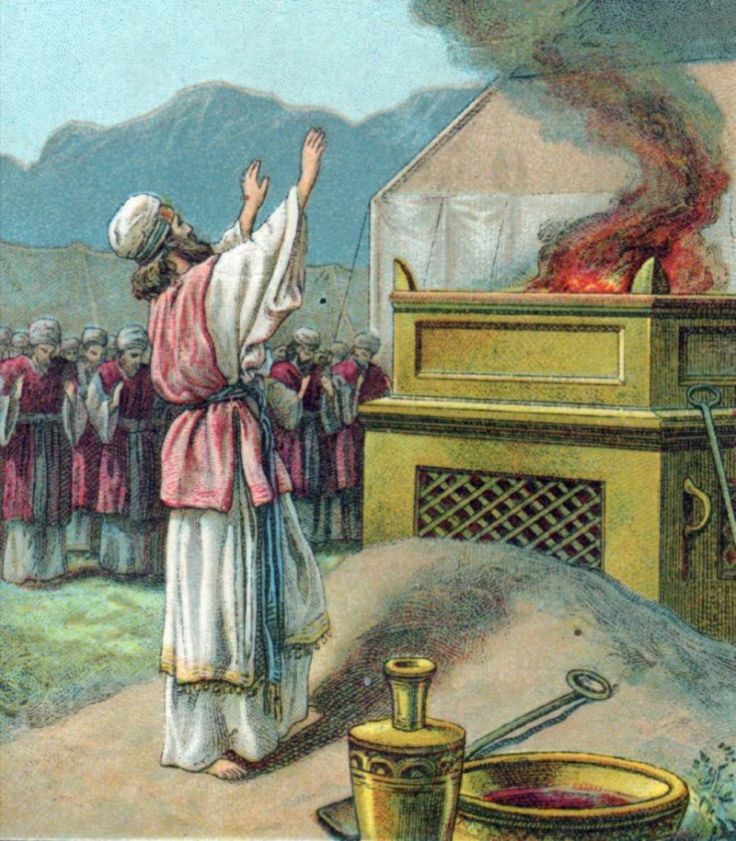
Sacrificial Prayer

I call this blog “Pursuing Prayer.” I believe prayer is a pursuit; a discipline that one can learn from, grow into, and practice faithfully in life. But prayer is also a sacrifice. It involves giving of time, space, and honest reflection.

Sometimes, prayer is a willing and joyful sacrifice. I want to come and spend time with My Father in praise and worship, adoration, and even asking for His guidance and wisdom. But sometimes, the sacrifice is hard. I may dread coming to God when I know I have been dishonest or unfaithful. Like any relationship, I cherish the easy times, the relaxing times, and the expectations of challenges met and conquered. I don’t look forward to the hard work, the waiting, or the corrections that God may have for me.

One type of sacrifice that doesn’t belong in the prayer of a believer is the Sin sacrifice. As described in the Old Testament books, the sin sacrifice had to be given to cover over the sins of individuals, priests and even the entire nation. The Israelites even had to give a sin offering for unintentional or accidental sins!

Unfortunately, I sometimes make the mistake of thinking that I must make a similar “sin sacrifice” in my prayer life– that I have to rehearse and recount all my past sins before God will hear me or act on my behalf. And that is NOT Biblical. If we are truly trusting in Jesus’ finished work on the cross, we are not obligated to offer token sacrifices as a means of covering over our past. Christ’s blood IS sufficient! (See 1 John 2:2, 2 Corinthians 5:21,1 Peter 2:24, and Romans 5:9 among others)

So when I talk about prayer of confession, I’m not talking about pouring out long laundry lists of sins I committed last week or thirty years ago. God already knows– in fact He knew about them before they happened!–and He has already forgiven me. That doesn’t mean that He wants me to pretend they never happened or that He doesn’t want me to feel the regret or understand the consequences of what I have done. Instead, He wants me to understand and rejoice in His overwhelming Mercy and Grace! My sacrifice, when I confess my sins, is a sacrifice of praise for God’s willingness to offer what I can never earn or deserve or atone for– complete forgiveness and restoration! I am agreeing with God about who I am and what I’ve done, AND about what He has done for me!

There are other times when prayer can be a difficult sacrifice. Sometimes, I am compelled to pray for those who have hurt me, or those whose actions have hurt others. I am commanded to pray for leaders– that may include church leaders who have sinned, or national leaders who have broken their promises or caused great damage. I am commanded to love my enemies, even if they never repent for things they have done.

Once again, I should be reminded of the sufficiency of Christ’s sacrifice for our sins. He didn’t just die for my Sin; He died for the sins that were committed against me. I may still feel the pain and consequences of that Sin for as long as I live on this earth. But I can trust and be confident that God has dealt with it. And that causes me to rejoice, because I can’t turn back time; I can’t undo the bad things that have happened; I can’t create perfect justice to punish my enemy. But I can let go of the burden of trying to make things “as they should be.” God will do it; He has promised! I can stop wallowing in the “what ifs” or the “what-could-have-beens;” the endless “whys” and “why me’s” that take up so much of my time and focus. Instead, I can leave them as a sacrifice on the altar of prayer, pledging my trust in the Almighty to heal and help me forgive as I have been forgiven.

We don’t practice the old animal sacrifices of the Old Testament. And we don’t have to! But sacrifice is more than just bleeding sheep and burning incense. Sacrifice is offering all of who we are to the One who created us, sustains us, forgives us, and gives us abundant life!

“Sheepish” Prayers

“The Lord is my Shepherd…” (Psalm 23: 1)

How often do I recite this favorite Psalm without really thinking about it? In the words of this Psalm, I am loved, cherished, sustained, and led by Him. But am I in reality? Do I submit to His leadership and guidance? When I pray, am I really coming to meet with my Shepherd, or am I trying to meet with God on some other level or in some other relationship?

I’ve been reading through the first few books of the Bible. I’m in Numbers right now, and Moses is leading the Israelites through the wilderness. The spies have just returned from Canaan, and the people have rebelled against God, weeping and accusing God of leading them to the Promised Land only to have them die in battle with the giants of the land.

I read through this and shake my head, but haven’t I done similar things in my walk with God? I want to avoid the wilderness. I want to walk in the green pastures, but I don’t want to travel through the valley of the shadow of death to get there! I look at obstacles and setbacks as though God were sitting far away, arms akimbo, laughing at my struggles; in reality, He is right beside me all the way, waiting to help me overcome each obstacle and gain victory together with Him. I’m looking at the giants, when He wants me to trust Him for the milk and honey He has promised. I still have to face the giants, and the battles ahead– but I don’t have to face them alone. I don’t have to face them in my own strength, my own limited wisdom, or my limited vision.

But here’s what I am learning as I read through this section of the Bible right now:

God IS with me. He doesn’t leave me or give me anything HE can’t handle. But I have to walk through the wilderness. I have to fight battles. I have to face giants. I have to learn to trust for my daily bread– whether it is manna or money to buy bread–daily. I have to listen to His voice; not impose my plans and ask for Him to bless them.

God doesn’t want me wrapped up or caged: He will not take away my freedom to follow (or NOT follow) Him. And when I wander, He may allow me to wander in circles for a while (hopefully not forty years!), but He will still be right there, ready to lead me when He sees that I am ready to move forward.

He will supply all that I really need– water from the rock, bread from Heaven– not because I have the money or resources, I think I’ve earned, but because He IS my provider. He can part the Red Sea; He can destroy Pharaoh’s armies. He can make the earth swallow up those who threaten me and defy Him. I am safe, even in the wilderness, when I stay close to the Shepherd!

He will counsel and correct me. He will offer forgiveness again and again. He will not leave me lost or unable to return to His side. He will be a “Presence” in my life, wherever I go– day or night.

He sees me and He hears me– which is both comforting and fear-inducing. But it is a healthy fear; an awesome and reverent fear; one that keeps me humble. After all, I am a sheep, NOT the Shepherd! I can call out to Him, and He knows where I am (because He is right there, too), and He knows what I need. God saw the Israelites worshipping the Golden Calf even as He was speaking to Moses up on the mountain. God heard Moses as he pleaded for mercy, even in His anger and wrath.

He calls me by name. The Bible, especially the Old Testament, is full of individual names. Not just the ones we study in Sunday School; not just the ones in the children’s stories; but names of the leaders of the various tribes of Israel, and names of the spies, names of craftsmen God had selected to build the Ark and all the items needed for the Tabernacle, and names of those who rebelled. I am not lost in the crowd; I am not forgotten among the many. God knows me intimately– just as He knows you!

Even when my prayers seem like whining, bleating, plaintive “baa-ing”, I know my Shepherd hears. And He delights to hear from me. He delights in leading me through the wilderness and providing for my every need. And His promises sustain me when I don’t know what’s coming next, or I fear what I see on the horizon.

So I will pray today, and tomorrow, and every day, knowing that even my– especially my– “sheepish” prayers are not in vain.

Prayer Requests

As someone who pursues prayer passionately, you might suspect that I hear a lot of prayer requests. And I do. And even so, it’s not enough. I always look for more! I admit to trolling on Facebook for prayer requests; following the church newsletter for prayer requests; and even asking friends if they have any requests when we chat. But what about prayer requests that aren’t exactly requests–

“Oh. It’s really nothing. I’m not worried about it or anything…”
“We’re just going through a rough patch. Nothing to be really concerned about…”
“It’s just something I have to deal with..”
“The doctor says it’s a chronic condition, so it’s just something I have to get used to…”
“I know so many other people who are hurting worse than we are…”

Sometimes, prayers are shortened or even missed because we are looking for prayer requests instead of prayer opportunities. Prayer is an opportunity to talk to God about anything that is on MY mind or in MY heart. Often, it comes in the wisp of a stray thought about someone else. Maybe I haven’t heard from them in weeks (or even years!), but suddenly, they are on my mind. Suddenly, I have an opportunity to pray for them. Do I know what is on their heart or mind? Probably not. But God knows! That schoolmate from fifth grade? Pray for them. So what if I only remember their first name– or their maiden name or their childhood nickname–God knows! That former co-worker who was having a rough time with her teenage son ten years ago? Ten years have passed! I know the son is now an adult. I don’t know if the relationship is better or worse now than it was a decade ago. I don’t even know for sure that the co-worker or her son are still alive. But God knows! My neighbor who seems to be doing fine, but I keep thinking about them, and I don’t know why– God knows! Each one is an opportunity to pray– nothing elaborate or specific– just to lovingly lift them up before God’s throne!

And what about the “actual” requests that I hear or see on-line? Sometimes, there are no details or specifics about “what” I am praying for. But it doesn’t matter. Because God already knows. Even more, He knows the end from the beginning, even if it isn’t exactly what is being requested. I can lift up in prayer situations about which I know very little– because God knows. And for those situations that seem dire or impossible– God knows those, too. And I can lift them up with confidence, even when I have no answers and the problems seem overwhelming.

This sounds easy, but it’s not. It forces me to step away from each request, each situation in which I might try to stake my own “claim.” Yes, I want my friend’s cancer to disappear, or my co-worker and her daughter to have a repaired and healthy relationship. But I don’t have the first clue how to make that happen. I don’t have any answers. I don’t know what GOD has planned in those situations. And while I know what sounds or feels good in the moment, I don’t know what is best in the grand scheme of things. But God knows! He doesn’t want me to solve each problem; He doesn’t need me to offer my “best” suggestion of how He should solve it. All He wants is for me to trust HIM to care for each need. In HIS way, in HIS time, and in the fulness of HIS love!

During Jesus’ ministry here on earth, He prayed many times, but His prayers rarely dwelt on details about specific situations. In fact, in teaching His disciples how to pray, He included the phrase, “THY kingdom come, THY Will be done in earth as it is in Heaven.” (Matthew 6:10) And that is a perfect phrase to exercise, whether I have a specific request, or a flash of memory, or a nagging worry about someone or something.

The same is true when it is my turn to request prayer. There are many times I find myself like the people I quoted above– trying to make light of a situation or avoid actually requesting prayer. It may sound humble and self-deprecating, but there is an element of arrogance in saying “I don’t need prayer for …”(whatever situation). We ALL need prayer. We ALL need to live in the assurance that we can “cast all our cares upon Him, for He cares for us” (1 Peter 5:7 paraphrased). And we need to acknowledge that we should share our cares with others as they share their cares with us. And that we need to allow for God to involve others in the way He cares for us. Asking for prayer is a way of allowing others to share our concerns– and share in our joy of receiving answers to prayer! Requesting others to pray for us is not a weakness. We are not being a burden on others when we allow them to pray for us.

That is not to say that I need to publish every problem and concern on Facebook or in the Church Newsletter! Nor should I try to dictate how or when or what others should pray for me. But it does mean that I must be open to sharing the very real struggles I have with trusted friends, especially if they ask how they can pray for me. Even the “chronic” ones; even the “silly” ones. Because I don’t know how God may use that opportunity in THEIR life; nor do I know how God may use their prayers to bless my life.

But GOD knows!

Mr. Teeter’s Song

When I was growing up, there was a man in our church named Mr. Teeter. He seemed impossibly old when I was a child– he’d been born in the 1800s! And he and his wife often looked like they were still living in the previous century. Mrs. Teeter wore dark-colored dresses that came past her calf, sturdy shoes, and a white cap over her carefully arranged, long white hair. Mr. Teeter always wore a suit to church, complete with a gray fedora. Mr. and Mrs. Teeter were both short–he was probably no taller than 5’4″, and she barely cleared five feet in height.

One of the weekly church meetings we attended was mid-week prayer meeting. Sometimes, we would start with worship and singing. Various people would call out old favorite hymns. Sometimes we had a pianist; sometimes we sang a Capella. And almost invariably, Mr. Teeter would request the same old hymn. He liked other hymns–“What a Friend We Have in Jesus,” or “He Lives! He Lives! I know He lives; He lives within my heart.” But his clear favorite was “I Love to Tell the Story.”

As a child, I found this frustrating. First of all, I liked to sing a variety of songs; this one was NOT one of my favorites, and I thought we were “wasting time” by always singing the same old songs. Secondly, because of his age, everyone deferred to Mr. Teeter, so even if other songs were called out, it was a given that his choice would probably win out.

But one evening, Mr. Teeter explained WHY he loved this old hymn so much. He said he had lived a rough life in his younger years– he drank more than he should, and he had a short temper. I was shocked. I could not imagine this tiny, wrinkled, gentle man as being anything other than how I knew him. He was dapper, soft-spoken, kind, and wise. When his wife suffered a stroke, he patiently and lovingly cared for her. He was generous and compassionate, even if I thought his musical taste was more limited than it might have been.

Instead of singing the song, he read it aloud. And after a couple of phrases, he would linger and talk about how, all these years later, he was still in love with the simple Gospel message– that Christ died for sinners, rose again and offered forgiveness and redemption to all who believed in Him. Mr. Teeter had never forgotten the joy and wonder of his Salvation. He never tired of “the old, old story” because it had changed his life in a dramatic and eternally satisfying way. Mr. Teeter died when I was still a teenager. He had cared for his wife until she died, and he was at peace when it came time to leave his life on earth. In fact, his face almost glowed as he lay in his casket. He was absent from the body, and ready to sing the “new, new song.”

There was nothing slick or intellectually challenging about Mr. Teeter’s testimony, but it was very real and powerfully moving. There was nothing musically exciting about the song he loved, but the message was eternally true, and worth singing over and over again. So many years later, whenever I hear this timeless hymn, I am reminded of how Jesus changed my life, and how grateful I am to sing His praises.

Today, as I remember Mr. Teeter and his faithful witness of God’s love and mercy, I pray that you know the simple and enduring truth of Christ’s love for you. And I pray that we would be as faithful in proclaiming the “Old, Old story of Jesus and His Love” as we go through life.

Piece of Mind v. Peace of Mind

We live in an angry world, filled with outrage, entitlement, bitterness, hurt, and arrogance. Everywhere we look, someone is giving someone else (sometimes everyone else) a “piece of their mind.” And those who do are often lauded and celebrated. Pundits, critics, “talking heads,” columnists, “expert” opinion-makers (recognized or self-appointed)– all make careers out of sharing their opinions, their theories, expertise, or knowledge. They may be clever, intelligent, even entertaining; they may be popular, intimidating, or impressive in their range of knowledge. I may agree with their opinions, and share their conclusions or beliefs. But I should be careful not to become “puffed up” with knowledge.

Knowledge puffs up but love builds up. The man who thinks he knows something does not yet know as he ought to know. But the man who loves God is known by God. 1 Corinthians 8:1-3

1 Corinthians 8:1-3

https://dailydevotionscripture.blogspot.com/2012/11/knowledge-puffs-up-love-builds-up.html#:~:text=Knowledge%20puffs%20up%20but%20love%20builds

It is very tempting– VERY tempting– to join in this practice of verbal tongue-lashing. To show off our superior knowledge or our righteous opinions. To win arguments and create “mic-drop” moments.

Meeting anger with anger, sarcasm with sarcasm, and pride with pride is natural. But it is not God’s way. God calls for us to have peace of mind– to have a mind that can see and hear the reality of our fallen world but respond in an unnaturally loving and gracious manner given to us by the Holy Spirit. We are to speak words of peace, to walk in humility, and to love our neighbors as ourselves.

Our words can be powerful– for good or evil. We can speak peace and goodwill, harmony, and love into a world that is drowning in hateful comparisons, disdain, selfishness, malicious gossip, idle chatter, and careless opinions. Words can uplift, encourage, heal, and strengthen. Words–even quiet words– can stem the tide of malice and bring light and hope.

And it is not just what we pass on to others with our words– we become what we speak! When we speak arrogance and self-righteousness, we become (and remain) self-righteous and arrogant. When we speak love and joy, peace and patience, trust and truth, we become more peaceful, joyful, patient and trustworthy.

Jesus– the Word of God– often used a quiet sentence to bring hope, reassurance, and blessing to people in need. Jesus felt anger– and He had every right to speak HIS opinion and HIS omniscience when He was tested and unfairly questioned. But He chose to be patient. His answers were not laced with malice and sarcasm, but they silenced His critics, and served as lessons for others who were listening. What a great example for us!

What might happen if we spent less time giving a “piece of our mind” and more time spreading “peace of mind” in our world?

Where is God When…?

A priest, a Baptist minister and a rabbit go to a pub for lunch. The hostess meets them at the door with a message. “Today, we are helping a local blood bank. Your lunch is free if you donate a pint of blood.” All three agree to donate blood in exchange for a free lunch. The hostess asks each one in turn for his blood type. The priest says, “I believe my blood type is A negative. The minister says, “It’s been a long time, but I seem to remember that I am AB positive.” Finally, she turns to the rabbit. “I was supposed to be a Rabbi, so I must be a Type O!”

I love puns, and like many puns, the humor in this one comes from a grammatical or spelling error. Something in the story is almost, but not quite, as it should be. It is a good thing to be able to laugh at small mistakes. But what happens when things are terribly wrong? It’s not funny at all. It’s devastating, confusing, and frightening. We want answers. We want the situation “fixed.” We want to find out what went wrong, why it went wrong, and who is responsible.

California is burning as I write this. Thousands of acres destroyed; hundreds of homes and businesses reduced to ashes; thousands of people left homeless. Where is God in these fires? When an innocent child is abducted, raped, mutilated and left for dead, where is God? Where is God amid the unrest in Mozambique, where typhoons and political unrest have caused so much havoc? Where was God when the hurricane and storm surge displaced tens of thousands of people in North Carolina, Tennessee, and Georgia less than six months ago? Where is God in the war-torn regions of the world, where innocent families are being terrorized by bombing raids and invading armies? Where was God when millions were dying of COVID just a few short years ago?

I’d love to say that I have an answer. One that is comfortable, unassailable, logical and easy to understand. But I don’t. The “glib” answer is that God is on His Throne, omnipotent and all-wise. And He is. He is not to “blame” for personal tragedies or for sweeping disasters. Sometimes, God intervenes in miraculous ways to “save” us from certain death, “accidents,” or even attacks. But often, He chooses not to do so. And I have no explanation, no all-encompassing, deeply soothing answer for those who are left suffering.

What I do know is this: God is a redeeming God. He is a God who can and often will turn tragedy into triumph. And even if, in such cases, the triumph is often bitter-sweet. This is a God who created mankind, knowing we would reject His goodness and go our own way. This is a God who took a single faithful man (Abraham) and made him the father of many nations– some of whom are still at war to this very day. This is a God who did not spare His Only Begotten Son, but allowed Him to go through a sham trial, be falsely convicted, and die a painful, publicly humiliating death. And then, Christ arose!

What does that mean for someone whose son or daughter is still dead after five (or 25) years of grieving? For someone who lives every day with the trauma of having been raped or abused as a child. It does not give immediate comfort. It does not take away the sting of injustice, pain, and questioning. But it is the promise of redemption– that just as Christ rose victorious, He will cause the pain and grief of the past to disappear in the Joy and Wonder of Eternity with Him. He WILL bring ultimate and complete justice, and it will be perfectly overwhelmed with mercy, grace, and freedom from the past.

It may seem slow and painful, but it WILL happen. Those who have suffered; they will laugh again. Those who are drowning in the senselessness of their own sorrow will experience healing and have answers to their questions. Those areas of the world where suffering is so great in the present– they will recover. Trees and gardens will grow again. Houses will be rebuilt. And yes, there will still be disasters and devastation in our lifetime, and in the years to come– UNTIL THAT DAY. That day when Christ returns to make all things new. Whatever hurts and griefs we carry now, they will be overtaken by joy and healing. No more fires, no more floods, no more war, no more disease, no more “mistakes.”

I don’t know why God allows us to suffer now. I’ve heard some philosophers try to explain, and they have many “good” reasons:

Suffering often leads to growth and necessary change.
Suffering produces resilience and develops character.
Suffering teaches us that there are consequences to our selfish and sinful actions.
Suffering often brings people closer together and brings out the best in us as we offer help and hope and encouragement.
Suffering teaches us to be compassionate toward others in their suffering and grief.
Suffering contrasts with joy, helping us to appreciate what is truly good in our lives.

These are not bad answers. But they are not complete. They are not “enough.” And I think that’s part of God’s plan. God doesn’t want us to live life on autopilot. He doesn’t give us “easy” answers– just like He doesn’t give us a life without any purpose or challenge. He doesn’t want us to focus on having all the answers. He wants us to learn from each other, depend on one another, and ultimately to trust that He knows best. It’s not an easy lesson to learn. But if we stay in pursuit of Prayer, and closeness to God, it’s a lesson well worth struggling through.

And sometimes, we can learn to laugh at life’s “typos” and other little mistakes as we travel this life.

What God Didn’t Give Me

I’m very grateful for all the many blessings that God has given me– for Salvation, most of all. But God has blessed me with family, health, freedom, and so many other wonderful things. But there are several things God didn’t give me. Some of them are things I wanted (or thought I needed!) Others are things I never even imagined.

God didn’t give me a pony when I was younger. God didn’t give me blonde hair. God didn’t give me the genetics to be 5’9″ tall, athletic, and thin– I never became a ballerina or a model. God didn’t make it possible for me to study in France my junior year of college like I had wanted. God didn’t see fit to make “Mr. Right” fall in love with me in high school or college. God didn’t give me children to raise. God didn’t let my father live long enough to walk me down the aisle when I finally got married. And I never won the lottery (probably because I don’t play!– but still…)

It’s very human to look around and see what others have that we might desire– things that God did not choose to give us; even things that God has taken from us–and feel resentment, envy, and even anger. But we rarely look at those things others have that we would NOT desire. And we rarely look back and see how things we thought we wanted would not have been good for us, or how God removed things from our lives–even good things–for a better purpose. Sometimes, we cannot know or understand such things this side of heaven. But it might be a good practice once in awhile to look back and see what God DIDN’T give us– and thank Him for His wisdom and provision!

God allowed me to get chicken pox as a child– but He didn’t let me get Polio, or Diphtheria, Scarlet Fever or Whooping Cough. God didn’t give me blue eyes like my dad– but He didn’t give me Dad’s color-blindness, either. God prevented me from going on a date with one cute and popular boy who asked me out in high school. And the one in college. And the one I worked with. But God delivered me to my husband a virgin, and free of the guilt and shame of a string of failed relationships. God took my father at age 68. But He healed my father after a heart attack at age 50 (the reason I never got to study in France). We had and “extra” 18 years with Dad, and while Dad was sick most of the last years of his life, we didn’t have to see him suffer years of pain, misery, and helplessness. And about that semester in France? Some of my friends went that year– and they were plagued by injuries, nationwide strikes, and other issues. God knew what I wanted in each case; He also knew what was best for me.

A couple of years ago, I was diagnosed with Diabetes. God did not “give” me Diabetes. (That’s another mistake we often make.) God gives good gifts. (James 1:17) But we live in a fallen and imperfect world. Disease, injustice, pain, and heartache are part of this world. Someday, God will redeem the world and put an end to all of these, but for now, there is no guarantee that God will keep us in perfect health or happiness. So, I’m Diabetic. I’m not grateful because I have the disease, but I am grateful for so many things related to it. I am grateful that I live in a time when treatments are both available and accessible. I am grateful that I was diagnosed, rather than suffering a coma or dying without help. I am grateful that I have access to healthful foods and the ability to exercise– two things necessary to keep the Diabetes under control. I am grateful that I lived for so many years without the disease. I am grateful for a supportive husband and family members who help keep me motivated. And I am grateful that nothing about having Diabetes changes IN ANY WAY God’s love for me, and His plans to give me eternal life in Him!

Are there things, people, or situations in your life that God DIDN’T give you? Healing that was denied, or blessings withheld? Hurtful things that He allowed to happen in your life? That He took away from your life? God doesn’t want us to pretend that all is perfect in our world. He knows the pain of NOT getting what we wanted, and the agony of losing what we did want. But He also knows the joy that we haven’t yet experienced– the joy of renewal; the joy of restoration; and the joy of completion.

God didn’t give me a pony– nor the hard work of caring for it, or the heartbreak of losing it. God didn’t let me date the popular boy– but He gave me a man of gentleness and integrity. God didn’t give me children to raise, but He gave me grown children, and grandchildren to love. God didn’t “give” me the semester in France, but He did give me opportunities to meet people from France. He gave me opportunities to use the French language I studied– in Florida, Texas, and even the Dominican Republic! God didn’t let my father walk me down the aisle at my wedding. But He allowed Dad and David to meet and even know each other– years before we were married. God didn’t give me perfect health here on Earth– but there will be no disease or death in Heaven.

Thank you, God, for all that you have given me– even Diabetes–and for all that you have allowed to shape my life. Help me see You in every detail of my life– the pleasant, the painful, the difficult, and the mysterious– and to praise You in every circumstance. Thank you for today, and for all the plans you have for it, and for me. Thank You for being You!

Epiphany!

I’m late writing this post today. The new year is unfolding faster than I had planned, and I come to this day unprepared.

But that’s kind of the idea behind Epiphany. We focus so much on preparation during the Advent and Christmas season that the season which follows can be lost in the shuffle of “getting back to normal.” Even at the historical birth of Christ, there was a real focus on everyone “getting back to normal” after the hustle and bustle of the census and the travel-weariness it generated. Very few people were focused on “Christmas” because Jesus was still considered one small child in a land of thousands of others. There were no Christmas traditions, no trees to un-decorate, no gift wrapping to put away for next year, no leftover cookies to finish eating. And then, twelve days after the glorious events of Christmas Eve and Christmas Day we celebrate Epiphany.

Also known as Kings’ Day, or Twelfth Night, this is the date we celebrate the arrival of the Magi (Kings or Wise Men) who traveled to Bethlehem to see the newborn King of the Jews. They did not arrive at the same time as the shepherds, and the account in Matthew has them visiting Mary, Joseph, and the Baby in a house. We must assume that Joseph found better accommodations for his family as the rush of census-taking waned, and yet he wanted somewhere safe to stay while the baby was still so small. The Magi came unannounced, unexpected, and “late” in the story.

The word “Epiphany” means a revelation or manifestation of something supernatural. The shepherds had gone through an epiphany when the angels appeared to them in the fields and told them to go to the manger on Christmas Eve. But the Magi, who had been following the star for months, finally had their Epiphany upon seeing the young child several days or even weeks after His birth. We don’t know that it was actually on the twelfth day after Jesus’ birth, but at some point, the Magi arrived at their destination and saw God in the Flesh! And their lives would never “get back to normal!” And their visit was a revelation to Mary and Joseph as well. The Kings brought expensive gifts of Gold, Frankincense, and Myrrh. They also brought the revelation they had received about the threat of Herod and the need to leave Bethlehem. If Mary and Joseph thought the worst was over, they were shocked into action by the warning of the Magi.

And yet, we celebrate this moment in time, this further revelation that a tiny baby was going to change everything. This knowledge that the Wise Men of Old held, and we can hold today– an encounter with Jesus is a revelation of the supernatural–this baby is GOD in the FLESH, GOD with US, GOD living AMONG us, GOD dying FOR us, GOD who will RETURN to REIGN over us. Nothing will ever be “normal” after such an encounter!

And I hope that can be said for all who read this– that we have encountered the Messiah; the Holy Son of God and Son of Man–and we have been forever changed! There is no end to the season of wonder and delight; there is no need for bright lights and tinsel-topped greenery, and no need to put away the joyful trappings of what His arrival really means.

Epiphany should “sneak up” on us– any day, anywhere–it should amaze us and surprise us with Holy wonder as we encounter the reality of “Emmanuel–God with Us!” And it should cause us to respond with prayers. Not only joyful prayers and prayers of thanksgiving, but prayers in our weariness, prayers in our anticipation of days to come and trials to face. Just like the Wise Men, we may have a long and even difficult journey in 2025. But at the end of it we will encounter God– not as a sweet baby in the manger but as our Lord, as well as our constant companion, our champion, and our heart’s desire!

Happy New Year!

Today is New Year’s Day. And for most of us, nothing is really that much different than yesterday. Some of us have the day off from work; others don’t. Some of us will begin new ventures this year; others won’t. But we face January first with expectation and hope. Why?

There is something about looking forward. Sometimes, it can fill us with dread– especially if we imagine the worst or have some reason to expect a dire outcome or consequence for one of our past actions. But most of the time, we look forward to a new year with some level of confidence and even eagerness. We make plans, promises, and resolutions. We fill in calendar pages and make appointments in our planners. We dream about goals and accomplishments we hope to fulfill by this time “next” year. And hope makes us happy.

What makes you happy and gives you hope today? Is it your career? Your family? The savings you have in the bank? Is it your ability to make things happen? Or your past success in planning for the future?

What if 2025 brings disaster– to you personally, or to the world around you? What if the economy fails? What if war comes to your town (if it hasn’t already!) What if this is the year you face Cancer? Can you still have hope? Can I still wish you a “Happy New Year?”

We don’t know what this year will bring. But we CAN know the timeless and eternal Hope that is in Jesus Christ. Even if we face uncertainty, grief, struggles, pain, loss, injustice, or misery. We may not find “happiness” in this year, but we can find joy and peace that surpass all understanding (see Philippians 4:7).

How can we do this? The Apostle Paul tells us in the very same passage to “be careful for nothing.” (see v. 6) That doesn’t mean to be careless, but rather not to try to control all the variables and circumstances in our life. Instead, we are to take everything–EVERYTHING– to God in prayer. So every day of 2025, we can offer up the day, the night, and all that happens within them to a loving God who KNOWS our future. He not only knows what will happen TO us; He knows what can happen THROUGH us, AROUND us, FOR us, and WITHIN us! He knows what resources we will need, and how those resources can be made available. He knows what is truly best for our growth, fulfillment, and joy. That doesn’t mean that we won’t have to suffer or that we won’t have questions and even some doubts. And it doesn’t mean that we sit back and do nothing. But we can do our best to step out in Faith, knowing that God can redeem even our mistakes– if we let Him.

There is one other part of the Apostle Paul’s directive–Gratitude. We can be thankful, even in the midst of pain and suffering, frustration and grief. Not because we are suffering, but because we are NEVER alone, and NEVER forgotten. God’s plans may involve suffering, but they never end there. Just as we turned the page on 2024, God will one day make ALL THINGS NEW.

Someday– and it could happen in 2025 for all we know– we will be ushered into something completely new. Not a new year, a new decade, a new millennium, a new epoch, a new age, or a new phase, but a completely new Heaven and Earth.

And THAT’S a Happy New worth hoping for, waiting for, and being thankful for. Right now, and every day of 2025!

Boxing Day Prayers

Yesterday was Boxing Day– a day for boxing up the Christmas decorations and finding places for all the gifts we received on Christmas Day. Traditionally, this includes donating things that we do not need or sharing some of our gifts with those who did not receive gifts on Christmas. Not everyone does this on December 26. Some people will exchange gifts on January 6. Some have already donated gifts to others to receive on or before Christmas. Many families leave their decorations up past the New Year; but most people are ready to put away all the trappings of Christmas and move on to other things– last minute cleaning, New Year’s resolutions, looking ahead to changes.

There is a sadness about putting away the lights and tinsel, candles and manger scenes. There is a melancholy that comes with taking down the lights, putting away all the ribbons and greeting cards, the candles and such. We have waited so long for now the wait has ended. And there is something about wrapping up Baby Jesus and putting Him in a box to sit on a shelf for most of the year that seems to mock the very celebration of Christmas. Jesus CAME! Not just for a day; not just as a newborn. Jesus didn’t come to sit on a shelf in the attic, carefully wrapped in paper waiting for His next birthday. He LIVED. He GREW. He LOVED. Jesus, and the message of His life, death, and resurrection cannot be contained in a box. It cannot be relegated to a shelf. Jesus is not just the baby of Christmas. He is the Lord of Life, the Light of the World, the teller of Parables, the Lamb of God, and the Risen Messiah!

But in another way, Boxing Day is completely appropriate for the season. Jesus came to be “regifted” and “passed on” to those in need! Jesus did not stay in the manger; the angels did not camp out with the shepherds; the wise men returned to their homes after giving their gifts. Life goes on! And it IS appropriate to put away the baby Jesus and focus on what comes next– Jesus living out His life and His mission; Jesus preparing for His Ministry, as well as preparing for the Cross and His Resurrection. Jesus returning to Heaven, where He is “hidden” until His coming again.

Today, my prayer is that we will not hide Jesus on a shelf or in a box, but “hide” Him in our hearts as we prepare for the coming year. And, just as we celebrated the Miracle of His first coming, that we would continue in a spirit of Advent as we await His Return! Let us prepare for OUR mission– to share the Gospel and spread Joy and Peace to others, whether with gifts, encouraging words, or just making connections and listening. May we anticipate with wonder and excitement the work He is doing even now among His Disciples and Followers, and the coming Fulfillment of His promises to make all things new!

As we put away the lights, and take down the ornaments, may we save the warm glow of remembering– He Has Come! He is Here WITH Us! Emmanuel! May we let Him shine Through us in the days to come, spreading Hope and Joy and Peace. And may we look forward to the day when we won’t need to unwrap Jesus from a box on the shelf– He will be our very present Source of Light, our King and Ruler, Forever, AMEN!

Blog at WordPress.com.

Up ↑