Where Are the Altars?

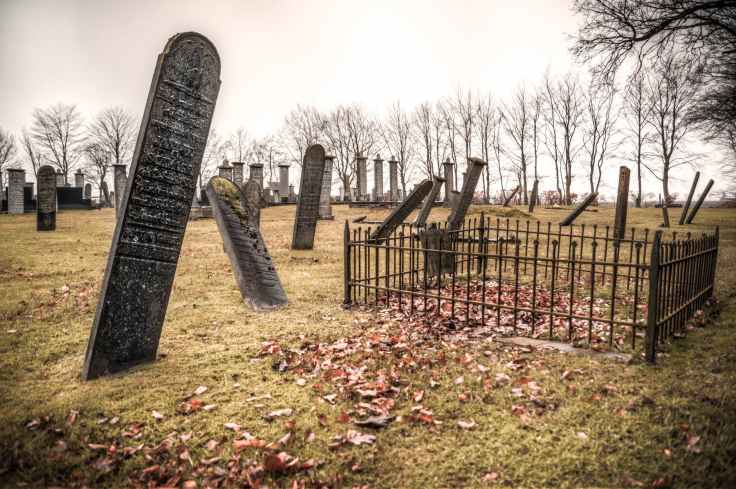
In the Biblical books of the prophets (Isaiah, Jeremiah, Ezekiel, etc.), there are many references to altars and sacrifices–both the ones built to honor Jehovah God, and those designed for idols.

Israel and Judah were guilty of building thousands of altars and shrines to false gods. Some of them were found even inside the Holy area of God’s own temple! As part of God’s judgment, He repeated that He would no longer accept the empty sacrifices of His people–He would no longer hear their prayers, unless they repented.
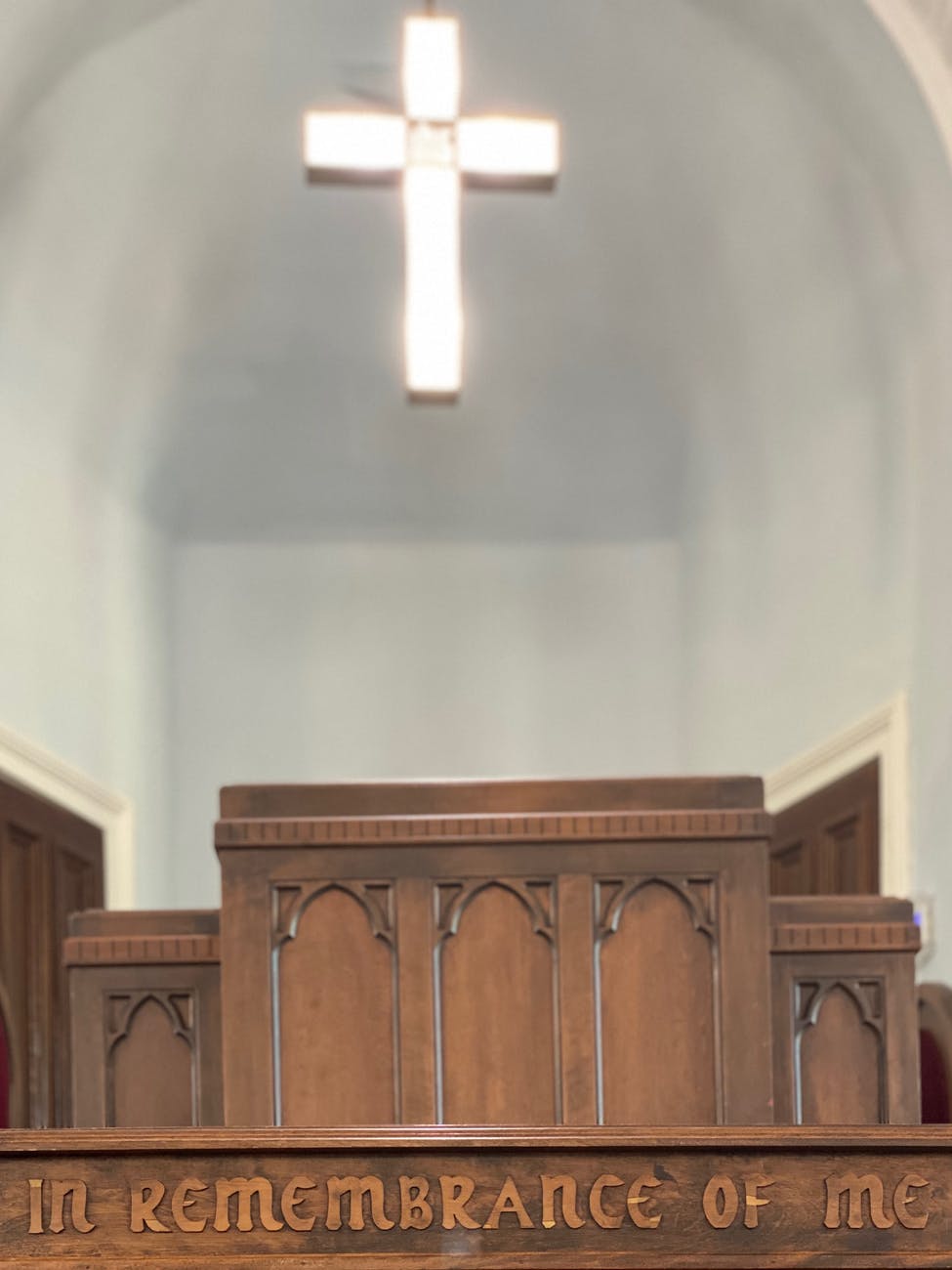
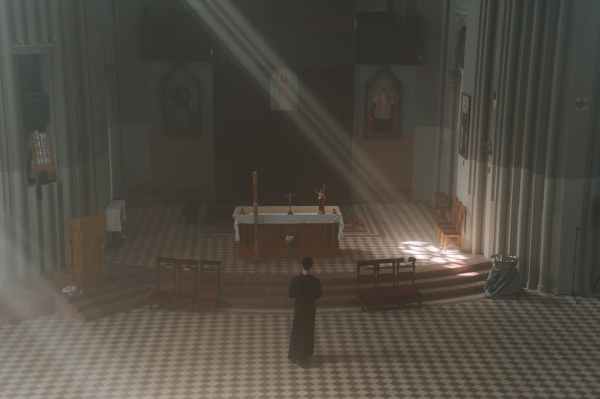
I read these words and wondered– Where are our altars today? When I was a child, many of the older churches had what we called an Altar. It was usually a raised platform, with a podium for the minister, and possibly a “host table” for communion. My childhood church also had a small table that held a large Bible. Sometimes, the platform would have a railing around the edge, with a couple of stairs on either side. And, while many churches “passed the plate” for offerings, some had a special plate on the railing of the altar, where people would march up and place their offerings for the week. There it would sit for the rest of the service–random dollar bills of random denominations in random states of being crumpled, folded, and worn, along with checks, and, sometimes even coins. All of them brought forward and placed on the altar.

In many churches, the altar was where congregants would come to receive communion. The most important church events happened “at the altar.” Weddings, baby dedications, Bible readings and sermons, even funerals– all happened at the altar.

And often, we would have an “altar call.” The pastor, or a guest evangelist would urge people from the congregation to meet at the altar– to repent, to receive forgiveness, to be renewed and refreshed as we offered ourselves to God. There we were– random denominations of people, in random stages of obedience or rebellion, all answering the call to follow Christ as Lord. Some stayed there for a few minutes, praying silently. Others might be there for an hour, crying out, trying to find the words to express pain, guilt, or gratitude and awe, that GOD would meet with US there! Sometimes, we would form small groups to pray and give encouragement; sometimes we would disperse, too moved to speak at all. The Altar was the focus of the service– the place where God met with us; where He received our worship and our offerings; where we were challenged and made ready for spiritual battle.

Today, many churches have stages, like any large theater or event center. There is no railing, but there are hundreds of spotlights and fog machines. There is no podium for the pastor–just a headset and maybe a small stand for notes. Sometimes, the pastor reads from a teleprompter. Often, he or she is joined by a full band or orchestra, and dozens of singers, actors, or other assistants. No one from the congregation approaches the stage– why would they get up from their comfortable reclining padded seat? No one even “needs” to bring a Bible– the sermon text is printed out on the giant screens hanging above the stage. Our worship is comfortable, and entertaining. Many of us don’t even go to a church building, anymore. We can livestream worship services, or watch from a satellite location. We don’t even have to change out of our pajamas! And we feel blessed, and filled with excitement to be part of something dynamic and spiritually uplifting.

But we have no altars. There is no place for someone to lay their offering before God; no place to meet with Him in repentance or revival. There is no place to remind us of sacrifice and atonement. Oh, to be sure, many churches have a large cross on display somewhere. Some even have the “host table” for communion– somewhere in the wings, just in case–but the concept of an “altar” has all but disappeared from churches in the West. It is an anachronism–something ancient and uncomfortably part of the distant mists of tradition.

I miss the altar. I believe God misses it, too.

Prayer and Fasting

I had to fast overnight for some bloodwork I had done this morning. No food for 12 hours; no water for 8 hours before the blood draw. It shouldn’t seem like such a difficult thing, but at 9 or 10 p.m., I imagined I smelled food. My mouth watered– and then it felt dry. I felt woozy and weak. Surely I could have just a cracker or some orange juice, right? But no, I finished the fast and rejoiced to eat breakfast after the blood draw was complete. And simple scrambled eggs tasted sooo good! Oddly, I have often gone several hours without food and without all the imagined side effects I felt last night. The actions were the same, but the focus was on what I was doing, not what I was missing.

Fasting has become popular in recent years. I know several people who practice intermittent fasting for weight loss and other health benefits. Others fast for religious reasons (other than prayer); some people give up certain foods ritually, for Lent or other festivals. Some even fast in dangerous ways (anorexia, etc.) Fasting is usually about our relationship (sometimes an unhealthy relationship) with food.

Prayer, on the other hand, is all about our relationship with God. And when the Bible speaks of Prayer and Fasting, it is also about our relationship with God. The Bible gives many examples of fasting– even “extreme” fasting. Moses, King David, Jesus, and the Apostles all practiced it. Sometimes entire groups (churches), cities (Nineveh–see Jonah, chapter 3), and nations (Israel/Judah) fasted. The Bible also gives us many reasons to do fasting, including repentance of personal or national sin, deep personal struggles, and focusing on a single issue, such as the unsaved, the persecution of fellow Christians, seasons of famine, or ongoing injustices. But the Bible isn’t specific with guidelines and rules about fasting, because, like prayer, it is primarily a pursuit. It’s not about the extremes or the number of days, or the amount of food we “give up.” It is about the pure pursuit of God’s sufficiency. God is not impressed by whether we fast for one day or forty; He does not count the number of calories we might have consumed or the amount of weight we lost. He doesn’t measure the strength of our will power or our “success.” He isn’t impressed by posturing and virtue signaling. What He does ask is that we pray with complete focus and integrity, without the distractions that food, entertainment, and even sleep can sometimes become.

We can fast for hours or days– miss one meal or fifteen–and still “miss” the blessing of prayer, because we are focused on what we are doing (or not doing) instead of focusing on what God is doing. We can also “fast” in ways that have nothing to do with food– turn off the TV or phone, retreat from crowds and busyness, even “fast” from sleep! The point is not that WE are “better” for fasting, but that fasting is “better” for US!

Today, consider a small “fast”– replace a coffee break, snack, meal, hour of social media, or that extra 15 minutes of sleep with some time alone and wholly abandoned to God. Not only will we come away refreshed and not “missing” whatever we traded, but we will more fully enjoy those same activities or foods when they take their rightful priorities. Remember, prayer and fasting is not a contest or a ritual, it is a pursuit and an adventure! Enjoy it!

Some thoughts:

  • 1) Fasting is as individualized as praying. There is no perfect “formula.” But there are several helpful suggestions. You can set a time limit (one day; 12 hours, etc. without food or a certain activity) or a food/activity limit (only one meal a day for seven days, only one television program per night for a week). You can plan days or weeks ahead to fast for a definite period, or you can decide spontaneously to start fasting until you feel led to stop. One caveat– Fasting is not a game. It IS a commitment, and shouldn’t be done without a real desire to get closer to God.
  • 2) Having said that, fasting isn’t about your will power, or success/failure. Sometimes, circumstances will prevent you from completing a planned fast. Certain health issues or family situations may prevent you from fasting for a day or more. Sometimes you will fall short of the goal you set. Don’t let that stop you from trying again, or trying differently. God isn’t about perfection on your part– He IS about helping you grow stronger and more complete as you continue to walk with Him.
  • 3) Fasting is personal. It isn’t about looking virtuous, posting about your struggles, or comparing yourself to others. (See Matthew 6:16-18) That doesn’t mean it can’t be done as a group. But group fasting should be about a single focus or topic, not about making everyone in the group conform to a preconceived expectation. There is great encouragement to be found in praying as a group, and some encouragement in fasting as a group, but remember, fasting is between you and God, not you and the group, or you and all your Facebook friends.

  • NOTE: At least once a month this year, I want to offer some practical suggestions on how we can better pursue a life of Prayer and living the Christian Life. I hope this post gives each reader something to consider.

“He Didn’t Come For Me…”

I’ve mentioned several times on this blog how much I love the book/movie, “The Princess Bride.”

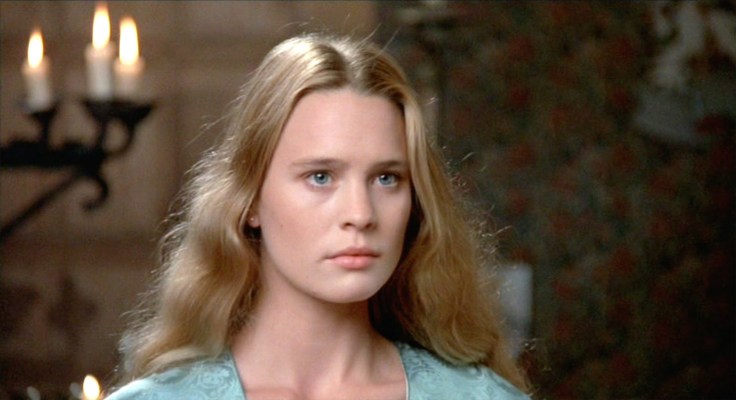
At one point in this fractured fairy tale, the title character, Buttercup– THE princess bride, is waiting to be rescued by her true love, Westley. She has supreme confidence that he will rescue her from having to marry the evil Prince Humperdink. But Humperdink is equally confident that Westley will NOT come– because he knows that the wicked Count Rugen has (supposedly) killed him! As the stuffy archbishop pronounces Buttercup and Humperdink ,”man and wife,” Buttercup is stunned. She keeps repeating, “He didn’t come for me.” She cannot imagine a future in which Westley does not show up and save the day. Her hopes are shattered, and she walks in a fog to the bridal suite, where she prepares to kill herself in despair.

I don’t want to give away everything, but Buttercup’s plans take an unexpected and miraculous turn before the end of the story.

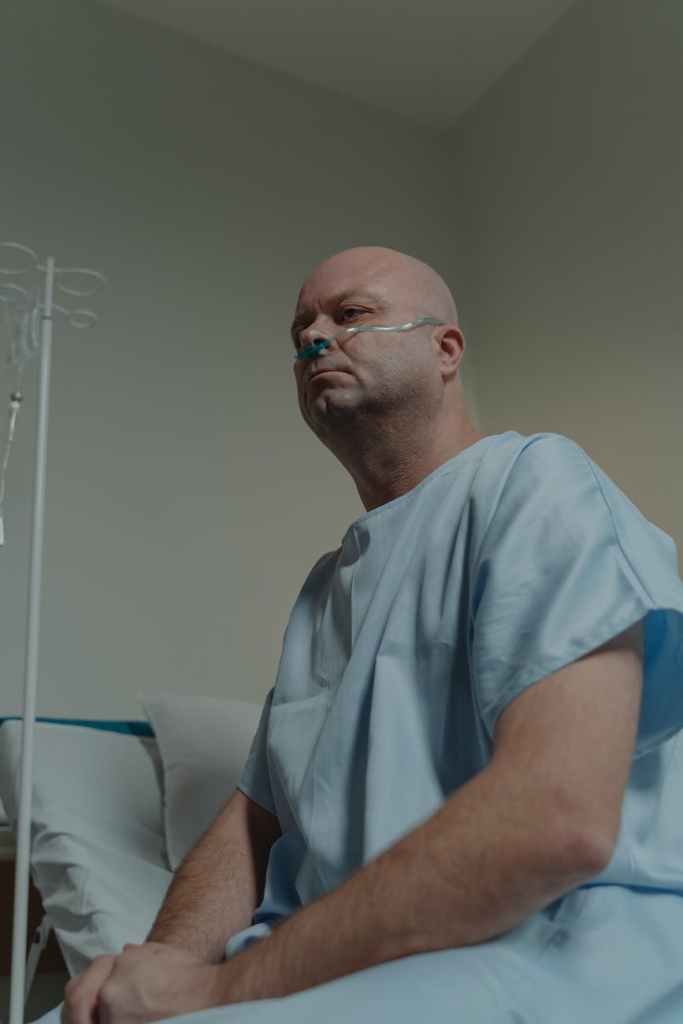
I was reminded of “The Princess Bride” yesterday morning as I sat with my husband, trying to figure out what was happening with his blood pressure. He and I have been battling COVID, and he spent a week in the hospital. He has been home for several days now, and has been improving steadily, until early Sunday morning, when his blood pressure started rising. There were no other symptoms, and we consulted a doctor, who talked us through a course of action, but there was little to nothing they could do for him at the emergency room, unless he had chest pain, paralysis, or a splitting headache, which would indicate possible heart attack or stroke. We increased his oxygen intake level, kept his legs elevated, and his blood pressure came down.

Photo by Tima Miroshnichenko on Pexels.com

Then, last night, it happened again. No warning; no other symptoms. We made sure he had plenty of oxygen, elevated his legs, continued doing what we had done in the morning. Slowly, the blood pressure reading came back down– still high, but not dangerously so. We’ve prayed for healing– dozens of other family and friends have prayed for healing. Everything seemed to be going fine– why this? Why now?

Photo by Andrew Neel on Pexels.com

It is so tempting to imagine our story will be smooth and predictable– even when we have a struggle or set-back– to believe that better days and easier times are just around the next corner. And when it doesn’t happen the way we hope or expect, we want to question God– “Why didn’t you come?” “Why did you delay?” “Why didn’t you send word that I would have to go through this?”

But God HAS sent word– there are dozens of examples in which God delays, or simply does not send a swift and easy rescue. God promised Abraham and Sarah a son– and then delayed 25 years! On top of that, God asked Abraham to take Isaac, the son of the Promise, to be a sacrifice! God showed up–just as Abraham was about to sacrifice his only son. God rescued Abraham and Isaac from their ordeal, but it was a nail-biter! (See Genesis 12-22)

Photo by Pixabay on Pexels.com

God rescued His people from their slavery in Egypt, and led them straight into a trap! Caught between the Egyptian army and the Red Sea, the Israelites seemed to be sitting ducks. How could they have imagined that God would open the sea so they could cross on dry land? Having been rescued in such a miraculous way, the Israelites should have had absolute confidence in God– but instead, they complained about food, complained about the leadership, complained about the weather–even as they could see God’s presence in a pillar of cloud by day and a pillar of fire by night! God rescued them over and over again in the midst of their struggle (and their lack of faith!). (See the books of Exodus, Numbers, and Deuteronomy)

Photo by Frans Van Heerden on Pexels.com

Daniel was taken into exile as a teenager– over fifty years later, after God had protected him and put him in a place of great power and prestige, Daniel was set up by his enemies and condemned to be eaten by lions. God did not rescue him by removing the lions or overturning Daniel’s sentence. Daniel had no reason to know that God would rescue him at all. But God’s ways are not our ways. God’s way was to shut the mouths of the lions– something ONLY God could do–proving to Darius, to Daniel’s enemies, and to all who heard about it that God was more powerful and more loving than even our wildest imagination. God rescued Daniel through his harrowing experience– and even brought judgment on Daniel’s enemies in the process.(See Daniel 6)

Photo by Skitterphoto on Pexels.com

And the list goes on– Jacob, Joseph, Ruth, Shadrach, Meschach, and Abednego, the prophets Elijah, Jeremiah, Ezekiel, and others, kings like David and Hezekiah, the exiles of Israel, the Apostle Paul, Queen Esther, Simon Peter, Jesus’ friend Lazarus, the martyr Stephen. Many of these people went through famine, disease, prison, death threats, and even death itself! Yet God preserved their stories for OUR benefit. God reassures us that He is the God of the living and the dead– death cannot stop true love (another of my favorite lines from The Princess Bride)! Nothing can separate us from God’s loving and wise and perfect care!

I don’t know what today will bring for David and me. I don’t know if we will have to return to the hospital, or if they can help restore his blood pressure to “normal.” I don’t know if I will have a sudden relapse or complications from COVID. I don’t know what future changes, adjustments, or griefs we will have to bear. But I do know this– God is with us!

Photo by John Ray Ebora on Pexels.com

Sometimes, God rescues us FROM a situation; sometimes He rescues us IN a situation; and sometimes He rescues us THROUGH a situation. We don’t know how God plans to show up and work in our lives over the next weeks. But we know we can trust Him to do what only God can do, and faithfully see us through the rest of our lives.

Photo by Tomas Anunziata on Pexels.com

I pray that if you are facing unexpected difficulties today, that God will cause you to be strengthened and reassured. He loves you. He sees you. He knows where you are, and, better yet, He knows the road ahead!

Blog at WordPress.com.

Up ↑