This has been a season of death and loss for us, but where is the sting? Mom passed just over a month ago, but where is the gnawing ache of loss?
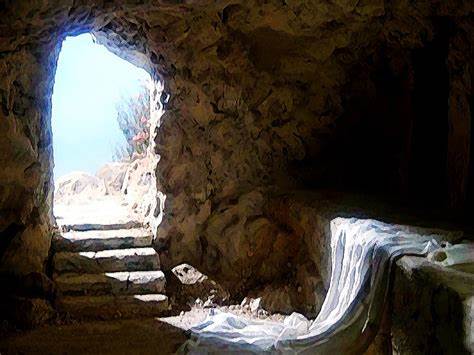
Because of Easter, we remember that Death is swallowed up in victory, and His Divine Power gives us Everything we need for Life! (2 Peter 1:3) Have we had moments of grieving this past week (and month)– Yes. But we choose to focus on the larger picture. Easter isn’t just a day to celebrate something miraculous in the past or the distant future. It is a very present reality that changes EVERYTHING. Death is not the end. Failure is not the end. Our weakness is not the end. Good Friday was not an end. Easter (and every day since!) is a new beginning. It is the promise of life– not just eternal life in heaven, but abundant Life here and now. There is a purpose to life– to the joy and the pain, the grief and the struggle, the search for answers and the even the questions that remain. There is hope and there is renewal. There is a reason to get up, a reason to fight, a reason to cry, a reason to sing, and a reason to rest. Most of all, there is a reason to LOVE and rejoice in being loved!
YOU are loved! Extravagantly, eternally, without limit or condition. And yes, it seems too good to be true, too simple to accept, maybe even too frightening in its intensity. But it IS true. It IS that simple. It IS that complete and perfect. And it is a free gift for all who will accept it and live in it. Please let this Easter fill your heart with the Good News that You are loved– to death and back– by your gracious creator.
The story is told of an old, worthless-looking violin that came up for auction. No one wanted to bid on it. The auctioneer began with a modest call for three dollars. No bids. Two dollars? Nothing. One dollar? Surely someone would spend just a single dollar. The violin was in working order. It had all its strings and a bow. No one was willing to spend one dollar for an old violin?
Suddenly, an old man came forward and took the violin off the table where it lay. He picked up the bow and began to play a famous violin concerto. In the hands of a master musician, the old violin came to life. Its haunting and soaring music brought the entire room to tears. The old master came to the end of the piece, and there was a hushed silence as he lay the bow and violin back on the table and returned to his seat. Clearing his throat, the auctioneer started a new bid– one thousand dollars. Several people placed a bid. Two thousand? Three? What had been worthless in the eyes of so many just minutes ago suddenly had great value.
That’s a nice story, but it rarely happens that way in real life. I run a resale shop– antiques, collectibles, vintage and retro items, and yes, what most would probably call “junk.” People come in and look around– sometimes they find a piece or two that they like. Sometimes, it’s priced at just a dollar or two; sometimes the price is a little higher. Some people think my prices are too high; others find them on the low side. They think they are getting a real bargain, and they are convinced they will be able to resell the item for much more on-line or elsewhere. They may be right. They may be wrong. Most of them are just doing what I’ve already done– find an item that seems to be undervalued, and sell it to someone else who may value it more highly.
“One man’s junk is another man’s treasure.” That saying applies to many of the objects in my store. But it should never apply to a person. We tend to place a value on someone else based on many superficial factors. We judge people by the way they look– their clothing or their hair or the expression on their face when we first meet. Sometimes we judge them by their skin color or the way they speak– the words they use or if the have an “accent.” We judge some people to be smarter or more important based on who else pays attention to them or how much money they have (or don’t have). We judge their talents and experience based on hearsay or gossip. And we allow others to place their “value” on us. As though some people deserve more attention, more resources, or more love than others.
God sees through all the tarnish, the guilt, the low esteem, and shame that we carry around. Each one of us is equally precious in God’s eyes. There is no “junk” in God’s economy, when it comes to a human life. No matter how dirty, broken, used, misused, patched up, trampled on, or worthless we may seem to others (or to ourselves) we are priceless and cherished by our Heavenly Father.
Jesus sought out the “junk” people of his time– lepers, widows, children, the blind and lame, the sick and weary, diseased, depressed, and demon-possessed. He touched the untouchables, loved the unlovable, and forgave the unforgiveable. Even when He was condemned to die as a criminal, and rejected by His friends and followers, Jesus remembered the Father’s love for others.
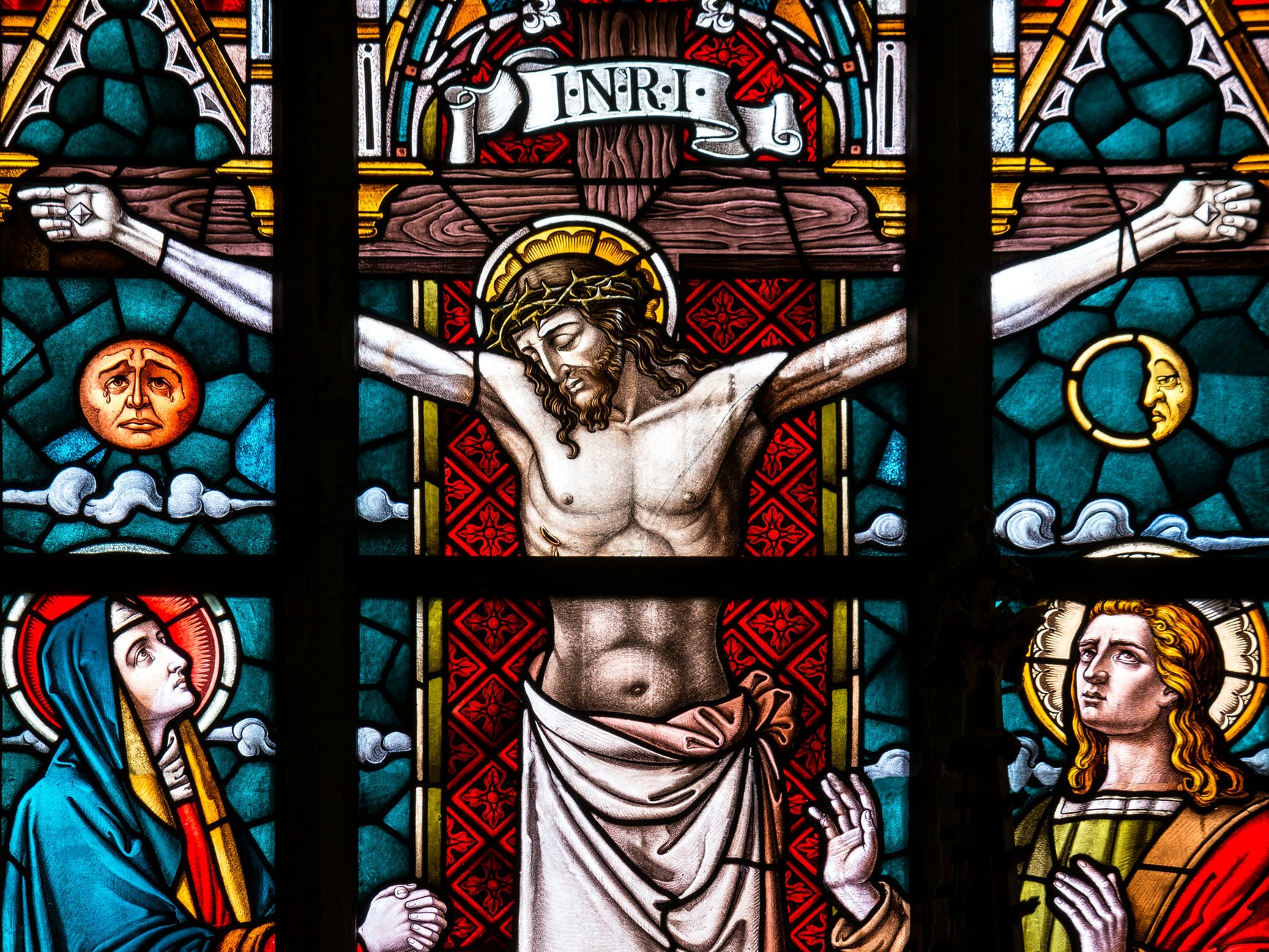
In this Holy Week, I pray that I would not lose sight of God’s Amazing Love for us. When we were His enemies– fallen, ruined by Sin–“junk”, Jesus was willing to reach out, to walk with the marginalized and sick, and more than all that, to DIE in order to make us joint heirs and give us the glories of Eternal Life with Him! And when Jesus was taken down off the cross– broken, dead, and “worthless”, God raised Him to Life and gave Him a “Name that is above all names” (Philippians 2).
We pray to a God who cherishes our very thoughts–a God who delights to hear from us! What a powerful thought. What an Amazing Love!
“I have told you all this so that you may have peace in me. Here on earth you will have many trials and sorrows. But take heart, because I have overcome the world.” John 16:33
One of my favorite movies is “The Princess Bride.” The title character begins the story as a young, beautiful, wealthy, and spoiled young woman. She falls in love with the young farm boy who works for her father. The young man leaves to make his fortune, but word comes that he has been captured and killed by pirates. In utter despair, the young woman allows herself to become engaged to a spoiled and wicked prince. She has allowed her grief to consume her, and she cares nothing for the prince, his wealth or power, or even her own future. Before she can be married to the prince, she is kidnapped by villains, and “rescued” by a mysterious pirate. Instead of being grateful, she curses the pirate, telling him that he could never understand her great loss and pain. His answer, harsh, glib, but to the point, is to say that “life is pain, Princess. Anyone who tells you differently is selling something.”
There are certain truths in life that we would avoid if we could– death, pain, sorrow, grief, suffering, and Sin–we don’t want to hear the harsh reality of our situation. We don’t want to suffer or hurt at all; much less to discover that our suffering is commonplace or universal. Everyone will taste death; everyone will face pain and grief and suffering in this life. Everyone will suffer as a result of Sin– our individual actions have consequences, as do the cumulative actions of our culture, our ancestors, and the entire human race. Life isn’t always good, or fair, or just, or comfortable. This is a harsh truth, but it IS the truth. We will face injustice– no matter who we are. We will face suffering, illness, and death. We will face loss–loss of a loved one, loss of a job, loss of a marriage, loss of health, loss of freedom or autonomy. We will not always win. We will not always get what we want. We will not always get justice in this life.
There are four common techniques we tend to use to avoid facing harsh truths– denial or avoidance, anger, bargaining, and depression or despair. Many people know these terms from the Kubler-Ross studies on patients with terminal illnesses and the five “stages” she identified as they came to terms with their impending death. https://psychcentral.com/lib/the-5-stages-of-loss-and-grief/ The fifth “stage” was acceptance. The five stages have been applied commonly to other forms of grieving and loss, including the loss of a loved one or the break-up of a marriage. While most of us go through some or all of these stages when we face suffering, we don’t all go through them the same way or even in the same order.
Many of us live in avoidance and denial– rushing headlong into meaningless pleasure, self-medicating with alcohol or drugs, staying busy with the pursuit of wealth or power, moving from place to place or relationship to relationship. Others wrap themselves in anger– blaming everyone else for their pain, seeking revenge, driving away those who want to help. Anger may feel productive, but it limits our scope of vision and keeps us focused on the pain inside. Still others try to bargain. Some seek to avoid aging, diminished health, or death by trying every new diet or fitness routine. Others try to avoid guilt, pain, or disappointment by trying to be righteous enough to earn a supernatural blessing or “good karma.” Still many others wallow in depression and despair, lost in the swamp and mist, sinking into a pit of their own feelings. Like those who live in denial, they avoid the difficult choices that would lead to life, instead letting life wash over them and draining them of energy and joy.
These reactions are normal and human. Harsh truths hurt– they shock us, overwhelm us, shatter our trust, even shake our faith. But they ARE true. We cannot change our circumstances by running away, raging at everyone around us, or giving up. We cannot go back in time and “undo” the tragic circumstances of our lives. And our reactions have their own consequences. They cannot negate the past or change the present. They can only impact the future.
But there is another truth: God has not left us without resources, even for the harshest realities we face. Even when we are in despair, or angry, or in denial, God can give us peace and strength to go on. God isn’t “selling something” to make the pain go away or make our life “trouble-proof.” Jesus never offered a comfortable life to His followers. In fact, He promised that our lives would be filled with trouble and pain and sorrow! Christians who claim that they never face fear, or failure, fury or frustration, loss and sorrow– they are “selling” a false gospel. The Good News isn’t about avoiding pain or sorrow. It is about OVERCOMING them! Jesus faced and conquered death on a cross! He could have avoided it– He could have been angry at those who betrayed Him–He could have stayed buried in despair and failure. But He arose! We don’t worship someone who has never wept, or faced betrayal or loss. Jesus is the Way, the Truth, and the Life (John 14:6)– if anyone knows the harsh truth, it is the one who IS Truth! And this Truth hurts– He hurts to see us grieving; He hurts when we reject Him to go our own way; He hurts even as He allows us to hurt. And He offers us His Grace to survive and thrive– not an escape, but a victory!
Faith, prayer, worship, promises– these are not God’s way of helping us escape the reality of harsh truths. They are His tools for helping us to overcome and be victorious in the face of trials and setbacks, grief and pain, even death! A life of faith isn’t a life of denying the harsh realities of life, nor is it a prescription for avoiding life’s hurts. Even the faithful will someday have to taste death. Even those who pray and praise will often do so in tears of anguish and even momentary doubt. But they will reach the peace of acceptance as they wrestle with the seasons of pain, knowing that God promises healing and joy and justice– in His perfect will and timing! As Princess Buttercup discovers in “The Princess Bride”– “Death cannot stop true love!” And it cannot stop the Truth that IS Love!
“Life is pain…” In THIS fallen and broken world. But we can take heart–Jesus has overcome this world. He has won victory over sin and death, pain and loss. And He gives abundant life. Life that transcends disease, disappointment, and even death.
9 Love must be sincere. Hate what is evil; cling to what is good. 10 Be devoted to one another in love. Honor one another above yourselves. 11 Never be lacking in zeal, but keep your spiritual fervor, serving the Lord. 12 Be joyful in hope, patient in affliction, faithful in prayer. 13 Share with the Lord’s people who are in need. Practice hospitality.14 Bless those who persecute you; bless and do not curse. 15 Rejoice with those who rejoice; mourn with those who mourn. 16 Live in harmony with one another. Do not be proud, but be willing to associate with people of low position. Do not be conceited.
My mother died a couple of weeks ago. It is a season of mourning for me. And I know many others who have recently lost loved ones– husbands, fathers, mothers, and children. It is very easy for me to mourn with those who mourn right now. My heart aches with empathy. I know that mourning feels like, even if I don’t understand the exact nature of another person’s grieving. We are called upon to mourn with those who mourn. We want to share the burden of grief– to come alongside, to show support and sympathy. It is not just a “Christian” reaction to share sorrow. Yet, as Christians, we are commanded to truly participate in the grieving process with our sisters and brothers as they mourn. It is more than a simple expression of sorrow, or a kind word at the funeral home. It may involve “checking in” with someone weeks later, to see how they are coping with grief. It may be providing practical assistance– meals, help with funeral arrangements, etc.. Often, it involves speaking words of remembrance– providing the comfort of hearing familiar memories, and keeping loved ones “alive.” Even though we know our loved ones are “home,” or “in a better place,” or “at peace,” there is something chilling about their absence, and more so when they seem to be forgotten by those around us. Most of all, we can share our steadfast love and encouragement through dark days, through prayer, visits, listening, and providing hospitality.
We chose to have a friend read Romans 12:9-21 at Mom’s funeral. It summed up so much of who she was and what she had tried to instill in us as her children. And I was intrigued anew by verse 15: “Rejoice with those who rejoice; mourn with those who mourn.” It always seems like the first part of the verse should be the easiest, and the last phrase more difficult– more bitter. But in reality, I find it can be almost the opposite.
I don’t much feel like rejoicing lately. I’m not trying to be morose, but grieving is a long and painful process. There are moments of happy memories, and even relief that Mom no longer has to suffer. There is also reason for hope in the resurrection of the dead, and eternal life with Jesus. But the daily reality right now is of loss. Painful, heart-wrenching separation. It hits in quiet, unexpected moments with paralyzing, mind-fogging numbness. And I don’t much feel like being surrounded by the noise and gaiety of celebration. My laughter sometimes rings hollow, and my tears are often close at hand.
But God’s word says that I am to rejoice with those who rejoice. I am to help them celebrate their blessings, just as they are to comfort me in my sorrow. And this is part of God’s perfect plan! Bitterness and isolation can come if we choose to stay away from the happiness of others, or refuse to acknowledge our own grief. We can become resentful, even angry, as we listen to laughter from a distance, or compare our grief to someone else’s joy. Life is sure to bring both into our path at some point in our journey. There is no escape from grief, and no guarantee of ease and delight around every corner. God Himself is close to the brokenhearted (Psalm 34:18), and yet He calls us to make a joyful noise (Psalm 100:1). Even Jesus attended feasts and funerals. He wept (John 11:35), and He cried out in anguish from the Cross (Matthew 27:46). But He also rejoiced with those He healed, and with His disciples as they traveled, ate, and talked together.
There is healing in laughter. There is refreshment in rejoicing. And even in our grief, we need to allow for moments of shared praise and congratulations for those who are in a season of blessing. It is equally true that we should not allow our rejoicing to blind us to the suffering of others. We need both–sorrow makes us slow down a bit, contemplate, and prioritize; joy heals and gives us energy to keep running the race.
Today, my prayer is that God would open my eyes to the blessings of others, and the joy that He brings in all situations! And that He would refresh my soul to bring comfort to others who are grieving, and additional joy to those who are rejoicing.
What can wash away my sin? Nothing but the blood of Jesus; What can make me whole again? Nothing but the blood of Jesus. Oh! precious is the flow That makes me white as snow; No other fount I know, Nothing but the blood of Jesus. For my cleansing this I see— Nothing but the blood of Jesus! For my pardon this my plea— Nothing but the blood of Jesus! Nothing can my sin erase Nothing but the blood of Jesus! Naught of works, ’tis all of grace— Nothing but the blood of Jesus! This is all my hope and peace— Nothing but the blood of Jesus! This is all my righteousness— Nothing but the blood of Jesus!
What Can Wash Away My Sin (Nothing But the Blood of Jesus) by Robert Lowry (emphasis added)
Last week, I was out shoveling snow. It is not unheard of for us to get snow at this time of year, but it is not usual to have this much, this early. I don’t like shoveling, but I love watching the snow fall– thousands of individual flakes floating around, glinting in the light, and turning everything a pure, sparkling white.
It doesn’t last– the snow gets blown around, and the snow near the streets gets brown and dingy from the traffic. It turns slushy or gets piled up into heaps like so much garbage. The snow in the country gets crusty, even if it stays relatively white. It looks colder, harder, more brittle. There is something pure and magical in new-fallen snow that even snow itself can’t replicate. Artists have tried to capture it in paintings; scientists have tried to study it and replicate it; Hollywood has tried to use substitutes in movies (sometimes painted corn flakes, or sometimes soap flakes). There is still something about real, new snow that is unique and fragile and filled with promise–even in its coldness, it speaks of laughter and joy. (Maybe not while I am shoveling it, but…)
God is the creator and sender of snow. He has storehouses of it (Psalm 135:7; Job 38:22) And it is the image God gives us of forgiveness. (Isaiah 1:18) The purity and softness; the glimmer and weightlessness; the crisp, other-worldliness of falling snow–that is the picture of a forgiven heart! Just as God sends snow to refresh the earth when it looks the most bleak and dead, so God sends forgiveness to hearts that feel cold and dead inside, weighted down and dirty with guilt and shame and Sin. God covers our sins with His forgiveness– and He brings renewal from the inside; new growth, new blossoms, new fruit from what was empty, barren, and used up. And even when snow gets dirty, or crusty– a fresh blanket of new snow revives, cheers, and brightens the landscape.
God’s forgiveness is compared to snow, but it is far more powerful. White snow can cover up brown and barren trees and gray streets for a f, but God’s forgiveness comes, not in white, but in bright red. It comes through the shed blood of Christ, freely and lavishly given to wash away the scarlet stain of Sin. Red cancels out red, leaving purity and newness that comes from no other source. No artist can capture it; no scientist can discover its makeup; no Hollywood studio can recreate it; nothing on earth can compare or compete with its wonder and power.
Today, I am thankful for the message of snow, and even more thankful for the forgiveness that God offers. He may have storehouses for the snow, but His power to forgive is beyond measure, and His mercies are new every morning! (Lamentations 3:23)
18 And a ruler asked him, “Good Teacher, what must I do to inherit eternal life?” 19 And Jesus said to him, “Why do you call me good? No one is good except God alone. 20 You know the commandments: ‘Do not commit adultery, Do not murder, Do not steal, Do not bear false witness, Honor your father and mother.’” 21 And he said, “All these I have kept from my youth.” 22 When Jesus heard this, he said to him, “One thing you still lack. Sell all that you have and distribute to the poor, and you will have treasure in heaven; and come, follow me.” 23 But when he heard these things, he became very sad, for he was extremely rich. 24 Jesus, seeing that he had become sad, said, “How difficult it is for those who have wealth to enter the kingdom of God! 25 For it is easier for a camel to go through the eye of a needle than for a rich person to enter the kingdom of God.” 26 Those who heard it said, “Then who can be saved?” 27 But he said, “What is impossible with man is possible with God.”
Luke 18:18-27 ESV via biblegateway.com
I love that Jesus didn’t just give pithy answers to questions, but often went in roundabout ways to explore the motives behind them. I also love how He would use others’ questions, mixed with parables, metaphors, or other figurative language to stimulate further thought. And His parables and word pictures, while short and simple, have layers of meaning that cause us to ponder deeper issues.
The “Rich Young Ruler” in the above story came to Jesus with a question. “What must I do to inherit eternal life?” Instead of answering the question, Jesus seems to get distracted by the young man’s greeting. “Why do you call me ‘Good?'” Did the young man really think that Jesus was better, or wiser, or more righteous than the religious leaders of the day? Or was he trying to flatter Jesus? Or did he think that Jesus would see him as an equal (or even superior) when he found out how righteous the ruler was? Jesus got to the heart of the greeting– “No one is good except God alone.” And therein lies the true answer to the ruler’s question, as well. There is nothing anyone can do to be “Good” enough to inherit eternal life.
Jesus could have said this, but would the young ruler have accepted this answer? Probably not. His question betrays an assumption that he WAS good enough– that he had already done all that was required and that Jesus would surely be impressed and announce to the crowd that here was an example of someone who was worthy of eternal life. Instead, Jesus led the man through his pride by naming a few of the commandments– the very ones the ruler was so sure of. Indeed, this seemed to be exactly what the ruler was hoping to hear– proof that he had “passed the test.” Ironically, he was addressing Jesus as “Good teacher, ” but seemed to miss that fact that he was also addressing the only One who is truly Good! Jesus–God in the flesh — the very one whose death would guarantee that anyone would “inherit” eternal life. This young ruler doesn’t want Jesus to be his “Lord” and “Savior,” he just wants Jesus’s opinion.
But then, Jesus pulled the rug out from under this man’s assumptions. “One thing you still lack.” One thing…I’m sure the young ruler thought it would be a fine point in the laws or traditions he know so well– some minor point that could be cleared up with a gift or a small offering. I find this a fascinating statement, because it is followed by “sell all you have and distribute to the poor…” It seems like such an oxymoronic statement. You lack one thing, therefore, you must give away all that you have. How is that possible? Because the “one thing” the rich man lacked was not an object; not something he could check off a list of “things I can do to impress the religious leaders.” This man lacked humility; he lacked a self-awareness of his own need. And he lacked the understanding of what it means to “inherit” eternal life. No one “earns” an inheritance. Even someone who is rewarded with an inheritance must trust in the goodwill of the person writing the will, and will only inherit under the terms of the will. Jesus’s “terms” were not that the man had to become destitute or spend the rest of this life as a beggar. But faced with the choice of his comfortable life in the here and now, or eternal and abundant life in heaven on God’s terms, this man chose earthly wealth and spiritual poverty.
Almost lost at the end of Jesus’s surprising answer are the last two phrases, “and you will have treasure in heaven; and come, follow me.” This man wanted eternal life as an extension of his comfortable life on earth. He did NOT want eternal life enough to sacrifice his present comforts or his preconceived notions of “goodness.” He did not want to follow Christ– he only wanted to consult with Him.
I find it uncomfortable to hear about the young ruler’s rejection of Christ. I understand the initial shock of the disciples as Jesus uses the illustration of a camel going through the eye of a needle to compare with a “rich” person coming into the kingdom of God. Wasn’t Abraham wealthy? Wasn’t Solomon rich? What about King David? If riches make it impossible to follow Christ, who can gain eternal life? Thankfully, Jesus redirects the focus– it’s not about the riches; and it’s not about what we “do”– it is God’s “Good” pleasure to give eternal life to those who choose to “follow” Him.
“Good Teacher and Lord, help me to remember this lesson as I come before you in prayer. You have not asked me to ‘earn’ my inheritance. It is your gift to answer my prayers as you see fit; to be the Lord of my life; to be merciful and gracious to me; to prepare a place for me to live with You for eternity. What you ask of me is that I ‘follow’ you– that I listen to your call; that I accept Your “terms” of inheritance; that I share Your Grace and Mercy with those around me.”
25 Jesus said to her, “I am the resurrection and the life. The one who believes in me, even if he dies, will live. 26 Everyone who lives and believes in me will never die. Do you believe this?”
Jesus knew Lazarus was already dead when He set out for Bethany. He knew of the illness in time to save His friend. Yet He delayed. By the time He arrived, Lazarus had been dead four days, and was already buried. What comfort could He offer the grieving sisters? What could He say to explain His delay and seeming unconcern?
This year, we lost a lot of friends, neighbors and family members. Many others were suffering. We prayed for them all– we prayed for healing; we prayed for miracles. And God performed some miracles– people who were on life support and people with “incurable” cancer were released from the hospital and pronounced “healed.” But others died, even with all our prayers. And even more died suddenly before we could even seek God’s favor and healing.
We mourn the loss of these loved ones. We miss their presence at gatherings; we miss their laughter, their wisdom, their “life” in our midst. But we do not mourn like those without hope. (1 Thessalonians 4:13) Death cannot separate us from God, nor can it separate us from any of His family.
This is more than just “keeping” someone alive in our memory. There is a sure hope that we will be reunited– that we will “receive back” those who have passed on (and others will receive us after our own deaths). What does this mean? I don’t expect those who have died this past year to be resurrected in their old physical bodies or walk out of the grave as Lazarus did. But I have the assurance that they are “alive” in spirit, and that we are all part of God’s eternal plan to be together with Him forever.
That’s an amazing promise for the future, but it also impacts the present as I face my current grief. I don’t just remember loved ones “as they were.” I can look forward to knowing them “as they will be.” The many wonderful memories I have of our time here will be eclipsed by the wonderful moments to come! And it gets even better–those who died when I was young; those who died before I was even born–we will be “reunited” as well.
This brings up another question– what about those who are not “saved?” We grieve now for them, but won’t we be missing them for eternity? I can’t give a definitive answer to that question, but I can say that there is a comfort that transcends all that we know in this life. God can redeem our memories and our emotions, including grief. Jesus came to defeat Death and Sin. His work of redemption continues, but the Victory is already won. If you are struggling with grief in this season, I pray that God will help you “receive back” your dead– that your heart would be at peace as you remember and give thanks for the moments you shared. Let God’s promises and His comfort flood your heart. And remember that God’s compassion is to share your grief as well as your joy. Jesus wept when He came to Bethany– even though He knew that Lazarus would live again! He comforted Martha and Mary in their grief BEFORE He raised Lazarus. He can do the same for each of us.
Wilt Thou forgive that sin where I begun, Which is my sin, though it were done before? Wilt Thou forgive those sins through which I run, And do them still, though still I do deplore? When Thou hast done, Thou hast not done, For I have more. Wilt Thou forgive that sin by which I have won Others to sin? and made my sin their door? Wilt Thou forgive that sin which I did shun A year or two, but wallowed in a score? When Thou hast done, Thou hast not done, For I have more. I have a sin of fear, that when I have spun My last thread, I shall perish on the shore; Swear by Thyself that at my death Thy Sun Shall sine as it shines now, and heretofore; And, having done that, Thou hast done, I have no more.
A Hymn to God the Father John Donne, 1623
John Donne
I enjoy studying the poetry of John Donne. https://www.biography.com/writer/john-donne Even though he lived 400 years ago, he wrote about very timeless and personal topics. Donne lived during a time of religious tumult and persecution. Born into a Catholic family, he later converted to Anglicanism and became a powerful preacher, as well as a poet, and lawyer. Throughout his life, he wrestled with deep theological questions of sin, guilt, redemption, and death. Yet he did so with wit, humor, and passion. The poem above, written during a long illness and near the end of his life, is filled with puns on his last name, Donne. Would God’s redemptive work ever be “done” in “Donne?” He struggles with the knowledge that his sins, having been forgiven, must be forgiven again and again. Does God never say, “Enough! I am done!?” What about stubborn sinful habits? What about sins that have led others to sin? What about last-minute, unconfessed sins?
The real question is, “How sufficient is God’s Grace?” Does God sprinkle out Grace sparingly on each sinful act, or does Christ’s blood cover All? Do our stubborn, habitual acts of rebellion pile up to a point where God cannot forgive? Having forgiven us once, twice, seventy times seven– is there a limit to His willingness to pour out Mercy? Theologically, the Bible is clear. The answer is a resounding, “NO.” God will not withhold His Grace from those who have sought it. God will never be “Done” with “Donne.” Nor will He be “done” with any of us who have chosen to follow Him. But in his all-too-human logic, Donne jokingly suggests that though God “hast” done/Donne, He “hast not” done/Donne. In other words, while Donne “belongs” to God– he has confessed his sins, and eagerly seeks to follow Christ, he still wrestles with fears that his small sinful acts prove that God does not fully “have” him– that He still lives separated from God.
But the final sin of the poem is fear– fear that somehow, at the last, Death will prevail, and Donne will “perish on the shore,” rather than be taken into Heaven. He pleads that Christ’s blood (“Thy Sun/Son”) will be sufficient; that God’s promise of eternal life will indeed hold true, and that the work of salvation is indeed “done.” In the end, the poet hopes that “Thou hast Donne.” And he must trust that God’s promises will hold, for “I have no more.” Donne cannot stop death, he cannot do anything to save himself from sin, but he can be “done” with worry and trust in “Thy Sun/Son.”
Photo by Samuel Theo Manat Silitonga on Pexels.com
I am strangely encouraged by Donne’s poem. We all have moments of questioning and niggling doubts. And even though we “Know” the truth, our fears and emotions can play tricks on our mind. But Donne, even while putting such doubts and fears on paper, takes them to the Source of Hope. This is not a poem of accusation or despair. It is an honest and passionate desire to hear God’s calm assurance. And it is part of a long tradition that runs through the Bible. Jacob literally wrestled with an angel of the Lord (Gensis 32), Moses argued with God about going back to Egypt (Exodus 4), David questioned God (Psalm 10); even Jesus asked God, “Why have you forsaken me?” (Matthew 27). But in our doubts and questions, God’s still, small voice echoes, “I will never leave you nor forsake you.” (Hebrews 13:5), “My Grace is sufficient for you.” (2 Corinthians 12:9), and “Neither height nor depth, nor anything else in all creation, will be able to separate us from the love of God that is in Christ Jesus our Lord.” (Romans 8:39).
God’s work is ongoing, but it is also “done”– it is complete, whole, sufficient, and eternal. And even if we occasionally wonder and even question, we can choose to rest in His promises. Just as the poet concluded, if God “hast” done/Donne, “I have no more”– he needed to have no other fear of sin or sin of fear. And through Donne’s poetry, God’s assurance is being passed on– the work continues to be “Donne!”





































 Pursuing Prayer