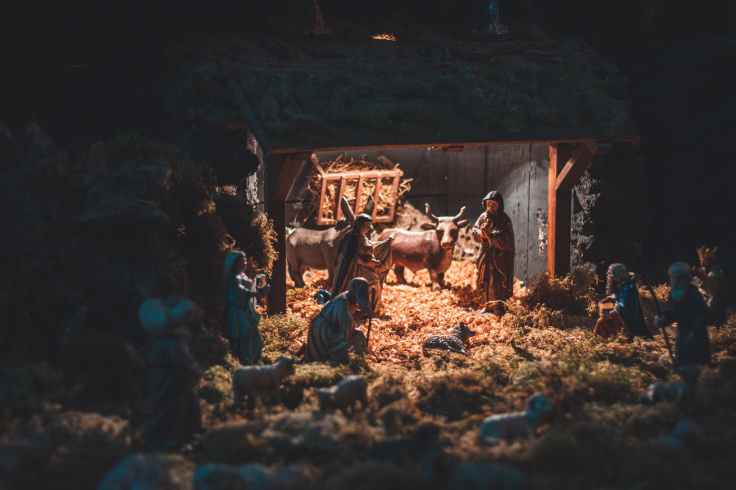
Peace on Earth

Christmas is a joyful season– for most people. And it is a giving season; a busy season; a bright and noisy season. But for most of us, it is NOT a peaceful season. Our small city had a lighted parade earlier this month It was festive and bright; there were a lot of happy people cheering on marching bands, floats, dancers, decorated fire engines and tractors, horse-drawn carriages, and other entries. People were eating, drinking hot cocoa, enjoying the entertainment, and even singing carols. The whole downtown was decorated with brilliant lights and banners and festive plants. But before the parade started, and after it ended, there were angry drivers trying to find (or leave) parking spots, bawling toddlers, rowdy people who had more to drink than just the cocoa, and several others who were just tired, and cold, and overstimulated.

While parades and festivities, parties and pageants have become part of the seasonal celebrations in many parts of the world, they are not what Christmas is really about. Jesus did not come to the world to bring “fun.” He did not come to bring toys or games, parties or feasts. He did not come to bring cheerful songs and fragrant holiday decorations, or hot cocoa and cookies. The angels who announced His arrival did not bring good tidings of candy canes, flying reindeer, or twinkle lights.

We sing about “Peace on Earth.” We talk about it, send greeting cards about it, and pray for it. But what do we MEAN when we talk about Peace on Earth, Good will to Men (Humankind)? For many, it is a wish or a prayer that wars would end, or that the petty differences between rival political factions or even rival churches would end. We speak of global peace or universal peace– peace between men (and women). And it is good that we should want such peace. But is that really the kind of peace Jesus brought with Him? He didn’t put an end to wars and disagreements during His ministry here. He didn’t “settle the score” for those who experienced oppression– the Roman Empire remained; the tax collectors still took more than their fair share; there was still slavery and abuse; greed and adultery and murder did not cease. And the world has been noisy, and messy, and angry and depressed in the two millennia since. And yet…

There IS peace on earth–it is the profound peace that comes with “Good will to Men.” God’s good will found its ultimate expression in the gift of the Savior. There may still be wars and pestilence, angry drivers, bad hair days, injustice, confusion, grief, and pain among people. But there is power to be at peace in the midst of it all– the power of a Peace that passes all understanding (Philippians 4:7); the power of Peace with God (Romans 5:1).

Jesus came to a world that knew only the rumor of such peace. Even King David– a “man after God’s own heart,” a man who wrote songs about peace and safety and joy in God’s presence–knew this kind of peace as something that had been promised. David could know the immediate peace of God’s forgiveness; he could know the blessings of obedience and the restoration of the joy of salvation (Psalm 51:12). But the everlasting Peace that has been accomplished by the Advent of the Christ– David, Moses, Abraham, and all the prophets had longed to know it; to experience it from within.

And THIS Peace we can experience– not just during the Advent and Christmas Season, but throughout our lives. Chaos, loneliness, grief, separation, injustice– it HAS BEEN defeated. It has no power to separate us from God’s Good Will or from His Loving embrace! The noise and anger and clutter and abuse is still real. We should not ignore it, and we certainly must not contribute to it or sanction it. But we no longer have to live without hope; we no longer have to fret and live in constant fear or defeat.

There is no parade tonight as I write this– there are still lights and occasional noises downtown– a door closing, a dog barking, a car passing. But there is Peace within– no matter how loud or bright, how festive or even forlorn things seem.


And Wonders of His Love…

“He rules the world with Truth and Grace,
And makes the nations prove
The glories of His Righteousness
And wonders of His Love.”

Christmas is a time of wonder. Even stories that have little to do with the birth of the Christ Child– Frosty the Snowman, or A Christmas Carol, or The Grinch Who Stole Christmas–involve miracles and wondrously unexpected transformations. We thrill to see redemption and hope triumph over gloom and bitterness. We cheer when the Grinch’s small heart grows three sizes, or when Rudolph the Red-Nosed Reindeer makes the team and leads Santa through a snowstorm. We want to believe that there is a special magic about the first snowfall of each year; that the very coming of Christmas Eve holds a special promise of Peace and Goodwill.

But the ultimate Wonder is that of God’s Love for us:

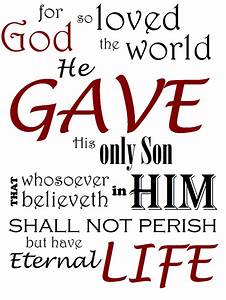
God SO LOVED the world– not because the world was lovable; not because the world’s people were just and kind and honorable; not because God was blinded to the world’s sickness and sorrows and just wanted to feel “groovy” about the world. God just loved the world SO MUCH…


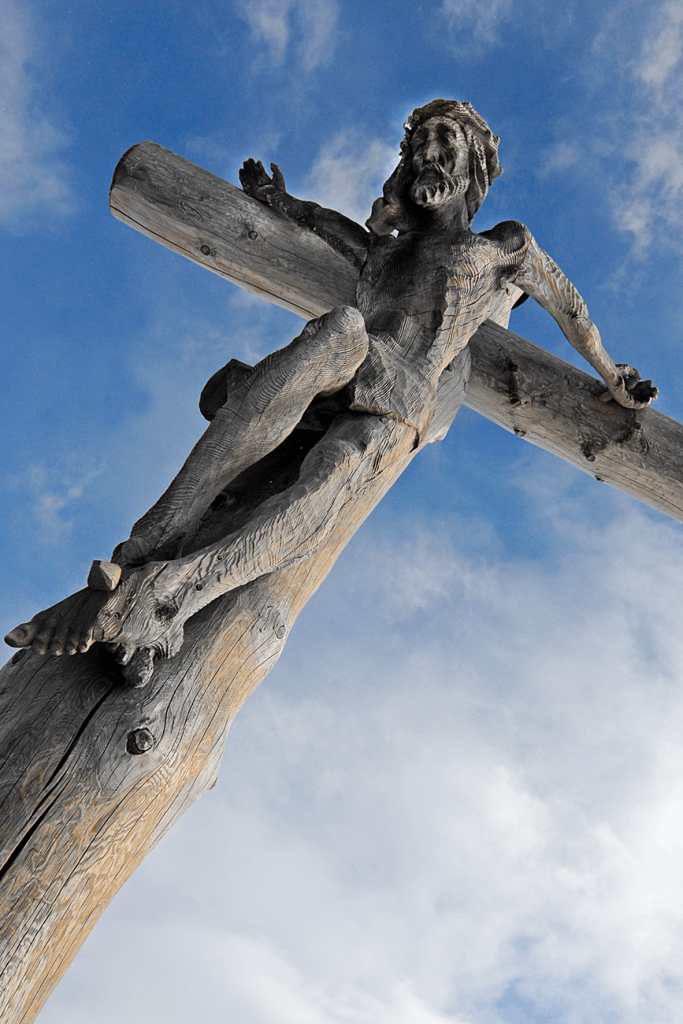
That He GAVE– God didn’t just talk about Love and Joy and Peace– He GAVE–His only begotten Son. He, the creator, became the created– the ruler of the universe became a helpless baby born in a crowded city, banished to a barn because there was no room reserved for his coming. God gave lavishly, sacrificially, completely– He poured out His majesty to take on humanity, and then poured out his human life in service and sacrifice. He kept nothing back– none of his power to avoid injustice, shame, or death; none of his glory or majesty. He suffered the indignity of dusty roads, homelessness, sleepless nights, and crucifixion. He suffered the loneliness of misunderstanding and betrayal by his friends and family.


That WHOSOEVER BELIEVETH IN HIM– Whosoever! Not the noble, not the rich, not the “eminently qualified,” not the beautiful or strong or intelligent “enough.” God yearns to bring the wonder of redemption to the very ones who are ready to give up; to those who know they don’t deserve God’s love and grace; to those who have not known joy or peace, only darkness and grief– those who cannot earn God’s favor can have it in abundance, if only they believe that God exists, and that He rewards those who earnestly seek Him (Hebrews 11:6)

SHALL NOT PERISH, but have everlasting/eternal life–What a wonderful promise! Wonderful because it is beyond our ability to fathom; wonderful because it is undeserved and unexpected; wonderful because it is the ultimate expression of limitless, eternal LOVE. We think of Death as inevitable and permanent–But Christ came to show us that death is temporary and powerless! Hope and Joy, Love and Peace– they have already WON. They are the reality– the rest is only a vapor.

Christmas is so much more than any story of transformation or redemption– it is THE story of redemption; the reality upon which all other stories rest. It is THE Wonder of the Ages– That God would love us beyond limit, beyond even our imagination, and that He would do so as a helpless Baby in a Manger.

Joy to the World!

The Ones Jesus Didn’t “Save”

(Please note–I have been on vacation. This is an older post from a couple of years ago. I will return with new posts later this week.)

“For God so loved the World, that He gave His only Begotten Son, that Whosoever believeth in Him should not perish, but have everlasting Life.”

John 3:16 (KJV)
Photo by Rafael Cerqueira on Pexels.com

This is probably the most well-known verse in the Christian Bible. It has given hope to millions, as it explains that the death and resurrection of Jesus Christ allows anyone to find forgiveness, faith, and new/eternal life. But what about those who don’t believe; those loved ones (and others) who die without the hope of salvation? Doesn’t God care about them? Why does he let them die without hope? Why do they go to eternal suffering, instead of being forgiven?

Photo by Saeid Anvar on Pexels.com

I can’t give a complete answer to those questions…I don’t comprehend the entirety of God’s plan or His mind. But I do know this– God understands our heartbreak and our grief over our unsaved loved ones. After all, Jesus spent three years preaching and announcing the Gospel, yet He was betrayed by one of His closest friends. Jesus– God in the Flesh; Emmanuel; the Perfect Son of God–didn’t “save” everyone He knew. We have the wonderful story of the conversion of Saul on the road to Damascus– what about others who didn’t “see the light?” There may have been hundreds, even thousands who heard Jesus preach; who watched Him hanging on the Cross; who heard the rumors that He had risen, only to reject His message–what about them? Jesus had met them. Maybe He had healed them, or eaten at their house, or studied with them at the Temple when they were younger. Some may have been His brothers, or cousins, or mentors and teachers.

On the night before He was crucified, Jesus was in agony in the Garden of Gethsemane. He was in anguish about what He would have to face, but some of His anguish and grief had to be in knowing that, while His death and resurrection would save so many, there were still others who would choose to turn away and reject the Life and Hope and Peace that He suffered to bring.

Even during His ministry, Jesus didn’t heal everyone who was diseased or lame or blind. He even made reference at one point to the kinds of disasters that often leave us questioning God’s mercy:

There were some present at that very time who told him about the Galileans whose blood Pilate had mingled with their sacrifices. And he answered them, “Do you think that these Galileans were worse sinners than all the other Galileans, because they suffered in this way? No, I tell you; but unless you repent, you will all likewise perish. Or those eighteen on whom the tower in Siloam fell and killed them: do you think that they were worse offenders than all the others who lived in Jerusalem? No, I tell you; but unless you repent, you will all likewise perish.”

Luke 13:1-5 (ESV)

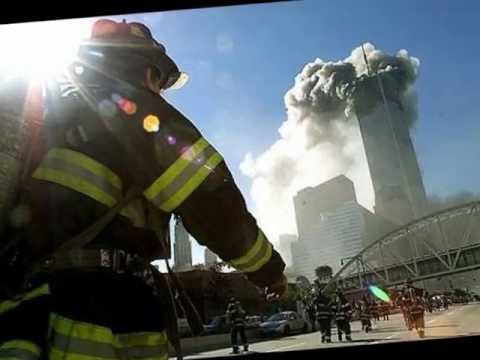
Jesus could have “saved” those Galileans from having their sacrifices desecrated; He could have provided a miracle to save those who were killed by the tower that fell in Siloam. And just as we grieve today for the senseless loss of life in places like Afghanistan and Haiti, or New York City on 9/11/2001, Jesus felt the loss of innocent strangers. Just as we plead with friends and loved ones to repent and seek God’s face, Jesus preached the need for all people to confess and seek forgiveness.

Jesus could have forced Judas to turn from his plan to betray the Master. He had the authority to cast out demons and demand that angels come to honor, protect, or comfort Him. He has the authority to make every knee bow down and every tongue confess that He is the Sovereign Lord of the Universe. And someday, He will! But Jesus won’t save people against their will– even those close to him. He doesn’t compel grudging obedience, or demand abject servitude. There are some who choose to serve Him in that way, but that is not His desire. Instead, He compels us with His mercy. We choose to love Him because He first Loved us– sacrificially, unreservedly, without limits or conditions. (See 1 John 4:19)

Photo by Magda Ehlers on Pexels.com

Jesus patiently spoke to Nicodemus in the dead of night. He chased Saul down on the road to Damascus and gave him three days of blindness to reconsider the direction of his life. He called His disciples and asked them to Follow Him– even Judas. He invited Himself to the house of Zacchaeus. He spoke with compassion to those who were broken, and outcast, and lost. And just like Judas, they had to make choices– some of His friends and followers abandoned Him when He needed them most. Some of them stumbled. But they HAD followed Jesus. They had learned from Him, and they came back and persevered.

Being loved by God comes without conditions and without reservations. Being “saved” by Christ’s atoning blood comes with a price–not just the price He paid on the cross, but the price of our repentance and acceptance of His Lordship, and yes, even the mysteries of His Grace.

Photo by Munmun Singh on Pexels.com

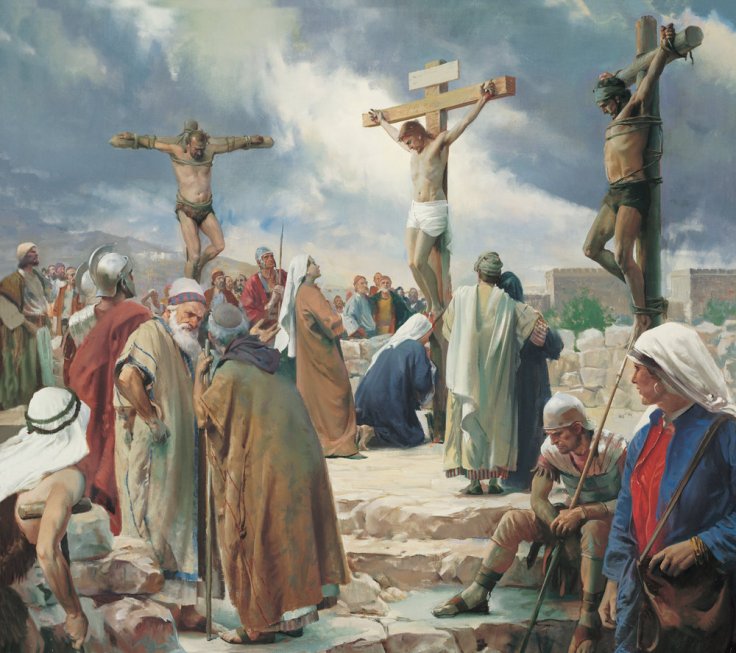
As Jesus hung on the Cross, He was positioned between two convicts who were justly condemned. Both were sinners; both were paying the penalty for their crimes. One cried out to a dying Savior, and was saved. The other mocked and cursed. Jesus had the power to save him. He did not desire that the other man should suffer. But the other man chose to reject who Jesus was, and so rejected all the mercy and power He could have shown.

Jesus died to save “whosoever” would believe. He did not die to save “howsoever.” We may not fully understand why He chose to offer Salvation in this way, but we believe it to our everlasting joy, or reject it to our everlasting anguish.

Shibboleth

Beware of false prophets, which come to you in sheep’s clothing, but inwardly they are ravening wolves. (Matthew 7:15 KJV)
Behold, I am sending you out like sheep in the midst of wolves; be wary and wise as serpents, and be innocent (harmless, guileless, and without falsity) as doves. (Matthew 10:16)
Beloved, do not believe every spirit, but test the spirits, whether they are of God; because many false prophets have gone out into the world. By this you know the Spirit of God: Every spirit that confesses that Jesus Christ has come in the flesh is of God, and every spirit that does not confess that Jesus Christ has come in the flesh is not of God. And this is the spirit of the Antichrist, which you have heard was coming, and is now already in the world. You are of God, little children, and have overcome them, because He who is in you is greater than he who is in the world. They are of the world. Therefore they speak as of the world, and the world hears them. We are of God. He who knows God hears us; he who is not of God does not hear us. By this we know the spirit of truth and the spirit of error. (1 John 4:1-6 NKJV)


Hucksters, charlatans, con-artists, false prophets– we’ve all seen or heard them. Some are easy to spot; while others seem sincere. They “talk the talk”–they “Praise the Lord,” they pray, they quote scripture. They speak about Love and compassion; about joy and peace; about caring and service to others. How can we tell if they are “wolves in sheep’s clothing?”

In the Old Testament book of Judges, two tribal groups had a battle. Afterwards, the victors set up a “test” for soldiers trying to cross the Jordan River. The Ephraimites spoke a dialect that did not contain the “sh” sound. When asked to say the word, Shibboleth, they could not pronounce it correctly, and so were unable to hide their identity as enemy soldiers, even though they looked just like the others waiting to cross.

There is an old Irish prayer that says, “May those who love us, love us; and those who don’t love us, may God turn their hearts; and if He doesn’t turn their hearts, may he turn their ankles so we’ll know them by their limping.” God doesn’t always “turn their ankles,” but He will give us the wisdom to discern false prophets– If we ask and listen. Even those who “talk the talk” will speak with a worldly “accent” that gives them away. They will fail the test of “Shibboleth.” Their talk will be filled with spiritual-sounding words and phrases, but it will deflect honor away from the only One truly worthy of our worship. Their teaching is described in 2 Timothy as “having a form of godliness but denying its power. Have nothing to do with such people.” (2 Timothy 3:5 NIV) Beware of teaching that proclaims the power of the Human Spirit over that of God’s Spirit; or speaks of God’s power being demonstrated only in terms of worldly success. They may not “limp,” but they will “lisp.”

When the Gileadites used the “Shibboleth” test, they were looking for a specific mistake in pronunciation to identify their enemies. When we are testing Christian teachers, we should also look for specific “mis-pronouncements.” And just as important, we should look for words that don’t match actions and attitudes. For example, anyone who wants to call themselves a Christian or Christ-follower, but won’t proclaim Jesus Christ– His ministry, life, death, and resurrection– should be suspect. Many people want to proclaim a Jesus who will appeal to the masses– a Jesus who will be your pal, your guru, your cheerleader, or your “life coach,” but NOT your Lord. Others will present Him as a Savior who is distant, whose love is conditional on abject obedience and blind trust. Neither of these are accurate pictures of the biblical Jesus Christ. We must also beware the teachers who present a Jesus whose lifestyle is nothing like the one they practice. None of us is perfect, but we should be living a life that testifies to God’s faithfulness, not our own popularity or power or purse.

The best way to learn to detect imposters and false teachers is to spend time each day with “the real thing.” When I spend time reading scripture each day, it become easier for me to detect a “lisp” when someone misquotes it or takes it out of context. When I spend time asking God to reveal more of his character, I will learn to spot His character (or absence!) in those around me.

Father, may I have ears to discern Your voice and Your power today. May I be wise as I listen to those who speak of You. And may all that I do and say reflect Your Truth and Your Glory. Thank You for Your wise counsel, Your examples throughout Scripture and in those who desire to follow You faithfully, and for Your Spirit, who reveals Truth.

“I Have Seen the Lord!”

18 Mary Magdalene went to the disciples with the news: “I have seen the Lord!” And she told them that he had said these things to her.

John 20:18 (NIV) via biblegateway.com

Over the past few weeks, there have been images of Jesus Christ all over– Jesus looking very gentle and passive as He rides a donkey into Jerusalem; Jesus teaching vast crowds and looking wise and unflappable. Thousands of images of Jesus the Suffering Servant– bruised, bloodied, yet meek and forgiving–carrying a Cross through the streets, or hanging between the two thieves. And the images of a risen Christ–glowing and serene and unearthly.

These are not false images, by any means. Jesus is all of these things: the Lamb of God, the Suffering Servant, the Son of Man…He came to experience full humanity, and to live as an example, die as our atonement, and ascend to Heaven as our intercessor and Savior. But there is more to the story. Our images of Jesus are often passive, and belong in the past tense. We have baby Jesus, parable-telling Jesus, humble Jesus nailed to the cross. The Bible also gives us images of Christ the Conqueror; Jesus as Warrior; Jesus as the King of Kings, and final authority.

When Jesus makes His return to Earth, He will come as LORD– victorious ruler of His creation–judge and final authority. We make a grave error if we only see Jesus as the Lamb of God, and not also the Lion of Judah. Jesus was meek and humble as a man, but He was always fully GOD as well. When Mary Magdalene finally recognized the Risen Jesus, she recognized Him as “the Lord.” All those who saw the Risen Christ recognized Him, not just as their friend or even as their teacher, but as their Lord. No earthly authority dared approach Him, question Him, try to re-capture Him, or hold Him. He appeared at will to those who were waiting for Him. He stopped telling parables, and started commissioning His disciples to spread the Gospel. Even those who knew Him had trouble at first recognizing this “Risen” Christ.

Do we? Does our focus on Holy Week end with Easter as the “Happy Ending?” Or do we see in the Risen Lord the beginning of the next chapter in God’s Story? Yes, “It is Finished.” But the final act is yet to come.

Beloved, we are God’s children now, and what we will be has not yet appeared; but we know that when he appears we shall be like him, because we shall see him as he isAnd everyone who thus hopes in him purifies himself as he is pure.

1 John 3:2-3 (ESV-emphasis added)

When we look at images of Jesus Christ, — when we pray “in Jesus’ name”–do we see a kind teacher? A humble servant? A “Good” example to follow? Someone willing to lay down His life for us? Those are all accurate descriptions– but do we recognize Him as The Lord? He is the King of Kings and the Ruler of All Creation. Do we speak to Him as we would to an earthly King or Ruler? Do we give Him the Honor we would give an earthly celebrity or hero? Do we seek to know everything about Him? Do we seek to please Him? Obey Him? Magnify Him?

It is easy to get caught up in a “Jesus and Me” theology that celebrates the intimate and close relationship that Jesus offers to us; but do we lose some of the awe and majesty of who we are really following? Was this, at least in part, what happened to Mary and the others after Jesus’ death on Good Friday? Had they gotten so comfortable with seeing Jesus as a man, that they couldn’t really see Him as the Messiah? Or did they only see in Him what they wanted to see– a prophet sent from God who would fulfill their longing for freedom from the Romans, or the miracle worker who would feed them bread and fish and take away their pain? When they went to the tomb on Easter morning, they expected to see the dead body of their friend, not the glorified body of their Creator!

When we seek Jesus today, are we looking for a friend and counselor? Are we looking for someone to meet our needs or fulfill our longings? Or are we looking for our Lord in all of HIS Glory? Do we come away feeling better about ourselves, or are we “bowled over” by spending time with the Alpha and Omega? What a different testimony we might have if we could say, every day, “I have seen The Lord!”

The Righteous Will Live By Faith

“Look at the proud! They trust in themselves, and their lives are crooked, but the righteous will live by their faith.”

Habakkuk 2:4

Is it rational to believe in God? About three and a half centuries ago, the French philosopher, Blaise Pascal, drew up what is now known as “Pascal’s Wager.” In it, he gives a “rational” justification for belief in God (theism). In it, he posits that if God doesn’t exist, it doesn’t matter whether or not we believe that He does. But if God is real, the consequences of our belief or denial are crucial. If the God of the Bible exists (along with heaven and hell, sin and salvation), the failure to believe will lead us to lose everything; the decision to believe will lead us to gain everything…there is no in between.

I’m not a big fan of Pascal’s Wager. Not because it’s bad logic, per se, but because it depends on belief, but not faith.

What’s the difference? Belief says that God exists–that He is supreme, that He controls our destiny, and that He must be obeyed. It will produce a life of theistic obedience to God’s Law, including a life of “good” works, moral conduct, and “right” thinking. But it will not produce a Godly character. It will not be a life of righteousness.

Faith, on the other hand, believes that God not only exists, but that He rewards those who earnestly seek Him (Hebrews 11:6) and that He so loved the world, that He gave His only Son (John 3:16) to save us from Sin and Death (1 Corinthians 15:56-7). It is not our belief in God’s existence that saves us and gives us life; rather it is Faith by His Grace! (Ephesians 2:8-9) in the nature and character of God– in the atoning work of Jesus as revelation and proof of His character– that saves us from Sin and Death.

Pascal’s Wager is a way of thinking about God. It can lead someone to believe, which can produce a life of Faith. But it can also produce a kind of life that is ruled by grudging obedience, resentment, and pride in one’s own powers of self-control and understanding. Faith lives in dependence and humility, and joyous gratitude for God’s gifts.

The prophet Habakkuk, who first wrote the phrase, “the righteous will live by faith,” learned this lesson in dramatic fashion. He “believed” in God– in His righteousness and justice. He spoke to God about the wickedness he saw all around him, among his own people. God gave him a difficult answer: Justice was coming in the form of an invasion by the Babylonians– a group known for their wickedness and cruelty and lack of justice! God’s answer was shocking and counter-intuitive. But Habakkuk chose to believe and put his faith in God’s Eternal Character, as God revealed the “rest of the story.” Israel would suffer; justice would be cruel–but God’s glory and His salvation would triumph. Habakkuk’s response was a song of praise. Regardless of his circumstances, Habakkuk would wait and rejoice, knowing that God’s ways are perfect.

It’s not difficult to say we believe in God. But are we living in Faith? I find it easy to let circumstances–especially injustice and wickedness–overwhelm me and rob me of peace and joy. But I find it comforting to know that my momentary doubts cannot stop God’s promises, His Mercy, or His power to help me live by Faith. That’s due to His righteousness, not mine, but through Christ, I can trust in it, walk in it, and live in it!

Do You Love Me?

15 When they had finished eating, Jesus said to Simon Peter, “Simon son of John, do you love me more than these?”
“Yes, Lord,” he said, “you know that I love you.”
Jesus said, “Feed my lambs.”
16 Again Jesus said, “Simon son of John, do you love me?”
He answered, “Yes, Lord, you know that I love you.”
Jesus said, “Take care of my sheep.”
17 The third time he said to him, “Simon son of John, do you love me?”
Peter was hurt because Jesus asked him the third time, “Do you love me?” 
He said, “Lord, you know all things; you know that I love you.”
Jesus said, “Feed my sheep. 18 Very truly I tell you, when you were younger you dressed yourself and went where you wanted; but when you are old you will stretch out your hands, and someone else will dress you and lead you where you do not want to go.” 19 Jesus said this to indicate the kind of death by which Peter would glorify God. Then he said to him, “Follow me!”

John 21:15-19 (NIV)
Photo by Anna Shvets on Pexels.com

Today is Valentine’s Day, and many people will be saying, “I love you,” or asking, “Do you love me?” And many others will reply, “Yes, I love you,” or “I love you, too!” Cards and gifts may be exchanged; some couples will dine out or have romantic candlelit dinners at home. It is a day to celebrate love. There are thousands of poems and songs about love– ooey, gooey, gushy love; unrequited love; first love; true and lasting love; even “puppy” love.

But Valentine’s Day can also be a painful reminder– of lost love, betrayal, and loneliness. The story of Peter’s betrayal and reinstatement is not a “Valentine” story of romantic love, but it carries some lessons for today about love in general, and the Love of Christ in particular.

  • Love is a choice– freely given and freely accepted (apologies to Elvis Presley and others who have sung about not being able to help falling in love…) When Jesus first called Peter (and in the above passage as well) He simply asked Peter to “Follow me.” He made no demands, offered no bribes, used no intimidation. There is no long list of requirements or expectations; no bargaining; no “quid pro quo.” That said, Love is not a light-hearted or whimsical thing. Peter’s choice to love Christ, and to follow him cost him his life. Christ’s choice to love us led Him to humble Himself to death, even death on the cross (Philippians 2:8). Jesus could have escaped this fate several times over– He CHOSE to die for each of us!
Photo by Criativithy on Pexels.com
  • Love is more than just a feeling. “Follow me” demands an action and a commitment. There are many today who “love” the idea of Jesus; they love the parables, or the gospel story; they are in love with “love.” But the idea that “Love” is all you need (apologies to the Beatles) misses the mark. Feelings change; feelings are transitory and often dependent on circumstances. Love chooses to follow– even when the going gets rough; even when it is not convenient, even when it involves sacrifice.
  • Loving someone involves taking the risk of being hurt, denied, or betrayed. There is no Biblical passage describing the amount of hurt Jesus must have felt when Peter denied Him three times, or when Judas betrayed Him. The Biblical account tells us that Jesus already knew and predicted these two events, but how agonizing–every bit as painful as the nails in His hands and feet! Jesus loved those who spit at Him, abandoned Him, condemned Him, and persecuted Him. And we also see Peter in this passage being hurt at Jesus’ questioning him a third time; Peter was shocked and hurt when Jesus predicted his denial, and when Jesus said to him, “Get behind me, Satan.”(Matthew 16:23) Love is never free from risk– especially the imperfect love we have as humans.
Photo by Design Killer on Pexels.com
  • Love leads to restoration and forgiveness. Peter’s denial of Christ could have haunted him for the rest of his life. Had Jesus said nothing; done nothing to address this hurt, it would not have changed the fact that Peter was forgiven. But in publicly restoring Peter, Jesus made it clear that it was “all good” between them– Peter wasn’t just conditionally forgiven, he was completely restored!
  • Love is stronger than death! It is stronger than sin, or betrayal, denial, or hurt. Love is eternal and limitless, everlasting, and enduring. God IS Love and to know God is to know love. To speak to God and to hear His voice and read His Word is to converse with Love. Whether in the presence of saints on a mountaintop, in the midst of a raging storm, or on a quiet beach– Love is closer than our next breath, and more powerful than our deepest fear. Love never fails (1 Corinthians 13: 8)

And that’s a love worth endless celebration!

God Is Not Dead, Nor Doth He Sleep..

It was almost 160 years ago, during the darkest days of America’s Civil War, that Henry Wadsworth Longfellow wrote a poem “Christmas Bells” that would become the Christmas Hymn, “I Heard the Bells on Christmas Day.” His son had been badly wounded in battle; his wife had died just a few years earlier, and the nation was in ruins and chaos. No one knew how much longer the war would continue or what the final outcome would be; Longfellow did not know if his son would live, or if he would be paralyzed for life. As he listened to the bells of Christmas ringing from church towers, he poured out all his doubts and fears in verse. Yet he concluded, “The Wrong shall fail, the Right prevail, with peace on earth, good-will to men.”

Christmas is not just a celebration of “comfort and joy” that comes from tinsel and lights, cozy fires, or gifts under brightly lit trees. Christmas is about Hope in times of darkness. It is about promises kept; prophesies fulfilled, victory assured, even when it looks as though the Enemy has the upper hand.

It is horribly tempting in troubled times to wonder and question God’s ways– does He hear? Does He see? Is He asleep? Does He exist? How can a “good” God allow such suffering and pain? And like Longfellow, we listen to our circumstances, and they seem to drown out the message of Christmas– “For Hate is strong, and mocks the song of peace on earth, good-will to men.” The cannons of yesteryear may have been replaced with 24-hour news cycles or Facebook news feeds, with protests and terrorist attacks; war and political corruption; social tensions and economic turmoil, but the noise is still the same. There is hatred, deceit, destruction, and doubt in our world–it was present during the Civil War; it was present during the Roman occupation at the time of Christ’s birth. But that birth brought a singular hope– one that has become so familiar, and so casual as to be almost forgotten amidst the immediate urgent noises of the day.

Photo by Perchek Industrie on Pexels.com

The trappings of Christmas sometimes hide the very Glory of Christ’s Advent. God CAME. He LIVED AMONG US. He was humble. He felt the cold and heat of long days and nights; his feet got dirty from walking. He laughed and cried. And, He DIED. He felt agony and shame and fear as he gasped for breath, naked and bloody and facing sneers and anger from the crowd. But God IS NOT DEAD–He conquered death; He rose again victorious. And He did it so that our suffering is not in vain– our suffering is not the end of our story.

GOD IS NOT DEAD. Hope is not in vain. Nor does He sleep–even in the silence of our lonely nights, even in the noisy chaos of life in 2023–God has not stepped off His throne; He has not turned His back on mankind. “The Wrong shall fail–” though it may seem strong and strut arrogantly through the streets, shouting and threatening–God is the final authority. Nothing is hidden from Him. He sees every injustice, every secret sin; He hears every lie, every twisted truth, every deceit. And He has no favorites– there is no excuse, no “religious” exemption– ALL have sinned, and all will be held to account.

EXCEPT– because of that one birth and death and resurrection–the debt is already paid. “The Right (shall) prevail with peace on earth, good-will to men.” For those who listen beyond the noise of battle, the bells of Christmas ring “more loud and deep” with the hope and joy and strength that overcome our pain and struggle. Longfellow found that truth– and I’m so glad he shared it. I hope his words will continue to remind us to listen through this season for the true message of Christmas.

Photo by Pixabay on Pexels.com

When Half-Spent Was the Night

‘Tis the season for Christmas Music– hymns and carols, ancient songs and modern tunes celebrating the Advent and Birth of the Lord Jesus. Joyful, passionate, somber, or even a bit silly, such music can lighten our spirits, and remind us of the incredible gift of God– Emmanuel–His very presence among mankind.

Christmas lyrics often use wonderful imagery to retell this amazing story. The Bible accounts tell of shepherds, angels, wise men, and stars– the songs give us the immediacy of a dark night– “silent”, “still”, “earth as hard as iron; water like a stone”, “a midnight clear”, “half-spent was the night”…

Most of us live in a world that rarely gets so dark. If we live in a town or city, we are surrounded by street lights, security lights, even night-lights in the hallway. Even so, we have a feeling for how the midnight and early morning hours seem darker, colder, quieter, and more dreary than any other time. And there is a significance in remembering that Jesus came to earth in the midst of literal and metaphorical darkness, “when half-spent was the night.”

Photo by Alex Fu on Pexels.com

God is Omnipresent– it is not as though God leaves us when all is merry and bright– but His presence is often most keenly sought, and unexpectedly found, in darkness and distress. When all seems bleak, cold, and hopeless, Jesus comes silently, small and fragile as a baby, bringing light, hope, joy, and peace. He comes when the night is “half-spent”– when the darkness is deepest, the silence weighs heaviest, and the cold is most bitter; when hope and light seem lost.

Jesus’ Advent came after four hundred hears of silence. Prophets, such as Isaiah, Zechariah, and Micah, had spoken of Messiah rescuing Israel from captivity. But the years had passed, and Rome ruled the Jewish people with an iron fist. God had stayed silent, and hope seemed remote. Rome would continue to rule the world for another four hundred years. But when Messiah arrived, He didn’t come to break the power of Rome. He didn’t come at the end of that particular “night”; rather, He came when the night was “half-spent.” He came gently, quietly, and humbly. He came to deliver Israel from something much darker, colder, and deadlier than a foreign occupation. Jesus, through His life and death and resurrection, came to deliver Israel, and the rest of the world, from the power of sin and death.

All the promise of deliverance and salvation that came in the middle of that bleak night so long ago, remains for us to celebrate– even in the middle of our “half-spent” nights.

We may not see the dawn in the middle of our struggles. We may not hear the angels singing or feel the warmth of the new day coming. But because of this “Rose e’er Blooming”, we can rejoice. We can find hope and peace in the present night, knowing that Emmanuel is with us! Like a lamp in the night, He will stay with us as we travel through the present darkness. After all, “Thy WORD is a lamp unto my feet and a light unto my path.” (Psalm 119:105) Jesus is the Living Word of God, and thus, our living light!

The Urgency of Death

Just last week, one of my high school classmates died unexpectedly.  I’m getting to “that age” when more and more of my contemporaries are experiencing health issues– diabetes, heart problems, cancer, arthritis, even early-onset dementia– but this friend seemed to be in good health.  She had just been celebrating the birth of a grandson, and other milestones.  Death sometimes comes when (and to whom) we least expect it.  It is shocking, saddening, and frightening all at once.  

Photo by Andrea Piacquadio on Pexels.com

Death has an urgency that pushes other concerns away.  Death is final; permanent.  Death is powerful– we can’t cheat it, defeat it, or comprehend it.  Death frightens us, angers us, and mystifies us.  We begin to look at our own life and ask questions–Who am I?WHY am I?  What makes me “me”– individual and uniquely different from everyone else?  Is there a purpose to my being– to my being “me”, “here” and “now”?  How can I find and fulfill that purpose if it exists?  Do I have an eternal destiny after this life?  If so, how can I know what it might be?  Can I change that eternal destiny?

sunset ship boat sea
Photo by Pixabay on Pexels.com
Photo by Liza Summer on Pexels.com

Some people argue that our origins are accidental; our uniqueness is merely a random generation of genetic code; our purpose non-existent or self-determined; and our destiny no more than dust. They avoid talking about death–and the meaning of life. They want to “live in the moment,” but they don’t want to ask any questions of the past or future. And they mock anyone who does. Many of them hear me or read what I write and dismiss me as intellectually lazy, gullible, or crazy.  I’m all right with that, as long as they will be intellectually honest enough to admit to the questions; and open enough to acknowledge that there may be more than a quick denial as an answer.  Crazy– well crazy is as crazy does, I guess…I’ll let my actions answer that one.

Death is powerful and mysterious, but I believe that God is more powerful, and omniscient– he has already crushed the power of death, and invites us to view death from a different perspective.  When we take everything– including death– to the Lord in Prayer, he takes the weight of it, the fear of it, the pain of it off our shoulders and carries it to the cross.  HIS death overshadows even our own, in its power to overcome. The urgency of death is not that it is the end of all things.  The urgency of death is that it signals the end of our opportunity to recognize and live out the purpose of this short life.

art cathedral christ christian
Photo by Pixabay on Pexels.com

If that isn’t an urgent reason to pray for those you love, I don’t know of a better one…

It’s also an urgent reason to pray for those around you who are grieving the recent loss of a loved one.  And don’t just be someone who prays..be an answer to prayer– reach out with a card, a note or e-mail, or spend some time with them.  Let them know that a) their loved one is not forgotten, and b) neither are they!

Blog at WordPress.com.

Up ↑